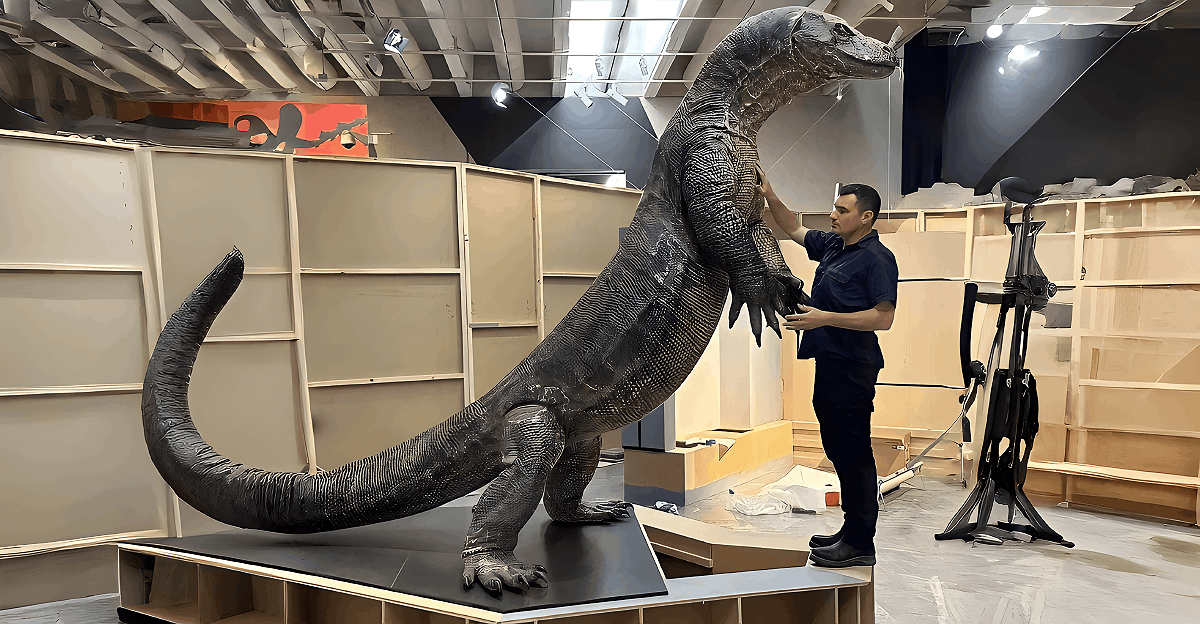
The story of early humanity is as much about survival as it is about innovation. Long before modern technology, our ancestors lived in precarious harmony with nature, constantly threatened by predators.
For prehistoric humans, the world was a dangerous place filled with massive carnivores that saw them as an easy meal. These are some of the dangerous predators that saw humans as a mid-day snack rather than a threat.
1. Dire Wolves
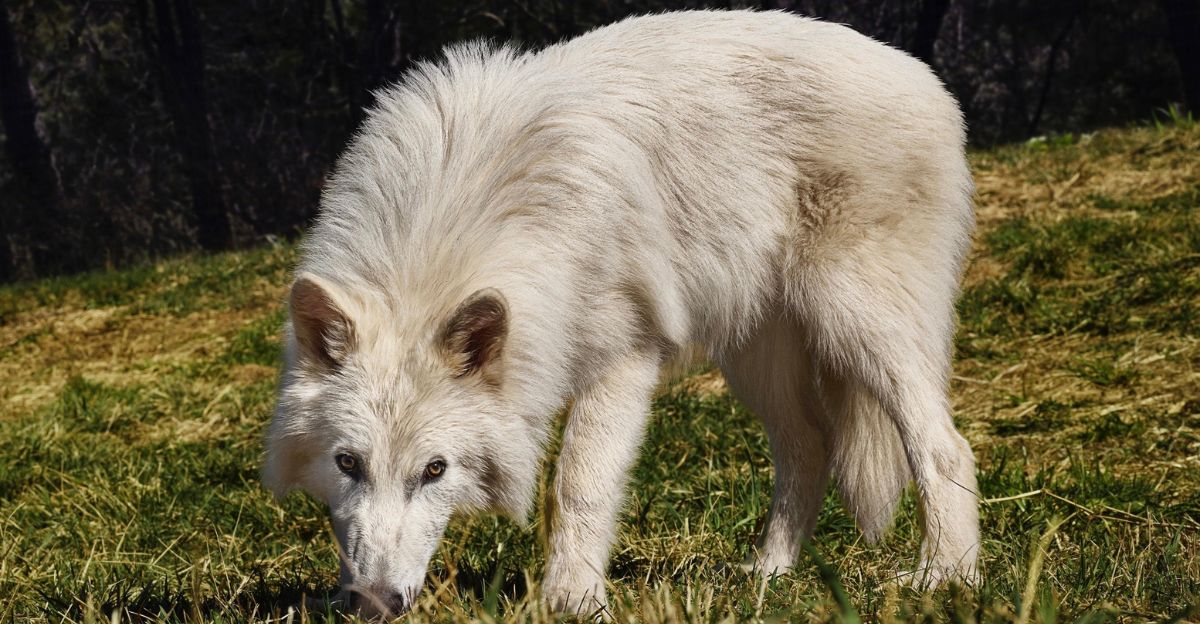
Among the most fearsome predators to roam the Ice Age world were dire wolves, which were much larger, sturdier, and heavier than today’s gray wolves. Weighing up to 150 pounds, they possessed massive jaws with a bone-crushing bite adapted for seizing and tearing through the hides of large herbivores like bison, horses, and even young mammoths.
For early humans venturing across the same Pleistocene landscapes, dire wolves represented more than competitors, they were a relentless danger. Campsites and hunting grounds placed humans directly within dire wolf territories, and when food was scarce, desperate packs may have viewed people as suitable prey. Once targeted, escaping would have been nearly impossible, as dire wolves could chase for long distances and attack from multiple angles.
2. Komodo Dragon Ancestors
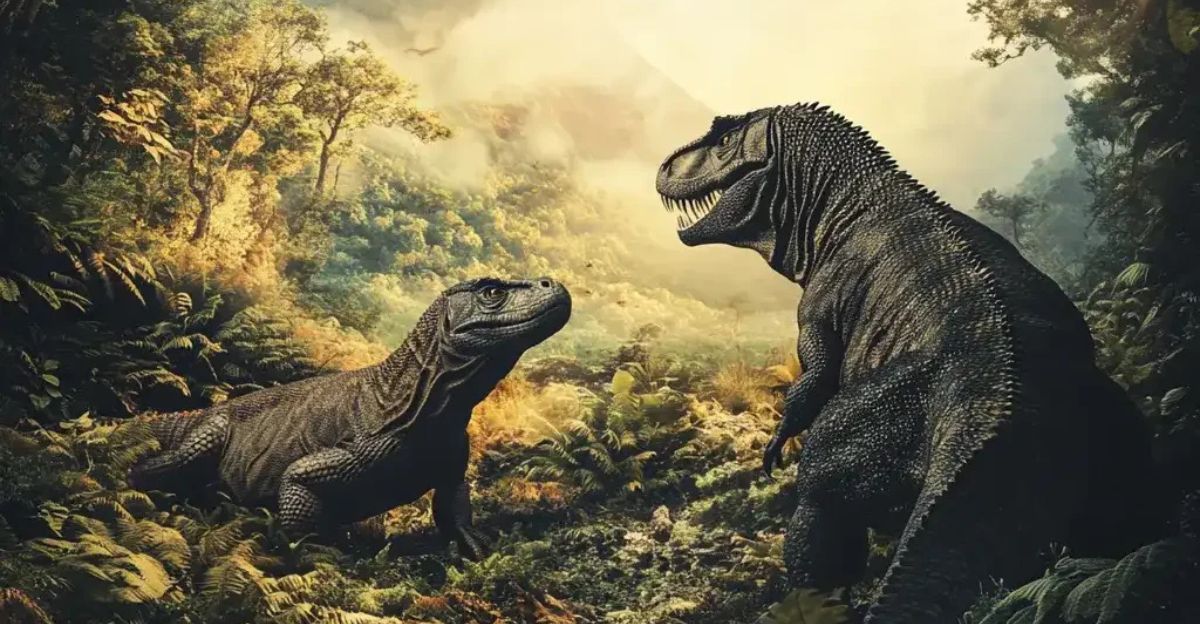
Komodo dragon ancestors were far larger and more formidable than the modern dragons of today. Fossil records point to massive monitor lizards, such as Megalania from Pleistocene Australia, which could reach lengths of over 20 feet and weigh more than a thousand pounds. These giants were apex predators of their ecosystems, equipped with serrated teeth, crushing jaws, and potentially venom in their saliva that accelerated blood loss and infection in victims.
These reptiles were a terrifying threat to early humans living in Australia and Southeast Asia. Their ambush tactics, combined with endurance in tracking wounded prey, made them relentless killers.
3. Short-Faced Bears
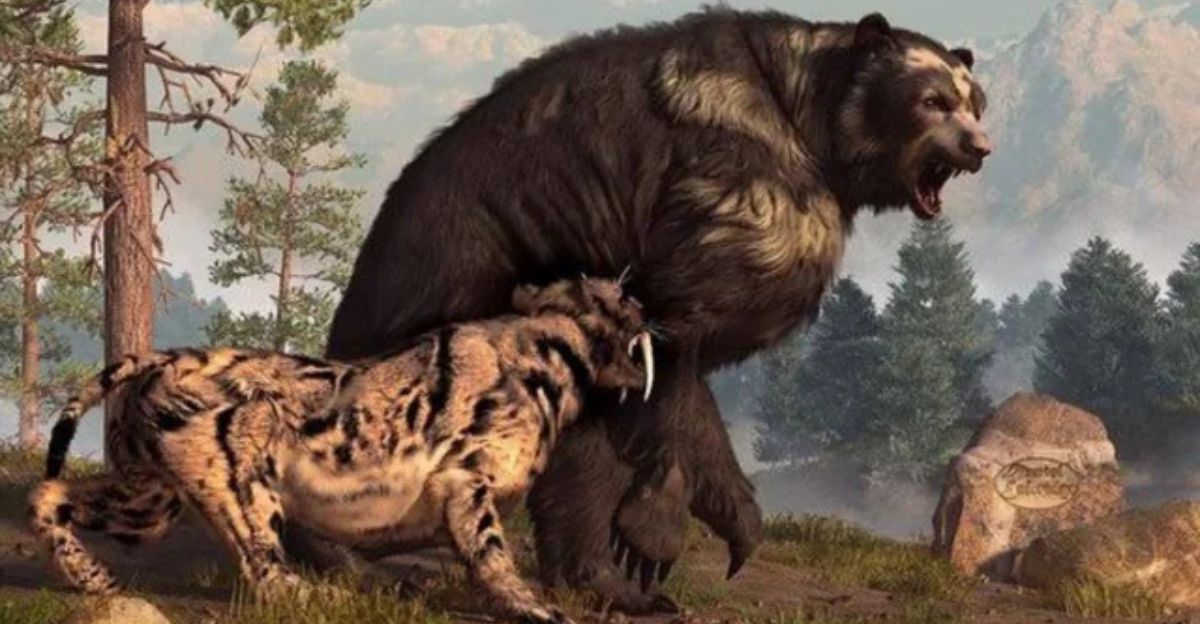
These bears were among the most terrifying land predators of the Pleistocene, towering as a towering embodiment of prehistoric danger. Believed to be the largest bear species to have ever lived, they stood over 11 feet tall when upright and weighed up to a ton, dwarfing even modern grizzlies and polar bears.
Unlike omnivorous modern bears, evidence indicates the short-faced bear was primarily carnivorous, consuming a meat-rich diet. Its skeletal structure and gigantic jaws suggested a dominance-based feeding strategy. For early humans, the short-faced bear represented the ultimate nightmare, a predator too large to fight, too fast to flee, and too aggressive to ignore.
4. Cave Lions
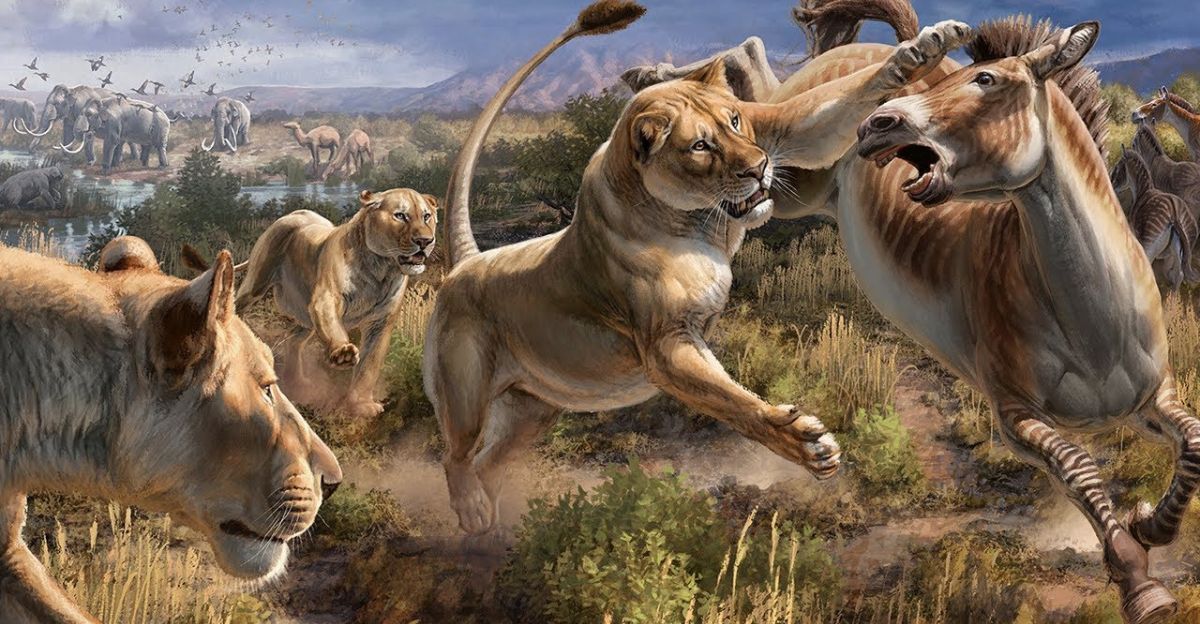
The cave lion, one of the most formidable predators of the Ice Age, was significantly larger than modern lions and dominated much of Europe and Asia around 60,000 to 13,000 years ago. These beasts could measure up to 8 feet in length without the tail and were estimated to weigh more than 700 pounds, making them actual apex predators of their time.
For early humans, the presence of cave lions meant that virtually no open landscape was free of danger. They were likely social animals, hunting in groups like modern lions, which made them even more threatening to small human bands.
5. Saber-Toothed Cats
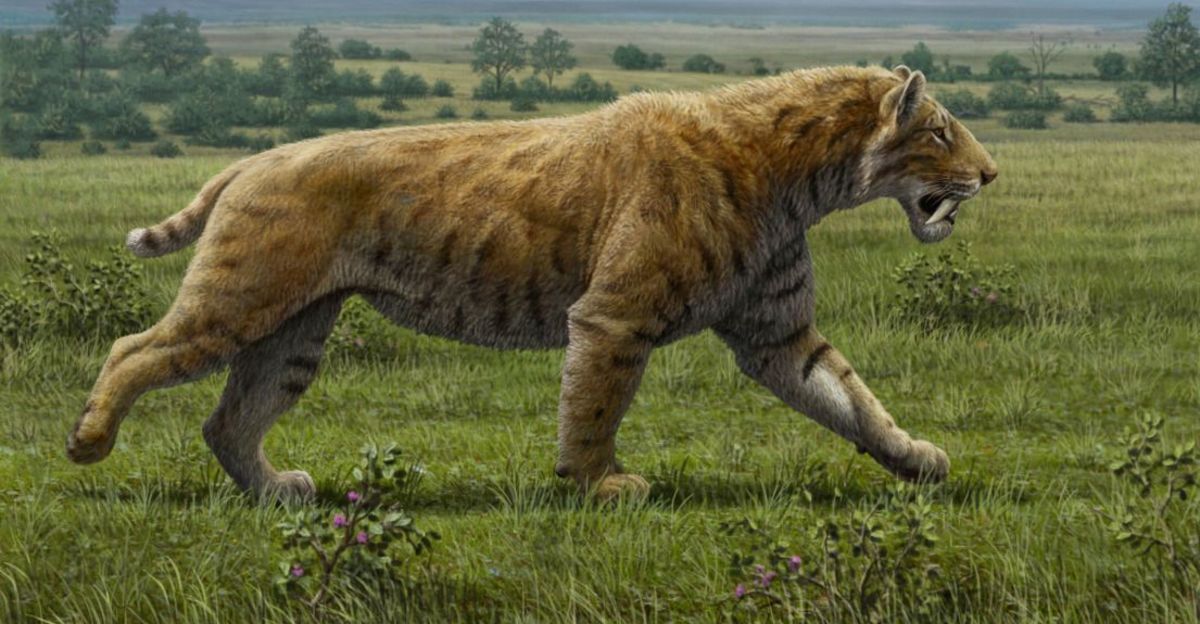
Unlike today’s big cats, its iconic elongated canine teeth were specialized weapons capable of inflicting deep, fatal wounds on large prey. Powerful forelimbs allowed it to wrestle animals to the ground, immobilizing them before delivering fatal bites. To early humans, saber-toothed cats were more than a lurking danger, they were apex carnivores that shared the same hunting grounds and often the same prey species.
Fossil evidence suggests direct competition, with humans scavenging carcasses left behind or desperately defending kills against these muscular ambushers.
6. Crocodyliform Giants
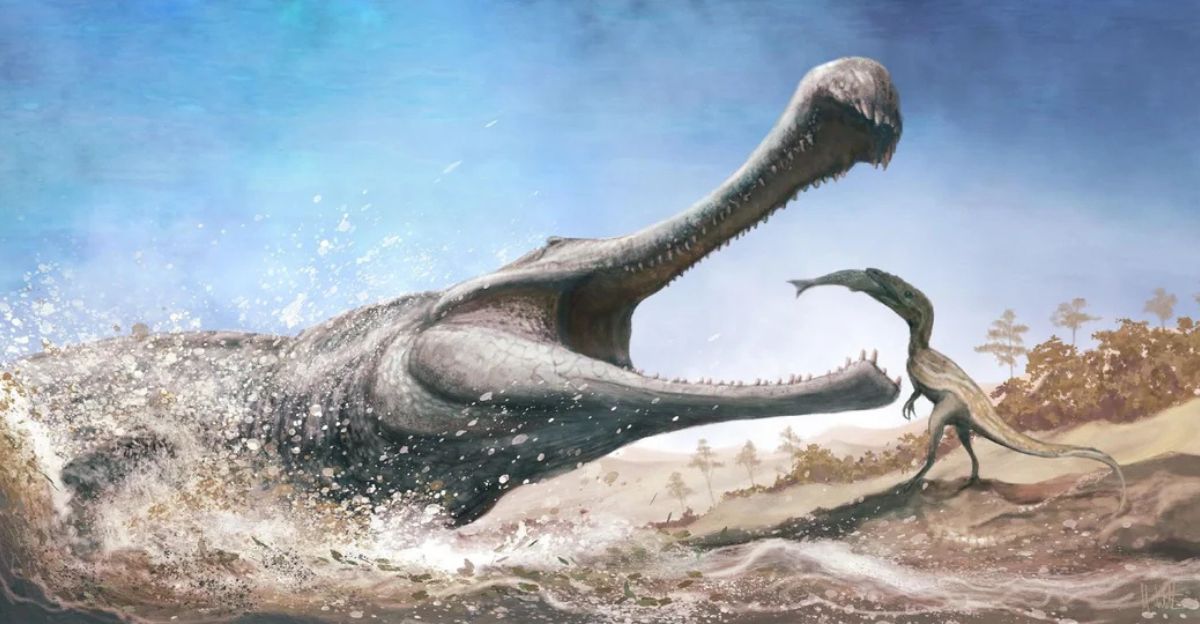
Among the most terrifying creatures early humans may have encountered were the colossal crocodyliform giants Deinosuchus and Sarcosuchus. These titans, reaching thirty to forty feet in length, dwarfed modern crocodiles and occupied lakes, rivers, and swampy deltas during the Miocene and Cretaceous periods.
Prey had little chance of escape once trapped in their bone-crushing jaws. For early humans venturing near vital water sources, this danger could never be dismissed. Children drawing water, hunters fishing, or entire groups crossing rivers were potential targets.
7. Giant Eagles
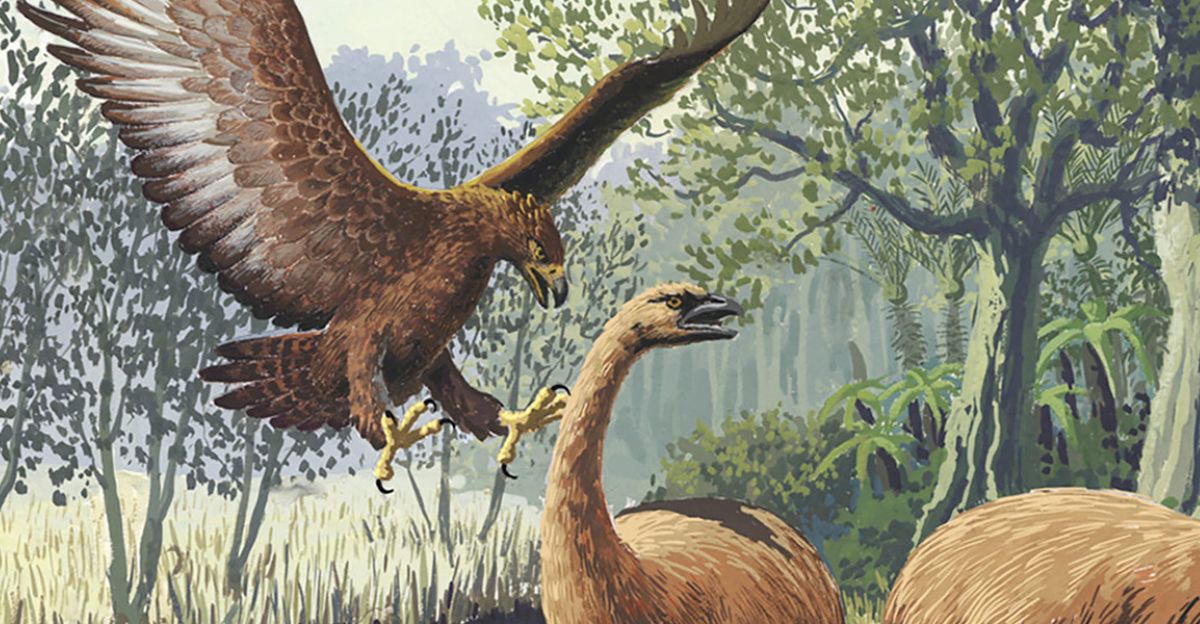
It is difficult to imagine birds as apex predators, but prehistoric giant eagles posed real threats. Unlike smaller raptors of today, these massive birds could attack and kill human children and, in some cases, even fully grown adults.
What made giant eagles so dangerous was their power and hunting style. They attacked from above, often invisible until the last moments, when they swooped silently at incredible speed. For early humans who lacked the protection of enclosed shelters or advanced weapons, their vulnerability in open landscapes was extreme.
8. Python Ancestors
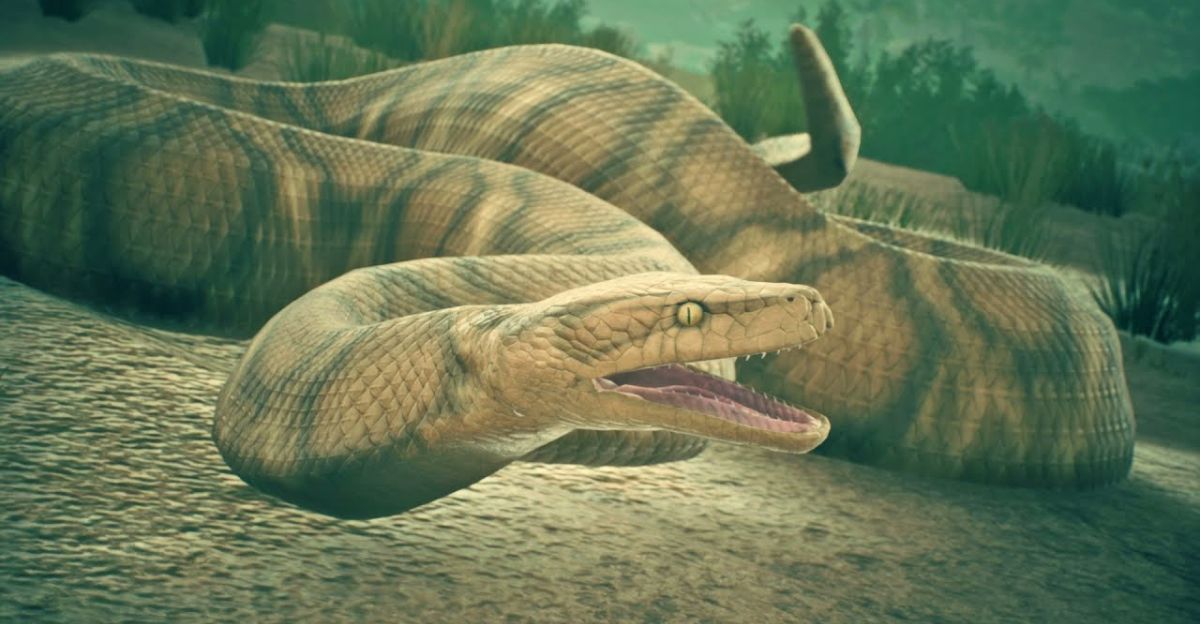
These serpents could reach lengths well over 20 feet, lying in wait within forest undergrowth, near rivers, or among tall grasses where unsuspecting prey passed. Unlike predators that relied on speed or sharp claws, giant pythons killed through silent ambush, striking with lightning speed and coiling around victims in a suffocating embrace, their muscular bodies powerful enough to crush bones.
For early humans moving through jungles or seeking water, one unseen serpent could spell doom within seconds. Archaeological and anthropological studies suggest that prehistoric humans not only rendered these snakes a genuine threat but also incorporated them into myth and folklore as symbols of death and rebirth.
9. Giant Hyenas
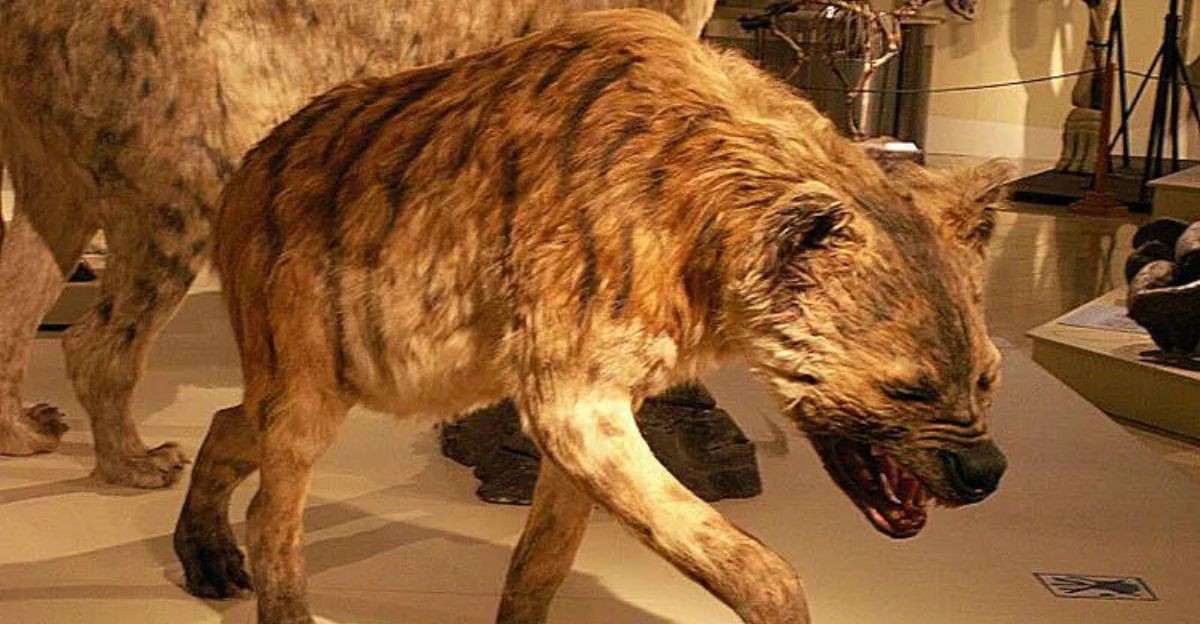
Unlike today’s spotted hyena, which already boasts one of the strongest bites in the animal kingdom, these prehistoric titans were nearly twice the size, standing over three feet at the shoulder and weighing as much as 400 lbs. Their immense jaws could easily pulverize bones, giving them unparalleled access to marrow and nutrients hidden within carcasses. To early humans, these predators were not just competitors but existential threats.
Archaeological evidence suggests that humans often vied with giant hyenas to control caves, serving as dens and shelters. Human remains from these sites frequently show gnawing marks consistent with hyena feeding, a stark reminder that encounters seldom ended well.
10. Wild Dogs
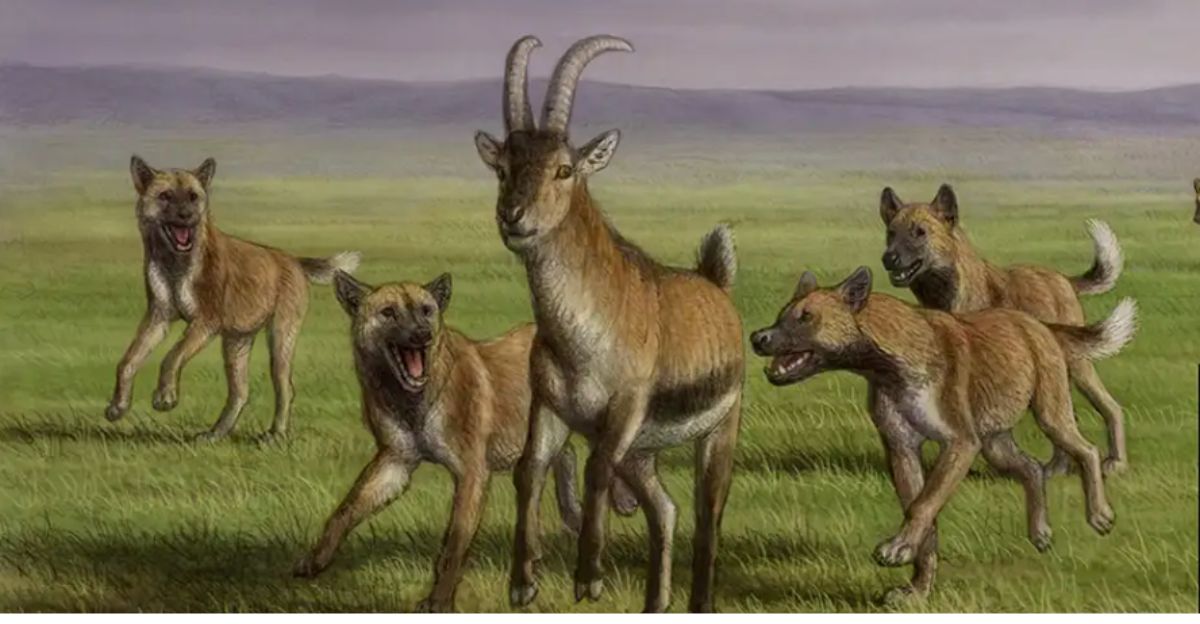
Wild dogs, particularly the prehistoric ancestors of species like the African wild dog, were among the most relentless predators early humans had to reckon with. Unlike solitary hunters such as leopards or tigers, wild dogs relied on cooperation and endurance, which made them extraordinarily effective in open plains and savanna habitats. Their strategy, known as “persistence hunting,” involved chasing prey for long distances until exhaustion forced collapse, at which point the pack delivered swift and brutal attacks.
Fossils suggest humans sometimes fell to such relentless onslaughts, leaving behind remains marked by gnawing and crushing. For early bands of nomadic hunters, the presence of wild dogs reinforced the critical survival lesson that safety lay in numbers and vigilance.
11. Giant Hybodont Sharks
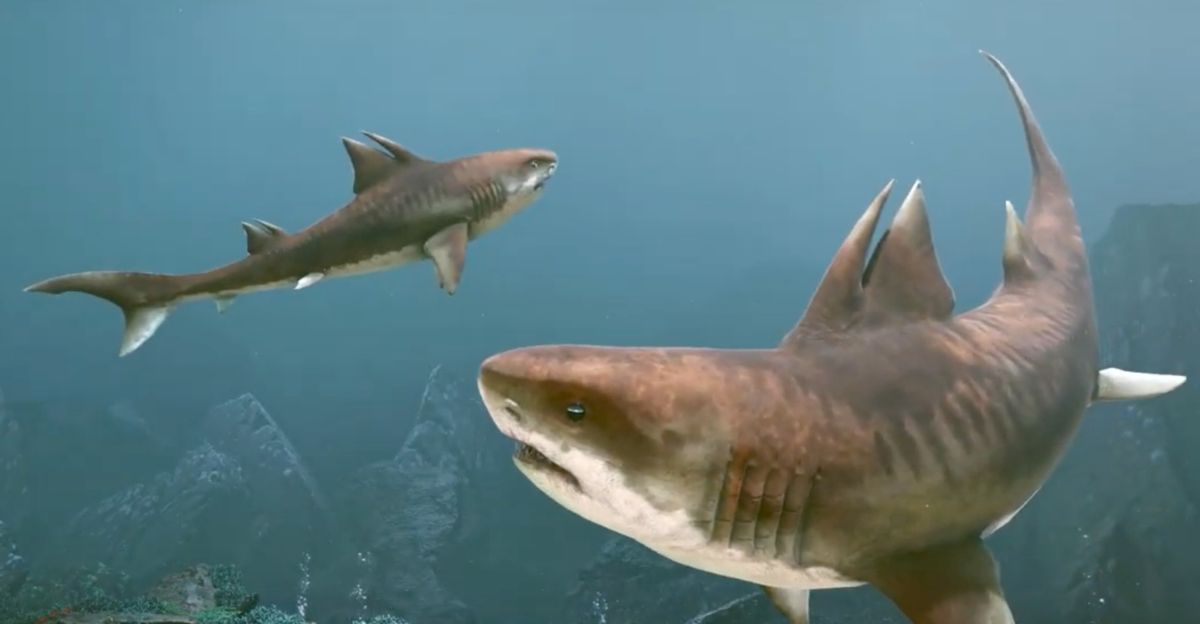
The Hybodonts were an ancient group of sharks that thrived for hundreds of millions of years before humans appeared. Their descendants still commanded oceans when early humans first ventured near coasts. Some species grew to sizes comparable to modern great whites, armed with tearing and crushing teeth that allowed them to consume various prey.
These sharks represented sudden, invisible death for early humans exploring coastal regions or fishing near shallow waters. Their ambush attacks from below gave little warning, turning the sea into a place of primal fear. Unlike land predators, Hybodont sharks extended the domain of danger into oceans and estuaries, reminding humans that nowhere in nature was entirely safe.
12. Jaguars
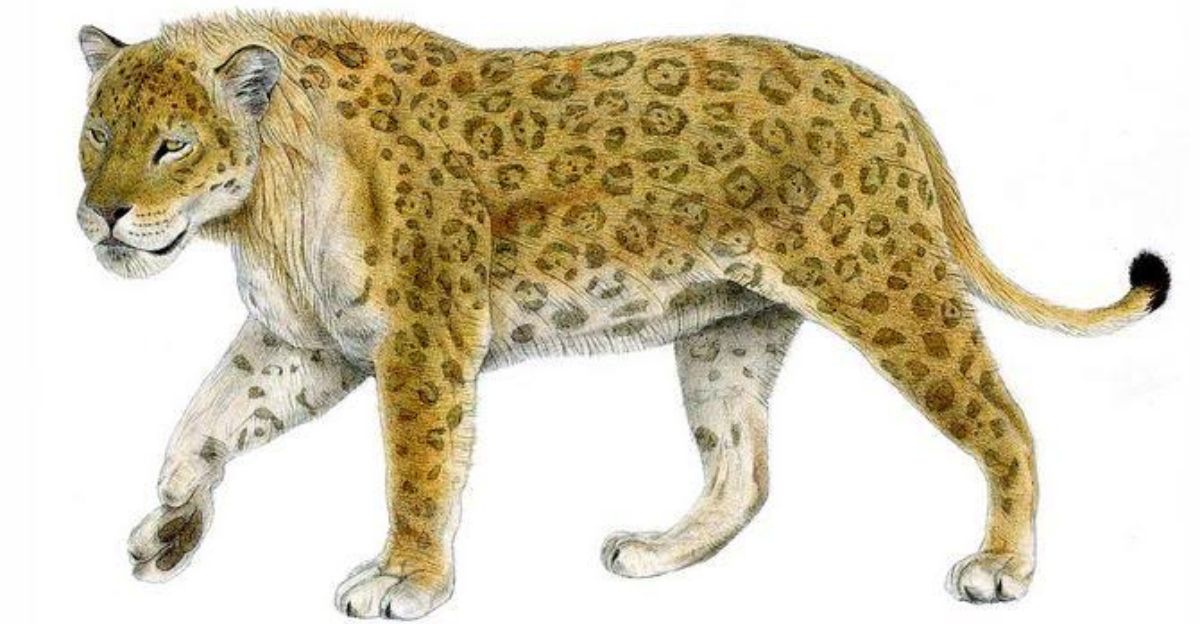
Early humans living in the rainforests of Central and South America faced an especially formidable predator in the jaguar. Unlike lions or cheetahs, jaguars did not rely on long pursuits; instead, they excelled at ambush, using dense jungle cover to stay completely unseen until the fatal moment. With stocky, muscular builds and the most powerful bite relative to body size among big cats, jaguars could pierce skulls or crack bones with a single bite.
This hunting tactic, unique among large cats, meant early humans were not just at risk of being mauled, they were often killed instantly, leaving little opportunity for escape or defense. Jaguars are also strong swimmers, giving them dominance over riverbanks, which were critical for human survival. Fishing, bathing, or collecting water in jaguar territory could easily end in tragedy. The jaguar was a double threat for communities living alongside mighty rivers like the Amazon.
13. Crocodiles and Nile Ancestors
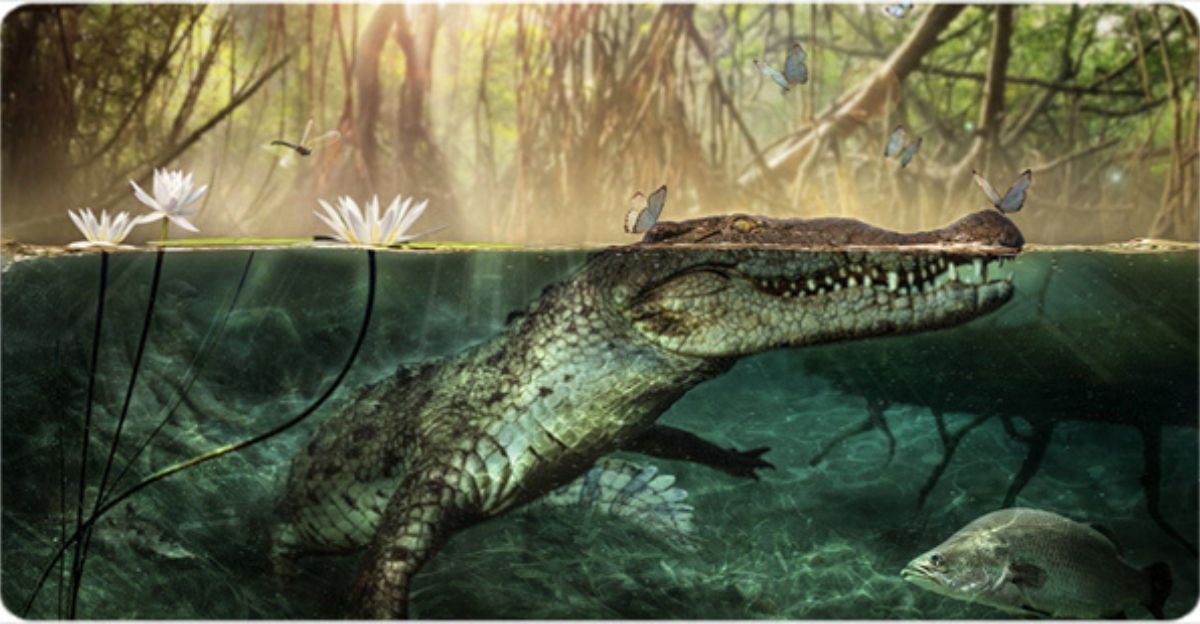
Crocodiles and their ancient relatives were the most persistent threats to early humans living near rivers, lakes, and marshes. Fossil evidence shows that ancestors of the modern Nile crocodile, alongside even larger prehistoric species, patrolled waterways across Africa and beyond. For early humans, water was essential for drinking and fishing, bathing, and gathering plants, making these ambush predators especially dangerous.
Crocodiles thrived on their extraordinary ability to remain undetected, floating almost invisibly until the precise moment of attack. When they struck, their immense bite force and sudden acceleration allowed little chance of escape, often dragging victims below the surface in violent “death rolls.”
14. Leopards
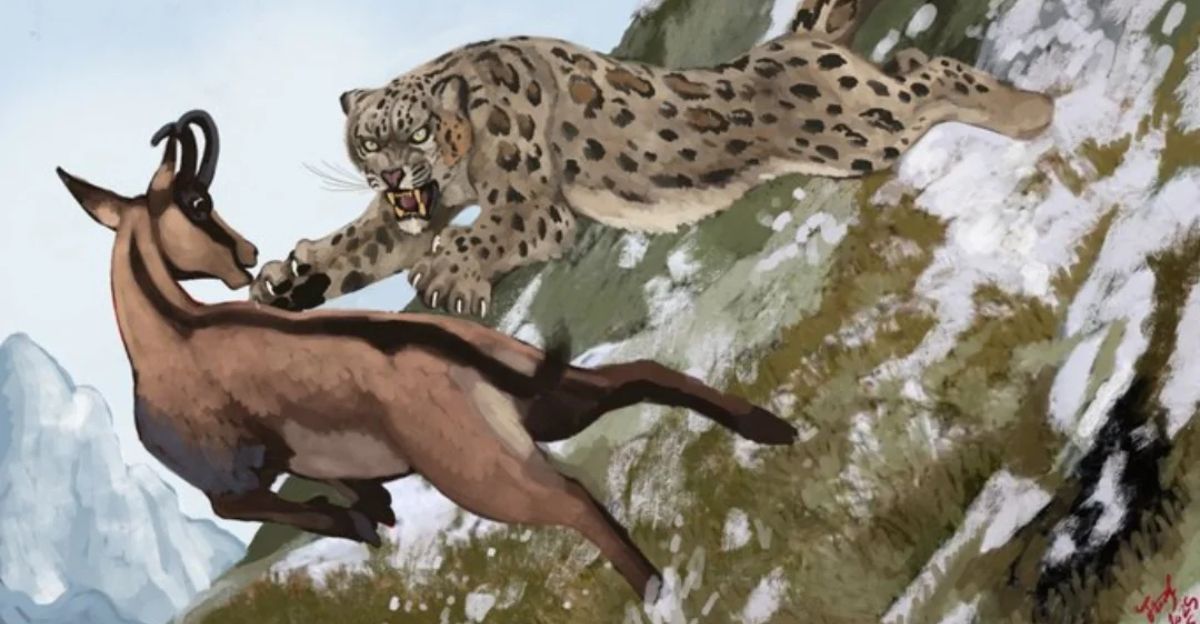
Unlike lions, who made noise and hunted in groups, leopards thrived on stealth and solitude. Their ability to blend into dense vegetation meant humans rarely saw them until it was too late. Fossil evidence of puncture wounds in early hominin skulls suggests that leopards actively hunted our ancestors, not just opportunistically scavenging. These encounters would have instilled an instinctive vigilance toward rustling vegetation and silence in the night.
Unlike larger cats that operated in open environments, leopards were masters of diverse habitats, forests, grasslands, and rocky areas alike. This adaptability kept them close to humans seeking the same territories for food and shelter. Their nocturnal habits worsened the threat, as humans lacked night vision and were especially vulnerable while sleeping.
15. Baboons and Aggressive Primates
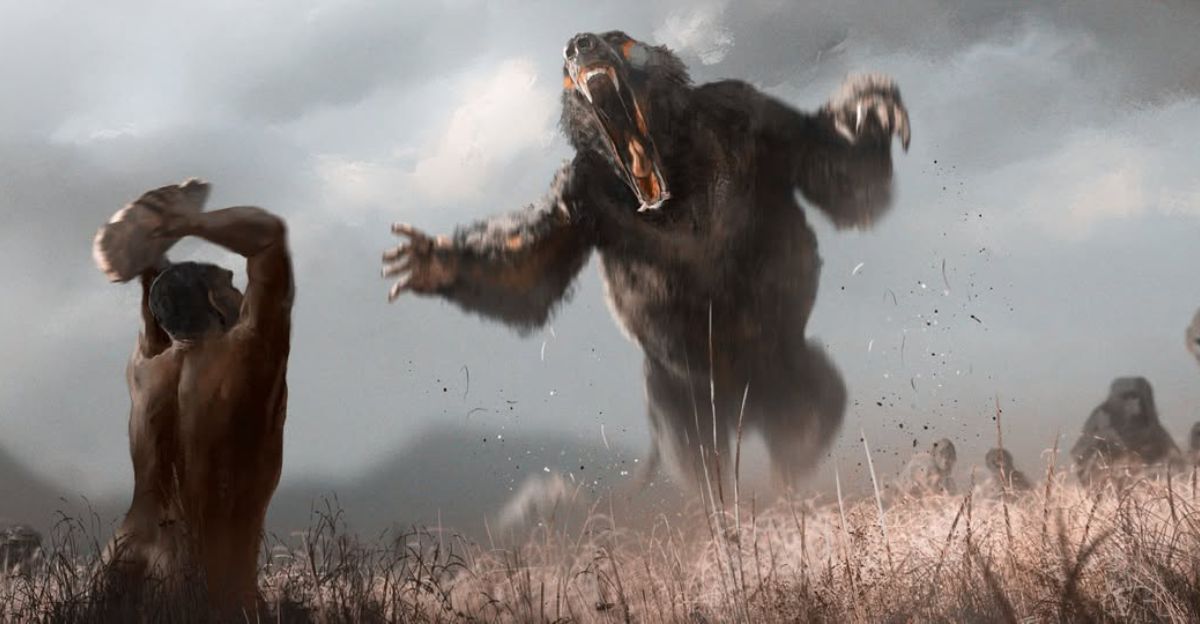
While lions, saber-toothed cats, and giant bears dominate discussions of predators that plagued early humans, aggressive primates like baboons deserve equal recognition as serious threats. Unlike most carnivores, baboons brought together intelligence, speed, social coordination, and sheer intimidation. They live in large troops, often numbering over a hundred, moving in tightly organized units capable of encircling or overwhelming rivals.
For early humans who also traveled in groups, baboons were direct competitors for food sources such as roots, fruits, and even small animals. Their prominent canine teeth, sharper and longer than those of many predators, could inflict devastating injuries. One bite from a dominant male could maim or kill.
16. Tigers
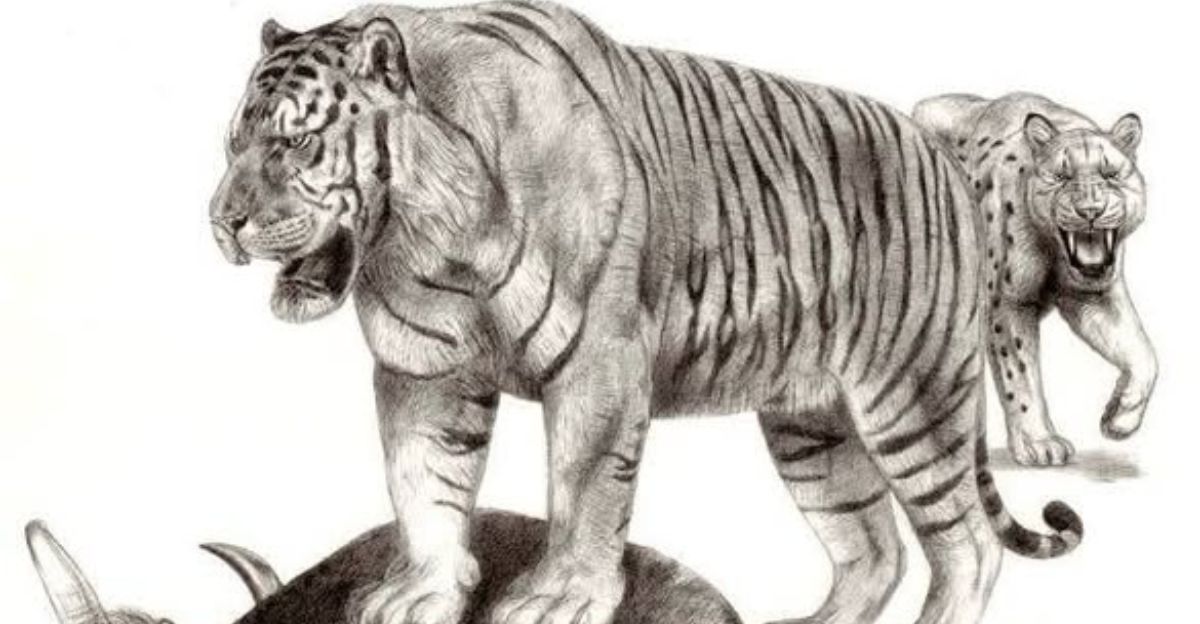
Tigers were among the most formidable predators early humans encountered in Asia. Their sheer size and stealth made them apex hunters in diverse environments ranging from dense forests to tall grasslands, unlike social predators such as wolves or lions, tigers specialized in solitary hunting, allowing them to stalk humans quietly for long distances before pouncing with devastating precision. Their muscular build allowed them to overpower prey much larger than themselves, and survival was slim against unarmed humans.
The presence of tigers likely influenced how early humans adapted to forested landscapes. Villages were often built around elevated or protected areas, and using fire as a deterrent became essential. Travelers stuck to groups so that the numbers would discourage an ambush. Stories of tiger spirits and night terrors echoed in oral traditions, often serving as cautionary tales for children and hunters wandering too far.
The Fear of Night Predation

A defining survival challenge for early humans was nocturnal predation. Many predators hunted under the cover of darkness, and humans, lacking night vision, were profoundly disadvantaged. Sitting in caves or around fires, anxiously watching shadows, many ancestors likely fell prey while sleeping. This vulnerability gave rise to communal habits: fires for deterrence, rotating guards, and huddling together for safety.
Night attacks influenced collective psychology, embedding primal fears that persist today in humanity’s instinctive wariness of darkness. Evolution was shaped by daytime hunting and surviving the night’s predators.
Lessons of Competition for Prey
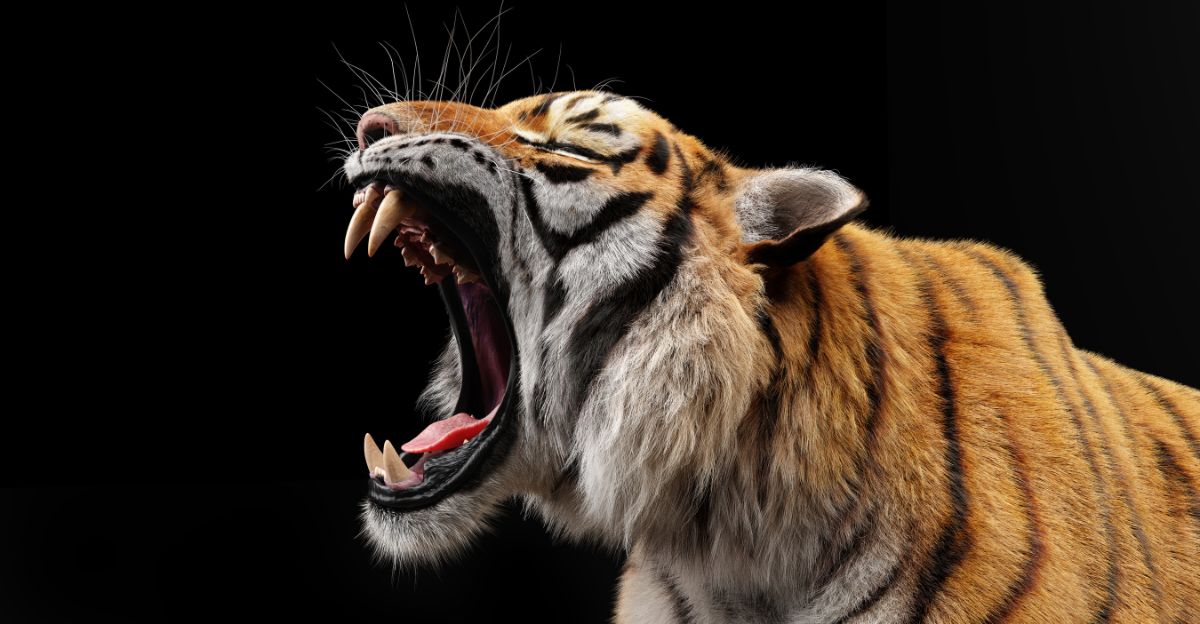
Many predators viewed humans not only as food but also as rivals. Big cats, hyenas, wolves, and bears often dominated hunting grounds that humans depended on. This constant competition intensified risks. Early humans scavenged carcasses left by larger predators, but this efficiency came with peril.
Each encounter demanded tactical caution, strength, and cooperative defense. Over time, these struggles drove technological advances, from sharpened spears to fire exploitation. Evolutionarily, the competition for prey sharpened human intelligence, fueling adaptation, planning, and resilience amid constant external danger.
From Prey to Predator
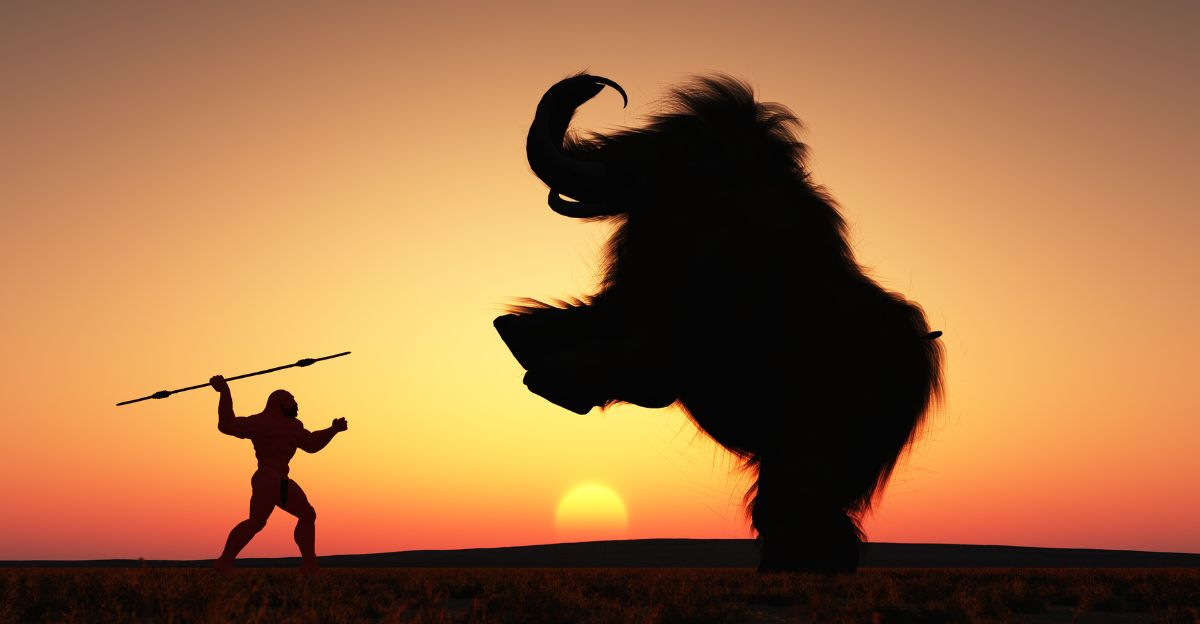
For millennia, early humans were prey to formidable beasts that dominated land, air, and water. Yet through adaptability, intelligence, and cooperation, we reversed the relationship. Today, humans sit atop the food chain, and many former predators face extinction due to our expansion.
But echoes of our past remain—fears of darkness, caution around water, and predator-centered myths all recall a time when survival was uncertain. By remembering the predators that once hunted us, we appreciate the fragile journey undertaken by our ancestors.