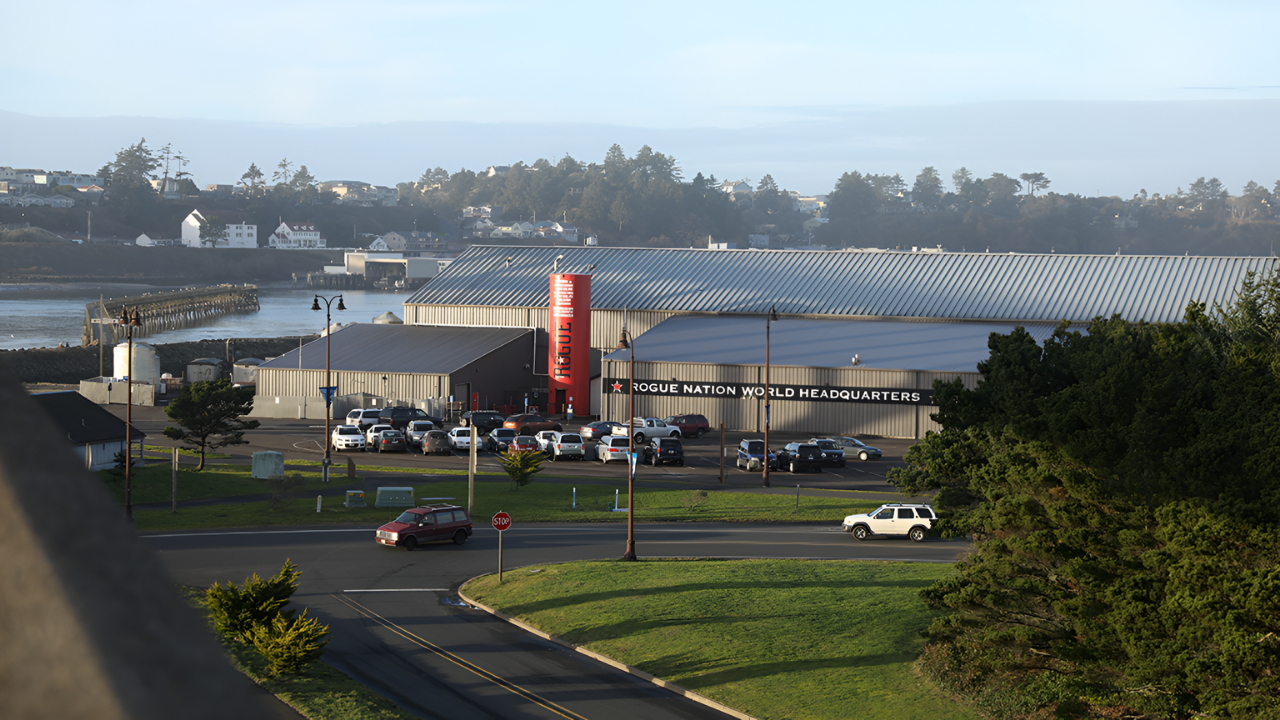
On November 25, 2025, Rogue Ales & Spirits filed for Chapter 7 bankruptcy, marking the end of a legendary brewery that helped put Oregon on the craft beer map. Founded in 1988 by three former Nike executives and a friend, Rogue became synonymous with innovative, boundary-pushing beers.
This wasn’t a slow decline, it was a sudden collapse that shocked employees, customers, and a community that had relied on the brewery for nearly four decades.
Chapter 7 – No Comeback Plan
Rogue didn’t file for Chapter 11, which would have given the company a chance to reorganize and continue operating. Instead, it filed for Chapter 7 liquidation, which means everything must be sold off. All brands, brewing barrels, equipment, inventory, and recipes go on the auction block. Once the liquidation is complete, Rogue Ales will cease to exist entirely.
This is the legal equivalent of hitting the eject button with no possibility of recovery. Unlike companies that file for Chapter 11 and get a chance to restructure their business, Chapter 7 filers face immediate and total liquidation.
Employees and Customers Blindsided
Before the bankruptcy filing even happened, Rogue shut down all its operations in Oregon without warning. Breweries, pubs, restaurants, taprooms, and the flagship Newport production facility all closed their doors simultaneously. There was no gradual wind-down, no goodbye event, no transition period, just locked doors. Employees showed up to find themselves unemployed.
Regular customers discovered their favorite brewery was gone. This sudden shutdown left no time for employees to plan their next move or for customers to say farewell. In a tight hospitality job market, hundreds of workers faced immediate unemployment.
Massive Debt, Tiny Assets

The numbers tell a brutal story. Rogue owed $16.7 million in total debts but only had about $4.9 million in assets to show for it. That’s a gap of roughly $12 million with nowhere to go. On paper, the company was deeply underwater, and creditors were never going to recover what they’re owed.
This massive shortfall means that everyone waiting to be paid by Rogue, from local suppliers to large vendors, will collect only a few cents on every dollar they’re owed. This financial reality made Chapter 7 liquidation inevitable. There simply wasn’t enough value in the company to make any creditor whole, let alone all of them.
One Lawsuit That Broke the Bank

The single largest liability hanging over Rogue is a dram shop negligence lawsuit worth up to $10 million. This claim stems from a 2022 incident related to alleged over-service of alcohol. While the specific details remain sealed in court documents, this one legal dispute represents more than 60% of Rogue’s total debt.
One incident can trigger lawsuits that bankrupt even healthy companies. For Rogue, already struggling with declining revenues and rising costs, this massive legal exposure became impossible to carry.
Local Governments Left Hanging

Beyond the lawsuit, Rogue left behind hundreds of thousands in unpaid bills to the communities that supported it for 37 years. The company owed the Port of Newport over $594,000 in unpaid rent, Lincoln County over $500,000 in property taxes, and the federal government at least $66,000 in alcohol taxes.
Local government agencies that were counting on this revenue now must figure out how to cover shortfalls. As the Oregon Brewers Guild notes, the brewing industry supports 50,000 jobs statewide; when a major player fails to pay its obligations, entire communities feel the pain.
$2.8 Million in Aging Whiskey
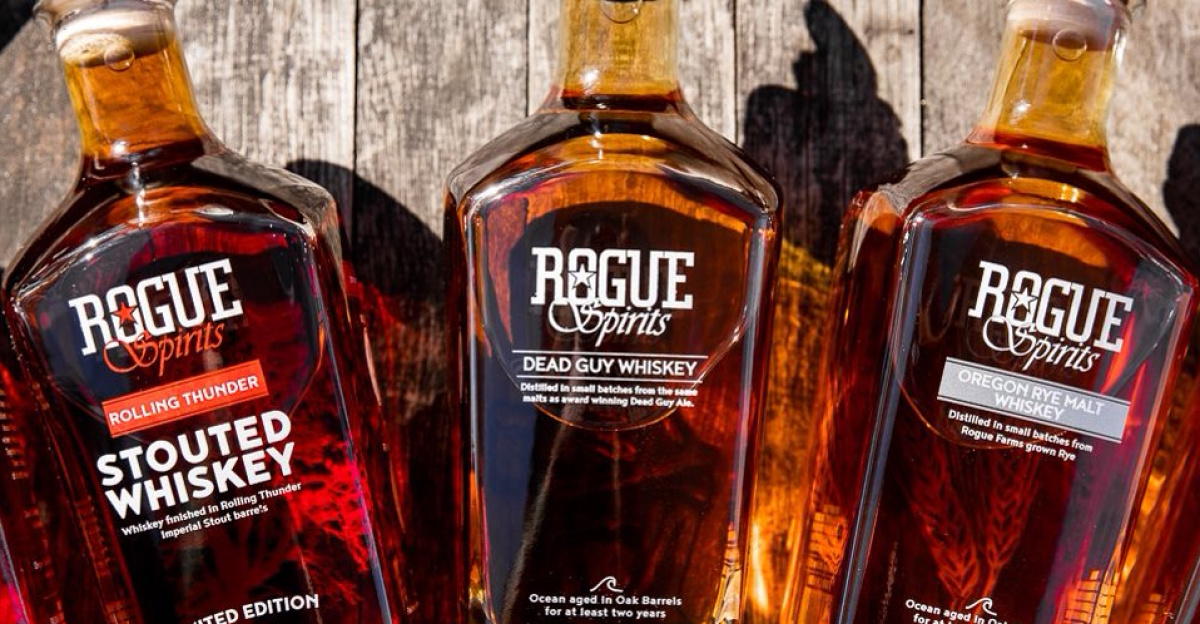
One of Rogue’s most intriguing assets is roughly 1,300 barrels of aging whiskey stored in warehouses. On the company’s books, these barrels were valued at about $2.8 million. But bankruptcy auctions don’t work like retail pricing. Auctioneers expect these barrels to sell for only about $975,000, a staggering 65% discount from their nominal value.
That means creditors who were counting on these barrels generating value are facing a massive loss. Whiskey that took years to age and bottle sits unfinished and unprofitable.
When Values Collapse at Auction
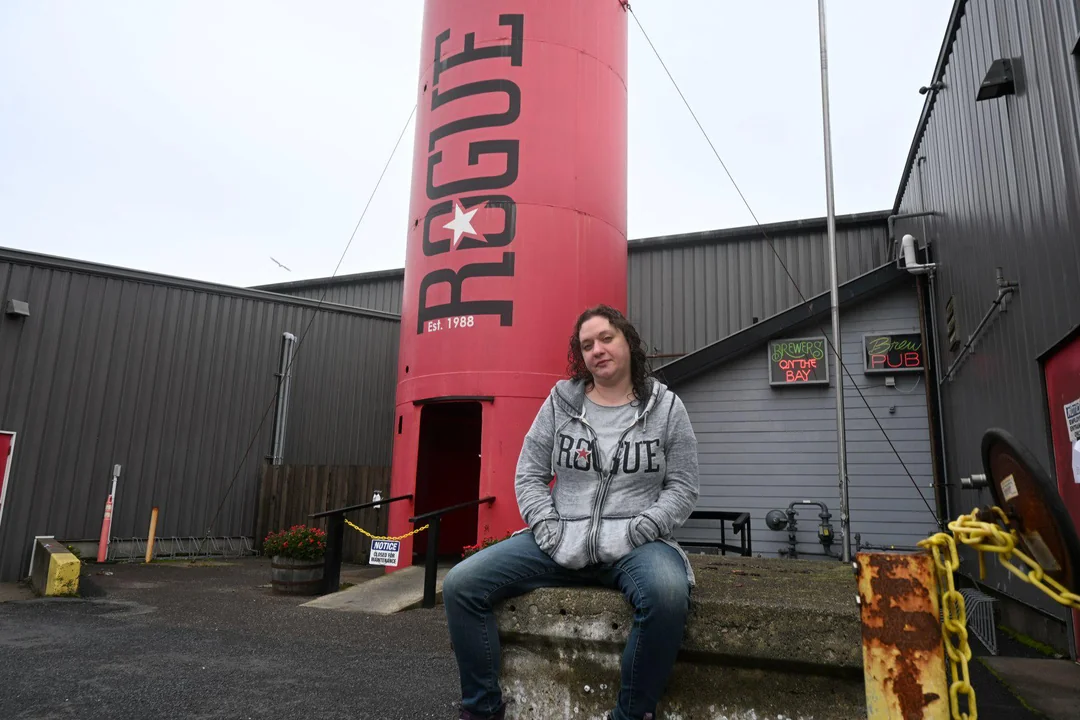
The 65% discount on Rogue’s whiskey reveals a harsh economic truth: liquidation sales are never pretty. The steep haircut reflects both the brutal realities of bankruptcy auctions and the real challenge of selling half-finished craft spirits. Buyers know they’re taking on risk. They must finish the aging process, bottle the whiskey, create marketing materials, and navigate complex distribution networks, all from scratch and all at their own expense.
This means they demand massive discounts upfront to protect themselves. For anyone with money invested in Rogue’s spirits program, this is devastating news. The assets they valued at nearly three million dollars are worth less than one million in auction reality.
Ingredients and Machines, Liquidated

Beyond the whiskey, bankruptcy filings reveal warehouses full of raw materials. Over $1 million worth of hops, malt, grain, and other brewing ingredients sit idle. The stainless steel brewhouses, fermenters, bottling equipment, and other industrial machinery that Rogue spent years installing and perfecting become line items on a liquidation list.
Now it’s just metal waiting for someone to bid on it. Thousands of smaller vendors and suppliers who provided inputs to Rogue are now unsecured creditors fighting for a piece of the liquidation proceeds.
Three Years of Steep Revenue Decline
The root of Rogue’s collapse lies in collapsing revenue. In 2023, the company brought in $23.5 million. By 2024, that fell to $19.6 million. By November 2025, after just eleven months, Rogue had earned only $14.9 million. That’s a 37% drop in revenue in less than three years.
As Oregon’s Brewers Guild reported, 2024 was one of the worst years ever for the craft beer industry, with six of Oregon’s ten largest breweries seeing sales fall. Rogue fell by 18%, one of the largest drops statewide. When a company’s debt remains constant but revenue plummets this way, there’s no way to survive.
Founders Who Built Nike Couldn’t Save Rogue
Rogue’s origin story was once a marketer’s dream. The company was founded by Jack Joyce, Bob Woodell, Rob Strasser, and Jeff Schultz, three of whom came from Nike, one of the world’s most successful consumer brands. They brought big-brand thinking to Northwest beer, believing their marketing expertise and corporate experience could build something special.
And they did, initially. But here’s the irony, executives who helped build one of the most valuable companies in the world couldn’t rescue their own brewery from market pressures.
Once One of America’s Largest Breweries
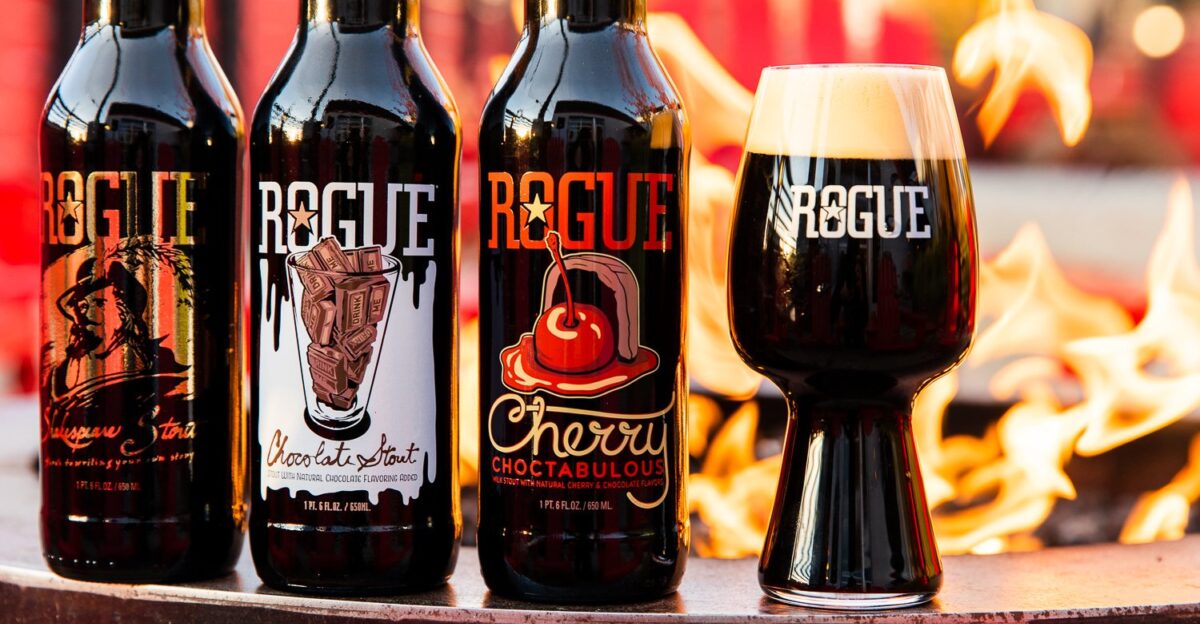
As recently as 2024, Rogue was ranked among the 50 largest craft brewing companies in the United States by the Brewers Association. Its beers and spirits weren’t just sold locally, they reached customers across the entire U.S. and in more than two dozen countries around the world.
This was a top-tier player in a competitive industry. Yet even with that scale and distribution network, Rogue couldn’t survive the industry-wide downturn. The bankruptcy of such a prominent player is genuinely rare. Most craft breweries that fail are small operations with limited reach.
2,000+ Awards Couldn’t Save Them
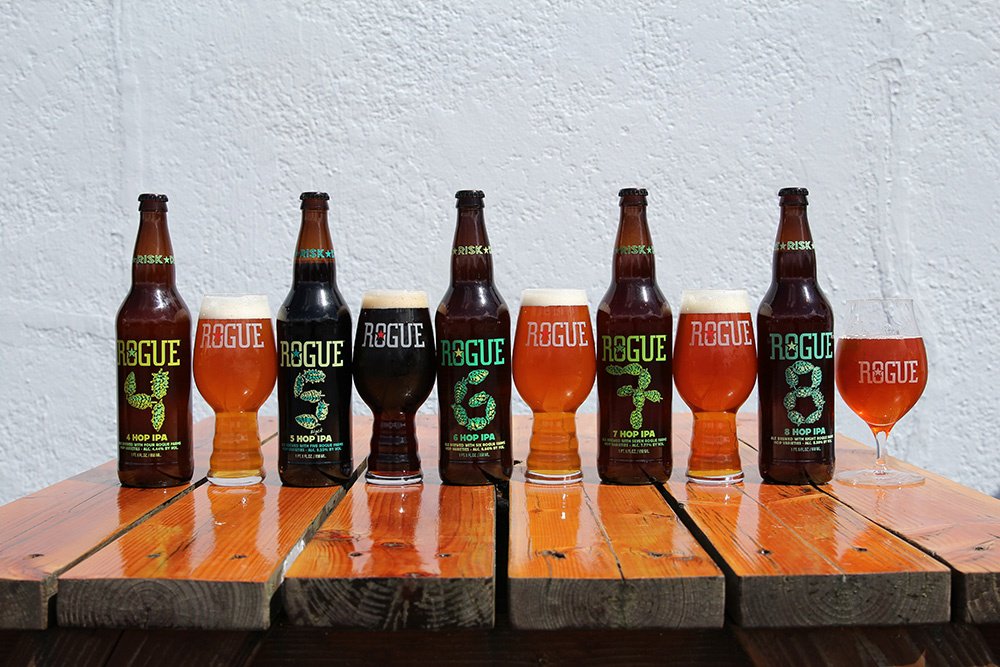
Rogue’s reputation for quality and innovation was well-earned. The company collected more than 2,000 awards over nearly four decades for taste, quality, and packaging.
Rogue learned this painful lesson. A company can be critically acclaimed, globally recognized, and still bankrupt. This illustrates why the craft beer industry is shifting. Quality alone isn’t enough.
Employment Crisis for Hundreds

Based on the scale of Rogue’s brewing complex and its network of pubs and restaurants, the shutdown likely eliminated 100–300 jobs across brewing, restaurant work, and support roles. These weren’t high-level executive positions, they were the jobs of brewers, bartenders, cooks, delivery drivers, and warehouse workers.
People who woke up expecting to go to work discovered they were suddenly unemployed with no severance notice and no time to plan. In a tightening hospitality job market, finding replacement employment quickly proved difficult for many.
Newport’s Economic Anchor Disappears
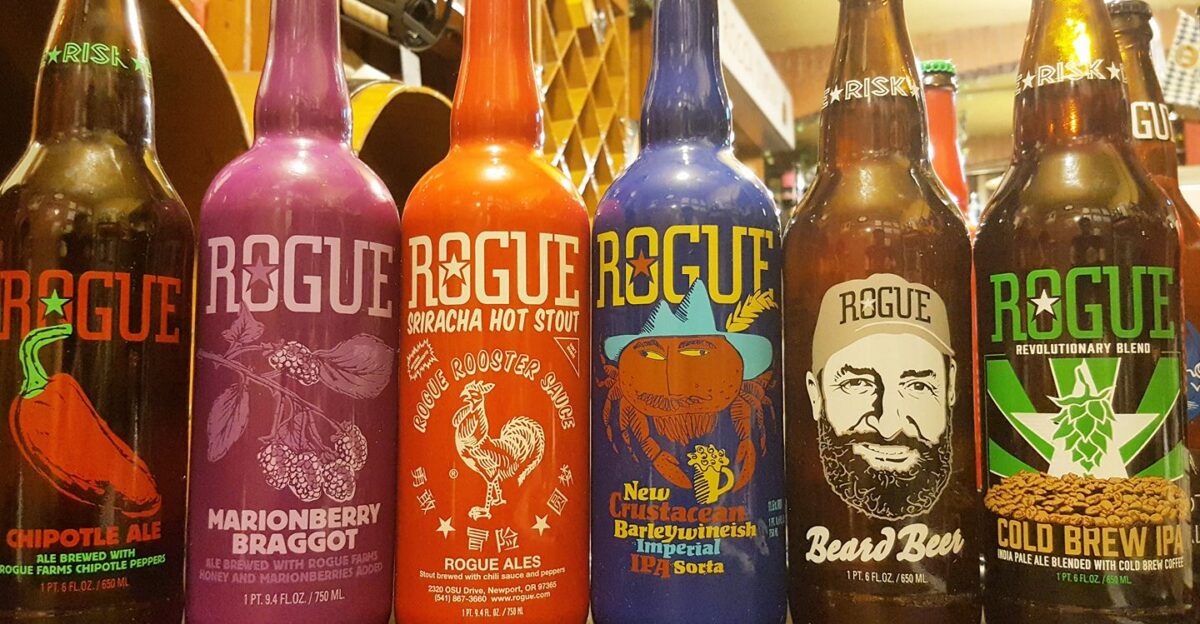
In Newport, Rogue was far more than just another business tenant. For nearly four decades, it served as a year-round economic engine that attracted tourists, supported local suppliers, and paid substantial rent to the Port of Newport. The brewery brought visitors to the coastal town, supported local hospitality, and created a sense of civic pride.
Smaller coastal communities don’t easily replace major employers. The loss of Rogue cascades through the local economy, fewer tourists, fewer retail sales, fewer service jobs. Suppliers who’d built relationships with Rogue for years face the loss of a major customer.
Long-Term Business Partners Face Losses
The creditor list for Rogue’s bankruptcy extends far beyond major banks and institutions. Tiny vendors are owed small amounts, but agricultural suppliers, hop growers, and logistics partners face six- and seven-figure losses. Many of these businesses had long-standing commercial relationships with Rogue, believing they’d found a reliable partner for consistent orders.
Hop growers in Oregon specifically cultivated crops with Rogue in mind, counting on payment after delivery. Grain farmers invested in production they expected to sell to Rogue. Logistics companies that transported Rogue’s products to distributors now hold unpaid invoices with little hope of collection.
The Myth of Craft Beer Invincibility
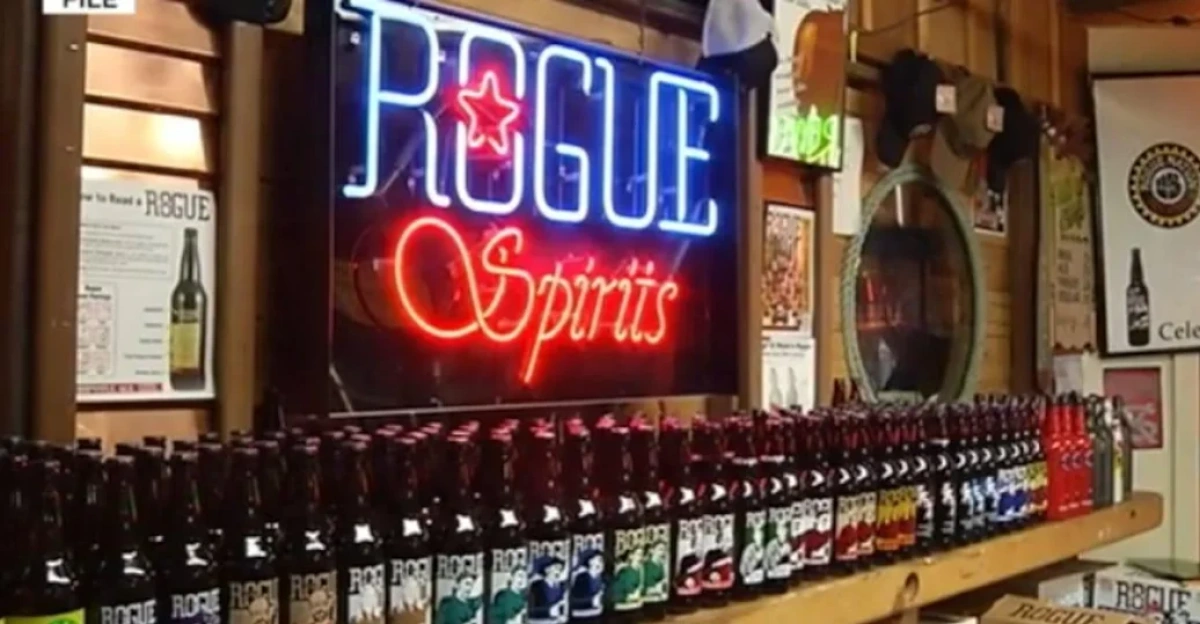
For years, many believed craft beer was insulated from economic downturns because of loyal drinkers and premium pricing. The thinking went that passionate customers will keep buying craft beer no matter what the economy does. Rogue’s collapse destroys this myth. Here was a top-50 global player with a decorated brand portfolio and devoted following, and it still couldn’t survive.
Trophies Can’t Pay the Bills

Rogue’s 2,000-plus medals and marketing cachet proved unable to generate the cash flow needed to cover mounting taxes, rent, and lawsuit exposure. This illustrates a hard truth for passion-driven producers in any industry: accolades and social media buzz mean little if your margins erode and your balance sheet stays overleveraged.
The company’s drive to stay cutting-edge, combined with its commitment to hand-crafted products, created cost structures that couldn’t compete with larger rivals or adapt to declining sales. Meanwhile, fixed costs, rent, salaries, taxes, remain fixed regardless of whether customers buy the products or not. When revenue drops 37% but rent and salaries don’t drop proportionally, the math becomes impossible.
Warnings for Breweries Everywhere
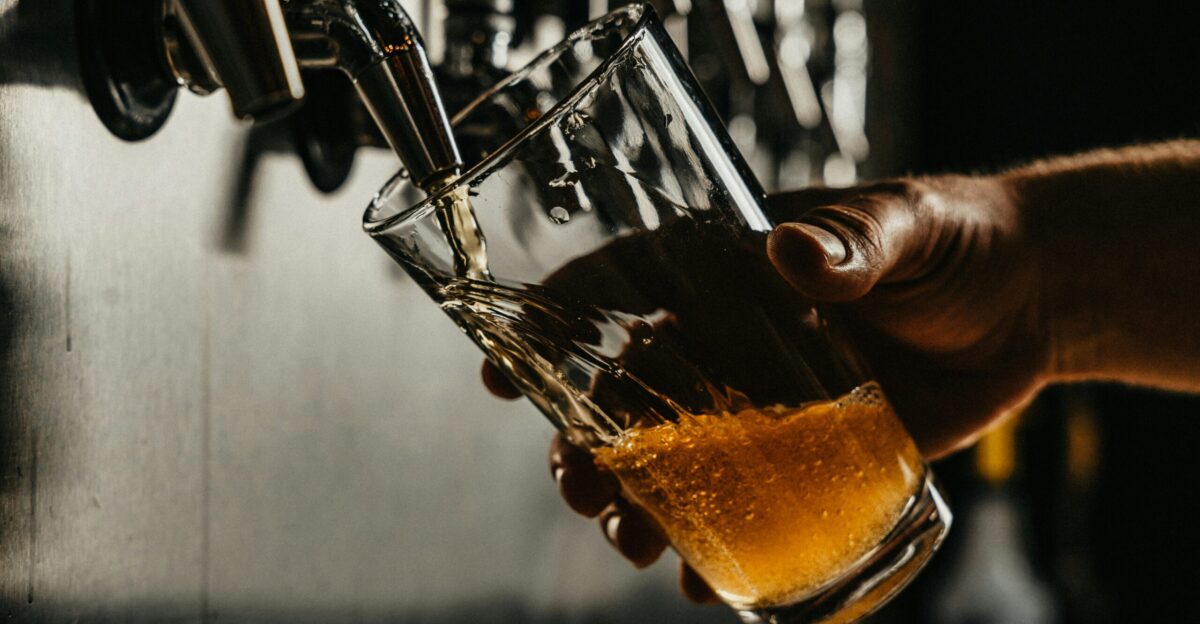
The empire that helped define Oregon’s craft beer identity for 37 years has vanished, leaving behind contested barrels, unpaid bills, and a powerful lesson in the limits of cult status.
According to the Small Business Development Center, breweries must act while they still have options and make strategic decisions that separate businesses that survive from those that don’t. For young breweries, the message is clear that they should build sustainable profit margins, manage debt conservatively, mitigate legal risk, and never assume loyalty alone will sustain your business.
Industry Takes Note
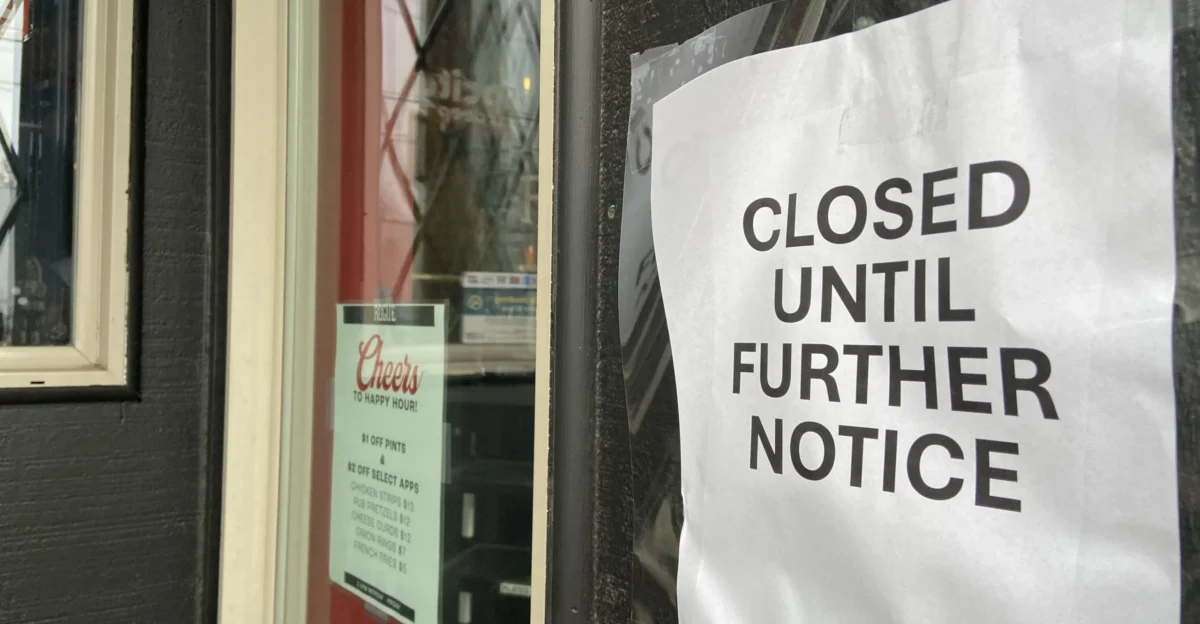
Rogue’s story ends with more than locked doors and auctioned barrels; it closes as a powerful reminder of how even beloved brands can vanish when debt, legal risk, and shifting tastes collide.
For the next wave of craft brewers, Rogue’s fall should serve as both caution and motivation: build great beer, but build resilient businesses, because reputation alone cannot keep the taps flowing.
Sources:
- Rogue Ales & Spirits files for Chapter 7 bankruptcy – KATU News
- Rogue Ale & Spirits Files Chapter 7 Bankruptcy – Willamette Week
- 37-year-old liquor and beer brand files Chapter 7 bankruptcy, liquidating – TheStreet
- 10 days after shutting down, Rogue’s parent company files for bankruptcy – Lincoln Chronicle
- Oregon brewers remain optimistic, even after Rogue Ales closure – KLCC