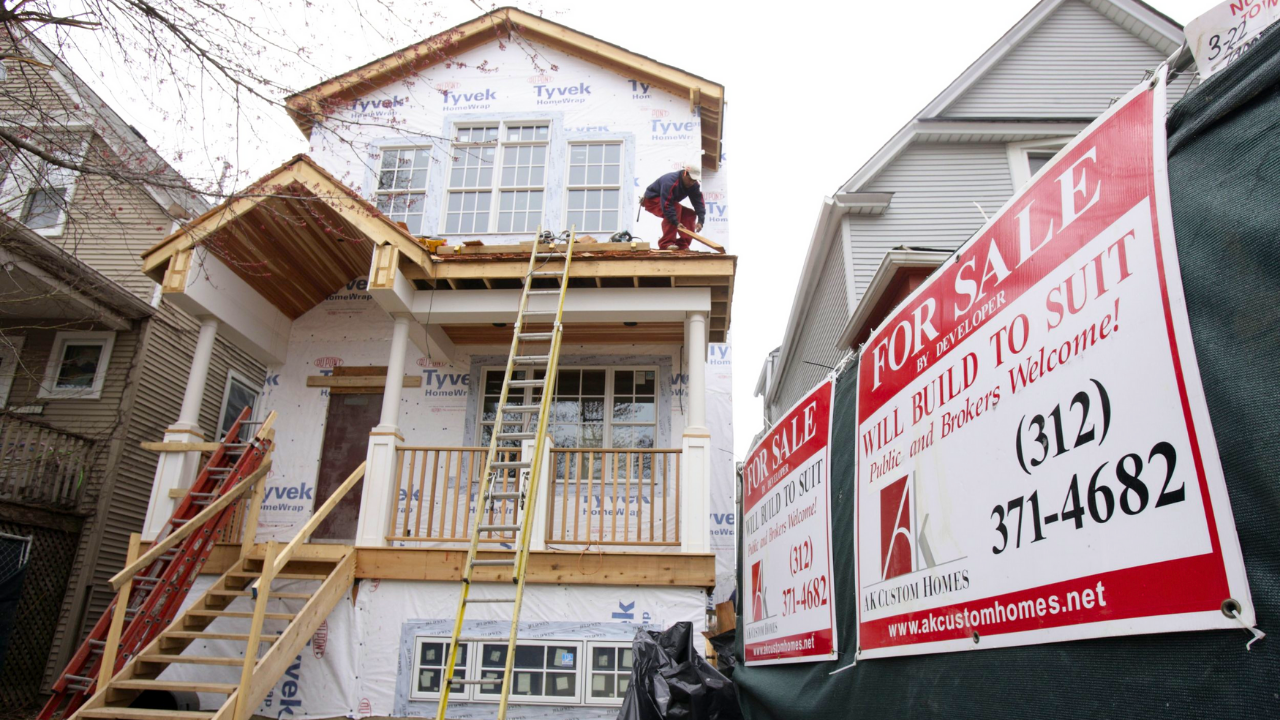
Millions of American homeowners are heading into 2026 facing a sharp reversal of the pandemic housing boom. In 22 large metropolitan areas, prices are expected to fall enough to erode home equity, complicate retirement plans, and strain local labor markets, even as other regions continue to see modest gains.
Diverging Markets And Deep Equity Losses
Realtor.com’s December 4, 2025 outlook projects that 22 of the 100 largest U.S. metros will see home prices decline in 2026, led by Fort Lauderdale with an expected 10.2% drop and North Port–Sarasota–Bradenton with an 8.9% decline. Seven of Florida’s eight largest metros are forecast to fall at the same time, while 78 other major markets are expected to rise around 4%, underscoring a sharply split landscape.
The stakes are high for roughly 14.6 million homes in the declining metros. With a national median price of $440,000, a 10.2% slide in Fort Lauderdale would wipe out about $44,880 in equity per typical home, while an 8.9% fall in North Port would erase around $39,160. Across the affected markets, aggregate potential equity losses exceed $640 billion. Austin provides an early example of the downside risk: after a 22% peak-to-trough fall, the average owner there has seen about $130,000 in value vaporize.
By November 2025, nearly 900,000 homeowners nationwide were already “underwater,” owing more on their mortgages than their homes are worth, according to the ICE Mortgage Monitor. That equals about 1.6% of all U.S. mortgage holders. In Cape Coral, 11% of mortgages are underwater, and roughly one-third of those loans were originated between 2023 and 2024. Austin’s underwater share has reached 7%, signaling how quickly balance sheets can deteriorate when prices turn.
Why Sun Belt Markets Are Vulnerable

The metros now under pressure are largely the same Sun Belt cities that experienced frenetic demand from 2020 to 2022, driven by remote work, migration, and cheap credit. As remote arrangements normalize and affordability limits are reached, that demand has ebbed. Areas such as Fort Lauderdale, North Port, Phoenix, Boise, and Raleigh, which saw rapid price and construction growth during the pandemic, are now seeing that surge unwind.
At the same time, a different pattern is emerging in the Northeast and Midwest. There, many metros are projected to post 4% or better price growth in 2026. The contrast reflects shifting migration flows back toward traditional job centers, as well as the growing impact of climate and insurance risks in coastal and Sun Belt regions.
Florida illustrates how multiple pressures can collide. Insurance costs in some of its cities now exceed typical mortgage payments. In Fort Lauderdale, average annual premiums are about $16,700; in Miami, they exceed $15,500. On a $440,000 home, the monthly insurance bill of roughly $1,391 can surpass principal and interest payments. Since 2017, dozens of private insurers have exited the state, leaving the state-backed Citizens Property Insurance Corporation with about 1.3 million policies and exposing the system to outsized losses from a major hurricane.
Affordability, Rates, And Early Stress Signals
Mortgage rates are expected to decline slightly but not enough to restore broad affordability. Realtor.com projects average rates slipping from 6.6% in 2025 to 6.3% in 2026, while Fannie Mae sees them reaching about 5.9% by the end of 2026. However, with prices still elevated relative to incomes, many would-be buyers remain sidelined. First-time purchasers account for only about 21% of transactions, underscoring how high costs and tighter lending standards continue to keep new entrants out.
Market behavior suggests owners and sellers are already reacting to the changing environment. In September 2025, the number of for-sale listings taken off the market was 52% higher than a year earlier, according to Realtor.com data. Pulling listings can help some owners avoid locking in paper losses, but it also slows market turnover and leaves more borrowers stuck in homes that no longer match their financial or personal needs.
Price cuts are becoming more common as well. In 2025, about 60% of homes that sold nationally had a recorded price reduction at some point in the listing process. In Florida, about one-quarter of active listings saw cuts, the second-highest share among states. Those adjustments suggest that the forecasted 2026 declines are already partly reflected in current deals, even though headline price indexes take time to show the full impact.
Household Risk, Jobs, And The Foreclosure Question

The risk from falling prices is not distributed evenly. FHA and VA borrowers account for about 66% of underwater mortgages, and these loans are heavily used by first-time buyers and military households. FHA loans in particular show a 10.6% delinquency rate, the highest of any major loan type. Many of these borrowers purchased between 2022 and 2025, near local price peaks. In Cape Coral, 27% of mortgages originated in 2023–2024 are already underwater, leaving recent buyers with little flexibility if they face income shocks.
Rising delinquencies are another warning sign. In the second quarter of 2025, the share of loans at least 30 days past due climbed to 3.68%, the highest level since the post-pandemic recovery, according to Construction Coverage. Borrowers with negative equity are more likely to default if they lose jobs or face unexpected expenses, especially in regions where prices are falling rather than stabilizing.
Foreclosure risk remains contained in aggregate because overall homeowner equity is stronger than in prior downturns and underwriting standards have been tighter. But localized stress could still be severe. When foreclosed homes sell at 20–30% discounts, they can drag down nearby property values and create a feedback loop of further price declines, additional negative equity, and more distress sales.
Those housing dynamics reach well beyond homeowners. Residential construction has already shown signs of strain, with three straight months of job losses through October 2025 reported by MetLife and the National Hispanic Construction Association. Up to 11 million workers linked to the sector could be affected if the slowdown broadens. Specialty trades such as electricians, plumbers, and HVAC technicians, as well as many Hispanic-owned small firms that depend on homebuilding, face particular pressure. Material suppliers are contending with 5% year-over-year price increases and tariffs of 25–30% on key inputs like steel, aluminum, and lumber, squeezing margins just as demand softens.
For many households, the central issue is retirement security. Home equity is the largest component of net worth for typical Americans. Losses ranging from roughly $44,000 to more than $100,000 per home can permanently reduce the nest egg for owners in their 30s and 40s, who have limited time to recover before retirement. If price declines deepen, the resulting hit to consumer spending, local tax bases, and employment could pose broader economic risks.
Looking into 2026, the housing landscape increasingly resembles “two Americas”: one of rising prices, growing equity, and relatively stable insurance and cost structures, and another of falling values, high premiums, and elevated default risk. Stronger balance sheets and stricter lending since the last housing crash may help prevent a national crisis, but the coming year will test how well Sun Belt markets can absorb a rapid reset—and how much of that stress spreads to the wider economy.
Sources
Realtor.com 2026 Housing Forecast, December 2025
Intercontinental Exchange (ICE) Mortgage Monitor, November 2025
MarketWatch Housing Market Analysis, November 2025
Redfin Real Estate Survey Data, August-October 2025
MetLife Investment Management Construction Analysis, October 2025
Deloitte 2026 Engineering and Construction Outlook, November 2025