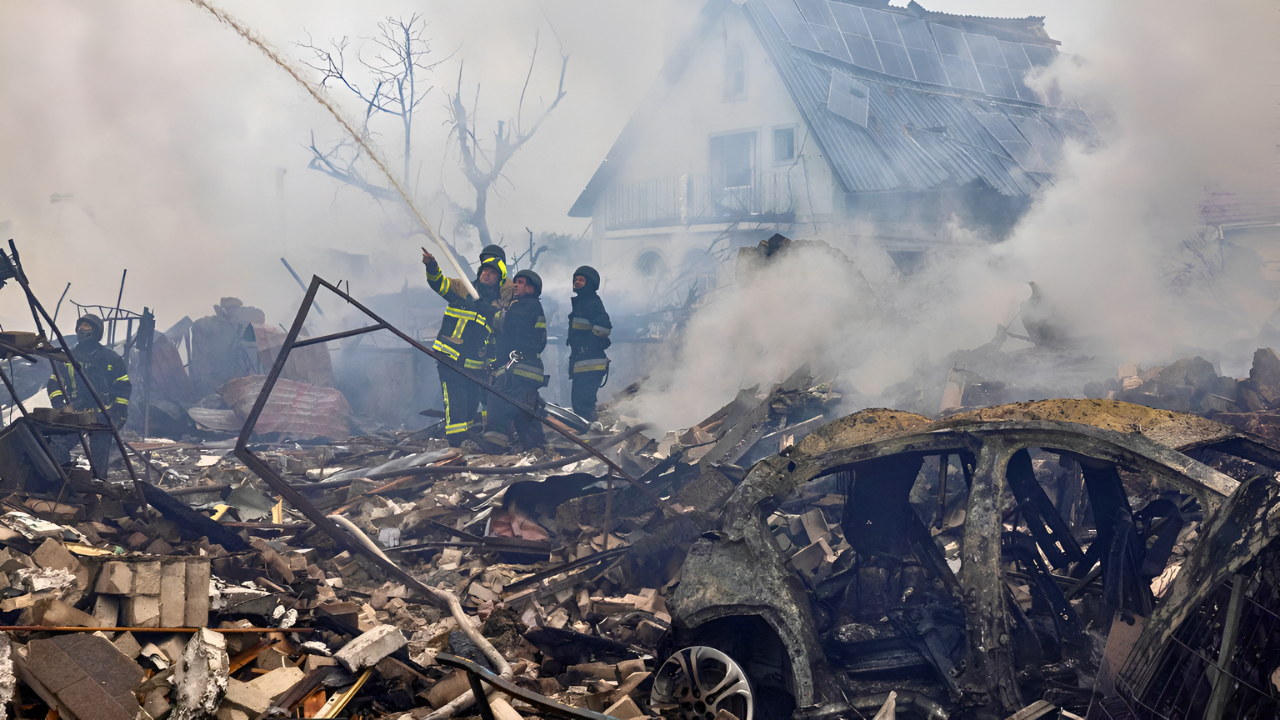
In a single day, Ukraine endured one of the most intense drone assaults since the start of the war, with Russian forces launching approximately 1,811 kamikaze drones and triggering 234 combat clashes across multiple directions. This surge in unmanned attacks marks a pivotal shift in battlefield tactics, as both sides adapt to a conflict increasingly defined by technology and attrition.
A Tactical Shift: Russia’s Drone-Centric Strategy
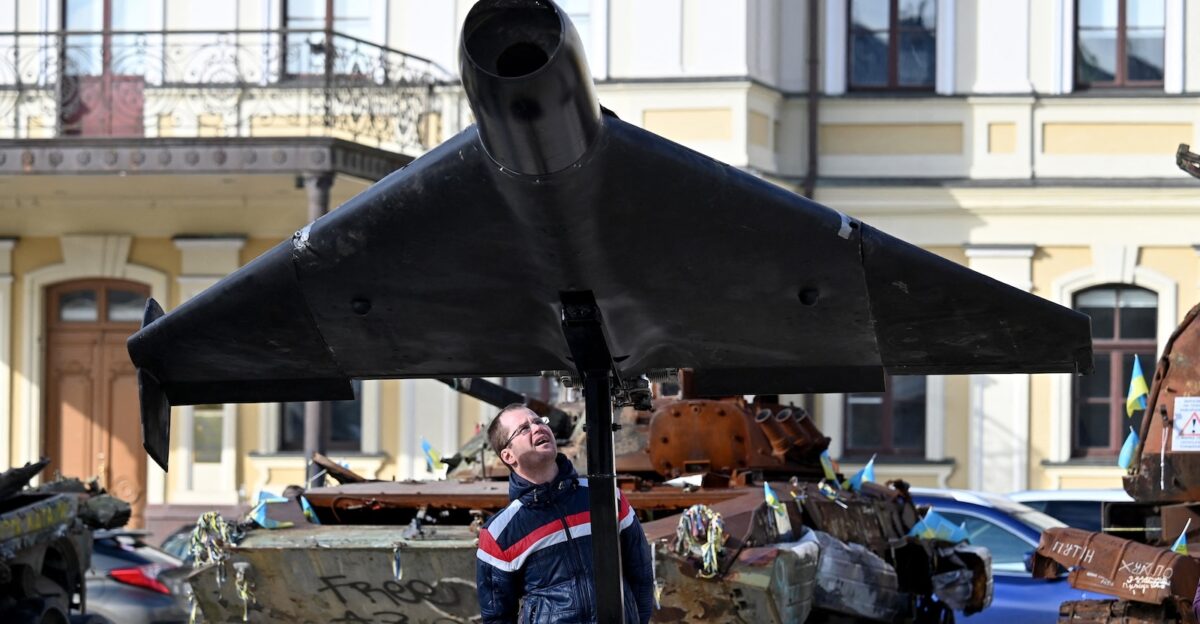
Russia’s dramatic escalation in drone warfare signals a calculated response to mounting manpower losses and stalled ground offensives. By relying on swarms of kamikaze drones, guided bombs, and concentrated artillery, Moscow aims to wear down Ukrainian defenses through relentless pressure rather than maneuver. Within a 24-hour period, Ukrainian officials recorded 2,829 combined attacks—including missiles, airstrikes, rockets, and drones—across the eastern front. This saturation approach is designed to overwhelm local defenses, disrupt supply lines, and force breakthroughs in contested sectors.
The brunt of these attacks fell on hotspots like Pokrovsk and Kostiantynivka, which faced 62 and 28 clashes respectively. The intensity of the bombardment left infrastructure damaged, caused widespread blackouts, and disrupted communications. For civilians, daily life has become a cycle of air alerts, sudden explosions, and the constant threat of drone strikes. Emergency crews work under fire to restore services and rescue those trapped by debris, while families shelter in place, adapting to a new reality shaped by the unpredictability of aerial warfare.
Civilian and Economic Fallout
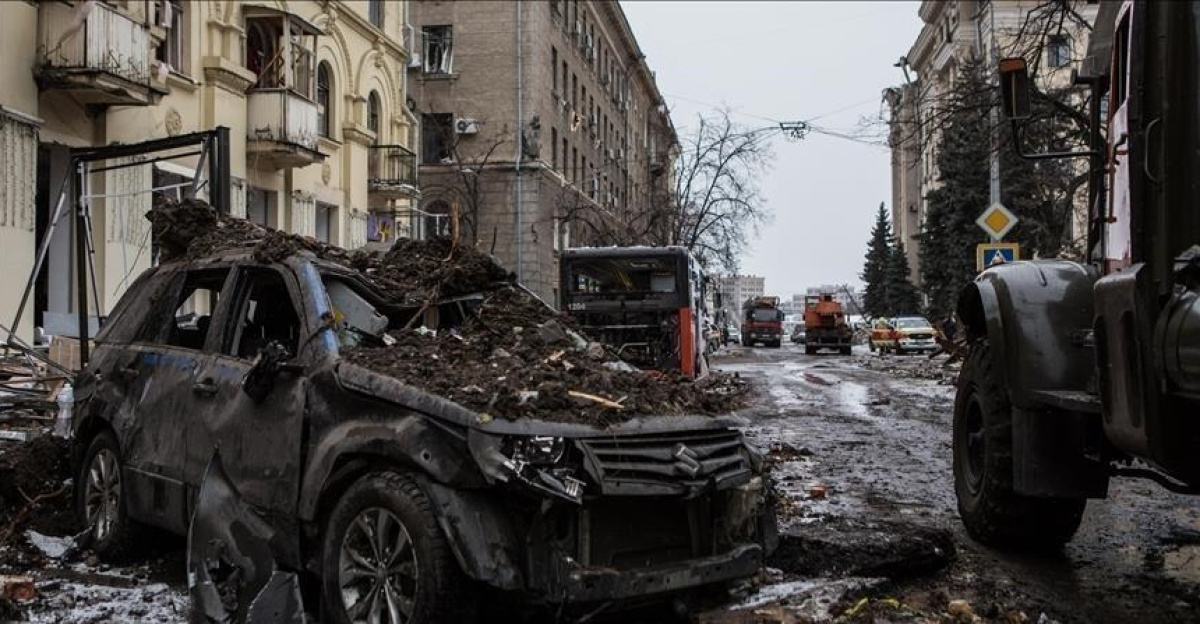
The human cost of Russia’s intensified drone campaign is matched by its economic impact. Key transport corridors in eastern Ukraine have been repeatedly targeted, halting shipments, damaging vehicles, and forcing logistics hubs to reroute or suspend operations. Agricultural producers in frontline regions report significant crop losses and equipment destruction, threatening seasonal output and driving up insurance claims related to war damage. As businesses relocate or close to avoid the persistent threat, regional economies are strained and reconstruction costs continue to mount.
Ukraine’s export routes, especially for grain and steel, are also under pressure. Russian strikes near border crossings with Poland, Romania, and Slovakia have led to increased delays and tighter security measures. The European Union is closely monitoring these developments, wary of potential disruptions to energy and commodity flows that could ripple across the region. Inflation is rising in heavily targeted areas, and central banks in neighboring countries are watching for spillover effects as supply chains grow more unpredictable.
Adapting to the Drone Threat: Defense and Innovation
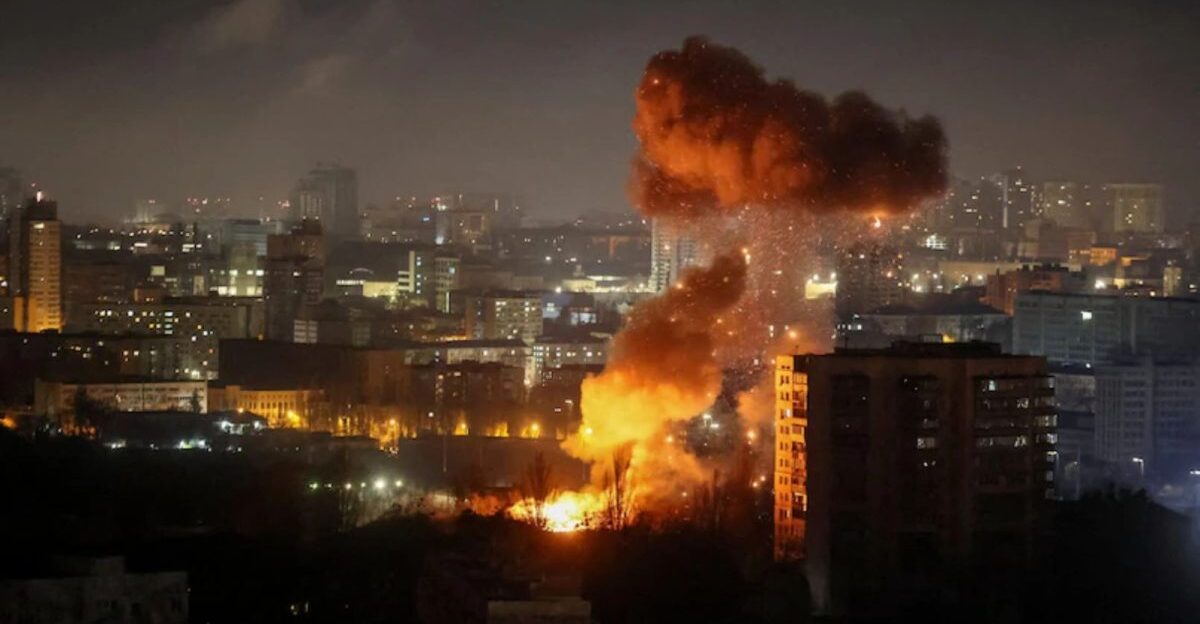
The scale of Russian drone attacks has spurred a rapid expansion in the market for counter-drone technology. Ukrainian firms, along with international partners, are ramping up production of jammers, interceptors, and mobile air-defense systems. Units like the 426th Separate Unmanned Systems Battalion have become emblematic of this adaptation, with soldiers reportedly destroying significant numbers of Russian drones through coordinated efforts and demonstrating how agile, tech-savvy teams can shift the momentum on the battlefield.
This surge in demand for drone defense is being felt globally, with governments prioritizing investments in detection and neutralization systems. The conflict has also reignited international debate over the ethics of autonomous and semi-autonomous weapons. Human rights advocates warn that saturation drone attacks increase the risk of civilian casualties and psychological trauma, while military analysts argue that drones offer precision and reduce risk to personnel. The war in Ukraine is shaping future norms and policies around the use of AI-enabled warfare.
Life on the Frontline: Resilience and Uncertainty
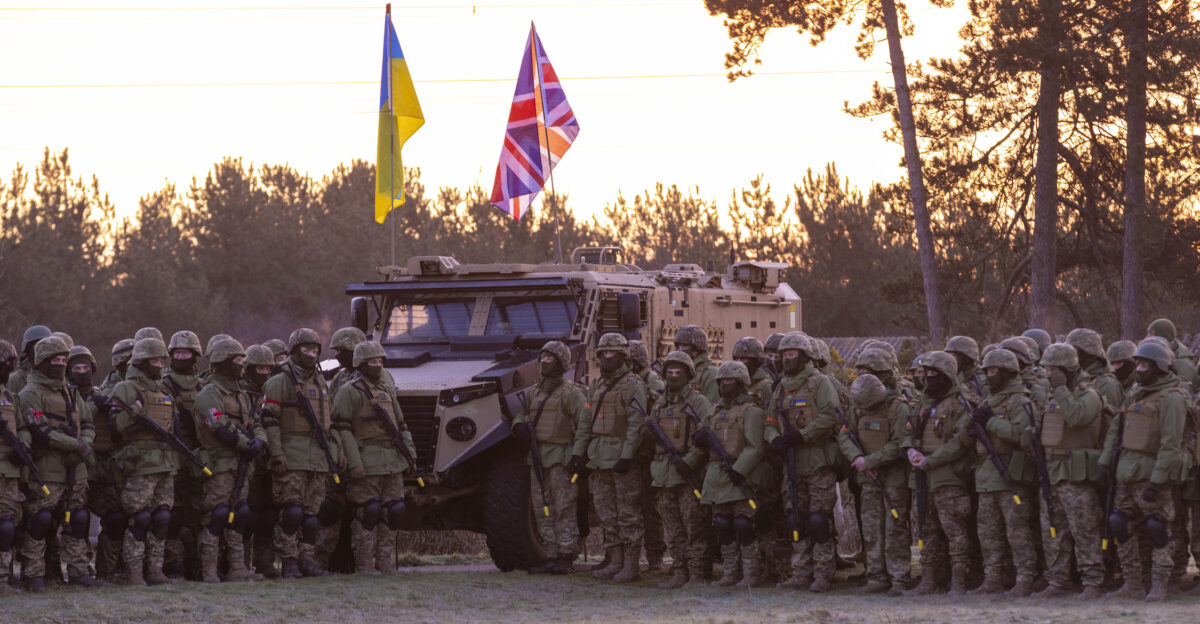
For Ukrainian soldiers and emergency workers, the relentless pace of attacks is both physically and mentally exhausting. Drone operators and frontline troops face simultaneous assaults across multiple sectors, often working around the clock to repel advances and protect civilians. Emergency responders describe grueling conditions as they pull survivors from rubble and battle fires sparked by guided bombs. Despite widespread fatigue, frontline personnel continue to hold critical lines under extreme pressure.
Civilians in frontline towns have adapted their routines to the realities of constant threat. Schools rely on remote instruction, curfews are strictly enforced, and families reinforce shelters or stockpile essentials. While many have evacuated, tens of thousands remain, navigating daily life around survivability and rapid access to shelter. The psychological toll is mounting, as the “new normal” involves planning every activity with safety in mind.
Looking Forward: Stakes for Ukraine and the World
The unprecedented scale of drone warfare in Ukraine is reshaping military doctrine and international security perceptions. NATO members and allied nations are closely watching Ukraine’s adaptation, with public opinion across Europe increasingly supporting greater investment in air defenses and humanitarian aid. Defense technology companies are experiencing rapid growth, but the economic and human costs for civilians and local businesses remain staggering.
As the conflict evolves, the coming months will test Ukraine’s resilience, the effectiveness of international support, and the world’s ability to manage the rising dominance of unmanned warfare. The outcome will influence not only the future of Ukraine, but also the global approach to security, technology, and the ethics of modern conflict.