A sea turtle gliding near your fins or a dolphin posing beside your boat may look like the perfect vacation moment—but it could also bring hefty fines or jail time. Federal wildlife laws protect many species from human contact, turning seemingly innocent interactions into serious offenses.
Hidden Legal Framework
Nine overlapping laws—including the Marine Mammal Protection Act (1972) and the Endangered Species Act (1973)—create strict “no-touch” zones. Agents patrol coasts, parks, and even social media to enforce them. The Marine Mammal Protection Act applies strict liability for civil violations, meaning intent is not required for penalties.
15 Protected Animals You Must Never Touch
- Manatees – These gentle giants often approach swimmers, but touching, chasing, or feeding them violates both federal and Florida law. Federal penalties reach $100,000 in fines and one year in jail. Florida adds state penalties of $500 fines and 60 days for first offenses.
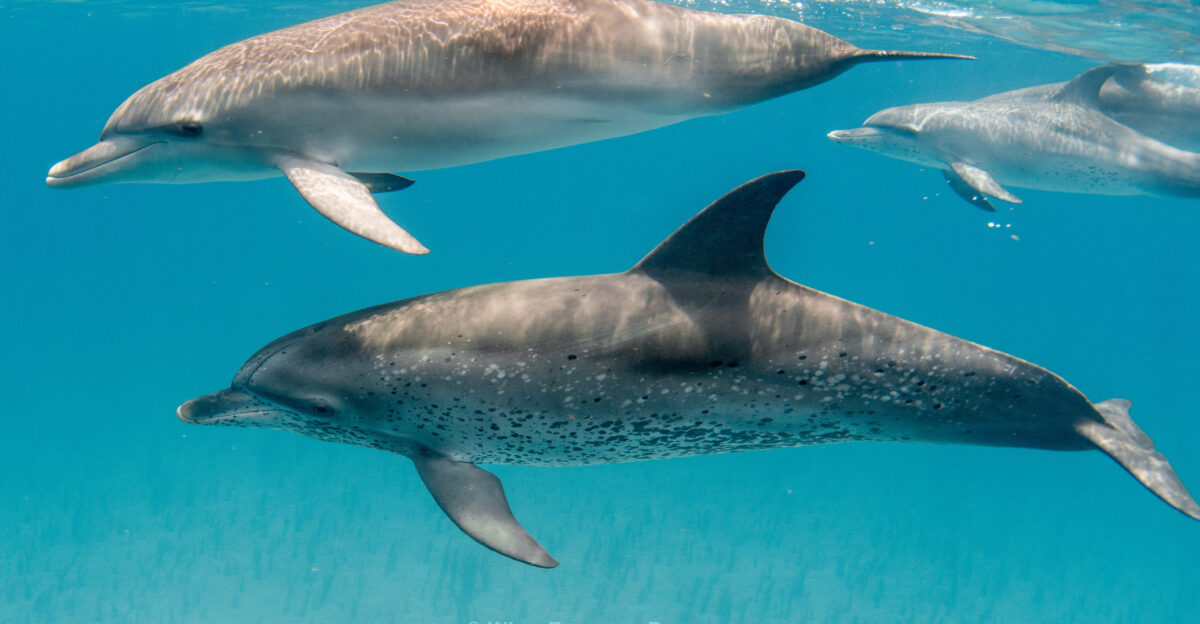
- Bottlenose Dolphins – Feeding or approaching dolphins counts as harassment under the Marine Mammal Protection Act. Civil penalties reach $12,000, even if the dolphin swims up first.
- Sea Turtles – Touching nesting turtles or hatchlings can mean $25,000 in fines and up to one year in prison under the Endangered Species Act. Stay at least 50 yards away (10 feet in Hawaii).
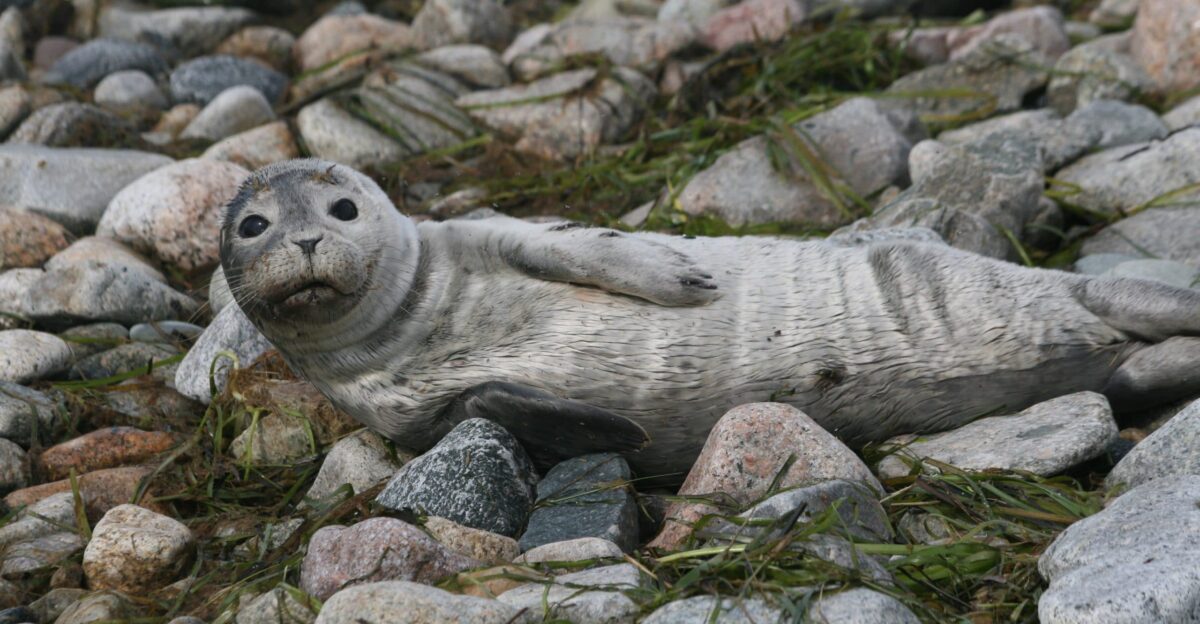
- Seals – Approaching or disturbing seals, especially during pupping, can lead to federal penalties. Maintain 150 feet of distance.
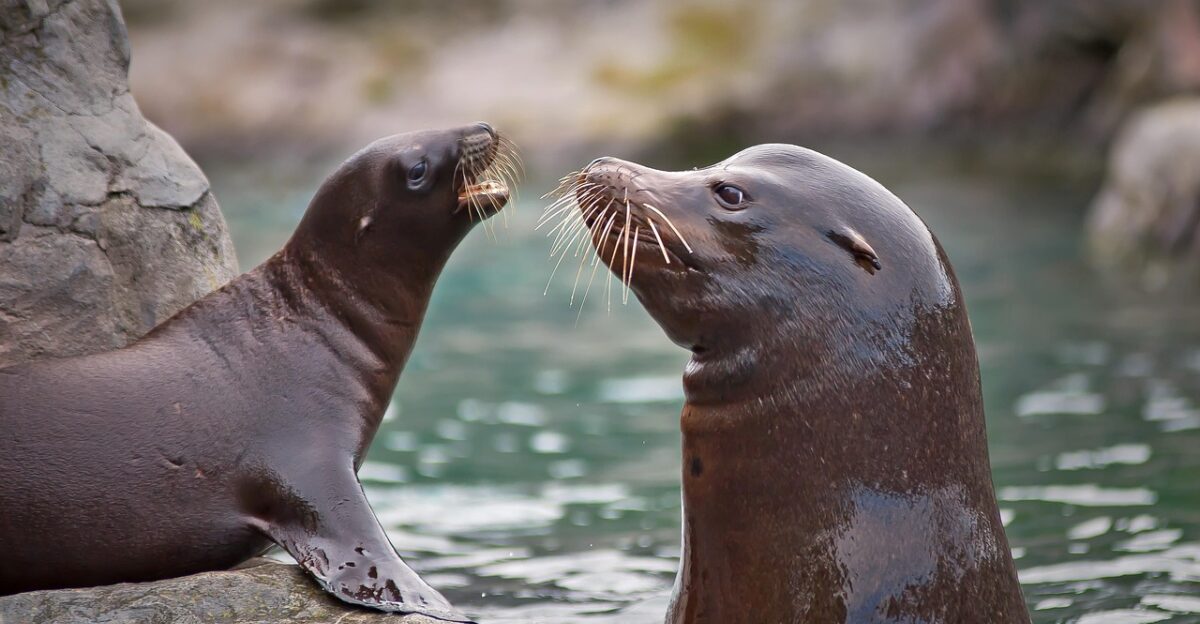
- Sea Lions – Similar rules apply as with seals. Sudden approaches may cause mothers to abandon pups, triggering penalties under federal protection.
- Sea Otters – Decades of conservation success depend on total non-contact. Touching or feeding sea otters in California waters is a federal offense.
- Whales – Humpback, blue, and killer whales require wide buffers: 100 yards normally, 200 yards for orcas, and 500 yards for right whales. Marine Mammal Protection Act civil penalties reach $36,498, while criminal violations can result in $50,000 fines and one year in jail.
- Bald Eagles – Even picking up a shed feather violates the Bald and Golden Eagle Protection Act. First criminal offenses can cost $5,000, with repeat violations reaching $10,000 and organizational penalties up to $100,000.
- Golden Eagles – Protected under the same 1940 act as bald eagles. Only registered Native American tribes may obtain feathers through the National Eagle Repository.
- Gray Wolves – Listed under the Endangered Species Act, wolves cannot be approached, harassed, or disturbed. Criminal violations require knowing conduct and bring penalties up to $50,000 and one-year prison terms.
- Grizzly Bears – Encounters in Yellowstone and other western parks demand no interaction whatsoever. Harassment or close approach triggers identical Endangered Species Act penalties.
- Florida Panthers – Rebounding from near extinction, these big cats remain federally protected. Knowing violations can bring $50,000 fines and imprisonment.
- Alligator Snapping Turtles – With numbers down roughly 95% in 50 years, handling or capturing them is banned. Federal penalties mirror those for other endangered species.
- Burmese Pythons – Despite being invasive, they are restricted under the Lacey Act. Transporting, selling, or importing across state lines is illegal without federal permits.
- Migratory Birds – The Migratory Bird Treaty Act shields over 1,000 bird species. Possessing feathers, eggs, or nests—no matter how collected—can bring misdemeanor penalties of $15,000 and six months in jail. Felony violations rise to $250,000.
Enforcement and Penalties
Under the Marine Mammal Protection Act, civil violations follow strict liability principles—no proof of intent required. The Endangered Species Act requires knowing violations for criminal prosecution. Penalties vary by statute and severity, with both civil fines and criminal charges possible depending on the circumstances.
Safe Viewing Guidelines
- Keep at least 50 yards from marine species.
- Stay 100 yards from whales or large mammals.
- Never feed or lure animals for photos.
- Report injured or stranded wildlife instead of approaching.
Why It Matters
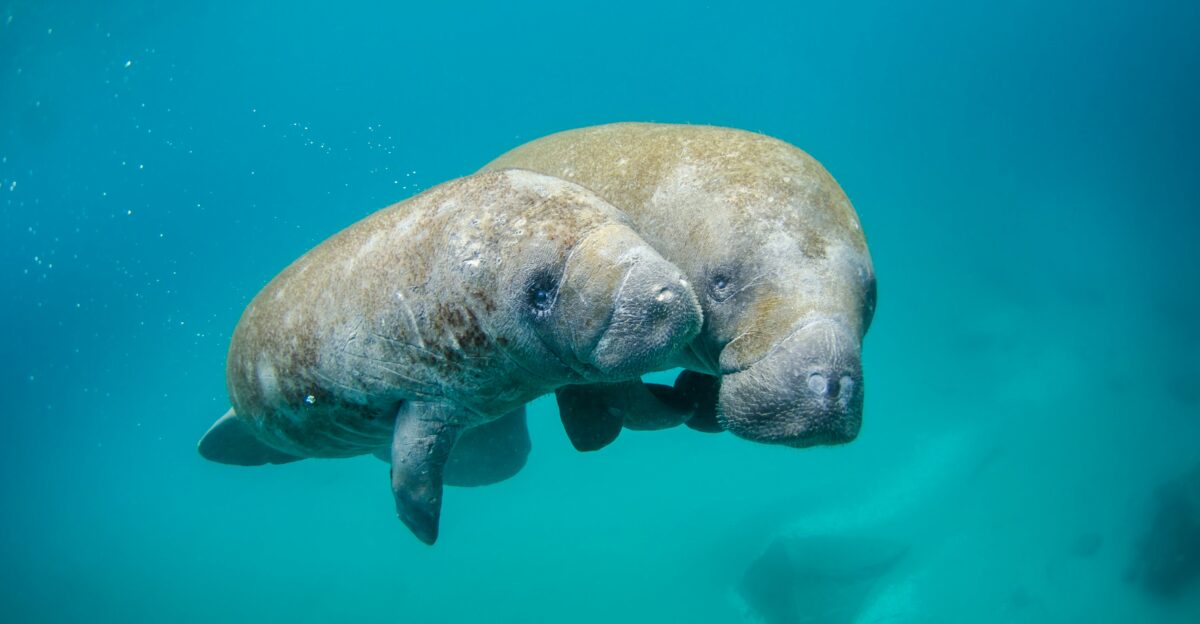
These rules help species like manatees, otters, and panthers recover from the brink of collapse. Respecting distance safeguards both wildlife and travelers—ensuring future generations can enjoy these encounters legally and safely.
Sources:
MARINE MAMMAL PROTECTION ACT 16 U.S.C. §1361 et seq., NOAA
Bald & Golden Eagle Protection Act (BGEPA), Animal Legal & Historical Web Center
Endangered Species Act Section 11 Penalties and Enforcement, U.S. Fish & Wildlife Service
List of Birds Protected by the Migratory Bird Treaty Act (2023), U.S. Fish & Wildlife Service
Guidelines and Distances for Viewing Marine Life, NOAA Fisheries
Viewing Marine Wildlife in Hawaiʻi, NOAA Fisheries Pacific Islands