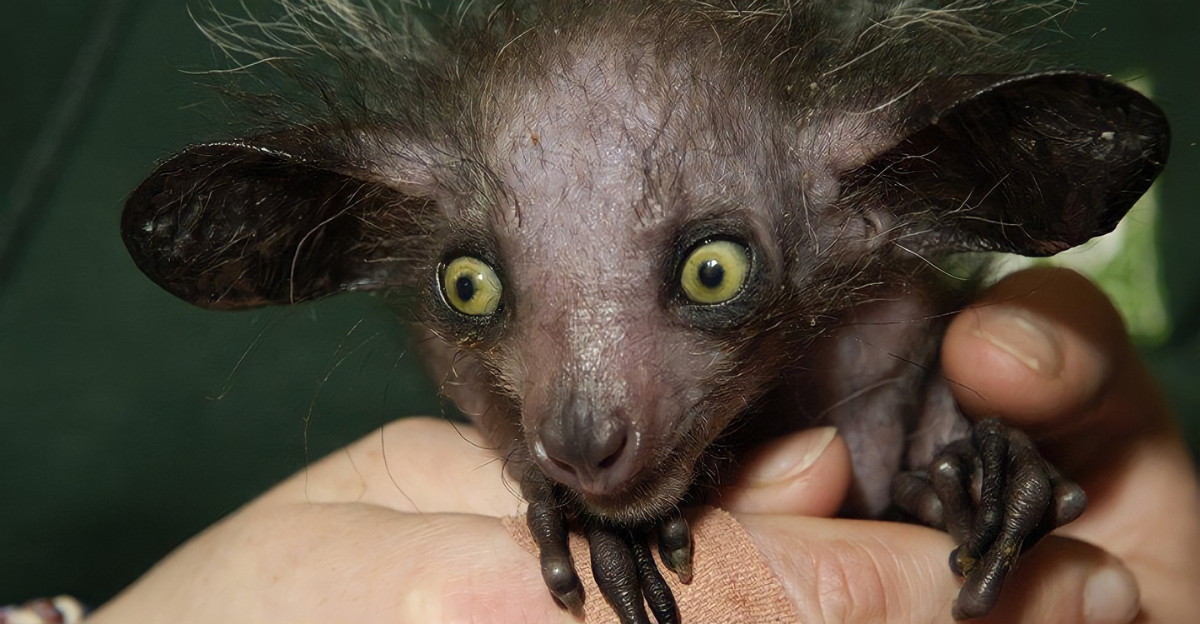
When a species disappears, it often happens so gradually that people hardly notice. But sometimes, entire populations disappear in what feels like an instant.
Scientists call these “sudden extinctions,” and history is filled with examples. From birds that once darkened the skies to sea creatures that vanished within decades, these stories reveal how fragile life can be.
In the following slides, you’ll discover 15 species that went extinct almost overnight, each case showing how quickly abundance can shift to absence… and why it matters for the future.
The Bird That Darkened the Skies
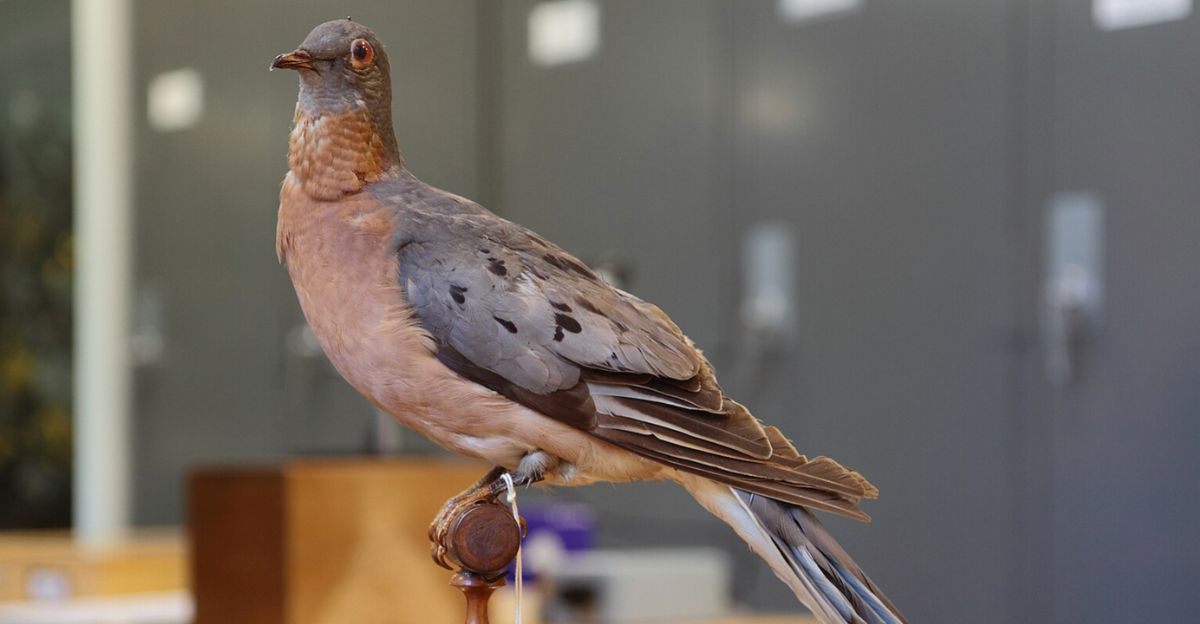
Passenger pigeons once filled North American skies in flocks so large they could take hours to pass. Their abundance made them easy targets for hunters, and their forest homes were cleared for farmland.
By 1914, the last passenger pigeon, Martha, died in captivity. A species numbering billions vanished in less than a century.
A Flightless Icon Lost
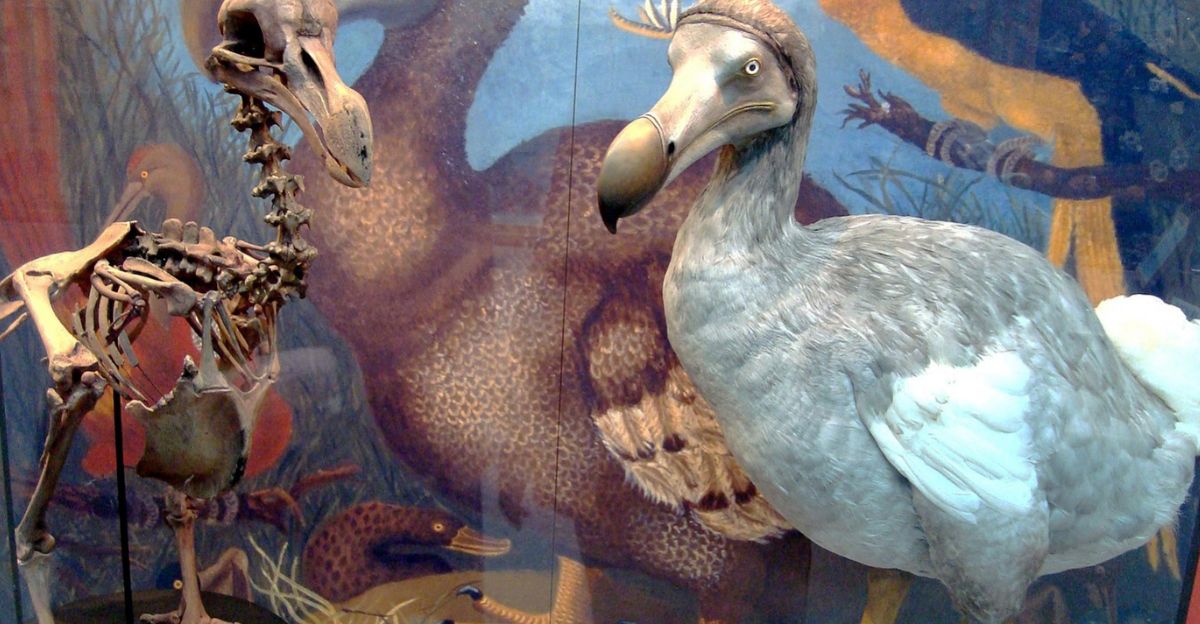
The Dodo bird of Mauritius is perhaps the most famous extinct bird. Discovered in the late 1500s, it faced hunting, habitat loss, and predators introduced by sailors.
By the late 1600s, it was gone. The Dodo’s story warns how quickly isolated species can disappear once humans alter fragile island ecosystems.
The Striped Predator of Tasmania
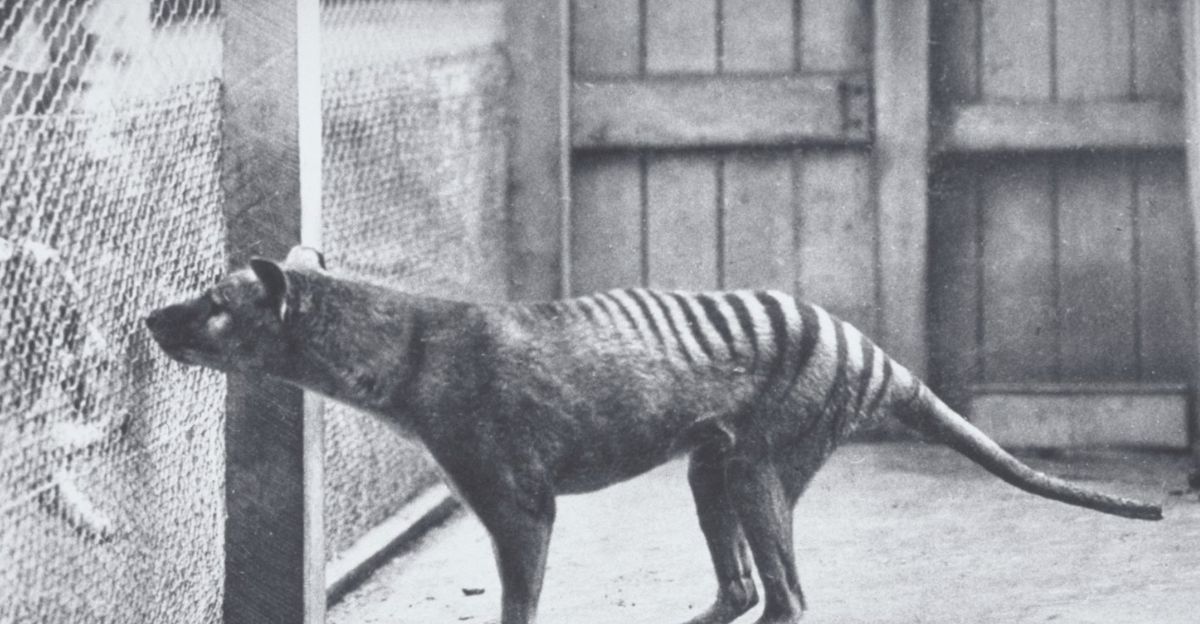
The Tasmanian Tiger, or Thylacine, once roamed Australia and Tasmania. Farmers and governments saw it as a threat to livestock, leading to widespread hunting.
Combined with habitat loss and disease, it declined rapidly. The last known individual died in a zoo in 1936, leaving behind only grainy footage and regret.
A Bird of the North Atlantic
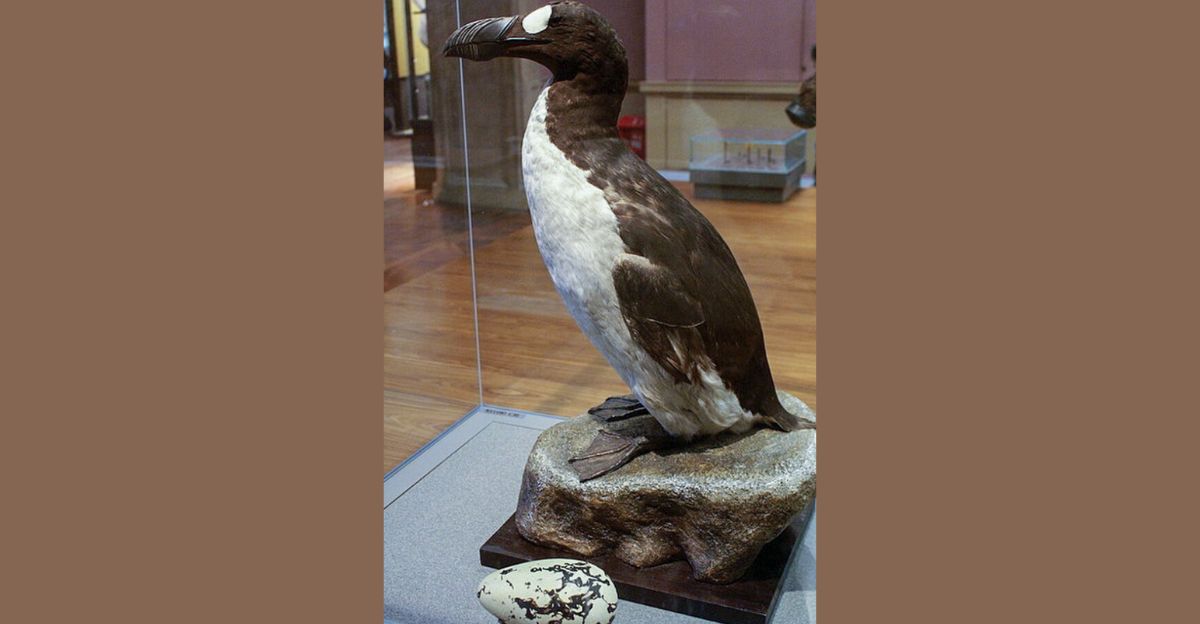
The Great Auk, a large seabird, thrived in the cold waters of the North Atlantic. Hunted for feathers, meat, and oil, its numbers plummeted in the 1800s.
By 1852, the species was gone. Its extinction highlights the dangers of unchecked exploitation of natural resources.
The Vanishing River Dolphin
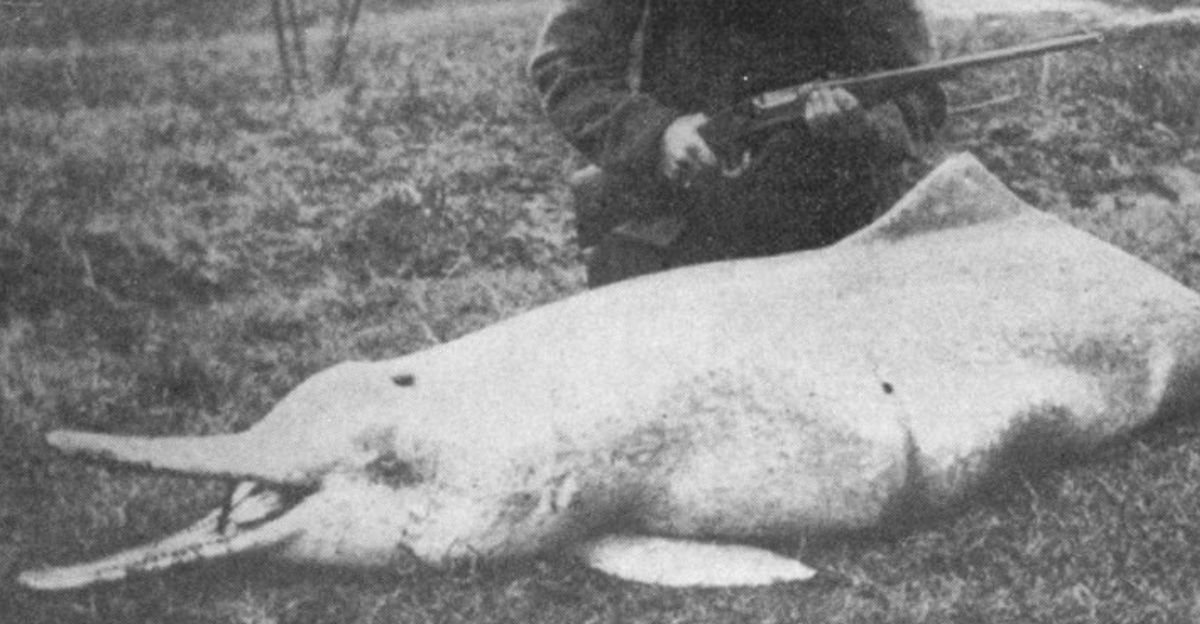
The Baiji dolphin, once common in China’s Yangtze River, was revered as the “goddess of the Yangtze.” Boat traffic, fishing, and pollution devastated the species.
The last confirmed sighting was in 2002, and by 2006 it was declared functionally extinct. Its loss shows the fragility of freshwater ecosystems under industrial pressure.
Lonesome George’s Legacy
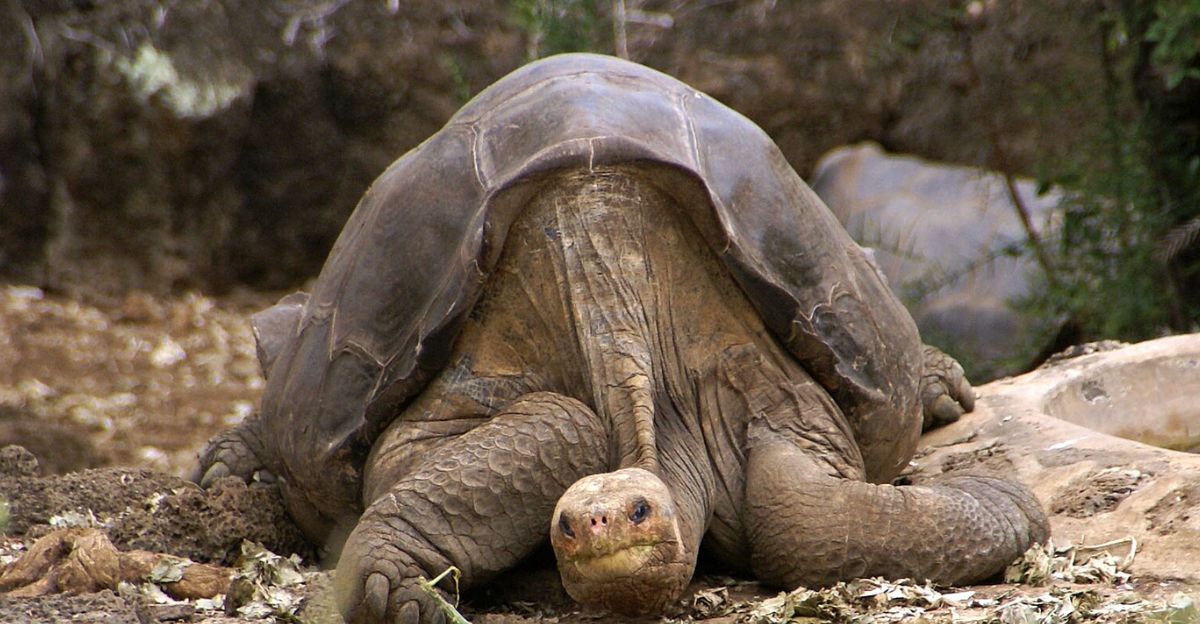
The Pinta Island Tortoise, native to the Galápagos, lost its habitat when goats were introduced. “Lonesome George,” the last known of his kind, died in 2012 despite conservationists’ efforts to breed him. His story reminds us how easily invasive species can reshape fragile island ecosystems.
The Only Seal of the Caribbean
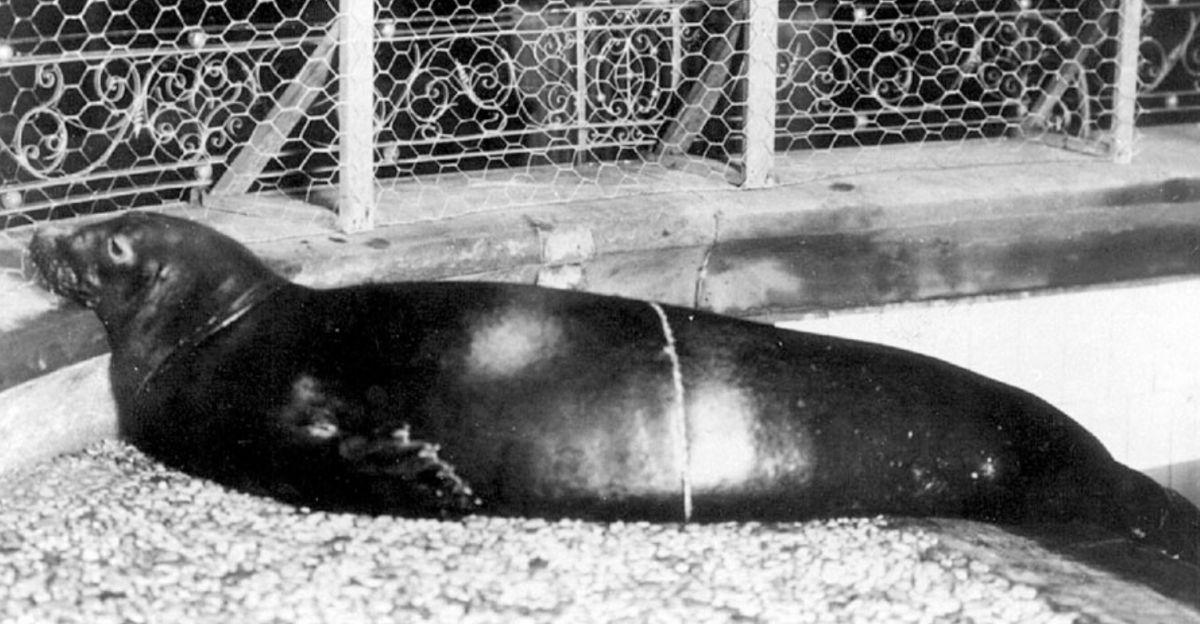
The Caribbean Monk Seal was the sole seal species in the region. Hunted for oil and deprived of food by overfishing, its population declined steadily.
The last confirmed sighting was in 1952. By the mid-20th century, it was declared extinct, leaving a gap in Caribbean marine ecosystems.
A Mountain Goat That Slipped Away
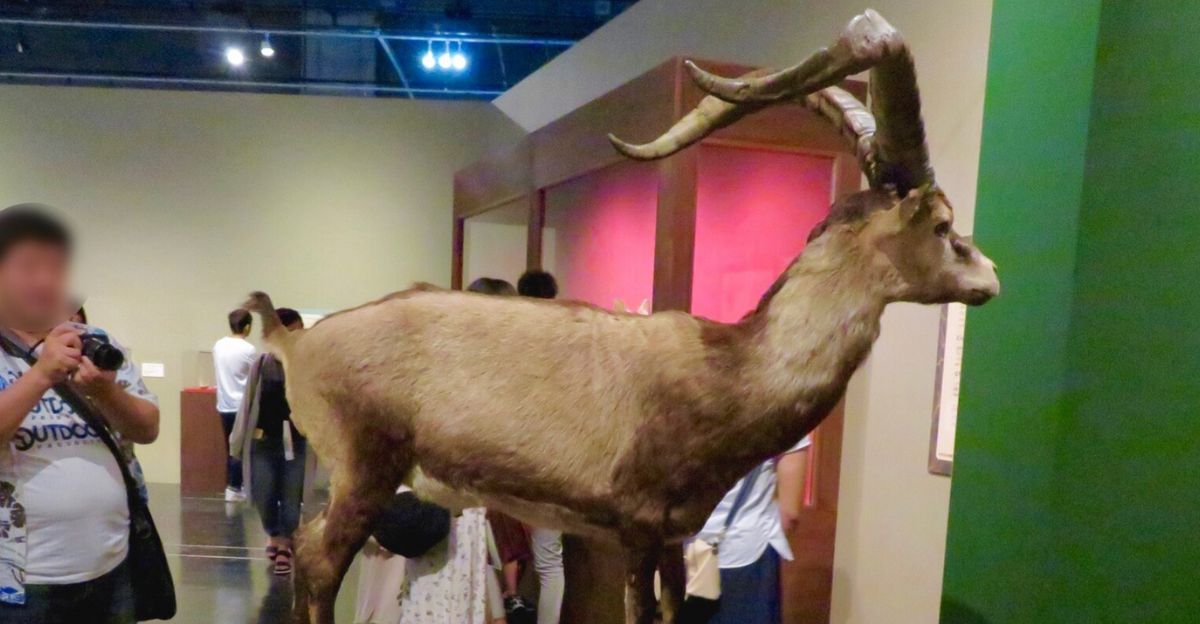
The Pyrenean Ibex, a wild goat of the Pyrenees, dwindled due to overhunting and competition with livestock.
The last individual died in 2000. In 2009, scientists briefly cloned one, but it did not survive. The effort showed both the promise and limits of modern de-extinction science.
Gentle Giants of the Sea
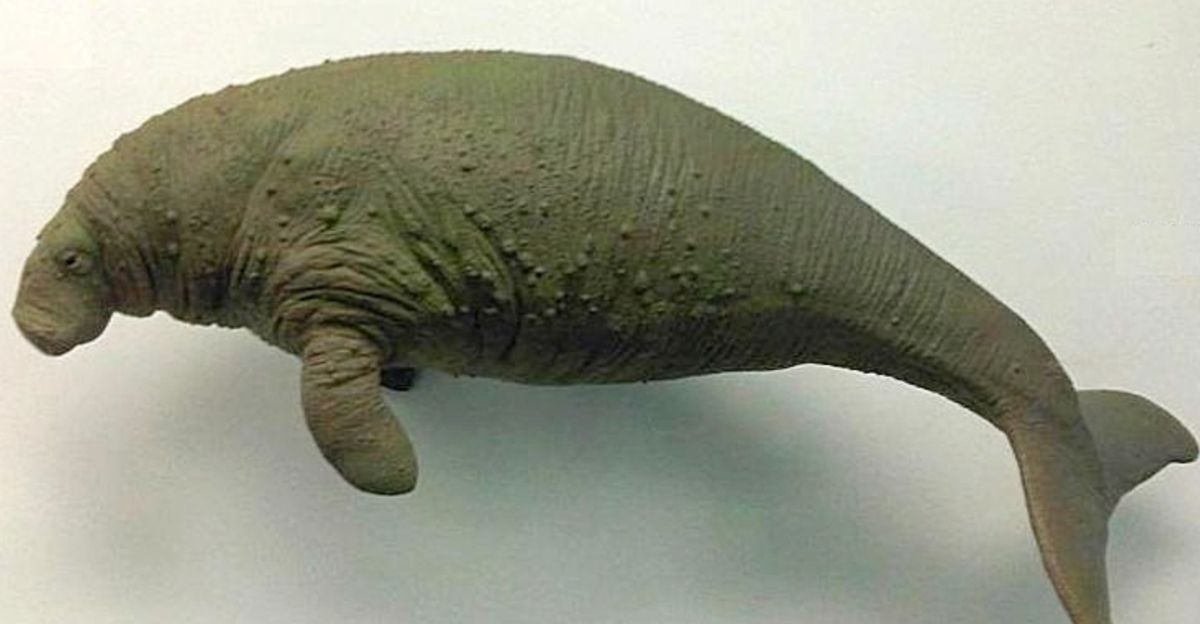
Steller’s Sea Cow was a huge marine mammal discovered in the 1700s. Within just 27 years of its discovery, it was hunted to extinction for meat and hides.
By 1768, it was gone. Its rapid loss highlights how quickly newly discovered species can disappear under human exploitation.
The Bird of Old-Growth Forests
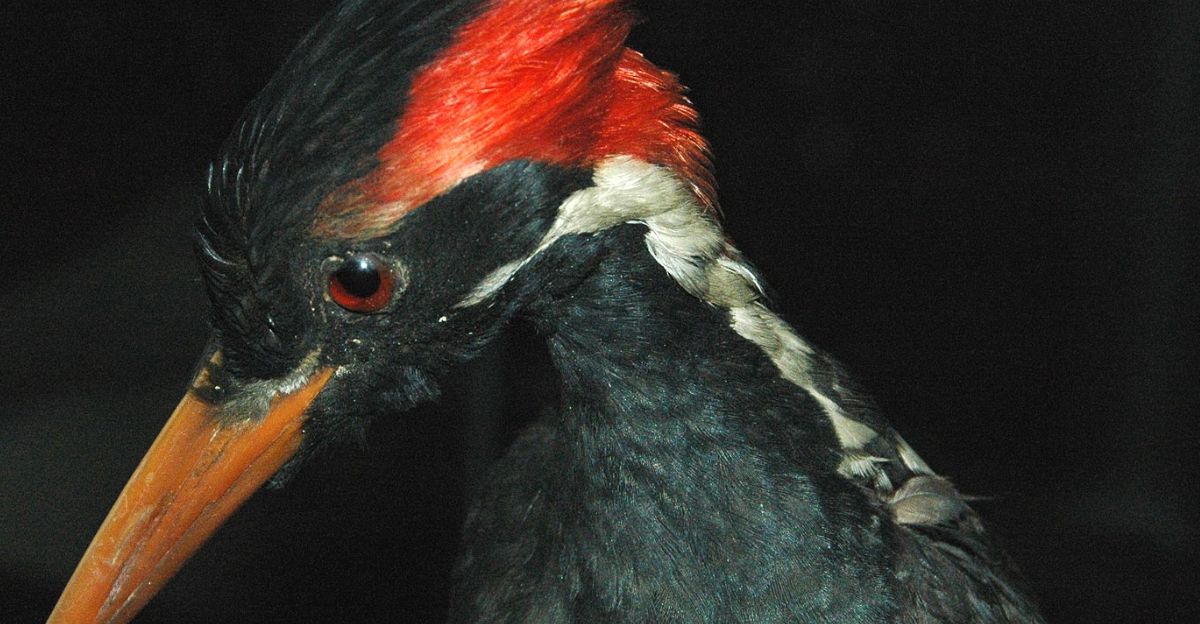
The Ivory-billed Woodpecker, known as the “Lord God Bird,” once thrived in the swamps of the southeastern United States.
Logging and habitat loss reduced its range dramatically. Last seen in the 1940s, it is now considered extinct, though occasional unconfirmed sightings fuel hope it may survive in hidden pockets.
Tigers of the Indonesian Forests
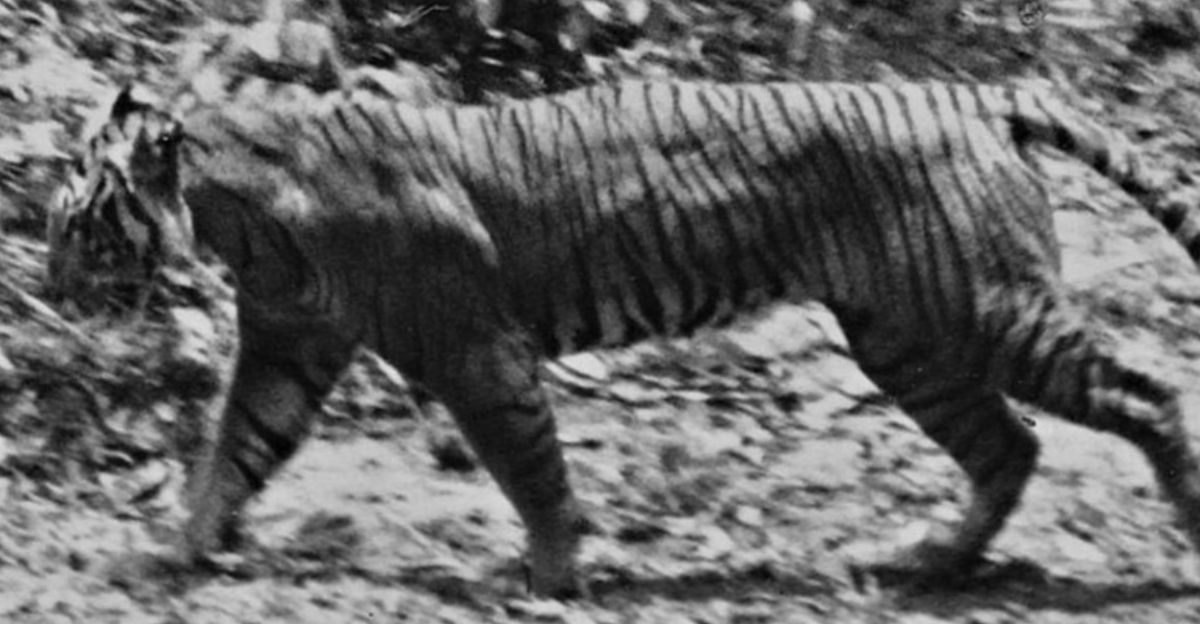
The Javan Tiger was a small subspecies confined to the island of Java. Agriculture and deforestation destroyed most of its habitat, while hunting pushed it further toward extinction. By the 1970s, it was nearly gone and officially declared extinct in the 1990s.
A Desert Fish Disappears
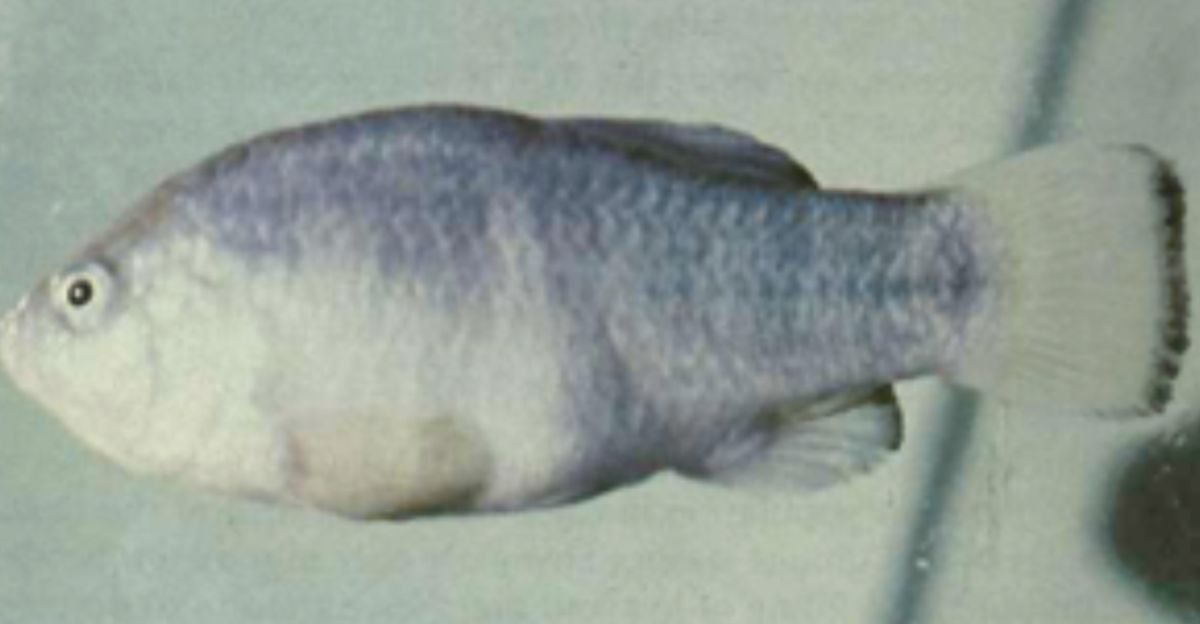
The Tecopa Pupfish, native to California’s hot springs, adapted to extreme conditions. In the 1970s, development altered water flows, destroying its habitat.
By 1981, it was declared extinct: the first U.S. species removed from the Endangered Species List for this reason. It illustrates how even small changes can erase unique species.
Tigers of Central Asia
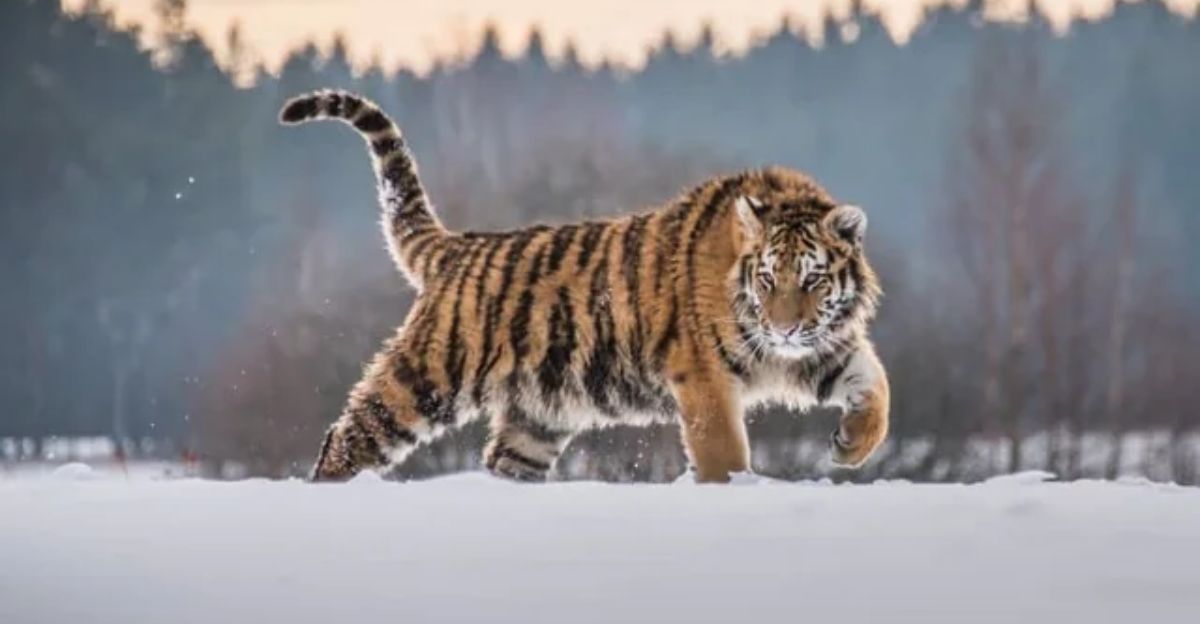
The Caspian Tiger once roamed a wide range from Turkey to Kazakhstan. Soviet agricultural projects destroyed its habitat and prey species, leading to extinction by the 1970s.
Though reintroduction projects are underway, the original tiger is gone. Its loss shows how large predators are especially vulnerable to habitat destruction.
A Rhino Lost to Poaching
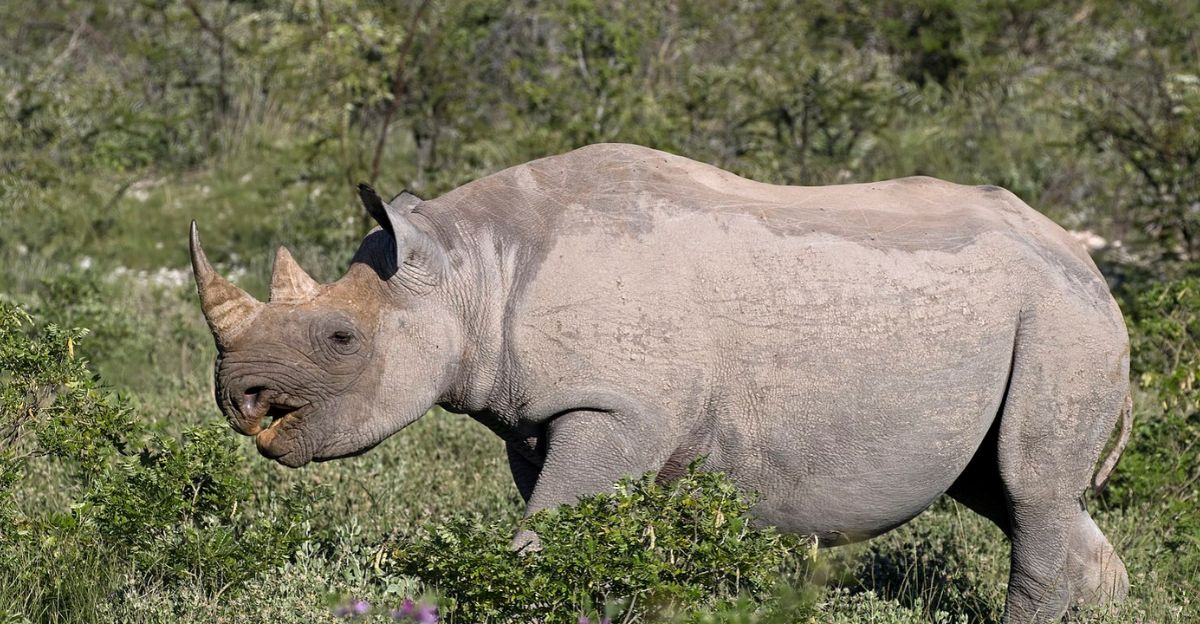
The Western Black Rhinoceros lived in western Africa. Demand for rhino horns drove widespread poaching, and by 2011 it was declared extinct.
Rhinos play an important ecological role, and their disappearance destabilizes ecosystems. Stronger anti-poaching laws now aim to protect surviving rhino species from the same fate.
A Golden Amphibian
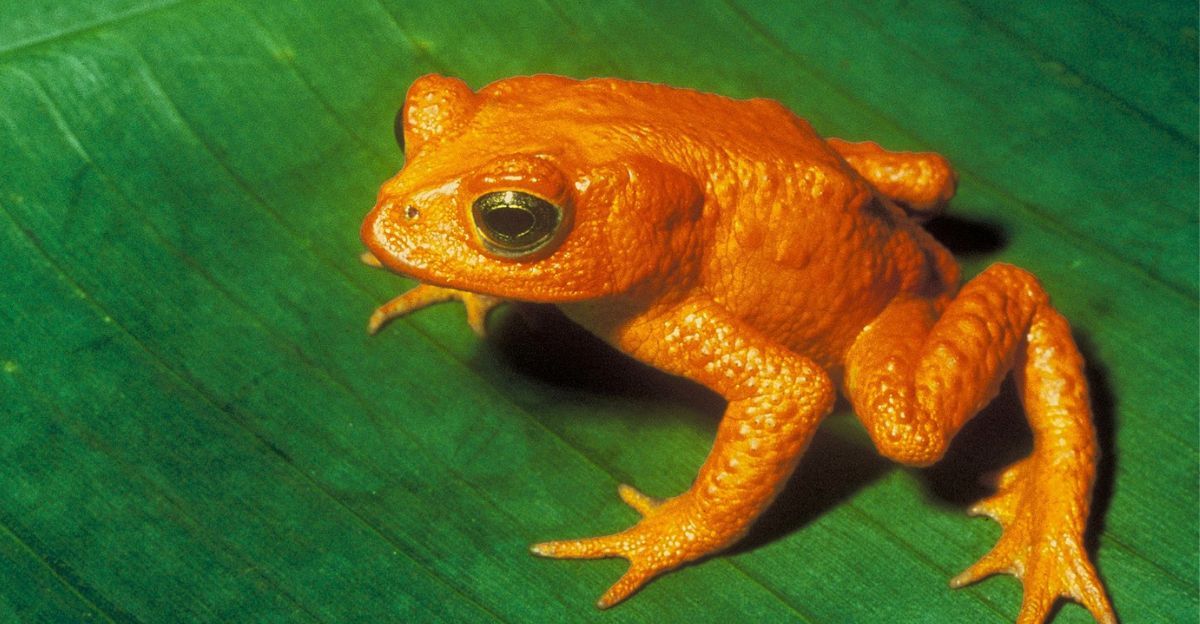
The Golden Toad of Costa Rica was discovered in 1964 but vanished by the late 1980s. Climate change, habitat shifts, and disease played a role in its sudden disappearance. It is one of the first extinctions linked directly to climate change, making it a critical case for scientists.
What These Losses Mean
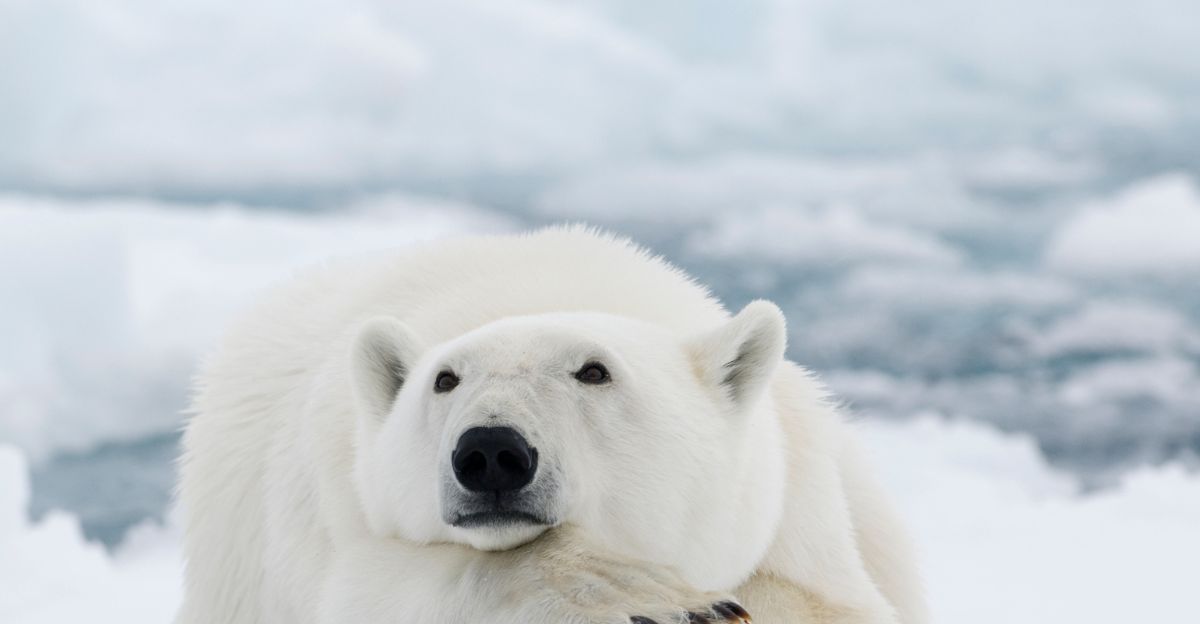
Each species disappeared for different reasons: hunting, habitat loss, invasive species, or climate change. But the speed of their extinctions is what alarms scientists most.
From billions of birds to giant sea mammals, abundance is not a safeguard. Without intervention, today’s common species could vanish just as quickly.
Conservation Lessons Learned
The loss of these species taught conservationists valuable lessons. Protecting habitats before they are destroyed, controlling invasive species, and reducing human exploitation are all critical.
While extinction is irreversible, awareness can drive change. Many modern conservation strategies are based on mistakes made during these historic losses.
Can Extinction Be Reversed?
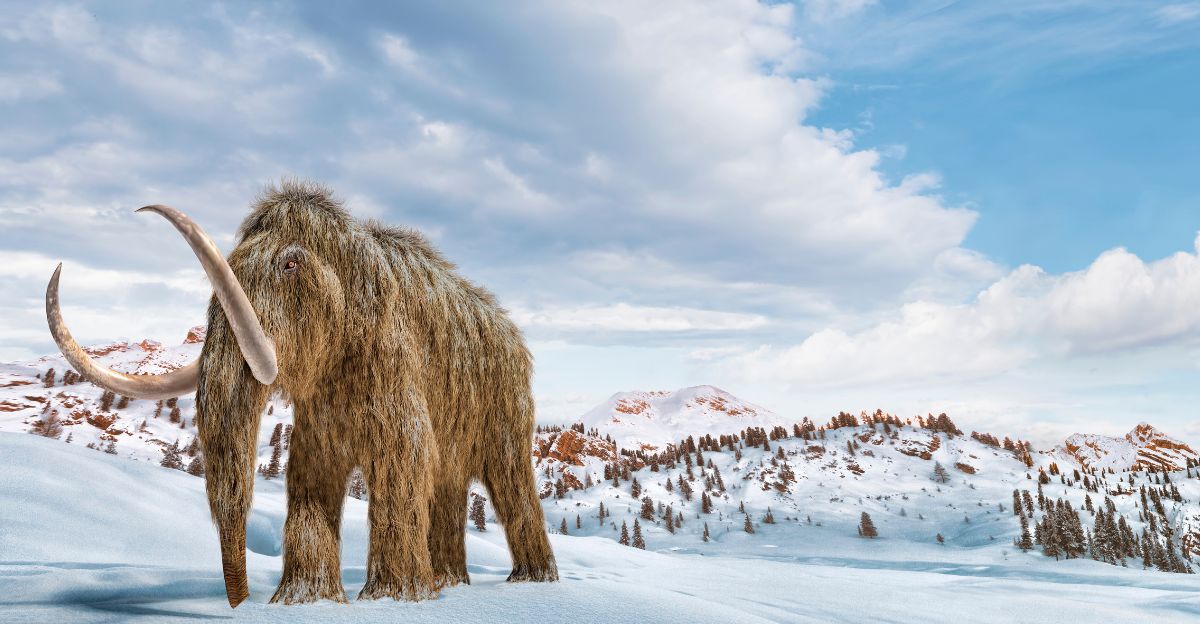
Efforts like cloning the Pyrenean Ibex or reviving mammoths through genetics raise questions about de-extinction.
While technology may bring species back in some form, it cannot restore lost ecosystems. The focus remains on protecting endangered species now before they join the list of those gone forever.
Why It Matters Today

These extinctions are more than history lessons. They show how fragile ecosystems are, and how quickly abundance can vanish.
Protecting species today means safeguarding the balance of nature that humans also depend on. The stories of these 15 species serve as reminders, and warnings, of the responsibility we all share.