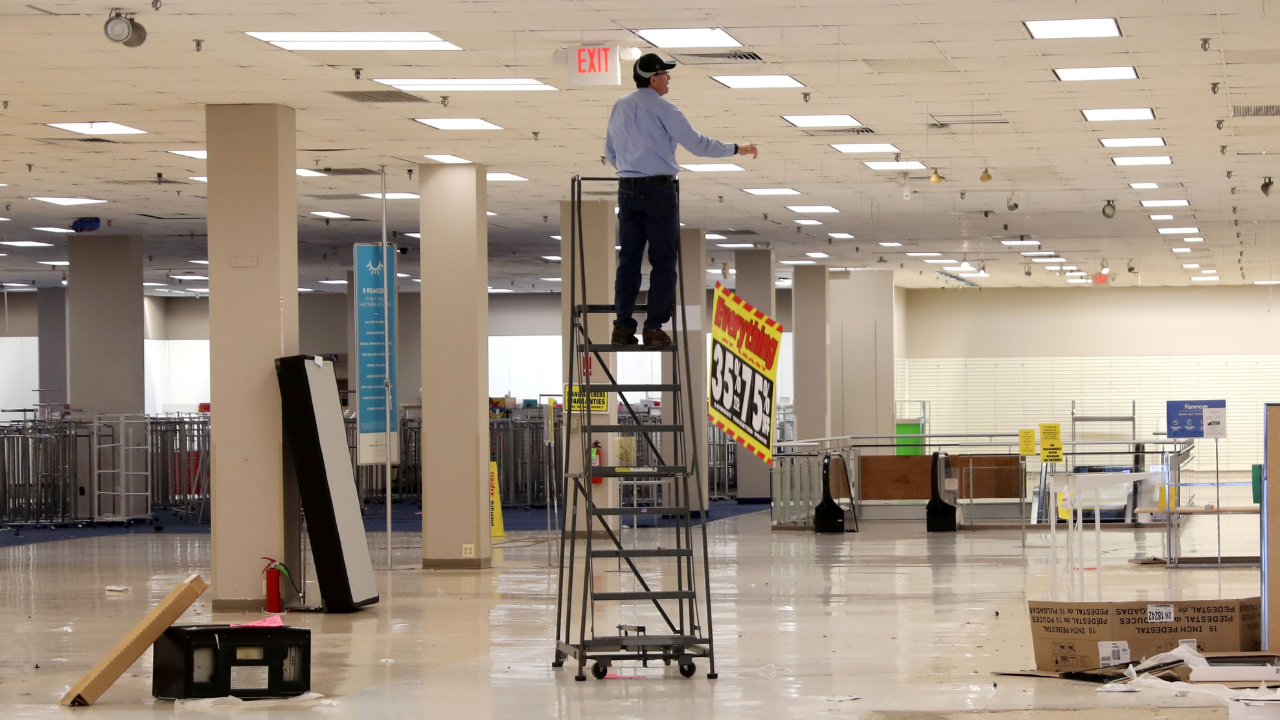
In 2025, empty storefronts are now a common sight across the United States. Over 6,000 retail locations have closed this year alone, leaving behind more than 123 million square feet of unused commercial space. Well-known national chains and longtime neighborhood stores have disappeared due to rising costs, bankruptcies, and the unstoppable growth of online shopping. As these closures spread, they take more than jobs, they erase familiar places where communities once gathered to shop, fill prescriptions, or catch up with neighbors.
The Fall of Pharmacy Chains

Pharmacy chains, once considered recession-proof, have been hit hard. Rite Aid, a trusted name for over six decades, filed for bankruptcy in 2025. The company is shutting down 489 stores, freeing up 6.7 million square feet of space. Rising medication costs, strong competition from larger rivals, and customers shifting to online health and beauty shopping all contributed to its fall. The closures mean many neighborhoods lose a dependable place for daily essentials and prescriptions.
Walgreens, though not bankrupt, plans to close 450 stores, including 271 this year alone. The company hopes focusing on top-performing sites will keep it stable, but profits are being squeezed by Amazon Pharmacy and smaller margins. Many rural areas will be hit hardest, as residents already have limited access to pharmacies. CVS has also been reducing its number of stores, shutting underperforming locations and investing more in digital prescriptions and in-store health clinics. These changes show how the entire industry is trying to adapt to new customer habits that favor convenience and telehealth over traditional in-person shopping.
Discount and Home Stores Under Pressure
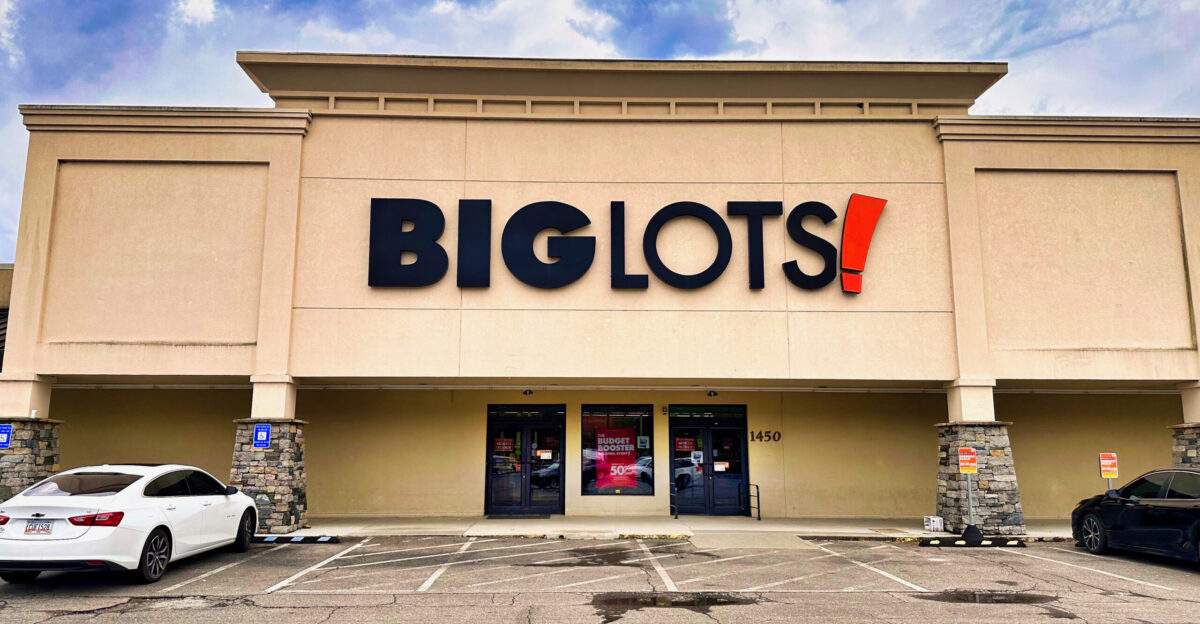
Retailers that once catered to families on tight budgets are also struggling. Big Lots, known for its low-cost furniture and household goods, filed for bankruptcy in 2024. Around 480 of its stores are closing after inflation and shifting spending patterns weakened its customer base. Family Dollar, owned by Dollar Tree, is set to close 370 stores to focus on profitability. The move hits low-income areas especially hard, where shoppers rely on dollar stores for groceries and household necessities. What were once considered recession-proof businesses are now showing cracks as higher costs and slimmer profits make their model harder to sustain.
The home and hobby market has not escaped the turmoil either. At Home, a Texas-based discount home décor chain, went bankrupt in 2025 and will shut 27 stores. High interest rates, inflation, and cutbacks on non-essential spending proved too much. Joann, a longtime favorite for craft lovers, also filed for bankruptcy in 2024 and is closing hundreds of stores. Online craft suppliers, increased wages, and global supply chain problems made it difficult to compete. Party City closed all 700 of its U.S. stores between 2023 and 2024, unable to keep up with online decoration sellers and big-box competitors. Bed Bath & Beyond, once a household shopping powerhouse, disappeared after its 2023 bankruptcy and the closure of all 896 stores. Each of these closures represents more lost jobs and fewer places for customers to shop in person for their homes.
Department Stores and Retail Icons Fade
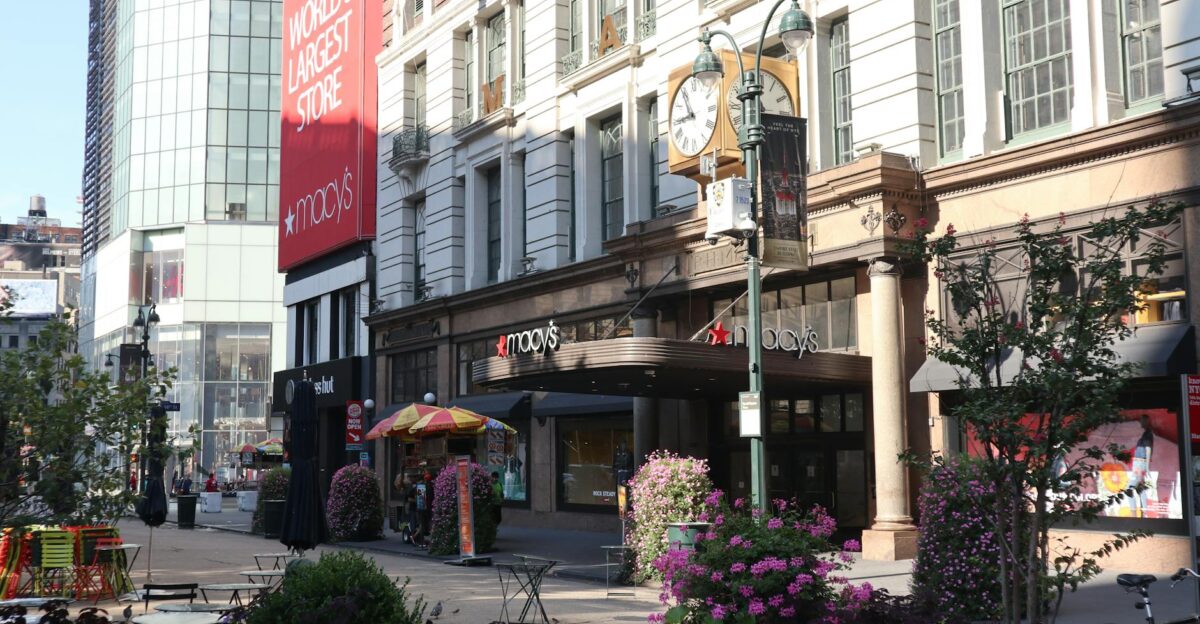
Department stores, once cornerstones of American malls, continue to shrink. Macy’s plans to close 66 more stores in 2025 as it struggles to keep shoppers who now prefer specialty boutiques and e-commerce sites. Kohl’s will shut 27 stores early in 2025, caught in the difficult position between high-end and bargain markets. With consumers favoring either luxury brands or discount options, the middle-ground retailers are losing their footing.
Foot Locker and Champs Sports will close about 400 combined locations by 2026, another sign of how online shopping has changed buying habits. Customers now turn directly to brands like Nike or Adidas rather than brick-and-mortar sneaker chains. The closure of these stores means fewer cultural hubs for sneaker enthusiasts and fewer reasons for young shoppers to visit malls.
Some of the most nostalgic names in retail have nearly vanished altogether. Blockbuster, once the heart of movie nights with more than 9,000 stores worldwide, now has only one remaining U.S. location. Streaming services like Netflix have made physical rentals obsolete. RadioShack, once the go-to store for electronics and spare parts, now has only a few stores left after being outmatched by cheaper online options. Toys “R” Us, which closed all 700 of its U.S. stores by 2018, remains a powerful memory of the past but exists today only in limited overseas locations.
A Changing Future for Shopping

The wave of closures tells a clear story: traditional retail is being transformed by digital convenience and economic strain. As brick-and-mortar stores struggle to survive, entire communities face fewer local options for shopping, healthcare, and social connection. The survivors, whether pharmacies, discount chains, or department stores, are being forced to reinvent themselves through online services, smaller footprints, and new customer experiences.
America’s retail landscape is not disappearing entirely, but it is evolving fast. Once-busy malls and shopping centers may give way to mixed-use developments, warehouses, or digital hubs. The next chapter will depend on how well remaining retailers adapt to customers who now expect everything faster, cheaper, and closer to home, often with just a single click.
Sources
Coresight Research – Store Tracker Extra: US Store Openings and Closures 2024 Review and 2025 Outlook
CoStar – Rising US Store Closings on Pace for Record Year
eMarketer – Retail Faces a Reckoning as Store Closures Outpace Openings in 2025
Capital One Shopping – Shopping Mall Closure Statistics (2025): Are Malls Dying?