America’s casual dining chains, once packed with families and glowing signs, now face empty tables and closed doors. Higher prices, changing customer habits, and poor business choices have forced many well-known restaurants to shrink or shut down. This shift is altering shopping centers and everyday routines in suburbs nationwide.
Red Lobster’s Costly Promotion Disaster
Red Lobster, known for its budget-friendly seafood and popular Cheddar Bay biscuits, filed for Chapter 11 bankruptcy in May 2024. The chain shut down more than 90 locations during the process. A major mistake came from its $20 endless shrimp deal, meant to draw in customers but instead causing $11 million in losses. Even when the price rose to $25, the promotion’s harm could not be undone. This episode serves as a clear warning about the dangers of heavy discounts in a tough market.
Boston Market’s Rapid Collapse
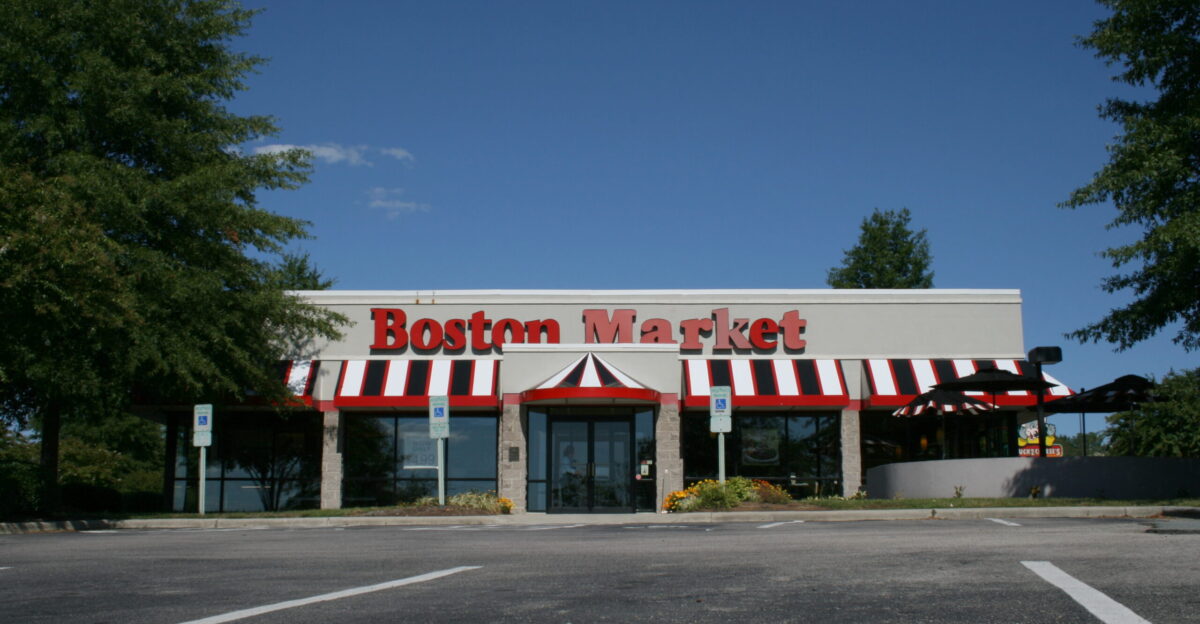
Boston Market saw its downfall happen at breakneck speed. The rotisserie chicken chain went from about 300 stores at the start of 2023 to only 16 today. Problems mounted in mid-2023 when it closed 27 spots in New Jersey over unpaid employee wages. In January 2024, a court ruled that the company owed US Foods $15 million for unpaid bills. The sudden end wiped out thousands of jobs with barely any media attention, showing how bad management can destroy a brand in months.
Applebee’s Long Slide Downward
Applebee’s, a go-to for casual neighborhood meals, has closed nearly 300 restaurants since 2017—the longest string of shutdowns in its history. Deals like half-price appetizers and a friendly bar atmosphere did little to stop the flow of customers to faster, trendier options or fancier eateries. In the fourth quarter of 2023, same-store sales dropped 1%, marking the third quarter in a row of declines. With 4,500 to 7,500 jobs at risk, the chain struggles against rising costs and shoppers who no longer see it as a good value.
Denny’s Battle Against Rising Costs
Denny’s, the 24-hour diner famous for cheap, quick meals, closed 88 locations in 2023 and 2024. Customer visits fell sharply as inflation drove up the costs needed to keep each restaurant running. This forced price increases that pushed away price-sensitive eaters. More closures are expected soon, testing whether the chain can hold onto its reputation for affordable food when budgets feel tight.
Broader Strains Hit Big Names Too
The troubles extend beyond smaller players to industry leaders. Starbucks faced a 4% drop in global same-store sales and a 6% decline in transactions during 2024, with North America seeing 3% lower sales and 7% fewer visits; its stock dipped 12% in after-hours trading on April 30. McDonald’s noticed its lower-income customers—those earning under $45,000—visiting less after 10% menu price hikes in 2023, leading to new value offers to win them back. Cracker Barrel saw foot traffic plummet after mid-2024, even with price tweaks, caught between cheap eats and upscale choices. KFC grew 8% in same-store sales in China but lost ground in the U.S. to fresher rivals like Chick-fil-A, hurt by old-fashioned stores and higher chicken prices. Outback Steakhouse, part of Bloomin’ Brands, opened a few spots in 2023 but closed others amid falling sales and visits, its once-fun theme now feeling stale.
These stories point to larger changes in how Americans eat. People are skipping sit-down restaurants for cooking at home, food delivery, or quicker, cheaper fast-casual spots. The result includes mounting job losses and vacant buildings in strip malls. Chains that survive will need smart pricing, updated menus, and ways to rebuild customer trust in a harsh economic climate.
Sources
CNN, “How Red Lobster’s misguided endless shrimp promotion drove it into bankruptcy”, 2024-05-20
Reuters, “Boston Market parent files for bankruptcy after string of closures”, 2024-01-08
Nation’s Restaurant News, “Applebee’s closes 134 restaurants in 2023”, 2024
QSR Magazine, “Denny’s closes 88 restaurants in 2023”, 2024
Starbucks Investor Relations, “Q2 2024 Earnings Report”, 2024-04-30