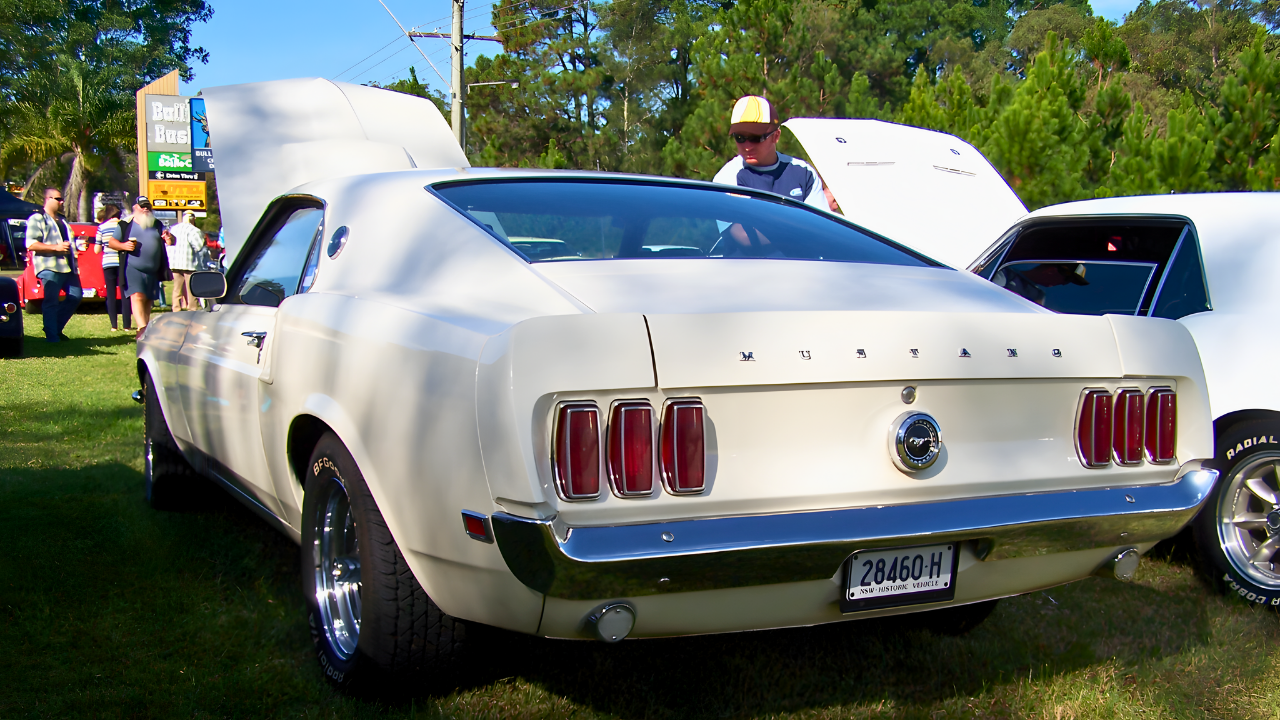
The late 1960s to early 1970s marked the golden age of muscle cars, a time when manufacturers often understated horsepower ratings to avoid higher insurance premiums and NHRA racing penalties.
The true power of these cars has been extensively documented through period dyno tests and expert evaluations, yet passionate debate continues within enthusiast circles about precise output figures.
Why Deceive About Horsepower?
Car manufacturers downplayed horsepower ratings to keep insurance premiums low and avoid racing classification penalties. While official ratings were published, most vehicles delivered considerably more power than advertised.
The capabilities of these cars have been thoroughly researched through dyno testing and period documentation, establishing a clear pattern: manufacturers knew their cars produced far more than the numbers suggested. These findings remain central to muscle car discussions today.
1969 Chevrolet Camaro ZL1
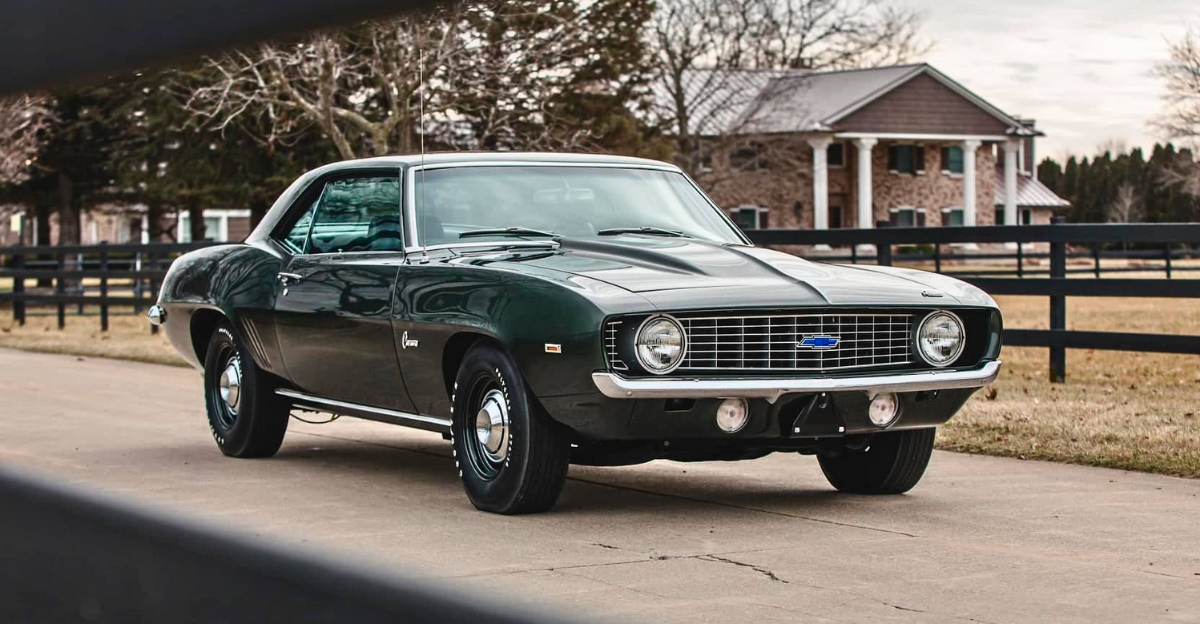
The 1969 Chevrolet Camaro ZL1 stands as one of the era’s most deceptive performers. With an official rating of 430 horsepower, the all-aluminum 427-cubic-inch engine actually delivered approximately 500 horsepower—a stunning 70-horsepower gap.
Factory records lack exact post-production testing data, yet consistent dyno results and performance testimony support the higher figure. The ZL1 remains one of the most coveted muscle cars, valued precisely for this undisclosed capability.
1969 Pontiac GTO Judge
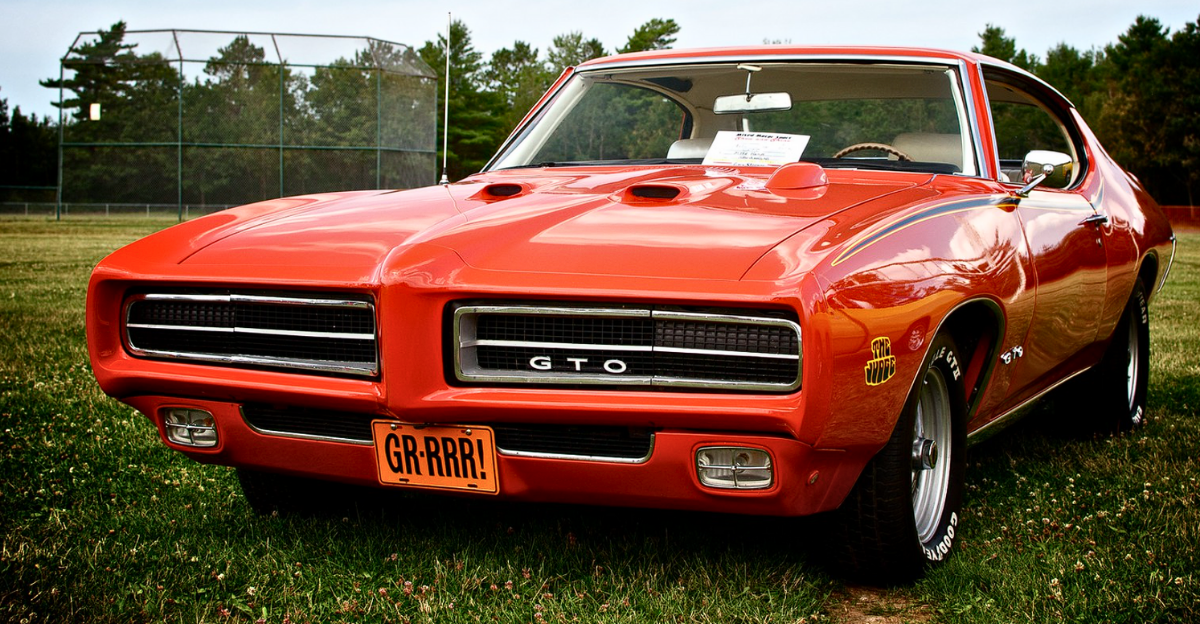
Pontiac’s legendary GTO Judge came officially rated at 366 horsepower with the Ram Air IV option. Period dyno tests indicate actual output approached 400 horsepower, a gap that escaped most buyers at the time.
The Ram Air IV’s improved breathing and tuning provided genuine performance advantages that the conservative factory rating refused to acknowledge. This 34-horsepower discrepancy exemplified Pontiac’s calculated understatement strategy.
1970 Dodge Challenger R/T
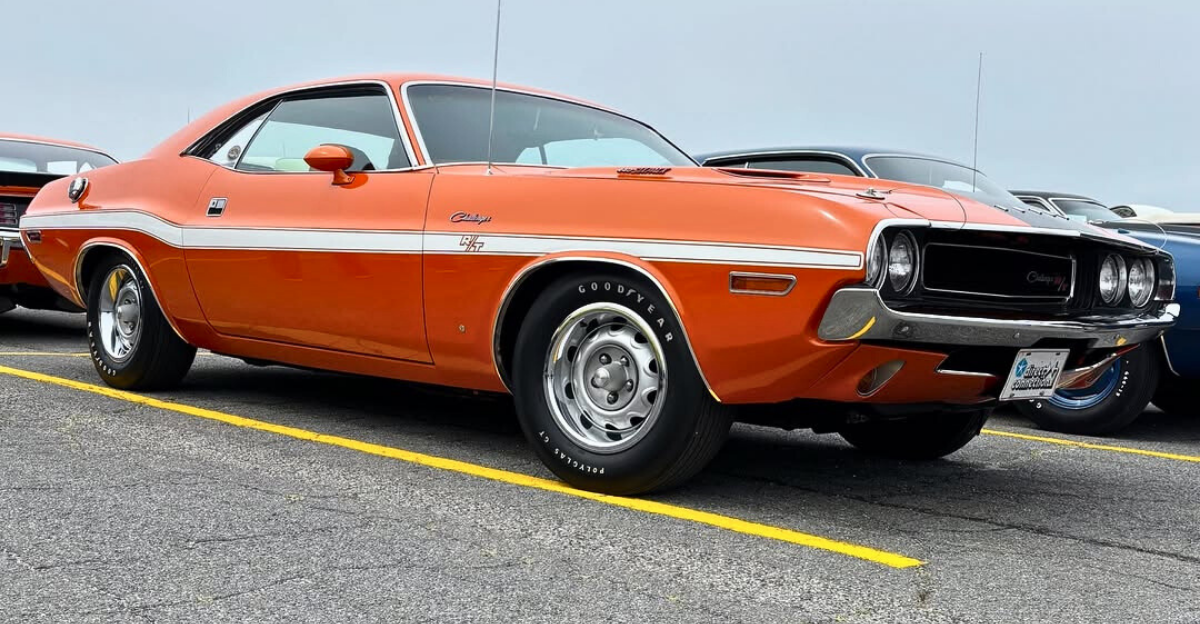
The 1970 Dodge Challenger R/T with its legendary 426 Hemi carried an official 425-horsepower rating. Dyno testing and real-world performance data from the era reveal actual output exceeded 450 horsepower, with many examples producing even more depending on tune and condition.
The performance difference proved substantial enough to shock unsuspecting competitors on the street. This 25-plus-horsepower gap represented another layer of Dodge’s horsepower concealment.
1970 Plymouth Road Runner Superbird
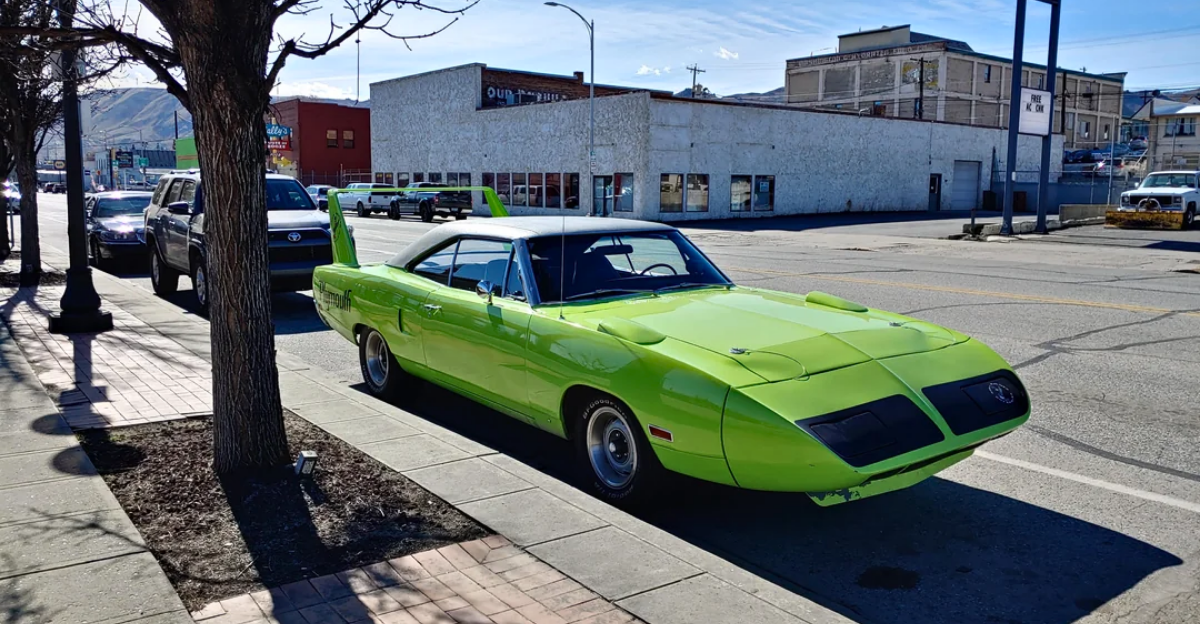
Plymouth’s Superbird arrived with a 425-horsepower rating on the 426 Hemi version, a number that dramatically understated its genuine capability. Period documentation and enthusiast testing suggest output approached 500 horsepower—a 75-horsepower difference that transformed the car’s competitive advantage.
The aerodynamic body combined with undisclosed power created an unbeatable package that dominated performance metrics of the era. This combination proved nearly impossible to compete against on the track or street.
1969 Dodge Super Bee 426 Hemi
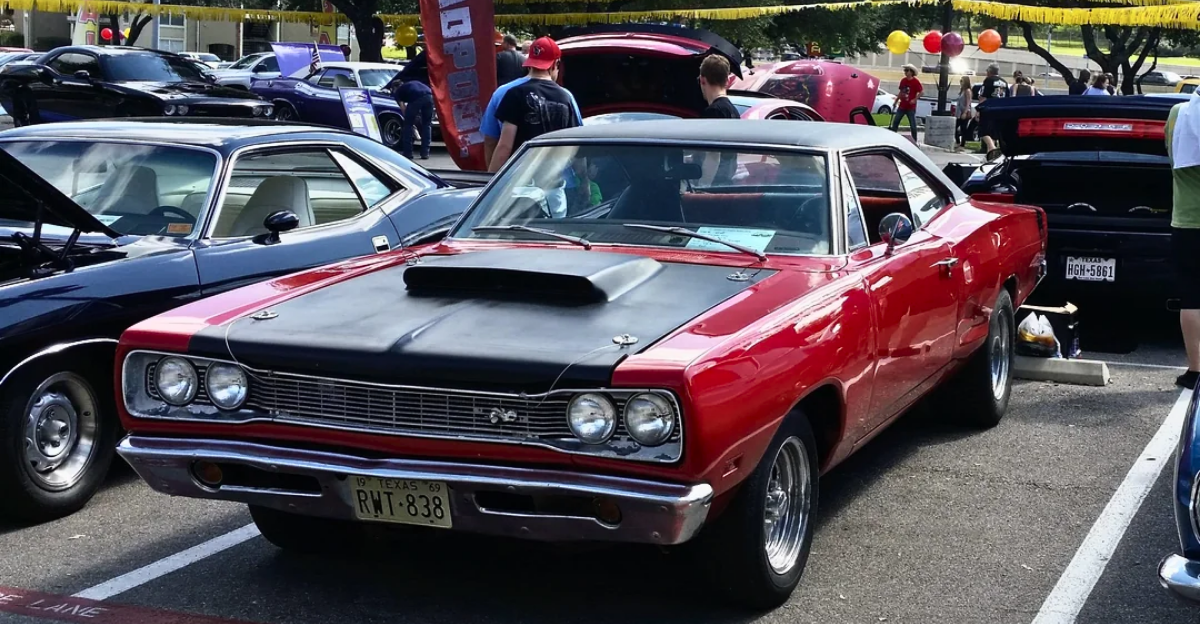
Dodge’s Super Bee with the 426 Hemi carried a 425-horsepower rating as Dodge’s more accessible performance option compared to the Charger R/T. Period documentation and expert testing suggest actual output exceeded 470 horsepower—a 45-plus-horsepower difference that gave the Super Bee unexpected performance advantages.
Despite its lower official rating, the Super Bee proved itself a genuine performance machine with carefully concealed capability. It became a favorite among buyers who wanted maximum performance with minimum visibility.
1970 Plymouth GTX 440+6
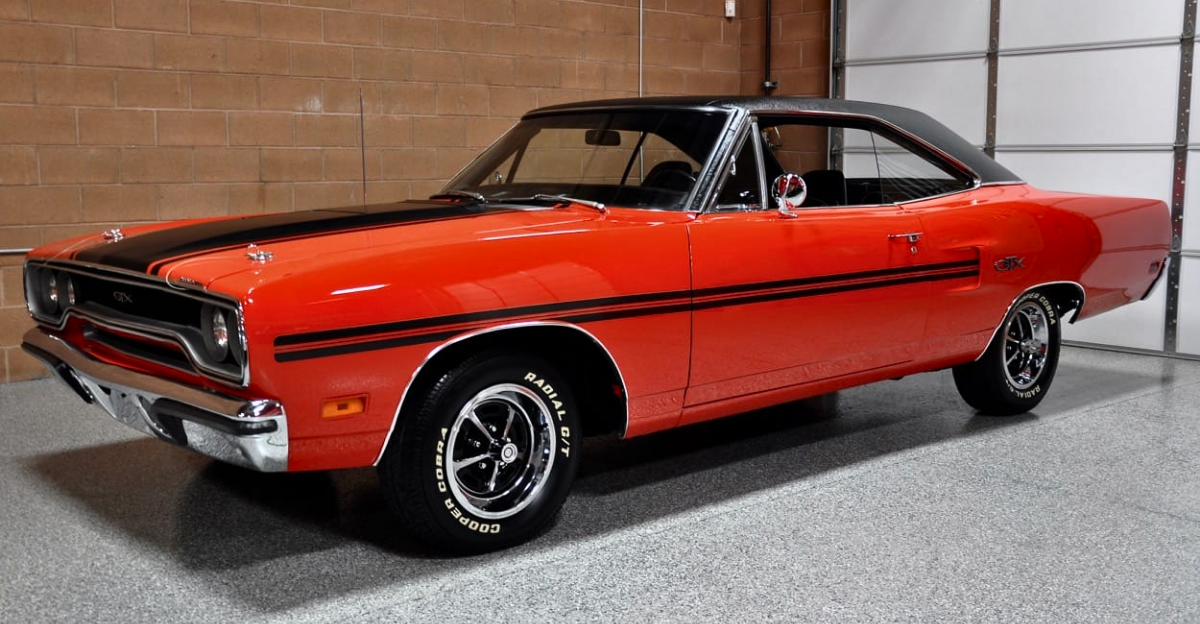
The 1970 GTX with Plymouth’s Six-Barrel 440 arrived with a conservative 390-horsepower rating. Testing from the period indicates the real output ranged from 430 to 450 horsepower, depending on tune and conditions.
While technically understated less dramatically than some competitors, the GTX’s official figures still masked genuine street-dominating performance. This car earned its reputation as an underappreciated sleeper precisely through this discrepancy.
1970 Pontiac Firebird Trans Am Ram Air IV
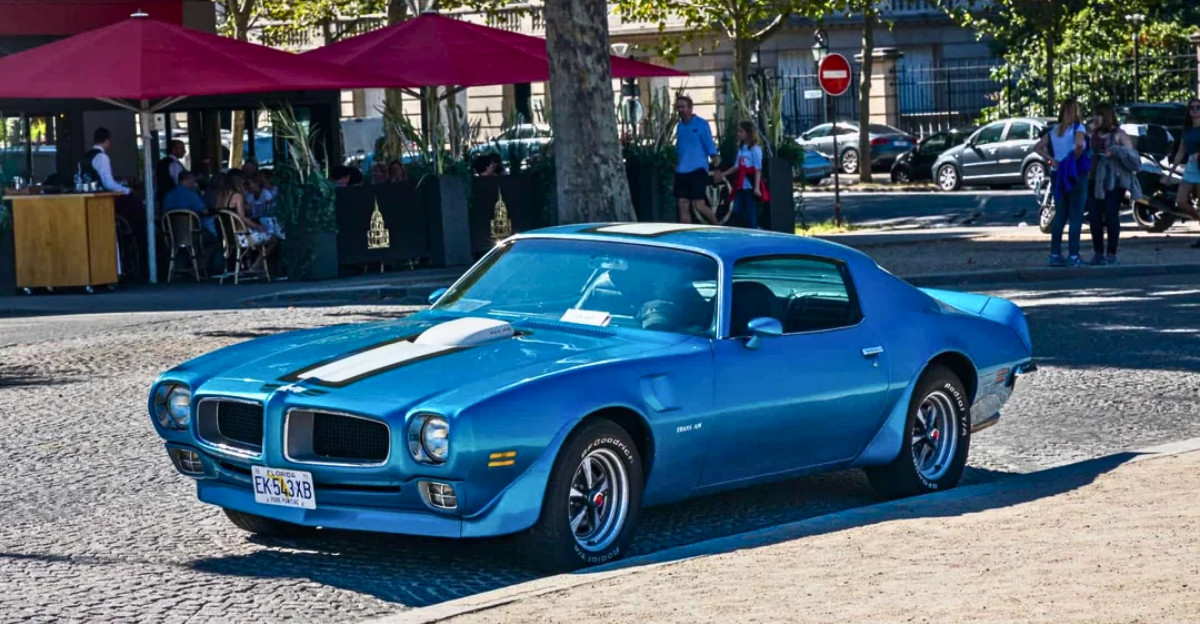
Pontiac’s 1970 Firebird Trans Am with the Ram Air IV 400-cubic-inch engine received a 345-horsepower rating from the factory. Dyno testing from enthusiasts and period performance evaluations indicate the model actually produced 370 to 390 horsepower in stock configuration—a 25 to 45-horsepower gain that proved substantial in competition.
Pontiac employed the same conservative approach to its second-generation pony car as it did with the GTO. The Trans Am’s performance regularly exceeded expectations established by its official specifications.
1968 Chevrolet Nova SS 396 L78
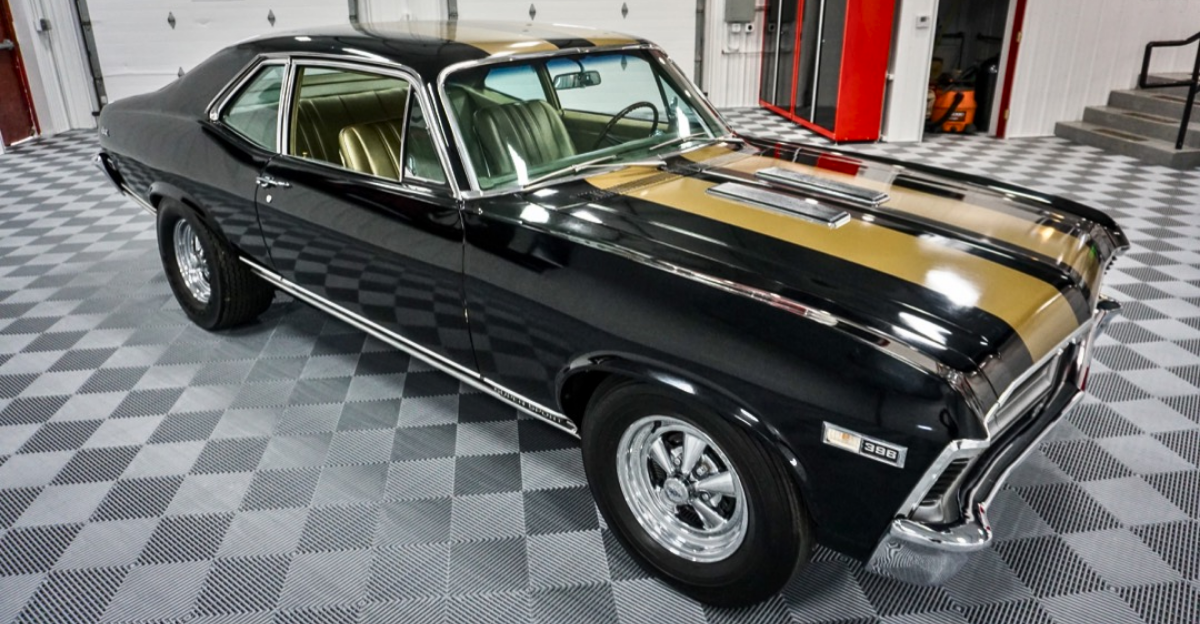
Chevrolet’s compact Nova Super Sport represented the ultimate sleeper strategy. The L78 396 cubic-inch big-block received a conservative 375-horsepower rating despite producing approximately 425 horsepower in reality.
Quarter-mile testing and road performance confirmed the higher figure, making the Nova SS a genuine muscle car disguised in modest sheetmetal. This model epitomized the compact performer that shocked unsuspecting challengers with undisclosed power.
1970 Oldsmobile 442 W-30
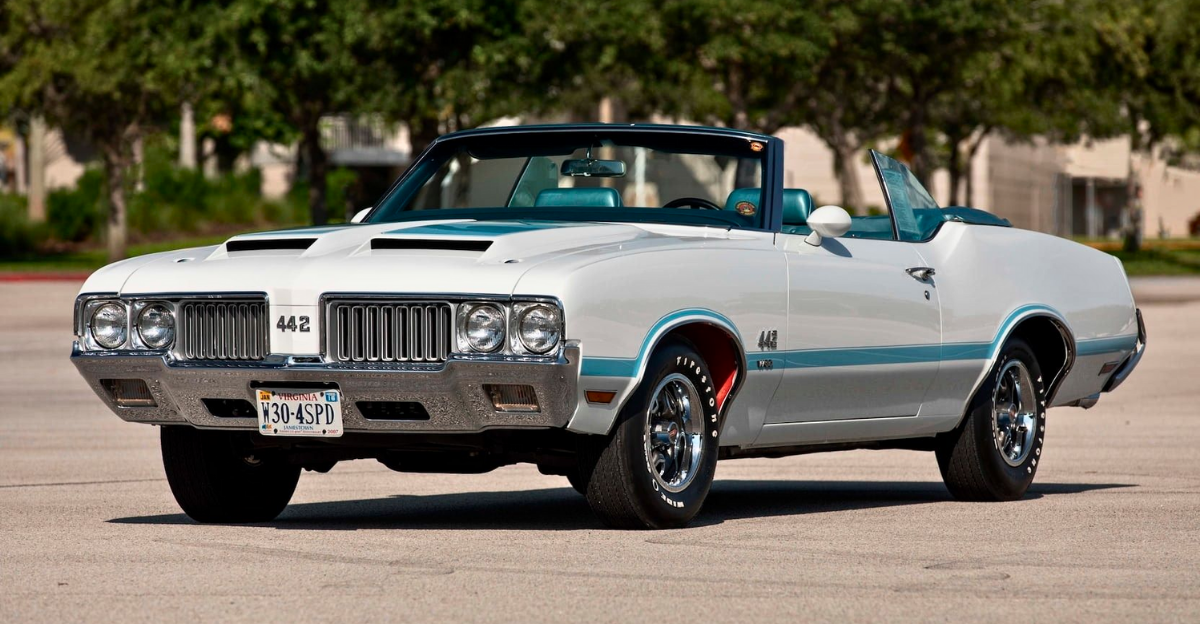
Oldsmobile’s 1970 442 W-30 package represented the manufacturer’s performance pinnacle, yet received a conservative 370-horsepower rating. Factory records acknowledge limited post-production testing, creating space for significant understatement.
The W-30 package included a hotter cam, improved air intake, and low-restriction exhaust—performance upgrades that contributed to actual output approaching 400 to 420 horsepower. This carefully assembled package delivered muscle that exceeded its official designation.
1970 Buick GSX Stage 1
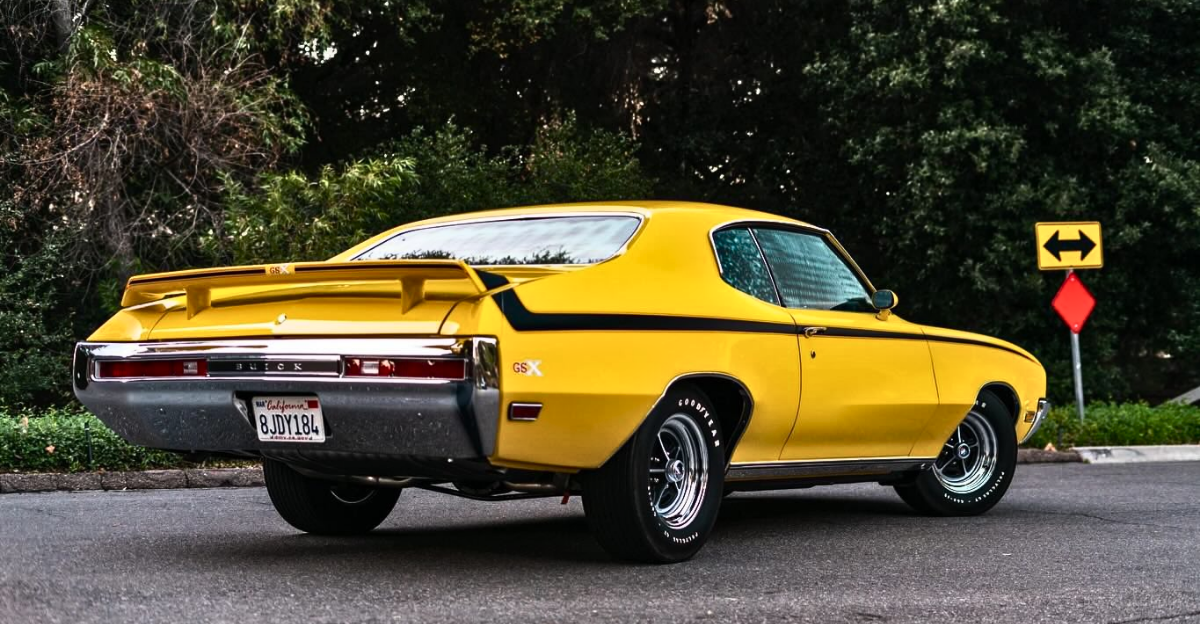
Buick’s 1970 GSX Stage 1 arrived with a 360-horsepower rating that masked dramatic capability. Quarter-mile times in the low 13-second range—equivalent to genuine 400-plus-horsepower performance—exposed this significant understatement.
Enthusiast testing and period dyno sheets confirmed output reaching 400 horsepower or beyond, making the GSX one of the era’s most dramatically underrated performers. Performance spoke louder than the factory’s conservative numbers.
1969–1970 Mercury Cougar Eliminator Boss 302
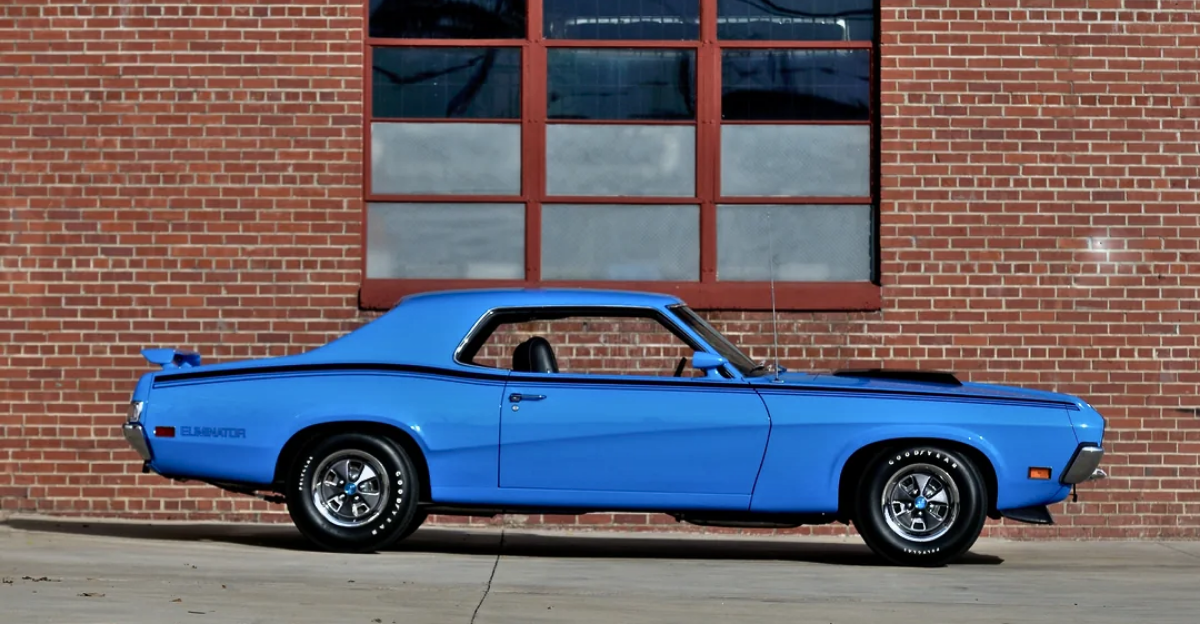
Mercury’s rare Cougar Eliminator with the Boss 302 engine arrived with a 290-horsepower rating. Expert evaluation and testing suggest actual output approached 335 horsepower—a 45-horsepower gap significant enough to affect performance classification and insurance costs.
Only 169 Boss 302 Cougars were produced, making this underated performer one of the rarest muscle cars from the era. Its race-bred engineering delivered performance that surprised owners and competitors alike.
1971 Pontiac GTO 455 HO
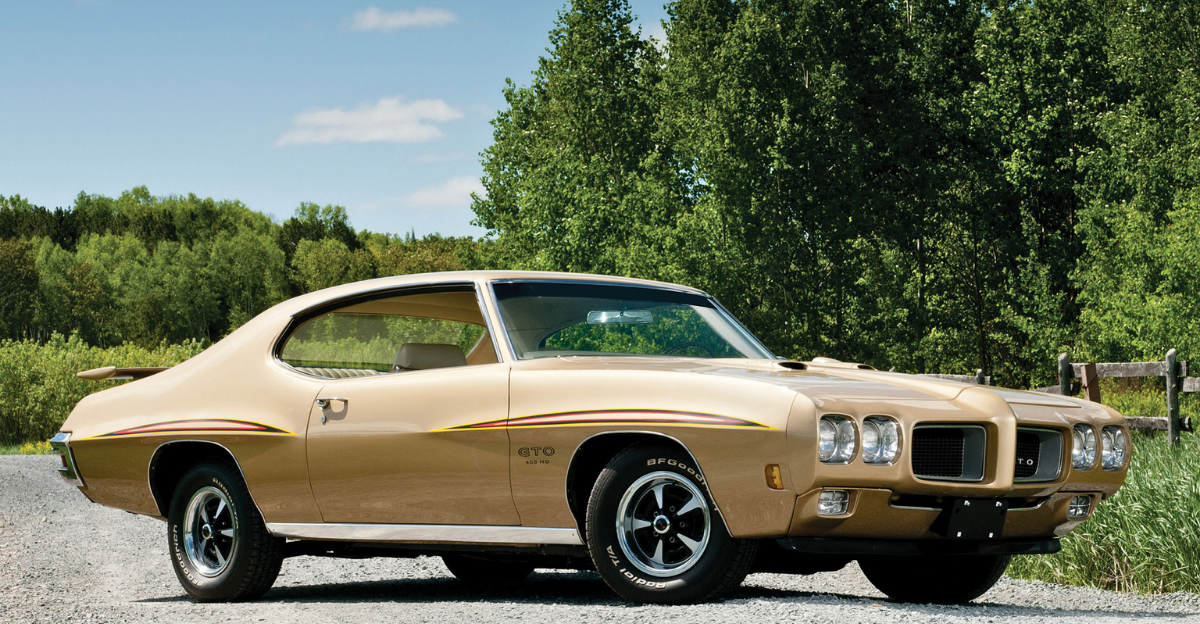
Pontiac’s 1971 GTO 455 HO arrived with a 335-horsepower net rating—the industry’s first year using net horsepower calculations. This methodology shift masked underlying capability; experts estimate the model produced 370 to 400 horsepower in reality.
The transition to net measurement further obscured true performance just as the era drew to a close. This final generation GTO represented the swan song of authentic muscle car performance before regulatory constraints crushed the segment.
1970 Chrysler 300H Hurst
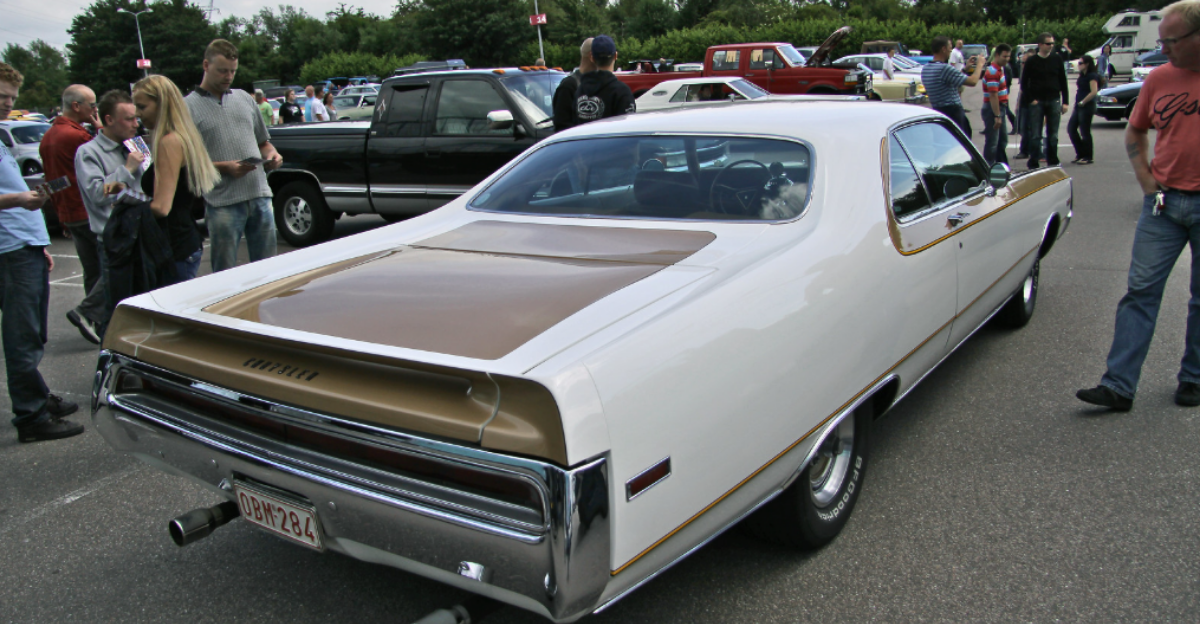
Chrysler’s 1970 300H with Hurst modifications represented a unique approach: luxury packaging with genuine performance. The 440 Magnum came rated at 375 horsepower, yet produced 420 to 450 horsepower in reality.
As a luxury model positioned above traditional performance vehicles, the 300H maintained conservative ratings while delivering capability that shocked buyers anticipating a refined cruiser. This vehicle proved that undisclosed power existed across entire product lines.
1969 Chevrolet Chevelle SS 396 L78
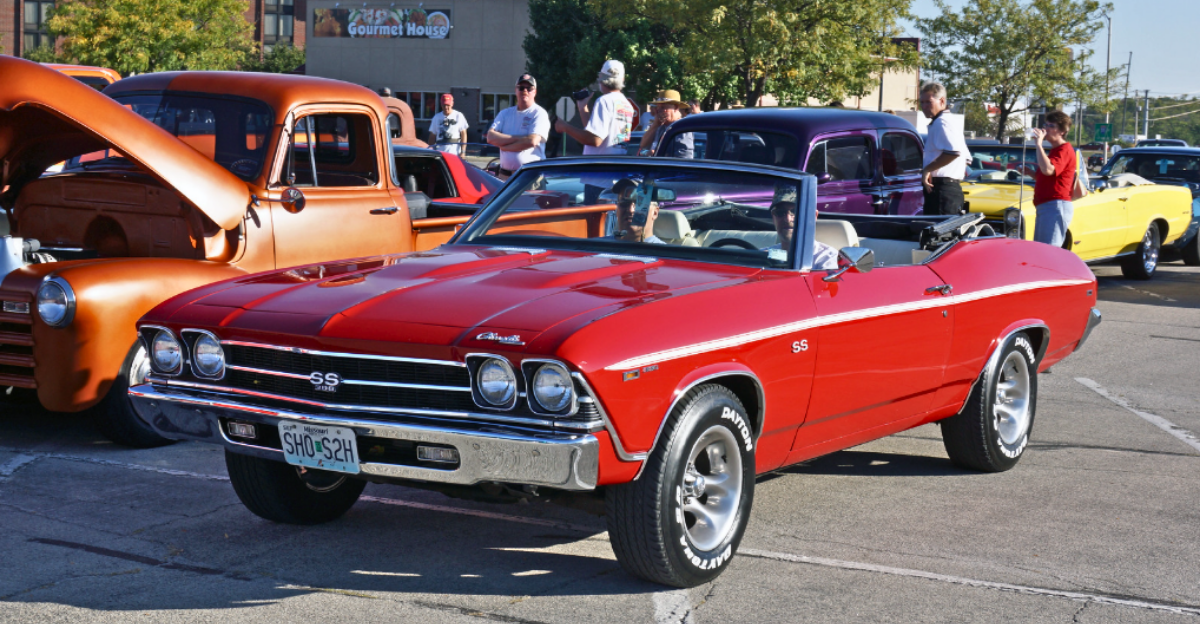
Chevrolet’s 1969 Chevelle Super Sport 396 L78 established the performance standard that defined the muscle car era. Officially rated at 375 horsepower, period documentation and contemporary dyno sheets indicate actual output ranged from 420 to 450 horsepower.
The L78 proved that Chevrolet committed fully to the horsepower concealment strategy from the segment’s earliest days. This model became the performance benchmark that competitors would chase throughout the decade.
1970 Dodge Charger R/T 440+6
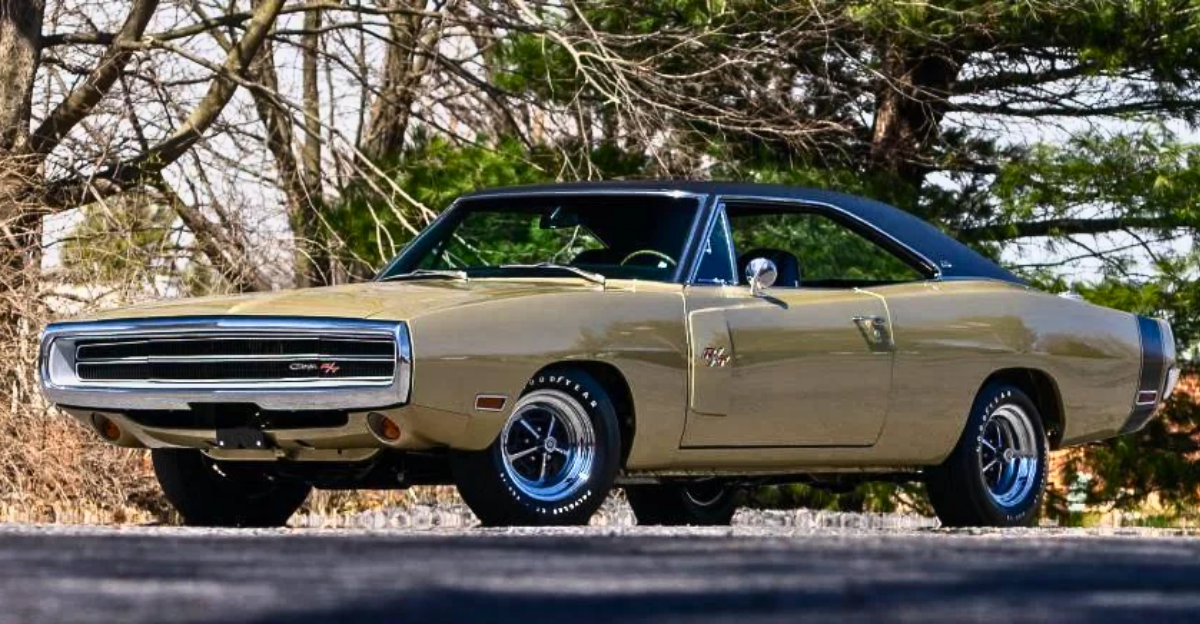
Dodge’s aggressive 1970 Charger R/T with the 440 Six Barrel engine received a 390-horsepower rating masking substantial capability. Expert testing indicates actual output approached 430 to 450 horsepower, with the six-barrel configuration providing breathing characteristics far beyond conservative factory estimates.
The iconic styling combined with undisclosed performance created a legend that endures today. This model became the symbol of Dodge’s calculation to deliver genuine muscle beneath modest specifications.
The Unseen Costs
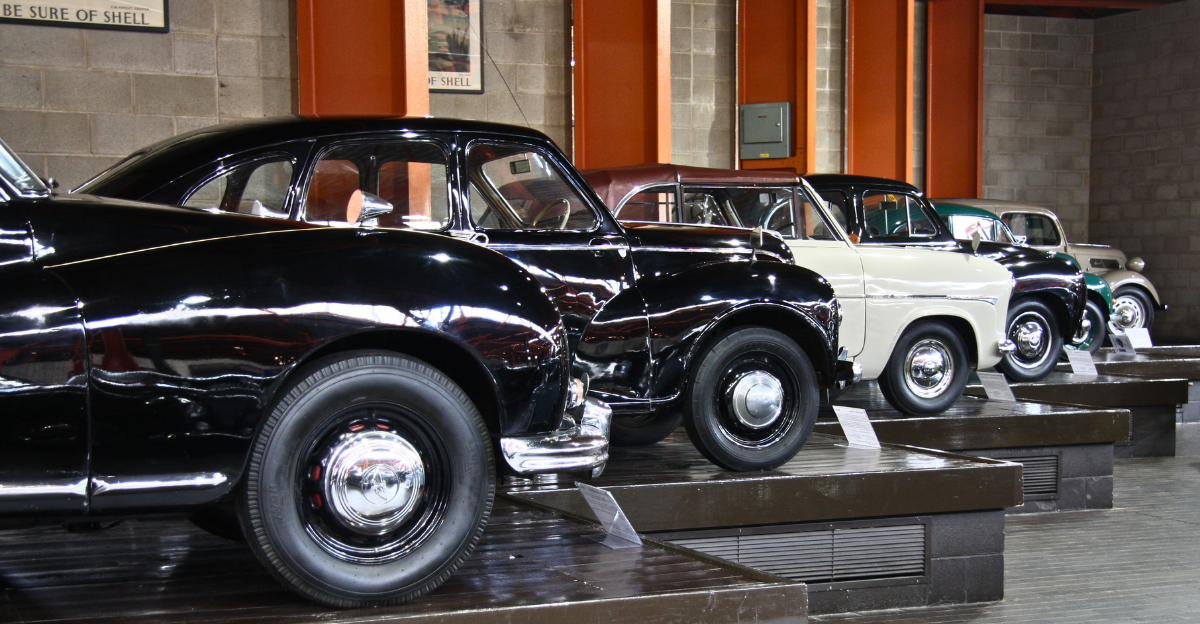
The decision to downplay horsepower ratings stemmed directly from insurance economics and racing classification concerns. Higher official ratings meant elevated insurance premiums and NHRA restrictions that limited competitive opportunities.
Manufacturers recognized that conservative ratings provided financial shelter while actual performance determined real-world capability. This discrepancy between rated and genuine output shaped how insurers, racers, and buyers understood these vehicles, influencing competition patterns that defined the era.
Collector’s Value
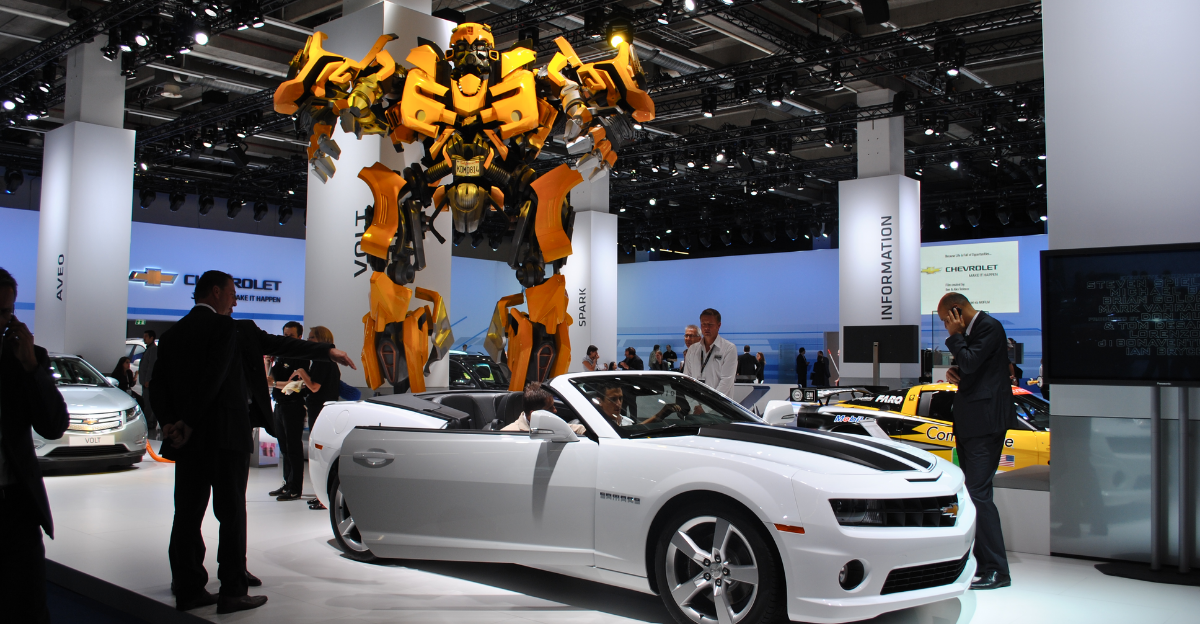
Today, cars with documented undisclosed horsepower—the Camaro ZL1, Boss 429 Mustang, Buick GSX Stage 1—command premium prices in the collector market. These vehicles attract premium valuations not merely for rarity, but for historical significance and the reputation for concealed performance.
Market values reflect condition, provenance, and configuration, with the rarest factory builds commanding the highest premiums. Collectors specifically seek these models because the undisclosed capability they represent remains as compelling today as when manufacturers first implemented the strategy.
The End of the Sandbagging Era
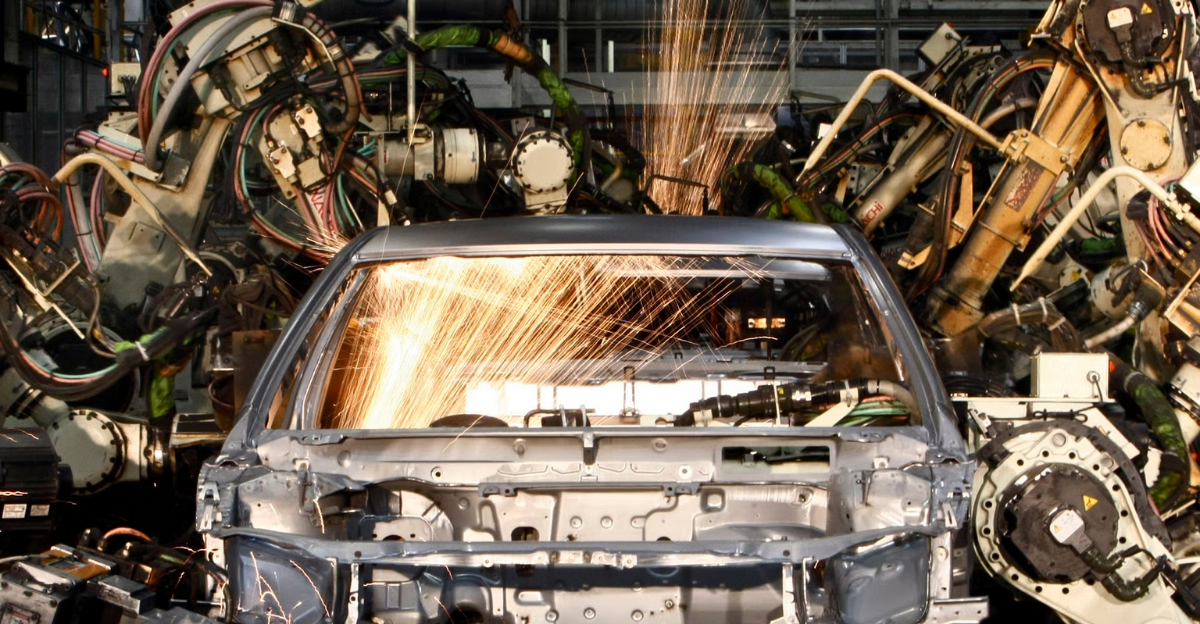
The horsepower concealment strategy ended with the industry’s transition to net horsepower calculations and increasingly stringent emissions regulations. By 1972, the net measurement shift created an apparent performance collapse—published numbers dropped by 20 to 40 percent—yet actual engine capabilities remained substantially higher than the new figures suggested.
Modern vehicles use standardized SAE J1349 net horsepower certification with transparent testing, making the era’s undisclosed performance impossible to replicate today. The legacy of these cars endures precisely because they represent a unique moment when manufacturers built genuine capability beneath official restraint.
Sources:
Ateupmotor.com — Understanding Gross Versus Net Horsepower Ratings | Published: March 13, 2023
Hagerty Media — Muscle Car Horsepower – How Exaggerated Was It? | Published: August 12, 2013
TopSpeed.com — Automakers Seriously Downplayed How Much Horsepower These Muscle Cars Make | Published: November 8, 2024
Road & Track — 11 Cars That Make Way More Horsepower Than Advertised | Published: December 17, 2020