
Amid soaring rents, mounting student debt, and constant digital distractions, millennials and Gen Z are turning to long-dismissed practices from older generations for relief.
These habits—once ridiculed as outdated—now serve as practical tools amid economic pressures and mental health strains. Younger adults are cooking meals at home, building emergency funds, and embracing analog budgeting, marking a shift from instant gratification to deliberate resilience.
Financial Caution Takes Hold

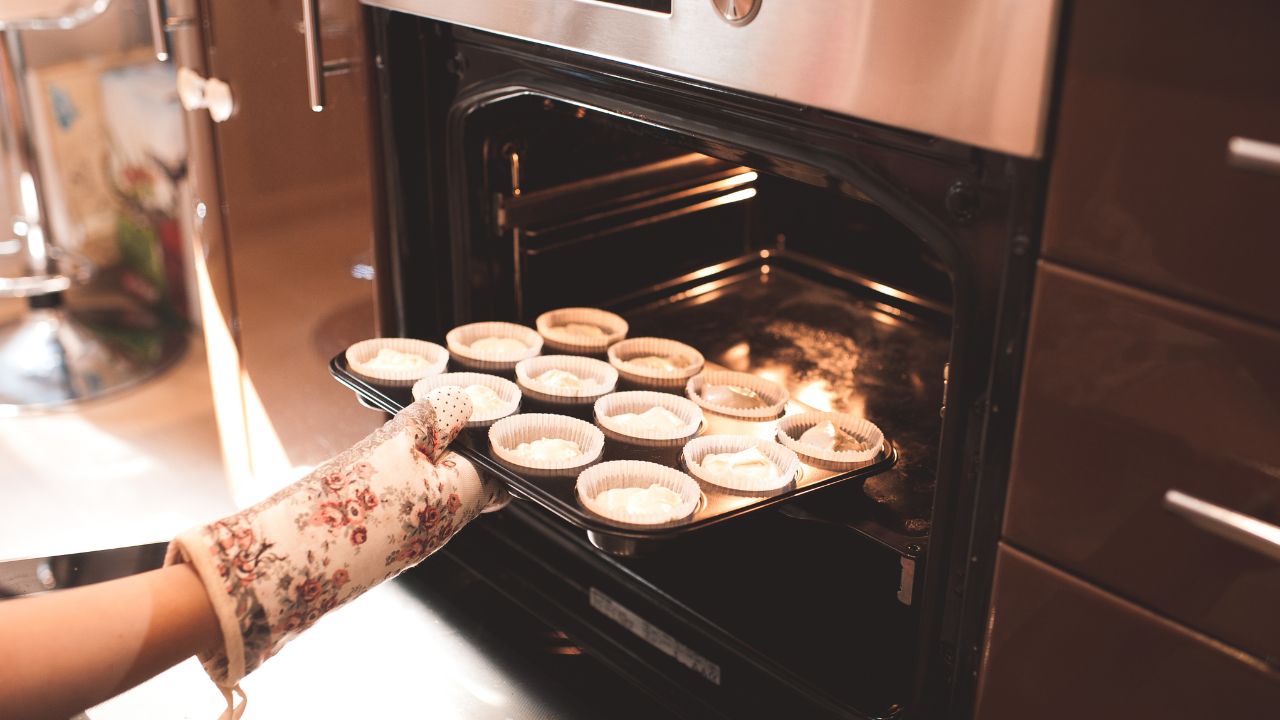
High costs have pushed younger generations toward frugal strategies. Home cooking, a pandemic holdover, curbs expenses on rising restaurant prices and takeout. The phrase “we have food at home,” once a punchline for parental thrift, now guides spending cuts.
Debt aversion is rising too. Surveys indicate a significant majority of Gen Z and millennial borrowers regret aspects of their education financing. This has sparked caution around borrowing, echoing past warnings against unchecked credit.
Buy Now, Pay Later services, popular among youth, show pitfalls: research indicates 41% of users reported late payments in the past year, with 66% of Gen Z users experiencing financial difficulties, risking overextension and fees.
Savings and Budgeting Revival
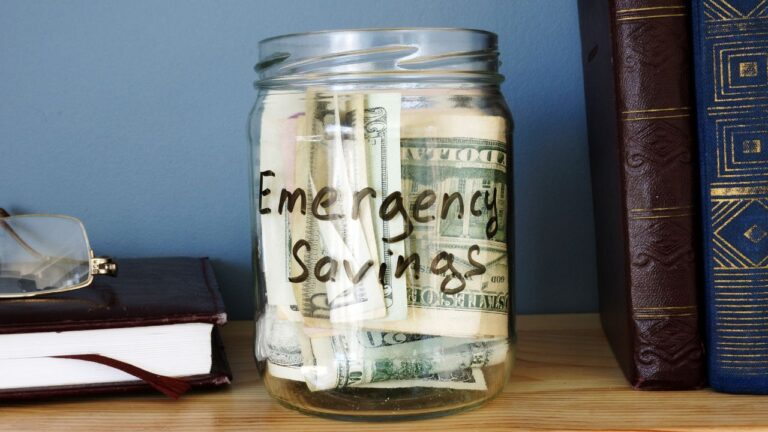
Emergency funds, a hallmark of prior eras, now top priorities amid job instability and rent hikes. Younger adults favor rainy-day buffers over luxury buys, prioritizing preparedness.
“Cash stuffing”—dividing cash into envelopes for categories—has surged, amassing over three billion social media views. This tactile method counters digital overspending, reviving paper-based control.
Subscription fatigue hits hard. Gen Z leads in canceling recurring services like streaming and apps, viewing them as stealthy budget drains.
Living Within Limits
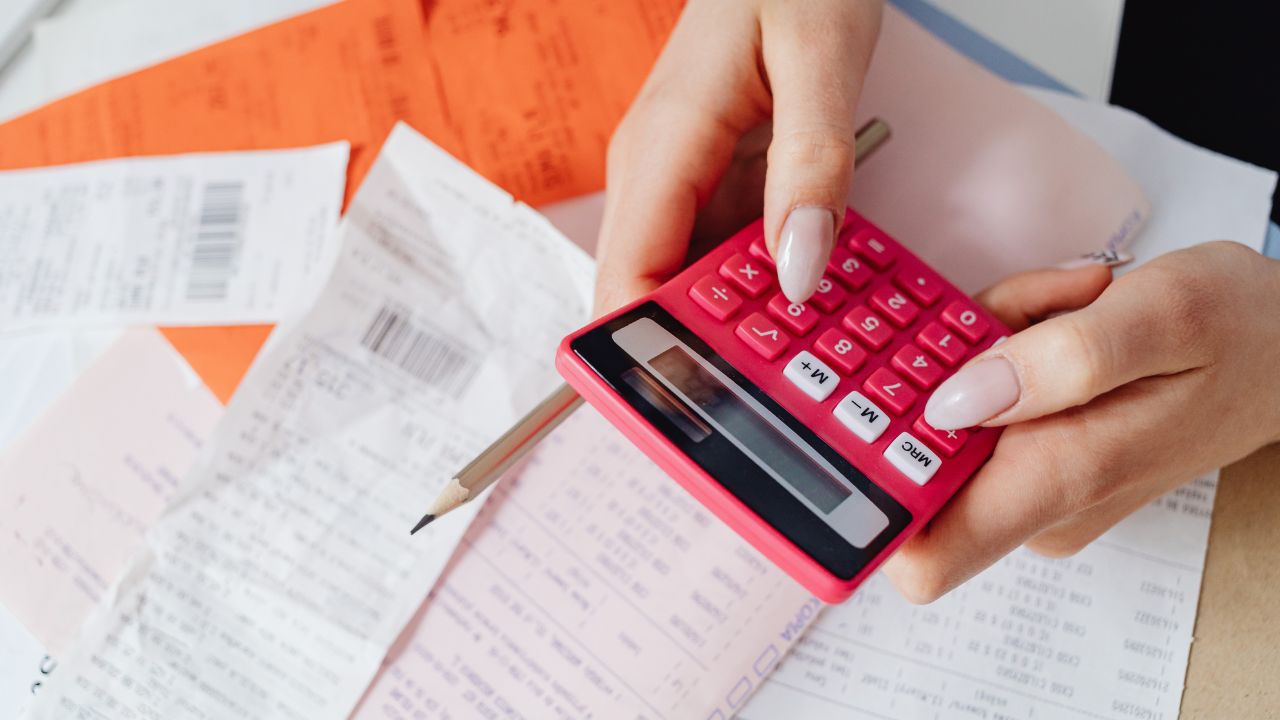
Experts urge resisting lifestyle creep through strict budgets and cash payments. Delayed gratification builds stability in volatile times.
“Revenge saving” captures the mood: surveys show substantial portions of Gen Z and millennials are aggressively saving via auto-transfers and high-yield accounts, blending old discipline with new tools.
Durable goods appeal more than fast fashion or disposables. Gen Z and millennials pay 1.5 times more for sustainable, repairable items, aligning with environmental goals and budgets.
Digital Boundaries Emerge
Screen overload prompts pushback. Gen Z reports peak anxiety from devices, with 83% acknowledging unhealthy phone ties. Digital detoxes and limits mirror earlier skepticism of excess media.
Parents enforce similar rules: 69% monitor kids’ screens, designating tech-free home zones to safeguard attention and growth.
Loneliness persists despite connectivity—54% of Gen Z and 51% of millennials feel it often, with just 53% enjoying daily in-person bonds. Face-to-face gatherings gain value as antidotes.
Analog Pursuits Gain Ground
Simpler joys draw crowds. Gardening booms: over 60% of Gen Z spent more in 2024 than 2023, with half investing extra time; 83% deem it “cool” for stress relief.
Vinyl and books resurge too. Over 80% of Gen Z own turntables, 76% buy albums at least monthly; physical books make up 80% of young readers’ purchases. These foster unhurried engagement—full albums, complete reads, even handwritten notes.
Tides Are Shifting
Family trumps FOMO: 71% of Gen Z parents and 61% of millennials view content with kids daily, 85% calling it vital bonding. This pivot, from “OK Boomer” mockery in 2019 to pragmatic adoption, underscores economic realities reshaping priorities.
Student debt regrets, housing squeezes, and wellness crises propel the change, fostering resilience over excess. As pressures endure, these strategies promise enduring security and balance in a demanding landscape.
Sources:
“Survey: 59% Of Borrowers Have Delayed Financial Decisions Due To Student Debt.” Bankrate, December 2023.
“BePresent 2024 Digital Wellness Report.” BePresent/The Harris Poll, October 2024.
“Gen Z is Digging Gardening.” EARTHDAY.ORG, 3 August 2025.
“Vinyl Alliance reveals how Gen Z has committed to buying records.” Vinyl Alliance/We Rave You, 28 January 2025.