
On April 17, 2023, a routine Air Canada flight landed at Toronto Pearson International Airport carrying $15 million USD worth of 6,600 gold bars—plus $2.5 million in foreign currency. But by nightfall, the shipment had vanished without a trace.
This was the beginning of Canada’s largest-ever gold heist. The stolen goods, originating from a Swiss refinery, would set off an international manhunt.
Disappearance at the Airport

Within hours of arrival, the shipment was stored safely at Pearson’s Air Canada cargo. However, by 9:30 p.m., the entire shipment was gone.
A white box truck with forged paperwork arrived, loading up the cargo. By the time Brink’s armed truck arrived, the gold was already stolen, leaving authorities in shock and scrambling for answers.
Cracks in Airport Security
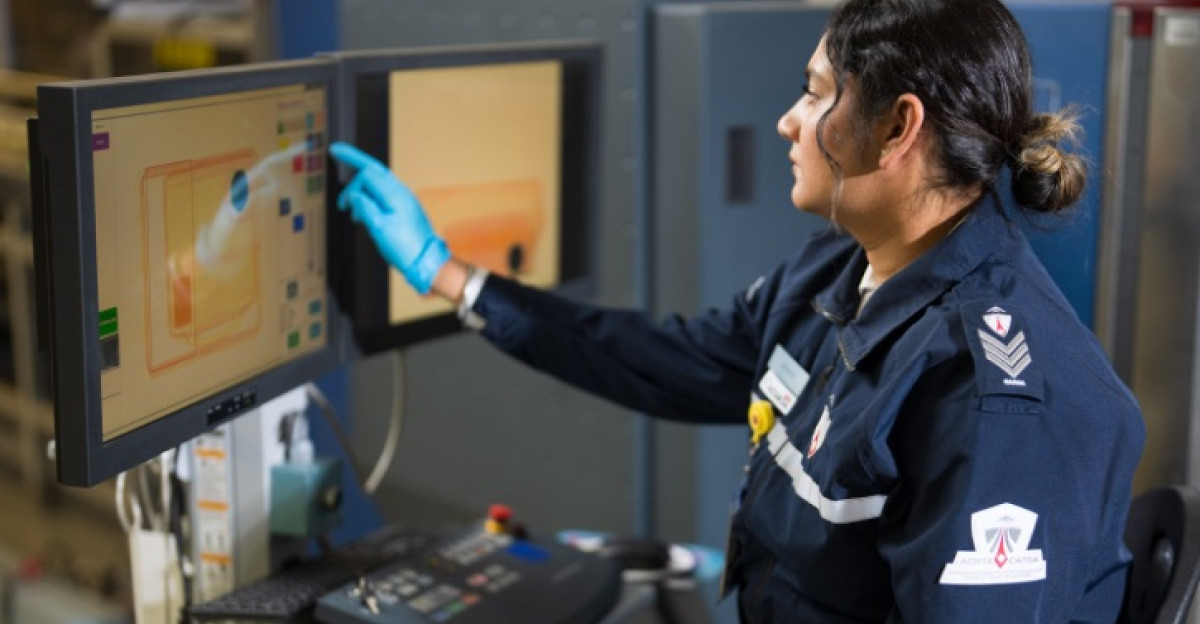
The heist revealed gaping vulnerabilities in Canada’s airport security. Despite layers of checks, a forged airway bill—a duplicate of a previous seafood shipment—allowed the truck to bypass security.
This was a high-stakes game played by sophisticated criminals, outsmarting a system designed to secure billions in cargo each year.
A High-Level Investigation Begins

Peel Regional Police launched “Project 24K” to track down the missing gold. Their investigation spanned nearly three years, involving international agencies like the U.S. ATF.
The heist was more than a theft; it was a coordinated effort to move the stolen gold globally, posing a huge threat to international trade and security.
The Arrest of the Mastermind

On January 12, 2026, nearly three years after the heist, Arsalan Chaudhary, the alleged mastermind, was arrested at the same airport where the heist took place.
Chaudhary, arriving from Dubai, had been hiding in plain sight. His arrest marked a significant moment of justice, yet the bulk of the stolen gold remained unaccounted for.
The Global Fallout

The theft sent shockwaves through global supply chains. Brink’s, the trusted security firm, faced massive reputational damage, and the theft disrupted financial operations linked to Canada’s gold imports.
The heist underlined just how vulnerable even the most sophisticated international systems can be when insider threats are involved.
The Insider Betrayal
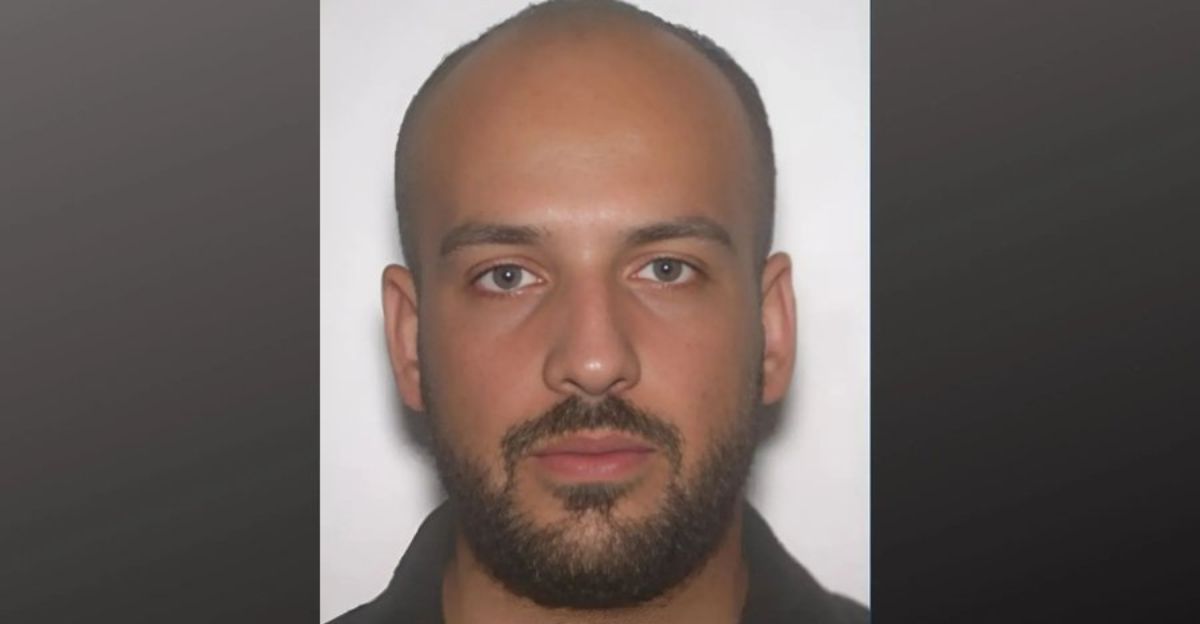
An inside job played a pivotal role in the heist. Air Canada employee Simran Preet Panesar allegedly tampered with internal systems to divert the gold shipment.
After the heist, Panesar vanished, believed to be in India. His escape raised the stakes of the investigation, as law enforcement now faced a complex web of international fugitives.
A Sophisticated Criminal Network

“Project 24K” uncovered a criminal network spanning North America and beyond. The stolen gold funded a variety of illegal activities, including firearms trafficking.
One suspect arrested in Pennsylvania was connected to the gold through weapons smuggling, showing just how far-reaching the impact of the theft truly was.
The Melted Gold Mystery

The stolen gold was melted down and recast into untraceable jewelry. Evidence found at a jewelry store forge included smelting pots and molds.
By turning the gold into items like bangles and bracelets, the thieves eliminated any traces of the bars’ original form, making recovery nearly impossible.
The Financial Toll of the Heist

By July 2024, Peel Regional Police had already spent $5.3 million on the investigation, with total costs projected to reach $10 million.
Despite the financial drain, only a small fraction of the stolen goods had been recovered—$450,000 in cash and a small amount of gold. The rest remained a mystery.
Arsalan Chaudhary’s Involvement

Chaudhary was not just another participant; he was the mastermind. Investigators revealed that Chaudhary coordinated the heist in real time, communicating over 700 times with co-conspirators.
Police found evidence of his detailed financial planning, with lists tracking how the stolen proceeds were to be distributed.
Leadership’s Emotional Toll

The case took a toll on law enforcement. Peel Regional Police Chief Nishan Duraiappah publicly vowed to continue the fight against organized crime. “
No matter where you hide, we will find you,” Duraiappah said, signaling the relentless pursuit of justice, even with multiple suspects still at large.
Shifting Airport Security Protocols
In the aftermath, Canadian airports implemented tighter cargo checks and procedures. New multi-layer authentication systems for cargo documentation were put in place to prevent another breach.
However, experts warned that these measures, though necessary, came too late—exposing the inefficiencies in the system.
Experts Doubt Full Recovery

Criminal experts warned that recovering the gold was unlikely. The melted gold was likely sold in international markets where it would blend in unnoticed.
Countries like Dubai and India process massive amounts of gold, making it nearly impossible to trace the stolen bullion. The thieves’ choice of gold ensured near-total evasion.
The Manhunt Continues

While Chaudhary’s arrest was a major breakthrough, two other critical suspects remain at large.
Simran Preet Panesar, a former Air Canada employee, is believed to be hiding in India, and another suspect, Prasath Paramalingam, failed to appear in court. Police are working on extradition but the investigation’s resolution still feels far away.
Evolving Organized Crime

This heist represented a troubling evolution in organized crime. Unlike traditional robberies, this was an inside job, with criminal coordination spanning international borders.
The heist revealed how criminal organizations are adapting and how Canada’s security infrastructure is facing new, sophisticated threats.
International Impact

The theft sparked a global review of precious metals shipment security. Swiss authorities began investigating export protocols, while U.S. law enforcement doubled down on tracking the criminal network.
This incident highlighted weaknesses in international trade security and raised questions about global regulatory oversight.
Legal Ramifications

Arsalan Chaudhary’s trial will be one of the most closely watched in Canadian legal history. Prosecutors must prove his role as the mastermind through communication records and financial evidence.
The outcome will set a significant precedent for how Canadian courts handle organized supply-chain theft.
Trust in Systems Shattered

The heist led to broader societal concerns about security protocols. If $20 million in gold could vanish from a heavily secured airport, what other shipments are at risk?
This case shifted public opinion, questioning whether Canada’s airport systems are truly secure and whether trust in logistics can be restored.
The Heist’s Lasting Legacy

Three years after the gold bars vanished, Canada’s largest gold heist remains a cautionary tale. With Chaudhary arrested but much of the gold still missing, the story is far from over.
It’s a reminder that even the most secure systems are vulnerable when insiders are involved—and when criminals think globally.
Sources:
“Project 24K: Additional Arrest Made in $20 Million Gold Heist.” Peel Regional Police, 11 Jan 2026.
“Arrest Is Made in Toronto Airport Gold Heist as Police Seek Two Other Suspects.” The New York Times, 13 Jan 2026.
“Multiple arrests, 19 charges laid in $22.5M Pearson gold heist.” CBC News, 17 Apr 2024.
“Toronto airport: $15 million in gold and other valuables stolen in ‘rare’ cargo heist.” CNN, 20 Apr 2023.