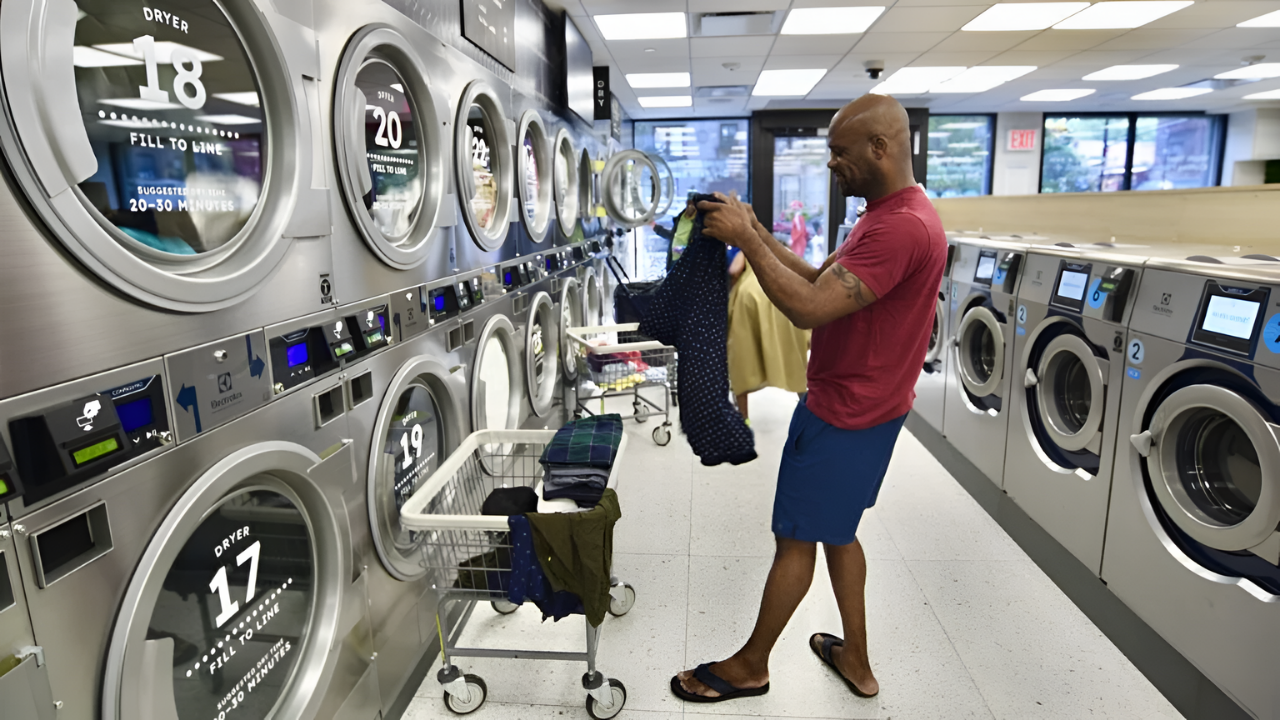
You probably don’t think much about laundry until the bill arrives. The average American household runs 300 to 400 loads annually, according to Energy Star data, consuming roughly 41 gallons of water per load. A single hot wash-and-dry cycle emits about 7.2 pounds of carbon dioxide.
Across U.S. homes, laundry contributes an estimated 179 million metric tons of CO₂ annually. However, what matters most is that those numbers represent wasted time, money, and unnecessary wear on your favorite clothes. Small behavioral changes can completely flip that equation.
Why This Matters Right Now
Dryers account for 6 percent of a typical home’s total energy use, making laundry a surprisingly high hidden cost in your utility bills. Household detergent spending ranges from $180 to $600 annually, according to consumer spending data, with many households unknowingly overpaying due to overdosing and purchasing unnecessary specialty products.
Beyond dollars, your appliances are aging faster than they should, and your clothes are deteriorating with every wash. The good news: these 15 hacks are accessible, proven, and start working immediately. You don’t need new equipment—just a different approach.
Hack 1: Wash Almost Everything in Cold Water
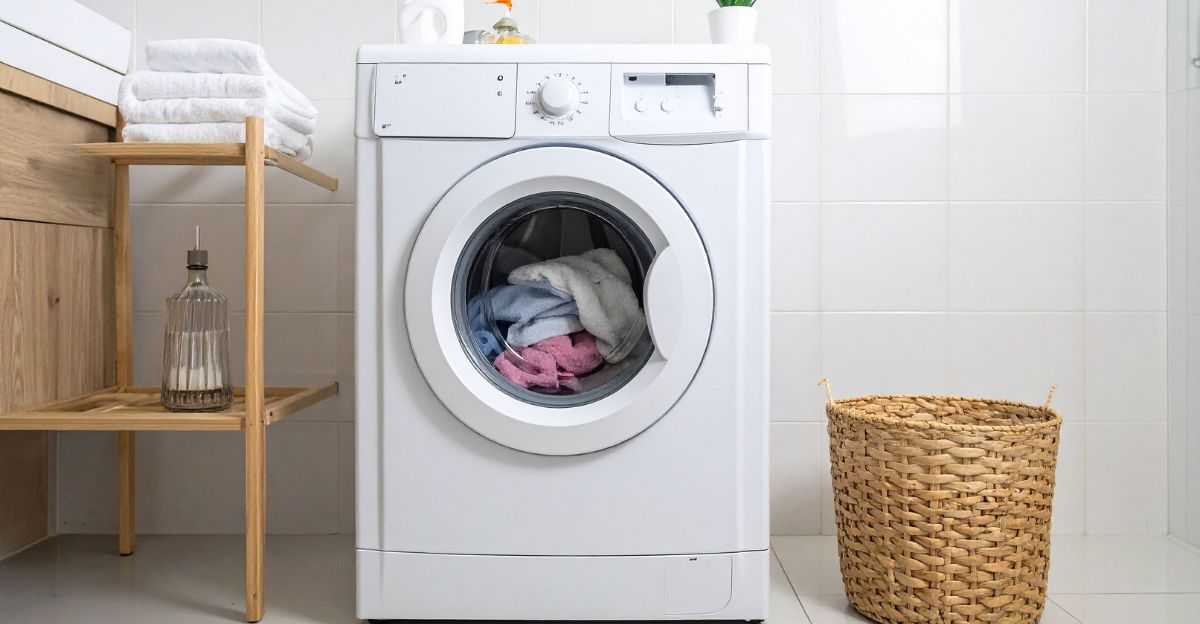
Ninety percent of the energy used to wash clothes is used for heating water, according to Energy Star. Switching just one weekly load from warm to cold across U.S. households could save roughly 2 billion kilowatt-hours annually and 2.3 million metric tons of CO₂, according to American Cleaning Institute modeling.
Modern detergents work effectively in cold water—you’re not sacrificing cleanliness. The Sierra Club reports that every household switching to cold water can eliminate approximately 1,600 pounds of CO₂ annually.
Hack 2: Never Overload Your Washing Machine
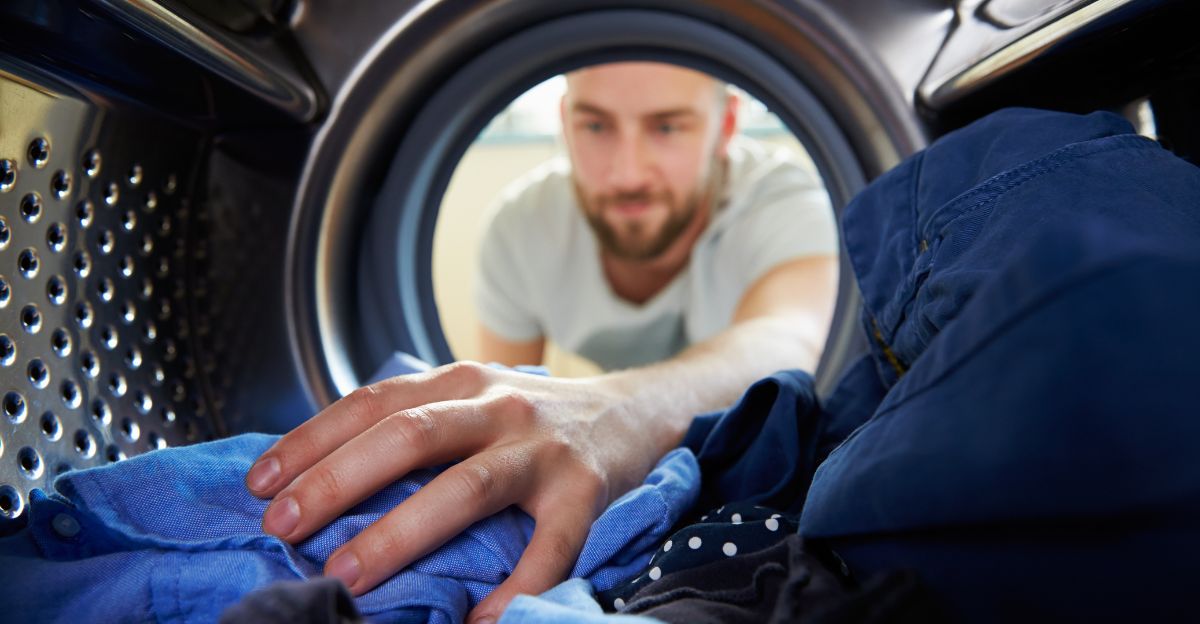
Cramming too many clothes into one load prevents garments from moving freely, so dirt and detergent can’t rinse properly. Your clothes come out dingier, and the machine works harder, consuming more energy and water.
Modern washers—especially front-loaders and high-efficiency models—clean more effectively with full loads. Clothes tumble and release trapped dirt naturally.
Hack 3: Measure Detergent Correctly
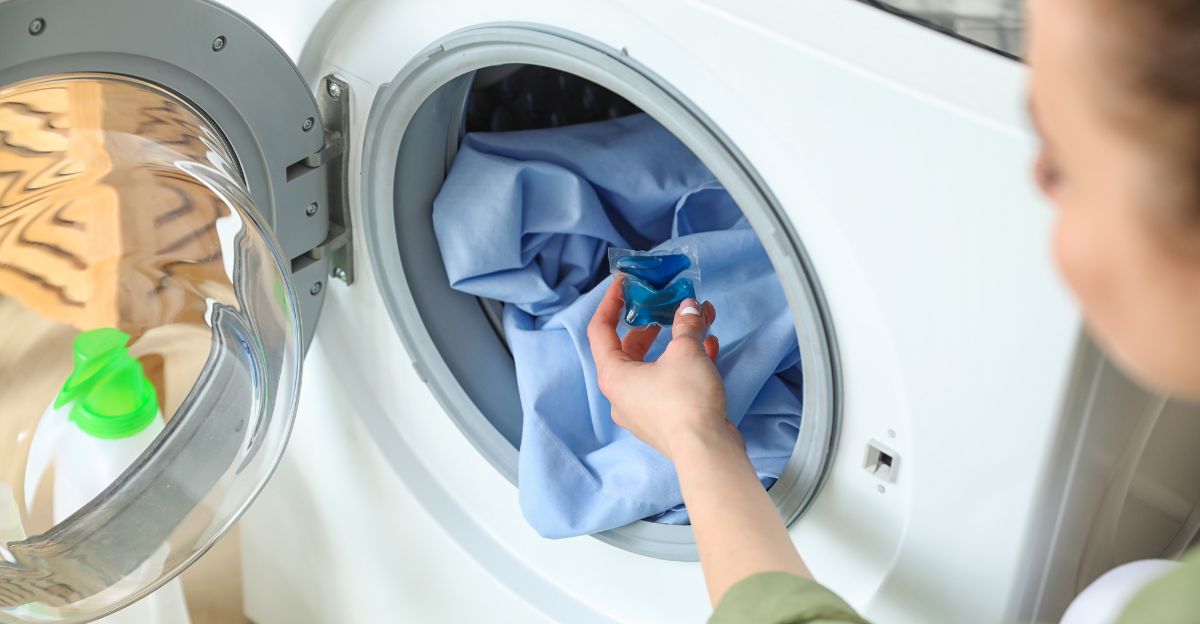
Using too much detergent creates excess suds that trap dirt instead of removing it. According to the guidance of Tide and detergent manufacturers, excess soap leaves residue on clothes that hasn’t fully rinsed away, turning soft laundry into crunchy, scratchy garments.
New York Times Wirecutter experts confirm that most households can cut detergent use by half and still achieve clean results.
Hack 4: Skip Fabric Softener Entirely
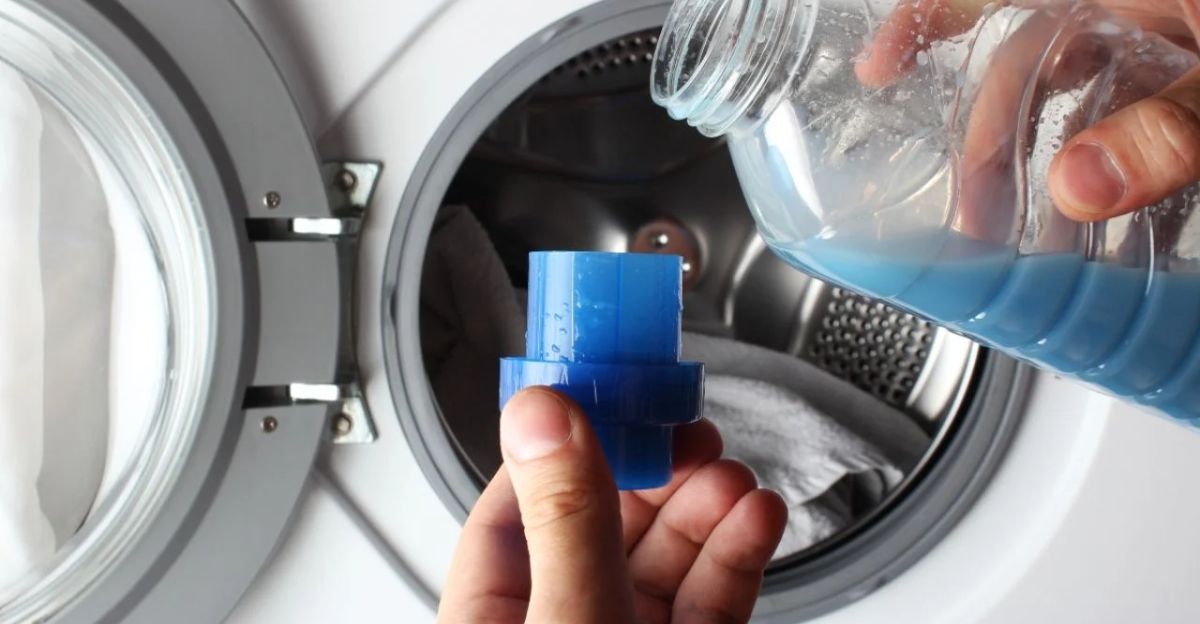
Fabric softener is thick and sticky—washing machines aren’t designed to flush it completely. Residue accumulates in pipes, clogs detergent dispensers, and creates mold inside the drum, according to manufacturers and home maintenance experts.
High-efficiency machines are particularly vulnerable because they use less water. The coating also reduces absorbency in towels and weakens fabric fibers over time.
Hack 5: Clean Your Washing Machine Monthly
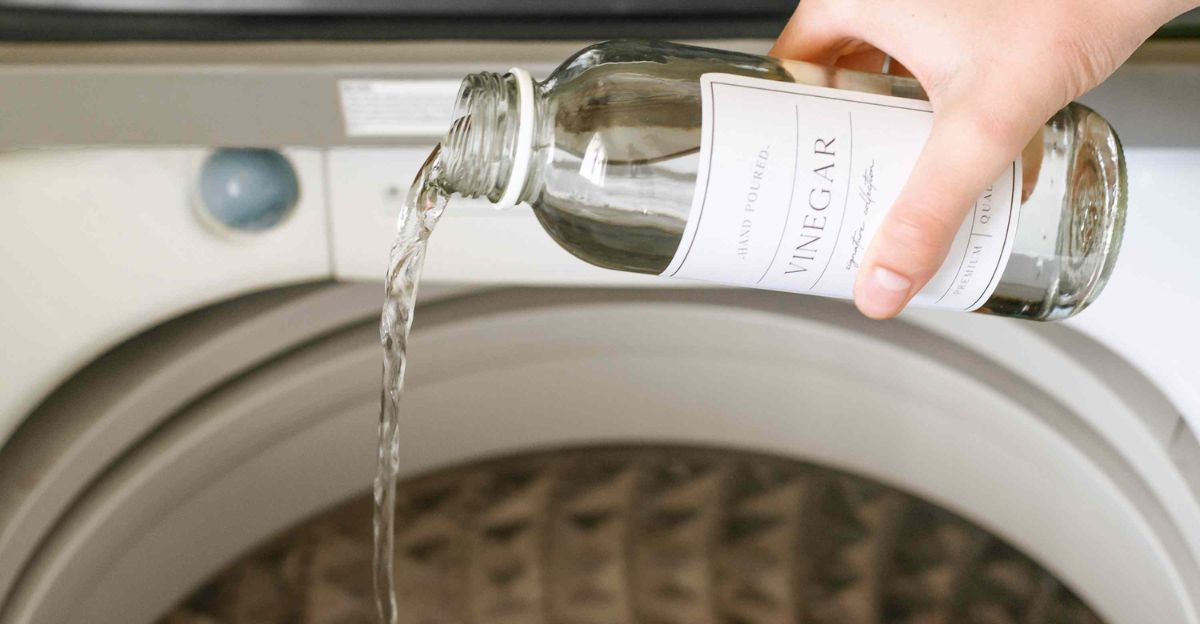
Detergent residue, fabric softener buildup, and mineral deposits accumulate inside machines over time, creating environments that foster odor-producing conditions where mold thrives. Run a monthly hot wash cycle with white vinegar or commercial machine cleaner to dissolve buildup in the drum, hoses, and seals.
This step helps keep your machine running efficiently, ensures fresher clothes, and extends the lifespan of your appliances. It’s one of the most overlooked laundry mistakes and one of the easiest to fix.
Hack 6: Clean Your Lint Trap Before or After Every Load
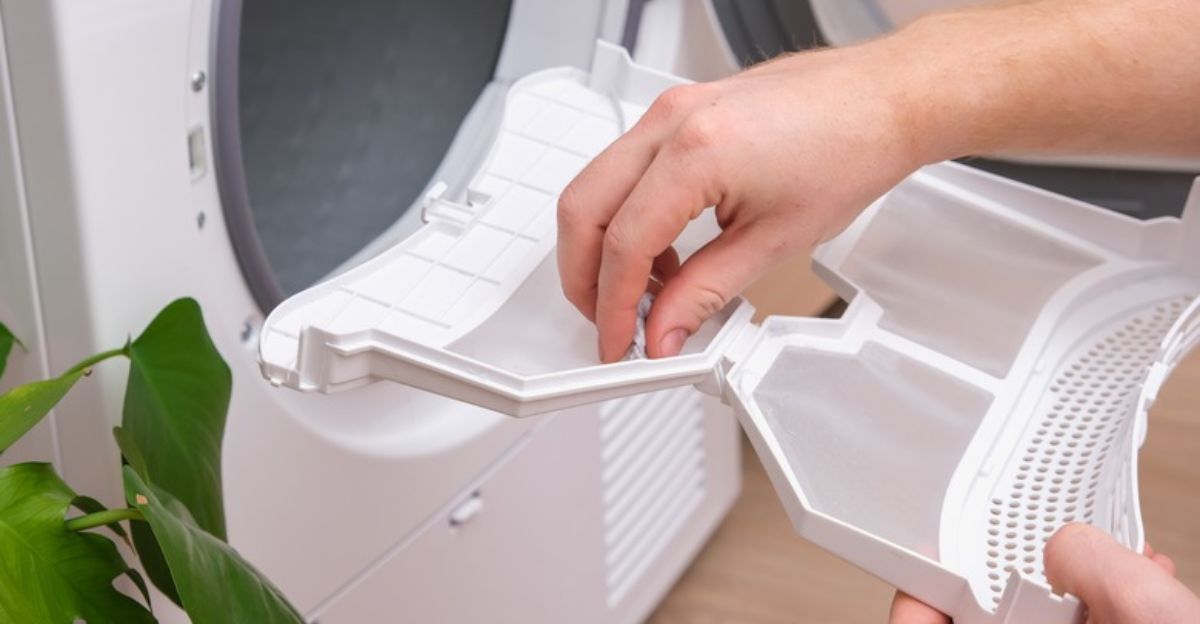
A clogged dryer lint trap restricts airflow, forcing the machine to work harder and increasing the risk of dryer fires. Lint is flammable, and accumulated lint in the housing or exhaust duct can ignite at high temperatures.
According to home fire safety experts, failing to clean your lint trap between loads can create serious fire hazards.
Hack 7: Deep-Clean the Hidden Lint Trap Area Quarterly
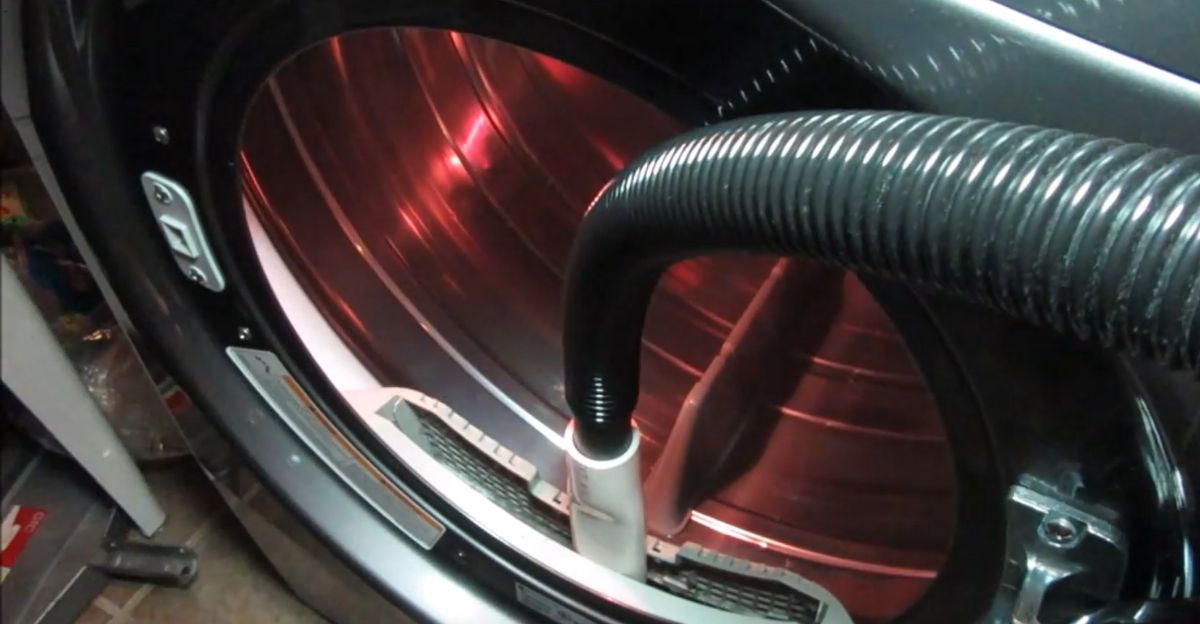
Tiny lint particles slip past the visible trap and accumulate in the lint housing, vent system, and inside the machine. According to Better Homes & Gardens, this hidden buildup poses fire hazards and reduces efficiency as much as a clogged visible trap.
Use a vacuum with a crevice attachment to clean the lint housing every three to six months, and clean the vent hose annually.
Hack 8: Wash Clothes Less Often
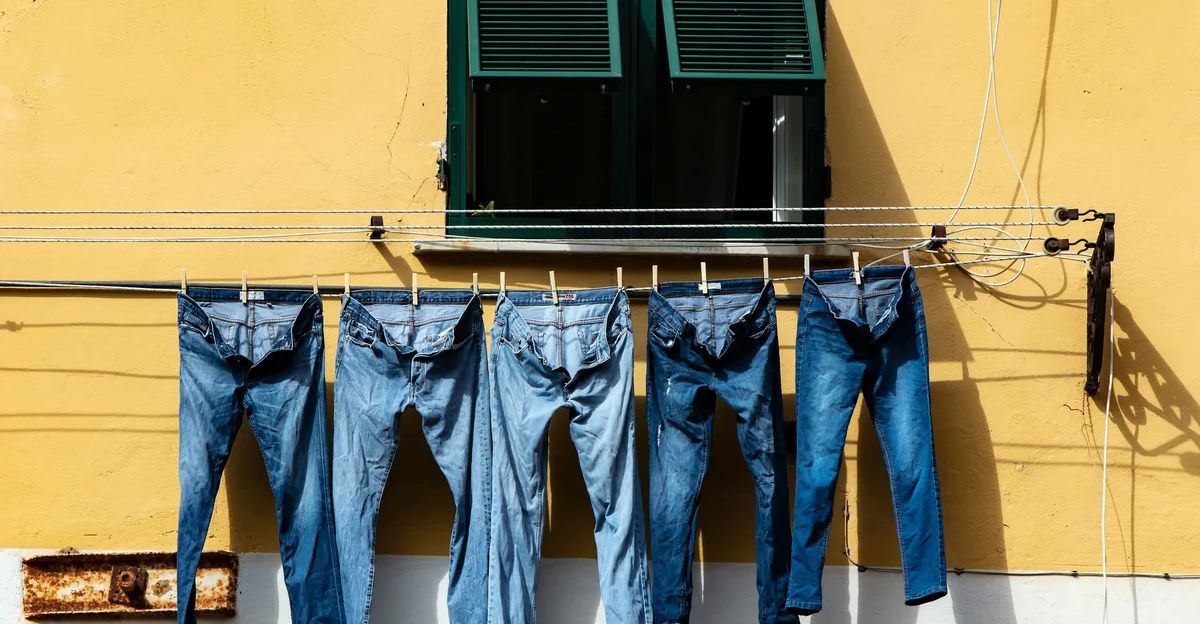
Airing out clothes instead of washing them after every wear extends garment life and dramatically cuts water and energy use. Jeans can be worn 10 times before washing without losing their cleanliness or hygiene, reducing climate impact by up to 80 percent, according to research from Colorado State University.
Spot-treat stains as they occur and refresh your clothes by hanging them outdoors in fresh air. This works especially well for outerwear, jeans, and items worn on clean skin.
Hack 9: Turn Clothes Inside Out Before Washing
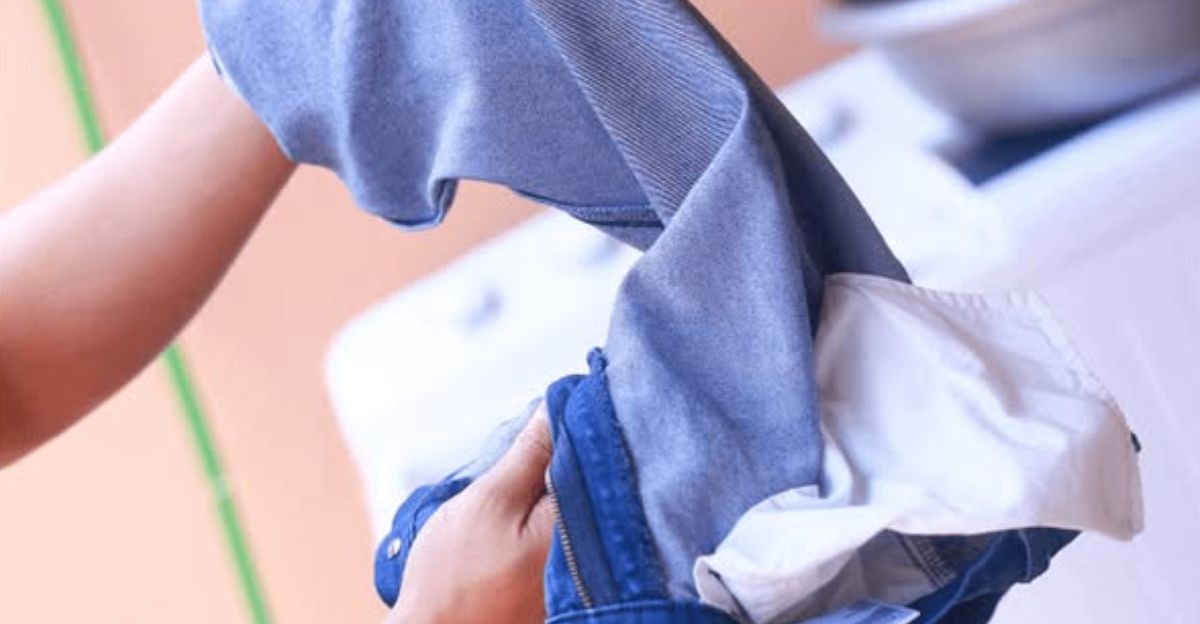
Flipping garments inside out protects colors and prevents snags between pieces. The outer surface undergoes gentler agitation, while the inside—which bears the most wear from friction—endures mechanical stress.
This simple step helps colors stay vibrant longer and protects delicate details, such as buttons, zippers, and embellishments, from catching on other garments.
Hack 10: Use Shorter Wash Cycles for Lightly Soiled Items
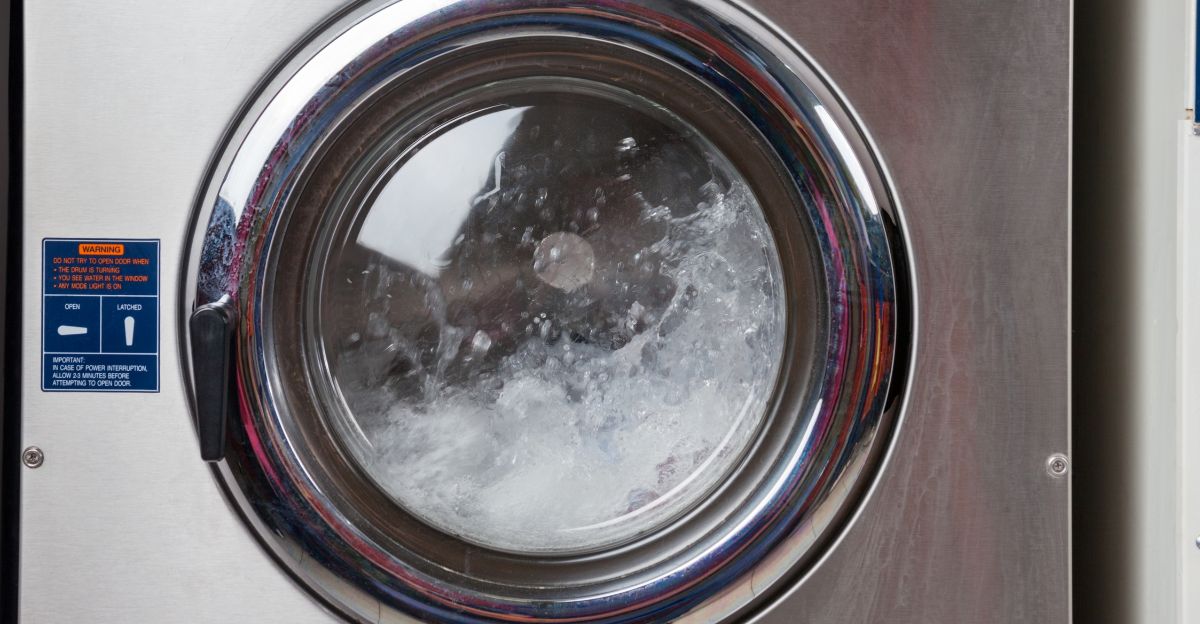
Modern washing machines can clean lightly soiled loads in shorter cycles (15–30 minutes), using less water and energy than full-length washes. Shorter cycles work well for items worn on clean skin, such as daily work clothes and underwear.
Reserve standard or longer cycles for heavily soiled items, such as gym clothes, workwear, or outdoor garments.
Hack 11: Choose Water Temperature Strategically
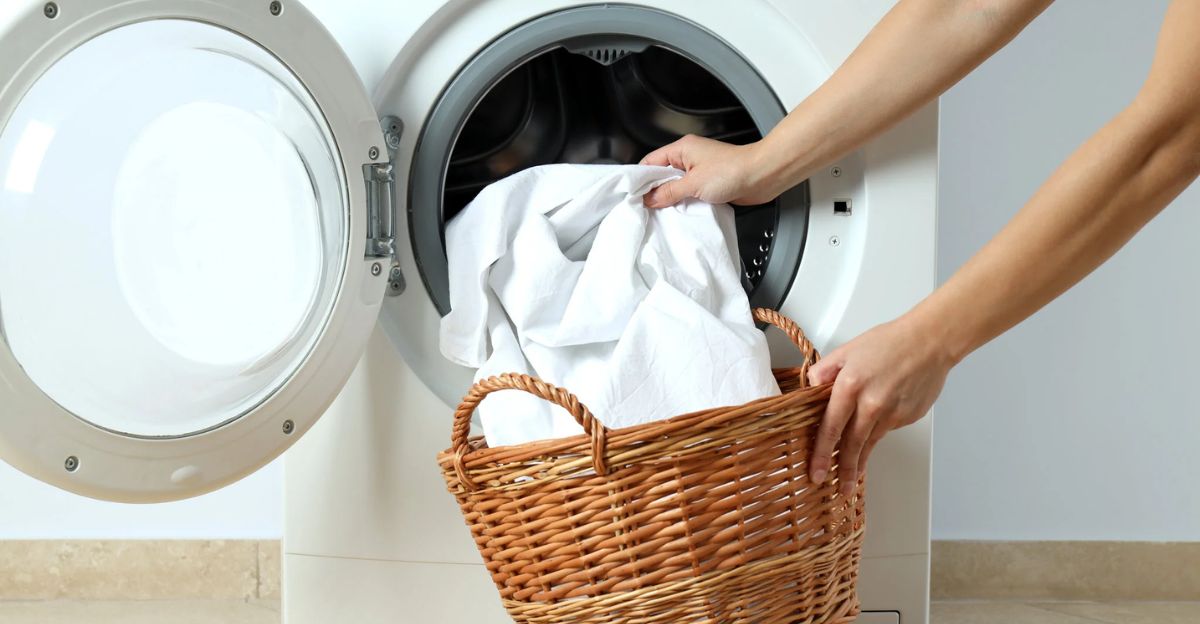
While cold water works for most loads, bed linens and towels sanitize better in warm water, as do heavily soiled work clothes. Hot water should be reserved for emergencies—it can damage fabrics, fade colors, and account for a significant portion of bulk laundry energy use.
Warm water (approximately 60°C or 140°F) provides a middle ground that avoids extreme damage. The rule: default to cold, shift to warm only when necessary, abandon hot entirely for most loads.
Hack 12: Air-Dry Instead of Machine Drying When Possible
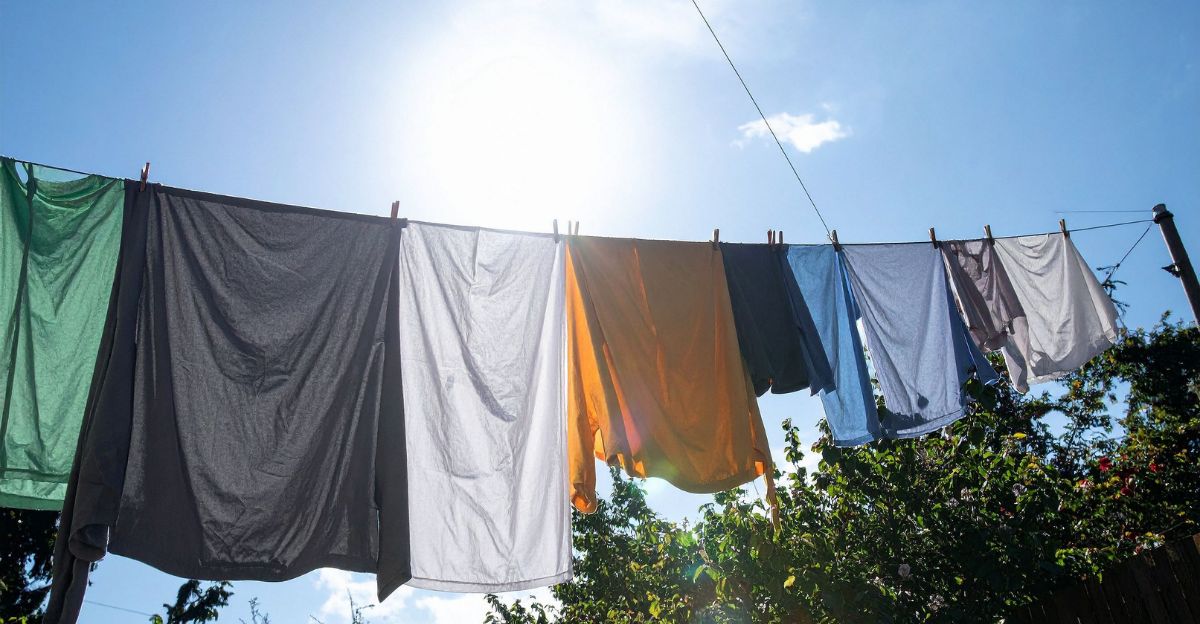
Machine drying accounts for 75 percent of the laundry’s total carbon footprint and 6 percent of home energy use, according to sustainability research. Air-drying reduces climate impact by 67 percent compared to machine drying.
Hanging delicate items, such as sweaters and work clothes, on drying racks or clotheslines eliminates heat damage that weakens fibers and shortens garment life.
Hack 13: Clean Your Dryer Vent Annually
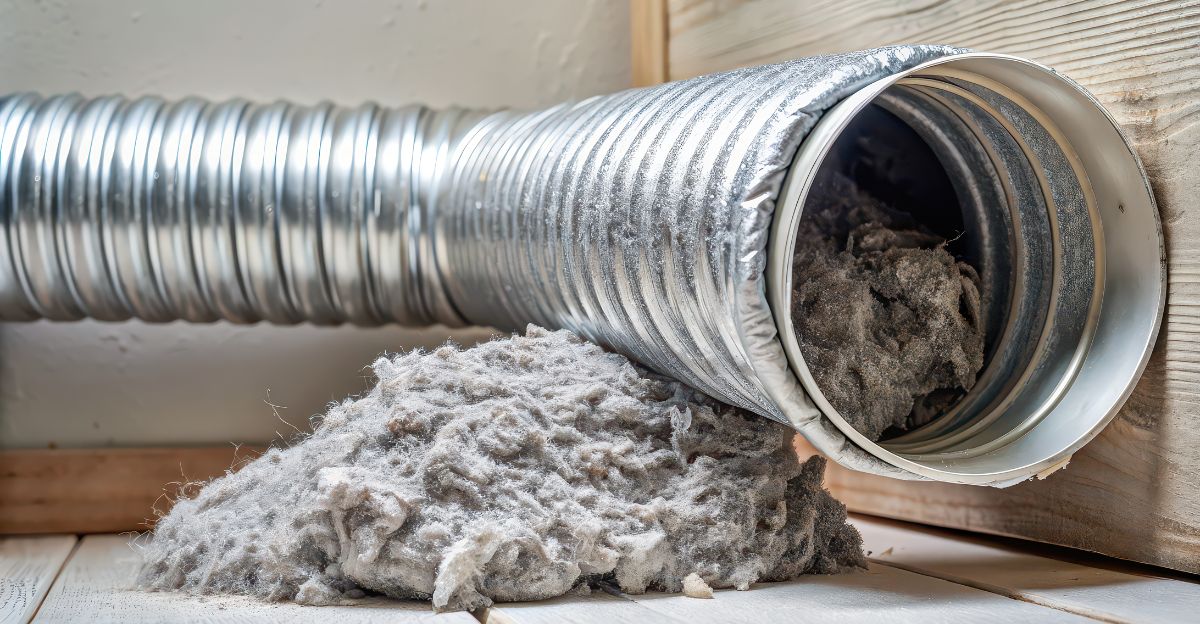
A clogged dryer vent restricts airflow, causing the machine to overheat and operate inefficiently while increasing the risk of fire. Disconnect the vent hose from the dryer back annually and vacuum out lint buildup.
Professional dryer vent cleaning, performed every 1–2 years, removes hidden lint deep in the ductwork where home vacuums can’t reach.
Hack 14: Don’t Wash Items That Aren’t Actually Dirty
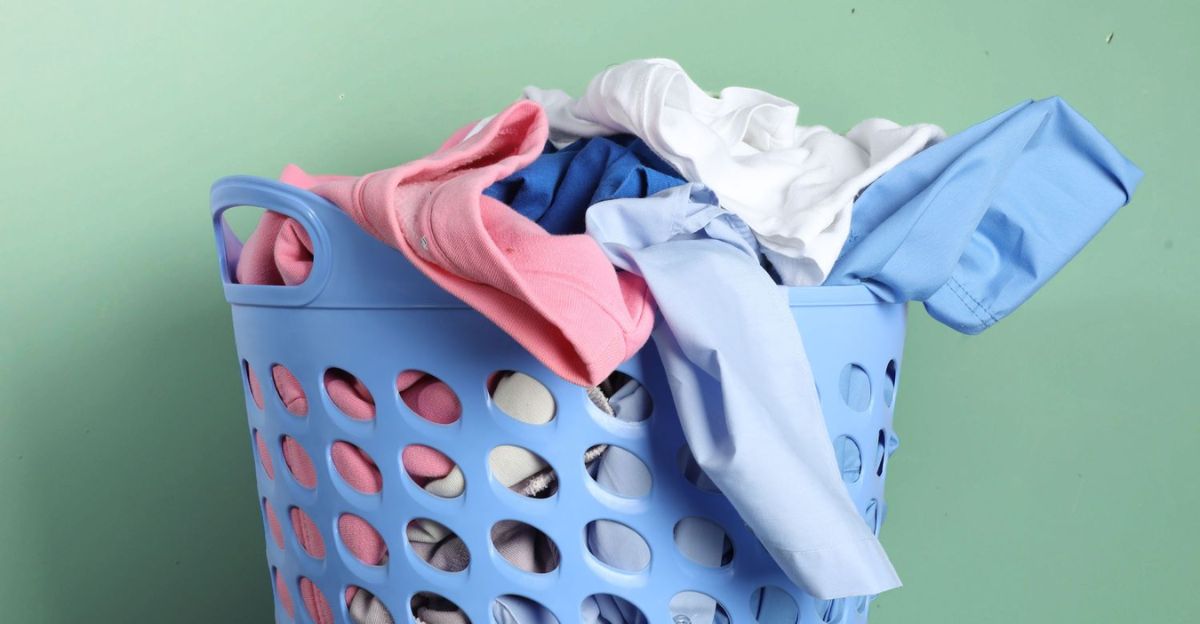
Save the machine for genuinely dirty items or those worn during sweat-inducing situations. This mindset reduces unnecessary loads, extends clothing life by reducing wear and tear, conserves water and energy, and saves on detergent.
Many households run 30–50 unnecessary loads yearly, simply washing clean items.
Hack 15: Inspect and Repair Clothes Before Washing
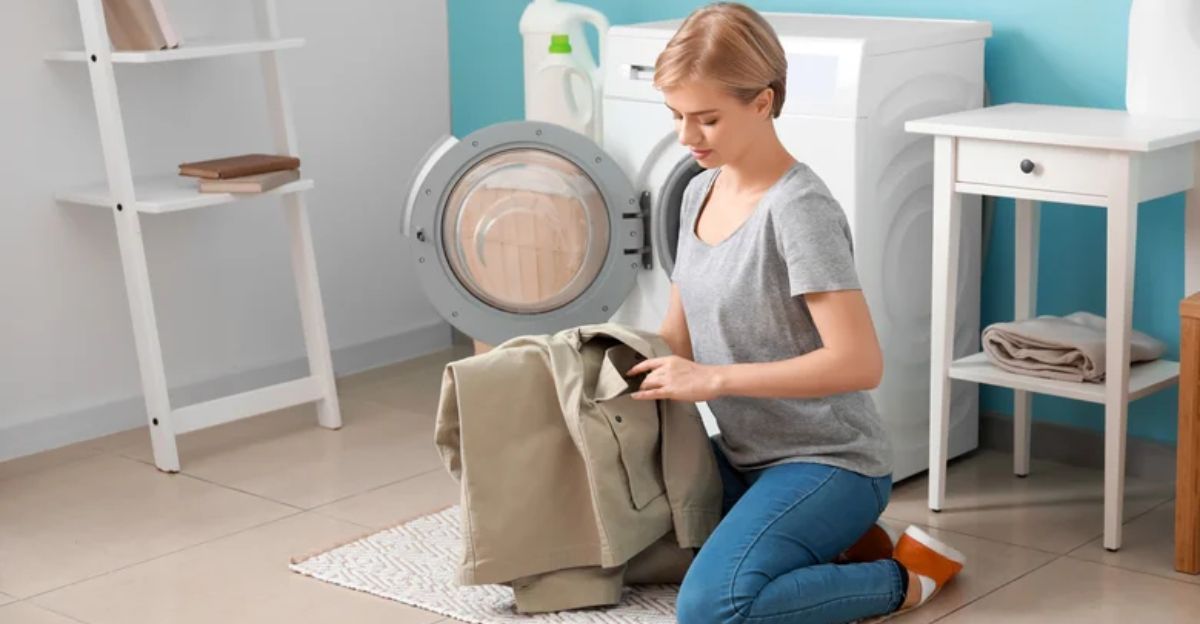
Check pockets, repair small holes, and mend loose seams before washing clothes. Washing a garment with an existing hole can make it larger, and small tears can become big rips through agitation. Loose buttons and detaching seams only worsen the issue.
Spending five minutes repairing items can extend wearable life by months or years, transforming laundry into preservation rather than fabric degradation.
Small Changes, Measurable Results
These 15 hacks aren’t complicated—they’re behavioral adjustments that compound over time. Using cold water instead of hot, using the correct detergent amounts, skipping fabric softener, maintaining machines, air-drying when possible, and washing less frequently all work together to reduce time, energy, and fabric wear.
Laundry doesn’t have to be a headache when approached as a manageable system, where small adjustments deliver a measurable impact. Every load represents an opportunity to extend garment life and reduce your home’s environmental footprint.
Your Appliances Will Thank You
Machines that receive proper maintenance—clean lint traps, regular internal cleaning, proper load sizes, and appropriate detergent amounts—last significantly longer and run more efficiently. Neglecting these steps accelerates wear, raises repair costs, and forces premature replacement.
Beyond machines, your clothes visibly improve: colors stay vibrant, fabrics remain soft, and garments retain their wearability for years longer.
Start With One Hack This Week
You don’t need to overhaul your entire laundry routine overnight. Pick one hack—such as using cold water, measuring detergent correctly, or skipping fabric softener and implement it this week. Next week, add another.
By the end of the month, you’ll have fundamentally transformed your laundry system without overwhelming yourself. The cumulative effect is what matters: lower bills, fresher clothes, safer appliances, and a smaller environmental footprint. That’s what 15 accessible, proven hacks can deliver.
Sources
Energy Star Laundry Data – U.S. Environmental Protection Agency
American Cleaning Institute Cold Water Savings Modeling – American Cleaning Institute
Sierra Club Household CO₂ Reduction Analysis – Sierra Club
Colorado State University Jeans Rewearing Study – Colorado State University Design and Merchandising Department
Better Homes & Gardens Dryer Lint Safety Guide – Better Homes & Gardens
New York Times Wirecutter Detergent Overdosing Analysis – New York Times Wirecutter