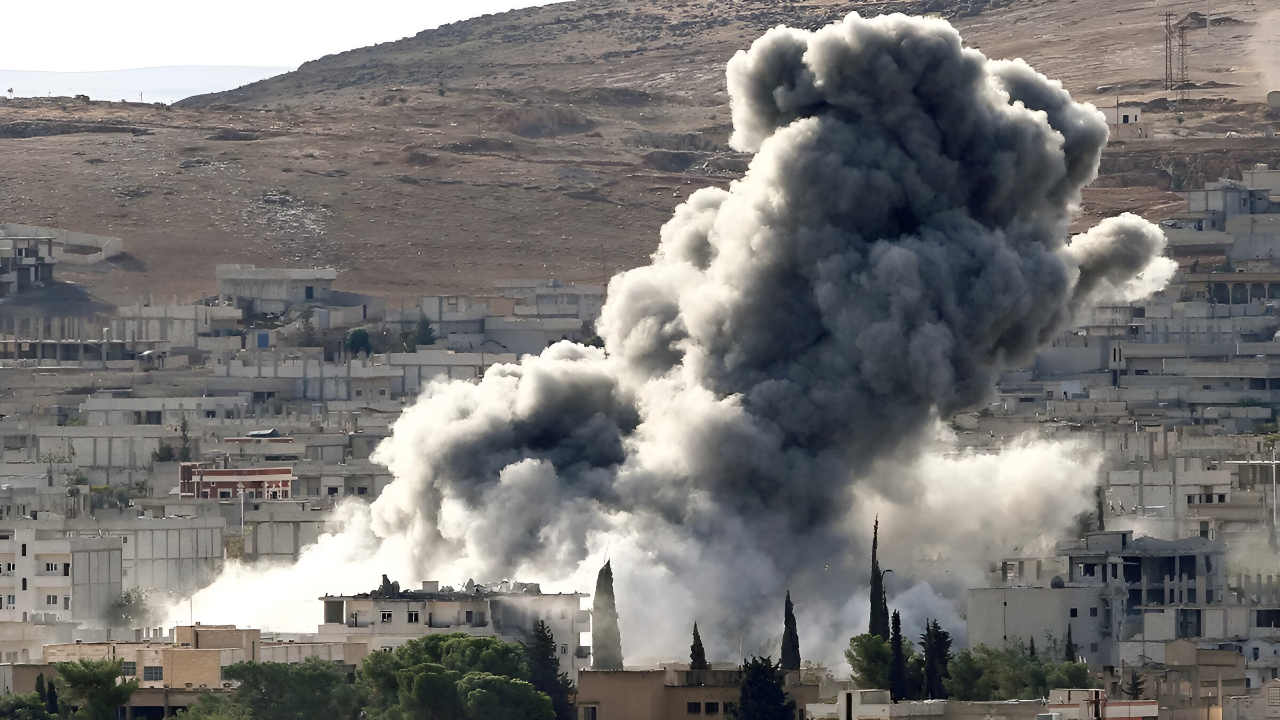
Over four days in late November, a series of explosions lit up the rocky hills of southern Syria as hidden bunkers and farm buildings were systematically destroyed. According to U.S. Central Command (CENTCOM), forces from CENTCOM and Syria’s Ministry of Interior located and destroyed more than 15 weapons storage facilities between November 24 and 27, eliminating ISIS weapons caches across Rif Damashq province. The operation combined U.S. precision airstrikes with Syrian ground demolitions, targeting a network of storage sites believed to underpin the group’s remaining attack capacity in the region.
CENTCOM officials framed the surge as one of the most concentrated efforts against ISIS weapons infrastructure in southern Syria since the group lost its territorial “caliphate” in 2019. Commanders said the window for action was narrow: intelligence indicated militants were attempting to rearm and redistribute stockpiles across rural terrain, where fragmented governance and difficult geography have long provided cover for insurgent cells.
Inside the Caches
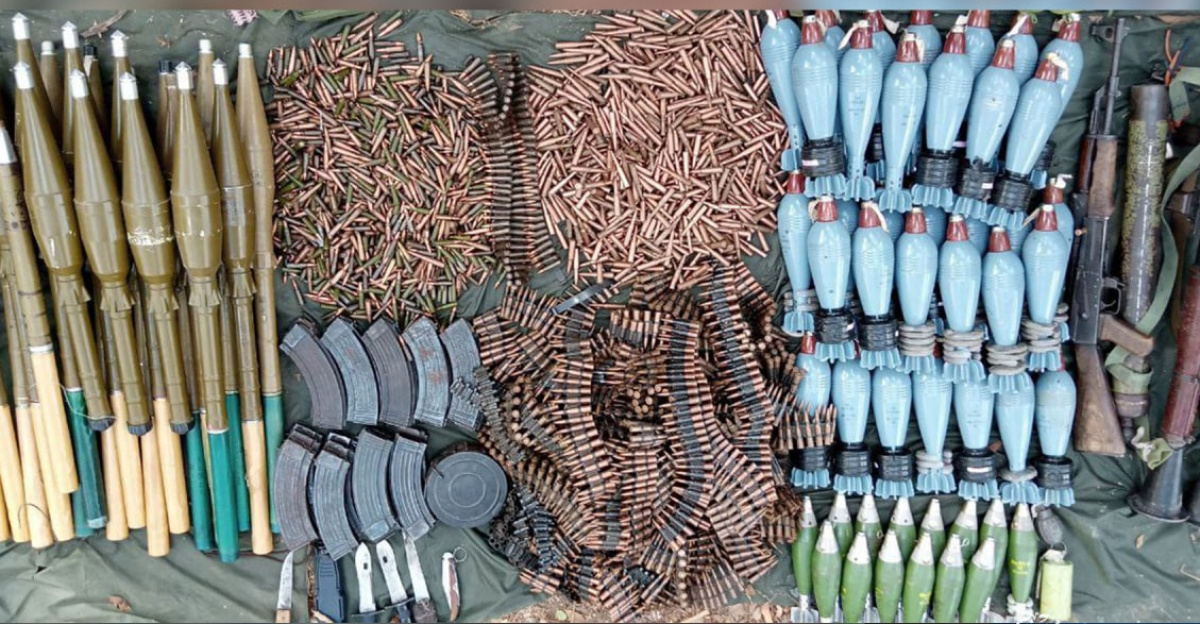
When joint teams moved on the sites, they found large quantities of heavy munitions and small arms. The combined operation destroyed over 130 mortars and rockets, along with multiple assault rifles, machine guns, and anti-tank mines. Forces also discovered and destroyed materials for building improvised explosive devices (IEDs), a weapon ISIS has relied on extensively since its shift from open warfare to insurgency.
U.S. officials say the amount of explosive material recovered suggests the potential for well over a hundred IED attacks, based on typical construction ratios and observed inventory in the depots. Neutralizing those materials, they argue, eliminates both immediate threats to local security and future options for coordinated bombings. In some locations, troops also discovered illicit drugs, which officials believe were part of ISIS’s revenue streams after the loss of formal tax and oil income. The combination of weapons and narcotics pointed to an evolving model in which the group depends more heavily on criminal networks to finance operations.
Strategic Intent and Homeland Concerns
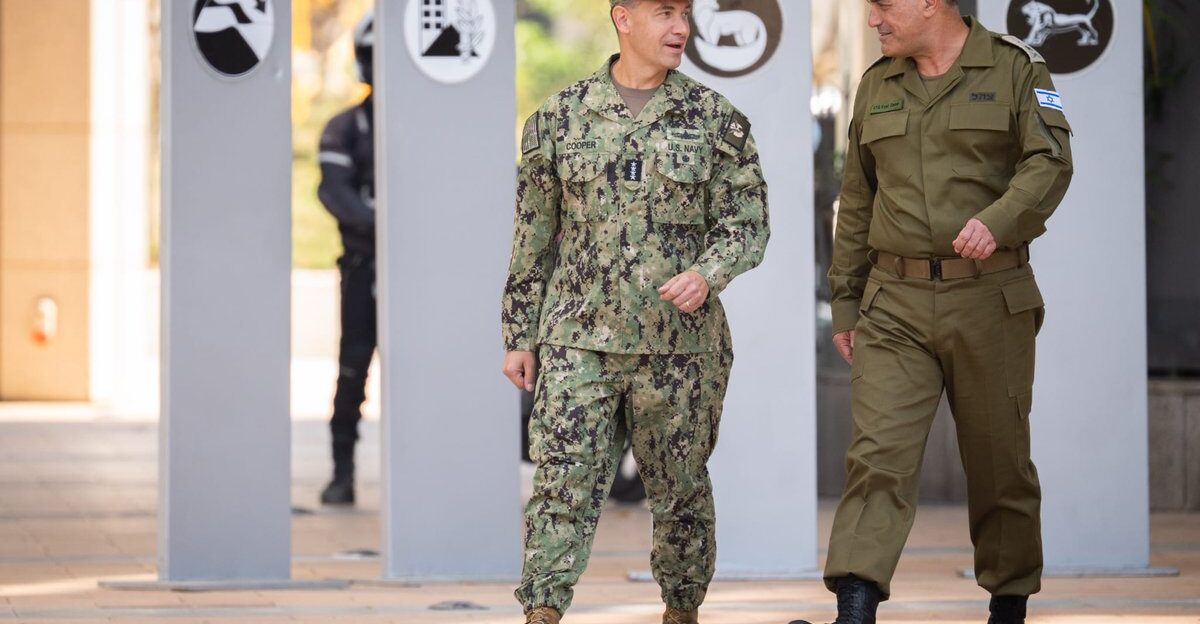
Admiral Brad Cooper, commander of U.S. Central Command, said the operation was designed to help ensure that gains made against ISIS are lasting and that the group is not able to regenerate or export terrorist attacks to the U.S. homeland and around the world. He warned that, despite years of battlefield losses, the group still has the capacity to reorganize in areas where state authority is weak or contested. U.S. assessments now emphasize the risk that relatively small, well-armed cells could regenerate within a short period if left without sustained pressure.
Officials say years of gains against ISIS could be at risk if weapons networks and financial pipelines are allowed to re-form. The latest strikes fit into a broader approach that prioritizes early disruption of logistics over large-scale troop deployments. By hitting storage hubs, commanders aim to prevent militants from regaining the ability to mount complex, multi-cell operations, either inside Syria or through external plotting against targets in the region and beyond.
Partners, Terrain, and an Evolving Fight
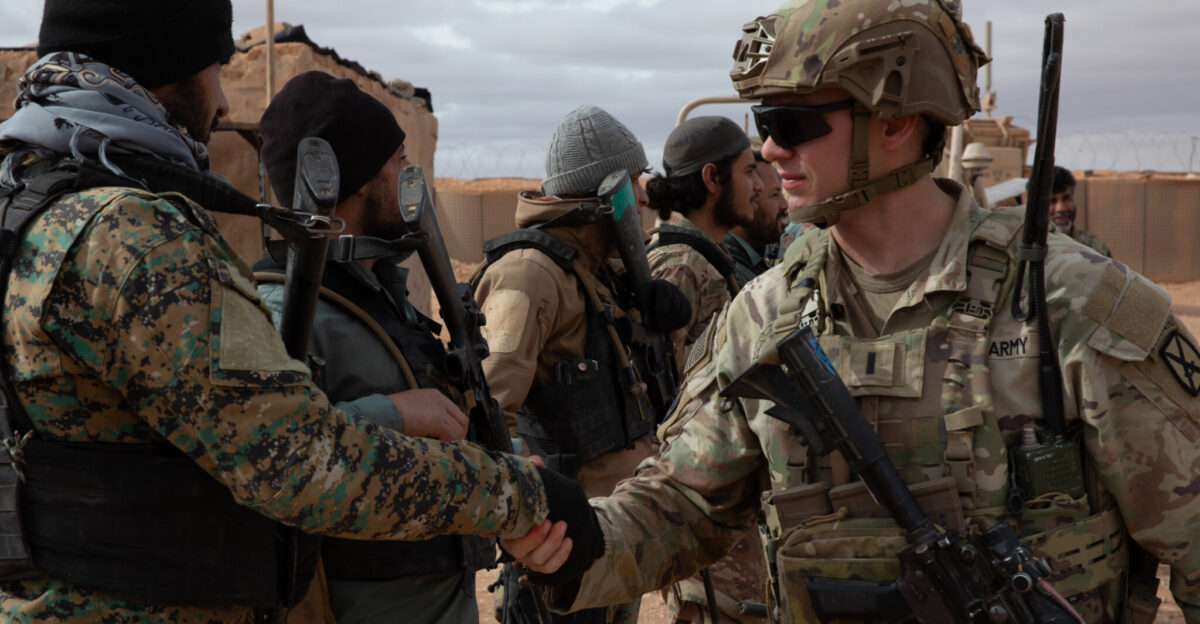
The November operation highlighted the cooperation between U.S. Central Command and Syria’s Ministry of Interior. Working together, forces identified, mapped, and then destroyed dispersed depots across several districts in Rif Damashq, a province long regarded as vulnerable because of its mix of rural hideouts and contested authority. Public acknowledgment of that cooperation by CENTCOM underscored a practical alignment on counterterrorism objectives, even within the broader context of political differences between Washington and Damascus.
Analysts say this kind of pragmatic coordination reflects a shared interest in preventing ISIS from rebuilding. Joint intelligence, they argue, likely improved target accuracy and limited risks to civilians. It also underscored a wider shift since 2019: as ISIS has moved from governing territory to surviving through clandestine cells and safe houses, counterterrorism efforts have moved from front-line battles to a pattern of targeted raids, precision strikes, and partner-enabled disruption.
Risks Ahead
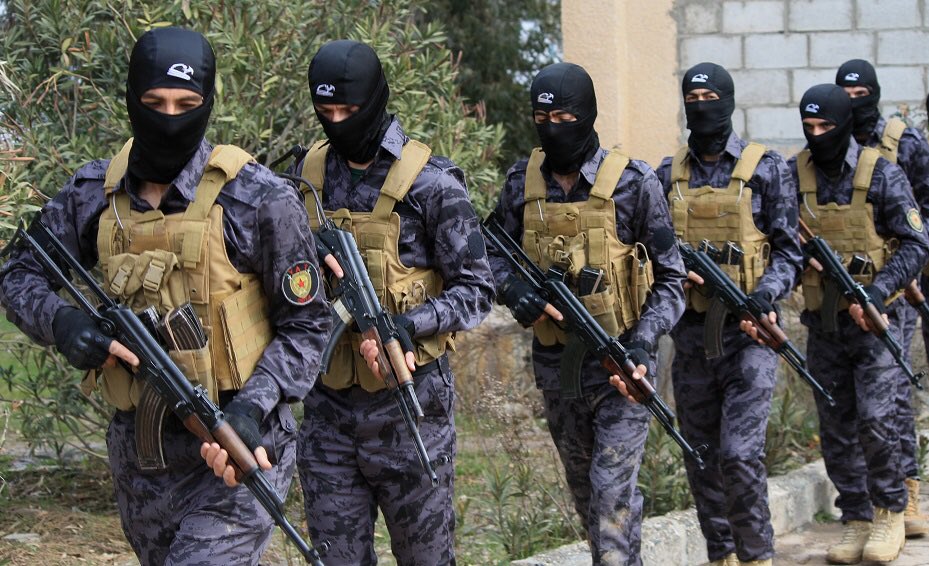
Despite territorial defeat, ISIS maintains sleeper cells and supporters across Syria and Iraq. Public and expert estimates suggest that several thousand ISIS fighters remain at large in both countries, with many operating in remote or rugged areas where surveillance is challenging. Around 9,000 additional ISIS fighters are held in detention facilities run by the Syrian Democratic Forces in northeastern Syria, a concentration that experts describe as a major potential flashpoint if security or international backing weakens.
Counterterrorism planners warn that, without ongoing pressure, ISIS could significantly regenerate over time. The destruction of weapons caches and drug consignments in Rif Damashq represents a major blow to the group’s logistics and finances. Still, officials caution that the November strikes mark a disruption rather than a definitive end to the threat. They emphasize that sustaining intelligence, reinforcing local partners, and addressing security gaps that militants have historically exploited to rearm, recruit, and reinsert themselves into fragile communities will remain critical to the ongoing counterterrorism mission.
Sources
U.S. Central Command (CENTCOM) Official Press Release: “U.S., Syrian Forces Locate and Destroy ISIS Weapons Caches in Southern Syria,” November 30, 2025
Foundation for Defense of Democracies (FDD) – Long War Journal: “U.S., Syrian Forces Destroy ISIS Weapons Caches in Southern Syria in Combined Operation,” December 1, 2025
Operation Inherent Resolve (OIR) Lead Inspector General Report to Congress: “Operation Inherent Resolve – Quarterly Report (July 1, 2025 – September 30, 2025),” October 30, 2025
The International Centre for Counter-Terrorism (ICCT): “The Threat of ISIS in a Fragmented Syria,” May 15, 2025