
A snapshot on the beach—stroking a manatee’s back or nudging a sea turtle—can shatter into federal charges. Across the United States, laws shield over 1,500 species from human contact, with penalties reaching $100,000 fines and a year in prison, even if the animal initiates the encounter. These protections, born from near-extinctions, now ensnare unaware visitors amid rising enforcement.
Why Contact Turned Criminal
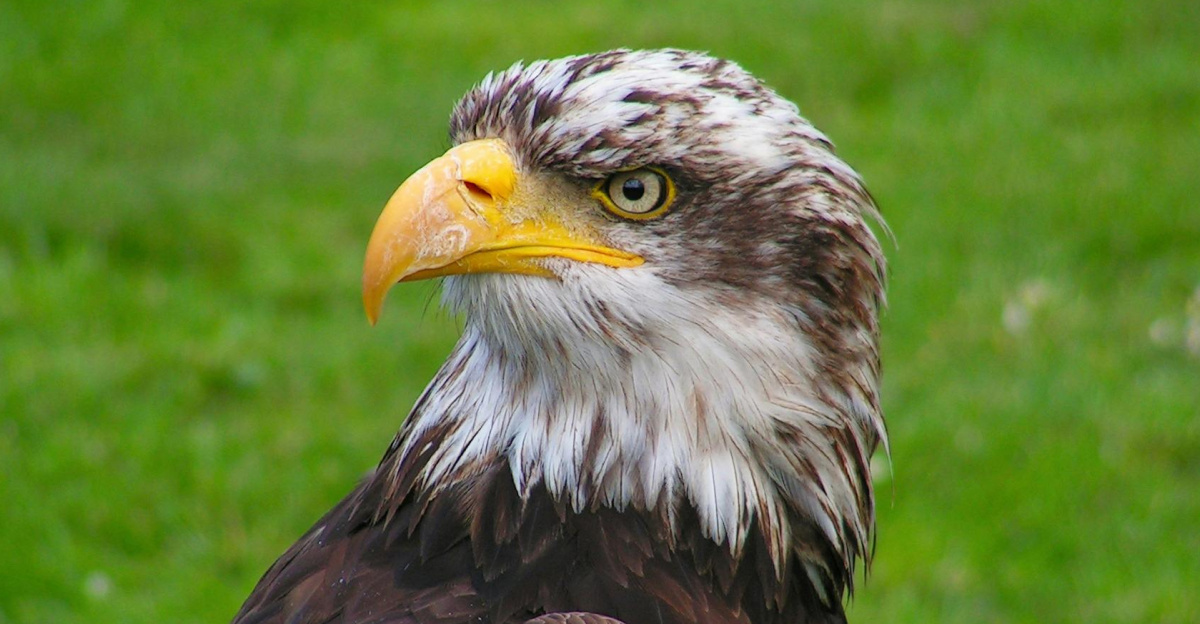
Federal safeguards surged in the 1970s as populations plummeted. Bald eagles fell from 412,000 to 417 nesting pairs by 1963. Marine mammals faced unchecked hunting. Congress enacted broad statutes, including the Marine Mammal Protection Act and Endangered Species Act, making unauthorized touch or harassment a crime. Today, enforcement targets violations nationwide, catching tourists off guard.
Unexpected Penalties
Violations trigger steep federal fines up to $100,000 and up to one year in prison. Possessing a single eagle feather draws the same. State laws often layer on extra charges. Intent proves irrelevant; accidental brushes qualify. First-time offenders, from kayakers to hikers, face felony-level repercussions that escalate quickly.
Rising Encounters
Tourist hotspots amplify risks. Florida draws 130 million visitors yearly to manatee zones. Hawaii sees over 9 million near turtles and seals. California logs millions more. Social media images serve as courtroom evidence. Cases climb annually, turning snapshots into investigations.
Key Protected Species
Fifteen animals top the no-touch list, each backed by felony penalties. Human interference endangers their survival, from marine giants to raptors.
Manatees rank first, their docile nature inviting illegal pets. The Marine Mammal Protection Act bans contact; Florida piles on fines. Touches induce deadly stress.
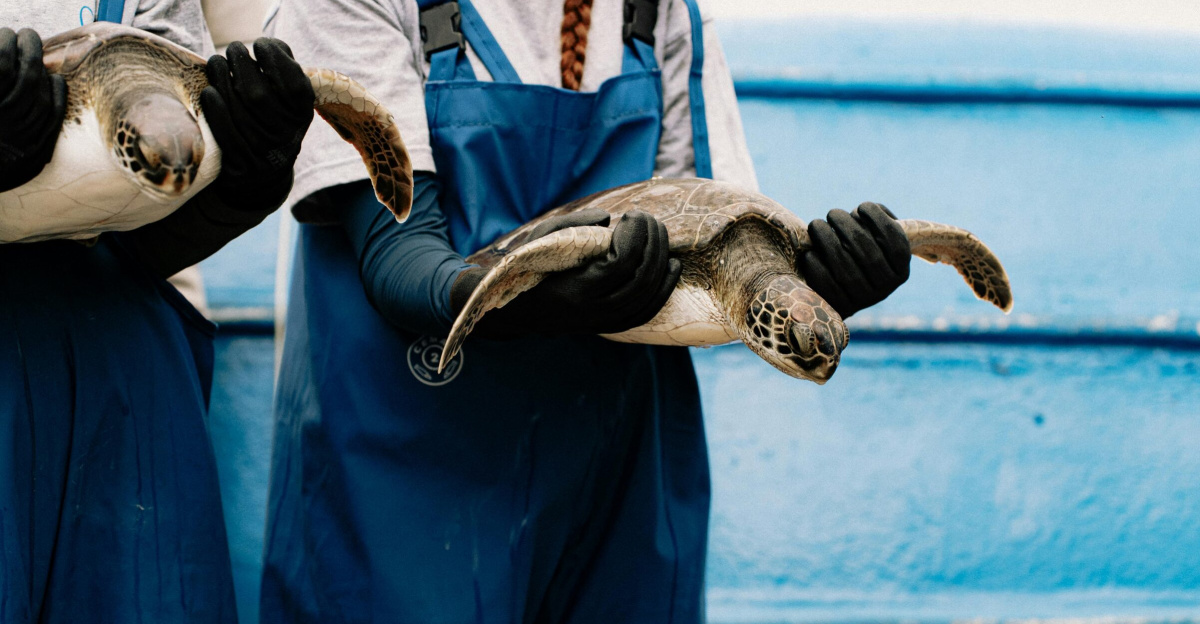
Sea turtles, with six of seven species endangered, fall under the Endangered Species Act. Chasing or handling risks $100,000 fines, especially during nesting.
Dolphins draw swimmers despite prohibitions. Even if they approach, feeding or touching violates federal rules.
Whales demand 100-yard boat buffers. Approaching triggers massive fines.
Porpoises mirror dolphin rules; noise or proximity counts as harassment.
Seals require 150-foot beach buffers. Pup selfies prompt swift charges in California, Maine, and Alaska.
Sea lions, including endangered Steller varieties, ban feeding or pup approaches.
Sea otters, keystone species, protect ecosystems; kayaker pursuits draw enforcement.
Bald eagles shield nests and feathers under dedicated acts; organizations face $200,000 hits.
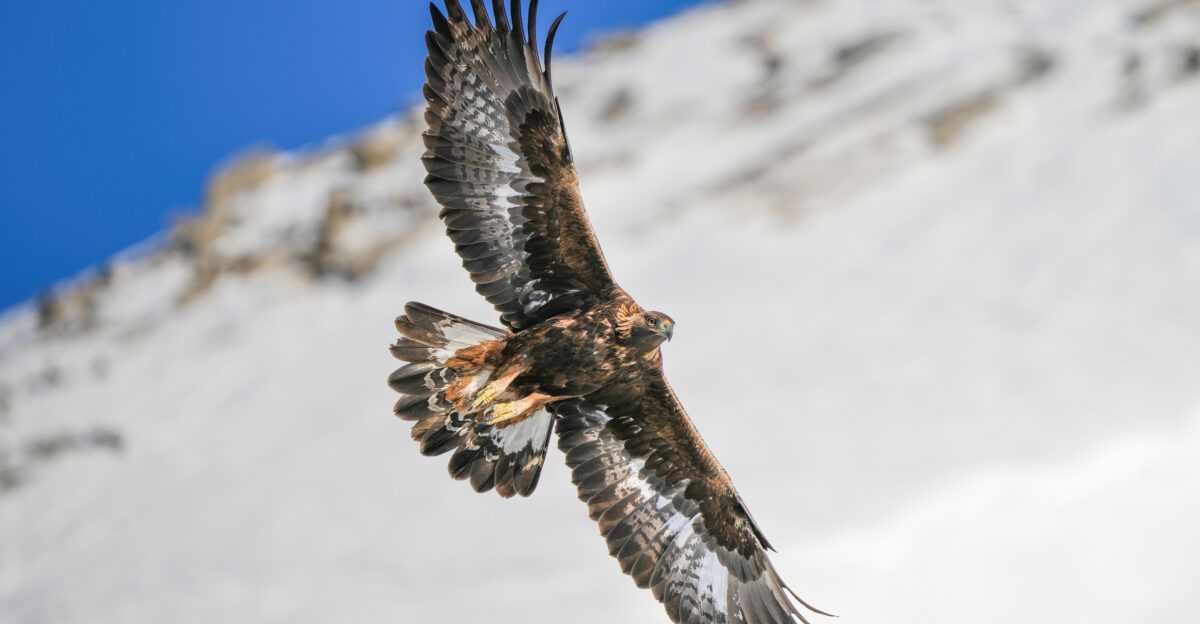
Golden eagles match bald eagle rules, with western states vigilant.
Gray wolves, protected in most areas, penalize close hikes at $50,000.
Florida panthers, under 230 wild, outlaw pursuits.
Grizzly bears ban feeding in Rockies and Alaska.
Alligator snapping turtles, newly listed in 2024, curb collecting.
Hawaiian monk seals, below 1,400 individuals, prohibit all approaches.
Legal Realities Ahead
These statutes prioritize conservation over convenience. Fines span $50,000 to $100,000, plus jail, with states adding weight. Enforcement trends upward as habitats overlap tourism. Observers must maintain distances—manatees 50 feet, eagles 100 yards—to sidestep peril. As populations stabilize yet threats persist, adherence safeguards species and travelers alike, balancing access with survival.
Sources:
U.S. Fish and Wildlife Service – Marine Mammal Protection Act
U.S. Fish and Wildlife Service – Endangered Species Act
National Oceanic and Atmospheric Administration – Marine Mammal Regulations
Bald and Golden Eagle Protection Act – U.S. Fish and Wildlife Service
Florida Fish and Wildlife Conservation Commission – Manatee Protection
Hawaii Department of Land and Natural Resources – Monk Seal Guidelines