
Every month, millions of older Americans unknowingly fund a parallel economy that younger generations have left behind. They’re not making luxury purchases—they’re paying for everyday services that have free or nearly-free alternatives available.
Picture this: a typical Boomer household could save up to $3,000 annually by simply shifting their mindset. What are they still paying for that you’ve already stopped buying? This article reveals 14 specific services where generational gaps in technology adoption create unnecessary costs for older consumers, all while younger users enjoy the exact same functionality at no cost.
Cable TV Bundles: The $1,500-a-Year Anchor
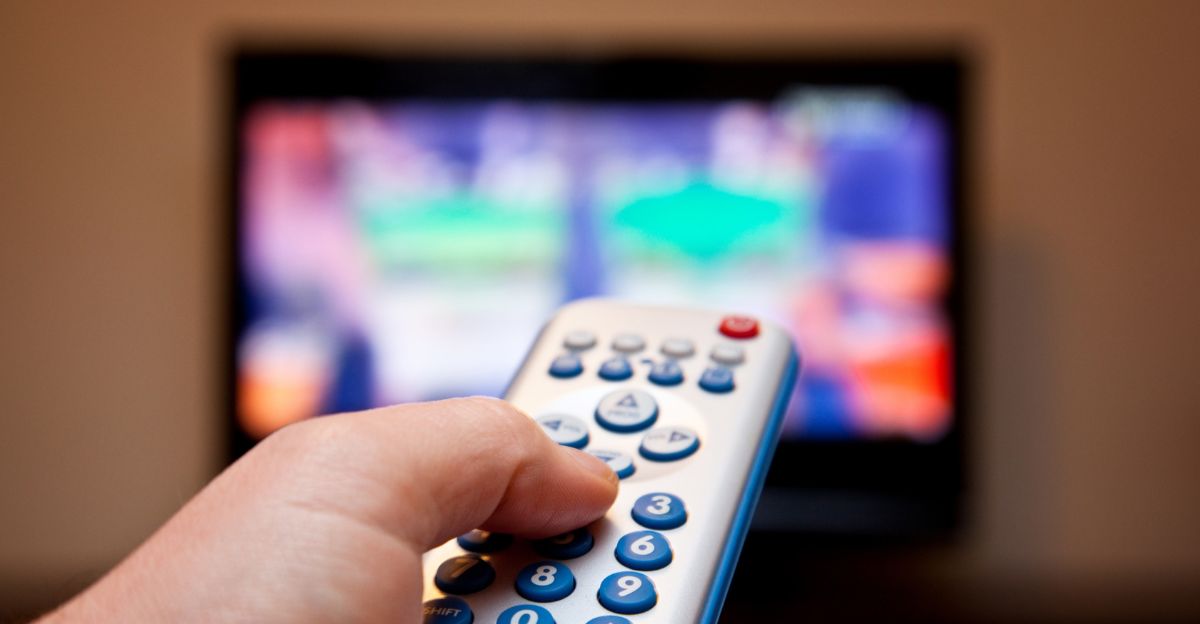
Cable TV costs Boomers up to $2,280 a year. Yet, most only watch a handful of channels. Streaming services like Netflix and Disney+ offer better content and personalized experiences for a fraction of the price.
The comfort of a familiar system keeps millions tied to cable, unaware that a streaming subscription offers more value without the hidden fees.
Landline Phones: Paying Twice for One Function

Many Boomers still pay for landline service, adding $360–$720 to their annual bill. In the age of smartphones, Wi-Fi calling and free apps like WhatsApp replace landlines at no extra cost.
Yet, the perceived security of a physical phone line keeps this unnecessary expense alive. Transitioning to mobile-only services could save hundreds a year.
Bank Fees: The Silent Wealth Drain
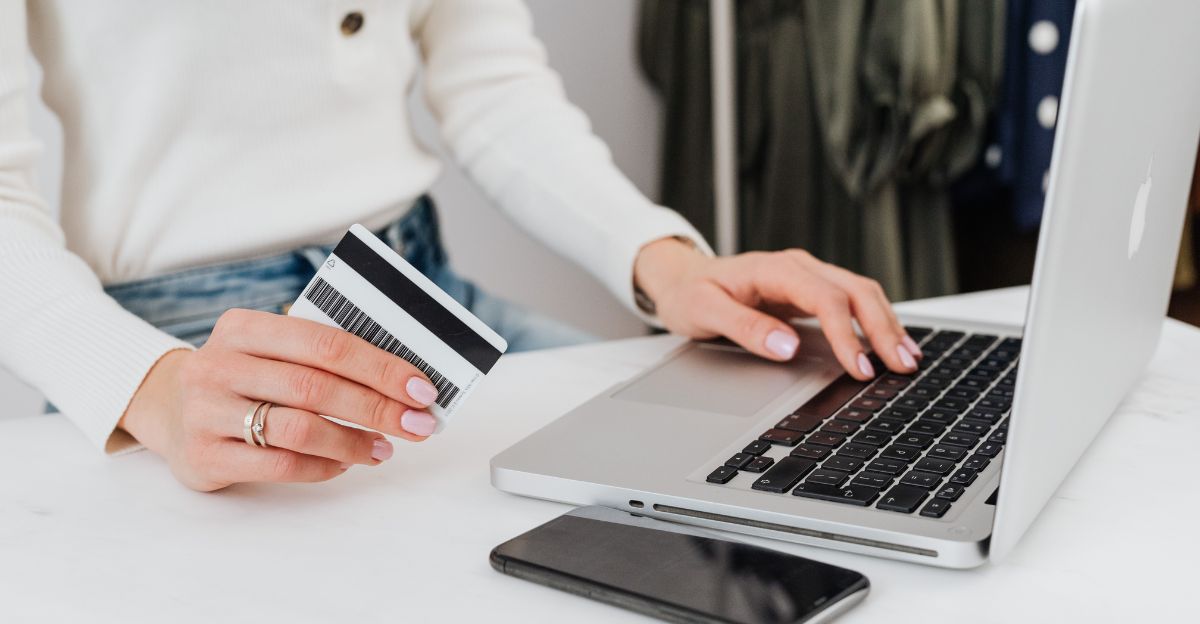
Fee-based banking remains common for older adults, with monthly maintenance fees and overdraft charges draining thousands.
Millennials have long turned to fee-free online banks, but many Boomers continue paying for services that cost them up to $240 annually. Switching to no-fee accounts is simple and could significantly boost savings over time.
Standalone GPS Devices: Navigation You Already Own
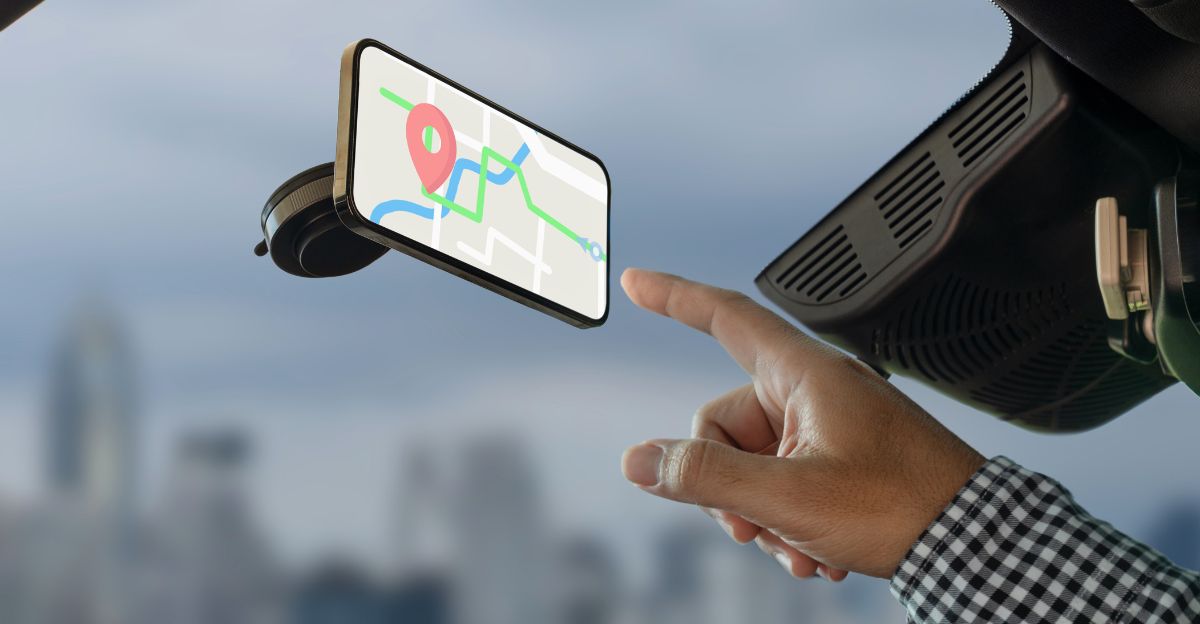
Dedicated GPS units like Garmin are collecting dust while smartphones provide real-time navigation for free.
Boomers continue paying for costly map updates, unaware their smartphones have everything they need. These outdated devices represent a perfect example of how sticking to the old ways can be costly—and unnecessary.
Tech Support Upsells: Paying for Problems You Can Solve
Tech support companies often charge hundreds for basic services—tasks anyone can do with a little guidance.
Older adults are disproportionately targeted, paying for simple fixes like restarting devices or clearing caches. With free resources like YouTube tutorials or library tech help, paying for “expert support” is a thing of the past.
Money Orders: Paying to Move Your Own Money
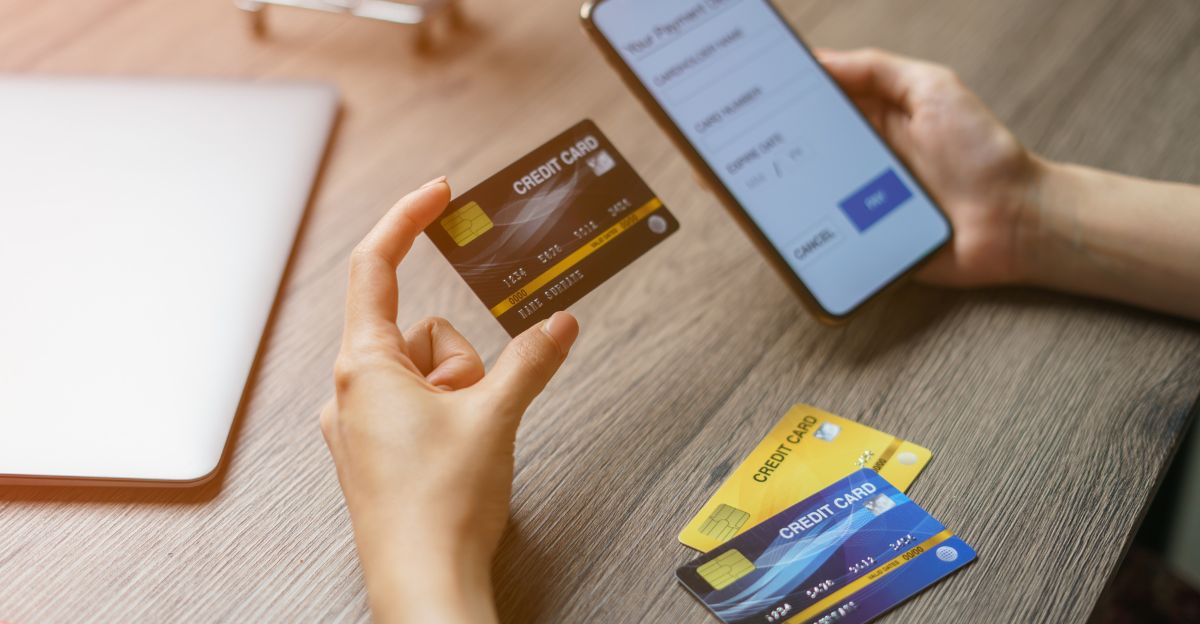
Money orders, which cost $2.55–$3.60 per transaction, are still used by millions of Boomers. Zelle and ACH transfers offer instant, free money transfers between bank accounts.
This obsolete payment method could be replaced by simple online transactions, saving Boomers hundreds annually.
Paid Ringtones: A Relic of the 2000s
Once, Boomers paid $1–$3 per ringtone. Today, free customization options on smartphones let users create their own ringtones from any song.
Many older users still pay for this outdated feature, unaware that their devices already include it for free. Educating Boomers about their smartphones’ full capabilities could end this needless expense.
Overnight Document Shipping: When Email Became Free
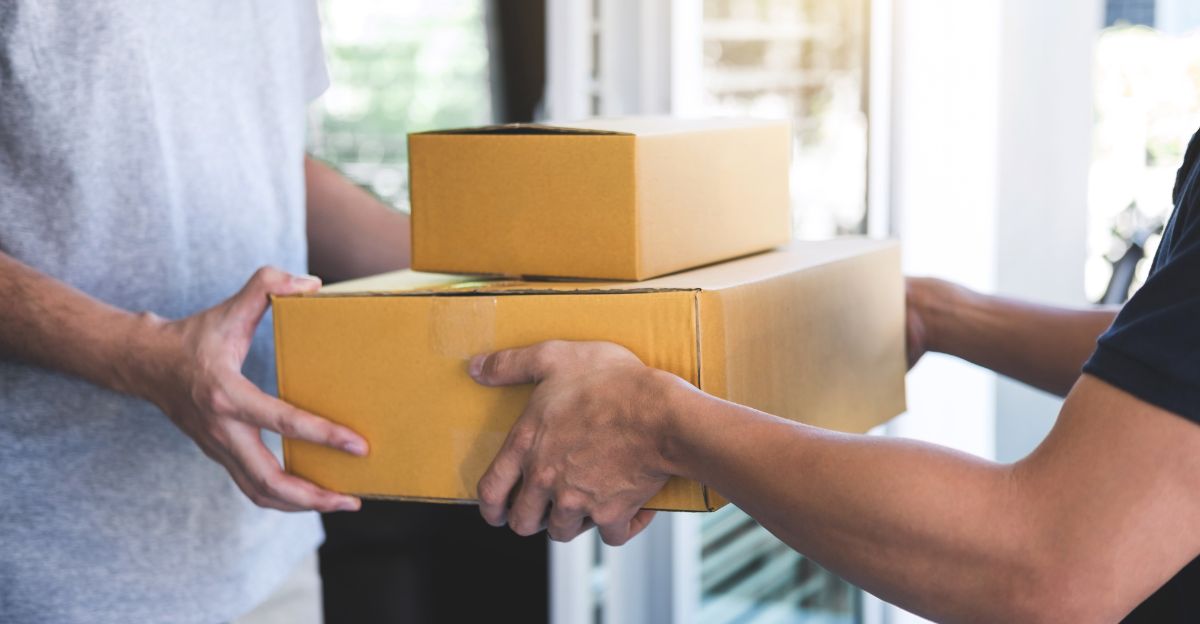
Boomers continue to pay up to $65 per package for overnight shipping, a relic of a pre-email era. Today, apps like DocuSign and free scanning tools allow documents to be sent instantly and legally.
This habit—born from a need for “tangible proof”—is outdated, and it’s costing Boomers unnecessary money.
Faxing Services: Paying for Obsolete Technology
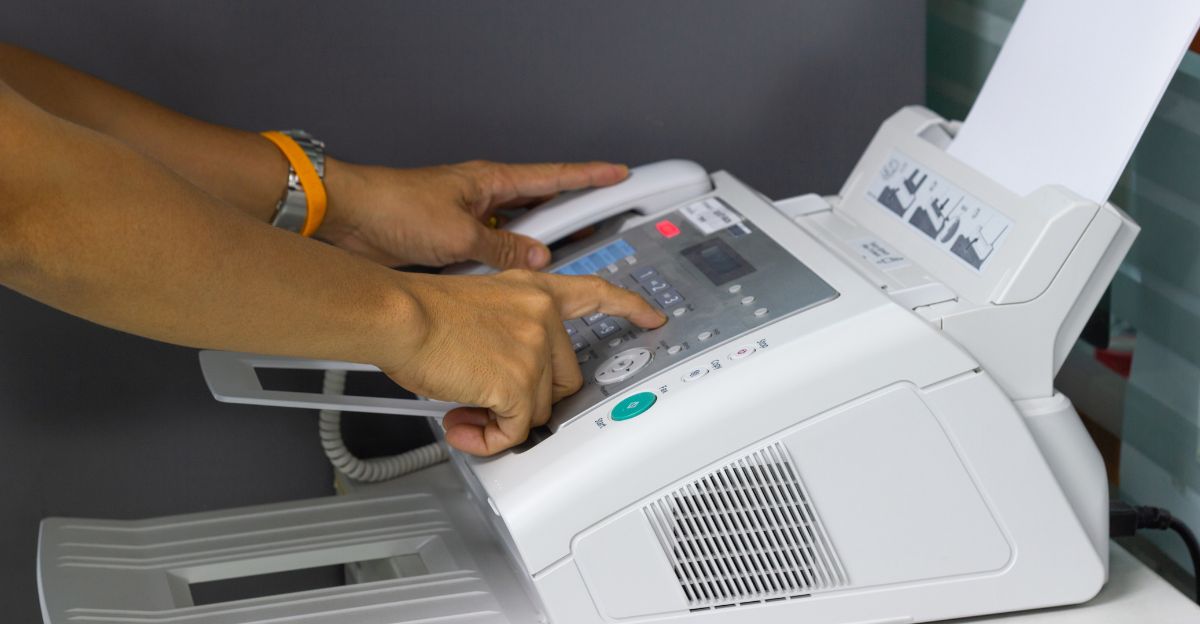
Faxing costs $15–$50 a month, yet it’s a service most people no longer need. Free apps like Adobe Scan allow for instant document transmission, and electronic signatures are legally binding.
The continued use of fax machines among Boomers is an example of how old habits continue to cost unnecessary fees.
Cashier’s Checks: Paying for Guaranteed Payment

At $5–$15 each, cashier’s checks are still requested by Boomers for routine payments, despite digital alternatives like ACH transfers and Zelle being free.
These digital payment methods are just as reliable, making cashier’s checks a redundant and costly habit.
Long-Distance Phone Plans: A Relic of the 1990s
Long-distance phone plans charge up to $0.50 per minute, but in 2025, these costs are obsolete. Wi-Fi calling, WhatsApp, and FaceTime offer unlimited international calls for free.
Yet, many Boomers continue to pay for long-distance plans due to familiarity, unaware that they can communicate internationally for free.
Paid Streaming Services Overlap: Subscribing to Everything
Boomers often subscribe to multiple streaming services—Netflix, Hulu, Disney+, and more—totaling $80–$120 per month. Younger users rotate subscriptions strategically, taking advantage of family plans and library access.
Public libraries offer free streaming services, but many Boomers don’t know they exist. By rotating subscriptions, Boomers could save 80% of their monthly streaming costs.
Paid Newspaper Subscriptions: When Libraries Went Digital
Boomers still pay for newspaper and magazine subscriptions, spending up to $360 annually on content they can access for free.
Libraries now offer free digital access to hundreds of publications, making paid subscriptions unnecessary. One quick visit to the library could save Boomers hundreds of dollars.
Credit Card Annual Fees: Paying for Prestige
Premium credit cards charge hefty annual fees of $95–$550 for benefits many Boomers never use.
Younger users optimize their cards to match their spending habits, while Boomers often pay for unused perks. Redirecting this money toward actual travel could provide more value than the premium card fees themselves.
Sources:
J.D. Power Q1 2025 Telecom Services Study; doxoINSIGHTS Annual Cable & Internet Billing Analysis 2025
Tom’s Guide Streaming Cost Comparison 2025; Nielsen The Gauge Monthly Report (May 2025)
AARP 2025 Technology Adoption Survey; Porch Group Media Generational Consumer Spending Trends 2025
Federal Reserve Survey of Consumer Finances 2023-2024; American Bankers Association Banking Fees Consumer Survey 2025