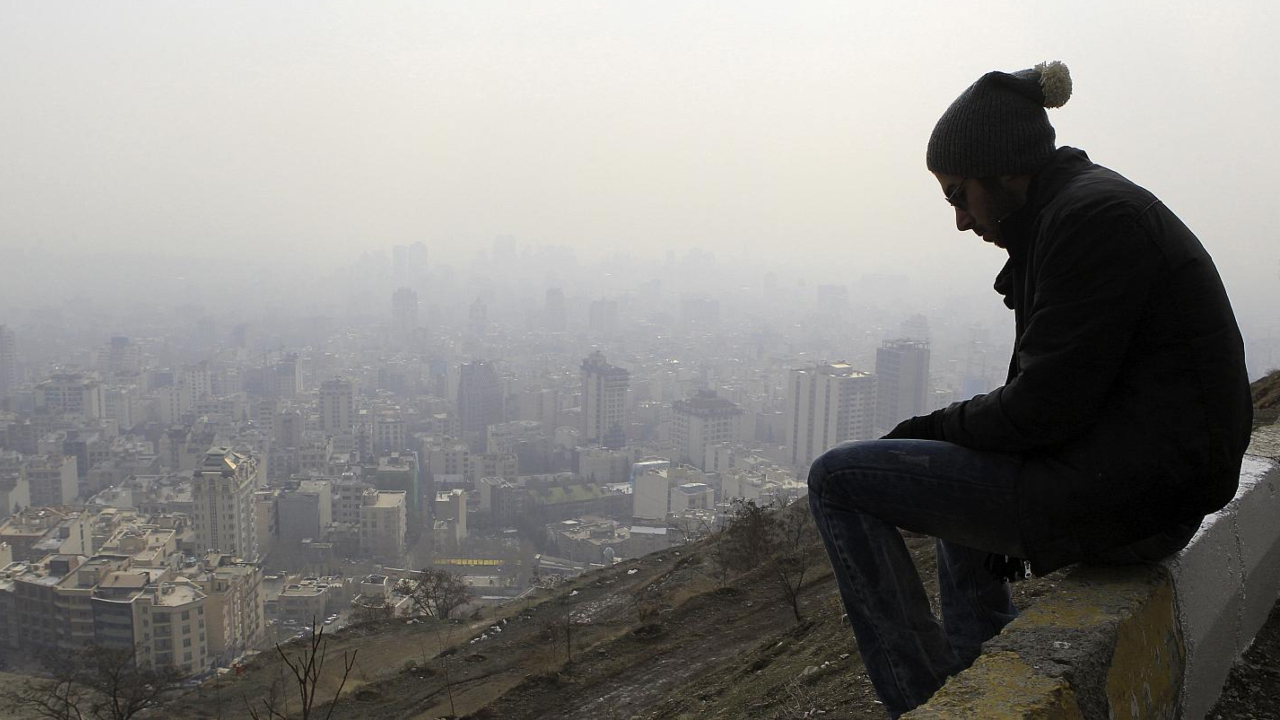
Every three minutes, for eight days straight in late November, someone in Tehran called 115, the city’s emergency line, because the air had become too dangerous to breathe. By November 30, Mohammad-Esmaeil Tavakoli, head of Tehran’s emergency services, reported that out of 57,000 emergency calls in that period, about 31 percent—roughly 17,670 calls—were tied to respiratory or cardiac distress linked directly to air pollution.
Crisis Overwhelms a City Already on Edge
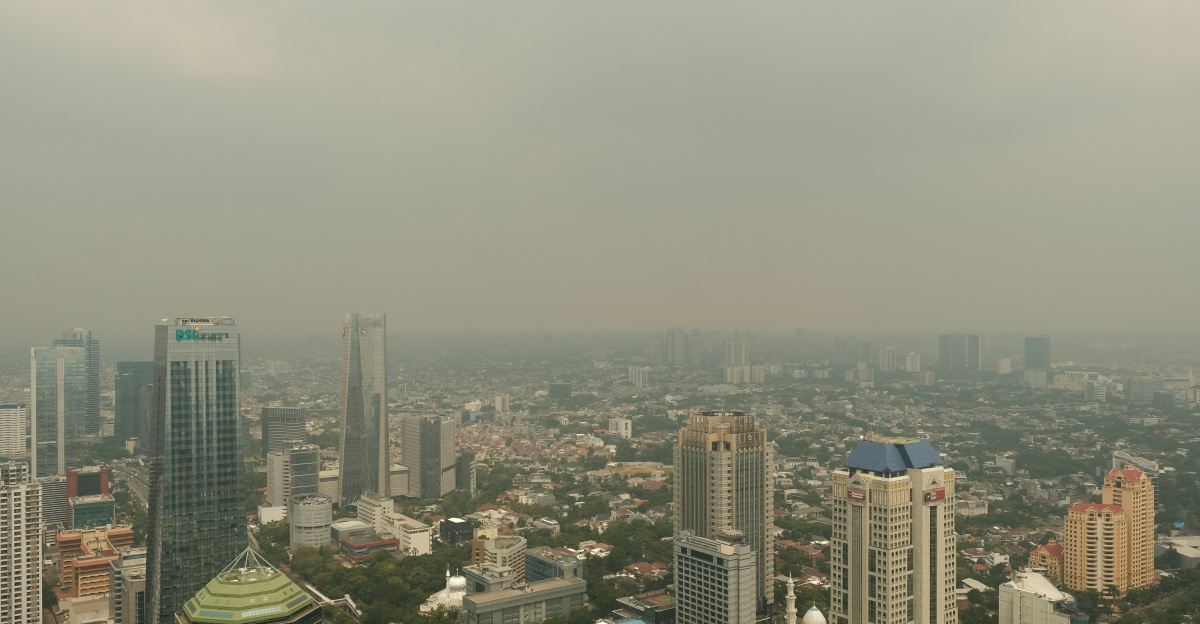
The emergency surge reflected a wider environmental breakdown that had been building for weeks. From November 19 to 29, Tehran’s Air Quality Index (AQI) stayed between 170 and 200—levels considered unhealthy for the general population—ten days in a row. On November 25, the Swiss-based monitoring group IQAir briefly ranked Tehran as the world’s most polluted city, with an AQI of 233, ahead of Baghdad, Delhi, and Kolkata.
Across the capital, the citywide average AQI was 171. Twenty-five monitoring stations registered “red” conditions, the critical range for public health, and not a single district recorded acceptable air quality. Residents moved through a gray haze that seeped indoors and drove the most vulnerable—children, older adults, and those with heart and lung disease—to clinics and emergency rooms.
As conditions worsened, schools and universities across 14 provinces, including Tehran, Isfahan, East and West Azerbaijan, Tabriz, Alborz, Khuzestan, and Kermanshah, shut down entirely. The Education Ministry announced there would be no move to online instruction, saying the country’s internet capacity was insufficient to support mass virtual classes. Instead, officials turned to televised lessons, underscoring both the speed of the health emergency and the limits of the digital infrastructure.
Health System Under Strain
Tehran’s emergency network quickly ran into hard limits. Tavakoli said a metropolis of about 14.4 million people was operating with severe shortfalls: about 400 fewer ambulance stations and 500 fewer ambulances than needed for adequate coverage. Only around 240 ambulances were active, leaving large sections of the city effectively underserved.
He illustrated the gap with a stark comparison: if a single ambulance were assigned to Vanak Square, a major commercial hub, some seven million people would fall outside its effective service radius. In public comments, Tavakoli contrasted long-standing shortages in medical transport with increased funding for military programs, saying authorities had failed for years to allocate money for new ambulances while significantly expanding budgets for advanced weapons systems.
Deadly Fuel and Extreme Pollution Levels
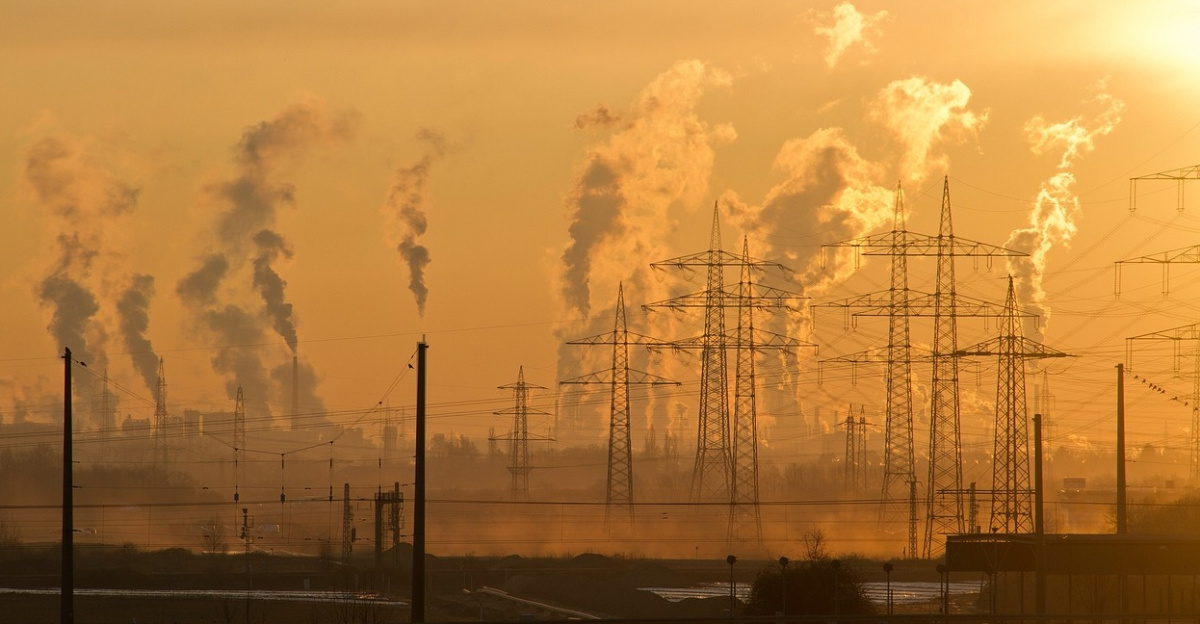
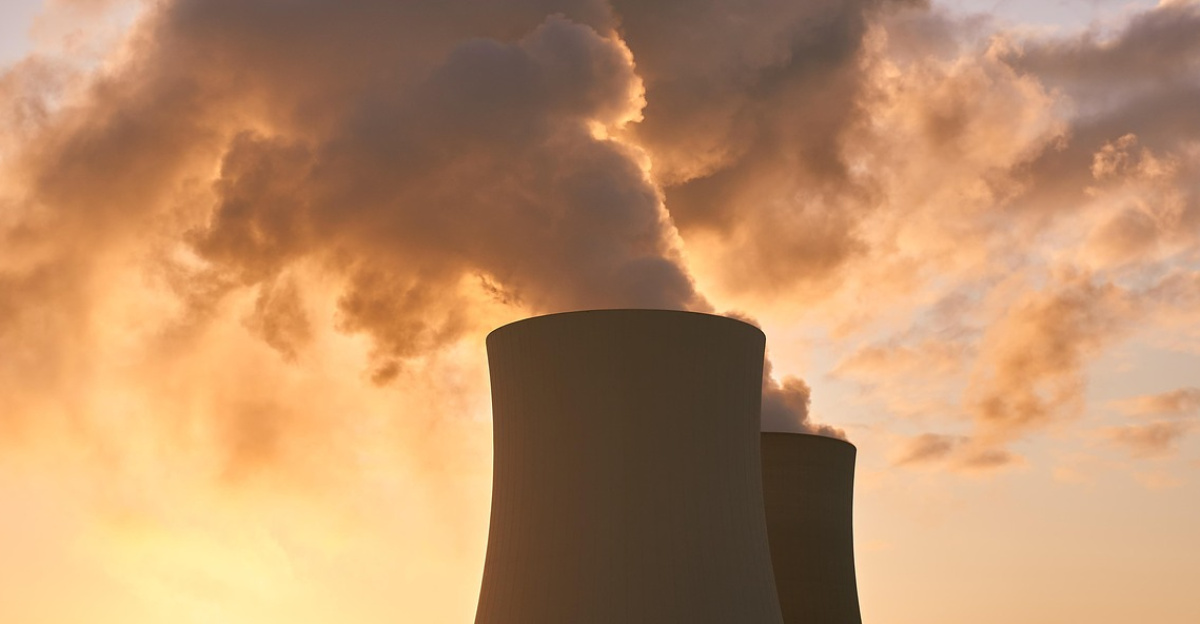
At the core of the crisis was the widespread use of mazut, a heavy, highly polluted fuel oil that many countries phased out decades ago. Iran’s power plants resort repeatedly to mazut when natural gas supplies are insufficient. By mid-November, 14 of these plants were burning about 21 million liters of mazut each day, an amount that would stretch for more than 14 kilometers if loaded into oil tankers.
Iran holds some of the world’s largest proven reserves of natural gas and crude oil, yet years of underinvestment, aging infrastructure, and sanctions have left it struggling to process and distribute cleaner fuels. As a result, operators increasingly fall back on cheaper, dirtier options to keep electricity flowing during periods of high demand.
Measurements taken near Tehran’s power plants showed how hazardous that choice had become. Sadegh Hassanvand, who leads the Air Pollution Research Center at the University of Tehran, told state media that the fuel being burned contained sulfur at concentrations around 30,000 parts per million. That level is roughly 600 times higher than the international standard of 50 ppm. Hassanvand warned that such fuels have “deadly effects on public health.” In the atmosphere, sulfur compounds can convert into sulfuric acid, which damages lung tissue and exacerbates breathing problems.
Long-Term Toll on Public Health
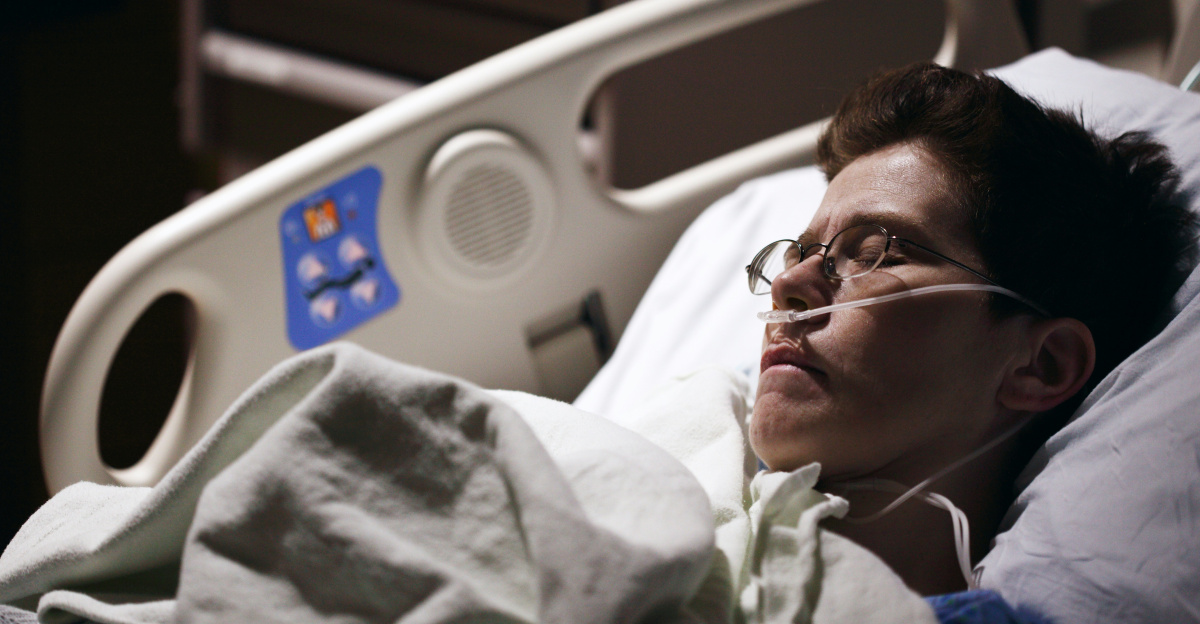
The late-November spike sat within a broader pattern of chronic exposure. In November 2025, Deputy Health Minister Alireza Raisi reported that 58,975 people in Iran had died prematurely from fine particulate pollution (PM2.5) during the Iranian calendar year ending March 2025. That equates to about 161 deaths per day, or roughly seven every hour.
These fatalities were not random. Health authorities linked them primarily to ischemic heart disease (23 percent), lung cancer (21 percent), chronic obstructive pulmonary disease (17 percent), stroke (15 percent), and lower respiratory infections (13 percent). In Tehran alone, estimates suggested around 6,000 pollution-related deaths in 2024, with trends pointing upward.
Air quality data for the year showed how steadily conditions had deteriorated. Between March 21 and November 25, 2025, Tehran recorded only six days of genuinely clean air—around 2.4 percent of the period. The remaining 257 days were divided between “acceptable,” “unhealthy for sensitive groups,” “unhealthy for all,” “very unhealthy,” and “hazardous” classifications, leaving residents with little respite.
Engines, Geography, and Policy Failures
Power plants were only part of the problem. Official figures indicated that about 80 percent of Tehran’s air pollution came from vehicles. Of the city’s 4.2 million motorcycles, more than 70 percent were over 20 years old, according to Tehran Governor Mohammad-Sadegh Motamedian. Nationwide, around 11 million of 12 million motorcycles and 2.5 million of 14 million cars were classed as aging and high-emitting. Many lack modern catalytic converters and burn fuel inefficiently, releasing particulates and other pollutants directly into the air.
Tehran’s geography amplifies these emissions. The city lies in a mountain valley at 1,200 to 1,800 meters above sea level, a setting prone to temperature inversions in colder months. Inversions form a lid of warmer air above cooler air at the surface, trapping pollutants near the ground. Weak winds and little rainfall in autumn mean contaminants can build up over days, thickening smog and extending exposure.
Authorities have alternated between pledges to restrict mazut use and reversals driven by fuel shortages. In late 2024, officials said burning mazut at several major power plants had been halted. By February 2025, parliamentary figures reported that all thermal plants were again relying on mazut because of insufficient gas supplies, signaling that energy security continued to outweigh environmental and health concerns in policy decisions.
A 2017 Clean Air Act set standards for fuel quality, emissions, and industrial practices, including limits on mazut. But implementation has lagged. Budget allocations for enforcement fell to about 4 million dollars in 2023, from 8 million the previous year, far below official estimates of 5 billion dollars needed for full rollout. As regulations remained largely unenforced, the economic costs mounted. Government and media estimates put the annual national loss from air pollution at around 17.2 billion dollars, with Tehran alone forfeiting between 3.3 and 3.7 billion dollars each year in congestion, health impacts, and related pressures.
By late November, senior officials were publicly acknowledging the severity of the situation. Deputy Vice President Qaempanah warned that if pollution increased further, “it will kill,” a stark admission that the air itself had reached lethal levels. With emergency services strained, schools closed, and millions breathing hazardous fumes, the crisis highlighted a central choice facing Iran’s leaders: whether to continue prioritizing short-term energy supply and military capabilities, or redirect resources toward modernizing fuel systems, renewing the vehicle fleet, and enforcing long-delayed clean-air measures.
Sources:
Al Jazeera (November 24, 2025) — “Tehran shrouded in thick smog as Iran burns dirty fuel amid energy crisis”
Iran Focus (December 2, 2025) — “357 Dead From Air Pollution In Tehran In One Week”
Newsweek (November 28, 2025) — “Air Quality ‘Will Kill’ in World’s Most Polluted City”
IntellINews (November 25, 2025) — “Tehran tops world pollution rankings as air quality reaches hazardous levels”
Iran International (November 22, 2025) — “Iran turns to heavy mazut fuel despite worsening air pollution”
Xinhua News Agency (December 4, 2025) — “Over 210,000 people seek medical care in Iran due to air pollution”
RFE/RL (November 30, 2025) — “Tehran Pollution Reaches ‘Alarming’ Level In Latest Crisis”