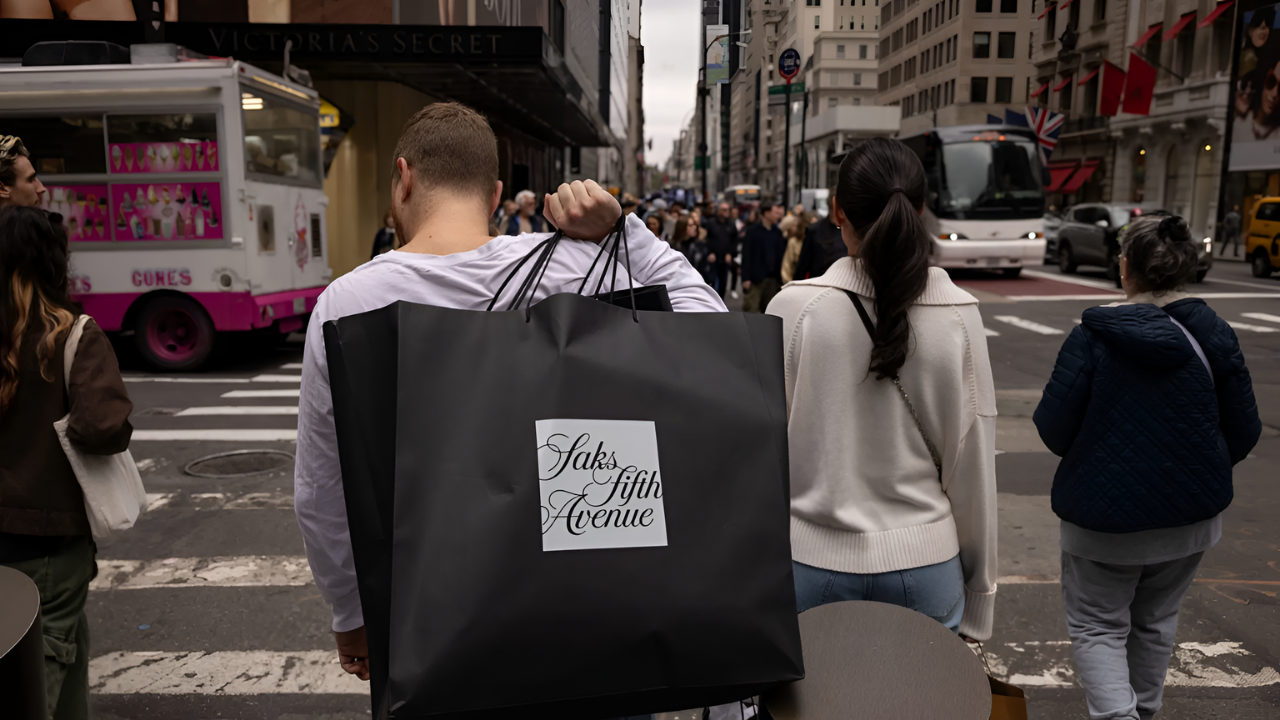
The filing landed without warning. On January 13, 2026, Saks Global entered bankruptcy court with a staggering detail buried in its paperwork: it owed Chanel $136 million.
Inside its stores, racks thinned, shipments stalled, and employees waited for answers. Outside, creditors lined up.
Nearly 17,000 workers across 160 locations were suddenly at risk—signaling that this collapse was not just financial, but systemic.
The Perfect Storm
The warning signs were everywhere. Department store sales fell 1.5% over the past year even as overall U.S. retail grew 3.3%, exposing a widening gap. Luxury brands raised prices aggressively while consumer tolerance eroded.
E-commerce and direct-to-consumer channels siphoned foot traffic. Tariffs, supply-chain friction, and shifting buyer priorities added pressure. For traditional luxury department stores, these forces converged into a crisis that scale and prestige could no longer offset.
A Century of Dominance
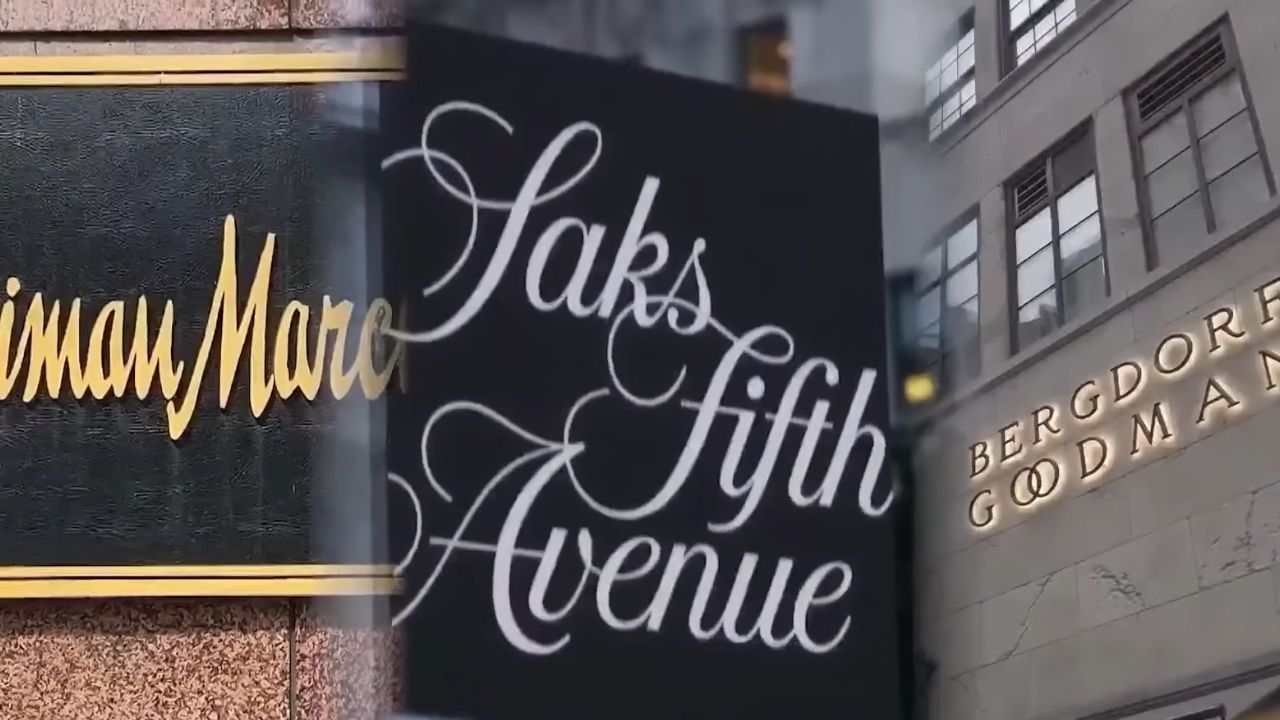
For generations, American luxury retail revolved around three names: Saks Fifth Avenue, Neiman Marcus, and Bergdorf Goodman.
Founded between 1867 and 1907, these banners shaped how wealth, fashion, and aspiration were sold in the U.S. Under Saks Global, they operated roughly 160 locations nationwide and employed about 17,000 workers—an unmatched footprint that once signaled permanence rather than vulnerability.
The Acquisition Gamble

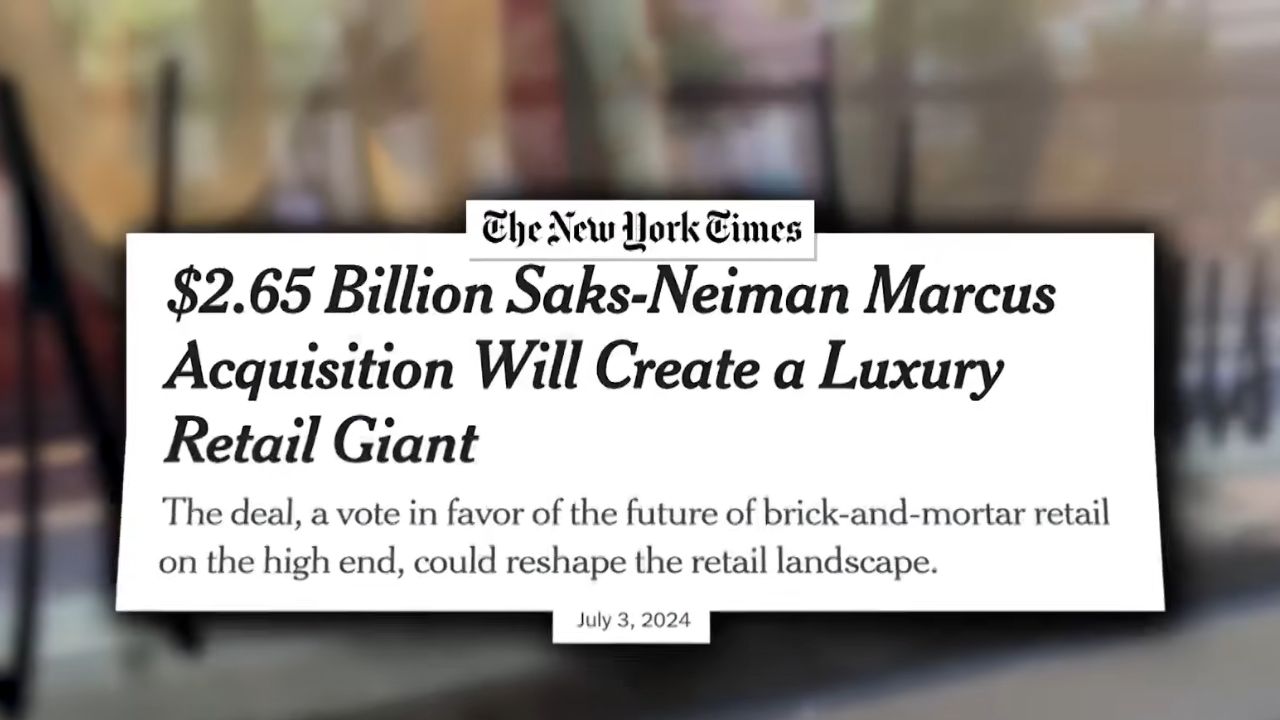
In 2024, Saks Global placed a massive bet on consolidation, acquiring Neiman Marcus for roughly $2.7 billion. The deal, funded largely through debt, was billed as a transformational move that would unlock synergies and fortify luxury retail’s future.
Instead, it immediately strained cash flow. As revenue softened and costs mounted, the acquisition became an anchor. Within months, liquidity tightened and vendor relationships began to fracture.
The Filing: January 2026
On January 13, 2026, Saks Global Enterprises LLC and more than 100 affiliated entities filed for Chapter 11 protection in U.S. bankruptcy court. The filing revealed staggering liabilities, including the $136 million owed to Chanel alone.
To keep stores operating, the company secured $1.75 billion in debtor-in-possession financing. Yet the protection came with a clock: store closures, lease terminations, and deep restructuring were now unavoidable.
Jobs on the Line
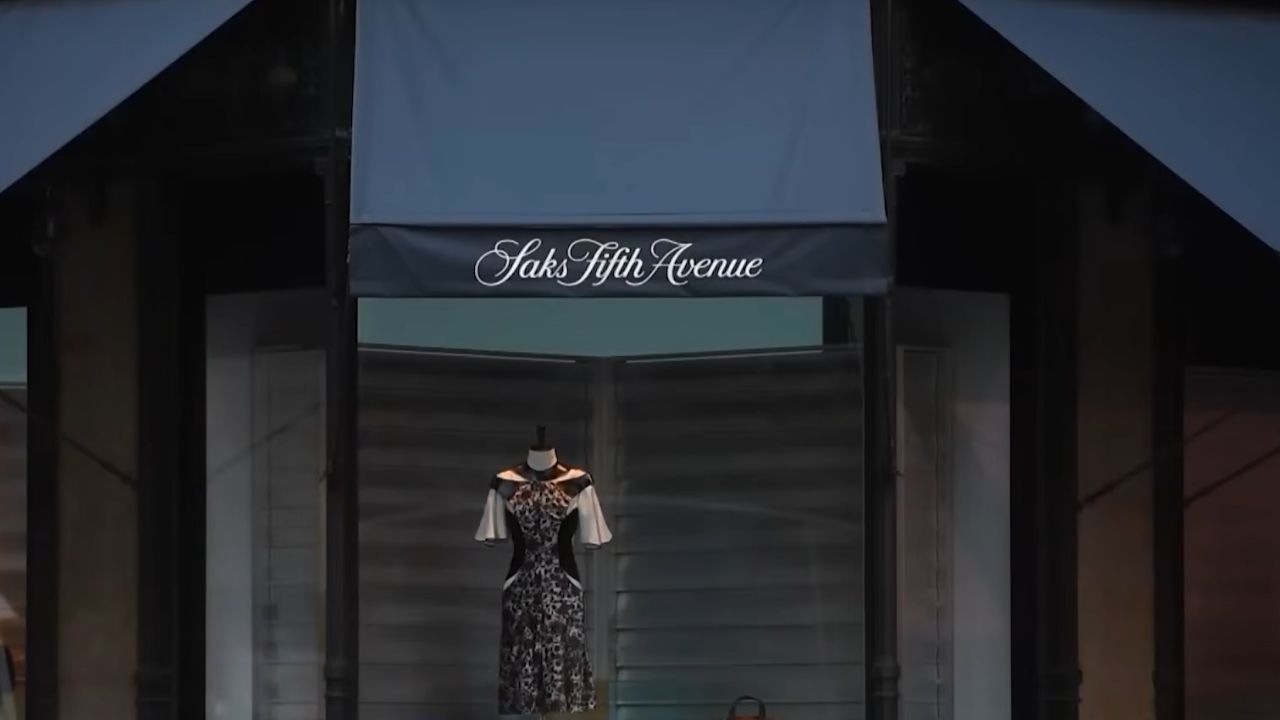
The bankruptcy placed approximately 16,830 jobs at risk—14,610 full-time and 2,220 part-time workers spread across 160 stores. Saks Fifth Avenue ran 33 full-line locations, Saks Off 5TH operated 81 outlets, and Neiman Marcus maintained 36 stores.
While leadership avoided immediate layoff figures, consolidation was expected. For thousands of employees, the filing transformed a retail slowdown into a personal crisis overnight.
The Human Cost

In cities like New York, Los Angeles, and Chicago, luxury retail workers faced sudden uncertainty. Many had built long careers mastering high-end merchandising and client service.
Store managers, sales associates, stylists, and logistics staff were left without clarity on severance, benefits, or closure timelines.
The bankruptcy offered protection for the company—but little reassurance for the people whose livelihoods depended on its survival.
The Vendor Squeeze
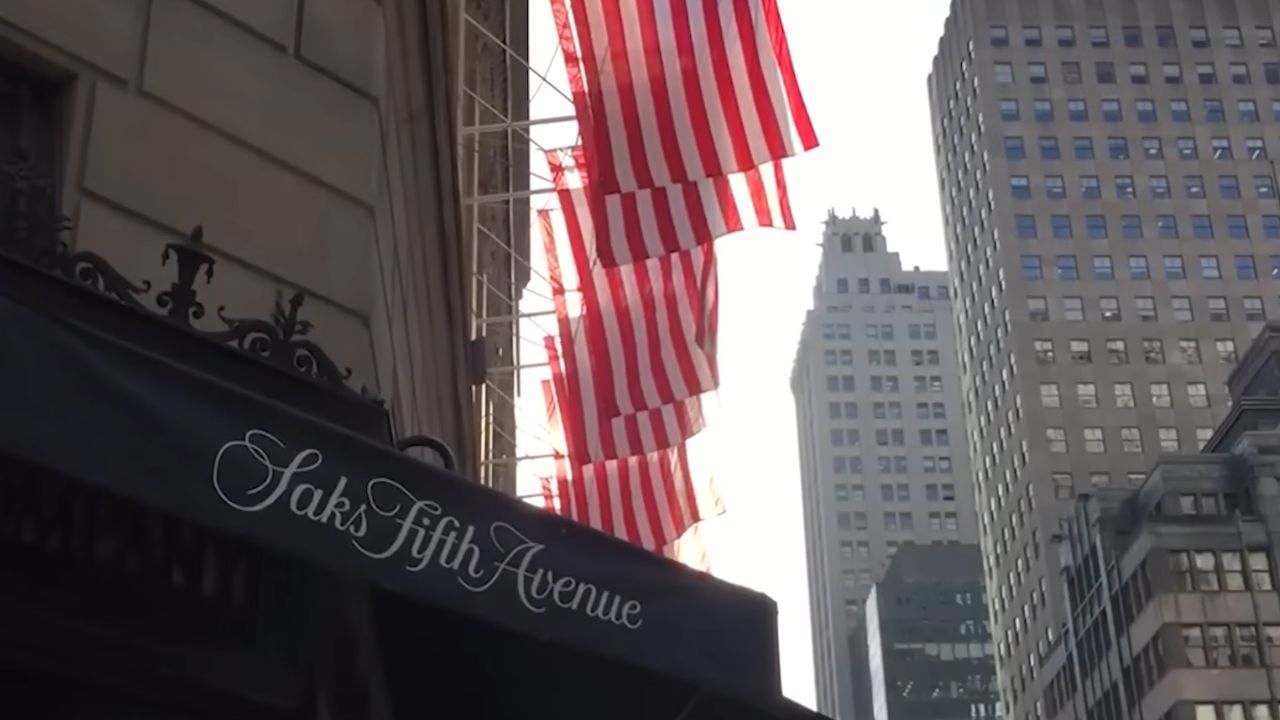
As cash dried up, suppliers stopped shipping. Luxury vendors, led by Chanel, curtailed deliveries after unpaid invoices piled up. The result was catastrophic: empty shelves drove customers away, worsening revenue shortfalls and making supplier payments even harder.
Saks Global attempted to renegotiate vendor terms to capture more sales proceeds, but the strategy backfired. Once trust evaporated, inventory simply stopped flowing.
Industry-Wide Pressure

Saks Global did not collapse in isolation. Industry surveys from McKinsey & Co. and The Business of Fashion showed nearly half of luxury executives expected conditions to worsen entering 2026.
Tariffs, geopolitical tension, and declining consumer confidence weighed heavily. Years of price hikes without proportional quality or creativity gains eroded perceived value—especially among aspirational shoppers who once fueled growth.
The Mid-Market Ascendancy
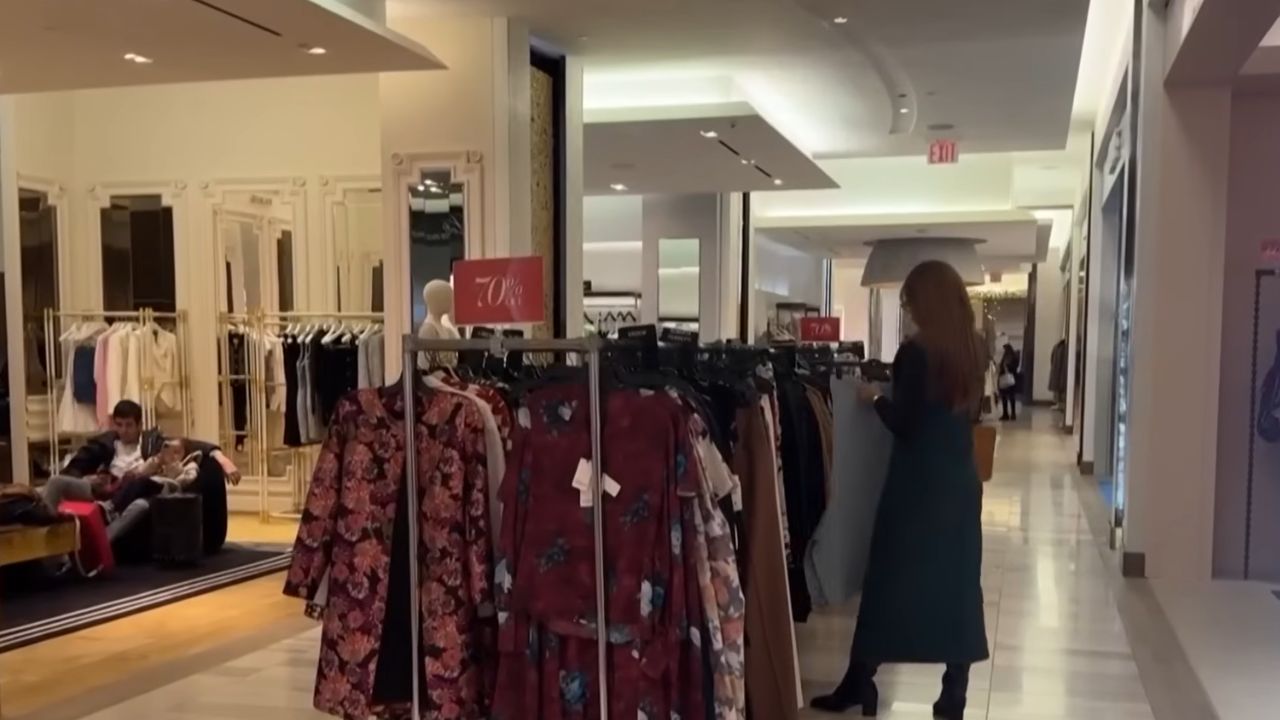
A structural shift accelerated the crisis. By 2024, mid-market brands overtook luxury as the industry’s primary value creators.
Consumers increasingly traded down to accessible luxury and premium-adjacent alternatives offering better perceived value.
Brands that invested in quality and experience at lower price points gained share. For legacy department stores built on exclusivity and scale, the customer base shrank from both ends.
Vendor Frustration and Conflict
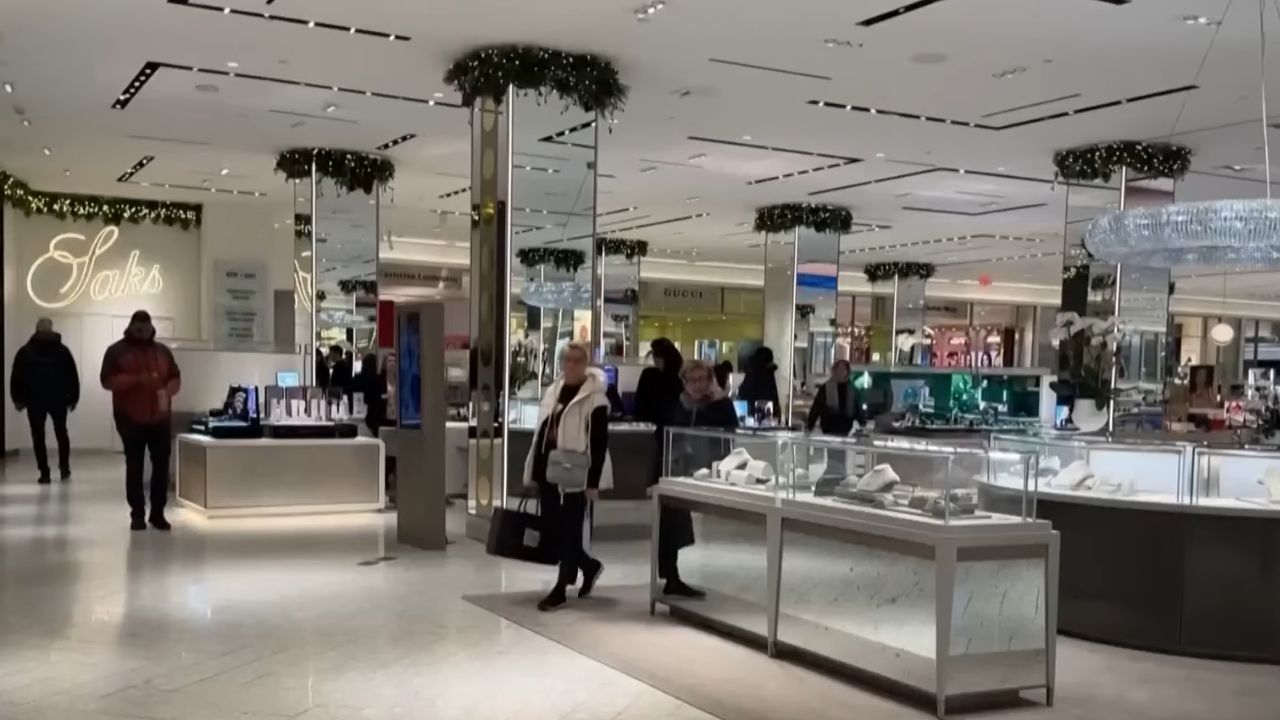
For suppliers, the decision was brutal but rational. Extend more credit to a struggling retailer—or redirect inventory elsewhere. Many chose the latter. Chanel’s $136 million exposure was only the most visible example among hundreds of creditors.
Saks Global’s push for wider margins during a cash crunch further strained relationships. In luxury retail, trust underpins distribution—and once broken, it is difficult to rebuild.
Leadership at the Brink
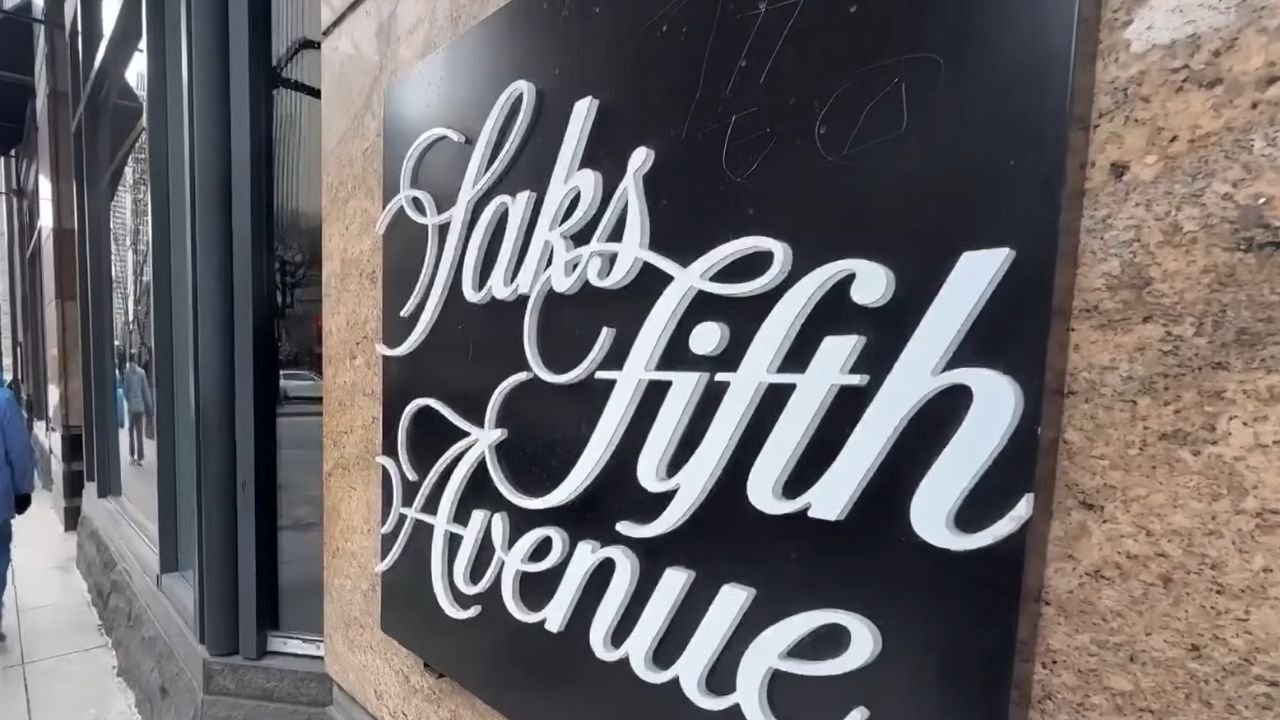
On the day of the filing, Geoffroy van Raemdonck assumed the role of CEO. He inherited $2.2 billion in debt, more than 5.5 million square feet of retail real estate, and an active inventory crisis.
His mandate was immediate and unforgiving: stabilize operations, restore supplier confidence, and convince creditors that Saks Global could emerge as a viable, restructured business rather than a liquidation case.
The Restructuring Strategy
Saks Global did not pursue an immediate asset sale. Instead, it sought to reorganize under Chapter 11 using its $1.75 billion in emergency financing. The plan centered on renegotiating vendor agreements, closing underperforming stores, and refinancing debt.
Success depended on restoring inventory flow and proving that a consolidated luxury platform could compete in a radically altered retail landscape.
Expert Skepticism
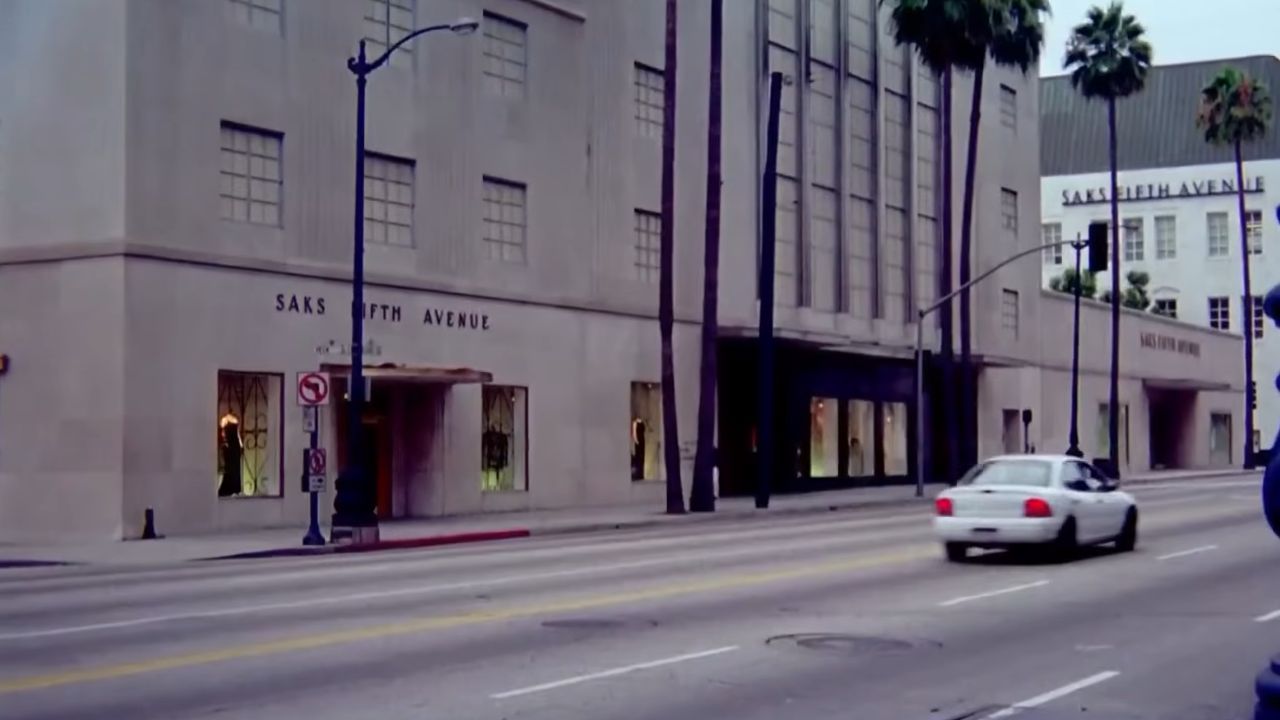
Retail analysts expressed doubt that restructuring alone would suffice. Neil Saunders of GlobalData observed that inventory stopped flowing because vendors were not paid—an issue well-run department stores rarely face.
He contrasted Saks Global’s situation with operators like Bloomingdale’s and Nordstrom, where inventory stability remains intact. The assessment was stark: Saks Global’s problems ran deeper than a temporary liquidity shock.
What Comes Next
The bankruptcy court now governs Saks Global’s future. Decisions on store closures, workforce reductions, and creditor recovery lie ahead. Vendors will watch closely for signs of payment discipline. Employees wait for clarity.
Whether Saks Global reemerges leaner—or fractures further—will shape not only its own fate but also expectations for luxury retail viability in the United States.
Policy and Tariff Pressure
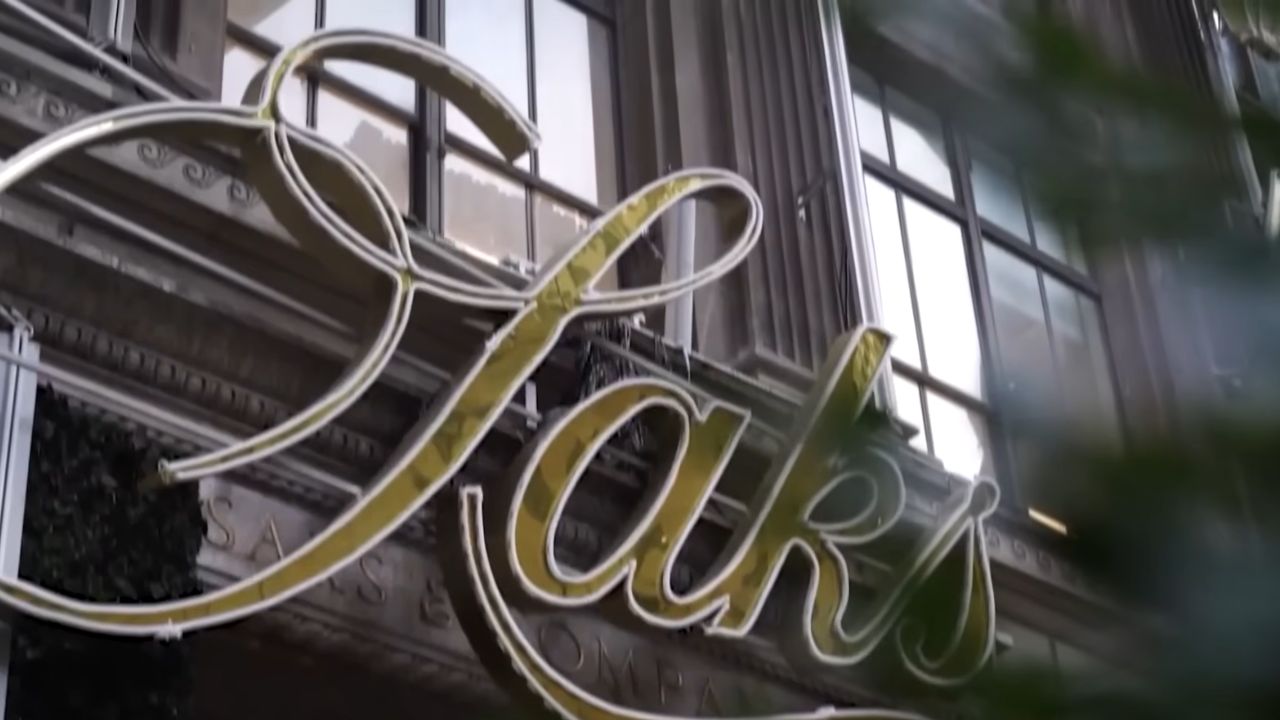
Tariffs compounded the strain. Luxury retailers faced an impossible choice: absorb higher import costs or pass them to customers already resistant to price increases. Industry leaders acknowledged that tariff absorption had limits.
For Saks Global, which relies heavily on imported designer goods, policy uncertainty added volatility at the worst possible moment, tightening margins already under siege.
Global Luxury Realignment
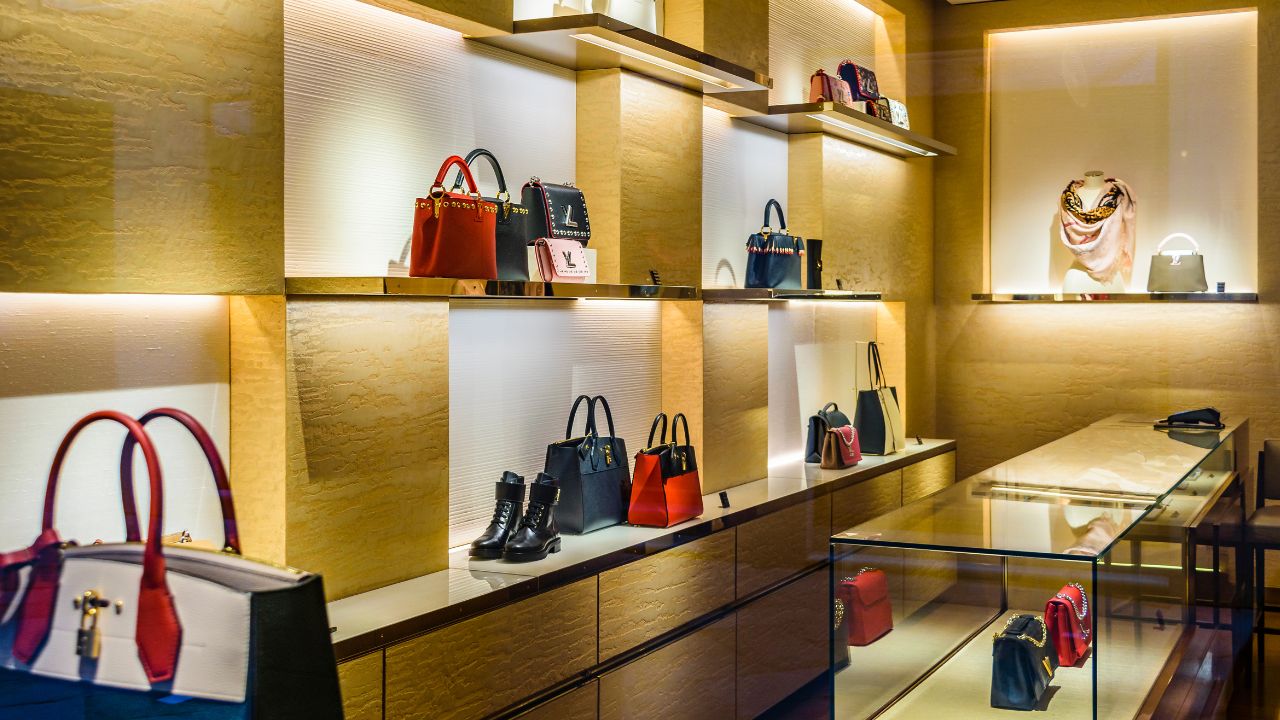
International trends amplified domestic weakness. In Asia and emerging luxury markets, consumers increasingly buy through direct-to-consumer channels, resale platforms, and regional boutiques.
Global brands now bypass department stores entirely, favoring online channels and flagship locations. Saks Global’s heavy U.S. concentration left it exposed as luxury consumption fragmented across geographies and distribution models.
Legal and Creditor Battles

The Chapter 11 filing triggered automatic stays, halting collection actions without court approval. Creditors now compete for limited value. Vendors who shipped goods shortly before the filing may seek priority status, while others face steep losses.
Disputes over critical vendor designation, preference payments, and asset valuation are expected to stretch on for months—if not years.
A Shift in Consumer Values
The collapse reflects a deeper change in what consumers value. Shoppers increasingly prioritize authenticity, usefulness, and alignment with personal values over prestige alone. Younger buyers embrace resale and rental models.
Mid-income consumers trade down. Ultra-wealthy clients persist, but the aspirational middle—the engine of department store growth—has contracted sharply, reshaping the entire retail equation.
The Broader Reckoning
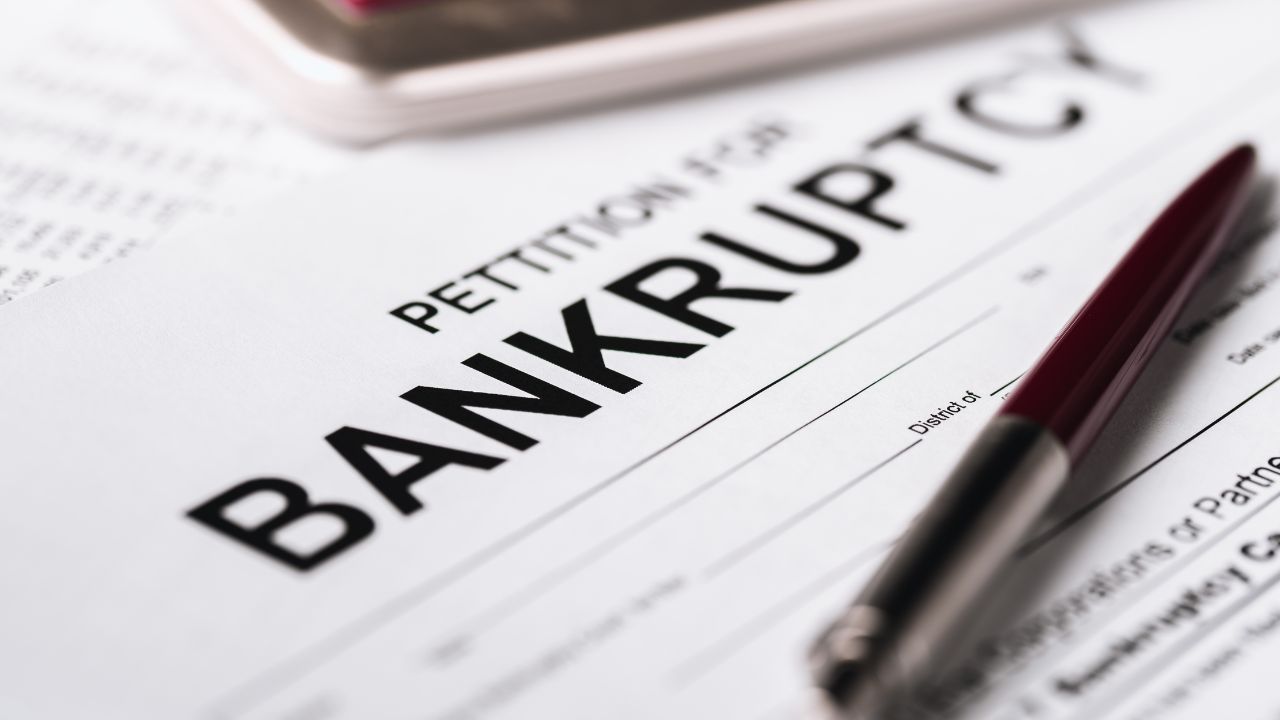
Saks Global’s bankruptcy is not an anomaly—it is a signal. A decade-long extinction wave has claimed Sears, Lord & Taylor, JCPenney, and others. Now luxury joins the list.
The old formula of scale and price escalation no longer works. Retailers must choose: serve the ultra-rich as boutiques, or rebuild around accessible luxury and value. The middle ground has disappeared—and Saks Global fell standing there.
Note: “17,000 workers” rounds court-filed 16,830 employees; “160 stores” approximates 157 locations (33 Saks Fifth Avenue, 81 Saks Off 5th, 36 Neiman Marcus, 2 Bergdorf Goodman, 5 Last Call).
Sources:
“Saks Global Files for Chapter 11 Bankruptcy in Texas Court.” The Fashion Law, 14 Jan 2026.
“What Saks Global’s Bankruptcy Filing Reveals About Its Asset Base and Creditors.” Reuters, 14 Jan 2026.
“Fashion Prepares for a Challenging Year Ahead: BoF, McKinsey.” Luxury Daily (summarizing McKinsey & Company / The Business of Fashion’s State of Fashion 2025), 16 Nov 2025.
“The State of Luxury Goods in 2025.” McKinsey & Company, 12 Jan 2025.