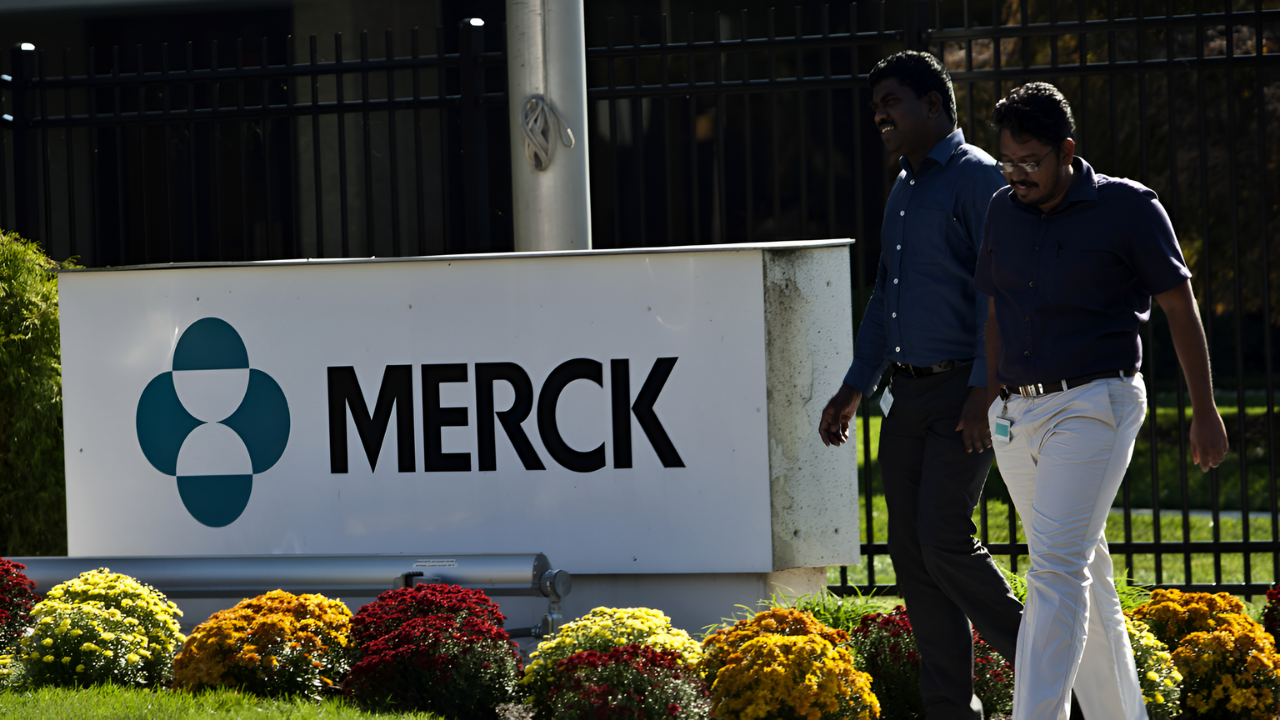
Merck & Co., a pharmaceutical company that has been around for 133 years, announced in November 2025 that it will cut 204 jobs at its headquarters in Rahway, New Jersey, by February 2026. These local job cuts are part of a larger global plan to eliminate 6,000 positions worldwide. The company says this move will help it save around $3 billion a year by 2027. It’s one of the biggest rounds of job reductions the pharmaceutical industry has seen in recent years.
Merck’s decision comes as it faces growing financial pressure. Although Merck remains highly profitable, with $5.79 billion in net income in the third quarter of 2025, the company believes cutting costs now will protect its future. This plan marks a change in how large drug companies think about stability, showing that even successful firms must adapt when their future earnings are at risk.
Financial Pressures and the Coming Patent Cliff
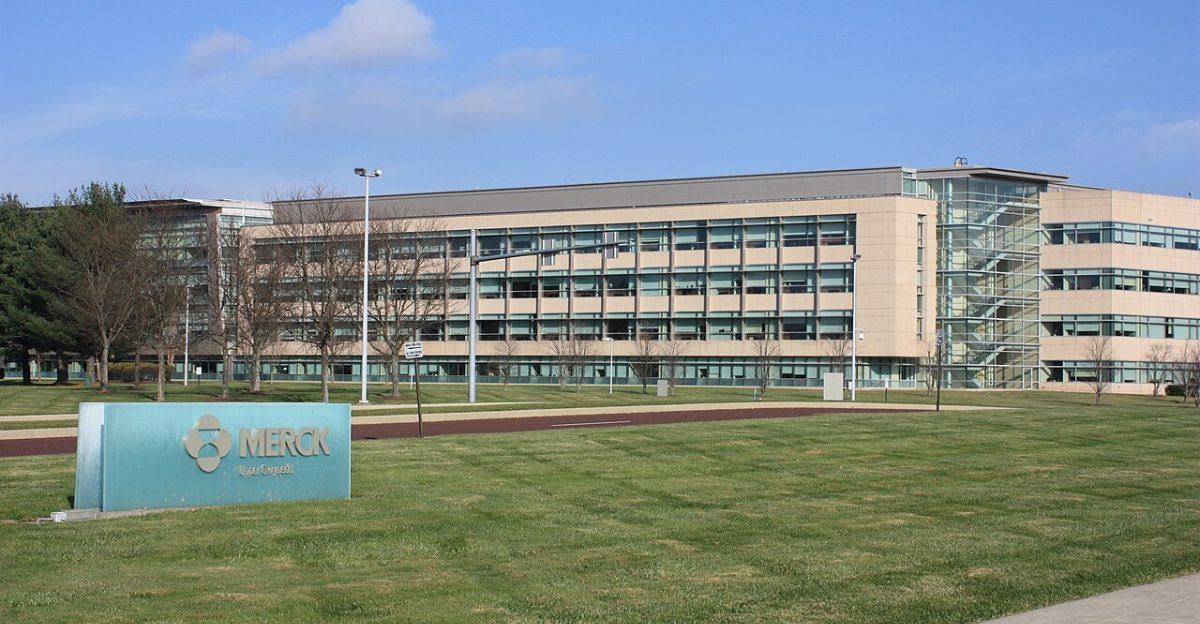
Merck’s current financial worries come from several sources. In 2025, the company spent about $200 million on tariffs due to U.S. trade policies that increased costs for materials imported from China, Canada, and Mexico. But a much bigger challenge looms ahead, the loss of patent protection for two of Merck’s most profitable products: the cancer drug Keytruda and the HPV vaccine Gardasil. Both will lose their exclusive rights in 2028, meaning other companies can produce cheaper generic versions. Merck’s CEO, Rob Davis, warned that this could cause the company to lose around $18 billion in revenue over the next five years.
This scenario, known as a “patent cliff,” threatens to reduce Merck’s future earnings sharply. By taking action now the company hopes to cushion the blow and stay strong once the generics arrive. It’s a balancing act between short-term operational pain and long-term financial health.
Restructuring and Investment in the Future

The restructuring plan extends far beyond layoffs. Merck is also reshaping its physical footprint. It has been consolidating its operations at the Rahway site, which now employs more than 6,000 people, while selling or downsizing other locations. In 2025, the company sold its former Kenilworth campus for $322 million to CoreWeave. These decisions are part of a plan to generate about $1.7 billion in annual savings by 2027 and focus more resources on high-growth projects like research pipelines and new treatments.
However, Merck is not only cutting costs, it is also spending strategically. Since 2018, the company has invested $12 billion in U.S. manufacturing, with another $9 billion planned through 2028. These moves aim to reduce the company’s reliance on international supply chains affected by tariffs and political instability. By boosting production in the United States, Merck hopes to build a more secure and efficient manufacturing network for the future.
The layoffs and facility changes, though painful in the short term, are part of a larger effort to modernize and streamline operations while focusing on innovation. The company’s leadership argues that such steps are necessary to remain competitive in a rapidly changing industry.
Broader Industry and Community Impact
The impact of Merck’s job cuts will ripple far beyond the company itself. Local businesses in Rahway, such as restaurants, cafes, and shops, expect fewer customers as employees lose their jobs. Suppliers that provide lab equipment, packaging, and consulting services to Merck also expect reduced orders. The 204 layoffs coming in 2026 follow a previous round of 58 cuts in August 2025, raising concerns about a longer-term economic blow for the region. Local governments may also see lower tax revenue if spending and business activity decline.
This pattern is not unique to Merck. Across the pharmaceutical industry, other companies are downsizing too. Moderna, Novartis, and Bristol Myers Squibb have all announced workforce reductions. Analysts expect that by the end of 2026, more than 39,000 pharmaceutical jobs will be lost worldwide. Patent expirations, higher production costs, and changes in research focus are forcing companies to tighten budgets and rethink priorities.
Merck has also been buying smaller biotechnology companies, spending over $19 billion in recent deals, $10 billion for Verona Pharma and $9.2 billion for Cidara. These acquisitions are designed to bring in new treatments and replace future losses from drugs losing exclusivity. Experts, however, are divided on whether these new ventures can generate income quickly enough to make up for what’s coming.
For employees, these changes bring uncertainty. Workers should pay attention to their rights under the WARN Act, which requires advance notice of major layoffs, and look into retraining programs offered by state and federal agencies. Local lawmakers in New Jersey are also calling on Merck to ensure fair treatment of workers and to support communities affected by the job cuts.
Meanwhile, patients and healthcare providers should stay informed about any potential changes to drug prices or availability as Merck rebalances its operations. The company’s actions are prompting renewed debate over how pharmaceutical firms should balance cost-cutting with their responsibilities to employees and patients.
As the 2028 patent cliff approaches, Merck’s decisions highlight a larger transformation across the pharmaceutical world, one defined by consolidation, reduced job security, and constant adaptation. The coming years will test whether these shifts can maintain both profit and innovation in a more competitive, unpredictable global market.