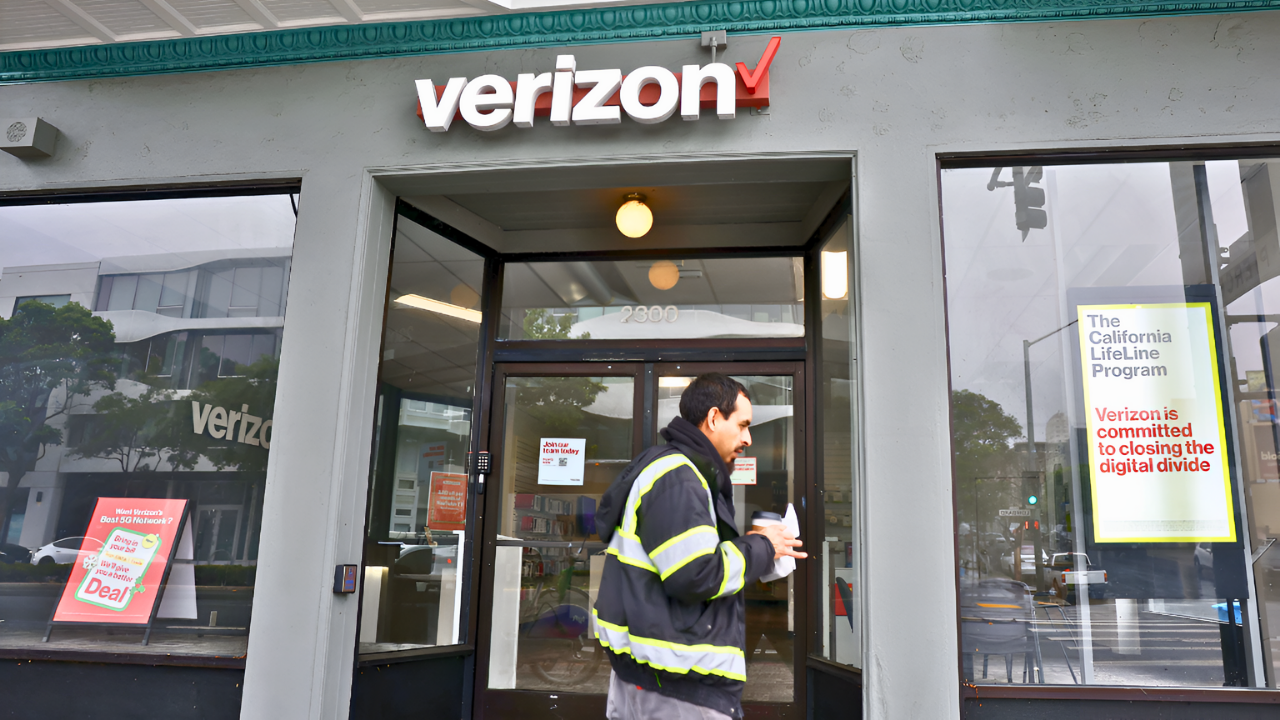
Verizon’s announcement on Thursday, November 20, 2025, hit like a bombshell. 13,000 employees, just one week before Thanksgiving, were told their jobs were gone.
CEO Dan Schulman had only been at the helm for two months, and this massive layoff—representing 13% of the workforce—was his first major decision. As the news spread, employees faced the cold reality of unemployment and uncertain futures. What did this decision mean for Verizon’s future? How did it impact the thousands of families suddenly without a paycheck?
The Root Cause: Competitive and Financial Pressures

Verizon is not immune to industry shifts. In Q3 2025, it lost 7,000 postpaid customers, while competitors like T-Mobile and AT&T gained market share. Schulman acknowledged that Verizon’s reliance on price hikes for financial growth had hit a ceiling.
To remain competitive, Verizon aims to cut $1 billion in annual costs, primarily through workforce reductions and increased reliance on AI automation.
A Brutal Timing: Thanksgiving Impact

With the holidays just around the corner, these cuts couldn’t have come at a worse time. Over 13,000 families are facing an uncertain future as they cope with sudden unemployment.
For many, this will mean scrambling for unemployment benefits, adjusting healthcare coverage, and rethinking holiday plans. The emotional toll of layoffs, especially so close to Thanksgiving, is significant for the affected workers.
The $20 Million Reskilling Fund: A Mixed Blessing
In a bid to soften the blow, Verizon has introduced a $20 million reskilling and career transition fund. However, with about 13,000 laid-off workers, this equates to just $1,538 per worker.
While Verizon is one of the first companies to offer AI-focused retraining, critics argue that this fund is a mere fraction of the $1 billion in savings the company anticipates from the cuts.
Non-Union vs. Union Workers: A Stark Divide
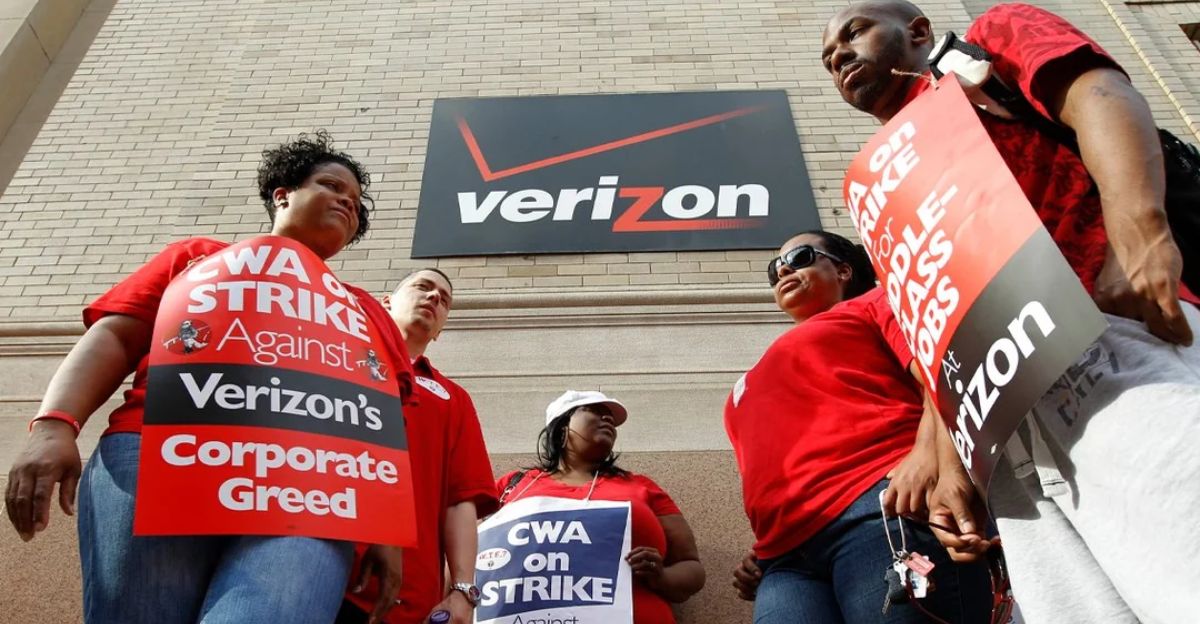
A major portion of Verizon’s layoffs affected its non-union management—around 20% of its 70,000 non-union employees.
Conversely, union workers, who number roughly 29,600, were spared from these cuts. This divide raises questions about the fairness of corporate decisions and the protection offered by labor unions in times of crisis.
Investor Reactions: Stock Price Up, But at What Cost?

Following the layoff announcement, Verizon’s stock price saw a 1.7% increase, a positive signal for investors anticipating the company’s cost-saving measures.
However, this response highlights a growing trend where corporate layoffs are sometimes viewed positively in terms of short-term profit—but it’s the human cost that remains hidden behind the numbers.
AI Automation: The Driving Force Behind Layoffs
As part of its restructuring, Verizon is rapidly adopting AI technologies, particularly in customer service, network operations, and marketing.
This shift reflects a larger industry-wide trend of AI-driven job automation, which analysts predict will disrupt millions of jobs across various sectors in the coming years. The Verizon layoffs represent the beginning of a broader transformation that’s already reshaping the workforce.
Part of a Broader Layoff Wave

Verizon’s massive layoffs are just one piece of a much larger trend. In October 2025, 150,000+ U.S. workers were laid off, marking the highest number of job cuts in a single month in over 20 years.
Other major companies like Amazon, Microsoft, and Target have also announced significant workforce reductions, signaling that layoffs are becoming a norm rather than an exception in today’s corporate landscape.
How Verizon’s Cuts Will Impact Consumer Spending
With 13,000 workers losing their jobs, many of them earning an average salary of $77,000, the reduction in income could have a ripple effect on the economy.
Consumer spending—a critical driver of the economy—could drop by up to $1 billion, as these affected workers will likely reduce discretionary spending, which may hurt local businesses, restaurants, and retailers.
The Healthcare Coverage Dilemma

When Verizon employees lose their jobs, they also lose their employer-sponsored healthcare. While COBRA continuation coverage is available, it comes at a steep cost.
The average cost for a family plan under COBRA in 2025 could exceed $10,000 per year, a burden many laid-off employees can’t afford. This health insurance gap can leave workers vulnerable, both financially and medically.
Competitors Eye Verizon’s Customers
Verizon’s staffing reductions and restructuring present opportunities for its competitors. With T-Mobile gaining over 1 million postpaid customers and AT&T adding 405,000 in Q3 2025, Verizon may face increased challenges in retaining customers during this transition period.
Customer service is expected to be strained, potentially driving current and new customers toward rival carriers offering more consistent experiences.
Office Space Demand Set to Fall

As Verizon cuts its workforce and reduces office-based operations, the commercial real estate market could take a hit. The national office vacancy rate was already 20.6% in Q2 2025, and Verizon’s layoffs could push it even higher.
This could result in less demand for office space, contributing to declining property values and impacting local economies that rely on office tenants.
Supplier and Contractor Effects
Verizon’s restructuring not only affects its direct employees but also impacts its suppliers and contractors. By cutting back on external vendor expenses, Verizon’s smaller workforce will have a ripple effect on the companies providing Verizon with goods and services.
This will create financial stress for smaller businesses that depend on Verizon’s contracts.
What Affected Workers Should Do Next

For those laid off, it’s crucial to take immediate steps: file for unemployment, review severance packages, and explore healthcare options.
Verizon’s reskilling fund may help with transitioning into new roles, but it’s important to also engage in networking and job searches. Older or disabled workers may face additional challenges in the job market, making proactive career management critical.
The Bigger Picture: Is This the Future of Work?
Verizon’s layoffs are a stark reminder of the rapid changes happening in the workforce, driven by AI automation and corporate restructuring.
As more companies follow suit, job security is becoming increasingly rare—even in sectors once considered stable. The rise of AI-driven job automation is set to continue, with lasting implications for both workers and the economy.