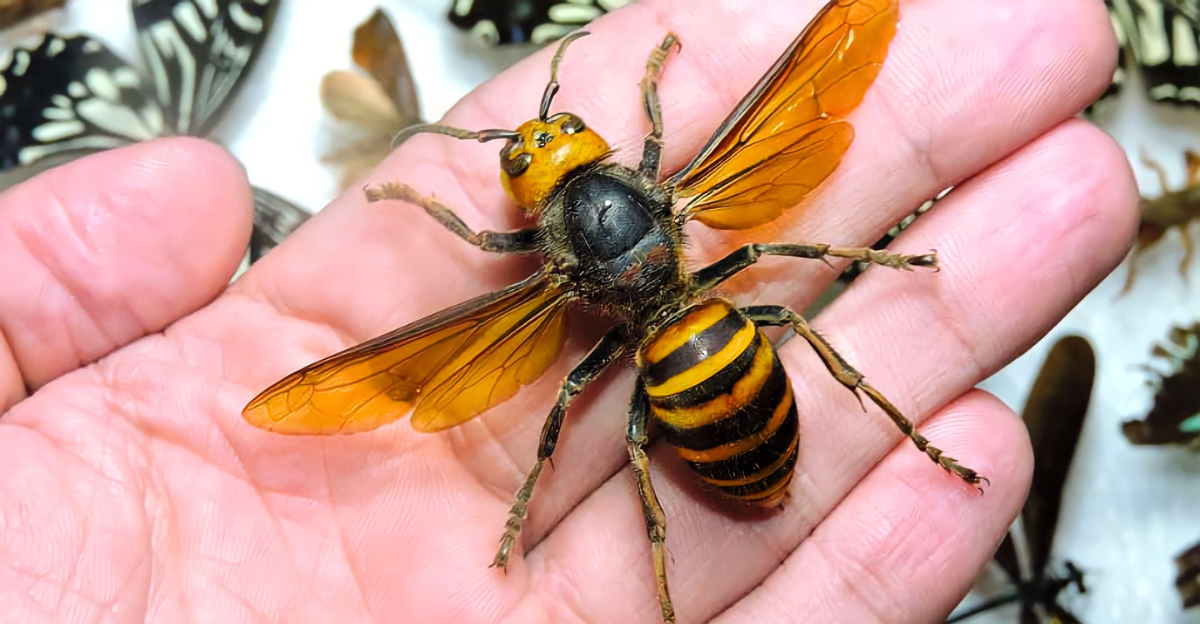
In 2025, hospital emergency rooms across North America reported a significant increase in insect sting and bite cases. This worrying trend has prompted doctors and public health agencies to brace for potentially severe allergic reactions and outbreaks of diseases.
The headlines serve as a wake-up call, revealing that at least 13 insect species, including mosquitoes and fire ants, are threatening both urban and rural settings alike. As John, a concerned parent from Texas, shared, “Every summer, I dread finding bite marks on my kids, but it feels like the risks keep rising.” This growing concern underlines the urgency of addressing the insect population’s expansion.
Understanding Rising Threats
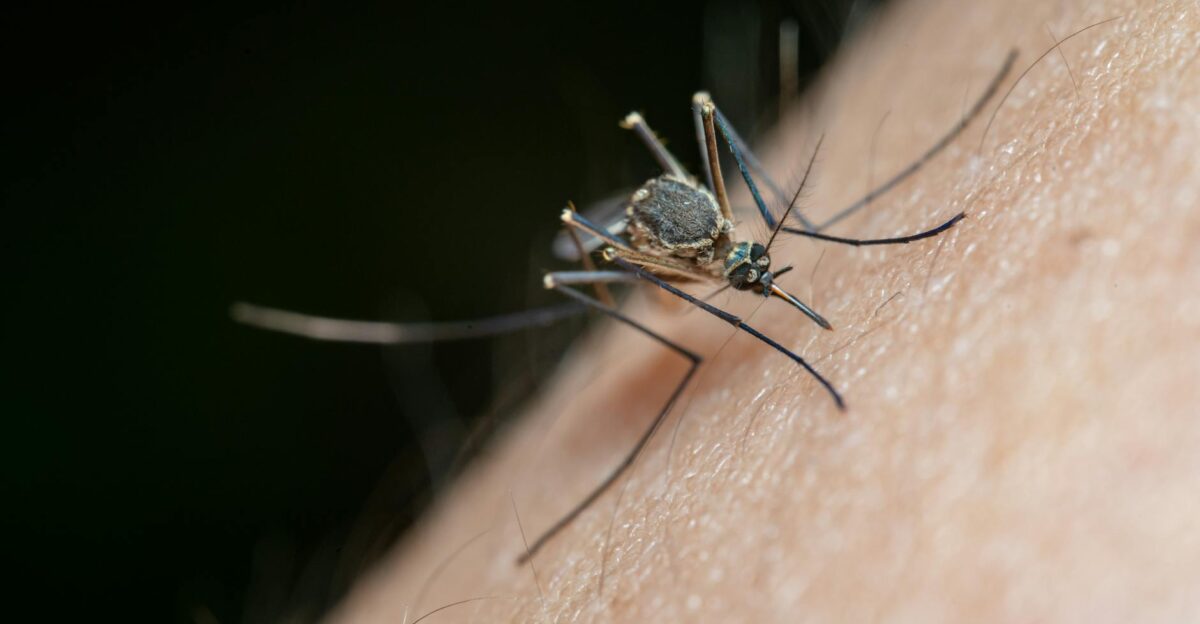
The current year has seen entomologists document a significant surge in the populations of North America’s most hazardous insects: fire ants, mosquitoes, and Asian needle ants. These species are infiltrating regions previously deemed safe. Climate change and urbanization drive these shifts, creating new ecosystems where these pests thrive.
“It’s unsettling to see how these insects are adapting and moving into our neighborhoods,” notes Maria, an urban gardener from Ohio. She fears for her plants and her family’s health. As these conditions encourage the proliferation of danger, individuals and communities must reassess their readiness to confront this evolving threat.
Historical Overview of Invasive Species
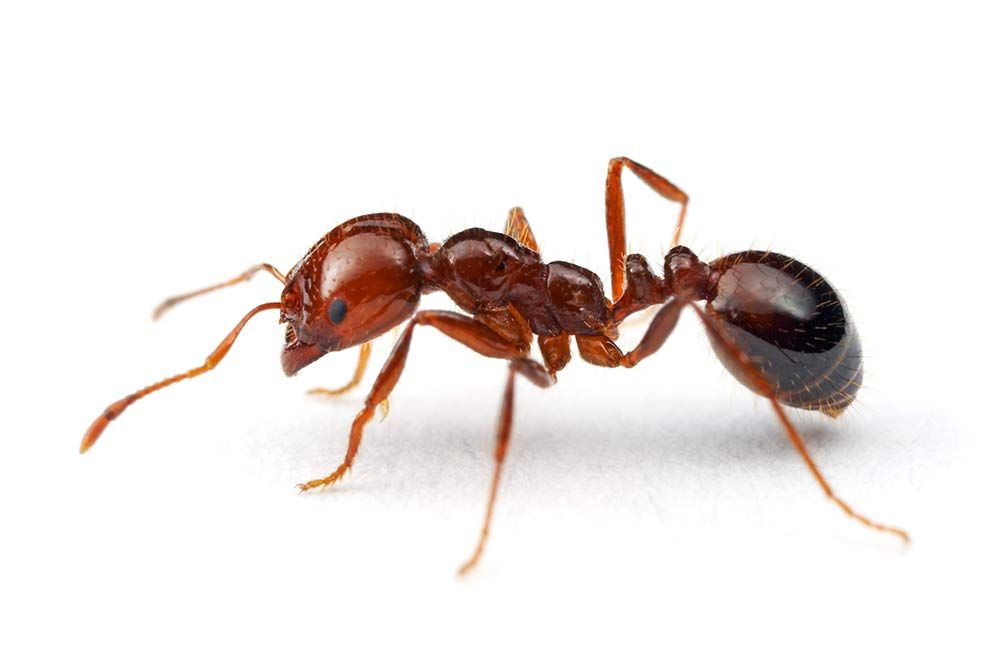
Fire ants first entered the southern United States in the 1930s, while killer bees arrived in Texas during the 1990s, igniting concerns over their impact on local wildlife and human health. Now, Asian needle ants, recent arrivals, are rapidly expanding into the Midwest and Pacific Northwest. These invasions shift local health policies and compel communities to adapt.
Local farmer Greg reflects, “When fire ants first appeared, it felt like a joke. Now it’s a serious threat to our livestock.” Communities are grappling with how to manage pests that disrupt their way of life as they adapt to these new realities.
Ecosystem Pressures and Changes
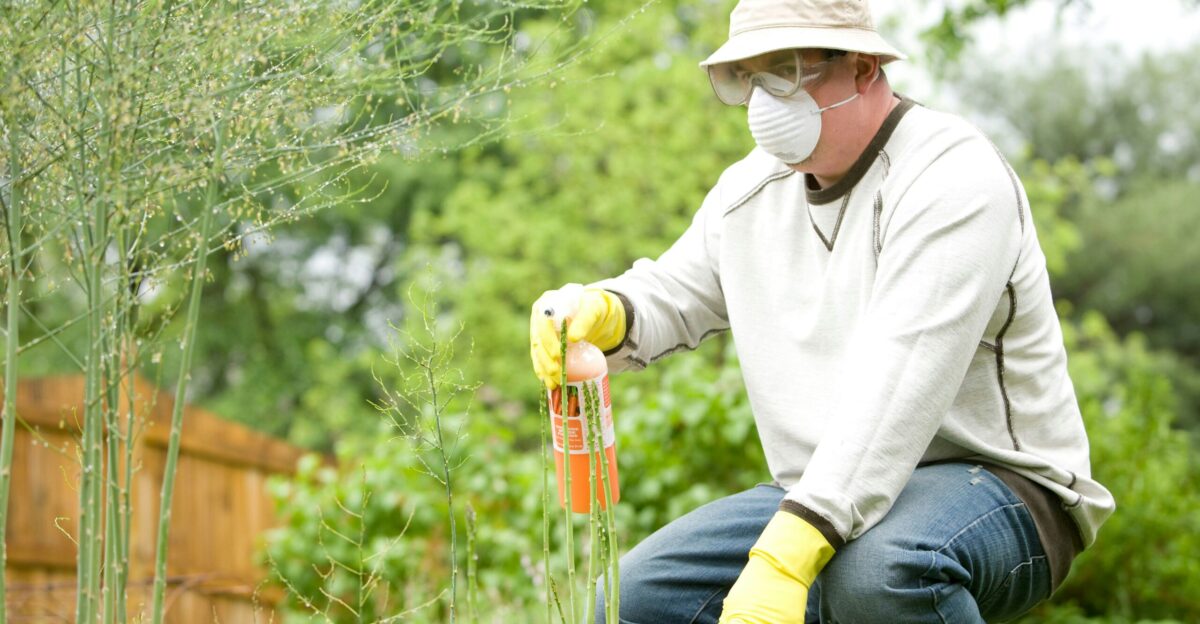
North America’s ecosystems face increased stress from warmer summers, wetter winters, and urban development. Entomologists warn that these changes create more viable habitats for venomous and disease-carrying insects. “The creeping risk of infestations is real,” says scientist Dr. Laura Peters, who studies ecosystem health.
She describes how these pressures endanger human health and threaten native biodiversity. Pest control professionals must escalate their efforts to combat an evolving enemy. As our environments transform, so does the urgency for communities to respond collaboratively, equipped with knowledge and resources to tackle these pest threats head-on.
The Expanding Menace
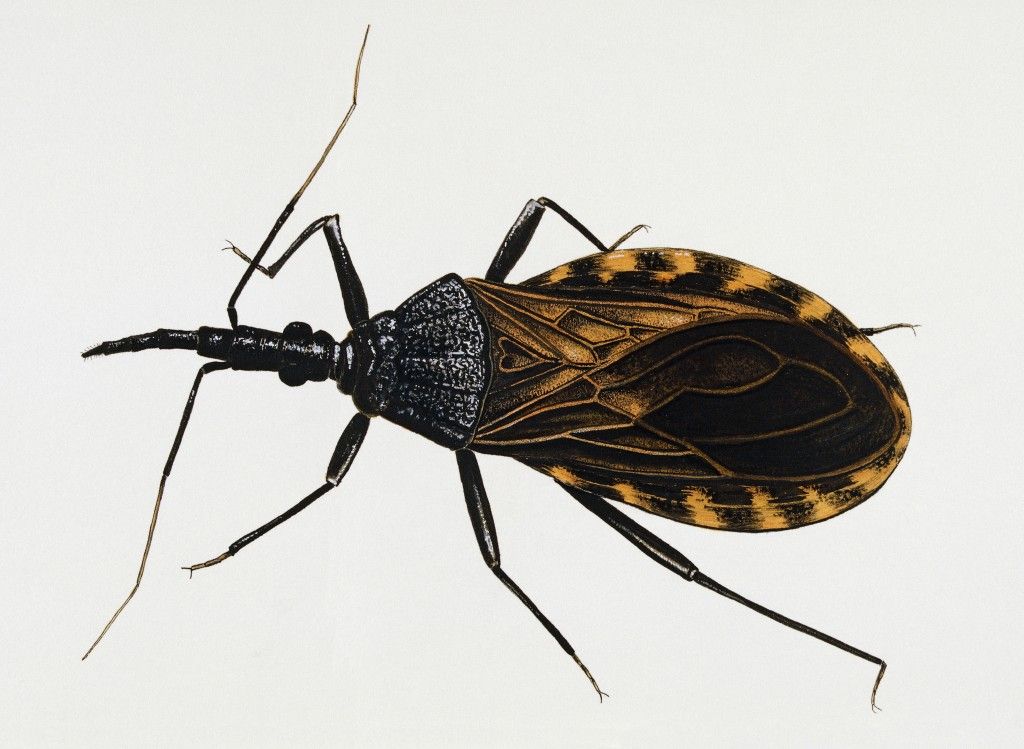
Between 2023 and 2025, more than 13 dangerous insect species, ranging from Asian needle ants to kissing bugs, spread across at least 19 states. These invasions have led to multiple cases of severe allergic reactions and disease outbreaks in populations that had little prior exposure. “It’s alarming how quickly these insects are establishing themselves,” notes Dr. Alan Grant, a public health official.
Lab analyses reveal the extent of this spread, raising urgent public health alerts. This situation emphasizes the need for comprehensive strategies to monitor and combat the encroachment of these pests into new territories, safeguarding community health and well-being.
Regional Fallout of Disease
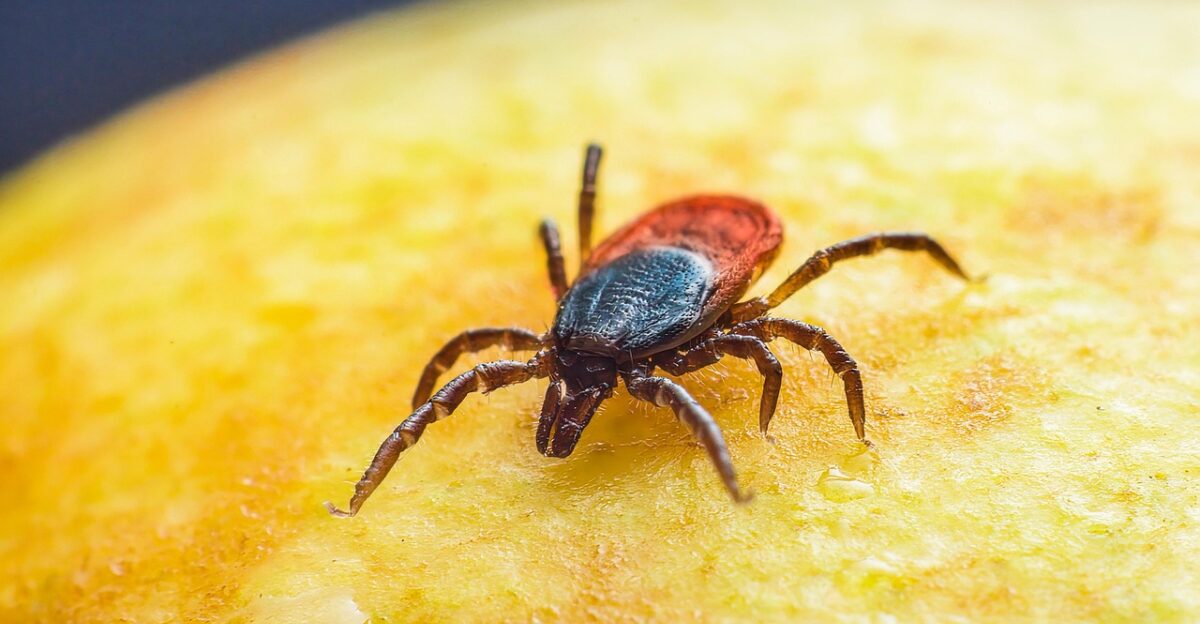
In regions like Florida, Texas, and Ohio, incidents of West Nile, Zika, Lyme disease, and Chagas disease are skyrocketing, fueled by mosquito, tick, and kissing bug exposure. Emergency response teams have swiftly issued warnings targeting newly affected counties, urging residents to take preventive actions.
Sarah, a mother in Florida, recounted, “After my son contracted Lyme disease, I can’t stress enough how important these warnings are.” Her experience underscores the need for immediate action and education about these risks. As the public becomes more aware, mobilizing local resources and disseminating information becomes critical to effectively tackling these public health challenges.
The Human Cost of Insect Stings
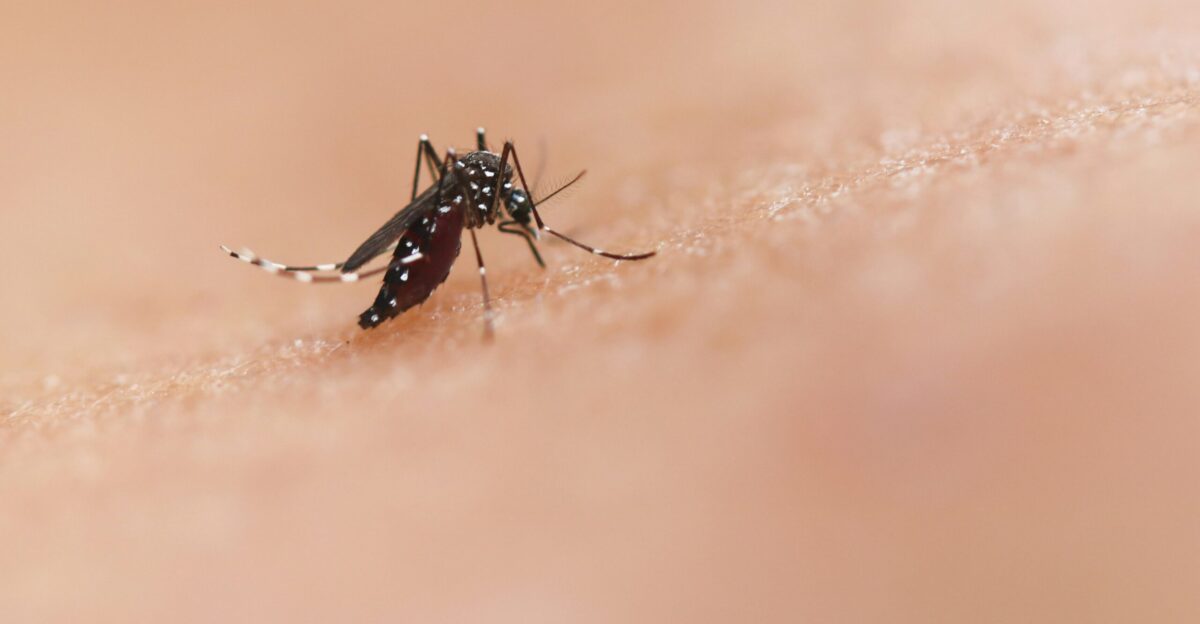
Entomologist Daniel Suiter from the University of Georgia warns, “We’re probably just seeing the tip of the iceberg.” As insect bites lead to life-threatening anaphylaxis, there are growing numbers of hospitalizations, particularly among vulnerable patients, due to fire ant and needle ant stings. Pediatricians are increasingly seeing cases that alarm them.
“These stings can be severe, and we need more awareness and preparation,” noted Dr. Emily Carter, a pediatrician in Texas. The stakes have never been higher; the pressure to educate the public about prevention and response steps is more crucial than ever for ensuring community safety.
Regulatory Response and Initiatives
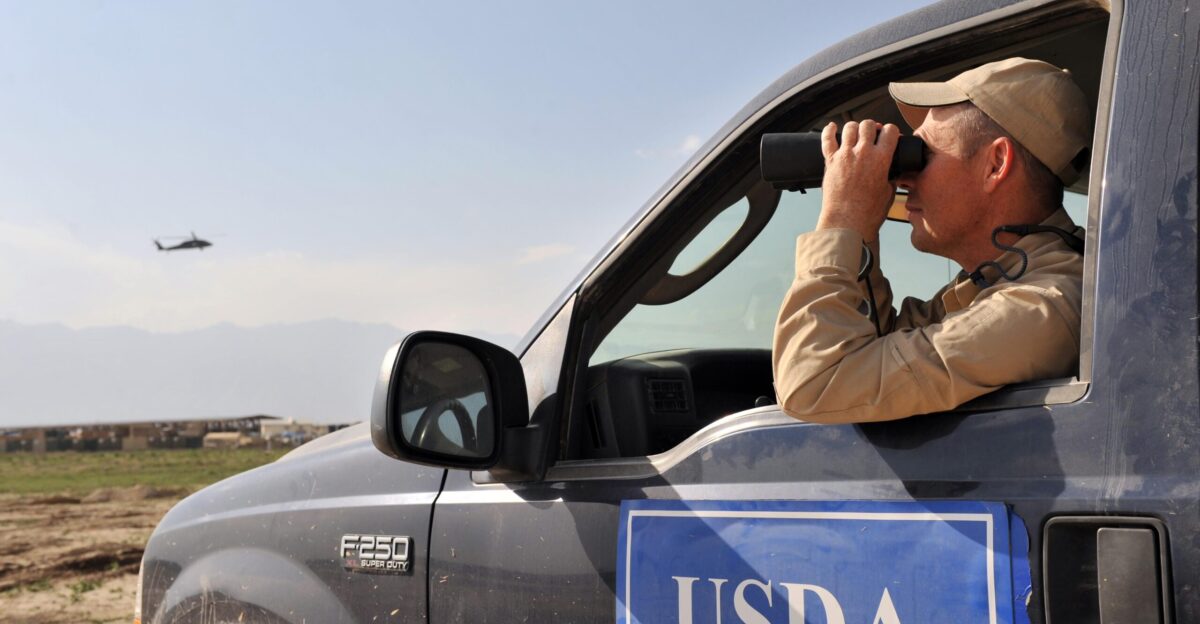
Given these mounting challenges, agencies like the USDA’s Animal and Plant Health Inspection Service (APHIS) and respective state agricultural departments have ramped up funding for vector surveillance and public education initiatives.
Local governments are now issuing pest alerts that include detailed geographic information, making residents aware of the new risks infiltrating areas like California and the Southeast. “It’s imperative that we stay ahead of these pests,” emphasizes Elaine, a local government official. With community engagement and timely information, residents can better prepare for the threats posed by these invasive insect species.
Macro Trends in Invasive Species
Recent tracking confirms broader patterns: invasive insects move north and west, breaching previously inhospitable climates. Diseases carried by mosquitoes have been detected as far as Minnesota, while killer bees have made their first appearance in Oregon this year. “As a beekeeper, it’s fascinating yet disturbing to see their spread,” remarks Tom, a local beekeeper.
These developments stretch existing resources and require a united response across states. States must collaborate and bolster their protective measures to combat the rising tide of invasive species, ensuring ecosystems can withstand the pressures they face.
Arrival of the Asian Needle Ant
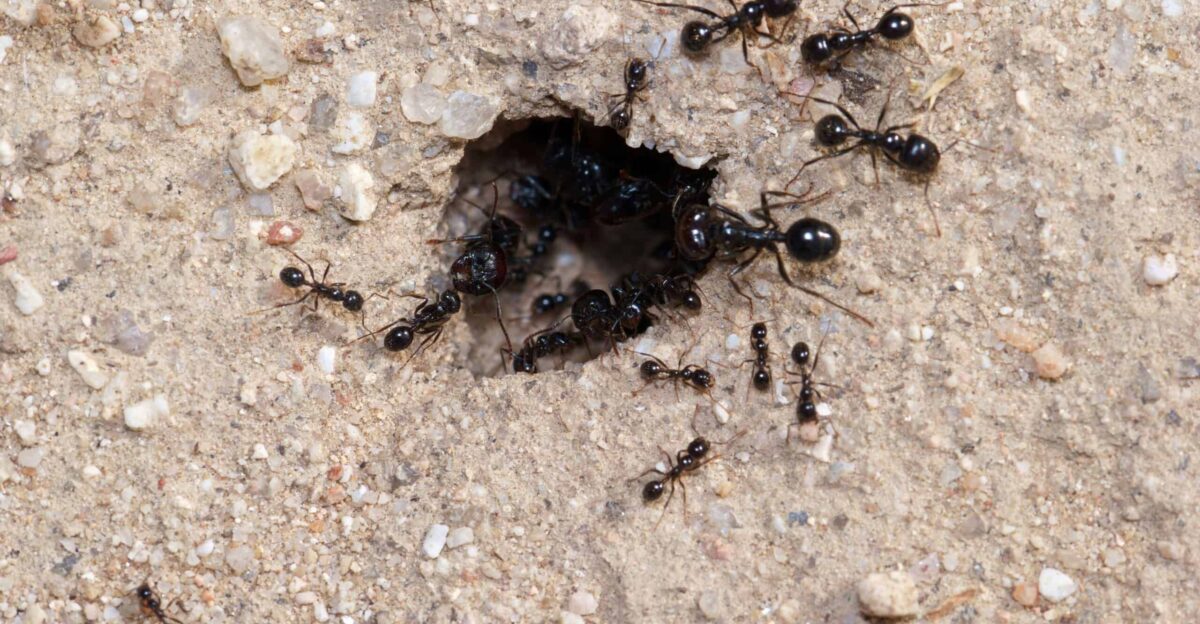
The Asian needle ant, once confined to select southern states, has now firmly established itself in places like Ohio and Washington. Severe allergic reactions associated with this ant species have been recorded in at least 19 states between 2022 and 2025. Its rapid expansion highlights vulnerabilities within local biodiversity and pest management strategies.
“At first, I thought it was just another pest. I’m genuinely concerned about its effects on my family,” states Rachel, an Ohio resident. This alarming trend reinforces a pressing need for vigilant monitoring and community-based responses to mitigate risks posed by this invasive species.
Frustrations Among Pest Control Professionals
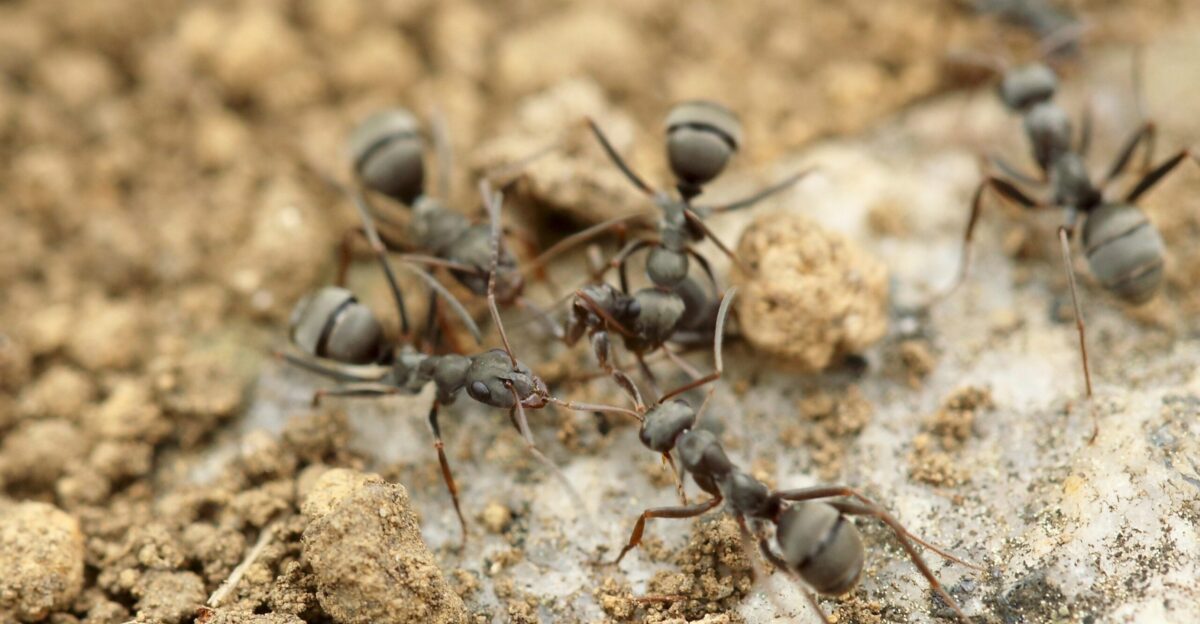
Local pest control professionals express growing frustration in their battle against new outbreaks linked to invasive insects. “We’re encountering species that were previously unknown to us,” explains Eric, a pest control operator in Texas. He describes the strain caused by the urgent need for additional equipment and training.
Regions afflicted by these invasions struggle to assemble enough response teams to address escalating threats. As these incidents reveal the challenges of keeping pace with invasive insects, there’s an urgent call for enhanced support and coordination within the pest control industry to protect communities effectively.
New Leadership in Vector Management

To address the rising insect-related challenges, many municipalities are appointing dedicated vector management officers for the first time. These appointed officials lead task forces focused on surveillance, outreach, and rapid response. They collaborate with local schools, senior centers, and healthcare clinics to develop strategies for containing outbreaks.
“It’s about community awareness and readiness,” advocates Laura, a newly appointed vector manager. This proactive approach aims to streamline control efforts and empower residents with knowledge. As municipalities adapt to escalating threats, the appointment of these leaders signifies a commitment to protecting public health and safety.
Strategic Community Engagement Plans

State health and agriculture departments have launched targeted campaigns encouraging residents to document suspicious insect sightings and reinforce home barriers against pests. These community initiatives primarily focus on vulnerable groups like young children and seniors by distributing educational materials alongside low-cost prevention kits.
“I appreciate the effort to keep our neighborhoods safe,” says Linda, a local senior citizen. She highlights the importance of preventative education and community involvement. By working together, communities can enhance their resilience against the rising insect threats, fostering a culture of preparedness.
Expert Outlook on Invasive Species
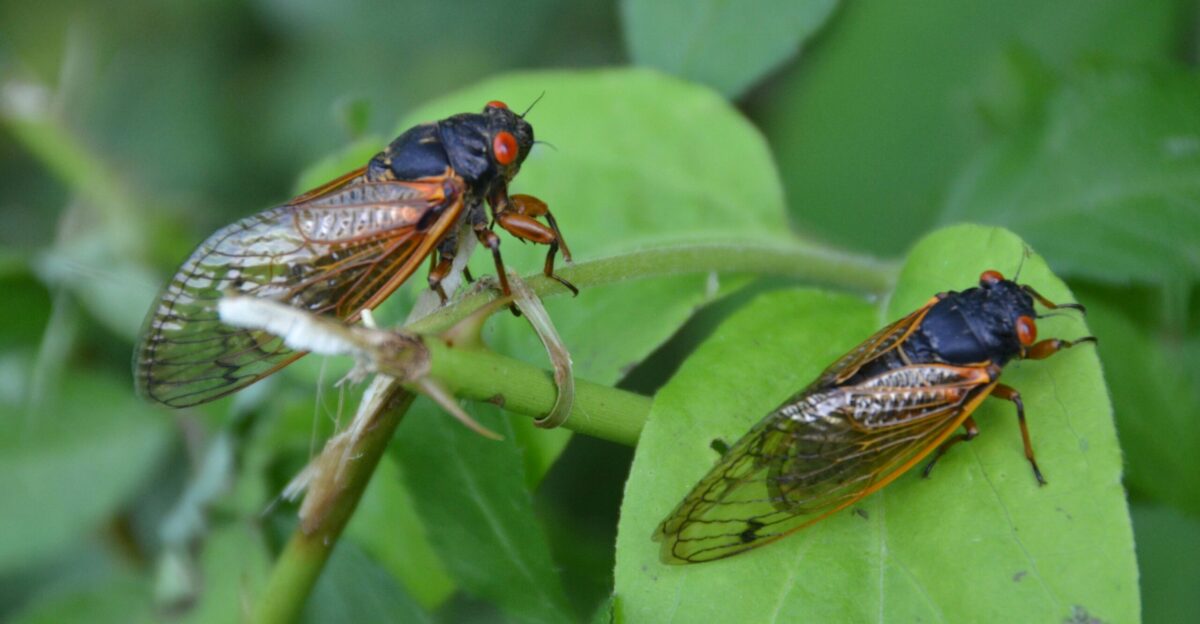
Despite growing awareness and proactive measures, some entomologists remain skeptical about the possibility of comprehensively winning the battle against invasive insects. “Without a significant climate reversal, range expansion will continue,” warns CDC advisor Dr. Emil.
The future remains uncertain, and the combined impact of climate change and invasive species threatens to reshape ecosystems and public health landscapes. Ongoing research and collaboration are critical to future prevention and containment efforts. As we face these multifaceted challenges, we must prioritize adaptability and resilience in our strategies to safeguard communities.
Collaborative Research Efforts

In response to these challenges, various universities and research institutions are increasing collaboration with public health agencies to study insect behavior and disease transmission. This cross-disciplinary approach aims to provide critical data to inform policy and pest management strategies.
“Our research will help identify high-risk areas and improve detection methods,” says Dr. Emily Roberts, an entomologist engaged in these efforts. By leveraging academic expertise and public health support, communities can enhance their ability to respond effectively to emerging insect threats while keeping residents safe from potential health risks.
Public Health Messaging and Education
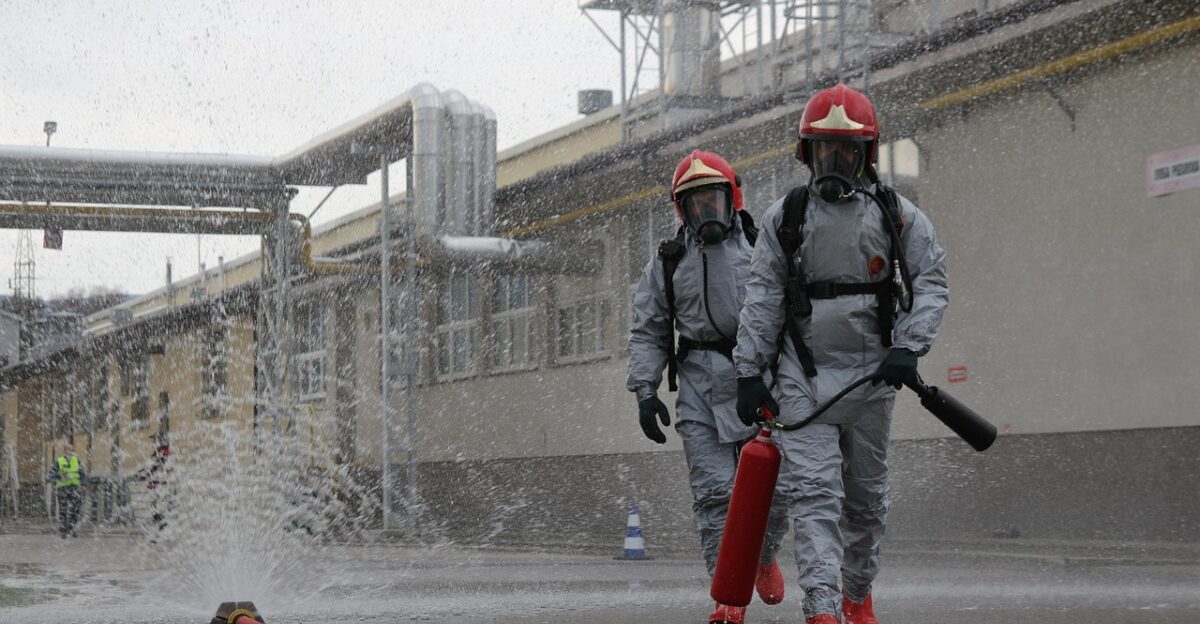
Enhancing public health messaging is crucial during this evolving insect crisis. Health departments across states are launching campaigns to educate residents on identifying risks and reducing exposure. “I’ve never seen such a concentrated effort to inform the public,” notes Sarah, a health educator in Florida.
Workshops, flyers, and digital campaigns aim to raise awareness about preventive measures and prompt individuals to take action. Community engagement practices ensure that residents understand their role in mitigating these risks and promoting collective resilience against invasive species.
Innovative Pest Control Technologies
Moreover, advancements in pest control technologies are providing new tools for communities grappling with rising insect threats. “We’re creating smarter traps and targeted insecticides,” explains Mark, a pest control researcher focused on sustainable solutions.
These innovations enable more effective monitoring and control of invasive species while reducing environmental impact. Integrating technology into pest management strategies is a beacon of hope in the ongoing battle against insect invasions. With better tools, communities can more effectively navigate the complexities of pest control and protect public health.
Community Resilience and Preparedness Training

As communities face these upheavals, emphasizing resilience is paramount. Training initiatives on preparedness empower residents to take proactive steps against insect threats. “By collaborating with local leaders and organizations, we’re building a stronger community,” states Rebecca, a community organizer coordinating training workshops.
These programs equip individuals with the skills to identify and report invasive species, understand prevention measures, and respond accordingly. As communities unite in their efforts, building resilience becomes a shared responsibility, fostering a sense of solidarity that transcends individual challenges.
National Policy Implications

The rise of insect-related challenges raises significant implications for national policy that cannot be overlooked. Comprehensive pest management strategies must be incorporated at the federal, state, and local levels. “Policymakers need to recognize the urgency of this issue,” warns Senator James, who advocates for increased funding for vector control programs.
Sound policies can make a difference in our collective effort to protect vulnerable populations and local ecosystems. By prioritizing research and resource allocation, the path to effective action against invasive insects becomes clearer, benefiting current populations and future generations.
A Call for Vigilance

The journey into understanding the expanding threat of invasive insects calls for sustained vigilance from communities, public health officials, and policymakers alike. As entomologist Daniel Suiter emphasized, the growing presence of dangerous species is just the beginning. “We must adapt our thinking and strategies to combat this evolving crisis,” he insists.
The stories of affected individuals remind us of our shared responsibility to safeguard our families and environments. Together, through shared knowledge and proactive measures, we can combat the challenges of invasive insects, protecting our health and sustaining our ecosystems for years to come.