When we think about deadly animals, we often imagine creatures we see coming from a distance. But wildlife experts have identified 13 species across the globe that challenge this assumption. These animals, ranging from massive mammals to tiny insects, share one dangerous trait, they strike with little or no warning.
Each year, hundreds of people lose their lives in encounters that seem to come out of nowhere. Understanding these creatures and respecting their territory isn’t about fear, it’s about survival. Wildlife specialists emphasize that most attacks are defensive, not predatory.
1. Hippopotamus
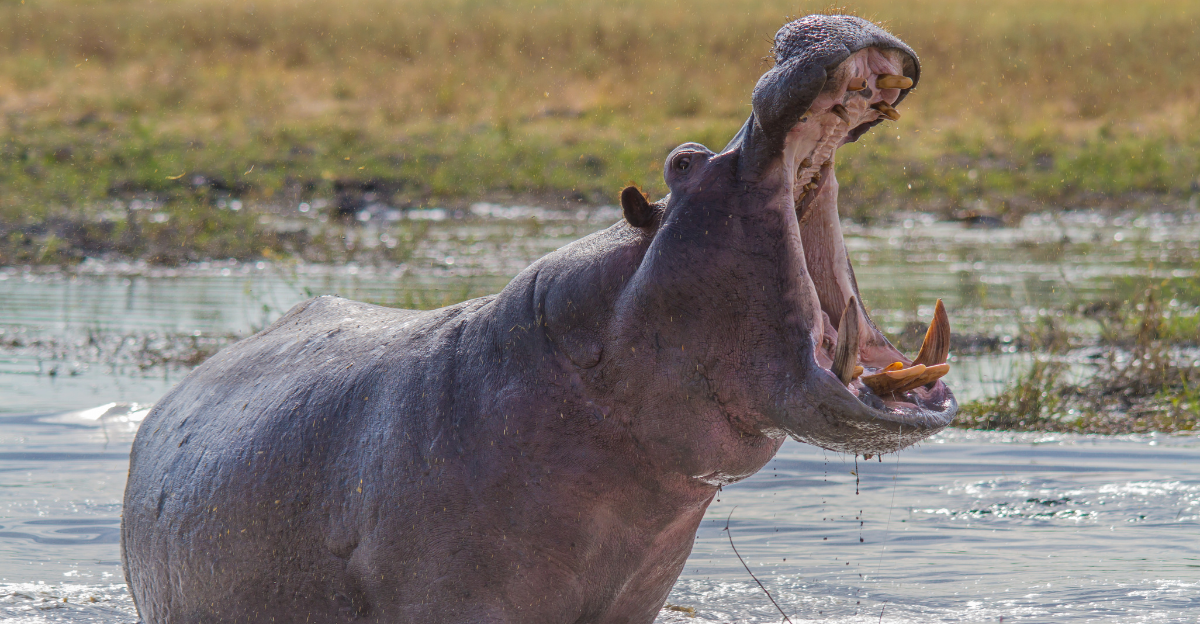
Hippos kill more people in Africa than any other large animal, with hundreds of deaths recorded annually. Despite weighing up to 4,000 pounds and spending most of their time in water, hippos are fiercely territorial and unpredictable. They’ve been known to charge out of rivers at surprising speeds, attacking boats, canoes, and people without giving obvious warning signs.
A hippo may seem calm one moment, then explosive the next. Their powerful jaws can snap a person in two, and their massive bulk can crush a vehicle. Local guides know the danger well and a hippo protecting its territory or young calf becomes a weapon of nature.
2. Saltwater Crocodile
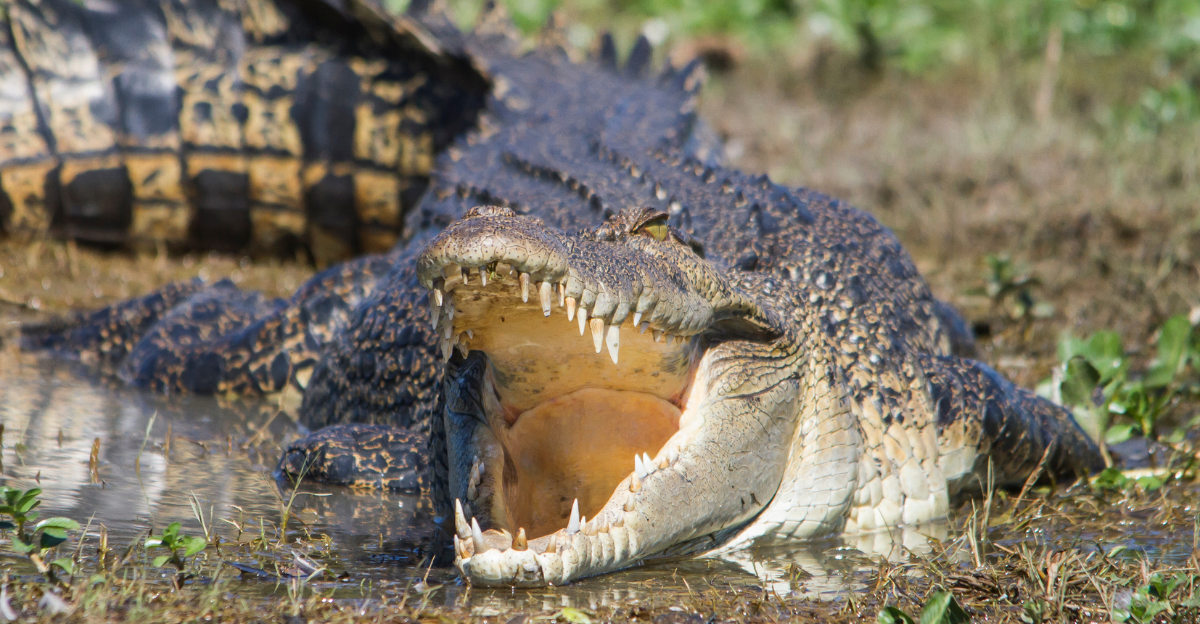
In Australia’s Northern Territory, saltwater crocodiles are the apex ambush predators of rivers and coastal waters. These ancient reptiles spend hours nearly invisible at water’s edge, waiting for any disturbance. When prey appears the crocodile’s attack is instantaneous. A powerful tail lash can knock a person into the water, and vice-grip jaws lock victims in a death roll.
Most attacks occur in shallow, murky water where visibility is poor, giving the animal every advantage. Survivors often describe having no warning whatsoever. Australian authorities issue strict advisories to never swim where crocodiles are known to inhabit, never dangle limbs over boat edges, and never approach a nesting site.
3. Cape Buffalo
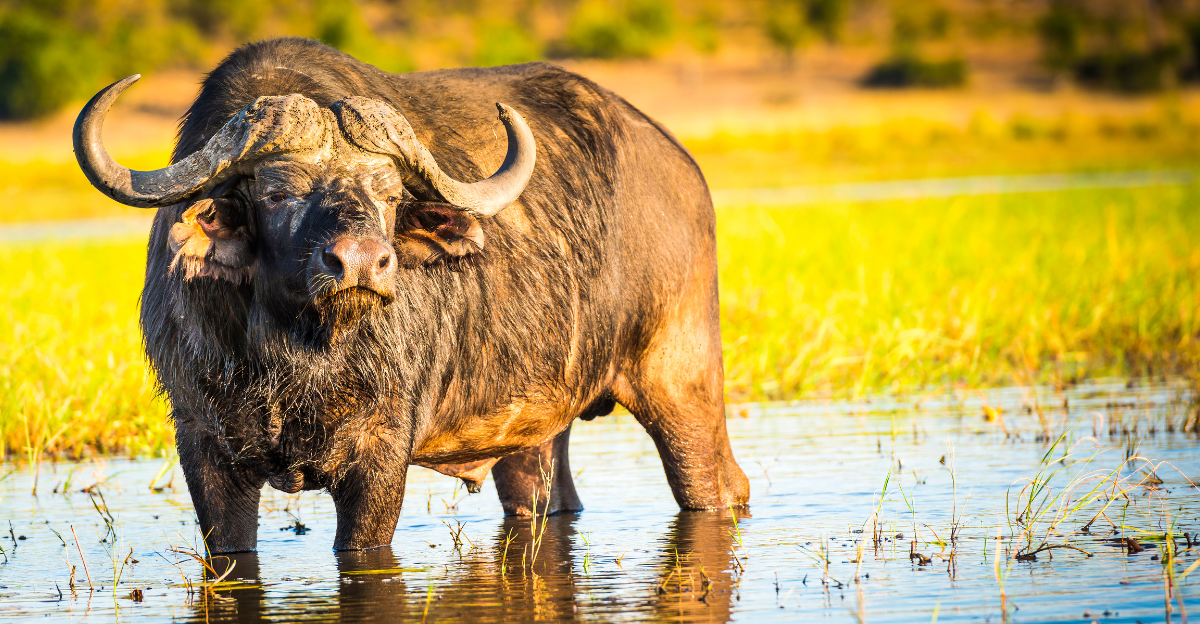
Cape buffalo earned their nickname “Black Death” for good reason. These 1,500-pound animals are responsible for more hunter deaths in Africa than any other game animal. Unlike most dangerous creatures, buffalo don’t always retreat when startled, they charge. Hunters and wildlife experts describe encounters where a buffalo emerges from thick brush at full speed with no clear warning.
Their massive horns can gore through bone and muscle with devastating efficiency. What makes buffalo so dangerous is their aggression combined with intelligence. They remember threats, hold grudges, and will actively hunt down those who’ve wounded them. A solitary buffalo is deadly enough, but a disturbed herd becomes a stampeding force of nature.
4. The Cassowary
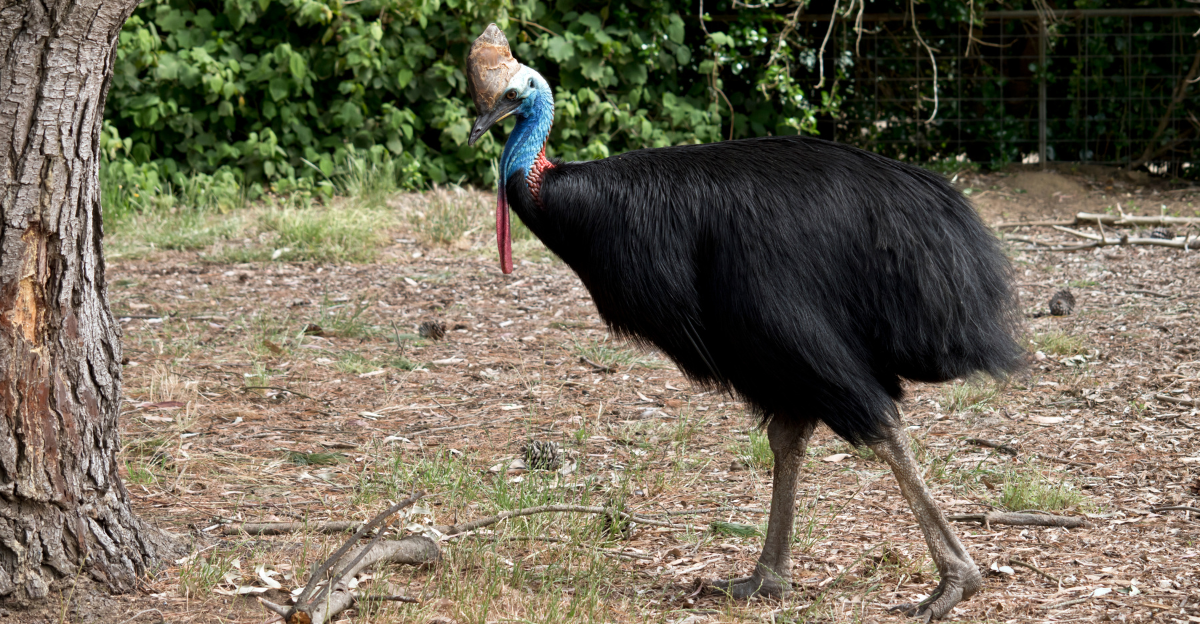
Standing six feet tall with powerful legs and dagger-like claws on each foot, the cassowary is Australia’s most dangerous flightless bird. These dark-feathered birds inhabit northeastern Queensland’s rainforests, and they don’t tolerate human presence. When threatened, a cassowary can deliver disemboweling kicks that leave deep wounds on a person’s torso or thighs.
These attacks happen fast, faster than someone can react. Queensland government safety pages warn that cassowaries can appear calm, then launch an assault without obvious signals. Attacks typically occur when birds feel cornered or when humans come between a bird and its food source. Most victims report being caught off-guard, experiencing rapid kicks before they could retreat.
5. Lion
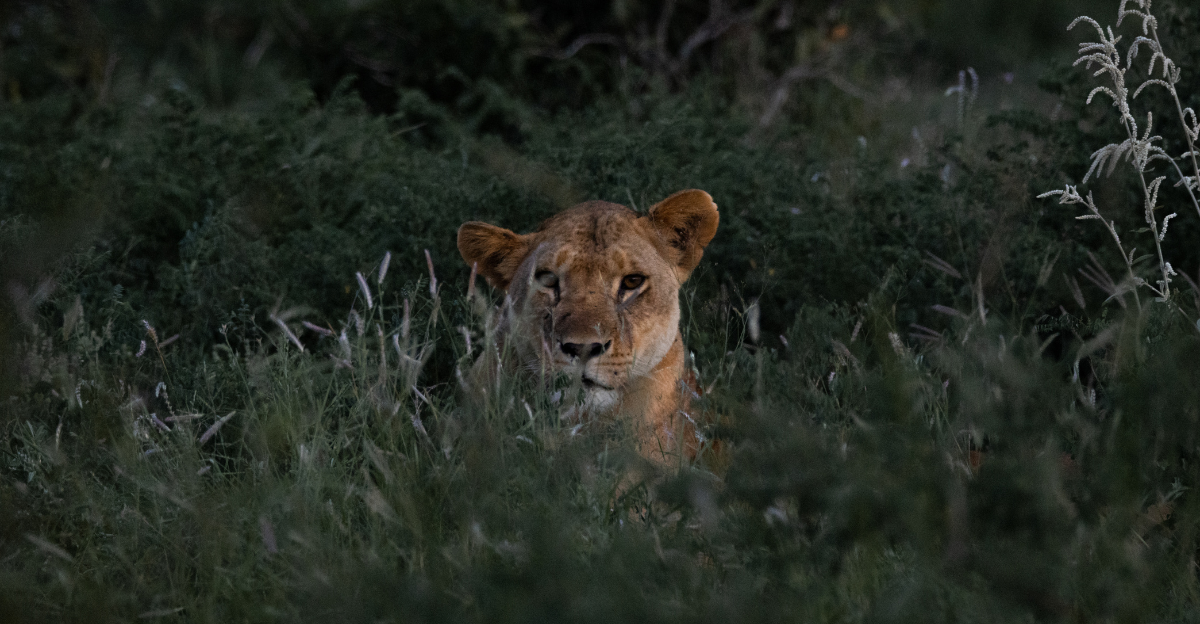
Lions are Africa’s supreme predators, and their attacks combine perfect stealth with explosive violence. These apex hunters stalk prey for hours, then charge at speeds exceeding 40 miles per hour in the final seconds. A lion’s explosive speed leaves humans almost no time to react. Most attacks begin with a powerful pounce aimed at the head and neck.
Wildlife experts note that lions often give little warning before attacking. A person might see a distant figure in tall grass, then suddenly face a full-grown predator mid-leap. Lions don’t typically growl or roar before attacking; they save their energy for the kill.
6. Moose
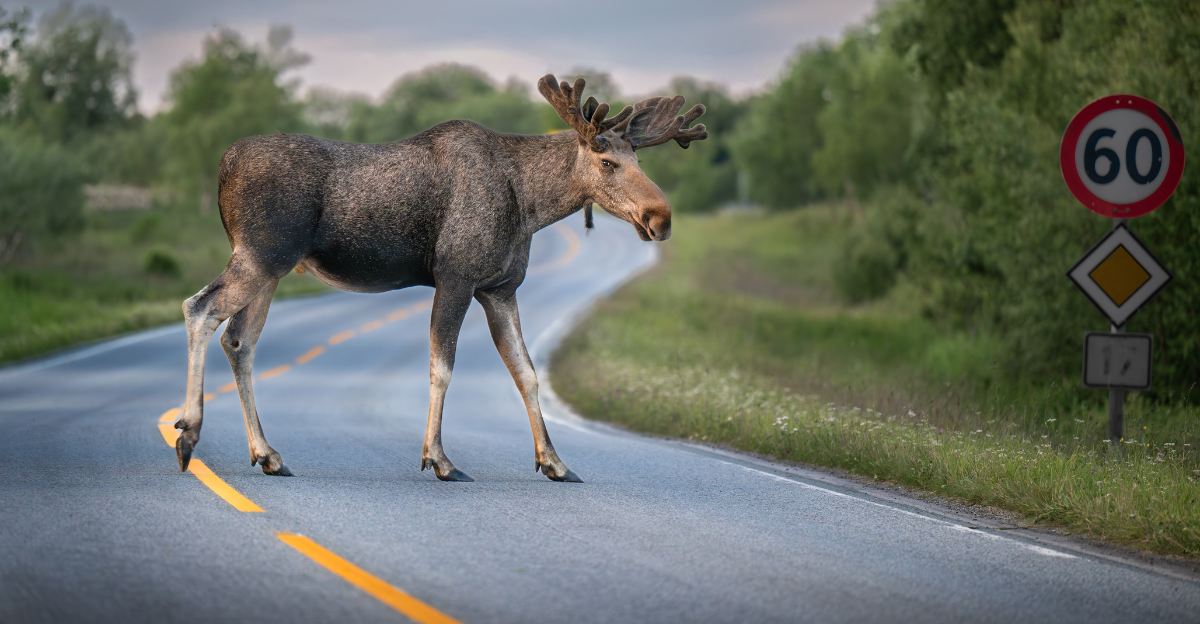
Moose are the largest members of the deer family, weighing up to 1,500 pounds with towering antlers and seemingly calm dispositions. This peaceful appearance masks an animal capable of sudden, devastating charges. Moose attacks occur most often in fall during the rut season when males become aggressive and territorial. A moose can charge at surprising speed for an animal its size, and its powerful hooves can crush a person’s ribs with a single strike.
Alaska authorities have documented numerous incidents where hikers saw a moose at distance, then found themselves facing a charging animal with little warning. Female moose protecting calves are equally dangerous as they perceive humans as threats to their offspring. Unlike predators that may growl or advance slowly, moose prefer direct, explosive action.
7. Grizzly Bear
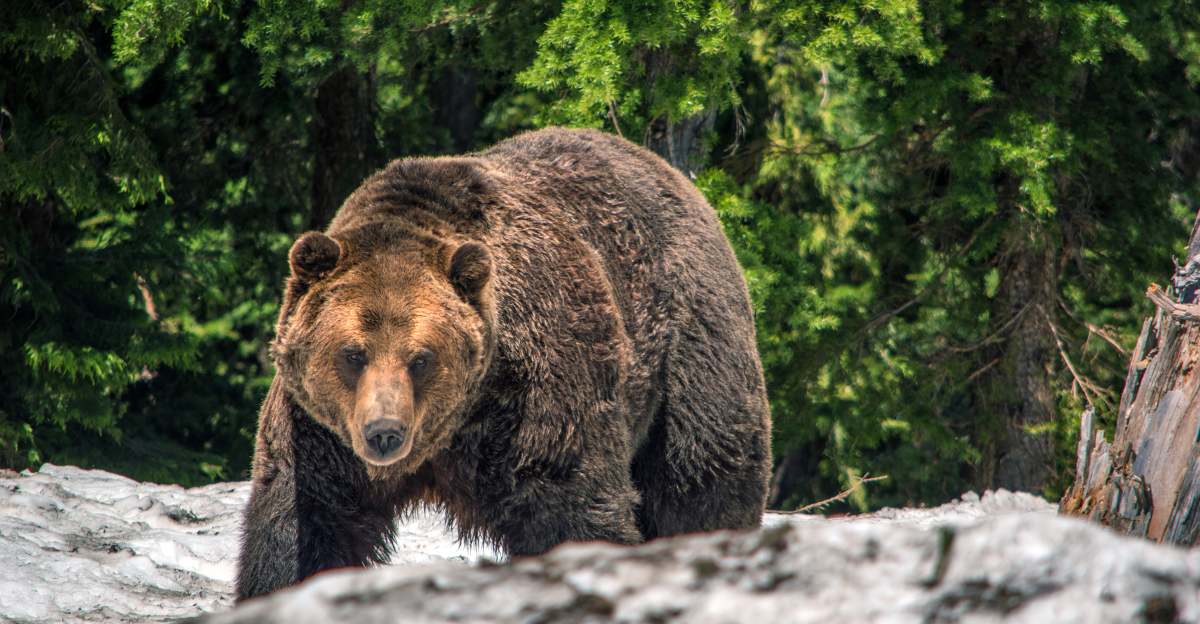
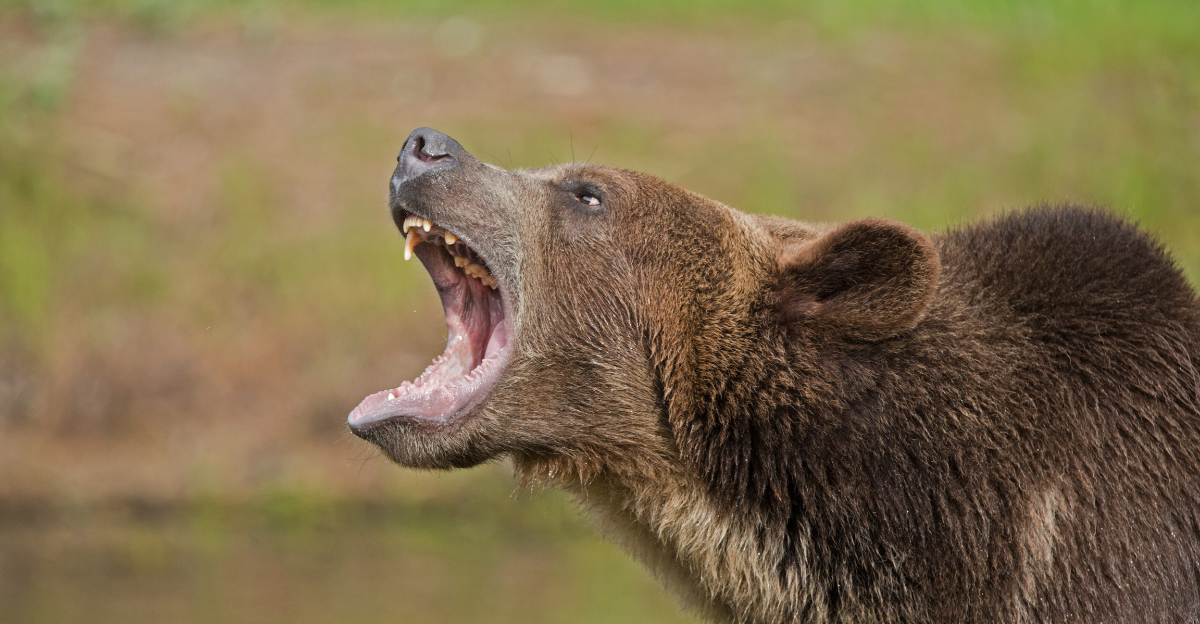
Grizzly bears represent one of North America’s most feared predators, and their attacks often surprise hikers who have no chance to escape. In dense forest or brush, a grizzly can emerge suddenly from cover, charging before a human can even process what’s happening. These 600-pound animals can run 35 miles per hour, which means escape by running is nearly impossible.
The bear’s first instinct is often to attack rather than flee. Park rangers emphasize that bears have poor eyesight but excellent hearing and smell, meaning you might not see danger approaching until it’s extremely close.
8. Bull Shark
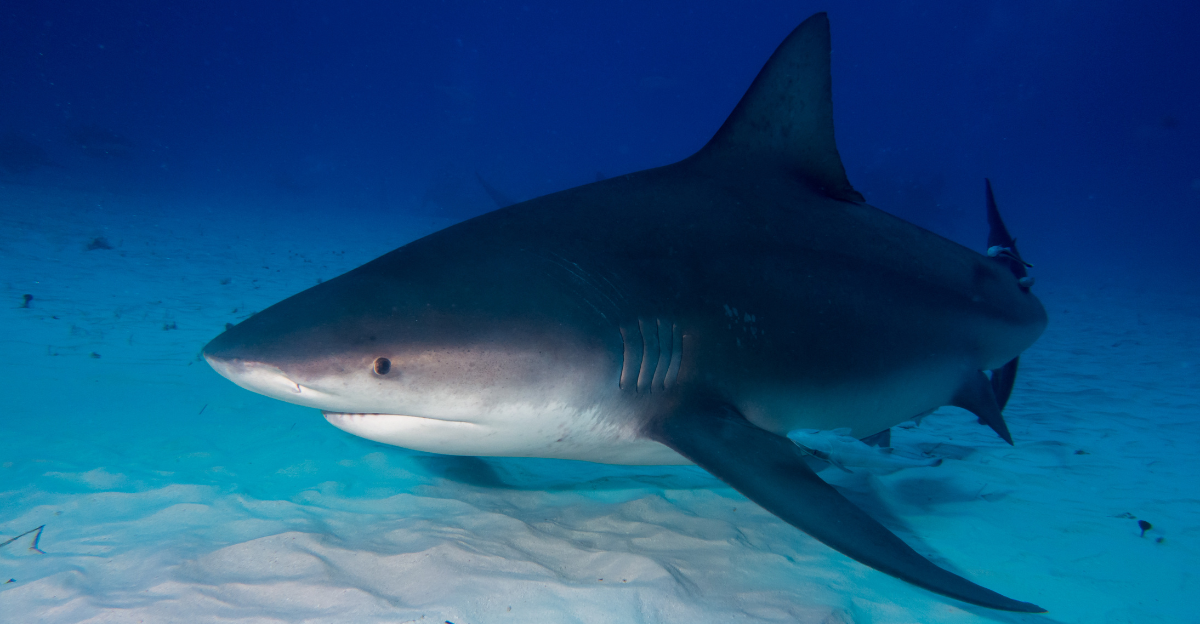
Bull sharks earn their reputation as the ocean’s most aggressive sharks through a combination of poor visibility hunting and aggressive feeding behavior. Unlike other shark species that hunt in open water, bull sharks thrive in murky rivers and coastal zones where visibility is severely limited. This means swimmers have virtually no warning when a bull shark decides to investigate. These stocky, powerful fish have been known to charge without circling prey first, they simply bite.
Their vision in murky water is even worse than in clear ocean, so they rely on other senses, sometimes mistaking humans for prey. Bull sharks have the surprising ability to tolerate freshwater, making them dangerous in rivers far from the ocean. Attacks occur quickly with little prelude, which is why injury rates are high. Swimmers in bull shark territory describe sudden, violent bites with no apparent provocation.
9. Honey Badger
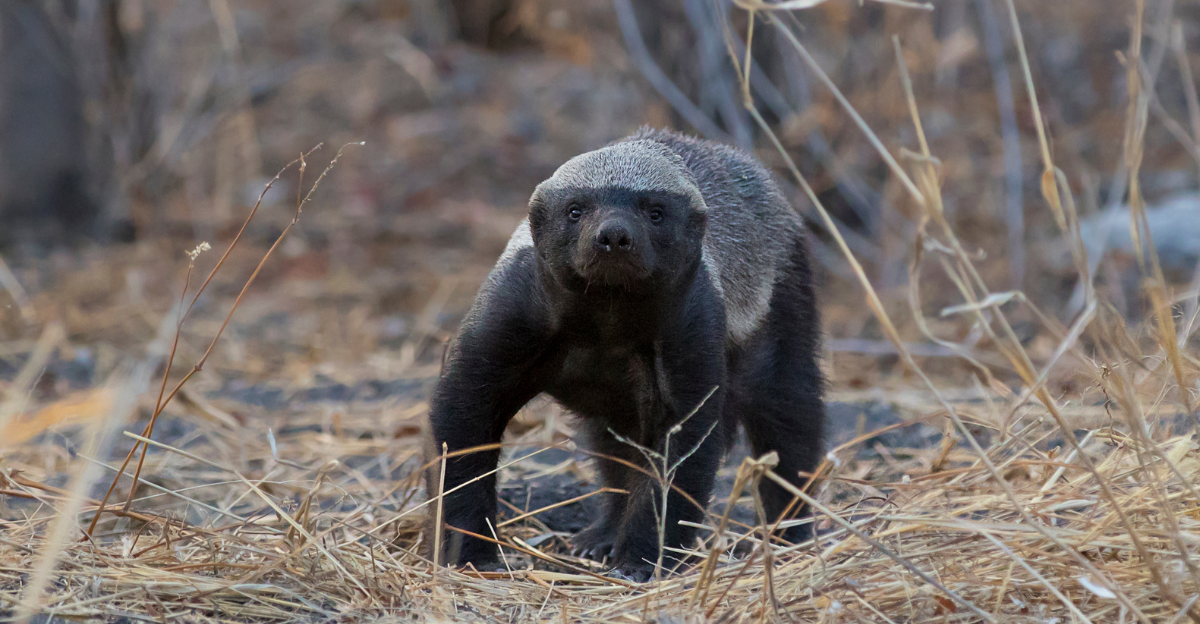
Pound for pound, the honey badger is considered the world’s most fearless animal according to Guinness World Records. These stocky, muscular mammals weighing just 20-30 pounds will attack animals ten times their size with absolute confidence. When cornered or threatened, honey badgers launch ferocious assaults without hesitation.
They possess sharp claws for climbing and fighting, thick skin that resists bites and stings, and a temperament that knows no fear. Honey badgers have been documented charging lions, leopards, and porcupines with equal aggression. What makes them dangerous to humans is this same fearlessness combined with lightning-fast reflexes. A honey badger won’t back down, won’t run, and won’t give warning signals. They simply attack.
10. Tasmanian Devil
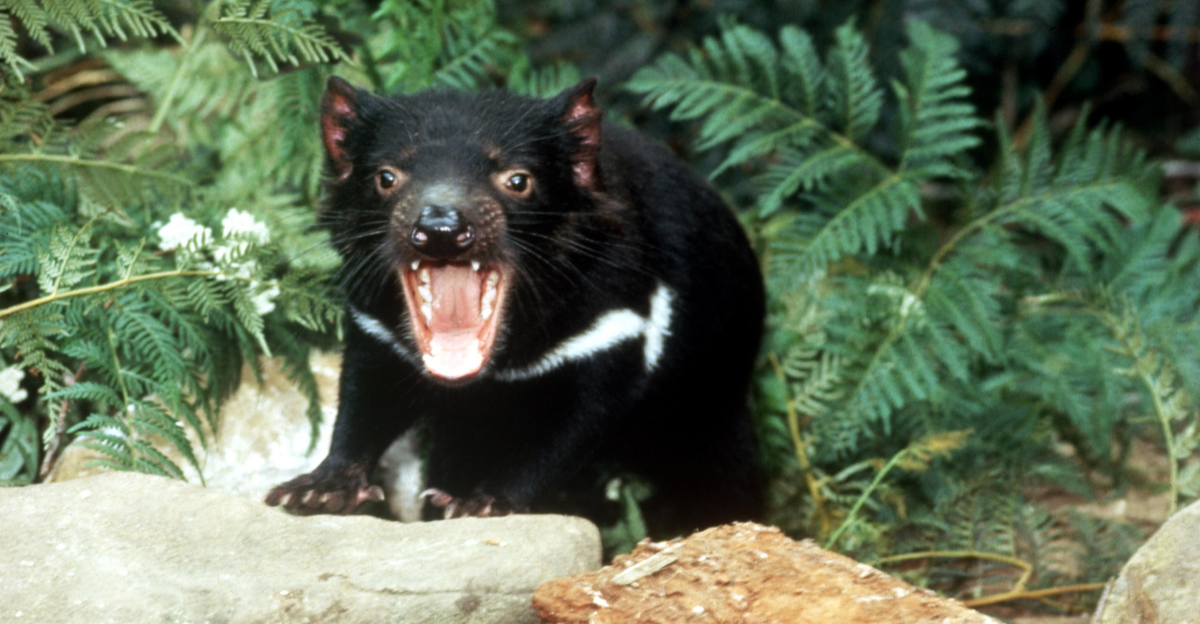
Tasmanian devils are marsupials known for aggressive behavior and fierce fighting during feeding competitions. When multiple devils gather around food, particularly at night, combat escalates rapidly into vicious clashes. These screaming, snarling battles occur with such intensity and blur-speed that onlookers can barely track the action.
Adults frequently die from wounds sustained during these intra-species fights, bites to the face, neck, and body inflict serious damage. What’s remarkable is how quickly these fights begin. One moment devils might seem to coexist peacefully, the next moment violent conflict erupts. Museum profiles note that death rates from fighting are surprisingly high in Tasmanian devil populations. Humans are rarely attacked directly, but the devil’s aggressive nature and powerful bite make them dangerous if cornered.
11. Wolverine
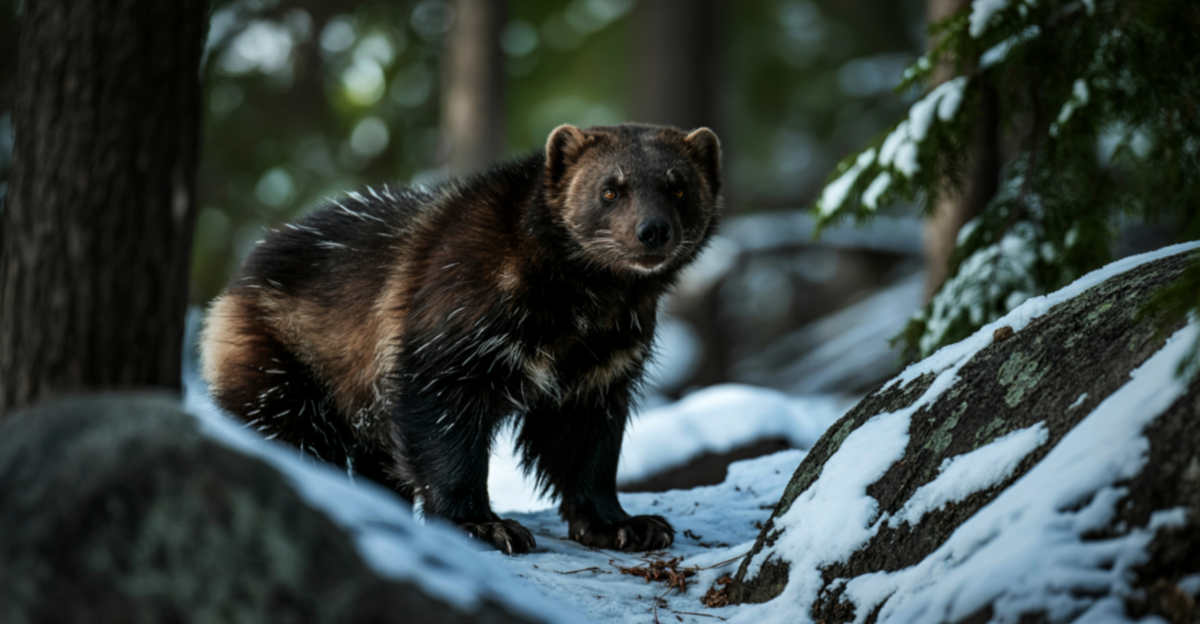
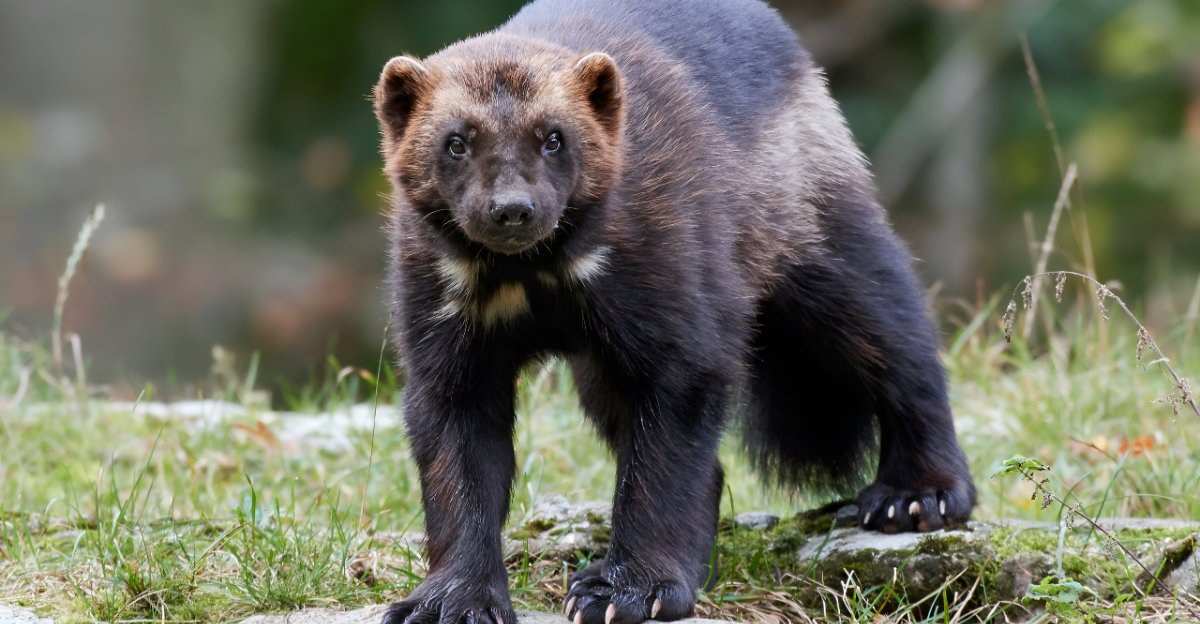
Wolverines are among North America’s most aggressive animals despite weighing only 20-40 pounds. These fearless predators will ferociously assault animals far larger when they feel cornered, hungry, or threatened. Their powerful jaws, sharp claws, and relentless aggression make them formidable fighters. What distinguishes wolverines is their refusal to back down, they’ll fight grizzly bears, packs of wolves, and humans with equal intensity.
When cornered, a wolverine doesn’t retreat or display warning behaviors; it attacks with rapid, explosive violence. Encyclopaedia Britannica entries emphasize their bold, rapid aggression defies size logic. A wolverine’s thick hide provides protection, and their speed allows them to land bites and slashes faster than larger opponents can react.
12. Nile Crocodile
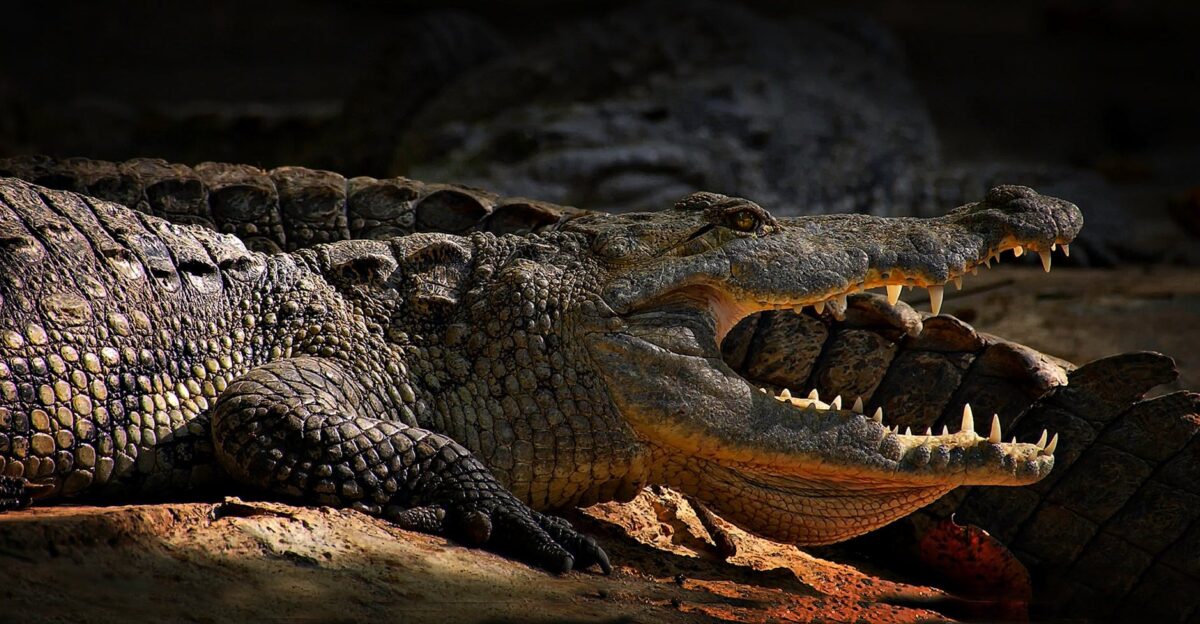
Nile crocodiles are Africa’s largest crocodile species, and they’re responsible for more human deaths than any other crocodile species. These 16-foot reptiles employ ambush tactics perfected over millions of years. A Nile crocodile remains submerged and nearly invisible for hours, waiting for prey to approach the water’s edge. When a moment of vulnerability appears, a person bending to fill a water container, a child playing near the riverbank, a swimmer entering the water, the crocodile’s explosive assault begins.
These attacks happen at lightning speed. The crocodile’s tail lashes, pulling victims into the water where drowning is almost certain. Survivors are extremely rare. Encyclopedic accounts detail lunges at humans that appear completely unprovoked from the riverbank perspective.
13. Mosquitoes
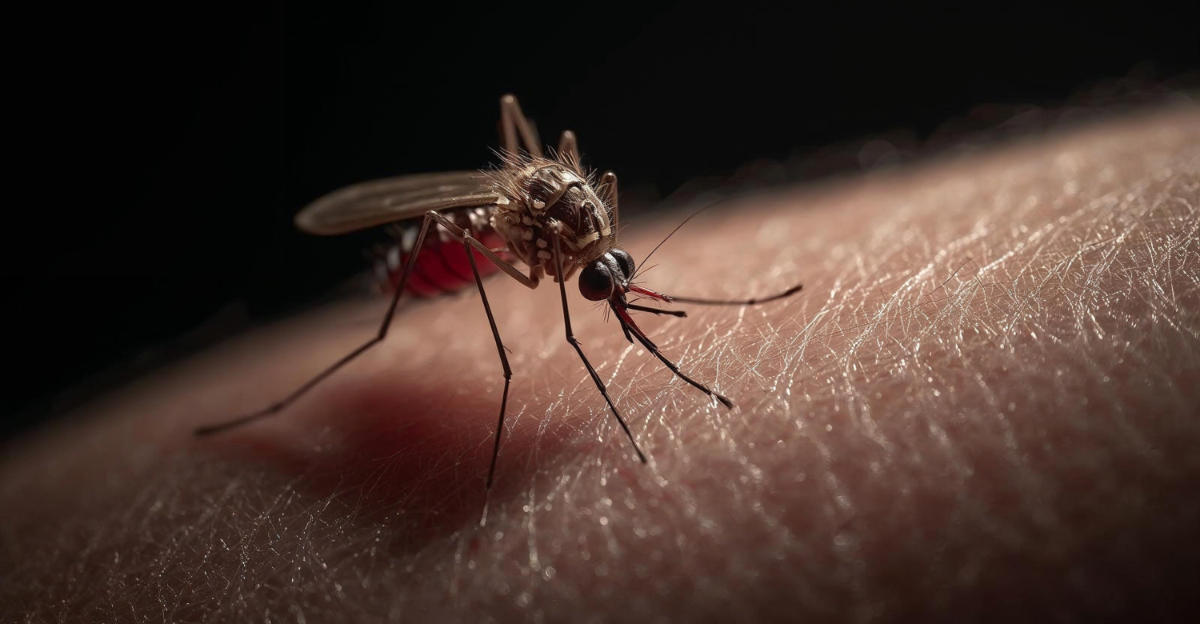
When we think about deadly animals, we rarely picture something smaller than a fingernail. Yet mosquitoes are statistically the world’s deadliest animal, responsible for more human deaths annually than lions, crocodiles, bears, and sharks combined. These insects kill through disease transmission, not violence. Malaria, dengue fever, West Nile virus, and yellow fever all spread through mosquito bites. The World Health Organization confirms that over 700,000 people die yearly from mosquito-borne diseases, with many more millions sickened.
What makes mosquitoes particularly dangerous is that people often don’t realize they’ve been bitten until disease symptoms appear days or weeks later. The CDC calls mosquitoes “the world’s deadliest animal” without question. By the time victims recognize illness, the disease has spread throughout their body. Unlike the dramatic violence of predatory animals, mosquito deaths accumulate silently across the globe.
Understanding Nature’s Warning
Humans can’t always see danger coming, but we can prepare for it. Understanding where these animals live, recognizing their territorial behaviors, and maintaining appropriate distance are the foundations of wildlife safety. Ancient human cultures developed survival strategies through generations of painful lessons, knowledge that remains valid today.
Modern travelers, hikers, and wildlife enthusiasts must respect these boundaries just as our ancestors did. The world’s deadliest animals aren’t necessarily the largest or most famous. Some are invisible, some are herbivores, and some weigh less than a pound.
Sources:
Guinness World Records – Most fearless animal
Kruger National Park and BBC Earth – information on Cape buffalo behavior and hunter risk.
Queensland Government – cassowary safety guidance and attack warnings.
Alaska Department of Fish and Game – moose behavior, rut-season aggression, and safety advice.
U.S. National Park Service – brown/grizzly bear safety guidelines and surprise-encounter information