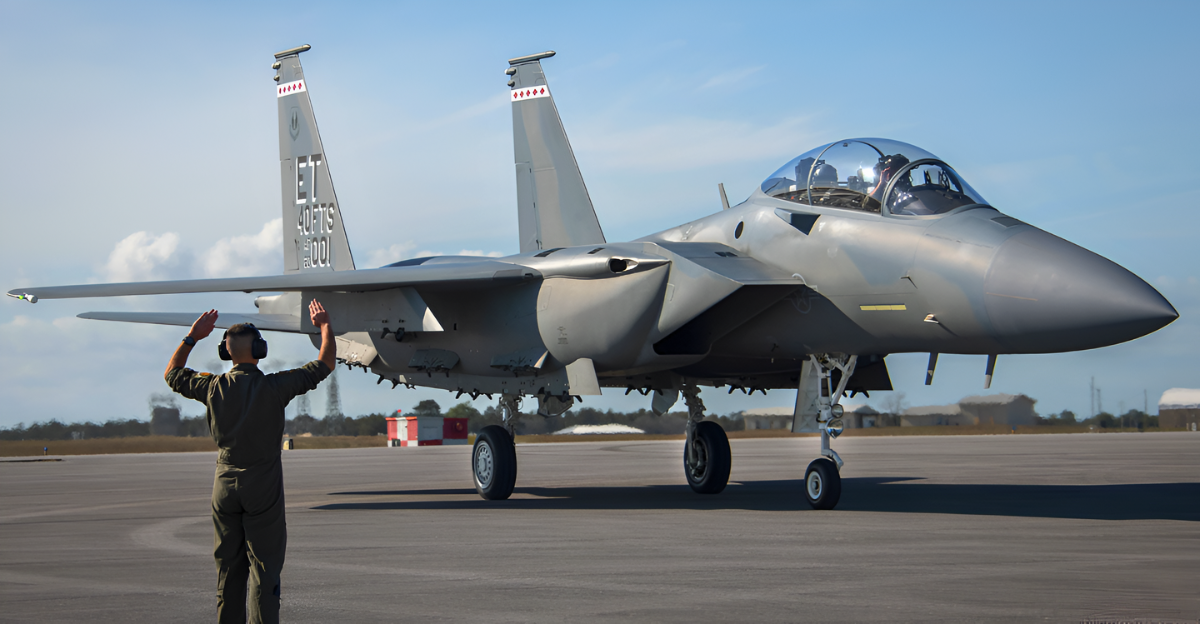
The U.S. is generally considered to have the most powerful military in the world, and it’s wonder with an airplane fleet of 14,486 according to the World Population Review.
This metric is more than the next five countries combined. The U.S. Air Force alone operates 5,004 aircraft, from fighter jets to bombers to tankers. This enormous collection includes America’s most advanced jets, which consistently worry China and Russia.
Growing Worries
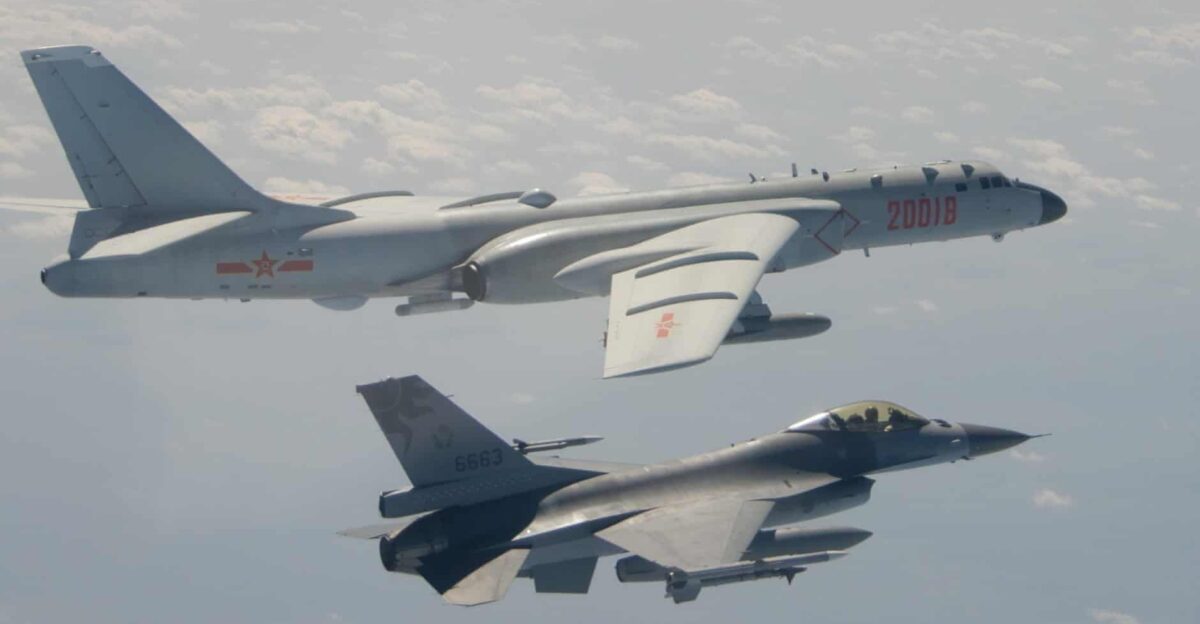
According to AP News reports, China and Russia conducted a first for both nations, a joint bomber patrol near Alaskan airspace in July 2024.
This unusual cooperation between the two powers shows how much America’s advanced jets concern them. Military experts from NORAD report that both countries are increasing their surveillance flights whenever new U.S. aircraft appear in their regions.
Technology Race
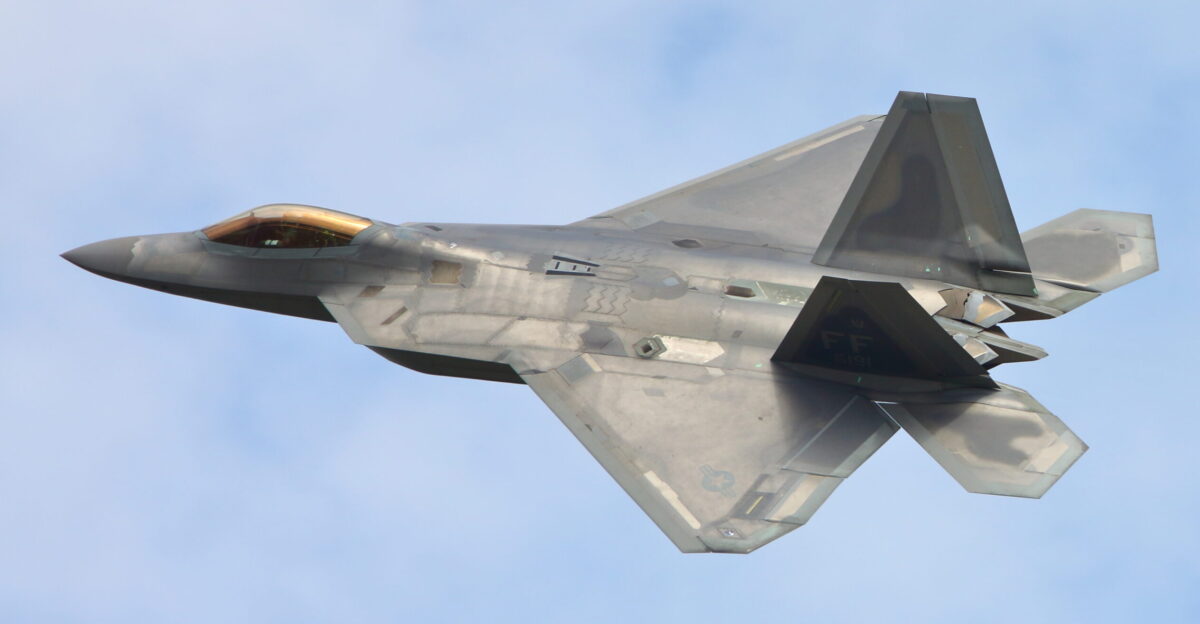
America has led the pack for decades with advanced stealth technology and improved weapon systems.
The F-22 Raptor, introduced in 2005, was the world’s first fifth-generation stealth fighter. But China’s J-20 and Russia’s Su-57 fighters have changed this dynamic, creating the first real challenge to American air power in over twenty years.
Competition
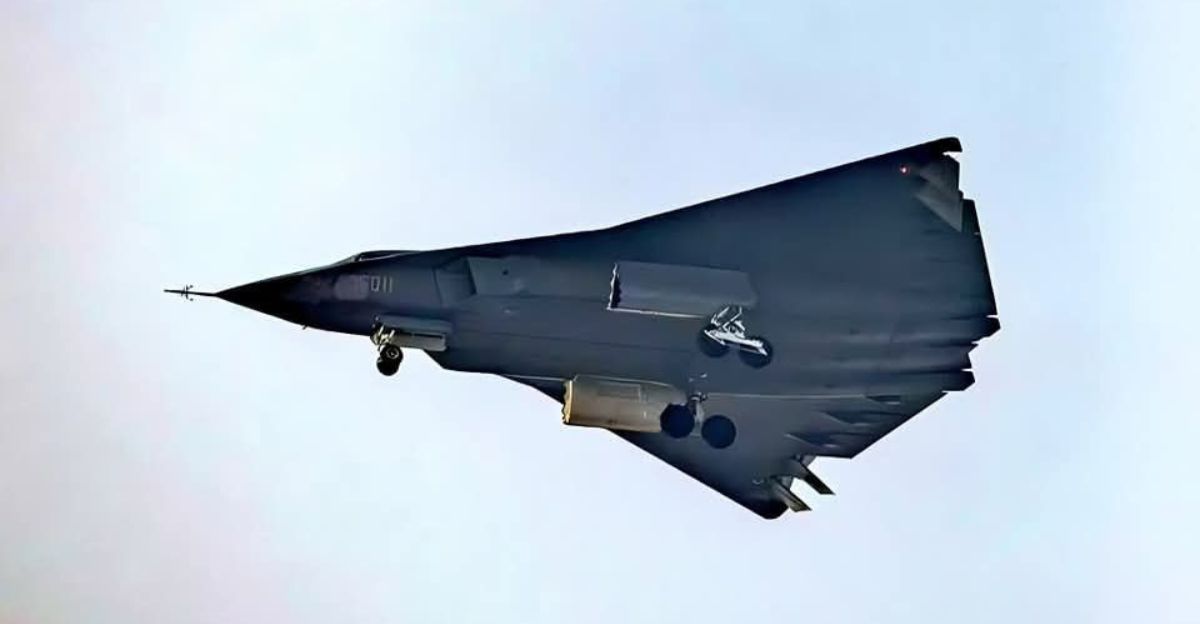
Despite the U.S.’s long-standing dominance, it hasn’t been without competition. In December 2024, China unveiled two mysterious sixth-generation fighter prototypes, surpassing Russia’s capabilities, according to defense analysts.
Meanwhile, despite international sanctions, Russia plans to produce 76 Su-57 stealth fighters by 2028. Both nations are pouring billions into hypersonic weapons designed to counter American advantages.
F-22 Raptor
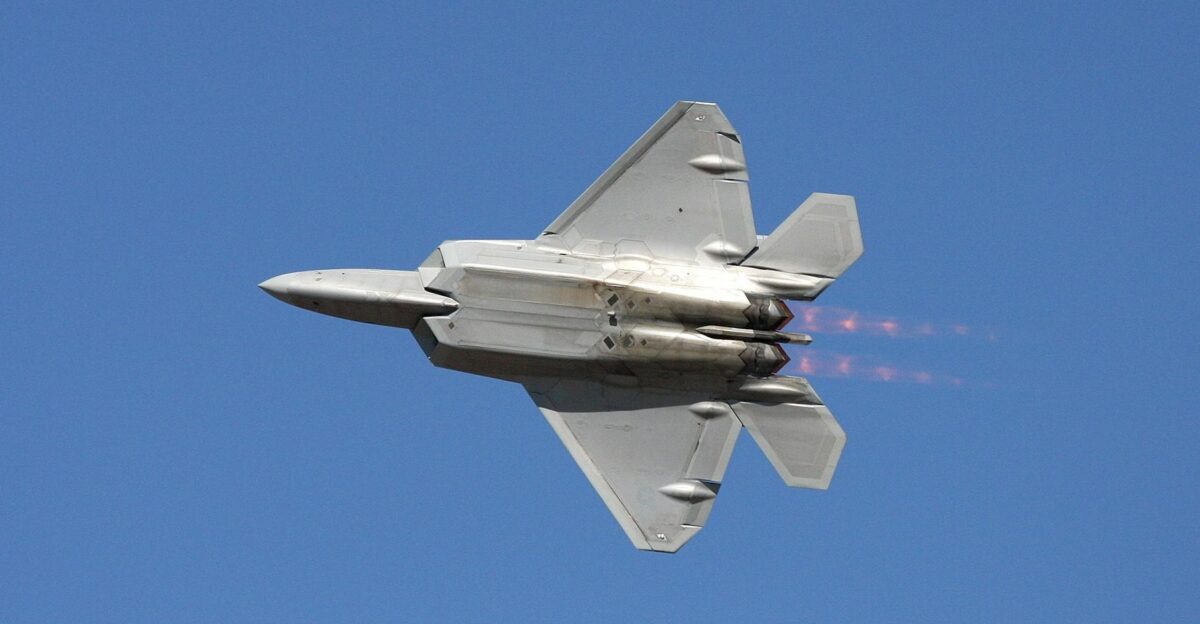
The F-22 Raptor remains the world’s most feared air-to-air fighter, with 185 operational units that China and Russia cannot match. Its stealth technology, supercruise capability, and advanced sensors make it nearly invisible to enemy radar systems.
According to National Interest analysis, China’s J-20 and Russia’s Su-57 were designed to counter the F-22’s dominance, proving its psychological impact on adversaries.
F-35 Lightning II
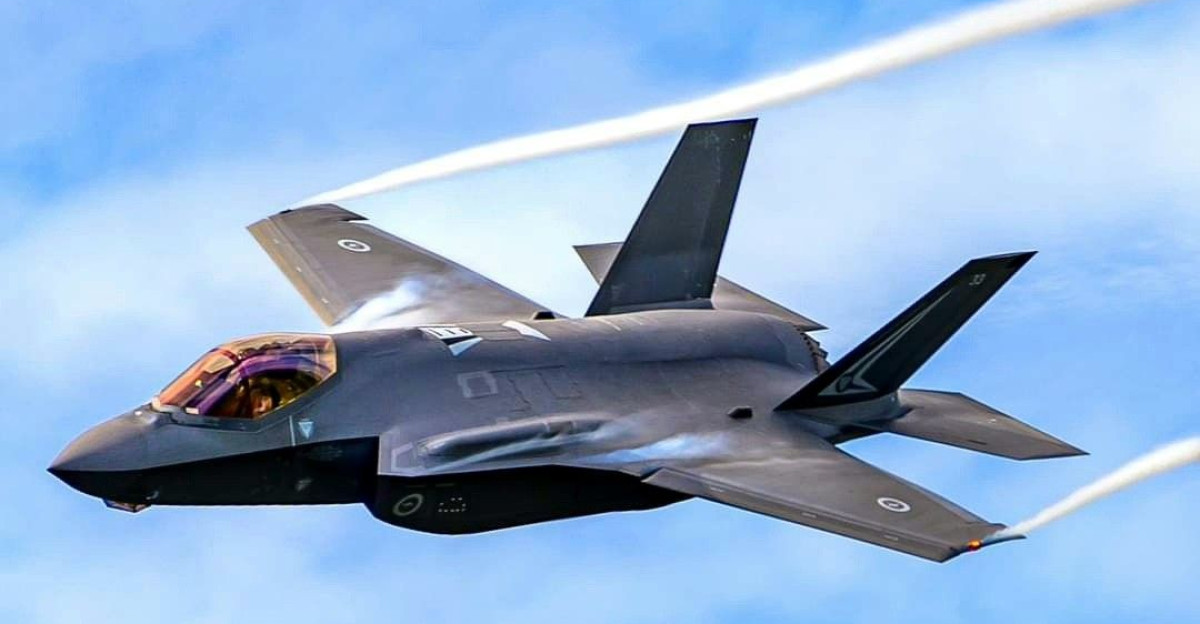
According to Lockheed Martin, the F-35 Lightning II multiplies American air power through allied partnerships worldwide, with 190 aircraft delivered annually.
Australia operates 72 F-35As, Japan acquired 147 units, and the UK plans expanded orders beyond current commitments. China has invested heavily in developing detection systems to counter F-35 stealth capabilities, demonstrating its concern about this networked fighter.
F-47
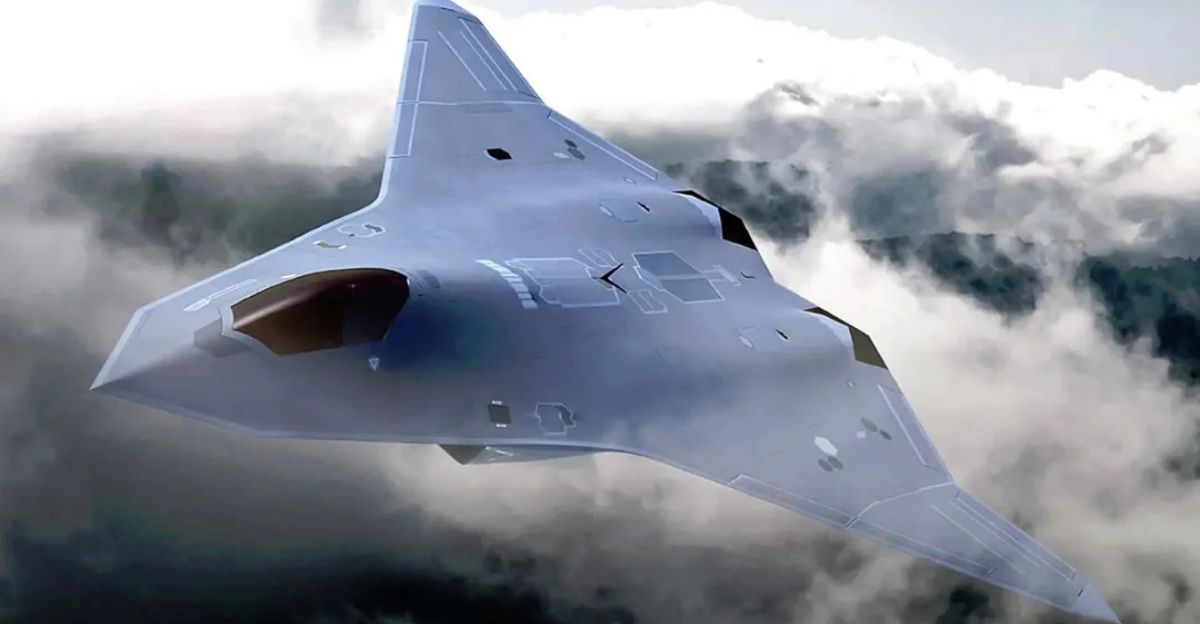
President Trump announced Boeing’s F-47 fighter development in March 2025, calling it “the most advanced, most capable, most lethal aircraft ever built,” according to CBS News.
This sixth-generation platform features drone coordination and advanced stealth capabilities, representing America’s response to Chinese J-36 prototypes. Defense analysts noted that the announcement raised concerns in China and Russia about maintaining competitive positions.
B-21 Raider
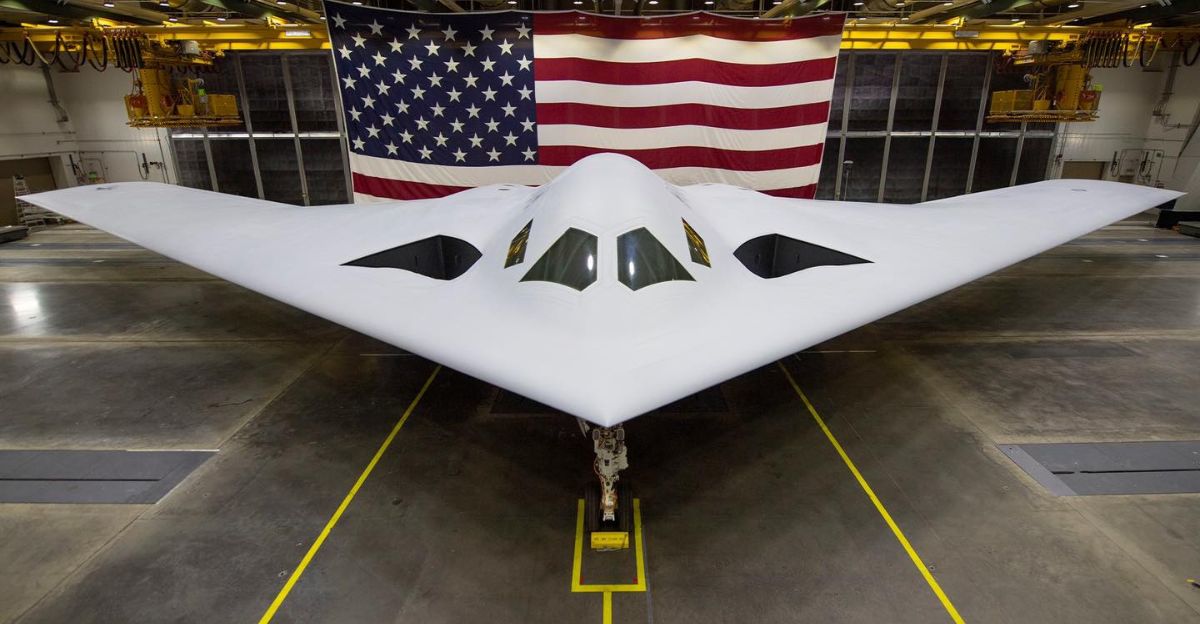
With its 6,900-mile range capability, the B-21 Raider stealth bomber specifically targets China’s anti-access strategy in the Pacific region. According to Army Recognition, three operational B-21s conduct test flights, while 100 aircraft enter production by the 2030s.
Chinese media consistently criticize this bomber’s capabilities while developing their own H-20 strategic bomber, which directly responds to American advances.
B-2 Spirit
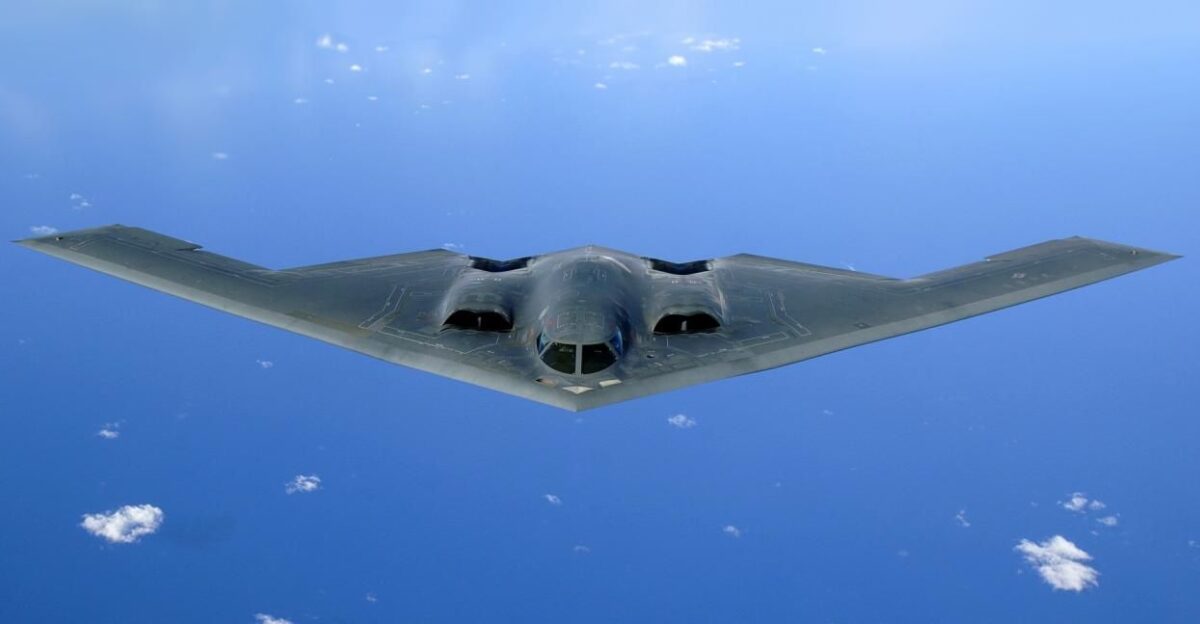
The B-2 Spirit stealth bomber continues terrorizing adversaries with its ability to penetrate the most advanced air defense systems undetected. America operates 19 B-2 aircraft that can carry conventional and nuclear payloads across intercontinental distances.
According to National Interest reporting, Russia and China have developed tracking systems to detect B-2 signatures, highlighting their deep concern about its strategic capabilities.
F-15EX Eagle II
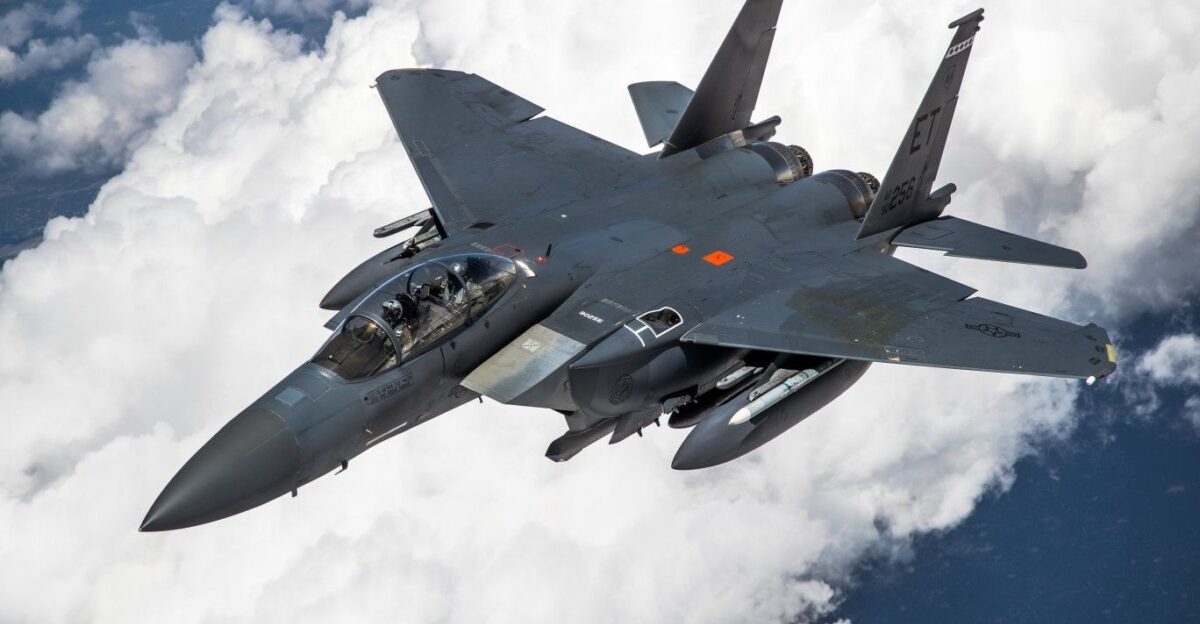
According to Boeing specifications, the F-15EX Eagle II brings next-generation capabilities to a proven platform and can carry more missiles than any other fighter.
These enhanced Eagles feature advanced radar systems and increased payload capacity, rivaling stealth fighter capabilities. This multi-layered approach forces enemies to prepare for diverse threat types across different combat scenarios, complicating their defensive planning.
EA-18G Growler
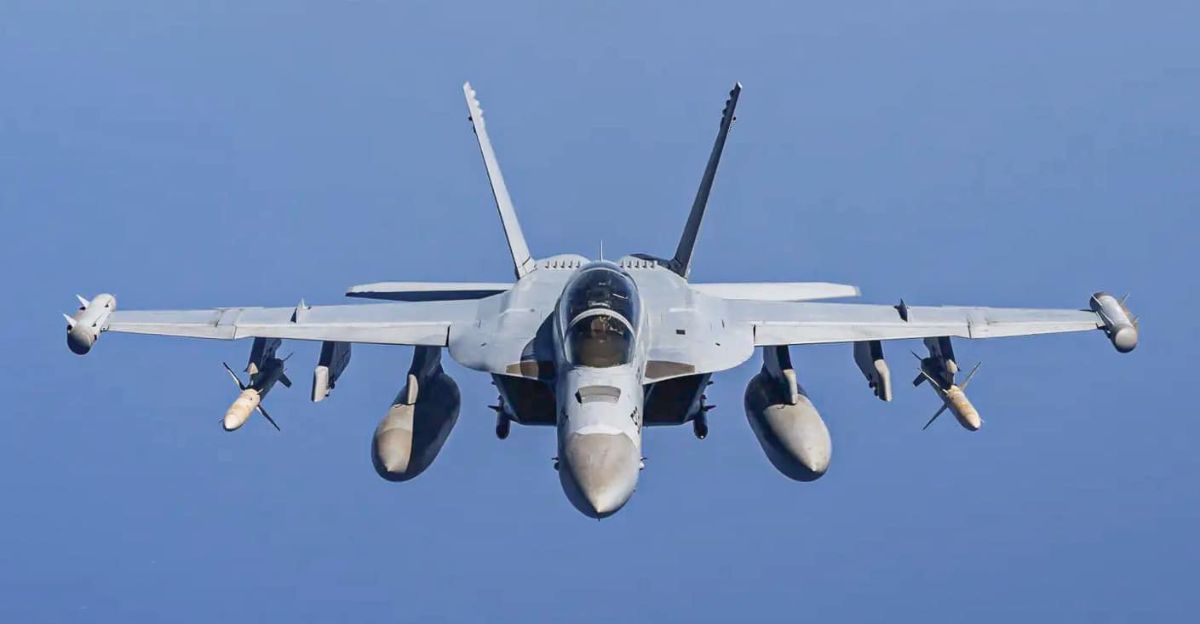
Boeing documentation states that the EA-18G Growler electronic warfare aircraft provides unique capabilities that no other country can replicate.
This specialized platform jams enemy radar and communications systems across a broad spectrum, creating electronic barriers protecting American forces. Russia and China have invested billions in electronic warfare countermeasures designed to address Growler capabilities in contested environments.
MQ-9 Reaper
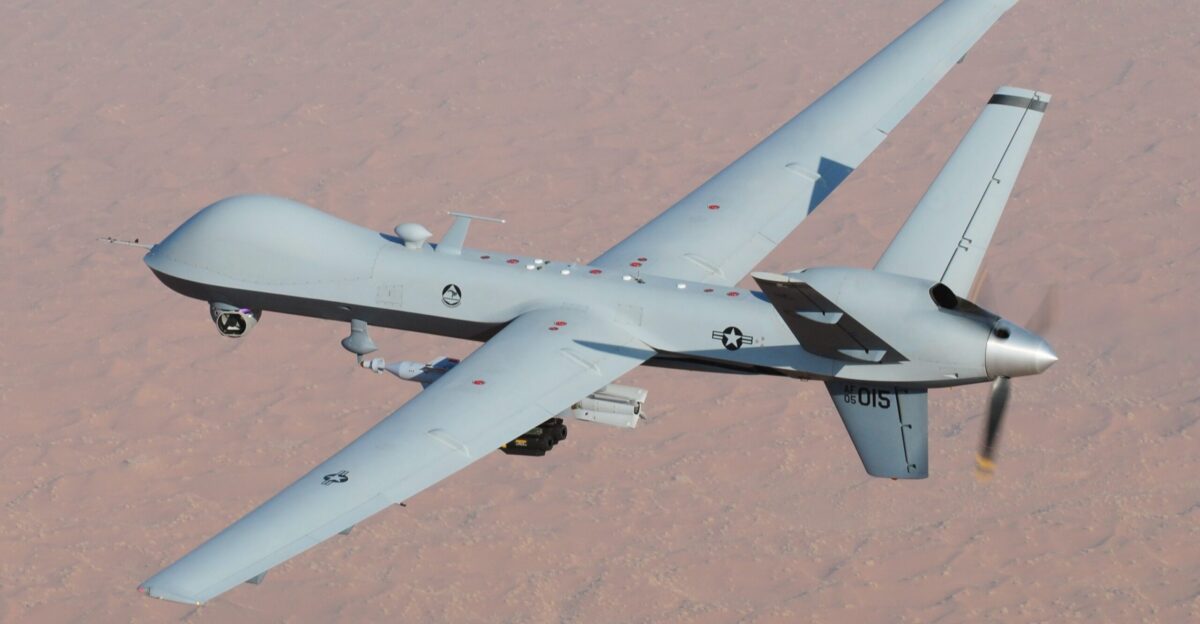
“We’ve moved from using UAVs primarily in intelligence, surveillance, and reconnaissance roles before Operation Iraqi Freedom, to a true hunter-killer role with the Reaper,” stated former Air Force Chief of Staff General T. Michael Moseley in 2006.
Over 300 MQ-9 Reaper drones provide 20-hour surveillance flights worldwide, fundamentally changing how enemy forces plan operations through persistent overhead presence.
B-52 Stratofortress
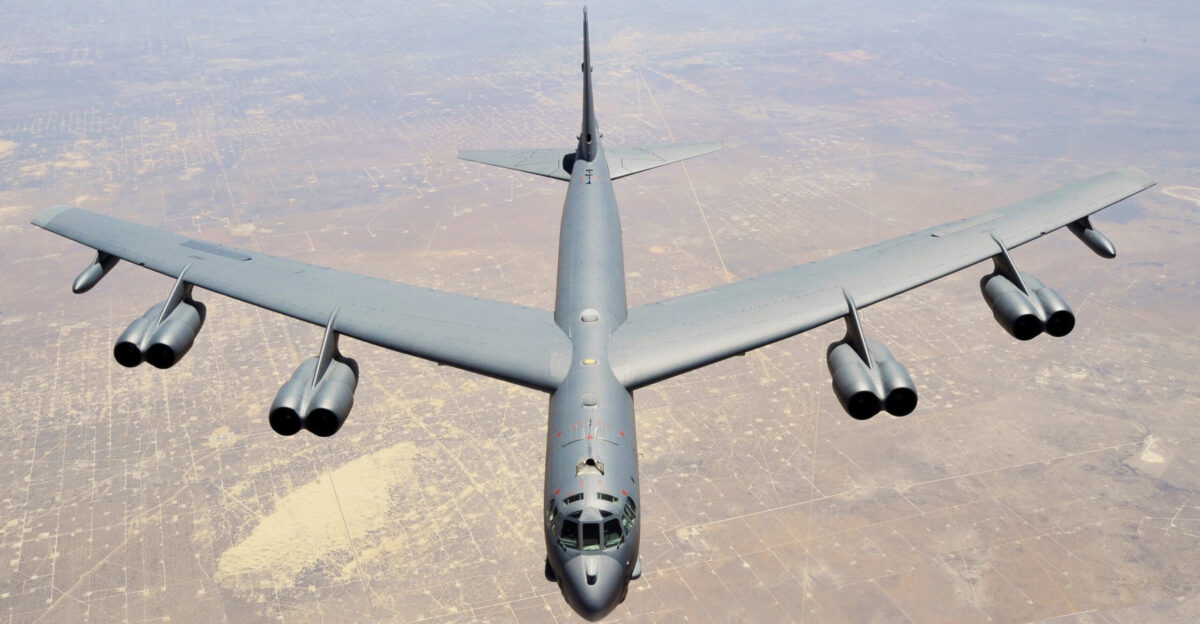
After 70 years of service, the B-52 Stratofortress continues intimidating adversaries, and 76 upgraded aircraft maintain global reach capability.
Despite its age, modernization programs ensure these bombers remain effective against peer adversaries through the 2050s according to Air Force plans. The B-52’s remarkable longevity and massive payload capacity demonstrate American engineering excellence that concerns adversaries worldwide.
B-1B Lancer
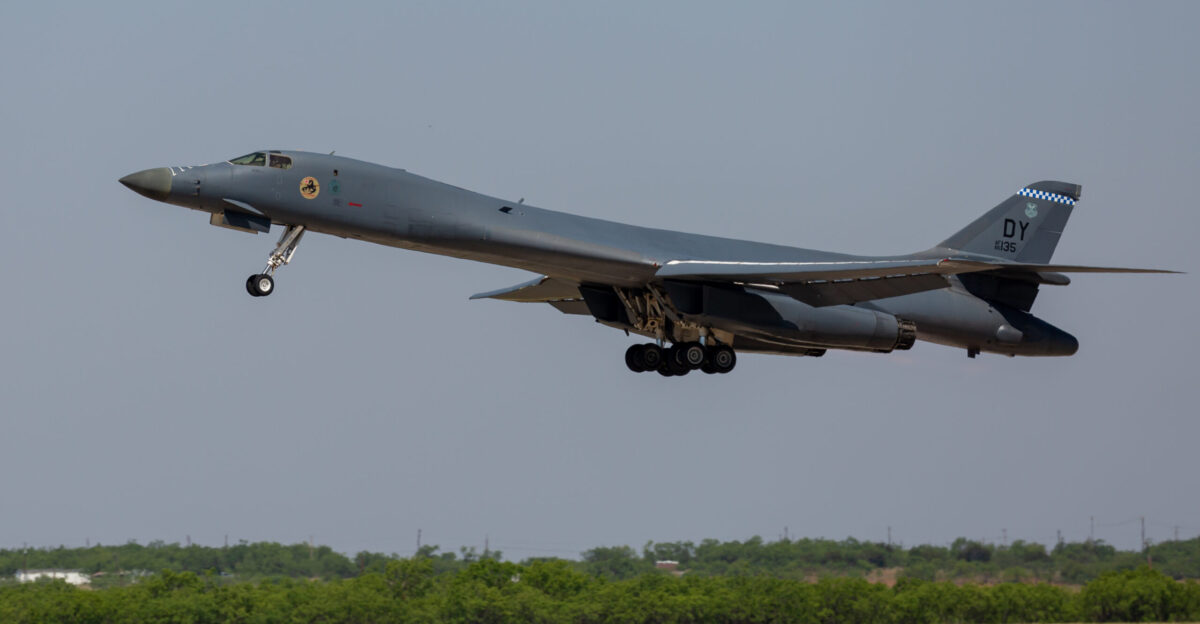
The B-1B Lancer supersonic bomber provides rapid strike capabilities. Its 45 operational aircraft carry the largest conventional payload of any American bomber.
Its variable-sweep wings enable both high-speed penetration and extended loitering time over targets according to Air Force specifications. The B-1B’s speed and payload combination create timing challenges for enemy air defenses attempting to intercept incoming strikes.
F-16 Fighting Falcon
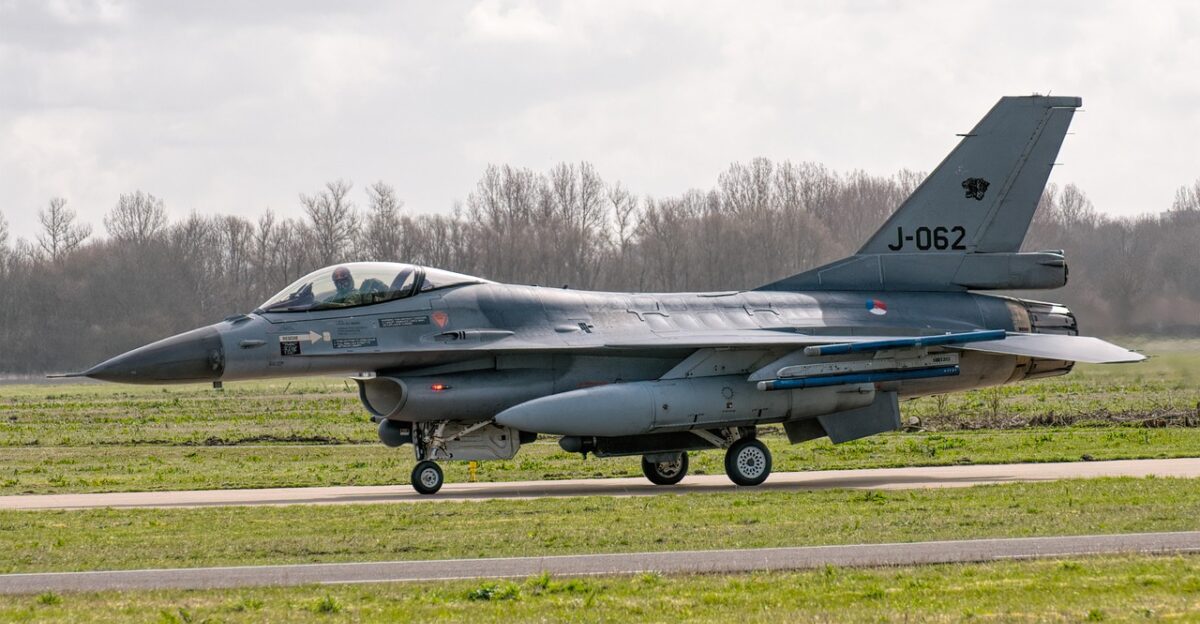
The F-16 Fighting Falcon remains one of America’s most numerous fighters, with hundreds of upgraded aircraft providing multi-role capabilities worldwide.
Modern F-16 variants feature advanced radar systems, precision weapons, and electronic warfare capabilities that exceed many fourth-generation competitors. This proven platform’s continued relevance forces adversaries to maintain defenses against diverse threat profiles across multiple theaters simultaneously.
Hypersonic Weapons
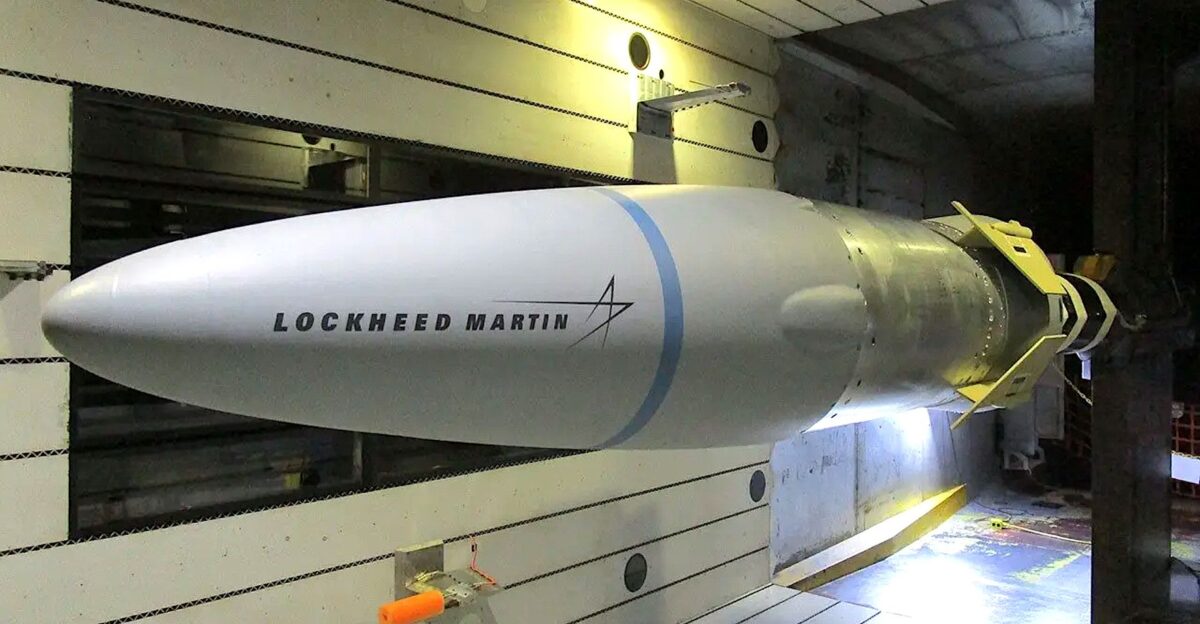
The AGM-183A hypersonic missile program received $387.1 million in 2026 funding after a previous cancellation.
Air Force Chief of Staff General David Allvin told Congress these Mach 5+ weapons create time-sensitive targeting problems for China and Russia. Both countries lack adequate defensive systems against hypersonic strikes launched from B-52 bombers, creating strategic vulnerabilities.
KC-135 Stratotanker
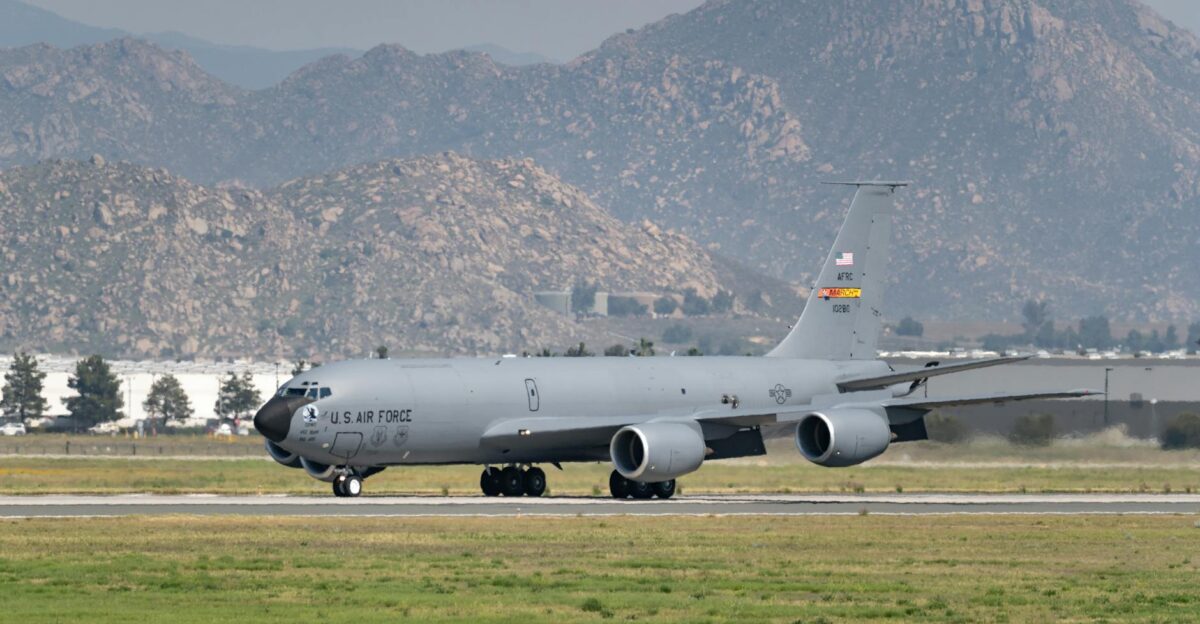
The KC-135 Stratotanker aerial refueling aircraft extends the reach of American fighters and bombers across global distances.
These tankers enable sustained operations far from home bases, multiplying the effective range of combat aircraft by thousands of miles. China and Russia struggle to match this aerial refueling capability, limiting their power projection compared to American global reach.
C-130 Hercules
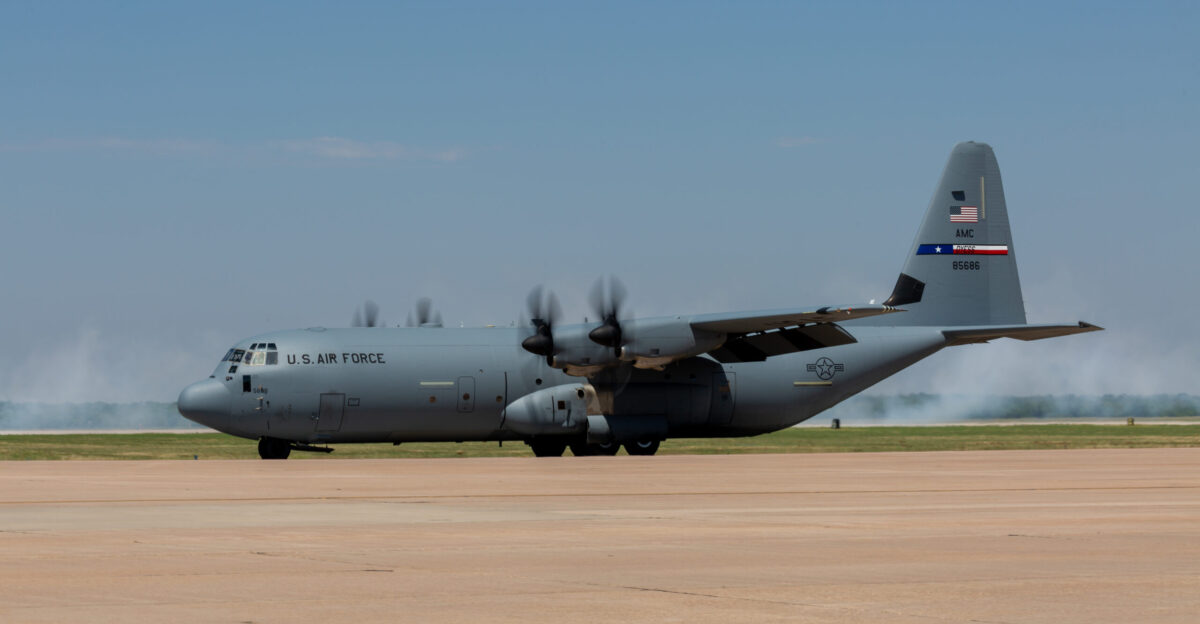
Air Force Special Operations Command report that the C-130 Hercules transport aircraft provides specialized capabilities through gunship variants and special operations modifications.
AC-130 gunship variants deliver precision firepower in contested environments while MC-130 variants enable covert insertion and extraction missions. These capabilities create persistent surveillance and strike options that adversaries cannot effectively counter or replicate.
Future Platforms

According to industry analysis, America’s aerospace industry continues to develop next-generation capabilities that will maintain technological superiority through the 2050s.
Programs like the Next Generation Air Dominance fighter, B-21 Raider expansion, and loyal wingman drones represent continued innovation cycles. This sustained development pipeline ensures American advantages persist even as China and Russia attempt to catch up technologically.
Global Dominance
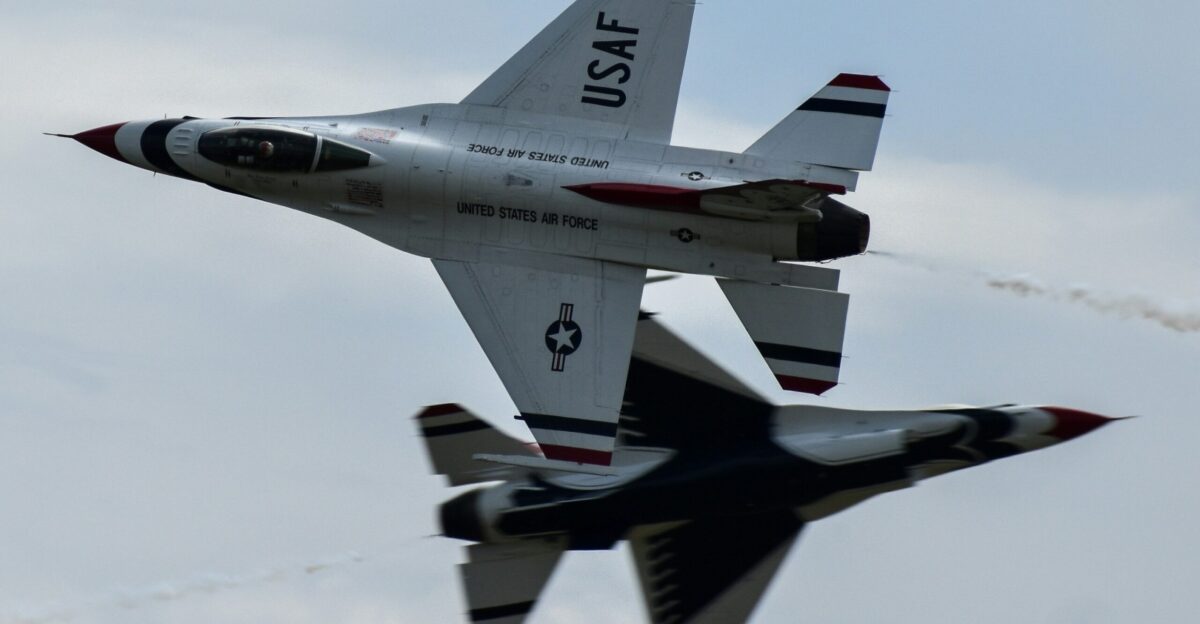
These twenty categories of advanced American aircraft represent more than military hardware—they symbolize technological supremacy in an era of great power competition.
According to World Population Review data, while China and Russia develop counter-capabilities, America’s innovation ecosystem, allied partnerships, and production capacity maintain critical advantages. The ultimate question is whether democratic nations can sustain the investment and cooperation necessary to preserve air dominance against authoritarian challenges.