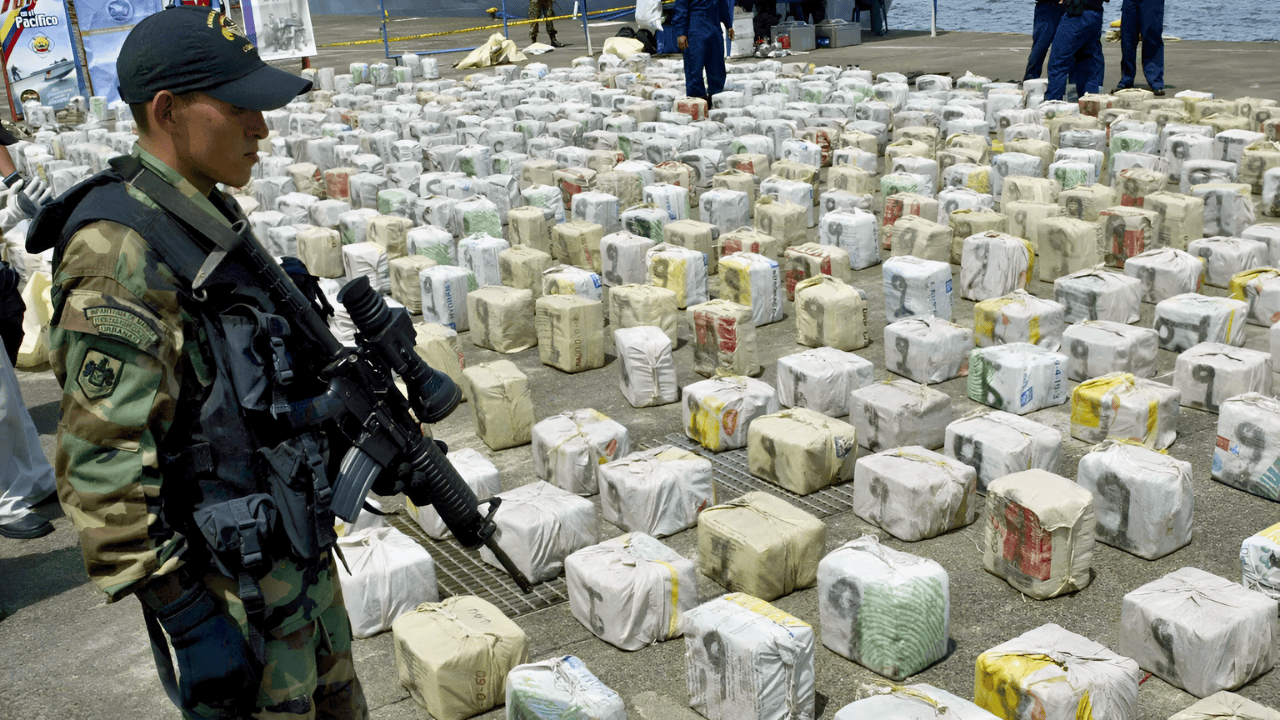
Eleven thousand, five hundred sixty-two packages of cocaine destined for American streets. On November 11, 2025, Panamanian authorities intercepted one of the most audacious drug smuggling operations ever attempted. A commercial ferry carried enough product to supply 13.2 million individual doses.
Prosecutor Julio Villareal announced the seizure as one of the largest cocaine confiscations in Panamanian waters since 2007. The question haunting investigators: how did a ferry carry this much contraband through contested waters?
A Multinational Cartel Network Exposed
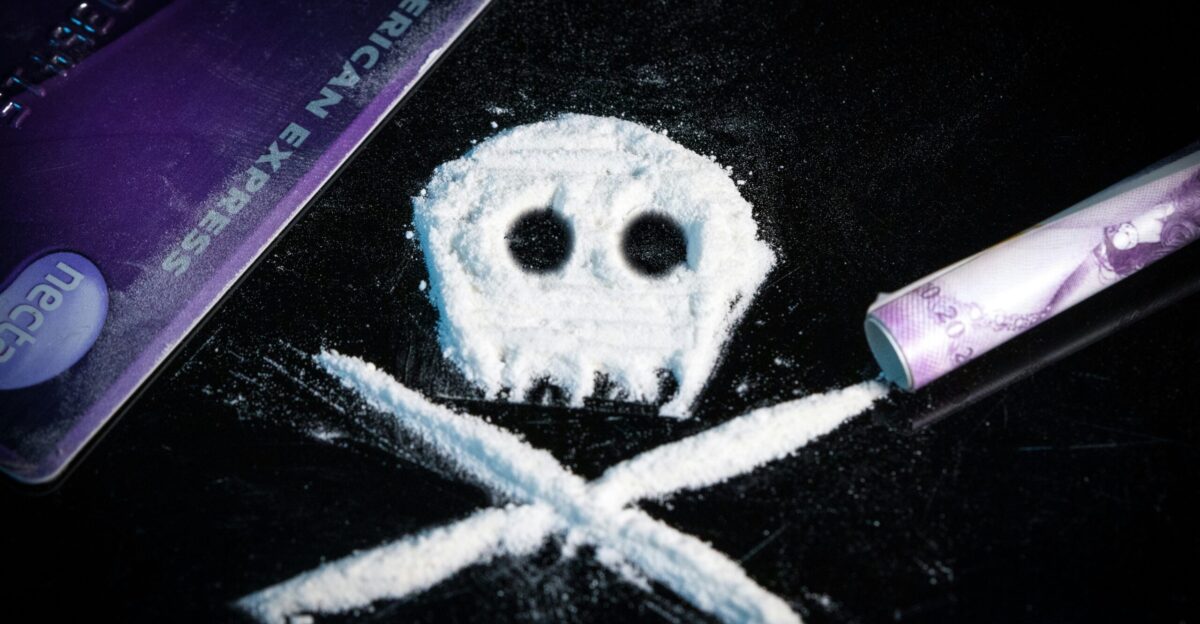
Authorities arrested ten individuals from Venezuela, Ecuador, and Nicaragua—a multinational trafficking operation spanning the entire South American continent. These were seasoned operatives comfortable moving industrial quantities through hostile waters. Each crew member occupied specific roles: lookouts, loaders, navigators, and security.
The multinational composition suggests sophisticated cartel infrastructure with exceptional operational capacity. Prosecutors now face unraveling the supply chain connecting these suspects to Colombian cartels and U.S. distribution networks.
From Colombian Soil to American Streets
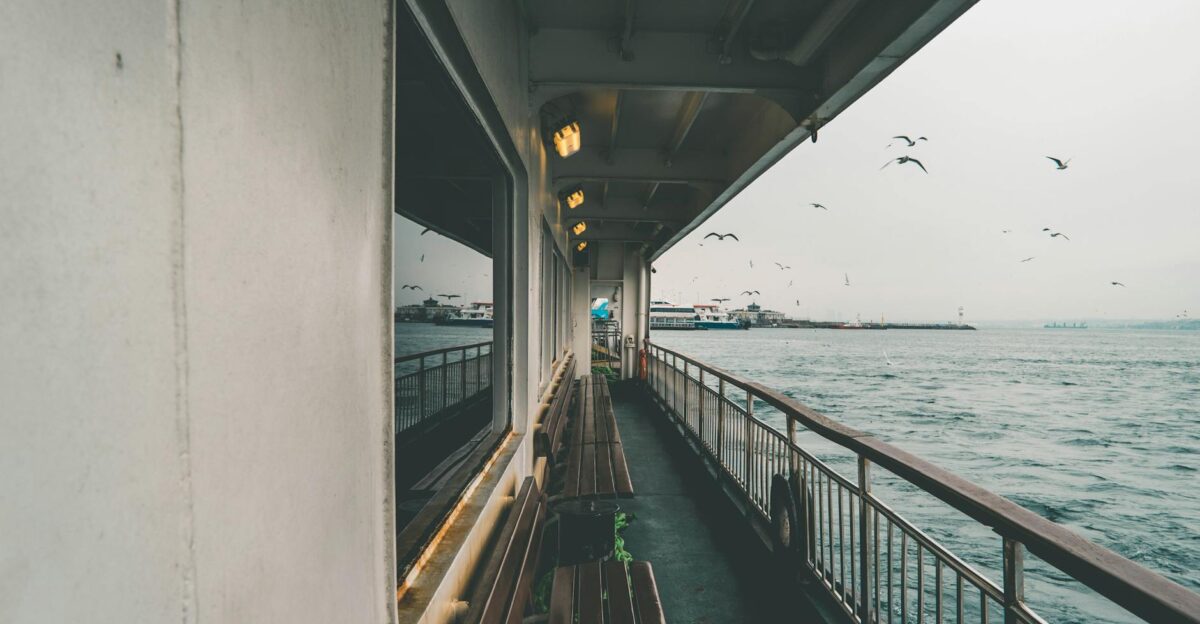
The ferry departed from Colombia, destined exclusively for American markets—the world’s largest cocaine consumer, generating roughly $150 billion in annual spending. Colombia produced 2,664 metric tons in 2023, a 53% increase from 2022, according to the UN’s drug monitoring agencies.
The nation’s 253,000 hectares of coca cultivation sprawl across remote jungle regions where traffickers operate with near-total impunity. For every ferry seized, law enforcement estimates dozens more successfully penetrate U.S. borders.
Devastating Economic Blow to Cartels

The confiscated cargo is estimated to have a street value between $400 million and $500 million, depending on distribution channels and regional pricing. Cocaine typically sells for approximately $30,000-$38,000 per kilogram wholesale, escalating dramatically through distribution chains.
For trafficking organizations losing half a billion dollars in a single operation represents catastrophic damage. This seizure eliminates weeks of cocaine availability across entire metropolitan markets.
Cartels Abandon Speedboats
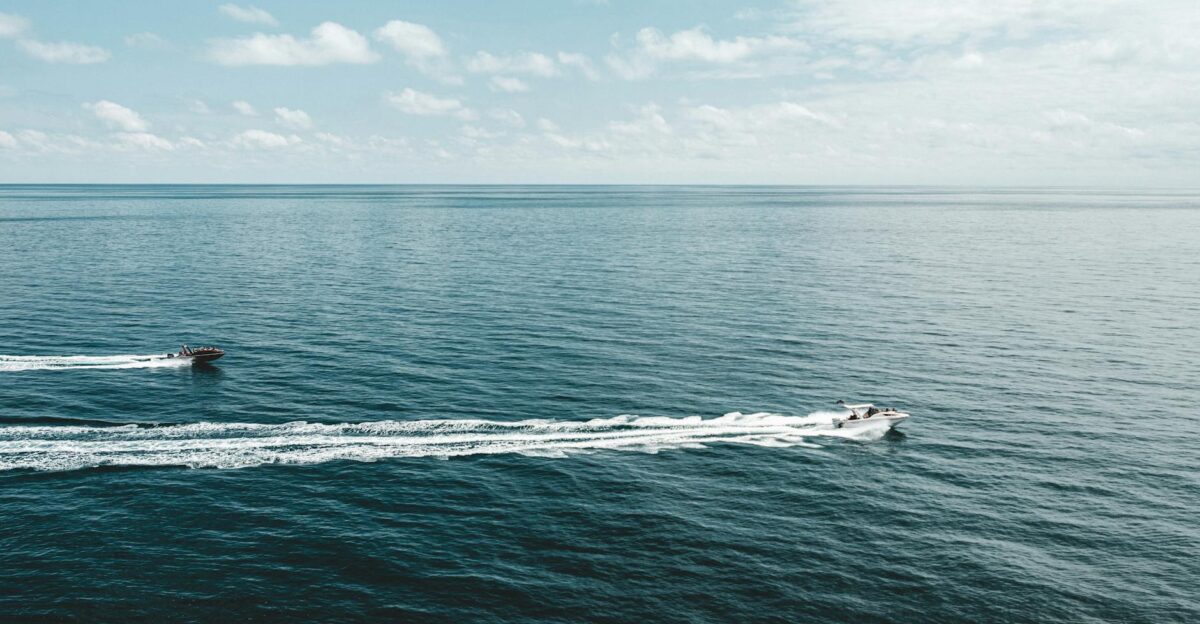
The decision to use a commercial ferry instead of traditional speedboats or semi-submersible vessels signals either brazen innovation or desperation from intensified U.S. military operations killing 76 suspected traffickers since September. Cartels historically favored fast, maneuverable vessels capable of outrunning coast guard interdiction.
Ferries offer a massive cargo capacity, accommodating 11,562 packages, providing significant volume advantages. Was this calculated audacity, hiding contraband in plain sight? Or evidence that traditional routes have become too dangerous?
Panama’s Cocaine Superhighway
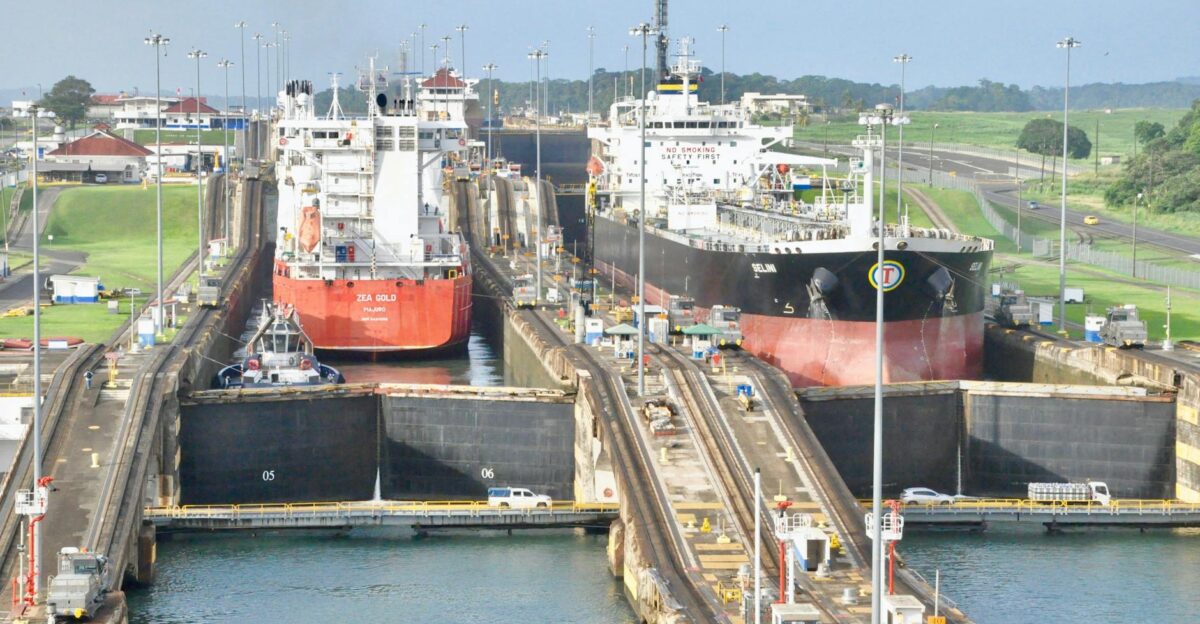
Panama functions as the critical chokepoint in cocaine trafficking from South American production zones toward North American markets. Authorities seized 119 metric tons of drugs in 2023.
Law enforcement estimates cartels push 0.3 tons daily through Panama based on seizure extrapolations, meaning interdiction captures perhaps 10-20 percent of the actual flow.
San Miguel Island
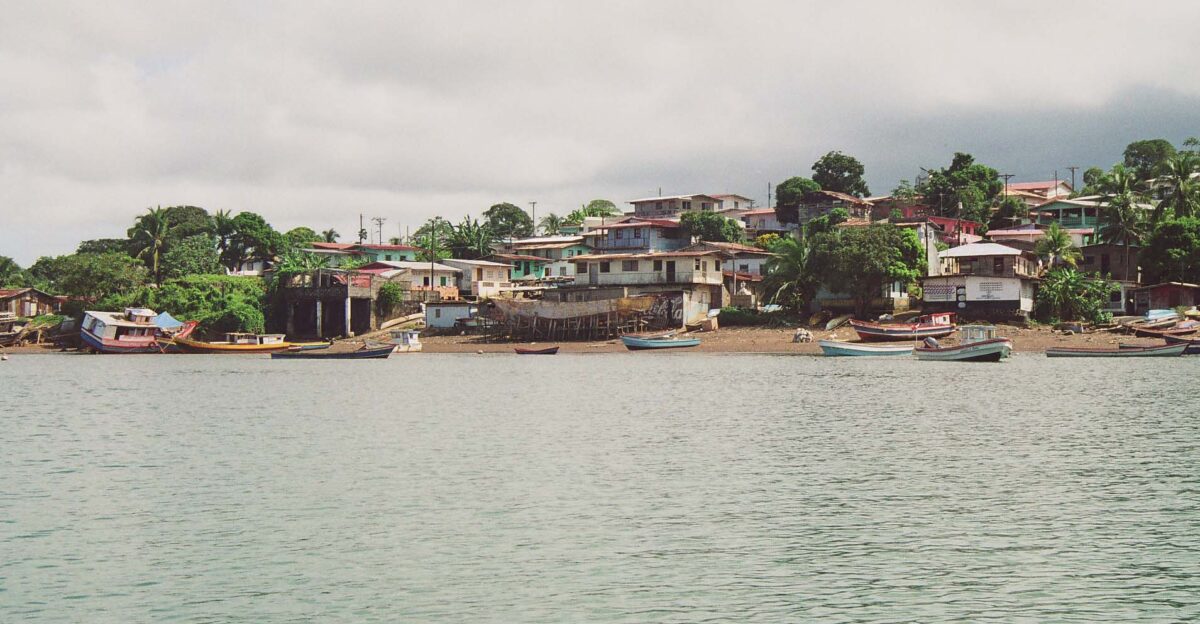
Officials discovered the cocaine ferry near San Miguel Island in Panama’s Pearl Islands, a strategic location offering harbor concealment and proximity to major Pacific shipping lanes. Naval patrols and intelligence-driven enforcement located the vessel before violence erupted.
The 11,562 individually wrapped cocaine packages represent industrial-scale logistics requiring sophisticated distribution infrastructure.
Colombian Production: 2,664 Tons Annually
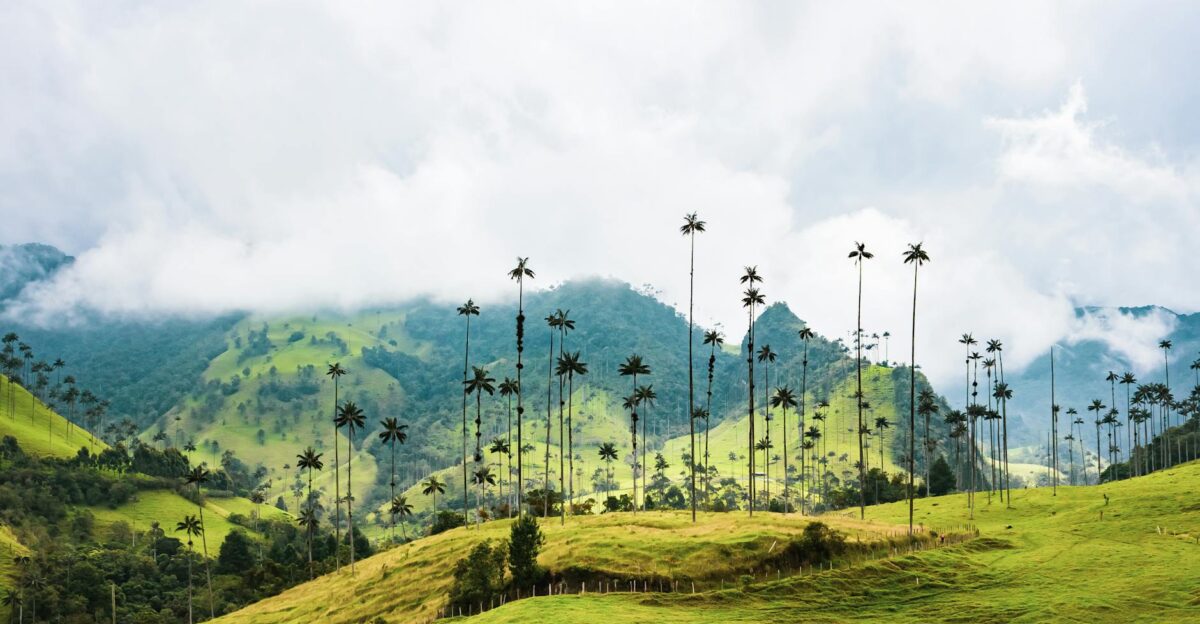
Colombia produced 2,664 metric tons of cocaine in 2023, marking a 53 percent increase from 2022, according to UN Office on Drugs and Crime monitoring. The nation accounts for approximately 67 percent of global output.
Global cocaine production totaled 3,708 tons in 2023, a 34 percent increase from the prior year. This ferry seizure represents merely 0.5 percent of Colombia’s annual production—a single week’s output.
U.S. Coast Guard’s Historic Seizure

The U.S. Coast Guard seized approximately 510,000 pounds of cocaine during fiscal year 2025 across the Eastern Pacific and Caribbean—the largest confiscation in the service’s 233-year history. This represents more than triple the annual average of roughly 167,000 pounds.
The massive haul translates to approximately 193 million individual doses—enough to jeopardize over 58 percent of the American population if it infiltrated markets.
Pentagon Escalates From Seizure to Lethal Force Operations
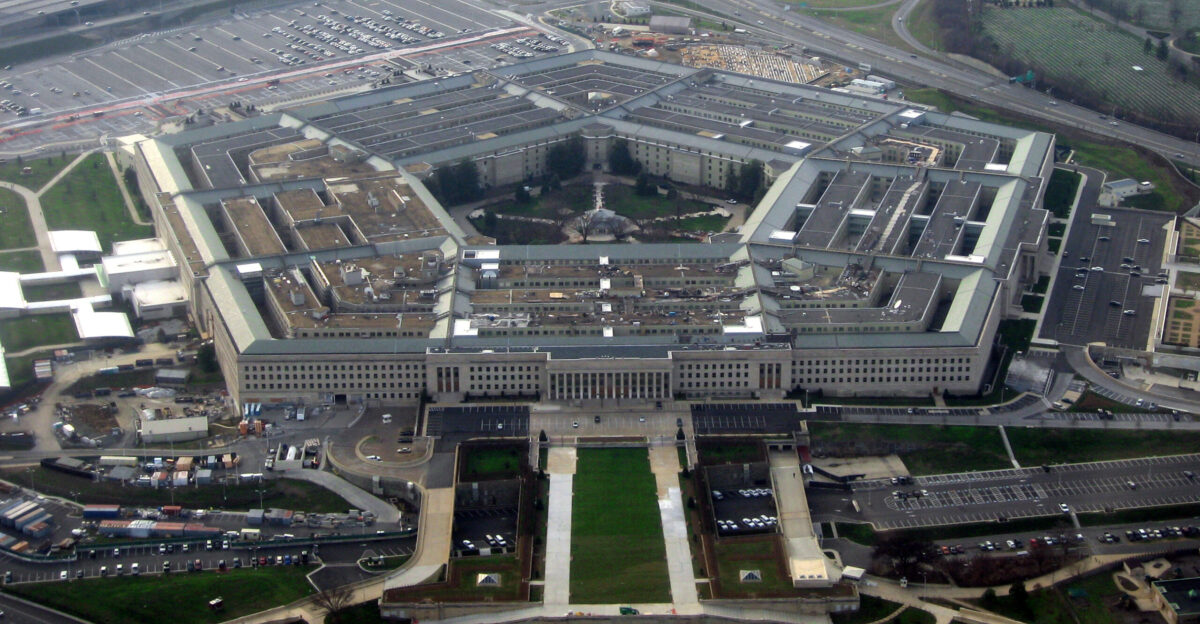
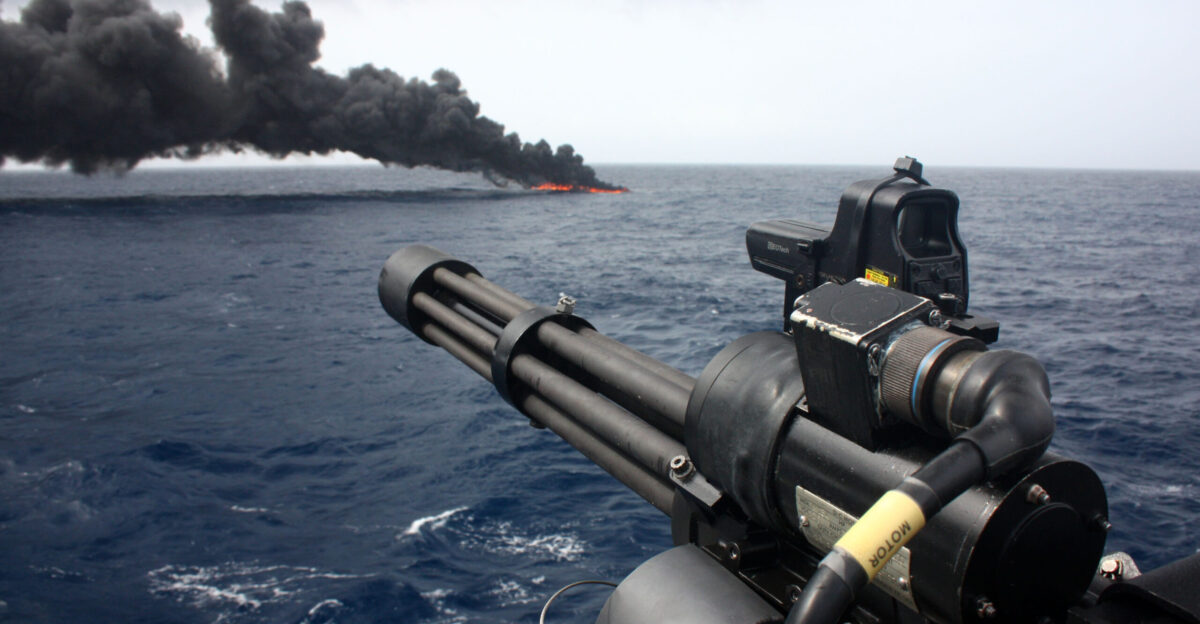
Since September 2025, U.S. military operations have killed at least 76 suspected drug traffickers across 19 separate strikes in Caribbean and Pacific waters, marking an unprecedented escalation from traditional interdiction toward lethal engagement. Defense Secretary Pete Hegseth authorized two additional strikes on November 9, killing six more alleged traffickers.
The Trump administration designated trafficking organizations as foreign terrorist entities, justifying military engagement under armed conflict frameworks.
Military Lawyers Express Doubt
Military legal experts have expressed serious reservations about whether lethal strikes meet the requirements of the Law of Armed Conflict and international humanitarian law standards. Admiral Alvin Holsey, commanding U.S. Southern Command, reportedly offered his resignation after questioning strike legality.
These internal disputes reveal significant doubt within military leadership regarding constitutional and international legal foundations.
Britain and Canada Halt Intelligence Sharing
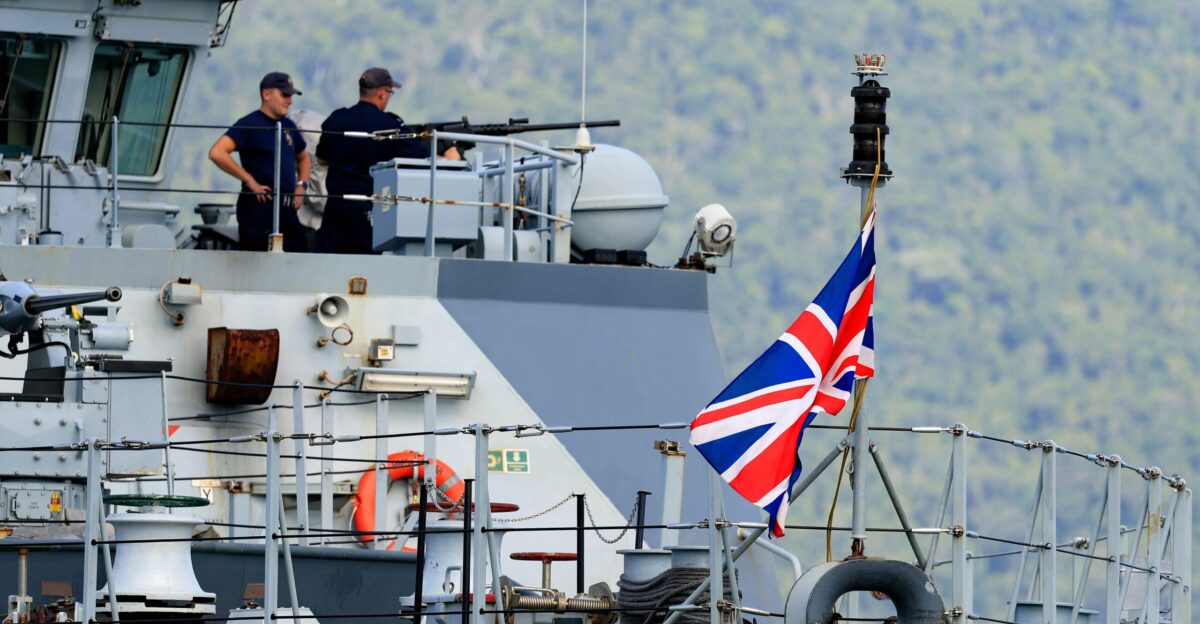
The United Kingdom suspended maritime intelligence sharing with the U.S. over concerns that American strikes constitute extrajudicial killings in violation of international law. Britain believes the 76 deaths represent unlawful military action despite the Trump administration’s claims targeting terrorist organizations.
Canada instructed Washington not to utilize Canadian intelligence in any lethal operations, restricting cooperation to the U.S. Coast Guard’s non-lethal interdiction efforts.
Venezuelan Regime-Change Fears
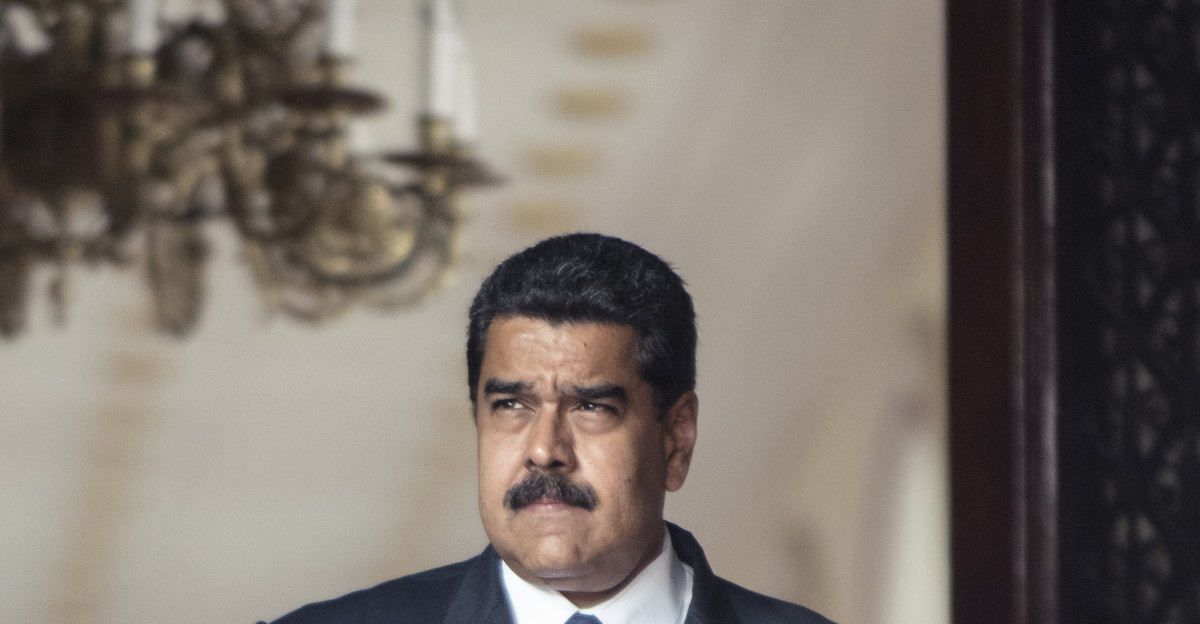
Venezuelan President Nicolás Maduro interprets American military deployment as preparation for military intervention targeting his government and oil reserves. Trump officials have explicitly suggested Maduro’s political future remains uncertain, with the president responding affirmatively when asked if Maduro’s “days were numbered.”
Trump confirmed authorizing covert CIA operations within Venezuela. The U.S. positioned six Navy ships throughout the Caribbean, deployed F-35 stealth warplanes to Puerto Rico, and ordered the USS Gerald R. Ford carrier strike group toward the region.
Record-Breaking Seizures
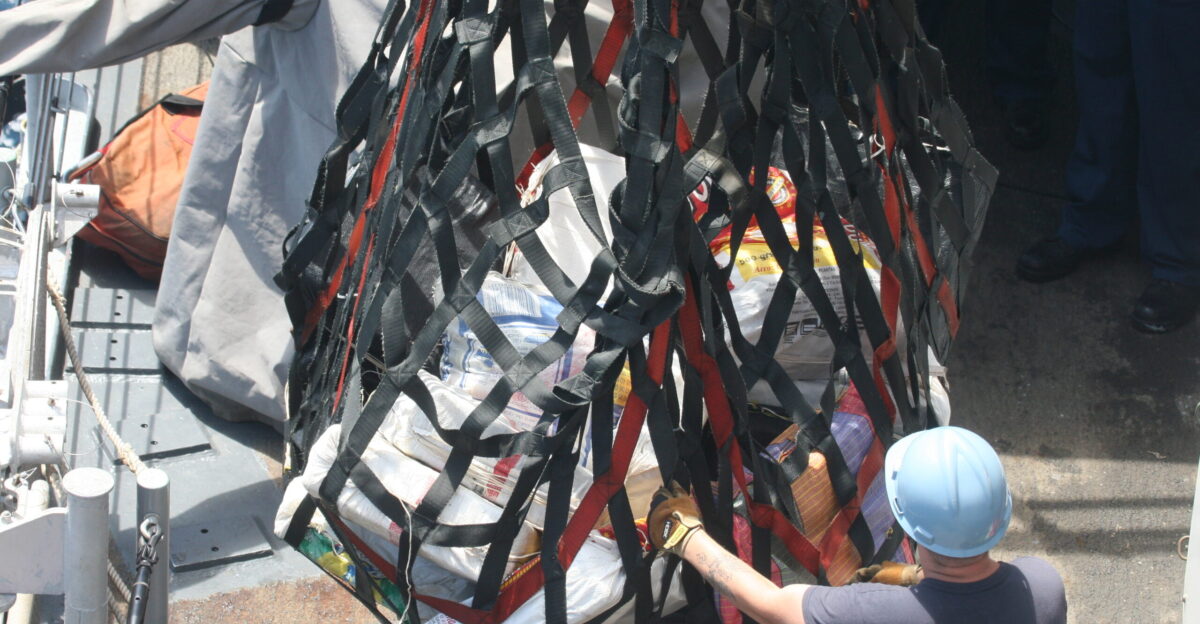
Beyond Panama’s ferry bust, recent months have witnessed unprecedented global cocaine interdiction coordination across continents. Spanish police seized 6.5 tons of cocaine off the Canary Islands in October following U.S. DEA intelligence sharing.
The French Navy intercepted nearly 10 tons worth over $600 million off West Africa in September, while Pakistani Navy forces seized narcotics worth $972 million from Arabian Sea sailboats.
The Cruel Math of Drug Interdiction
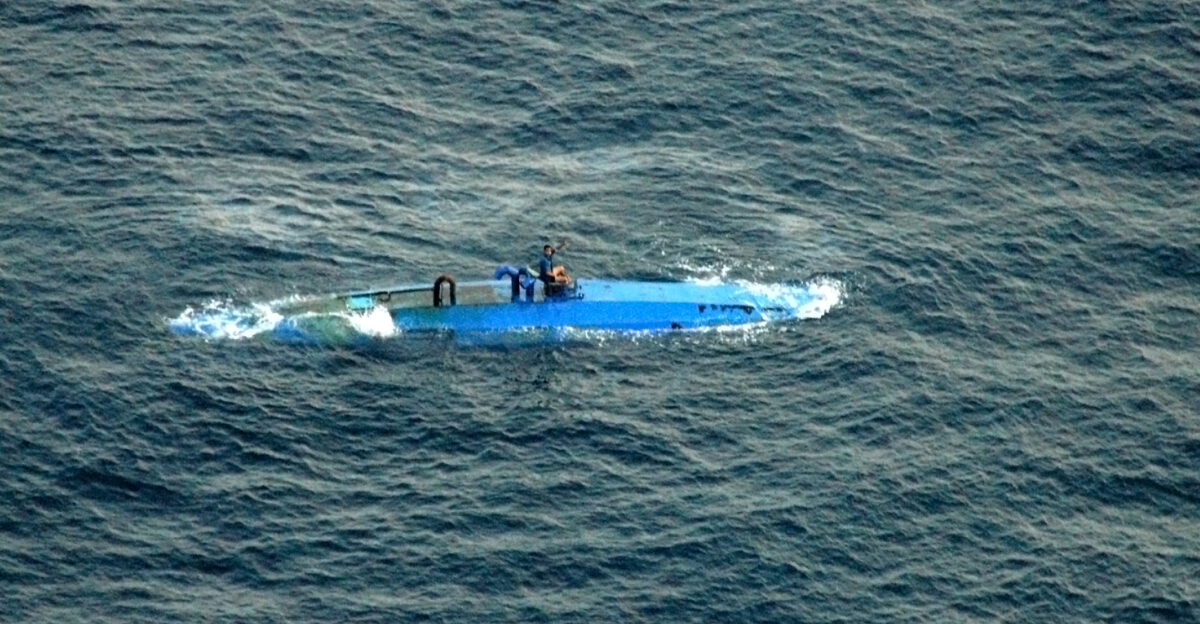
Panama intercepts approximately 0.3 tons of cocaine daily based on 2023 seizure totals annualized across 365 days. Colombian production generates 2,664 tons annually, meaning Panama captures roughly 4.5 percent of national output. For every ferry intercepted, multiple shipments successfully traverse U.S. borders.
The Coast Guard’s 510,000-pound seizure represents perhaps 15-20 percent of the total Pacific cocaine flow, leaving hundreds of thousands of pounds reaching American streets monthly.
Unwitting Mules or Knowing Conspirators?
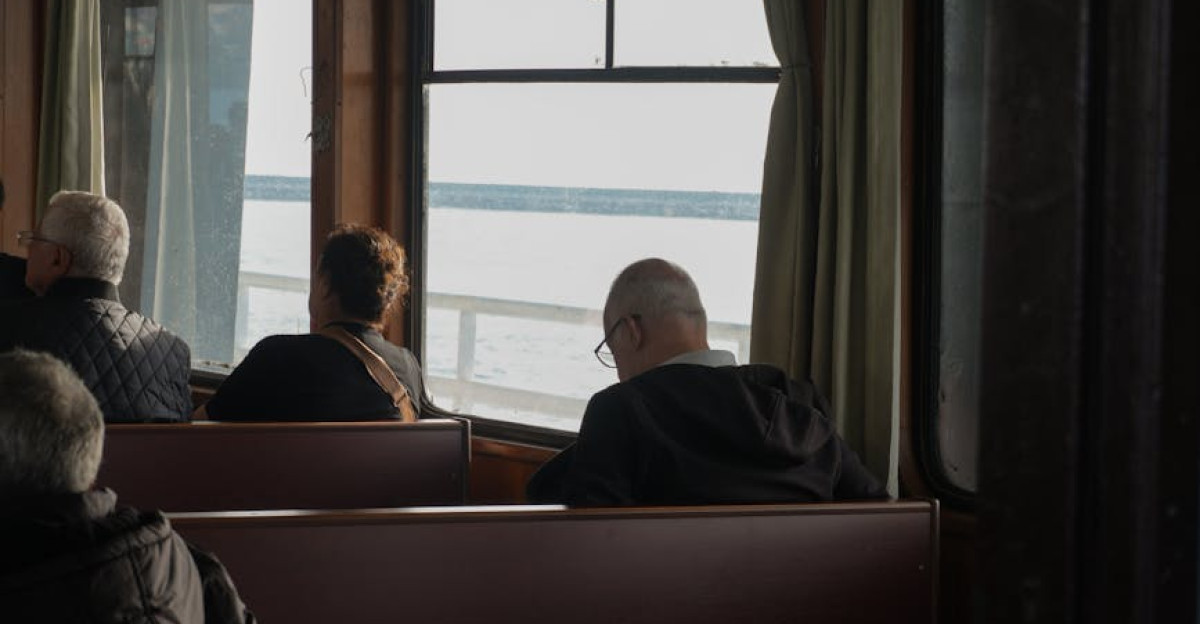
Critical questions remain unanswered regarding the operational details of the ferry seizure. Were other commercial passengers aboard, unknowingly sharing vessel space with $400-500 million in contraband cocaine? Did ferry employees participate in facilitating smuggling operations, suggesting institutional corruption within legitimate maritime transportation?
How long had this trafficking route been operating before it was intercepted? These mysteries suggest sophisticated planning, substantial financial incentives motivating transportation workers, and possible foreknowledge among ferry operators.
Organized Crime Controls Maritime Infrastructure
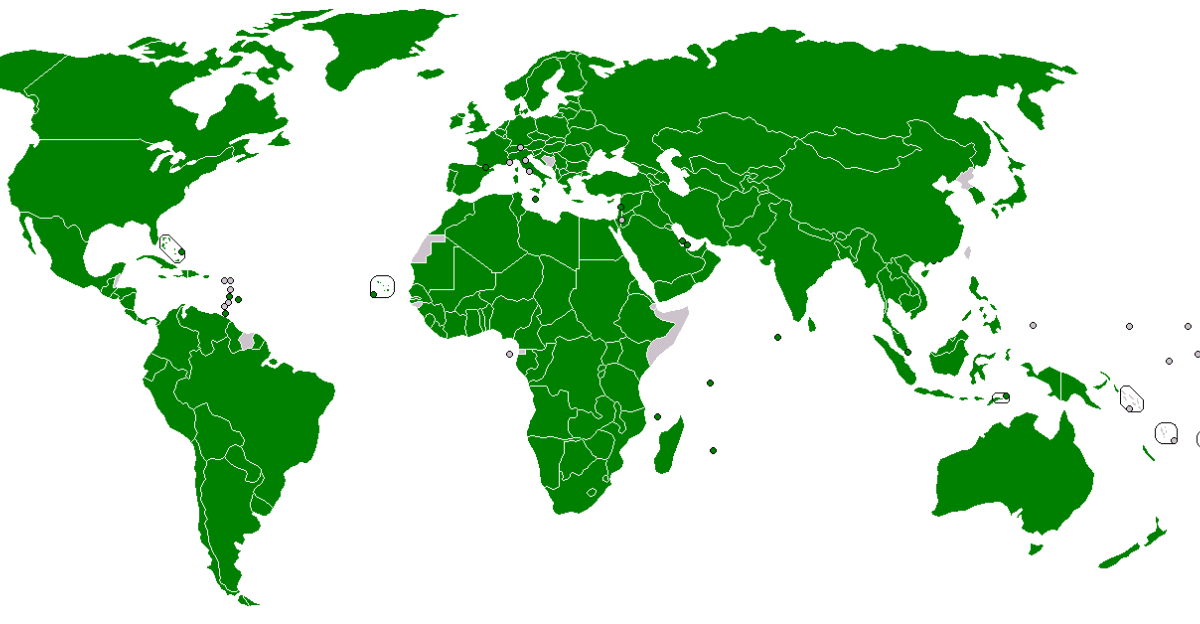
The seizure reveals how deeply organized crime has infiltrated Panama’s ports and maritime infrastructure, according to investigations by the World Customs Organization and Prosecutor Villareal. Criminal organizations leverage commercial shipping disguise for narcotics movement, with containers providing cover for cocaine destined toward European markets, including Belgium, France, Spain, and the United Kingdom.
The ferry operation demonstrates cartels now compromise legitimate commercial transportation infrastructure, suggesting next-level sophistication exceeding traditional narco-submarine or speedboat methods.
Largest Seizure Since 2007
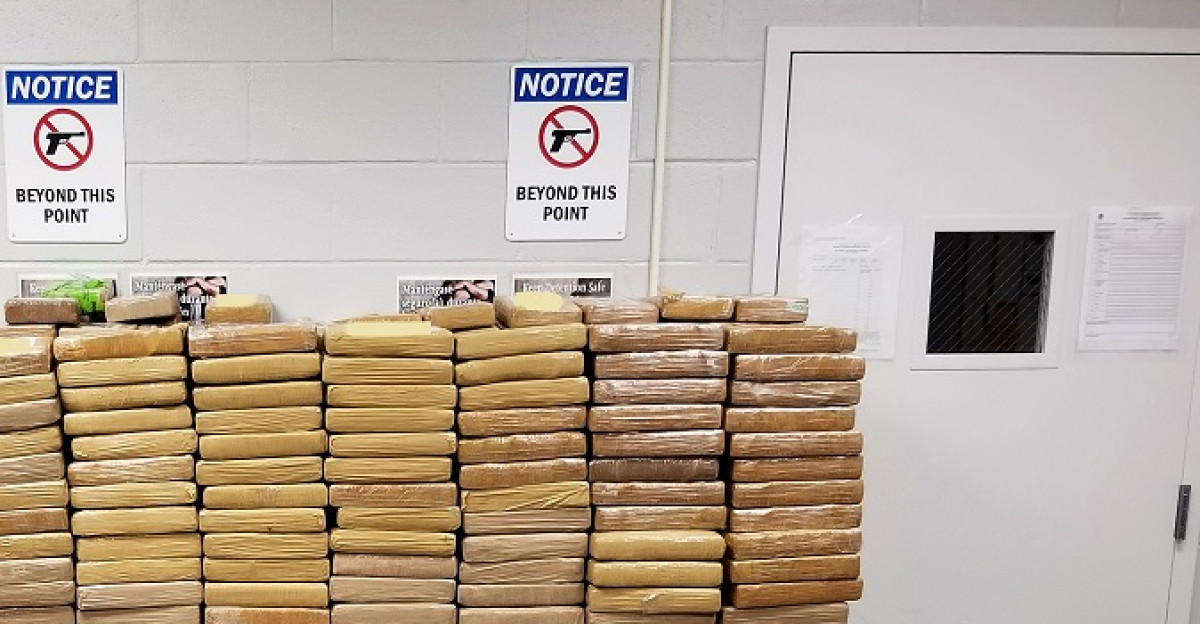
Panama’s previous record cocaine seizure occurred in 2007 when authorities intercepted 19 tons off the Pacific coast, eighteen years before the ferry bust. Despite nearly two decades of technological advancements and increased intelligence sharing, the 2025 ferry seizure demonstrates that cartels have expanded their operational capacity and audacity.
The ferry operation required coordinating multinational crews, securing massive cargo volumes, and navigating contested waters under intensified U.S. military surveillance—capabilities that exceeded the sophistication of 2007-era smuggling operations.
100,000 Annual Casualties Despite Record Seizures
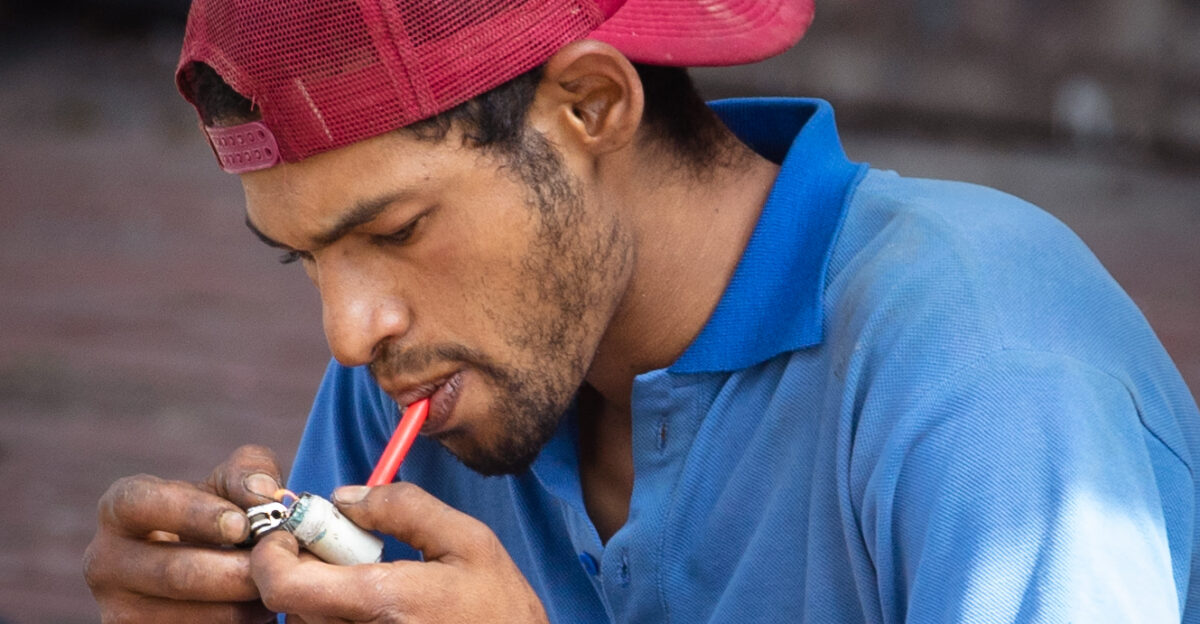
The cocaine crisis continues unabated despite the Coast Guard’s historic 510,000-pound seizure and record-breaking global interdiction cooperation. Approximately 100,000 Americans die annually from overdoses, with cocaine-involved fatalities accounting for roughly 25,000 deaths per year, according to CDC data.
Record-breaking seizures coincide with record-breaking production, suggesting supply-side interdiction strategies alone cannot arrest demand-driven market dynamics.
A Hemisphere’s Cocaine Nightmare
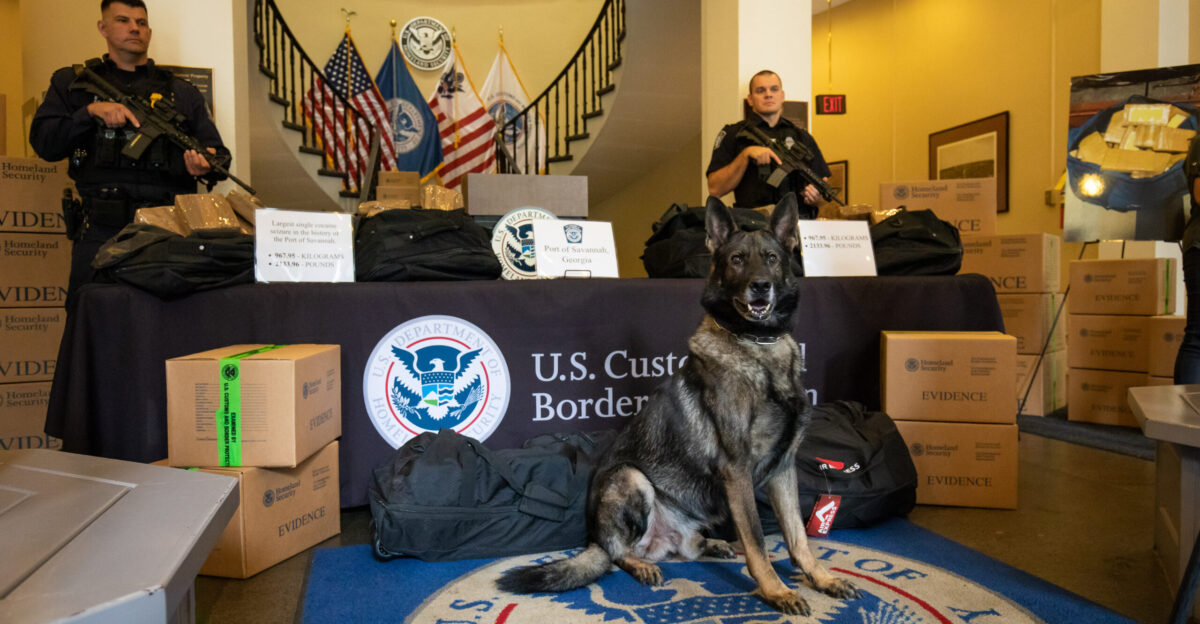
This seizure is more than a tally of drugs and arrests—it’s a reality check for the Americas. For every ton stopped, cartels devise new routes, bankrolled by relentless demand and billion-dollar profits.
Militarization and mega busts highlight escalating desperation and ingenuity on all sides, but the battlefield keeps shifting. Until leaders confront the complex roots—corruption, poverty, addiction—the cycle endures, with every victory exposing just how far there is left to go.