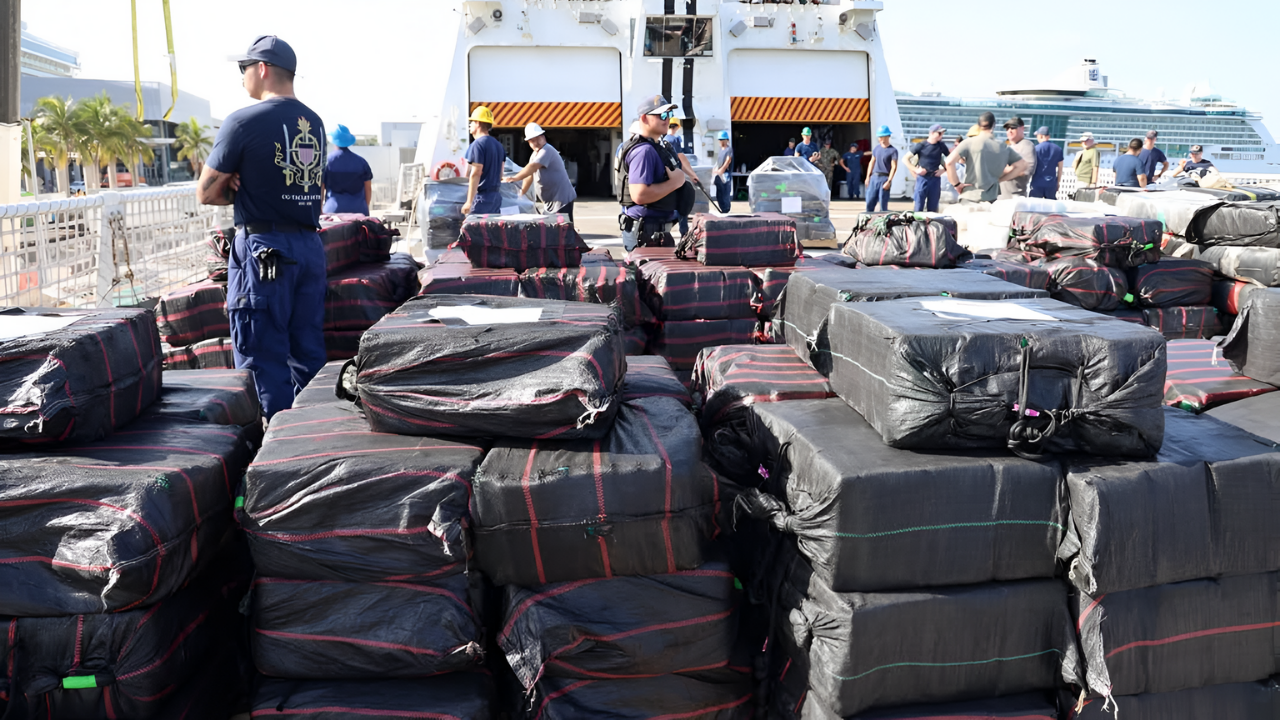
Eleven thousand, five hundred sixty-two packages of cocaine—enough for over 13 million doses—were seized by Panamanian authorities on November 11, 2025, in one of the largest maritime drug busts in nearly two decades. The intercepted commercial ferry, loaded with cocaine bound for the United States, exposed the evolving tactics and scale of international drug trafficking, raising urgent questions about enforcement, cartel innovation, and the broader fight against narcotics in the Americas.
A Cartel’s Multinational Operation Unveiled
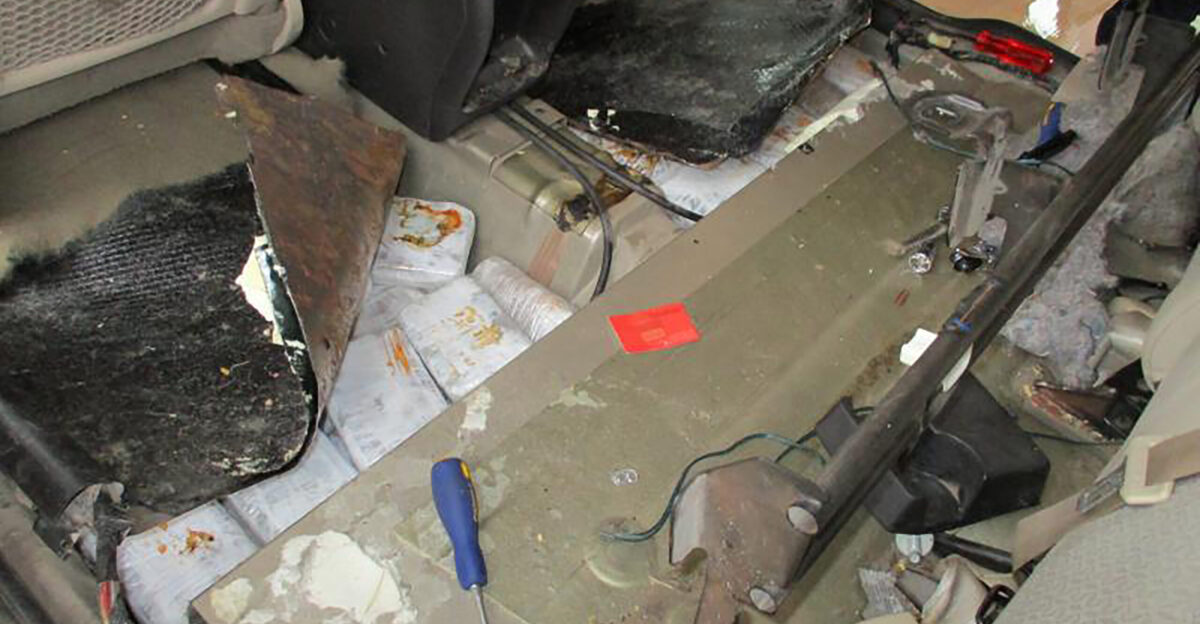
The seizure led to the arrest of ten suspects from Venezuela, Ecuador, and Nicaragua, highlighting the multinational reach and sophistication of the trafficking network. Each crew member played a specialized role—lookout, loader, navigator, or security—reflecting a highly organized operation. Prosecutors are now working to trace the supply chain from Colombian producers through Panamanian waters and onward to U.S. distribution networks, underscoring the complexity and reach of modern cartels.
Colombia remains the world’s largest cocaine producer, with output surging to 2,664 metric tons in 2023—a 53 percent increase from the previous year. Vast coca plantations, covering 253,000 hectares, stretch across remote regions where traffickers operate with near impunity. Despite high-profile seizures, authorities estimate that for every intercepted shipment, many more evade detection and reach American markets, which account for an estimated $150 billion in annual cocaine spending.
Economic Impact and Shifting Smuggling Tactics

The confiscated cocaine, valued between $400 million and $500 million on the street, represents a significant financial blow to trafficking organizations. Wholesale prices for cocaine range from $30,000 to $38,000 per kilogram, but the value multiplies as the drug moves through distribution channels. Losing such a large shipment in a single operation can disrupt supply across entire metropolitan areas, at least temporarily.
Notably, traffickers abandoned their traditional reliance on speedboats and semi-submersible vessels in favor of a commercial ferry. This shift may signal either bold innovation or desperation in response to intensified U.S. military operations, which have resulted in the deaths of 76 suspected traffickers since September. Ferries offer greater cargo capacity and the potential to conceal contraband in plain sight, but their use also suggests that established smuggling routes have become increasingly perilous under heightened surveillance and enforcement.
Panama’s Role as a Trafficking Chokepoint
Panama serves as a critical transit point for cocaine moving from South America to North America. In 2023, Panamanian authorities seized 119 metric tons of drugs, but officials estimate that only 10 to 20 percent of the total flow is intercepted. The ferry was discovered near San Miguel Island in the Pearl Islands, a strategic location close to major Pacific shipping lanes. The operation required coordinated naval patrols and intelligence-driven enforcement to prevent violence and secure the massive cargo.
The scale of the seizure—11,562 individually wrapped packages—demonstrates the industrial logistics and infrastructure cartels now command. Investigations by the World Customs Organization and Panamanian prosecutors reveal that organized crime has deeply infiltrated the region’s ports and maritime systems, using commercial shipping as cover for narcotics bound not only for the U.S. but also for European markets.
Escalating Enforcement and International Tensions
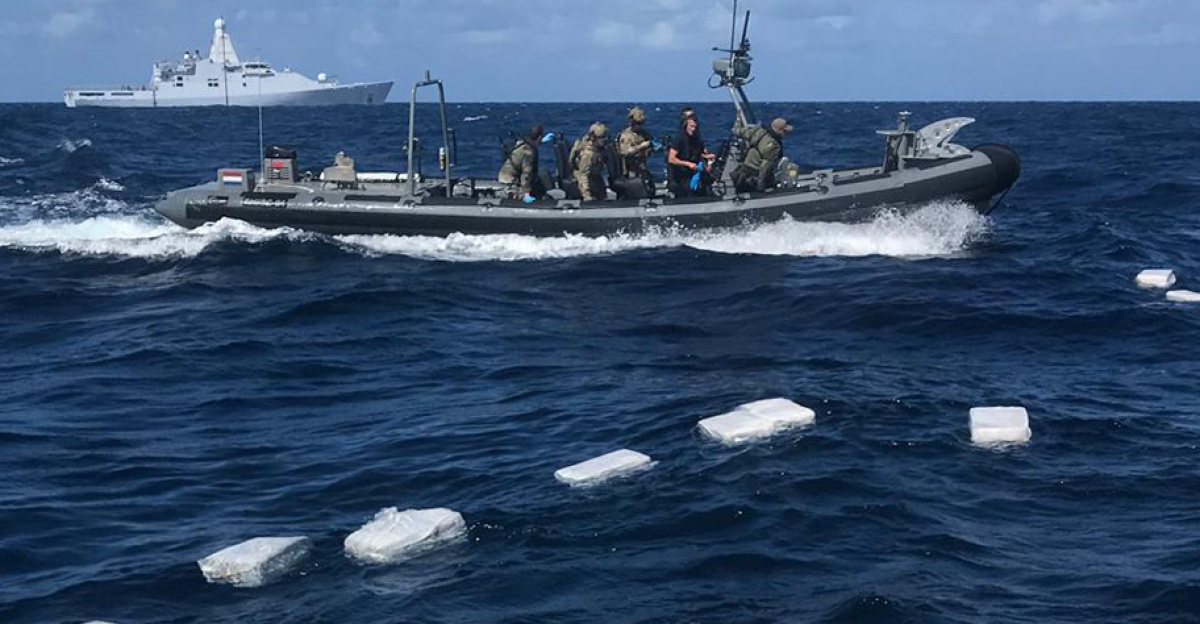
The U.S. Coast Guard reported a record 510,000 pounds of cocaine seized in fiscal year 2025, more than triple its annual average. This historic haul, enough for 193 million doses, reflects both increased enforcement and the relentless scale of trafficking. Meanwhile, the U.S. military has escalated from interdiction to lethal force, conducting 19 strikes and killing dozens of suspected traffickers. The Trump administration’s designation of trafficking organizations as foreign terrorist entities has justified these actions under armed conflict frameworks.
However, this approach has sparked controversy. Military legal experts have questioned the legality of lethal strikes under international law, leading to internal disputes and even the resignation of senior commanders. Allies such as the United Kingdom and Canada have suspended intelligence sharing, citing concerns over extrajudicial killings and the use of shared intelligence in lethal operations.
Enduring Crisis and Unanswered Questions
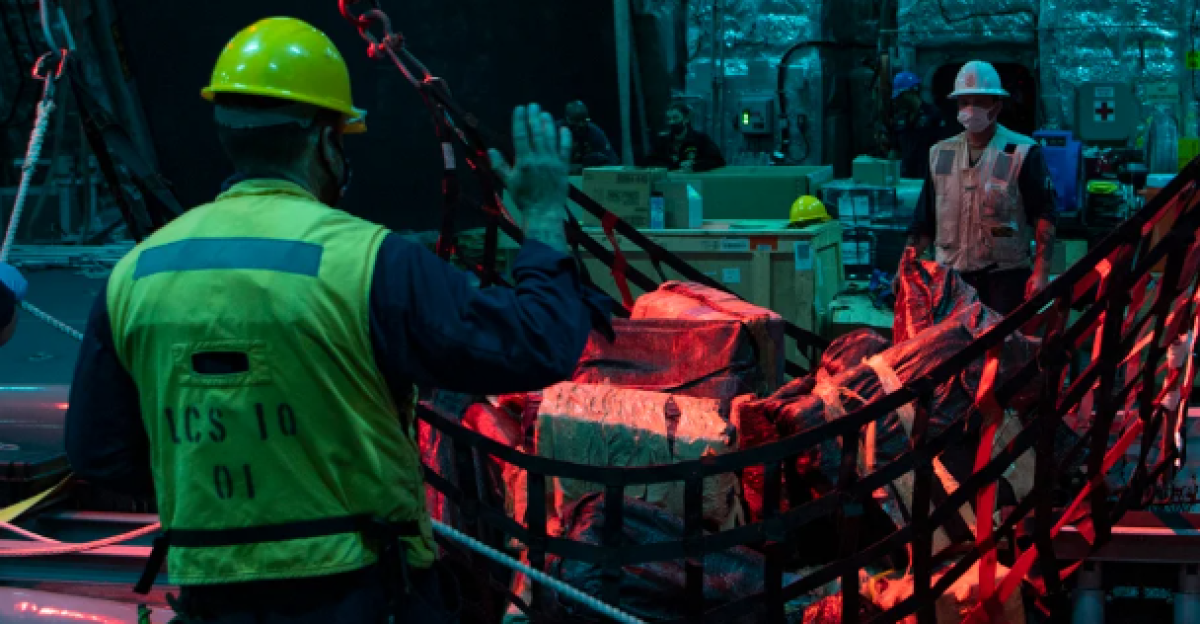
Despite record-breaking seizures and intensified military action, the cocaine crisis persists. Approximately 100,000 Americans die from overdoses each year, with cocaine-involved fatalities accounting for a quarter of these deaths. The relentless demand continues to fuel innovation and risk-taking among traffickers, who adapt quickly to enforcement strategies.
The recent ferry bust is a stark reminder of the scale and complexity of the hemispheric drug trade. For every shipment stopped, many more succeed, driven by powerful economic incentives and the adaptability of organized crime. As authorities grapple with the legal, ethical, and practical challenges of enforcement, the cycle of supply and demand endures—underscoring the need for comprehensive solutions that address not just interdiction, but also the deeper roots of the crisis.