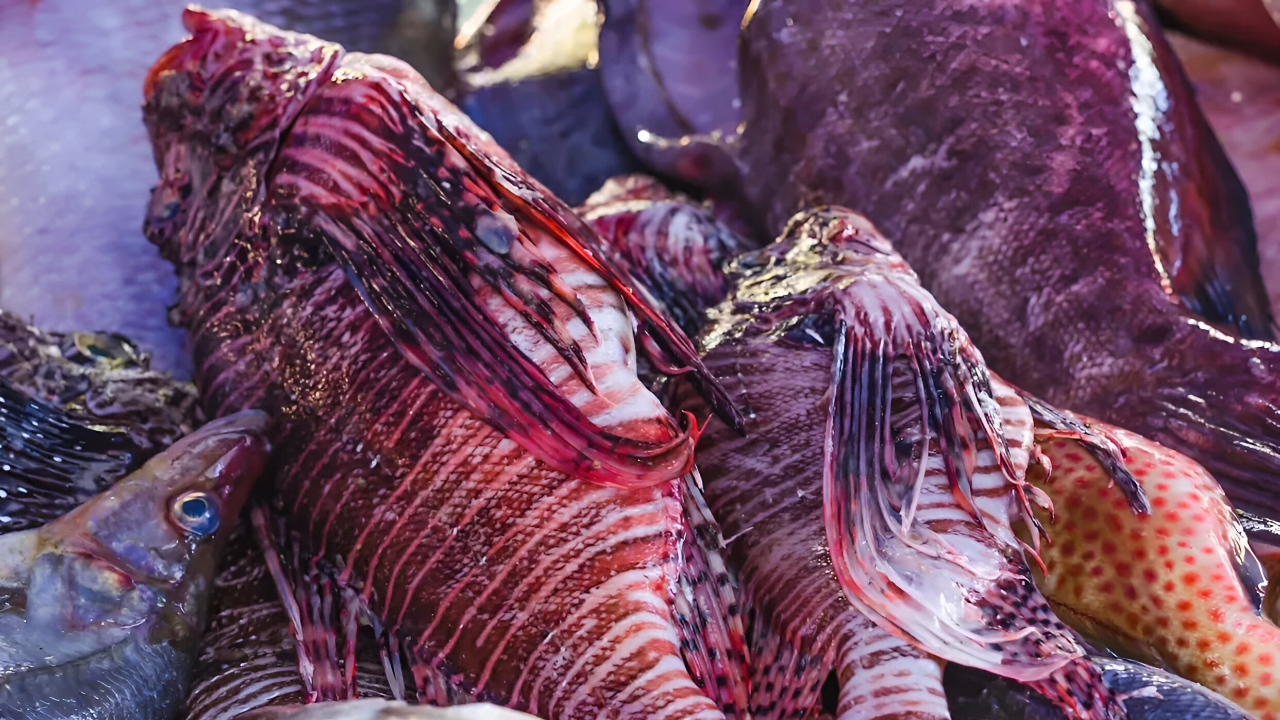
A massive, silent invader creeps across the U.S.—and it’s costing taxpayers $120 billion each year. The culprit? Invasive species. From feral pigs tearing through farms to lionfish decimating reefs, these non-native creatures are wreaking havoc.
Their unchecked spread is forcing experts to rethink control methods—and one thing is clear: the costs are mounting. But what happens when these pests go from nuisance to dinner plate?
Escalating Invasion
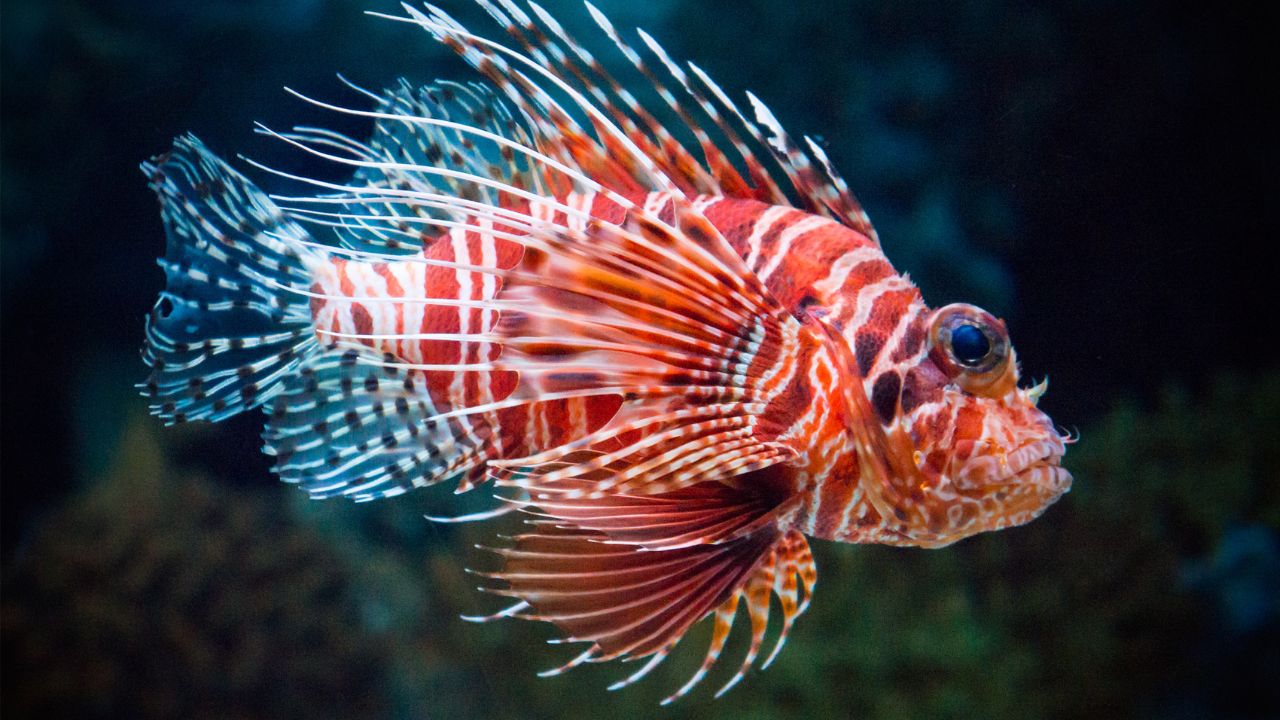
Since the 1980s, species like the lionfish have decimated U.S. reefs, reducing native fish populations by up to 79%.
Their rapid reproduction rate—females release up to 50,000 eggs every three days—has made control methods, such as manual removal, ineffective and costly. As these species spread, the pressure on ecosystems and economies intensifies.
Invasion Origins
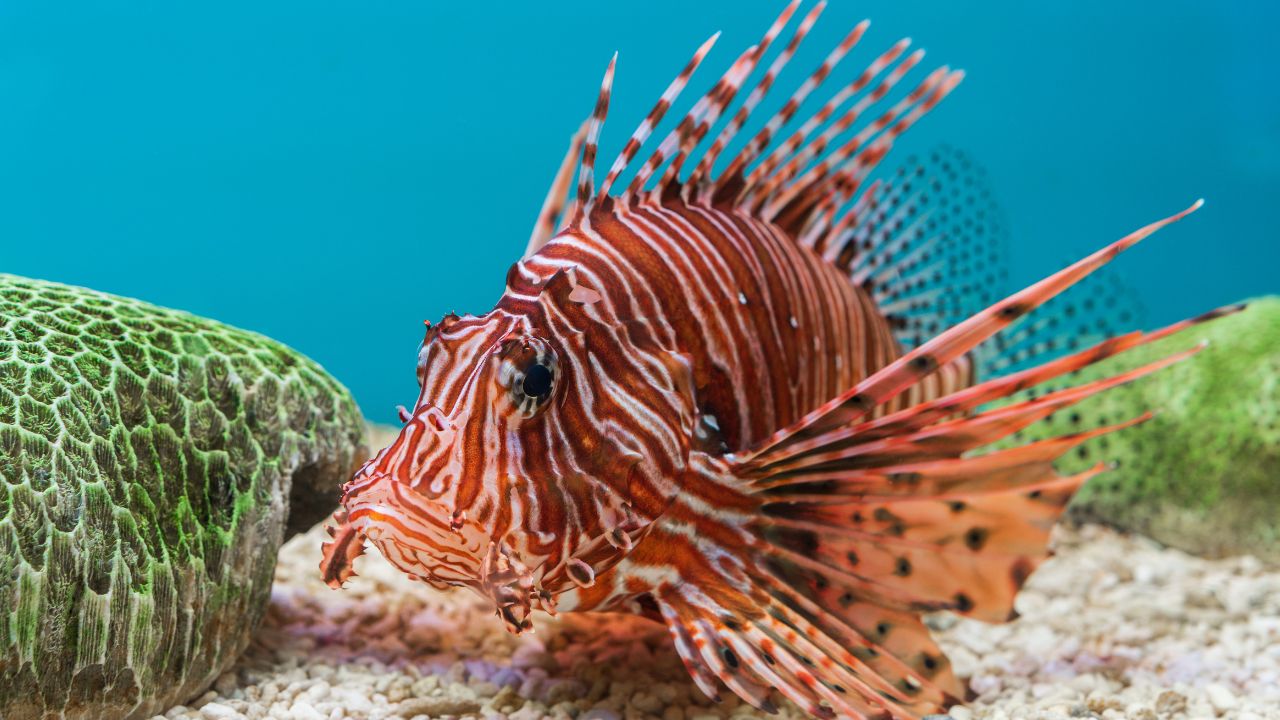
Invasive species have entered the U.S. via trade routes, including the aquarium trade and ships, often arriving unnoticed.
Species like the lionfish and nutria thrive in new environments without natural predators, wreaking havoc on ecosystems.
Early detection failed to prevent their spread, allowing these invaders to become deeply entrenched across the country.
Mounting Pressures
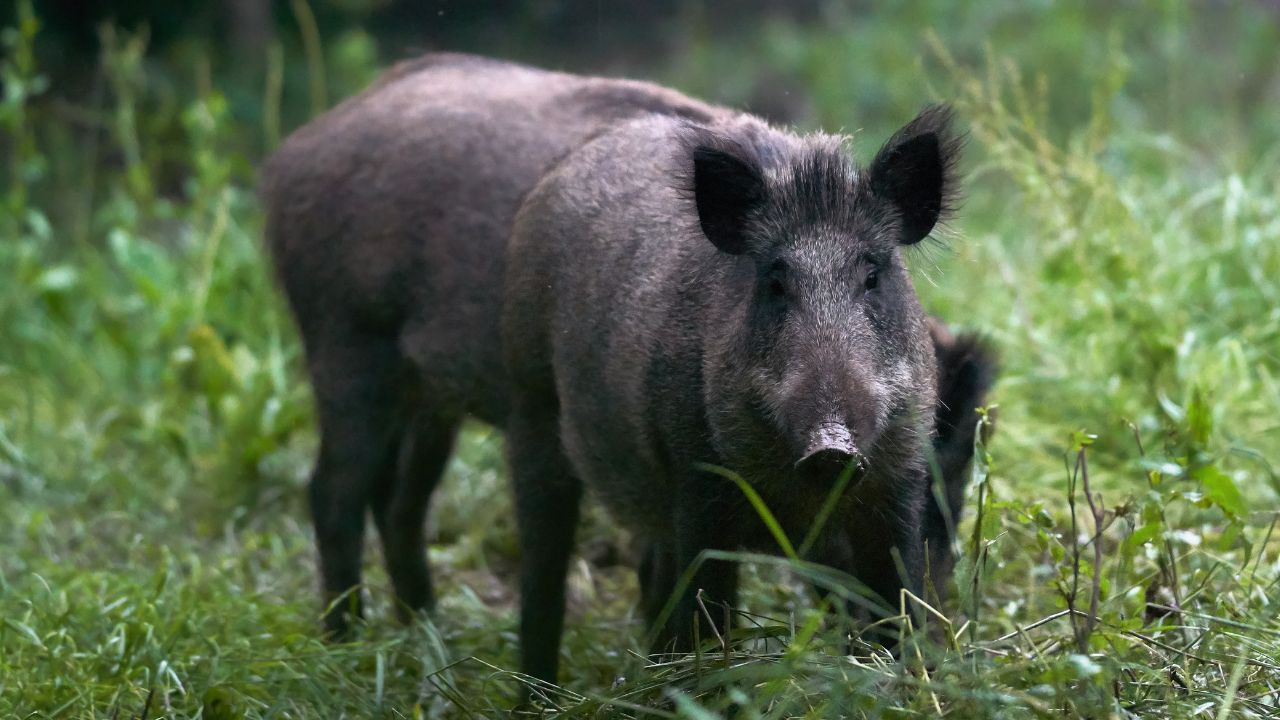
The economic toll of invasive species is mounting, with feral pigs alone causing $3.4 billion in damages each year.
Invasive insects, like the spotted lanternfly, threaten millions in crop losses, while wetlands and fisheries continue to suffer.
With costs continuing to rise, experts are looking for innovative solutions to this widespread issue.
Invasivorism Revealed

In response to the invasive crisis, invasivorism emerged as a strategy—encouraging the consumption of invasive species. Biologist Joe Roman’s “Eat the Invaders” initiative promotes turning pests like lionfish and nutria into culinary delights.
This grassroots movement has gained support from conservationists, aiming to reduce invasive populations by creating market demand.
Florida Fallout

Florida’s marine ecosystems are under siege from lionfish, whose unchecked growth threatens commercial fisheries worth millions.
Despite ongoing efforts, such as lionfish removal tournaments, their numbers continue to overwhelm native species. Similar damage is seen in Gulf Coast wetlands, where nutria destruction leads to further ecological imbalance.
Hunter Stories
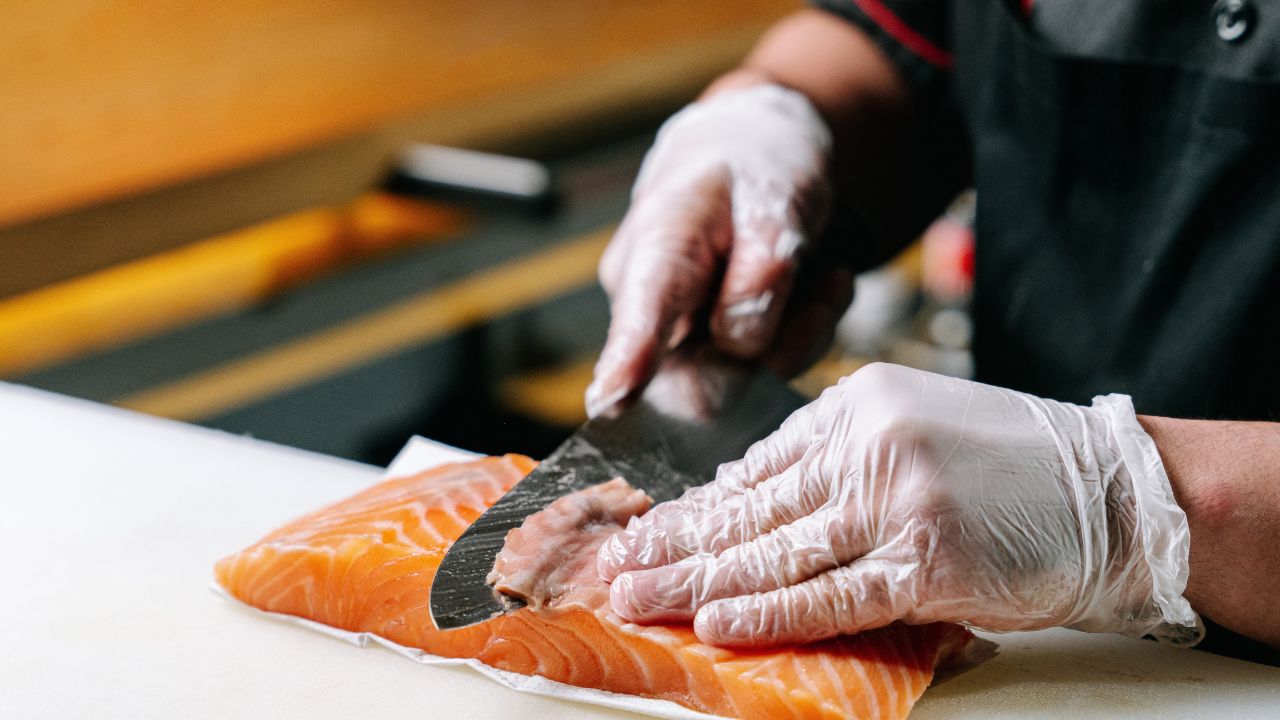
Chefs across Florida have embraced lionfish as a local delicacy, with dishes like lionfish tacos becoming increasingly popular during events like Restaurant Week.
These efforts not only help reduce invasive populations but also introduce diners to sustainable eating, showing that fighting ecological harm can be delicious.
Regulatory Push
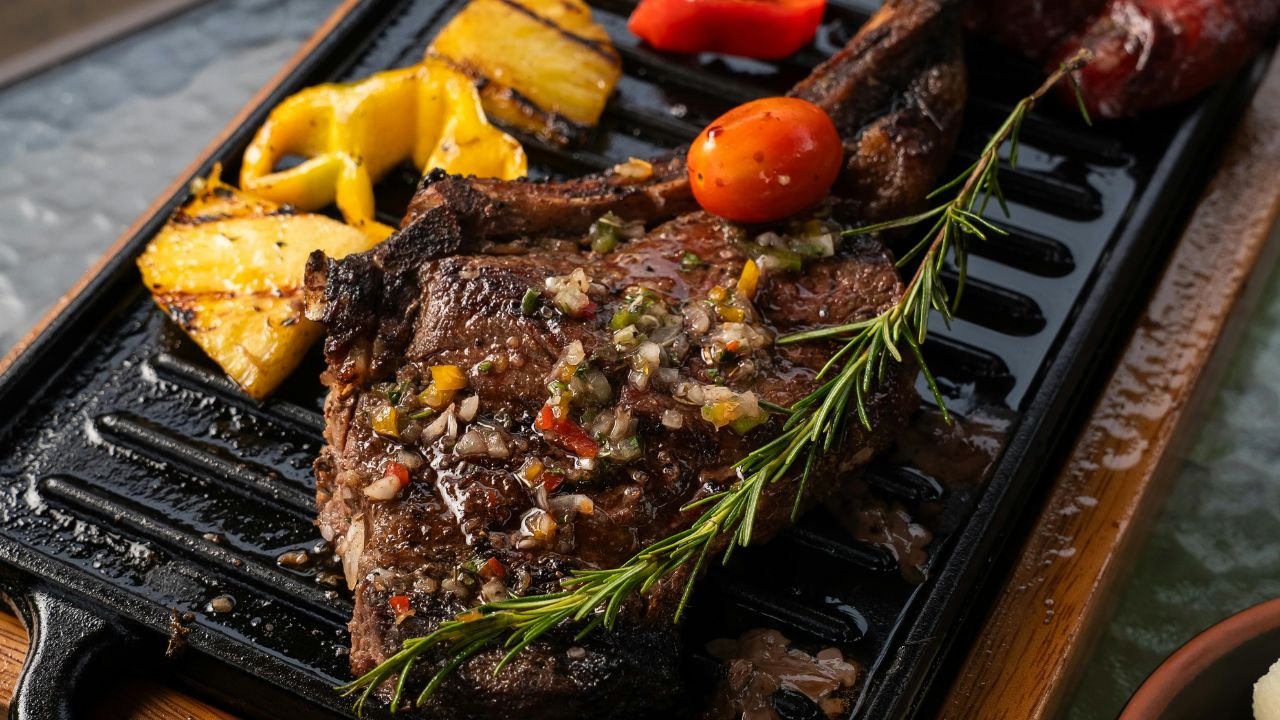
States like Louisiana and Florida have partnered with local businesses to promote the consumption of invasive species.
Louisiana, for instance, offers bounties for nutria harvests, while Florida encourages restaurants to feature lionfish. These regulatory efforts aim to reduce invasive populations by turning them into a marketable resource.
Menu Momentum

From Asian carp in the Great Lakes to green crabs in New England, chefs across the U.S. are creatively incorporating invasive species into their menus.
With increasing awareness, these culinary innovations are gaining popularity. Yet, while demand is growing, supply chains are still struggling to keep up with the need for invasive meat.
National Scale
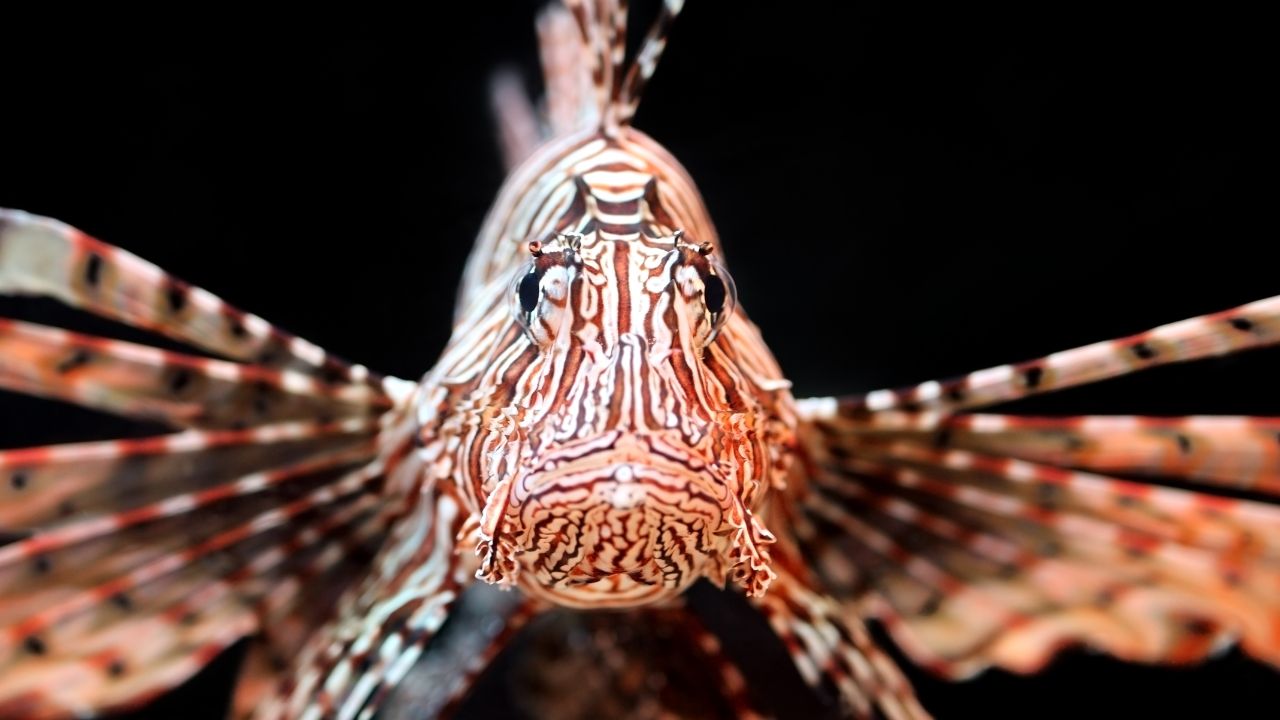
The U.S. faces a national crisis, with invasive species wreaking havoc from coast to coast. Feral pigs, nutria, and lionfish are only a few examples of species that continue to expand.
Federal agencies, from NOAA to USGS, are working together to monitor and control these populations, but the scale of the issue continues to grow.
Hidden Limit
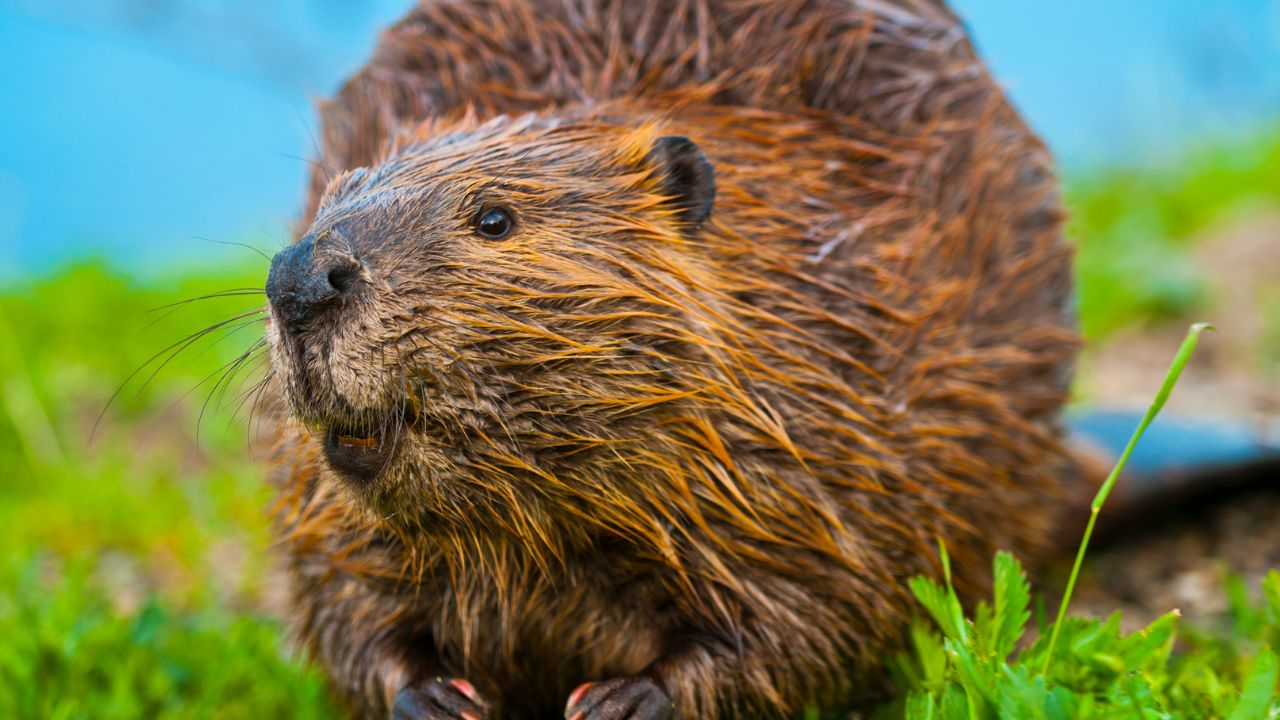
While invasivorism has gained momentum, not all invasive species are equally appetizing. Nutria, for example, despite causing massive damage, fails to gain significant traction on menus due to its unappealing image.
This highlights a major limitation—while eating invasives can help control their populations, it is not a one-size-fits-all solution.
Diver Frustrations
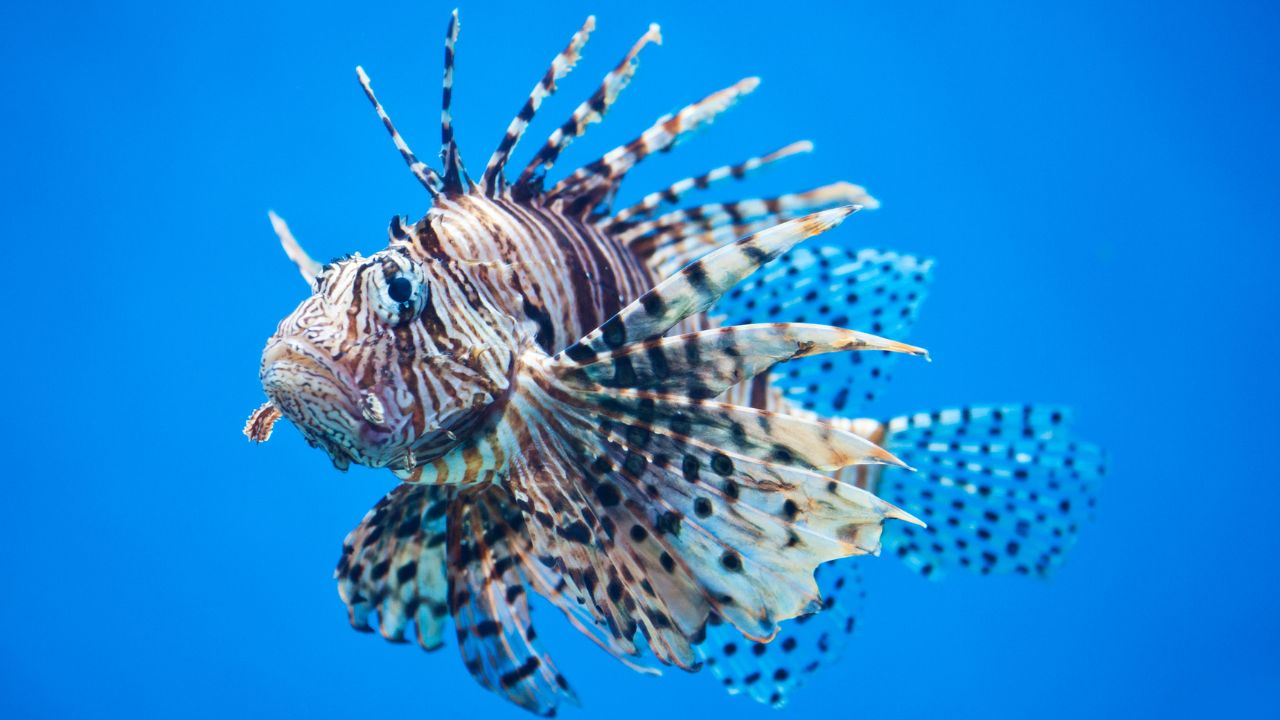
Despite the efforts of divers in tournaments, lionfish populations remain persistent. Their rapid breeding rate means that spearing can only temporarily reduce their numbers.
The frustration among hunters is palpable, as the species continues to overrun reefs, pushing the boundaries of traditional control methods.
Expert Strategies
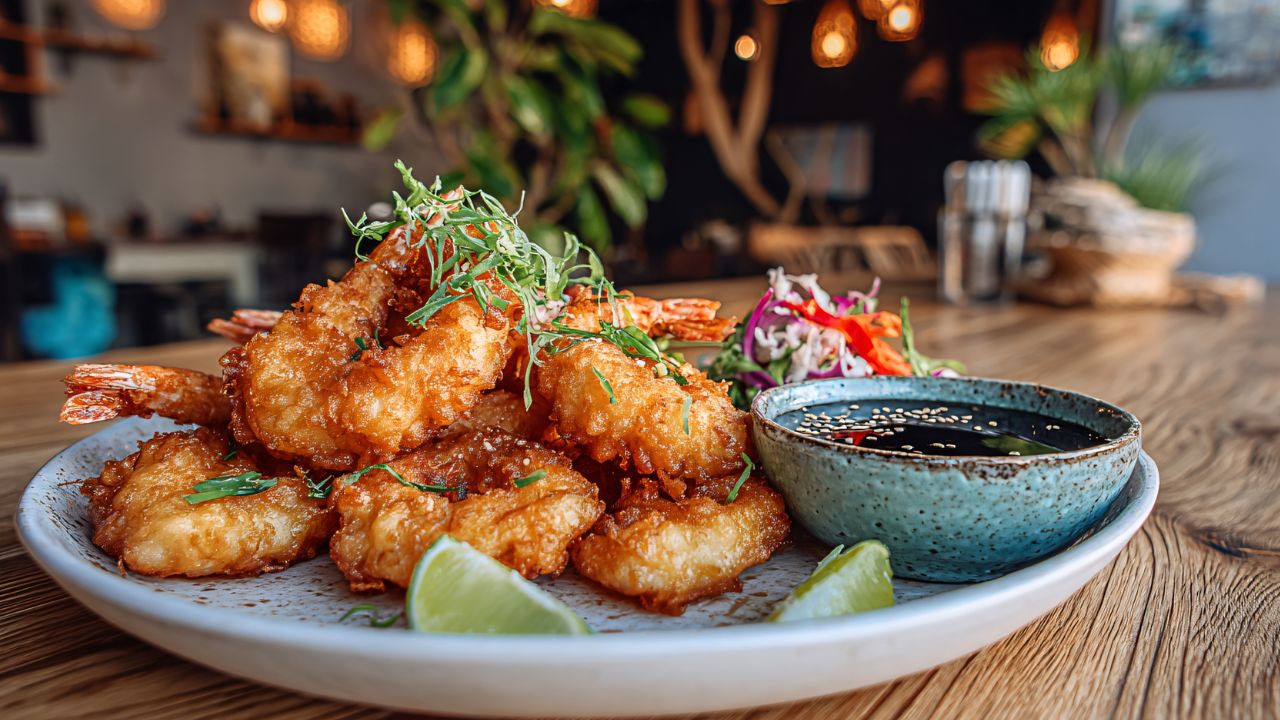
Joe Roman’s “Eat the Invaders” movement has grown significantly since its inception. Now supported by organizations like NWF, Roman’s initiatives encourage sustainable consumption to reduce invasive species.
These strategies are gaining ground, though there are still challenges in scaling up the movement to address the full scope of the problem.
Recovery Efforts
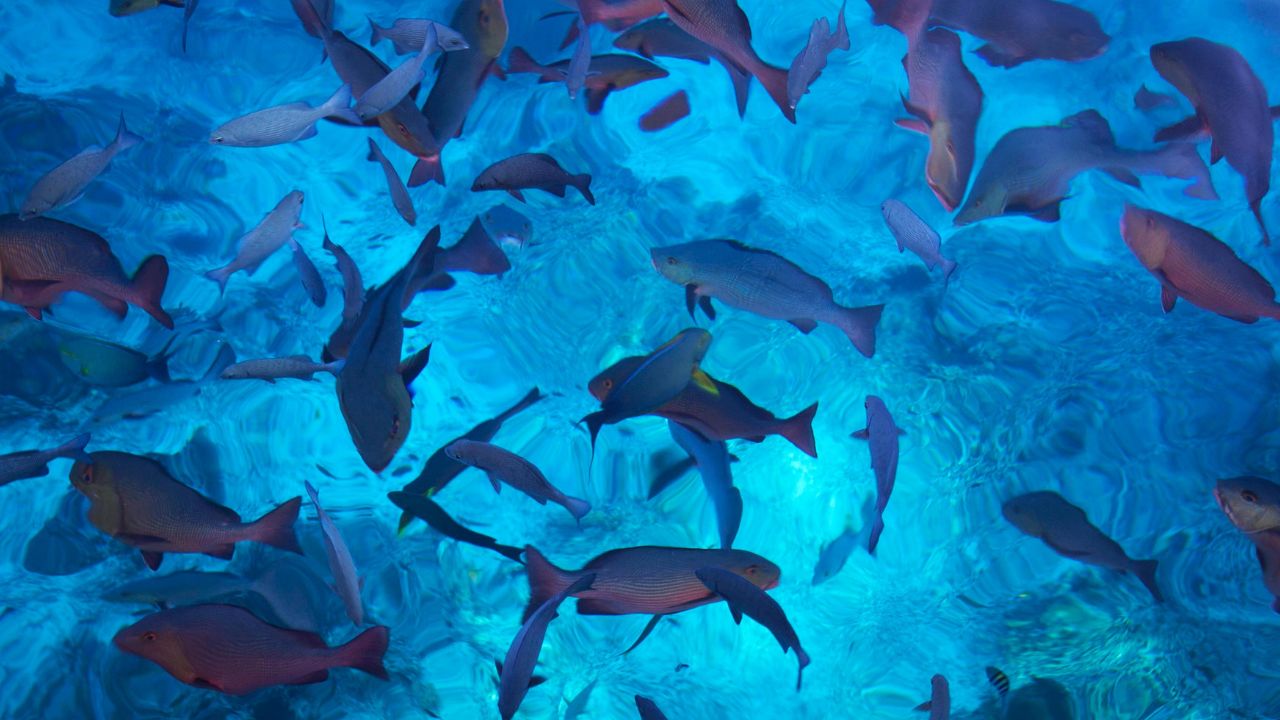
In trials in the Bahamas, removing lionfish led to a 50-70% increase in native fish populations. This success shows that partial removal can have meaningful ecological impacts.
It gives hope that similar efforts could help restore U.S. ecosystems affected by invasive species, with ongoing tournaments and restaurant events aiding recovery.
Skeptic Views
While invasivorism and traditional control methods have their merits, skeptics argue that they are not enough to fully eradicate invasive species. Species like nutria and feral pigs remain difficult to manage, and their impact continues to grow.
The debate continues—can eating invasives and other control strategies truly stem the tide of this ecological crisis?
Sources:
“Invasive lionfish reduce native fish abundance on a regional scale.” Nature Scientific Reports, 30 Aug 2016.
“Eating Invasive Species.” National Wildlife Federation, Winter 2026.
“Nutria | Louisiana Department of Wildlife and Fisheries.” Louisiana Department of Wildlife and Fisheries, 19 Nov 2025.
“Feral Hogs vs. Farmers: The Damage Price Tag.” American Farm Bureau Federation Market Intel, 26 May 2025.