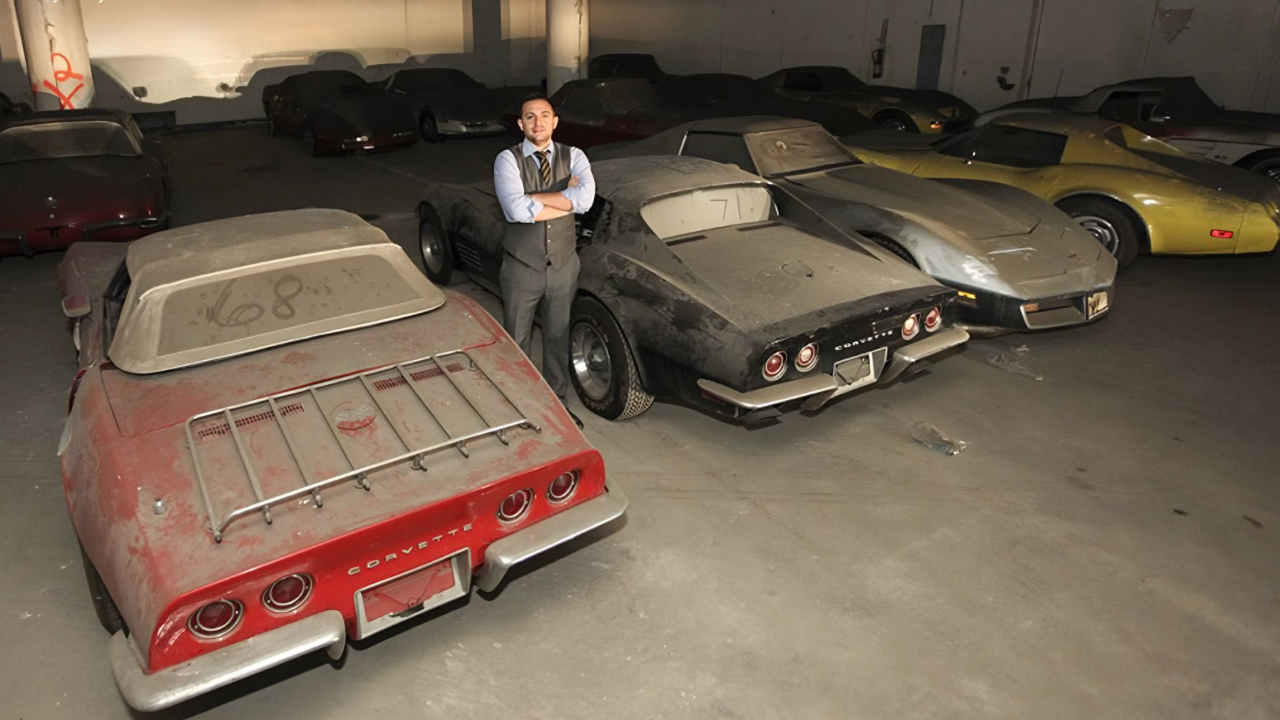
The collector car market just suffered a reality check that few saw coming. A 1970 Plymouth Superbird that sold for $1.65 million in 2022 resurfaced in 2024 at $418,000, wiping out years of gains overnight. That collapse was not isolated. Across muscle cars, European exotics, and modern performance icons, values plunged hard. What was once marketed as recession-proof wealth is now under scrutiny. Let’s look deeper.
The Pandemic Boom Built Fragile Wealth
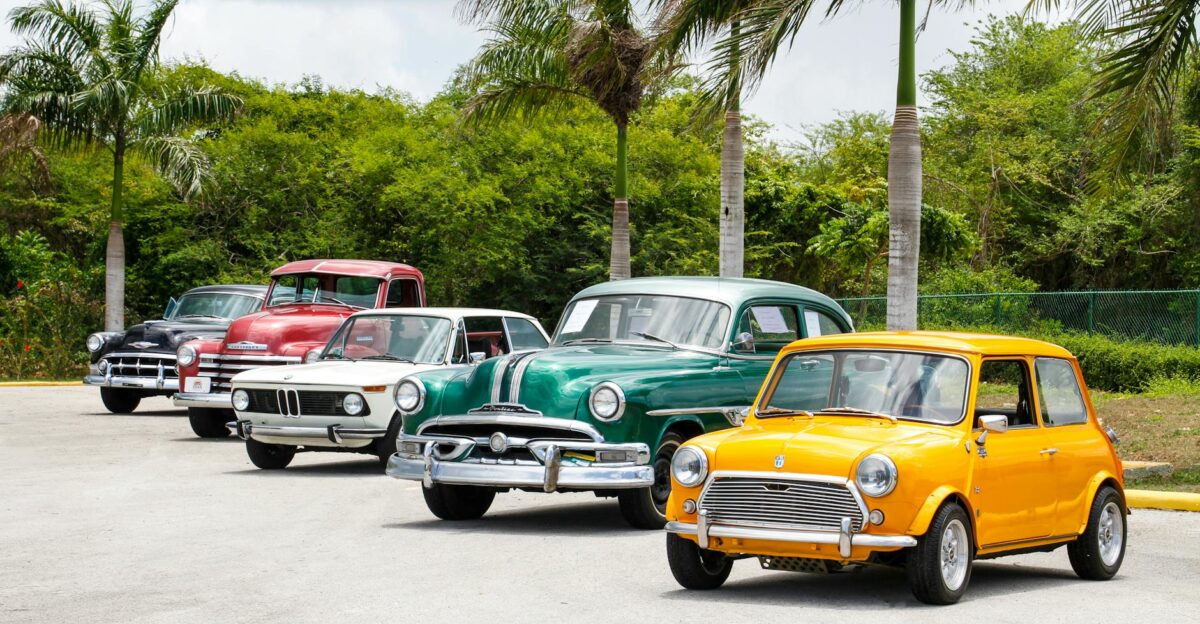
From 2015 through 2023, collector cars became a favorite alternative investment. Pandemic wealth pushed millions into classics, muscle cars, and Japanese icons as stock volatility scared investors. Prices doubled. Some rose 30% annually. By summer 2023, the market had reached its peak quietly. By late 2024, Hagerty data confirmed a 10.2% market decline, exposing the fragility of those gains.
Baby Boomers Changed The Supply Equation
Most high-value collections were assembled by Baby Boomers between the 1990s and early 2010s. Now, retirement, health, and estate planning are forcing liquidation. Entire collections hit auctions simultaneously. Automotive analyst Greg Ingold explained, “What was scarce for decades suddenly became abundant.” When rarity disappears overnight, pricing collapses faster than buyers expect.
When Too Much Inventory Floods Auctions
In January 2024 alone, more than 20 Plymouth Superbirds crossed auction blocks. Dealers reported cars selling well below expectations. Even historically rare models fell sharply. Production numbers lost meaning once dozens surfaced together. Ingold warned that weakness at the top ripples downward quickly, affecting every segment. But which vehicles felt it first?
Why These 12 Cars Matter Most
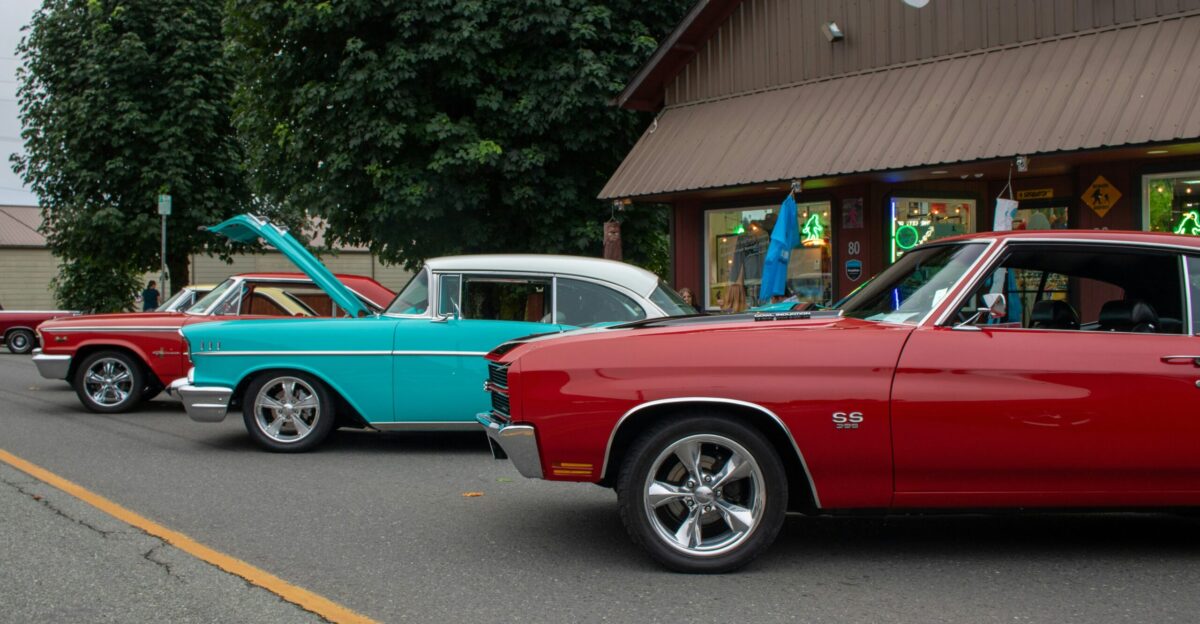
These 12 vehicles were flagged by Hagerty’s December 2024 analysis as the market’s steepest decliners, losing between 10% and 26%. They are not fringe models. They were considered blue-chip collectibles. If these cars fell, mid-tier classics face a greater risk. The psychological shift may be more damaging than the losses themselves.
Icons That Shattered Investment Myths
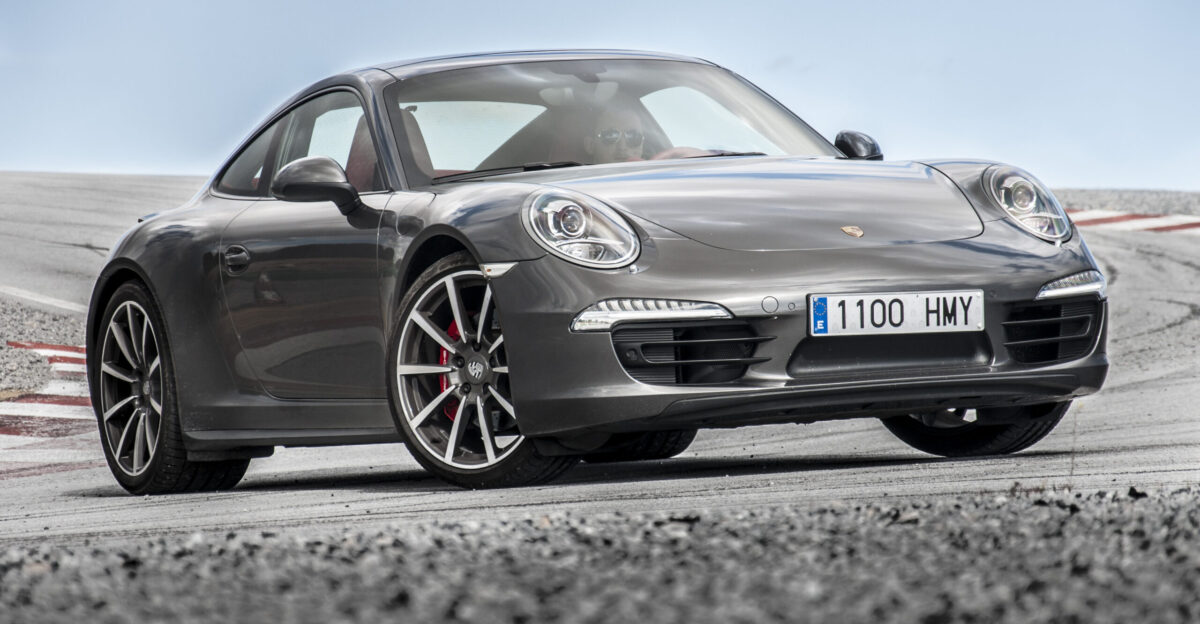
From multi-million dollar muscle cars to modern Porsche performance models, this list documents real wealth destruction. These vehicles once anchored investment portfolios and auction headlines. Each collapse challenged the idea that rarity guarantees protection. Every example below delivered the same lesson. Market forces always win. The numbers now prove it.
#1 Lamborghini Espada
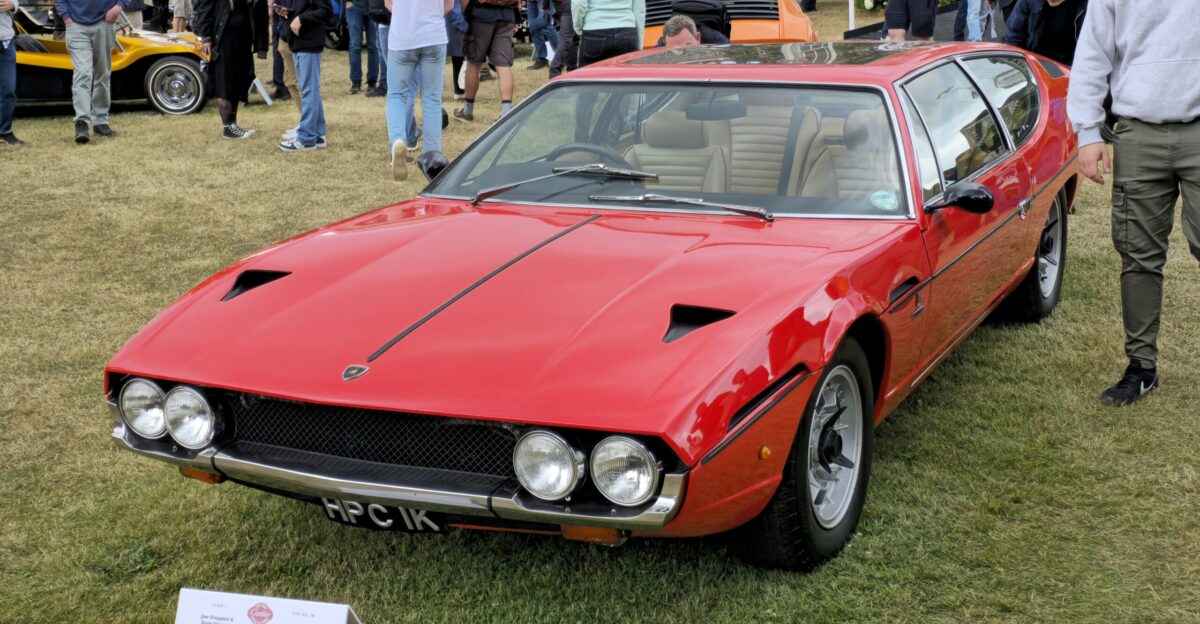
The Lamborghini Espada once traded for nearly $159,000 before dropping to $50,000–$100,000 in 2024. That 26% decline tied for the steepest drop recorded. Collectors chased Italian exotica in 2021, but demand faded quickly. The Espada sits awkwardly between affordable classics and trophy icons, leaving it stranded as buyer interest evaporated.
#2 Mini Cooper S
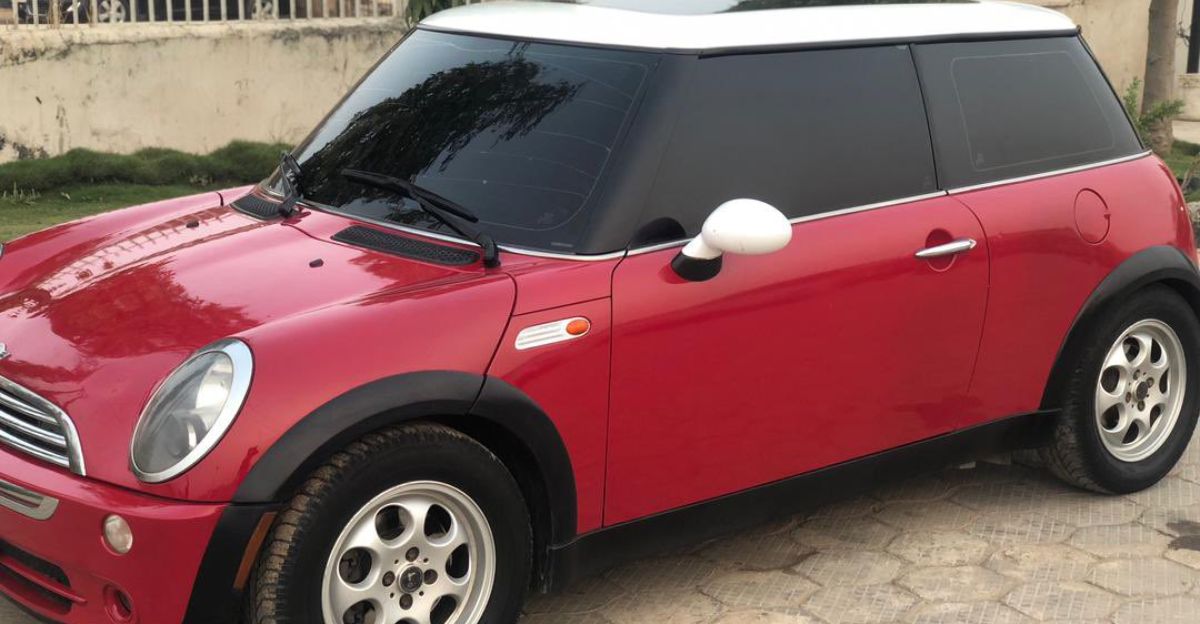
The 2002–2006 Mini Cooper S dropped 26% after peaking above $13,300 in 2023. Hundreds of thousands were produced globally, overwhelming demand. Insurance and repair costs surged while younger buyers shifted preferences. This so-called modern classic lost value before earning true nostalgia. Does age alone ever guarantee collectibility?
#3 Plymouth Road Runner Superbird
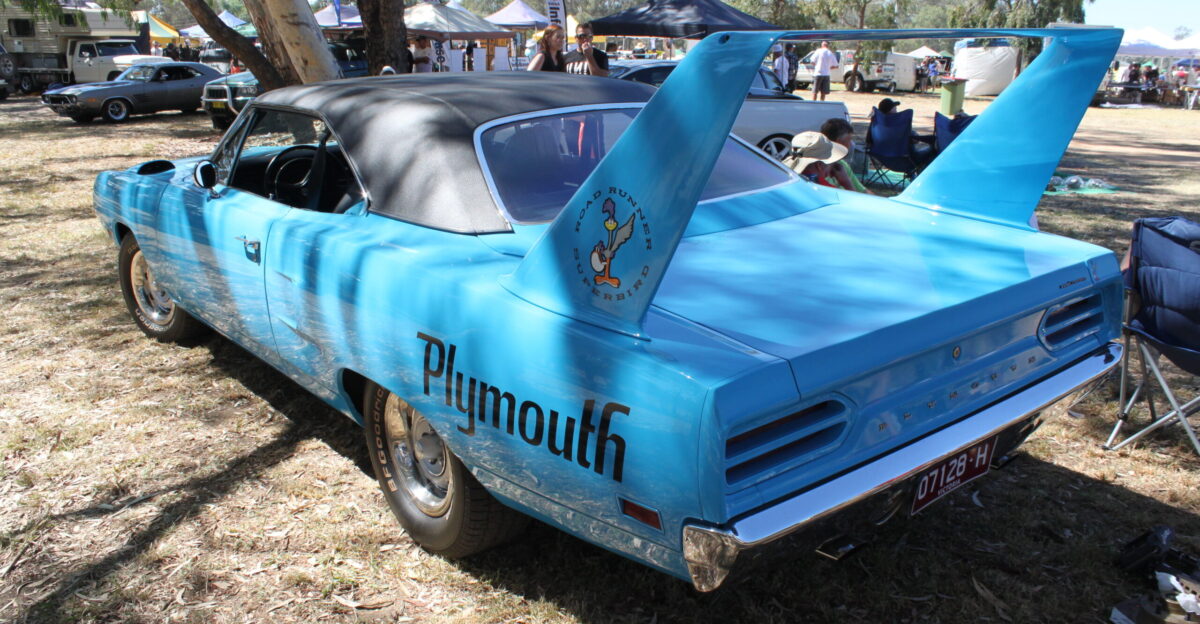
The 1970 Plymouth Road Runner Superbird ignited this entire correction. Once valued at $1.65 million, examples now trade between $242,000 and $605,000. Despite only 1,935 being produced, more than 30 appeared at auctions in 2024. Owners who bought near the peak absorbed six-figure losses, rewriting the pricing assumptions for muscle cars forever.
#4 Maserati Sebring
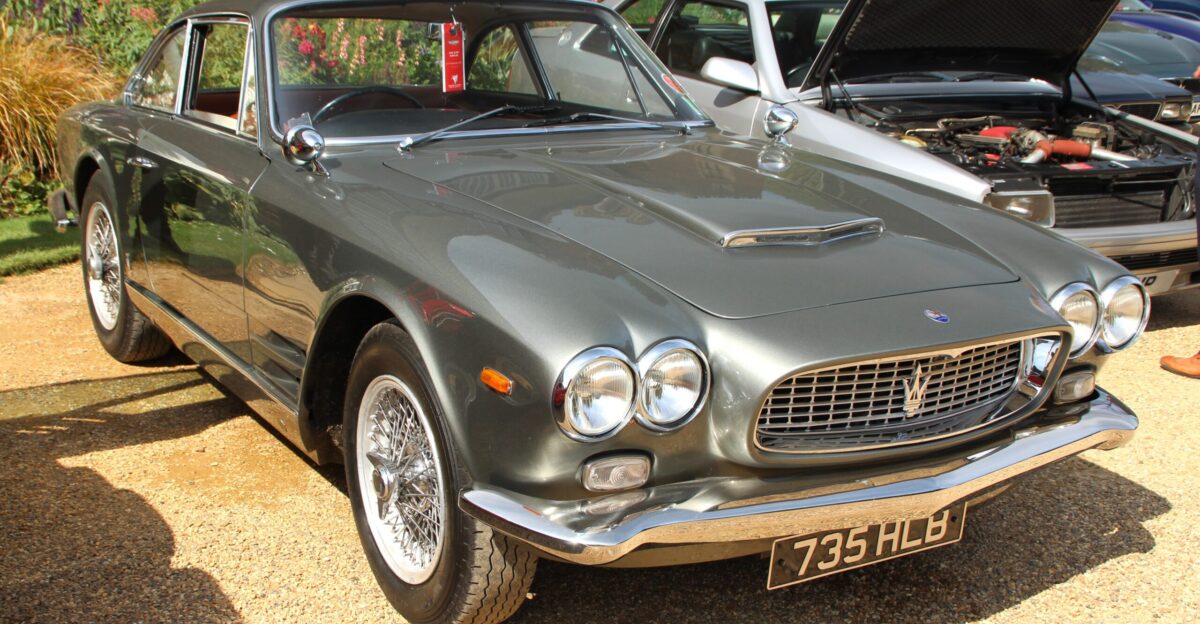
The Maserati Sebring declined 24% to roughly $207,500 after decades above $300,000. While historically significant, modern Maserati brand struggles damaged collector confidence. Younger buyers favor Japanese and German performance instead. The Sebring’s fall signals weakening interest in 1960s Italian grand tourers, even those with pedigree and craftsmanship.
#5 Ford Thunderbird
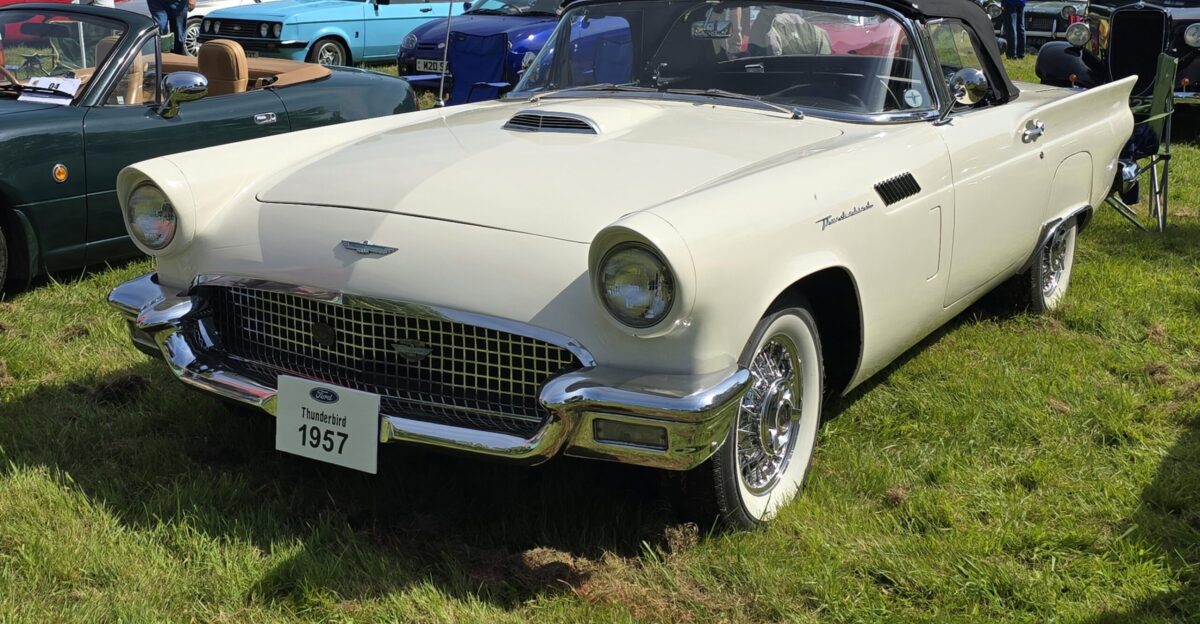
The 1972–1976 Ford Thunderbird fell 24%, settling near $13,700. Brief nostalgia spikes in 2023 could not overcome fuel consumption, reliability issues, and outdated driving experience. Unlike rare muscle cars, the Thunderbird lacks scarcity or performance cachet. Its collapse reflects an honest reassessment of usefulness rather than emotional attachment driving prices.
#6 Volvo 122
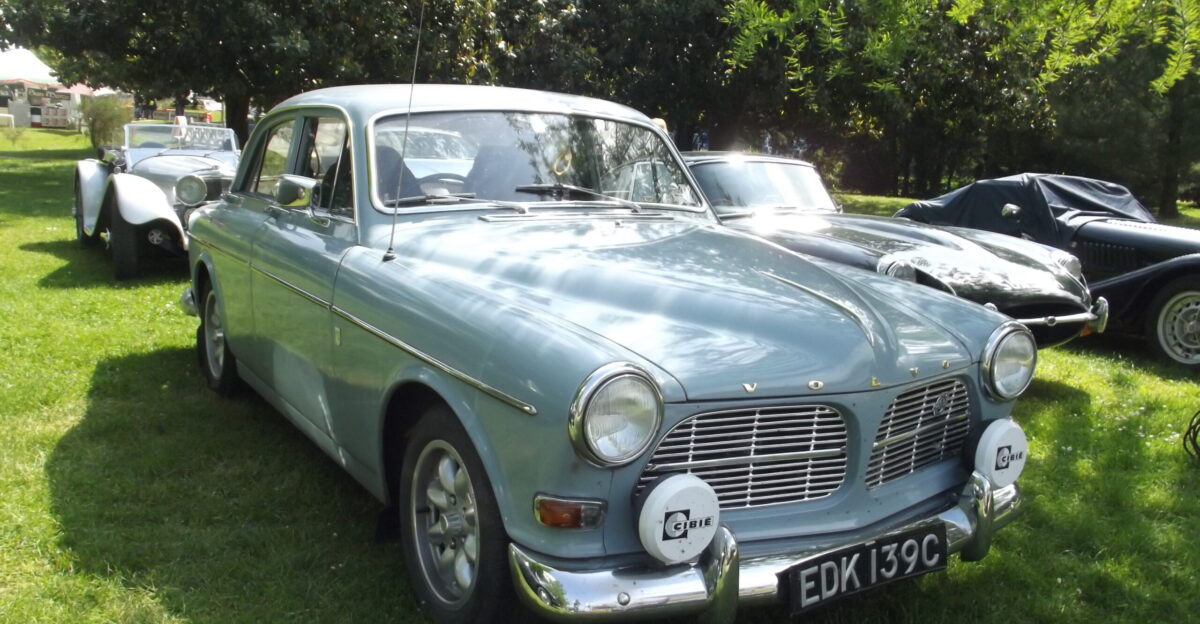
The Volvo 122 declined 24%, sliding from the low $40,000s to the low $30,000s for strong examples. These cars were considered stable, reliable investments with global appeal. European demand weakened sharply in 2024, indicating that the correction was not limited to a regional phenomenon. Even durability could not shield values from market rotation.
#7 Chevrolet Corvette L88
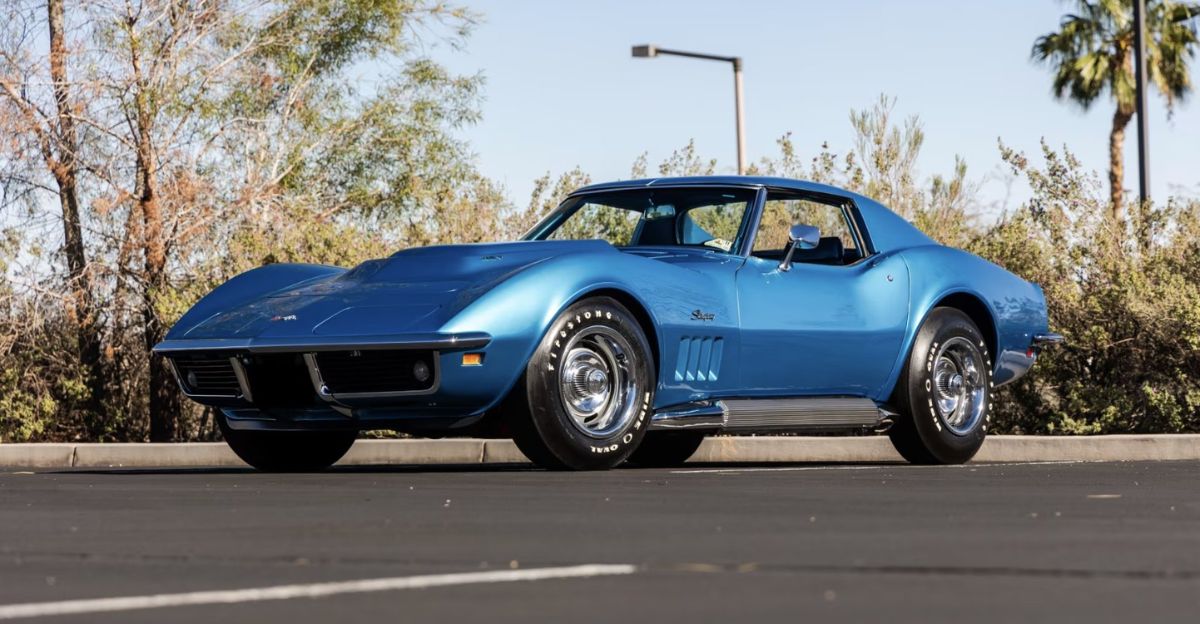
Only 20 examples of the 1967 Chevrolet Corvette L88 exist, yet values dropped 19% to $2.1–$2.35 million. This car represents the ultimate test of rarity. If scarcity fails here, what remains? Ultra-wealthy buyers tightened spending, proving capital availability matters more than exclusivity during downturns.
#8 Mercedes W126
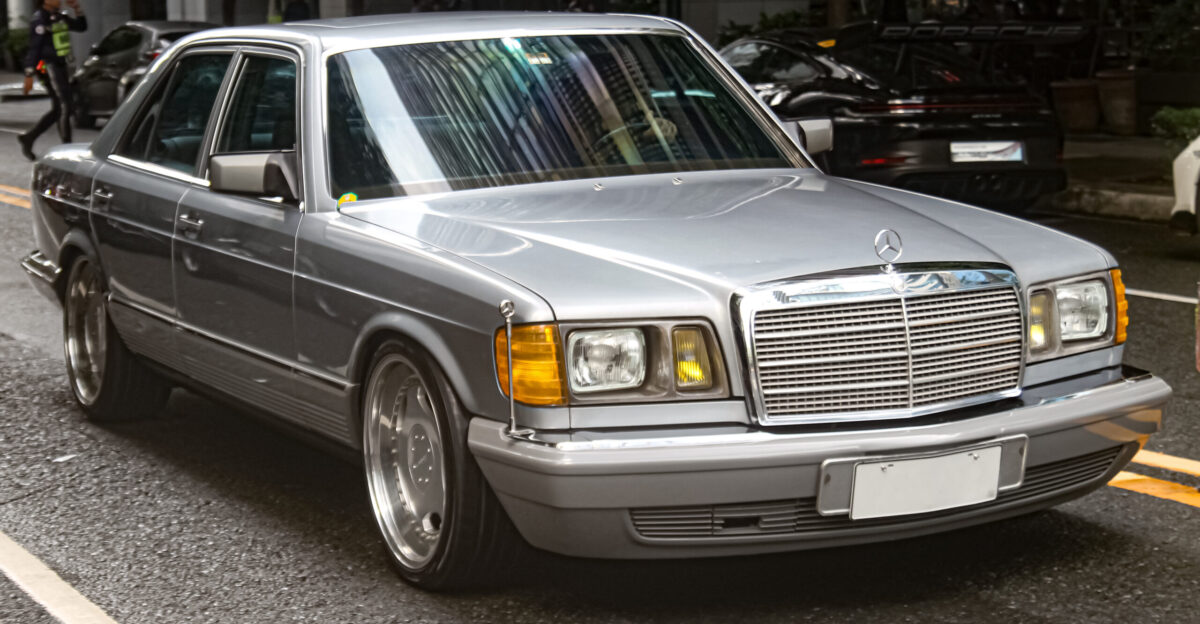
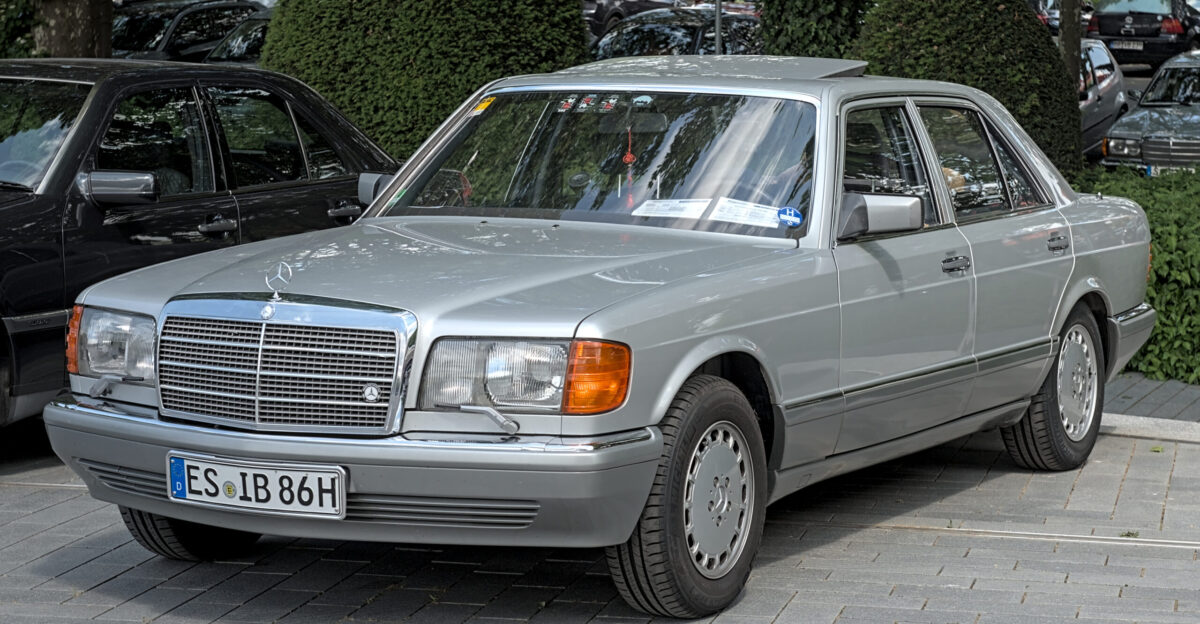
The Mercedes-Benz W126 declined 16%, trading between $5,500 and $18,000. Once viewed as the pinnacle of Mercedes engineering, maintenance costs and aging electronics deterred younger buyers. Prestige alone could not justify the headaches of ownership. If Mercedes’ reliability legends lose ground, what brand reputation still holds weight today?
#9 Alfa Romeo Spider
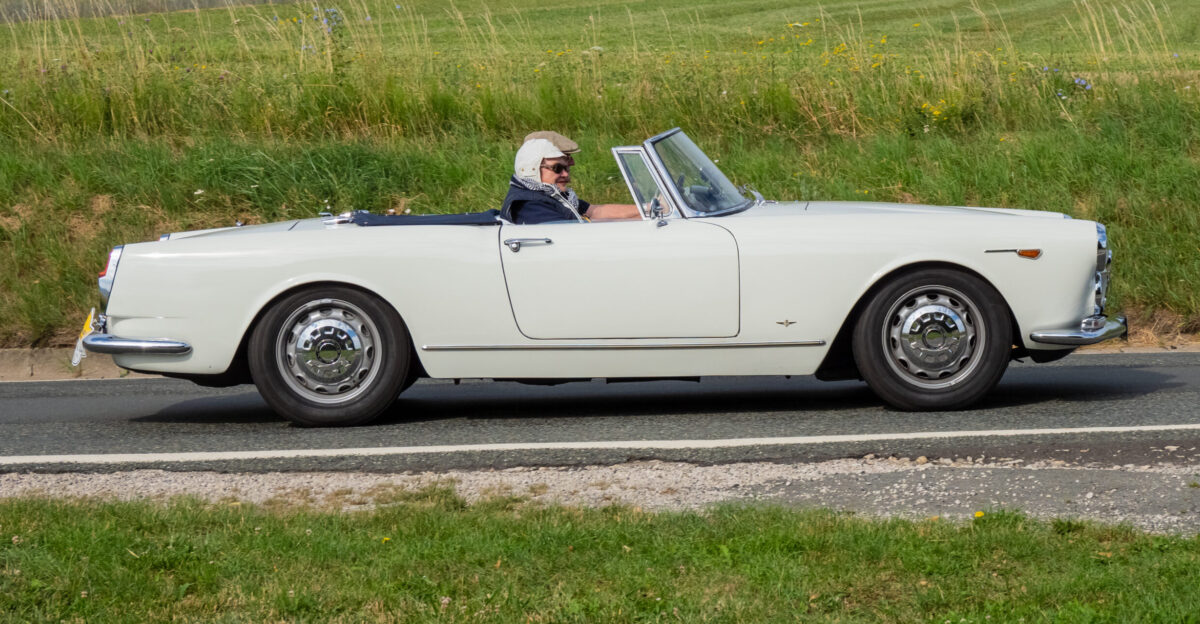
The Alfa Romeo Spider fell 14%, dropping a $25,000 example to roughly $21,500. Romance collided with rust, electrical issues, and repair costs. Baby Boomer owners are selling while younger buyers favor reliable Japanese roadsters. Nostalgia without practicality proved expensive, weakening demand across affordable European convertibles.
#10 Porsche 991.2 S
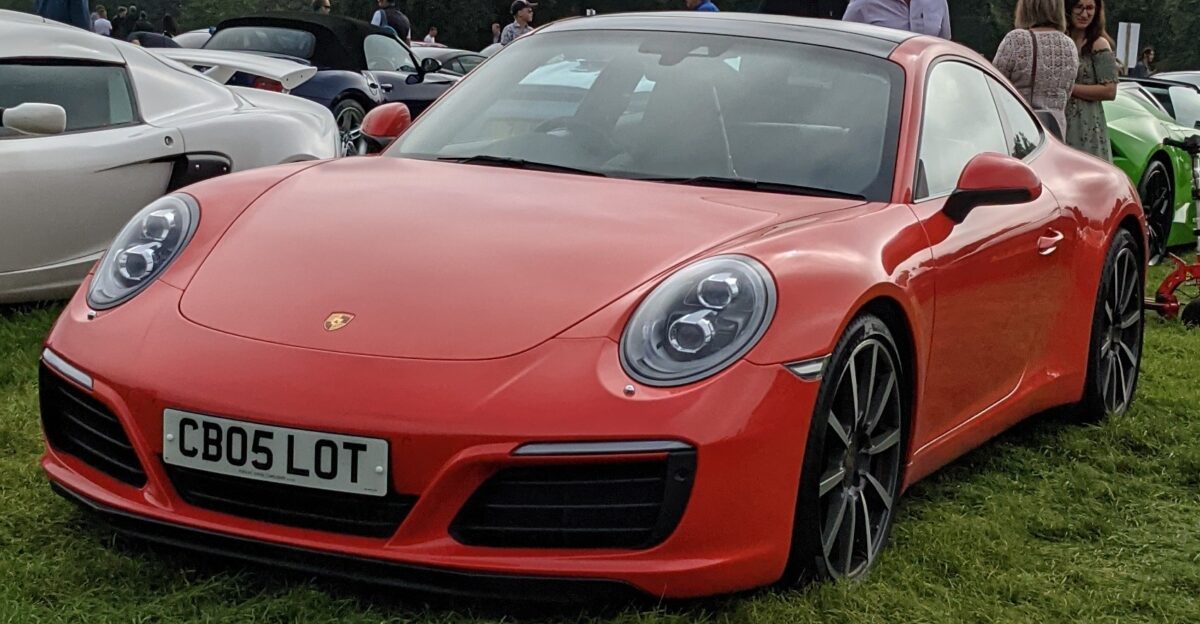
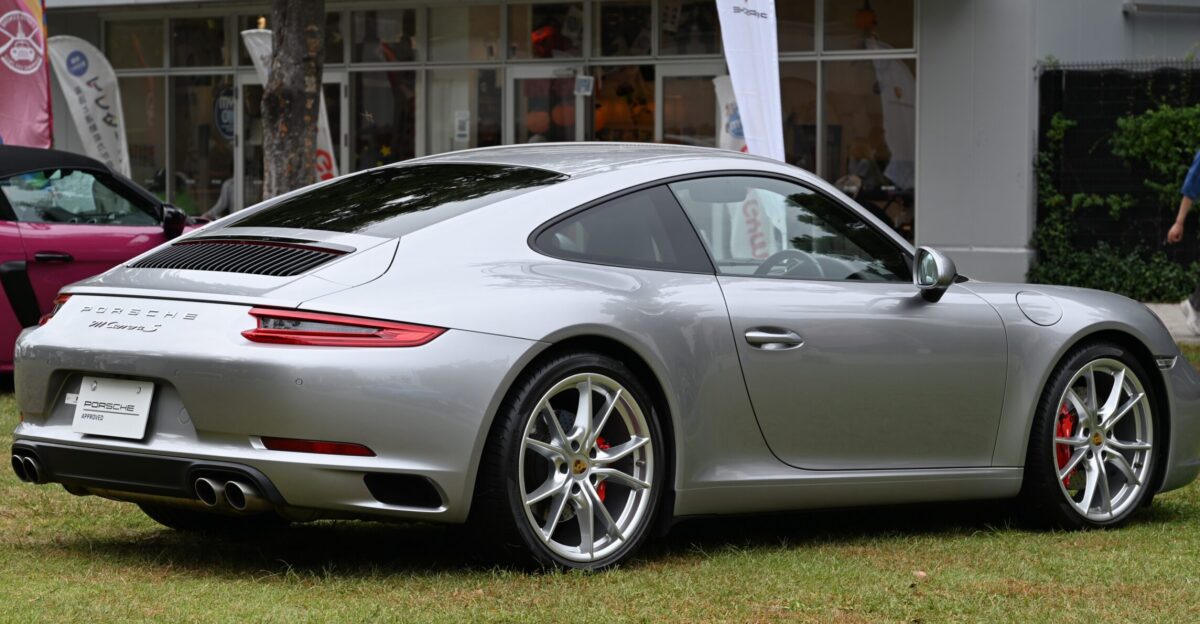
The Porsche 911 991.2 Carrera S saw a 15% drop, resulting in a $18,000 per-car reduction over 12 months. Values now range from $110,000 to $135,000. Performance-focused buyers exited first, exposing how speculative premiums evaporate quickly. Even Porsche was not immune when enthusiasm cooled across segments.
#11 Acura Honda Integra Type R
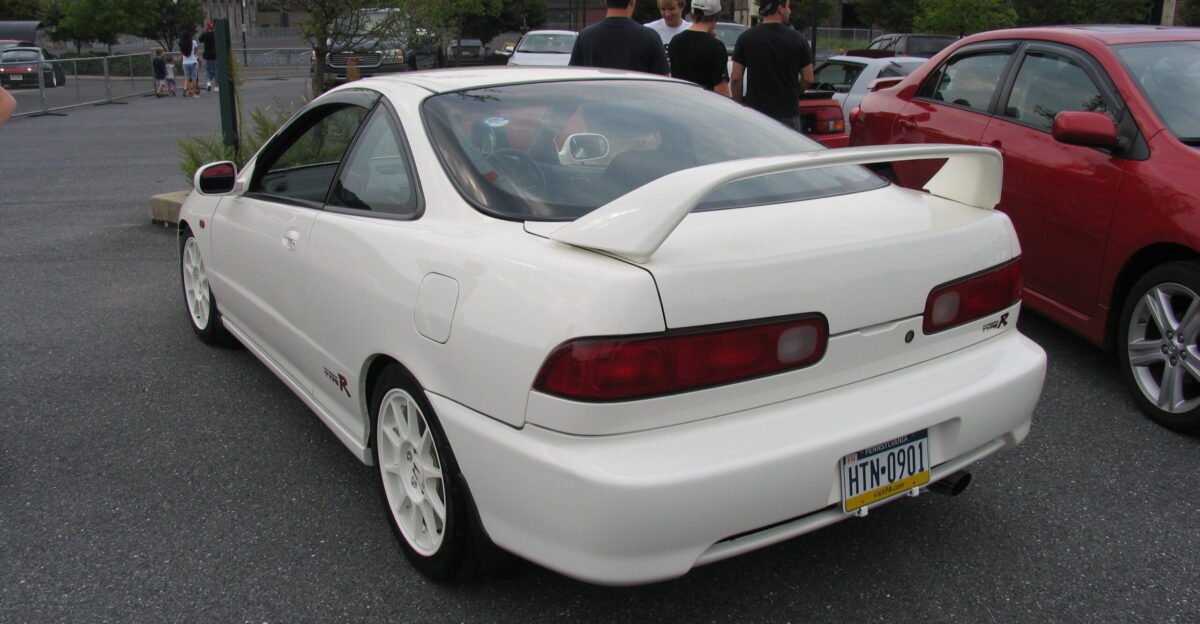
The Acura Honda Integra Type R declined 13%, retreating from highs of $150,000 to a range of $100,000–$150,000. Once the gateway to Japanese collectibles, the realities of maintenance costs and insurance slowed demand. Supply finally caught up. The Japanese collector boom shows early signs of reversal as ownership burdens rise.
#12 Porsche 911 991.2 Carrera
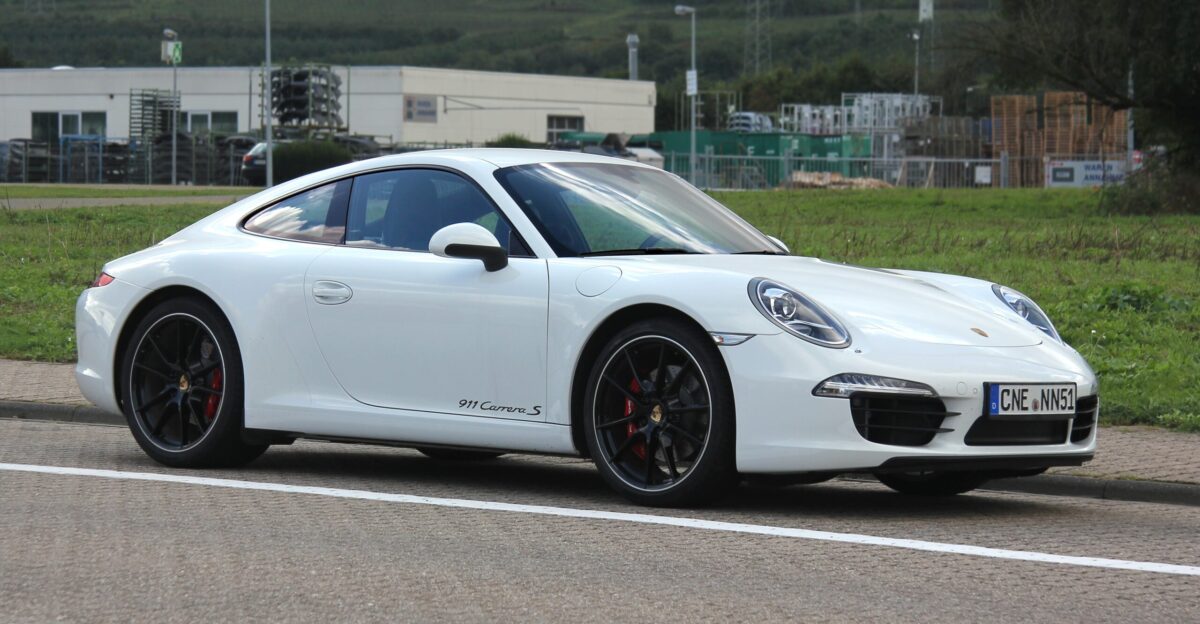
The Porsche 911 991.2 Carrera base dropped 10%, now trading between $95,000 and $110,000. While modest, the decline highlights market stratification. Accessible price points outperformed premium trims. Entry-level collectibles retained buyers longer, suggesting ultra-wealthy collectors are rotating away faster.
What Investors Should Understand Now
These 12 cars erased more than $100 million in owner equity within 12 months. Yet, sell-through rates improved from 67% in 2023 to 68% in 2024. Hagerty analysts say values stabilized by autumn. The floor may be set. Is opportunity finally replacing fear?
The Market Did Not Die
Collector cars did not disappear. Prices simply reset to reality. Baby Boomer liquidation continues, increasing supply. Younger buyers reshape demand toward Japanese performance and newer technology. Collector cars are shifting back to passion-driven ownership, not portfolio hedging. Timing now matters more than hype. The question remains: buy wisely, or wait longer?
Sources:
These 5 Cars Lost the Most Value in the Beginning of 2024. Hagerty Media, April 2024.
The Biggest Winners and Losers of the Collector Car Market in 2024. Hagerty Media, December 2024.
Was This Plymouth’s Plummet from $1.65M to $418K a Reality Check? Hagerty Insider, May 2025.
Your Handy 1983–90 Alfa Romeo Spider Buyer’s Guide. Hagerty Media, October 2024.
2024 Classic Car Market Analysis: Real Auction Results & Price Trends. WC Shipping Blog, March 2025.
By the Numbers: The Collector-Car Market in 2024. Hagerty Media, December 2024.