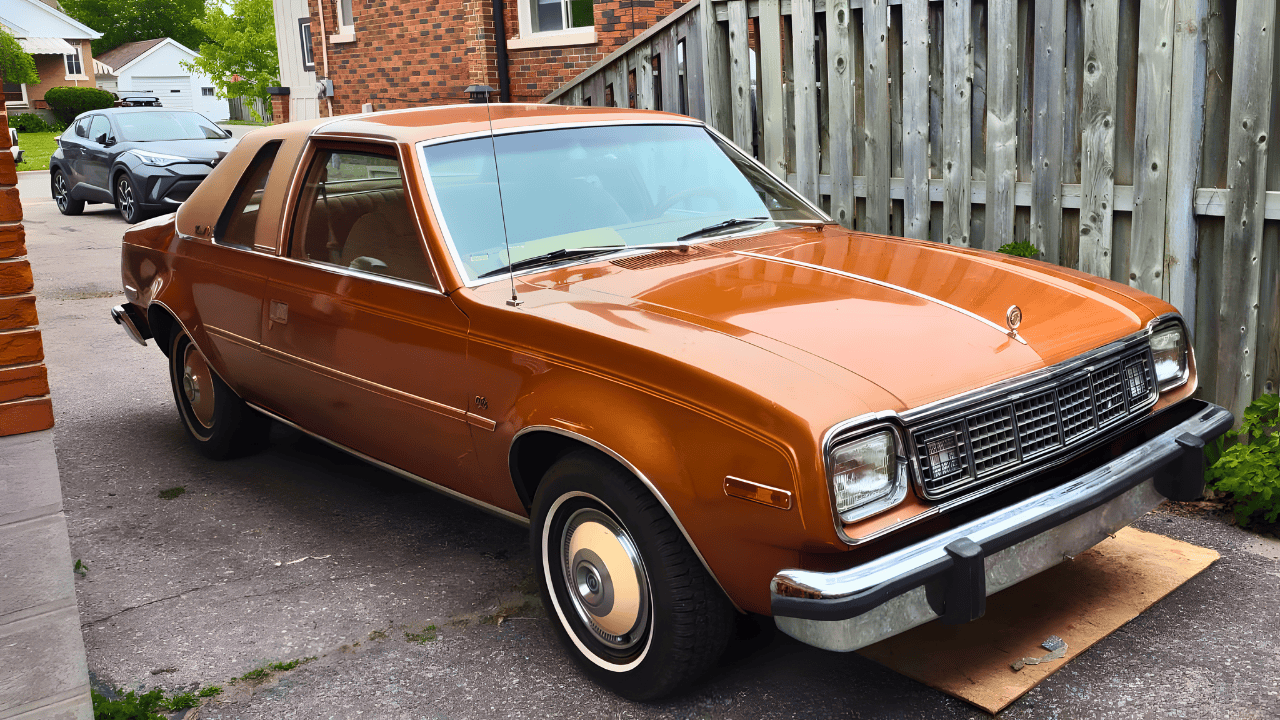
The collector car market faced a sharp correction in 2024, ending years of sustained value growth and challenging the notion that rare classics are reliable investments. Hagerty’s December 2024 year-end analysis revealed declines of 10% to 26% for blue-chip models, with twelve vehicles hit hardest. “A 26% decline on a $400,000 vehicle represents over $100,000 in lost value per car,” Hagerty noted. Once seen as an alternative investment, prized muscle cars, European icons, and modern exotics suddenly proved vulnerable. Let’s look into this deeper to understand what triggered the sudden downturn.
Cheap Money Fueled the Boom
From 2015 through 2023, historically low interest rates pushed investors toward tangible assets like classic cars. WC Shipping’s 2024 analysis highlighted categories with annual appreciation exceeding 30% by mid-2023, drawing speculative buyers alongside longtime collectors.
The COVID-19 pandemic accelerated this trend. With travel restricted and savings rising, online auctions saw bidding frenzies across American muscle, European icons, and Japanese imports. Hagerty’s Market Rating indicated strong seller markets through 2023, as new entrants prioritized profit potential over passion. Condition checks and mechanical usability were often overlooked, creating a speculative bubble that would soon face correction.
Boomer Sellers Flood the Market
A key shift came as Baby Boomer collectors began liquidating collections due to age, health concerns, and estate planning. Greg Ingold, Hagerty’s Price Guide Editor, observed that scarcity “carefully cultivated over decades evaporated as garages emptied en masse into auction channels.”
January 2024 auctions exemplified the oversupply crisis. Over 20 Plymouth Superbirds were consigned within weeks—staggering for a model with only 1,935 units produced. Sellers accepted bids below reserve prices, signaling market weakness that rippled across other prized models. This surge in availability undermined decades of artificially constrained supply, leaving buyers with unprecedented leverage.
Buyer enthusiasm waned in 2024 as interest rates climbed and economic uncertainty grew. Ultra-high-net-worth collectors focused on liquidity, while younger enthusiasts turned to Japanese imports or modern performance vehicles that were easier to maintain.
Auction sell-through rates edged only slightly higher, from 67% in 2023 to 68% in 2024, according to The Classic Valuer’s 2025 review. Any stabilization came after significant price reductions. Oversupply effectively deflated premiums on previously coveted vehicles, demonstrating that scarcity alone cannot sustain market value without broad, financially capable demand.
Twelve Models Take the Hardest Hits

Hagerty’s December 2024 analysis highlighted twelve vehicles that experienced the steepest losses, rattling collector confidence. The 1967 Chevrolet Corvette L88, limited to just 20 units, fell 19%, with median condition #2 values dropping to $2.1 million–$2.35 million as wealthy buyers adopted a wait-and-see approach.
The Alfa Romeo Spider followed with a 14% decline to around $21,500, hindered by persistent rust and electrical problems that deterred younger buyers, even as Boomer sellers exited the market. Meanwhile, the 1972–1976 Ford Thunderbird lost 24% of its value, falling to $13,700, reflecting its lack of rarity and performance credentials.

The 1970 Plymouth Road Runner Superbird suffered one of the most dramatic individual losses. A car purchased for $1.65 million in 2022 resold for just $418,000 in May 2025, while broader Superbird pricing showed condition #2 examples ranging from $242,000 to $605,000 due to market saturation.
Porsche 911 991.2 Carrera models eased about 10%, settling between $95,000 and $110,000, with base Carrera variants proving more resilient than higher-trim siblings. Similarly, 2002–2006 Mini Cooper S values tumbled 26% to below $13,300, driven by high production volumes and expensive maintenance.
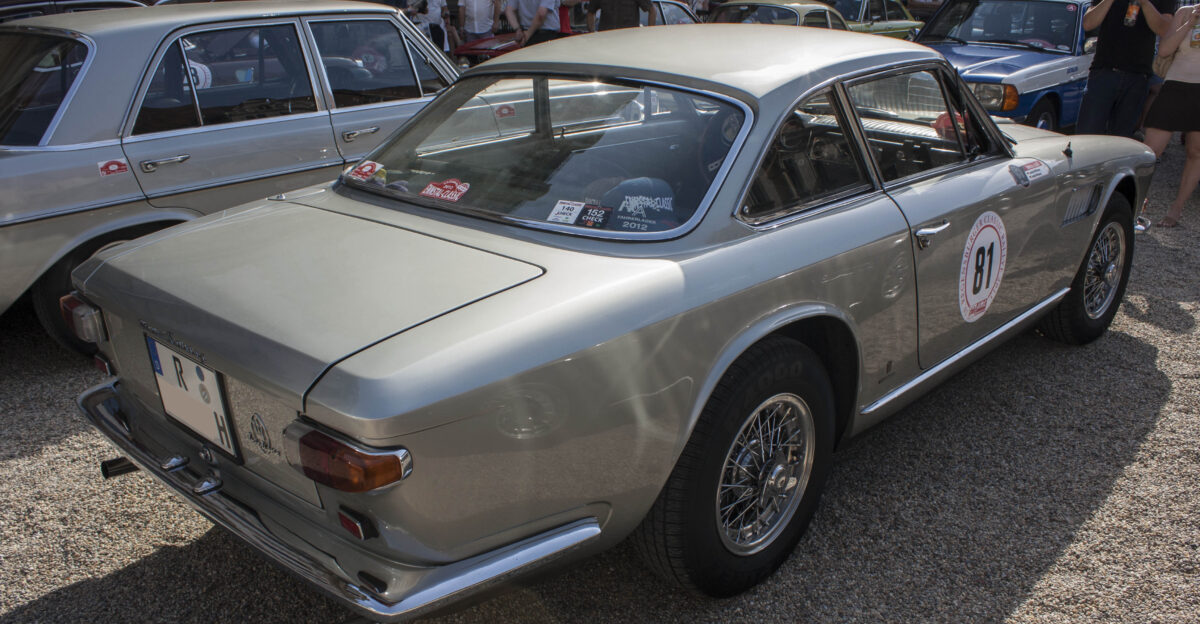
Luxury and exotic cars were not spared. Maserati Sebring prices declined 24%, dropping to a median of $207,500 as German competitors outshone the marque’s luxury appeal. The Acura/Honda Integra Type R fell roughly 13%, with prices now between $100,000 and $150,000, while Mercedes-Benz W126 S-Class models lost about 16%, ranging from $5,500 to $18,000 depending on condition due to aging electronics and maintenance complexity.
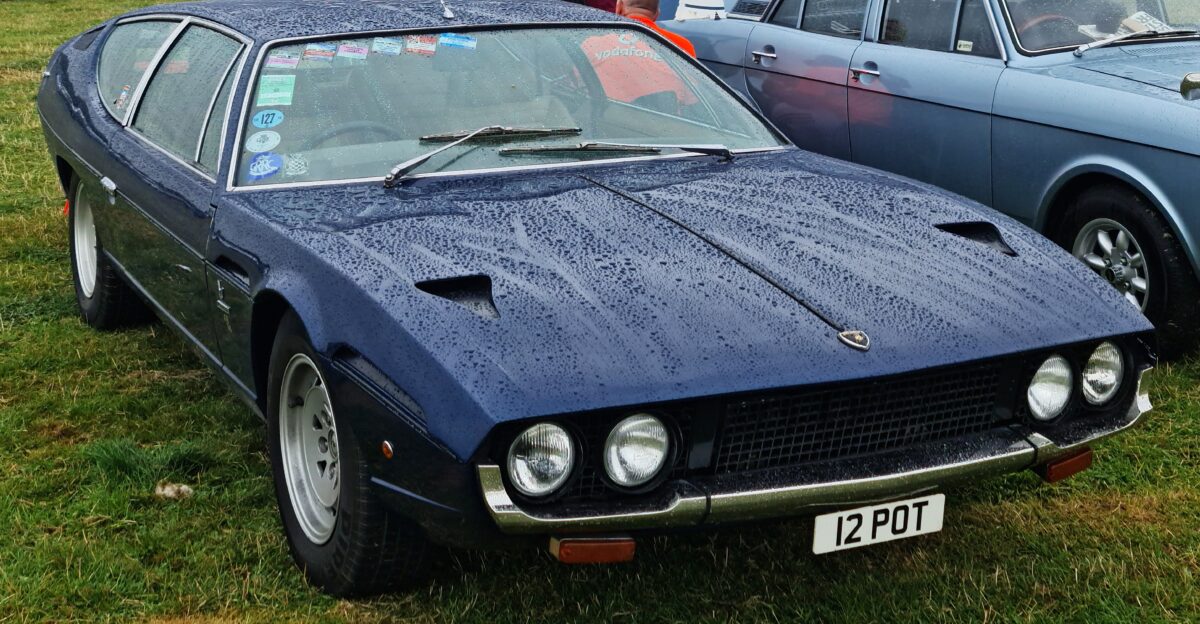
The Lamborghini Espada cratered 26%, now priced between $50,000 and $100,000, trapped in a market between accessible classics and blue-chip exotics. Volvo 122 values slid 24% to the low $30,000s despite their reputation for durability, and Porsche 911 991.2 Carrera S variants eased approximately 15%, falling to $110,000–$135,000.
These steep declines demonstrated that even highly sought-after models could not escape the effects of oversupply and changing buyer preferences. The market’s fragility was clear: scarcity alone could not sustain value without broad, financially capable demand.
Lessons from the 2024 Market Reset
The 2024 downturn ended the era of automatic appreciation for collector cars. Scarcity alone no longer ensures value; demand from financially capable buyers is essential. The market now favors cars with daily usability, manageable maintenance costs, and broad appeal across demographics.
As Boomer liquidation continues into 2025, supply is expected to tilt toward modern performance vehicles preferred by younger collectors. The speculative fever of 2020-2023 appears broken, with passion-driven collecting likely to reclaim ground from purely financial motives. While late 2024 hints at opportunities for strategic buyers, volatility remains a defining feature of this evolving market.
Sources:
These 5 Cars Lost the Most Value in the Beginning of 2024. Hagerty Media, April 2024.
The Biggest Winners and Losers of the Collector Car Market in 2024. Hagerty Media, December 2024.
Was This Plymouth’s Plummet from $1.65M to $418K a Reality Check? Hagerty Insider, May 2025.
Your Handy 1983–90 Alfa Romeo Spider Buyer’s Guide. Hagerty Media, October 2024.
2024 Classic Car Market Analysis: Real Auction Results & Price Trends. WC Shipping Blog, March 2025.
By the Numbers: The Collector-Car Market in 2024. Hagerty Media, December 2024.