Even the most celebrated supercar manufacturers have produced machines that fell far short of their reputations. Ferrari misfires, Porsche engine failures, and disastrous design choices show that prestige does not guarantee perfection. Buyers paid hundreds of thousands, sometimes millions, expecting flawless engineering, only to face fire hazards, mechanical breakdowns, and compromised performance.
These failures were not rare experiments but high-profile models from legendary marques. The fallout included lawsuits, recalls, and lasting brand damage. Understanding how these icons stumbled reveals uncomfortable truths about innovation, pressure, and misplaced confidence. Here’s what’s really happening behind the scenes.
When Innovation Turns Into Risk
Legendary supercar brands walk a narrow line between progress and disaster. Innovation is mandatory, yet exclusivity and tradition define their value. During the 1990s and again in the 2010s, economic pressure and rushed development cycles exposed cracks in even the strongest reputations. Skipped quality control, experimental technology, and cost-cutting often replaced careful engineering.
Buyers expecting flawless machines priced above $200,000 ended up as unwilling test subjects. These failures were more damaging than startup missteps because established brands had more to lose. When icons fall, they fall publicly, and the consequences reshape entire lineups for years. In this world, one bad model can erase decades of trust.
The Financial Cost Of Broken Promises
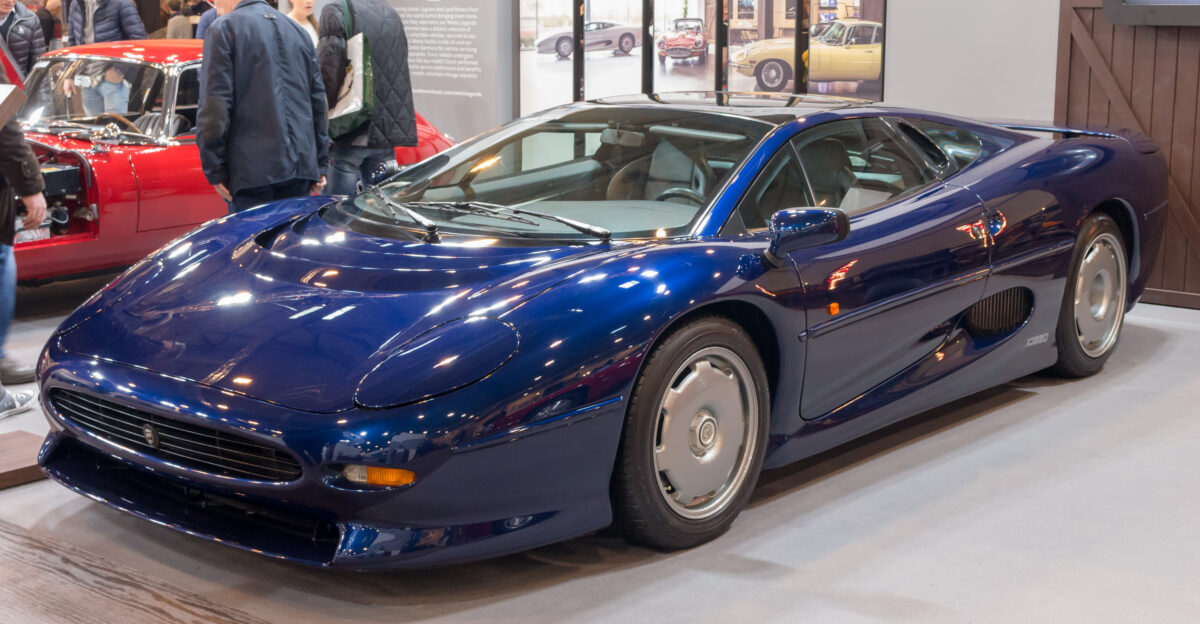
Supercar failures carry enormous financial consequences. Some models lose up to 40% of their resale value almost immediately, while recalls and lawsuits drain millions. Jaguar’s XJ220 attracted approximately 1,450 deposit applications, yet specification changes triggered lawsuits and mass cancellations, leaving only 275 cars produced by 1994.
Bugatti’s EB110 sold for over $450,000 per unit, but poor timing and runaway costs bankrupted the company by 1995. These were not minor miscalculations. They were existential threats that exposed how fragile even untouchable brands can be when expectations are not met. Prestige does not shield companies from financial reality.
Heritage That Magnifies Failure
Brand history creates expectations that are nearly impossible to satisfy. When Ferrari delivered the Mondial with just 214 horsepower and 0–60 times as slow as 9.4 seconds, disappointment turned into ridicule. Porsche’s 996 Carrera suffered IMS bearing failures around 80,000 miles, with repairs exceeding $15,000.
Aston Martin’s Vantage 4.7 required full engine rebuilds at high mileage, while McLaren’s 570S faced recalls for fire hazards. Loyal fans reacted harshly because heritage amplifies disappointment. Innovation becomes dangerous when every flaw feels like a betrayal of legacy rather than a simple mistake.
Documented Failures That Shaped History
The records leave little room for debate. Ferrari recalled 1,248 units of the 458 Italia globally in 2010 due to fire risks. Lotus Esprit V8 owners reported chronic transmission and electrical failures. BMW’s M1 sold only 430 units between 1978 and 1981 despite critical praise.
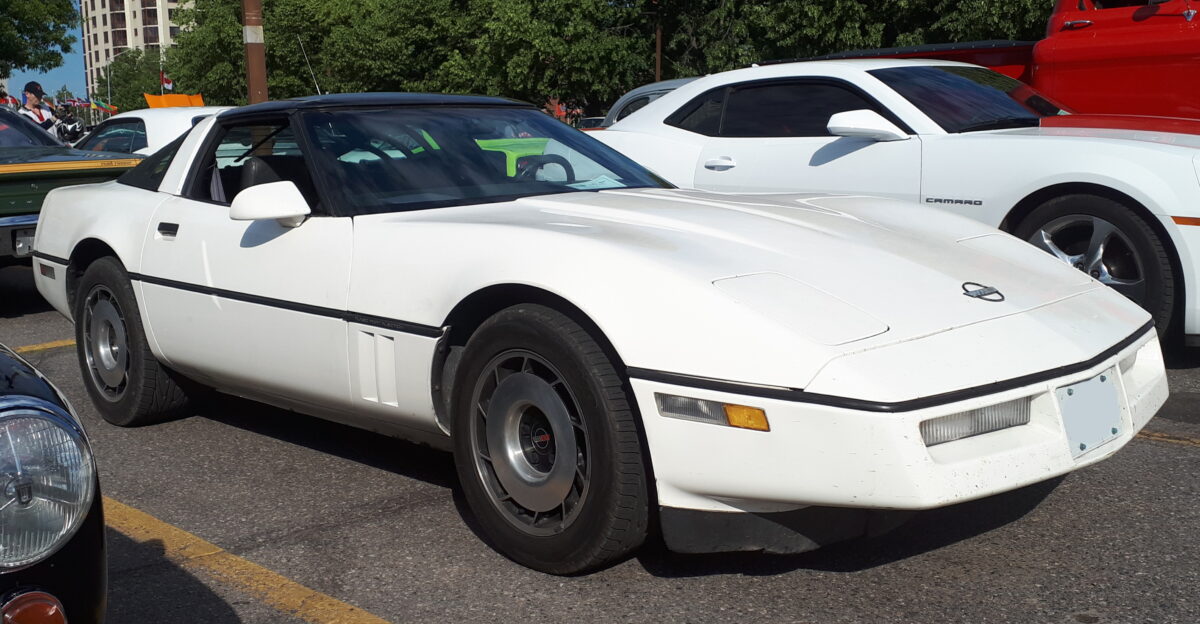
Chevrolet’s 1984 Corvette C4 launched with 205 horsepower and a problematic 4+3 manual transmission that frustrated drivers for years. Bugatti’s EB110 collapsed alongside the company itself. These were verified disasters that reshaped public perception and forced manufacturers to confront hard engineering truths.
Cost Cutting And Identity Crises
Some failures stemmed from compromised identity. Lamborghini’s Urraco P200 and Jalpa delivered just 182 and 255 horsepower, earning rejection as “not real Lamborghinis.” Maserati’s Ghibli revealed Chrysler-sourced components under FCA ownership, damaging its reputation for Italian craftsmanship.
Mercedes-Benz’s $450,000 SLR McLaren arrived weighing about 3,800 pounds and used a 5-speed automatic, leaving critics unimpressed. BMW’s i8 promised revolution but underdelivered for supercar buyers. These missteps proved that luxury customers notice every shortcut and punish brands accordingly.
Conclusion: Lessons Written In Failure
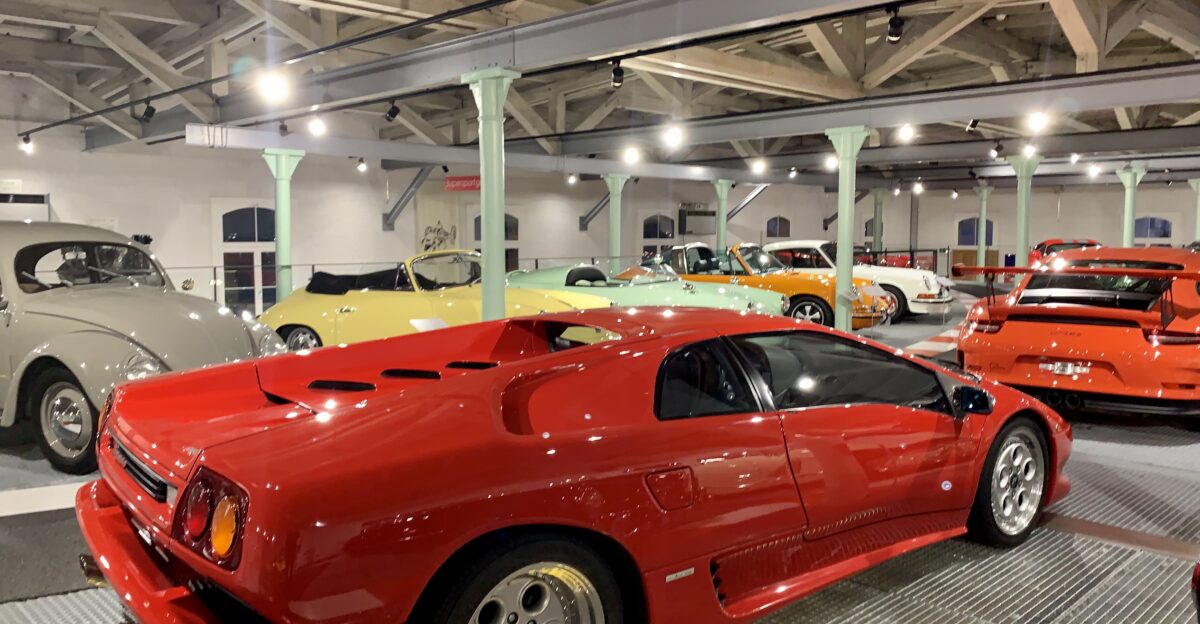
These 12 manufacturers lost billions in brand value and endured lasting consumer distrust, yet most survived by learning painful lessons. Innovation without discipline, cost-cutting without transparency, and promises without execution repeatedly led to disaster. Heritage does not protect brands; it magnifies consequences when expectations collapse.
The modern supercar industry exists partly because of these failures. Engineers, executives, and buyers now study these models as cautionary tales. Prestige demands accountability, and luxury leaves no room for mediocrity. When legendary brands fail, the impact reshapes the entire industry, reminding everyone that reputation must be earned with every single car.
Sources:
“The 10 Worst Ferrari Models Ever Made & The 10 Best.” MotorSearches, January 13, 2026.
“The 11 WORST Lamborghinis Ever Made in History.” YouTube, September 5, 2025.
“10 Sports Car Models That Have Way Too Many Problems.” HotCars, November 19, 2019.
“The Worst Supercar Model From Every Major Brand.” SlashGear, Published Date Unavailable.
“These Are 10 Of The Worst Supercars Ever Made.” Dyler, October 10, 2023.
“These are 10 of the worst supercars ever built.” Top Gear, August 21, 2025.