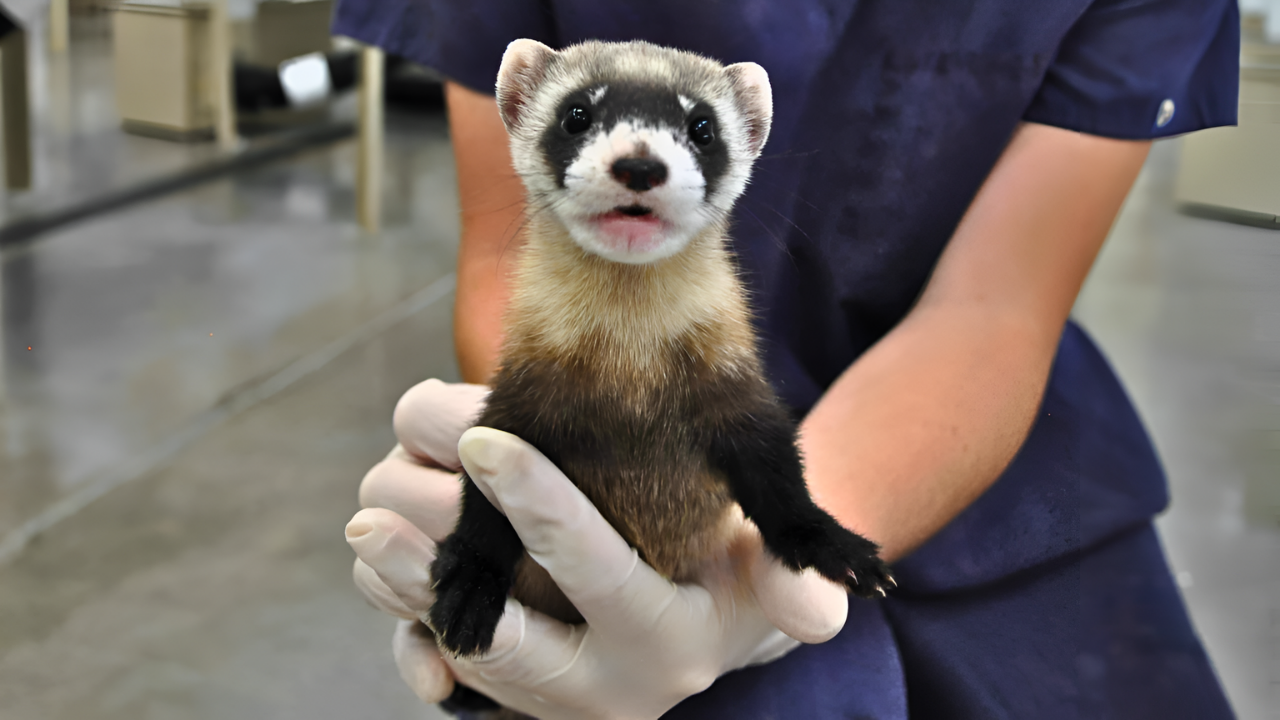
The planet is in crisis, with more than 47,000 species on the brink of extinction, a figure that rises daily. Some are reduced to populations so small that they barely exist, while others vanish quietly from the wild.
These losses aren’t mere statistics—they are urgent, tangible reminders of our impact. This slideshow uncovers twelve species teetering on the edge, each one a stark example of human failure and the urgent need for action.
What you’re about to read is not conjecture—it’s the devastating reality we face right now. But as you’ll see, there’s still hope—if we act now.
1. The Vaquita
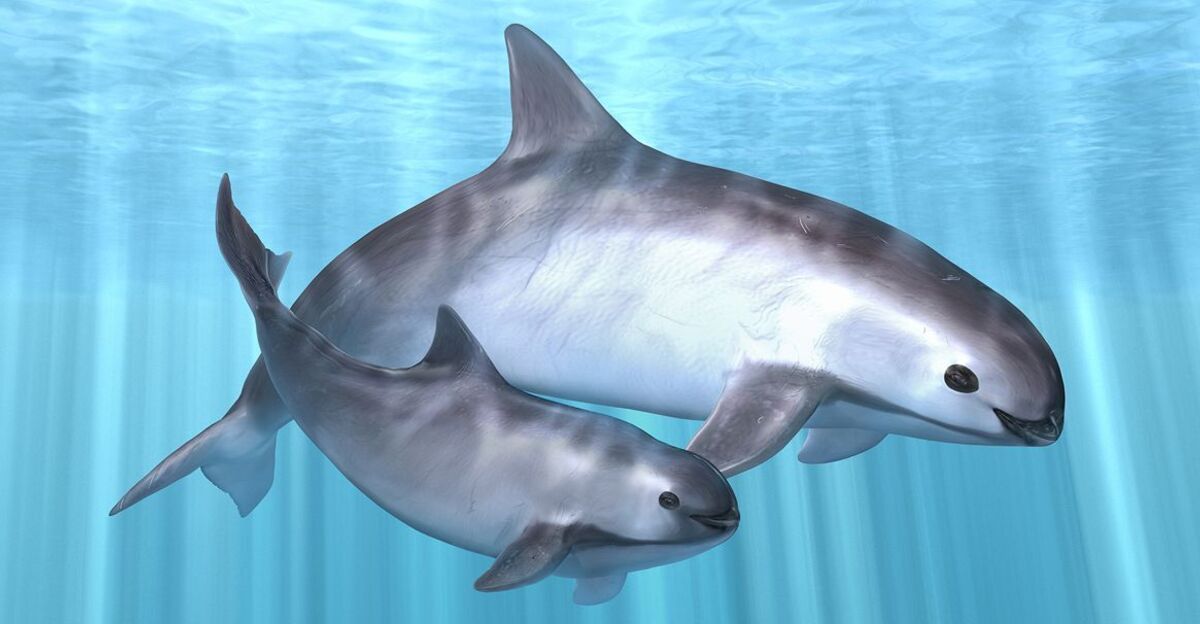
The vaquita porpoise is the world’s rarest marine mammal, with between 7 and 10 individuals remaining in Mexico’s Upper Gulf of California. Illegal gillnets designed to catch totoaba fish—an endangered species worth thousands on the black market—entangle and drown these tiny porpoises as bycatch.
Despite the establishment of a “Zero Tolerance Area” in 2020 and recent enforcement efforts, the species continues to teeter on the edge of extinction.
Recent acoustic surveys and visual monitoring have detected vaquitas reproducing, including new calves, offering faint hope. However, experts warn that without eliminating gillnet fishing entirely, extinction remains inevitable within years.
2. The Javan Rhino
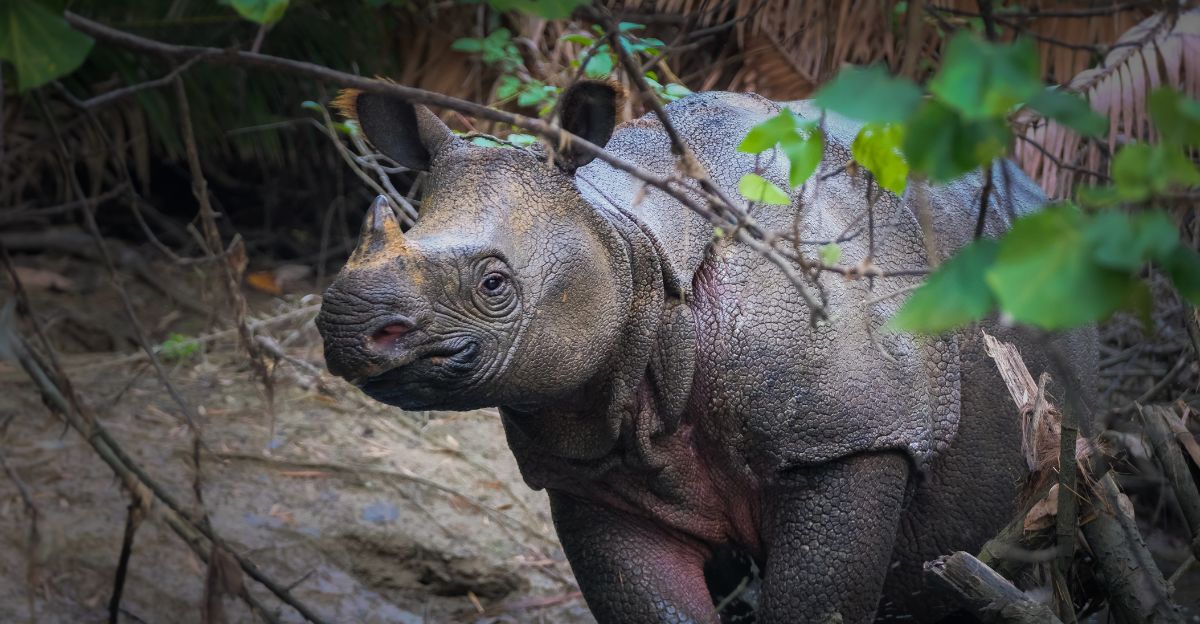
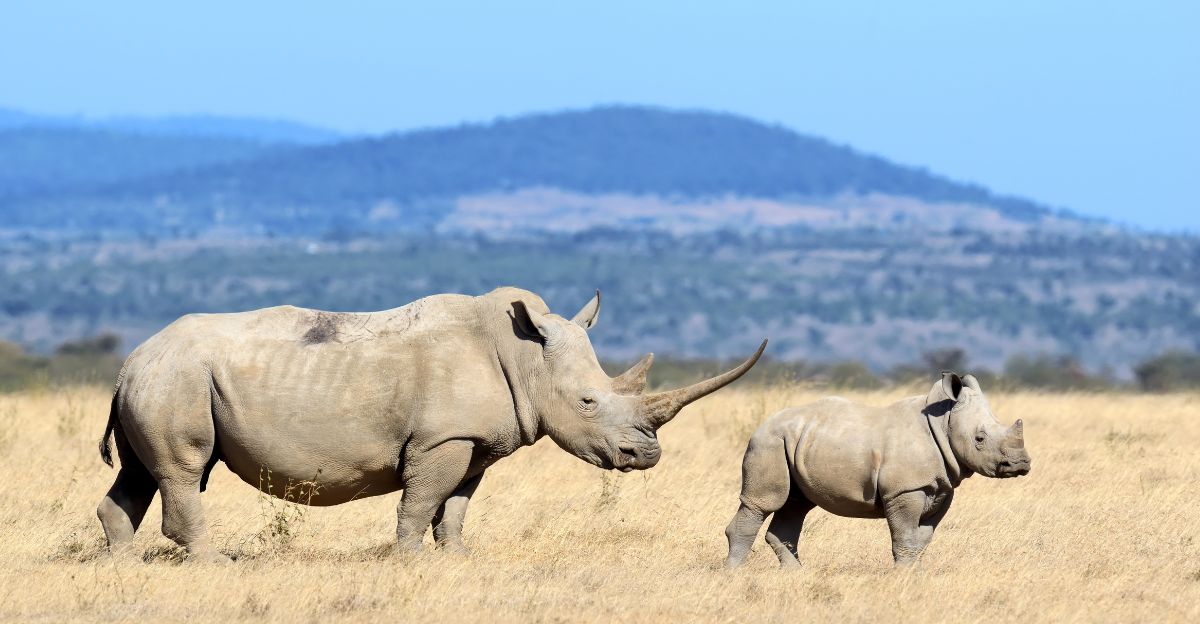
Only 68 individuals of the Javan rhino exist, confined entirely to Ujung Kulon National Park in Indonesia. This subspecies has no genetic diversity, no backup population, and no second chances. A single disease outbreak, natural disaster, or surge in poaching could wipe out the species forever.
The northern white rhino’s fate—reduced to two females in captivity—serves as a grim warning of what happens when we wait too long. The Javan rhino represents humanity’s narrowest margin for error in species conservation.
3. The Amur Leopard
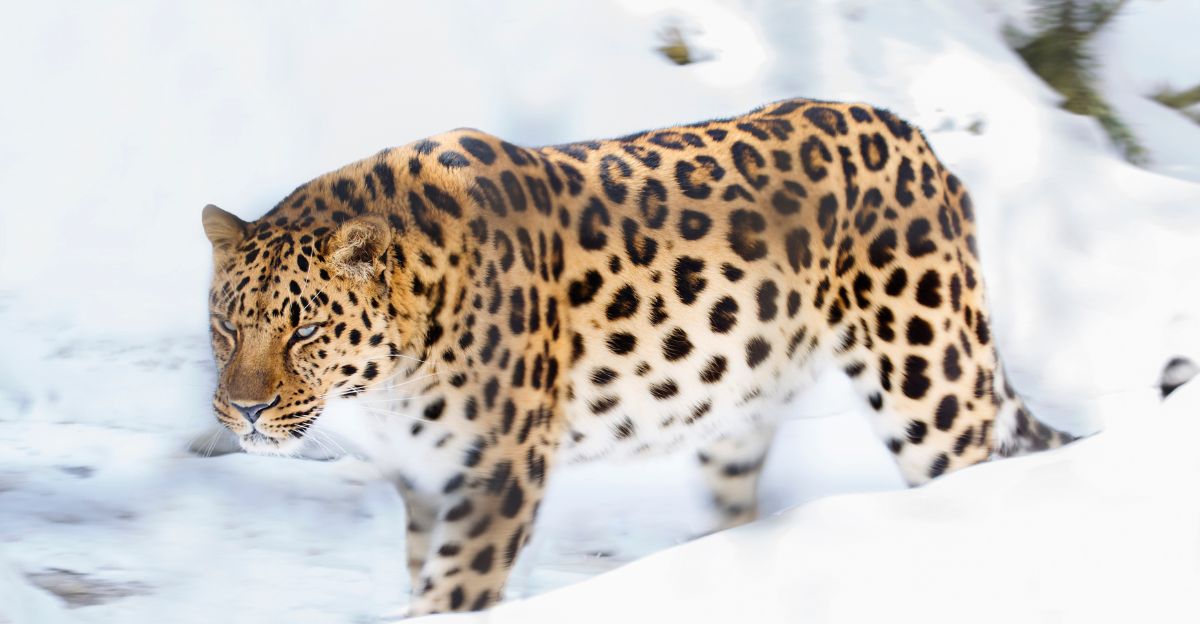
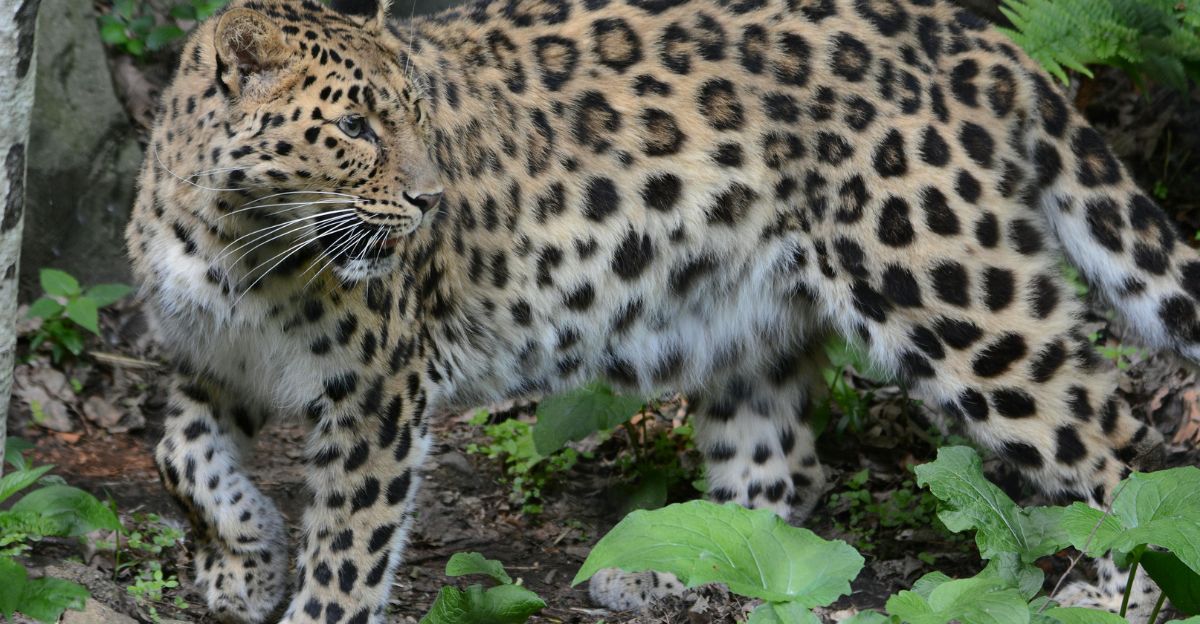
Roughly 84 Amur leopards prowl the forests between Russia and China, making this the world’s rarest big cat. Poaching, habitat fragmentation, and prey depletion have decimated populations that once roamed across vast territories.
These solitary hunters require enormous ranges, yet their habitats are shrinking yearly. Conservation breeding programs exist, but wild populations remain critically vulnerable. A single harsh winter or disease outbreak could potentially lead to the collapse of the entire species.
4. The Sumatran Rhino
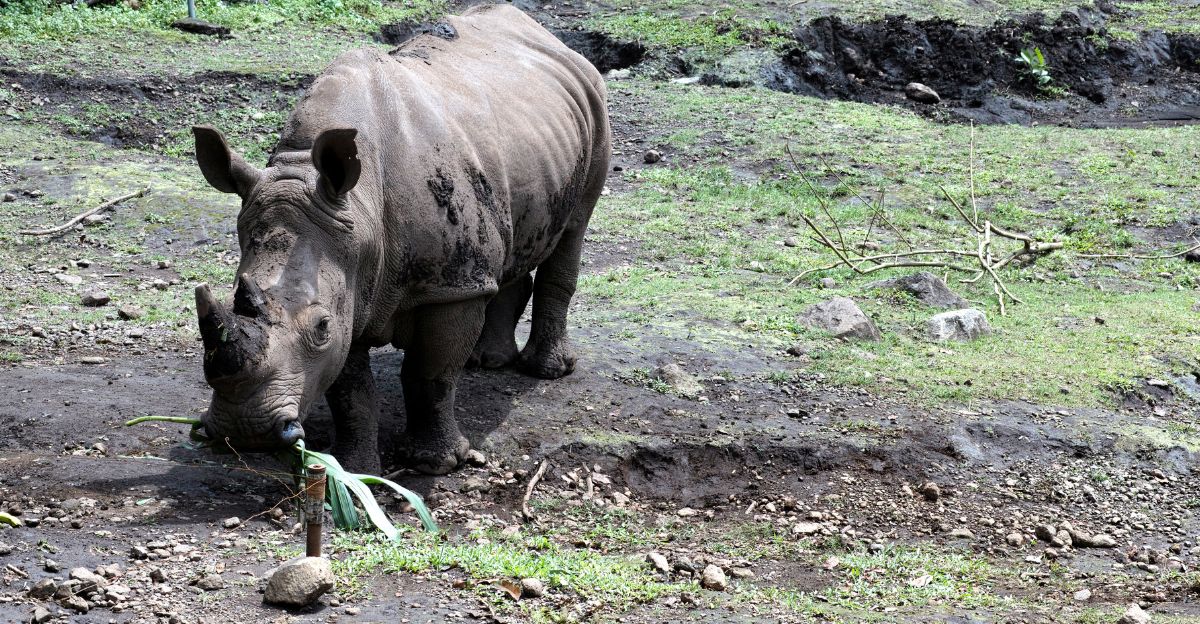
Fewer than 80 Sumatran rhinos survive in fragmented populations across Indonesia, making it one of the world’s most endangered large mammals.
This species has been hunted to the brink of extinction for its horn, which is valued in traditional medicine despite having no proven medicinal properties.
The remaining animals live in isolated groups, unable to interbreed naturally. Scientists debate whether the species can recover or if we’re simply watching its final decades unfold.
5. The Sunda Tiger
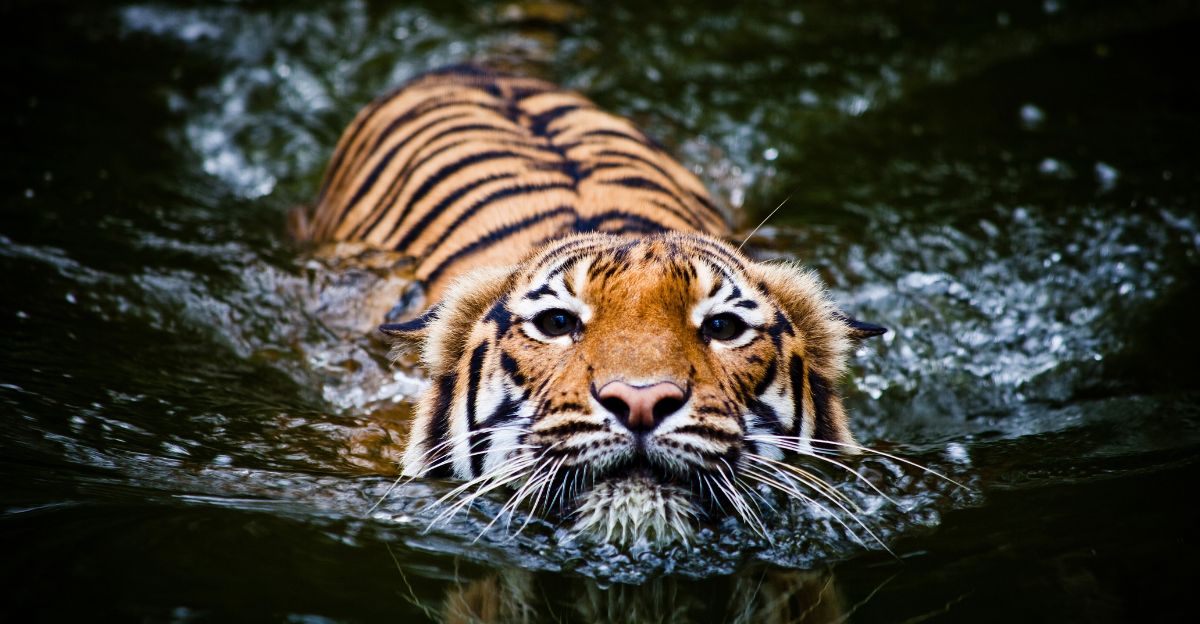
Fewer than 400 Sunda tigers remain on the Indonesian island of Sumatra, confined to fragmented forest reserves. These apex predators require vast territories, yet their habitats are shrinking as palm oil plantations expand.
Poaching for traditional medicine and human-wildlife conflict claim lives annually. Unlike African tigers, the Sunda tiger receives minimal international attention despite its critical status. Their extinction would mark the loss of a distinct subspecies found nowhere else on Earth.
6. The Bornean Orangutan
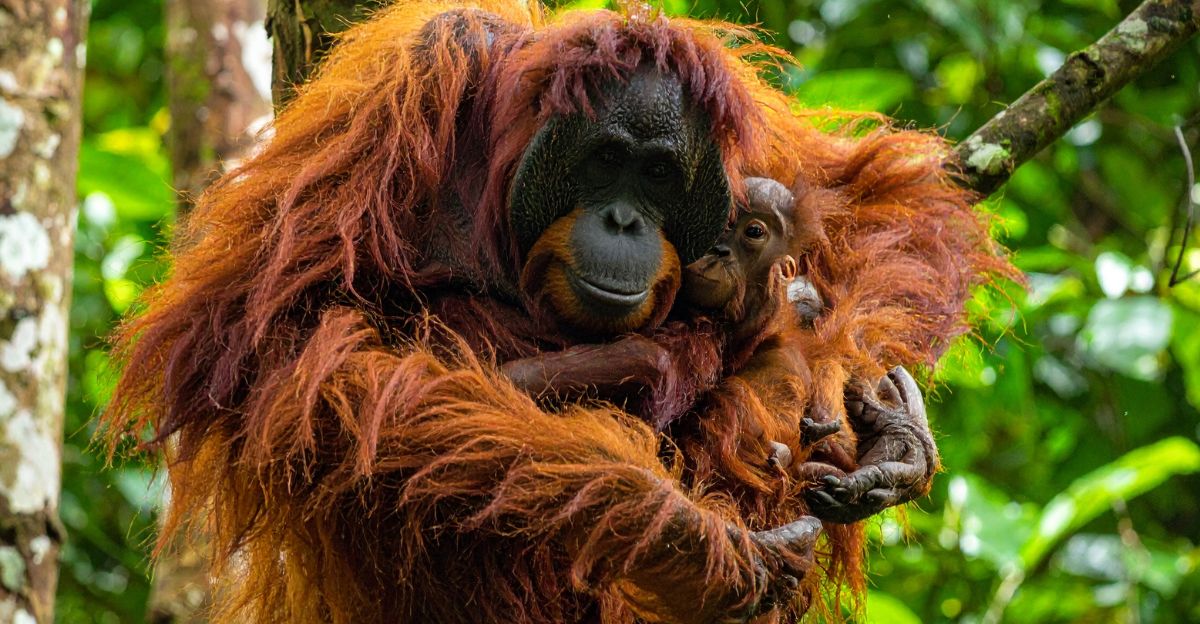
Bornean orangutans have declined by more than 50% over the past six decades, with some populations, such as the Northwest Bornean subspecies, reduced to fewer than 1,500 individuals remaining in the wild.
Deforestation for logging and agriculture destroys their rainforest home daily. These highly intelligent apes share 96.4% of human DNA, yet we treat their habitat as expendable.
Hunting and the illegal pet trade compound the crisis. Without immediate habitat protection, this species could vanish within our children’s lifetimes.
7. The Yangtze Finless Porpoise
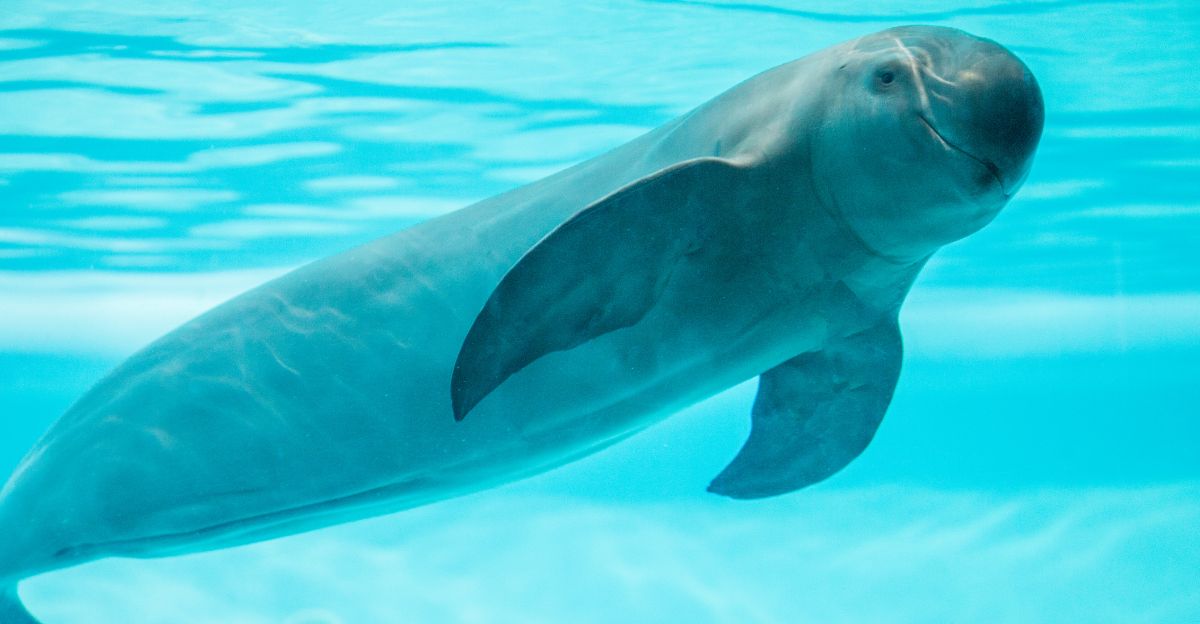
Fewer than 2,000 Yangtze finless porpoises swim China’s most polluted river, down from thousands just decades ago. Boat traffic, fishing nets, pollution, and dam construction have transformed the Yangtze into a death trap for these gentle cetaceans.
Unlike ocean-dwelling porpoises, these freshwater mammals cannot escape to cleaner waters. Their decline mirrors the river’s ecological collapse, representing a cautionary tale about the hidden costs of industrialization.
8. The Northern White Rhino
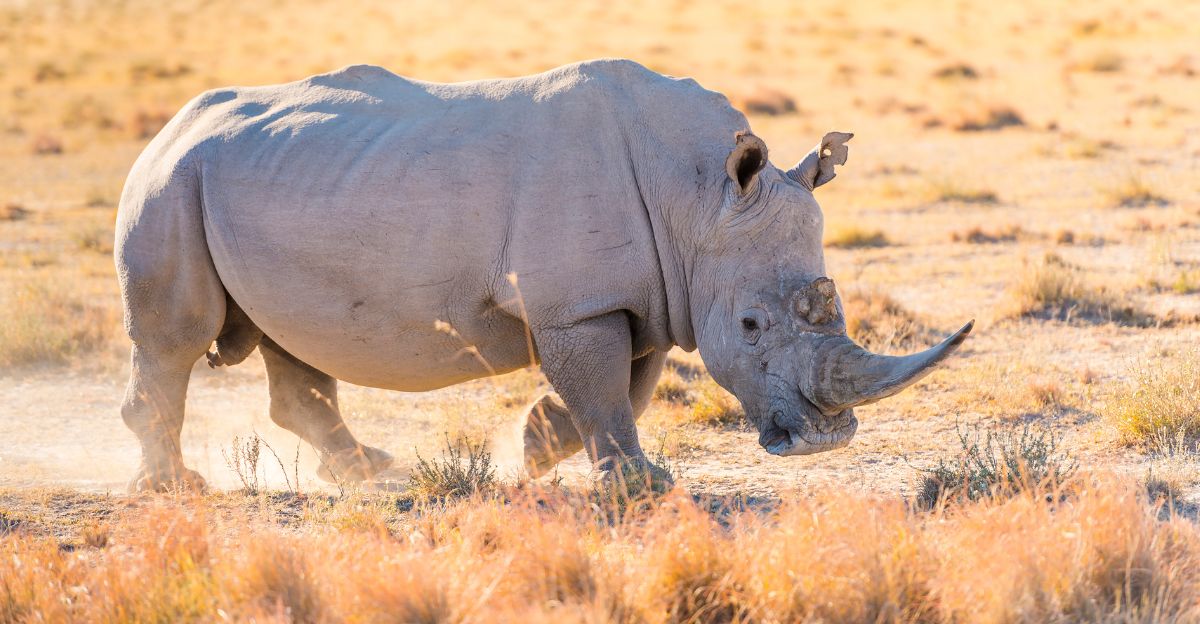
Only two northern white rhinos remain alive—both females living in captivity at Kenya’s Ol Pejeta Conservancy. The last male died in 2018, effectively bringing an end to the subspecies’ natural reproduction.
Scientists explore controversial genetic technologies, such as cloning, but the species is already extinct in the wild. This represents not just extinction, but the complete failure of a conservation system that allowed poaching to continue unchecked for decades.
9. The Sumatran Orangutan
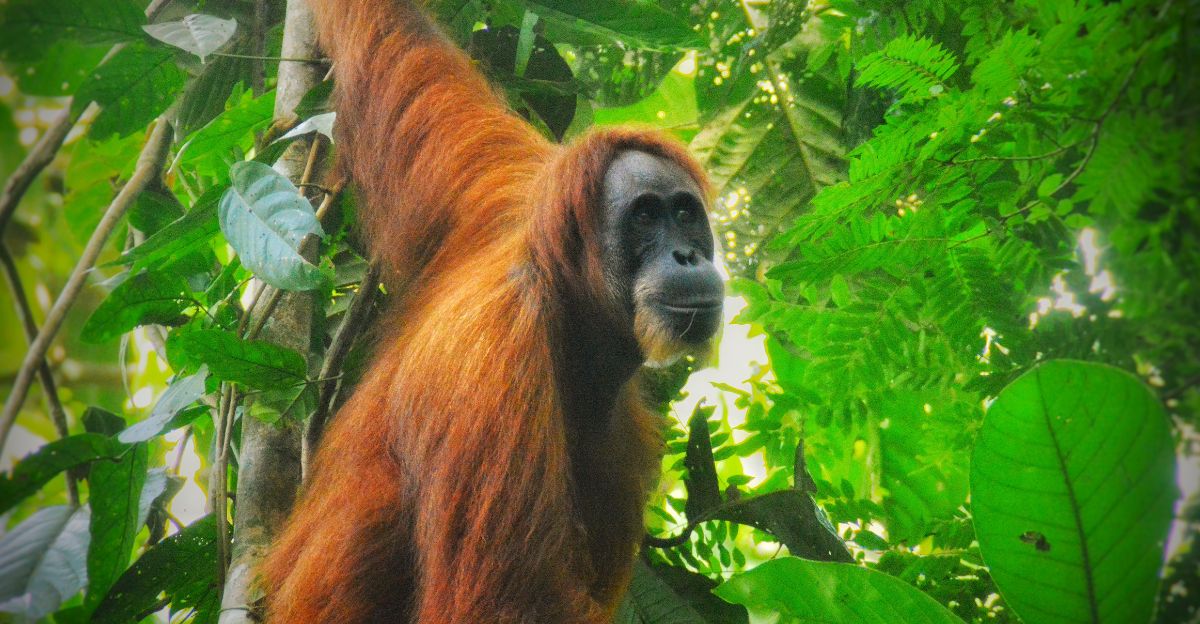
The Sumatran orangutan clings to existence in northern Sumatra’s shrinking forests, critically endangered and facing even steeper declines than its Bornean cousin.
Trapped in an increasingly fragmented range, this subspecies faces convergent threats: palm oil expansion, illegal logging, and the pet trade.
Recent conservation efforts show promise, but the species remains critically endangered with no guarantee of recovery. Habitat loss accelerates as two-thirds of Sumatra’s lowland forests have been cleared in just the last 25 years.
10. The Western Lowland Gorilla
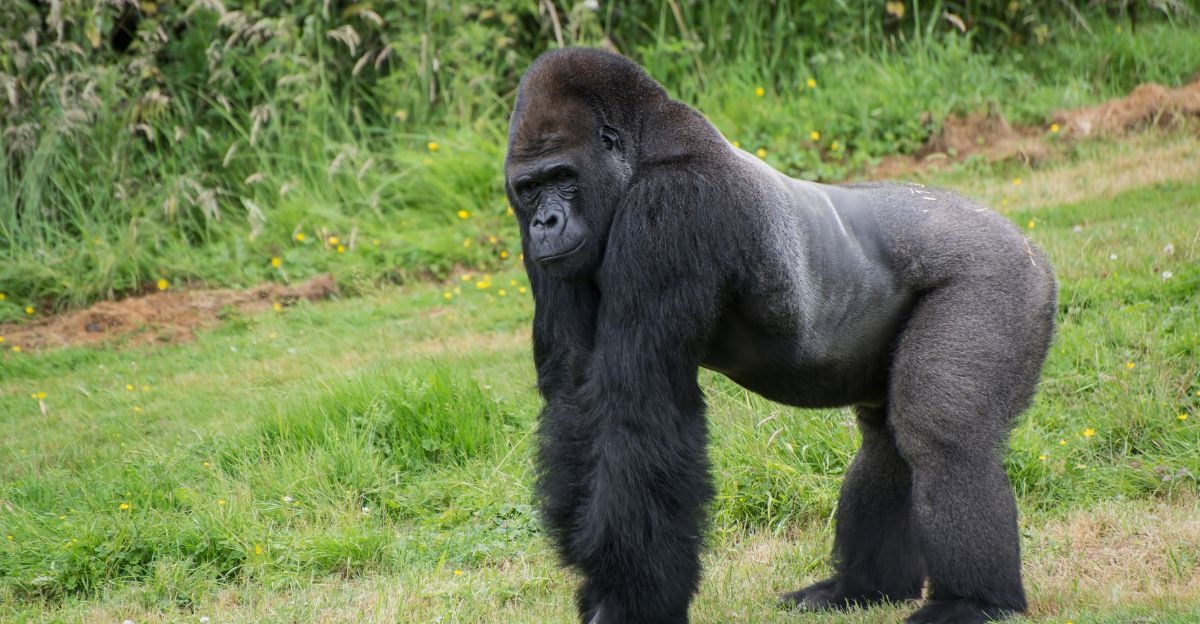
Western lowland gorillas have declined by more than 60% over the past 25 years, primarily due to poaching and Ebola outbreaks. These intelligent, social animals live in family groups that can be wiped out by a single disease event.
Habitat loss compounds the crisis as logging operations fragment their Central African forests. Unlike mountain gorillas, which have recovered through intensive protection, western lowland gorillas remain critically endangered with uncertain futures.
11. The Red Panda
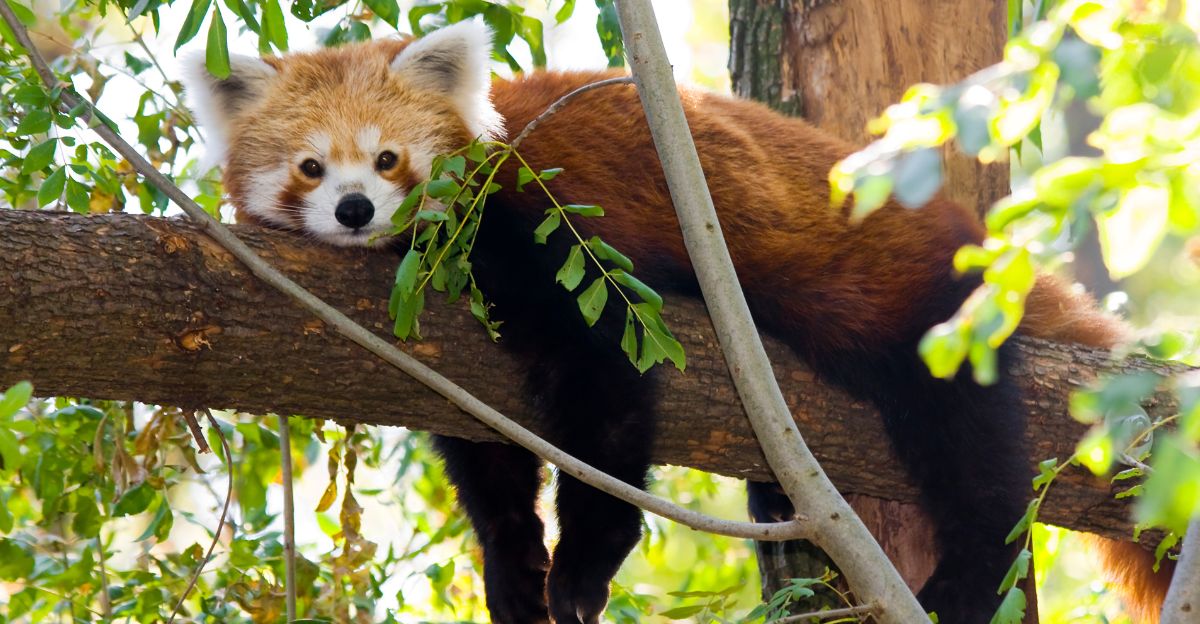
Fewer than 10,000 mature red pandas survive in the wild, scattered across fragmented mountain forests in Asia. These charismatic creatures face habitat loss, poaching for their fur, and illegal pet trade capture.
Climate change threatens the bamboo forests on which they depend for food. Despite their popularity in zoos and on social media, wild populations continue declining. Their cute appearance masks a species in genuine crisis.
12. The Cross River Gorilla
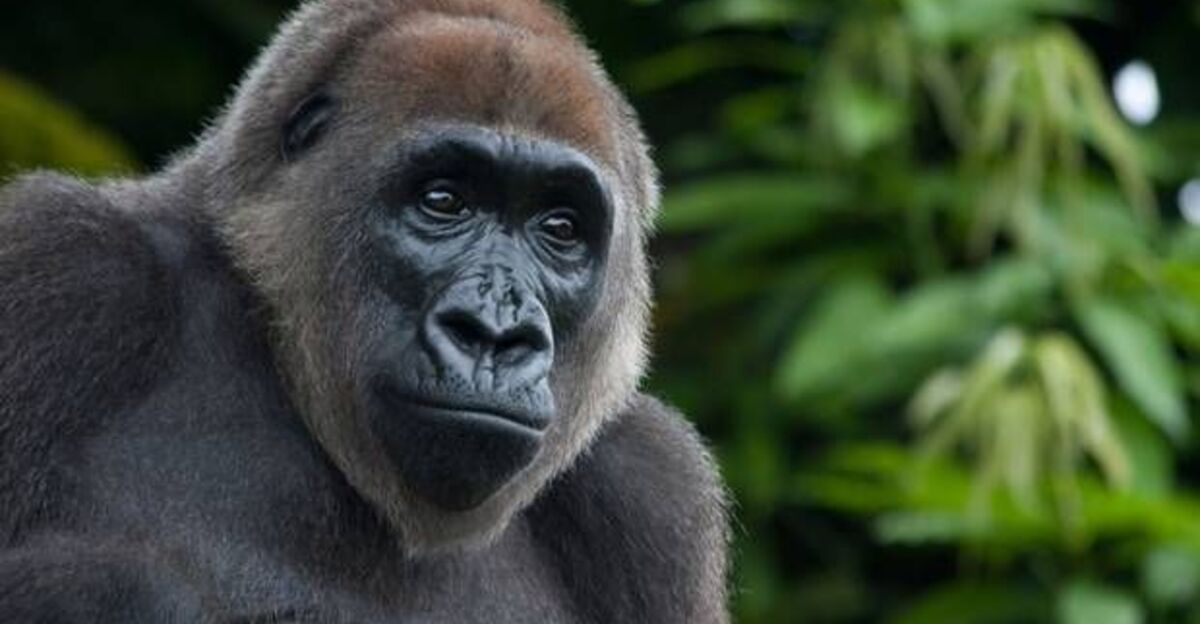
The cross river gorilla remains critically endangered, with an exact population unknown but certainly fewer than 300 individuals scattered across Nigerian and Cameroonian forests.
This subspecies faces severe poaching pressure and habitat fragmentation that have isolated small populations in forest fragments.
The combination of civil unrest and limited protection efforts makes conservation efforts exceptionally difficult. Recovery requires unprecedented cooperation between neighboring nations and sustained international support.
The Countdown Continues: Conservation at the Brink
These twelve species represent only a fraction of the more than 47,000 species currently threatened with extinction globally. Each represents a different failure—poaching, habitat loss, pollution, disease, or simple neglect.
The stakes are unprecedented: approximately 4,000 species worldwide are classified as Critically Endangered alone, hovering at the absolute edge of extinction—part of the broader 47,000+ threatened species total.
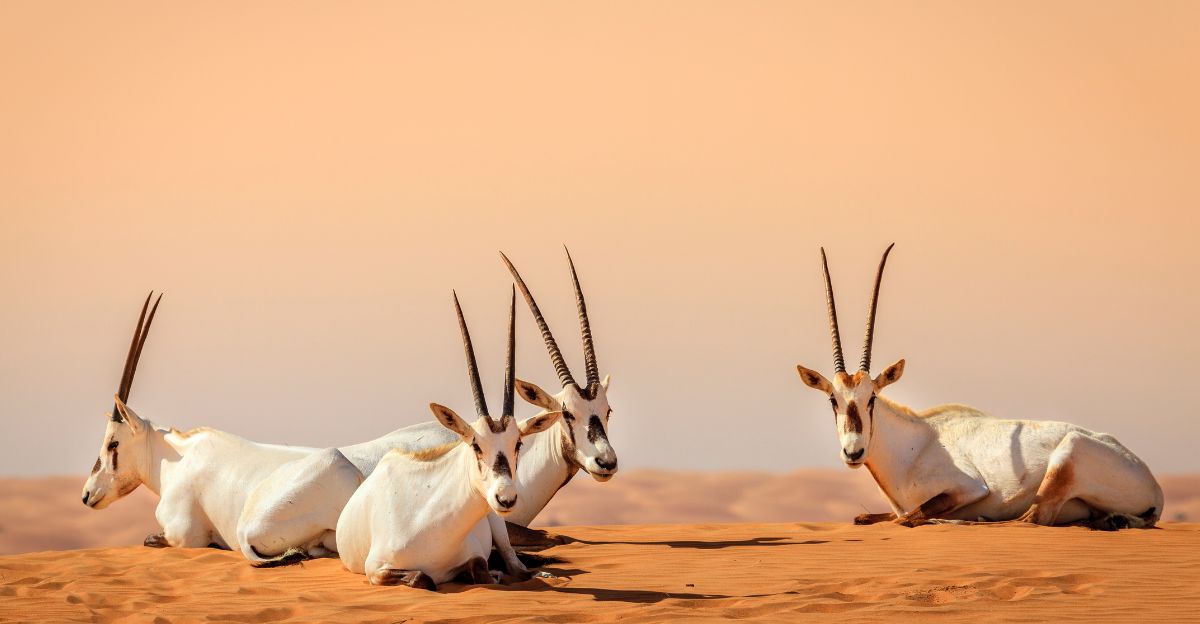
Yet each species also represents an opportunity: targeted conservation can still reverse declines. The recovery of species like the Arabian oryx, California condor, and Arabian leopard demonstrates what determined effort can achieve. The question isn’t whether these species can survive—it’s whether we’ll commit the resources and political will required to save them before time runs out.
The Human Cost of Extinction
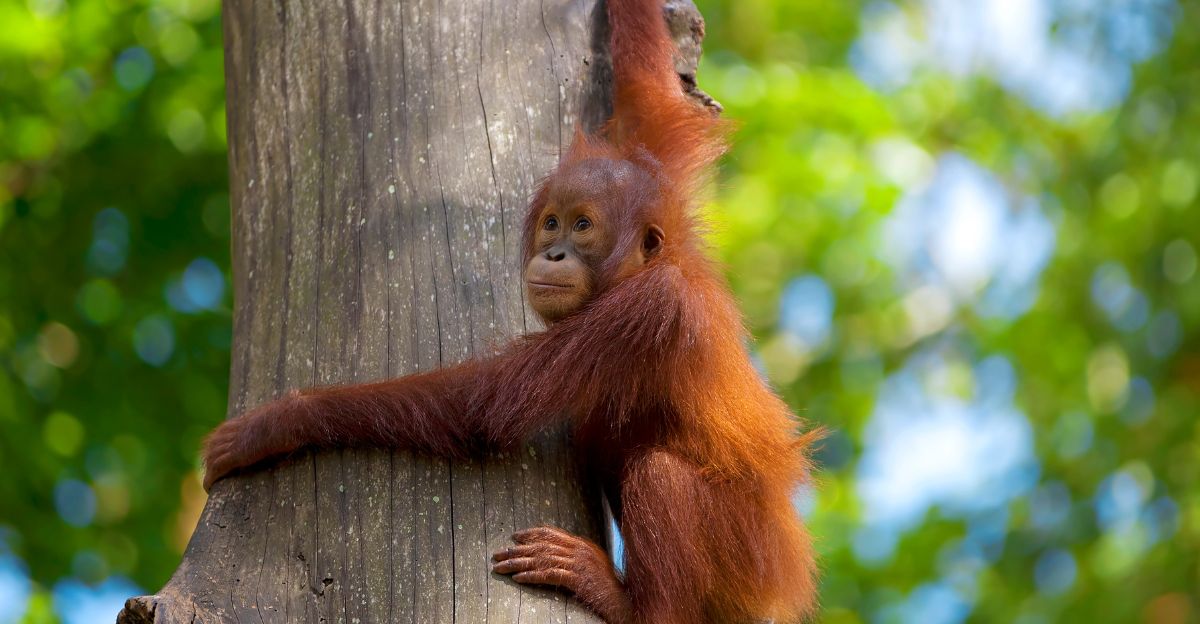
Every species lost represents an irreplaceable chapter of Earth’s evolutionary history. Orangutans share 96.4% of our DNA. Tigers, elephants, and rhinos survived ice ages and prehistoric predators—but not human activity.
The loss extends beyond individual animals; it destabilizes ecosystems. Orangutans are known as the “gardeners of the forest,” as they disperse seeds that help maintain the structure and function of the rainforest. Remove them, and the entire forest ecosystem begins to collapse.
Habitat destruction drives most extinctions. In just 25 years, two-thirds of Sumatra’s lowland forests have been cleared for agriculture and development. Poaching remains rampant: 80% of tiger deaths result from human hunting, not natural causes. These are not inevitable tragedies—they are consequences of deliberate choices.
Conservation Successes: There Is Still Hope
Conservation can work when resources and commitment align. The Arabian oryx was hunted to the brink of extinction in the 1970s; today, over 1,000 exist in the wild thanks to captive breeding and protection programs.
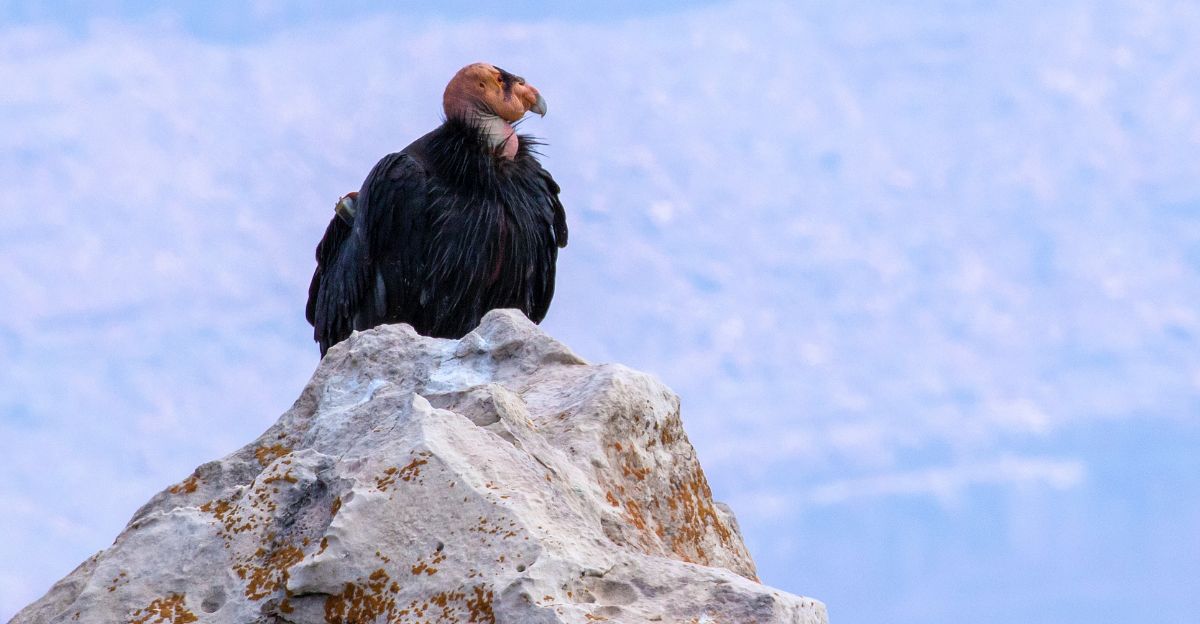
California condors numbered just 27 in 1987; careful breeding has restored the population to over 500, with half living in the wild. Mountain gorillas, once numbering fewer than 250, now exceed 1,000 individuals across protected areas in Uganda, Rwanda, and the Democratic Republic of Congo.
Recovery requires sustained effort: anti-poaching patrols, habitat protection, community engagement, and long-term funding. The Land of the Leopard National Park in Russia, created in 2012 across 650,000 acres, has become a sanctuary for Amur leopards and tigers. Similar protected areas worldwide have slowed extinction rates for species within their borders.
The Price of Inaction
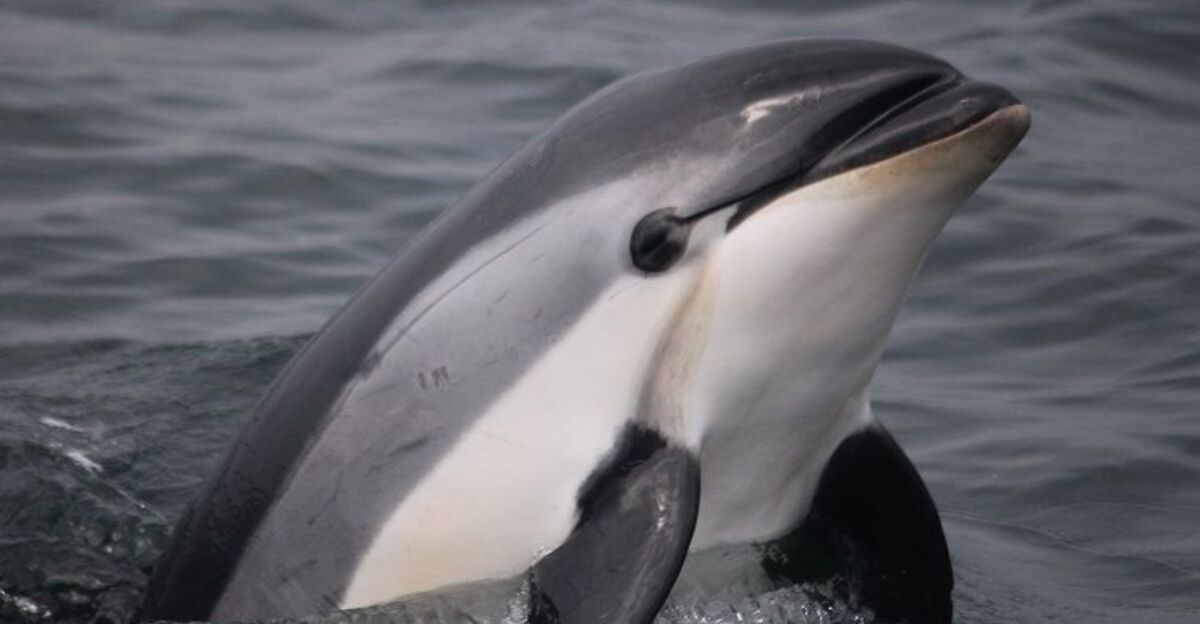
Without urgent intervention, many of these species will not survive the decade. Vaquitas continue dying in gillnets at a rate where one in five does not survive fishing encounters.
Javan rhinos—all 68 of them—exist in a single park that is vulnerable to tsunamis, disease, or military conflict. Northern white rhinos number two females in a Kenyan sanctuary, with no possibility of natural reproduction.
The broader cost extends across ecosystems. Seventy percent of Asian elephants now live outside protected areas due to habitat loss, increasing human-wildlife conflict, and poaching risk.
Tigers, once numbering roughly 100,000 across Asia, have crashed to approximately 5,500 wild individuals globally.
Individual Action, Global Impact
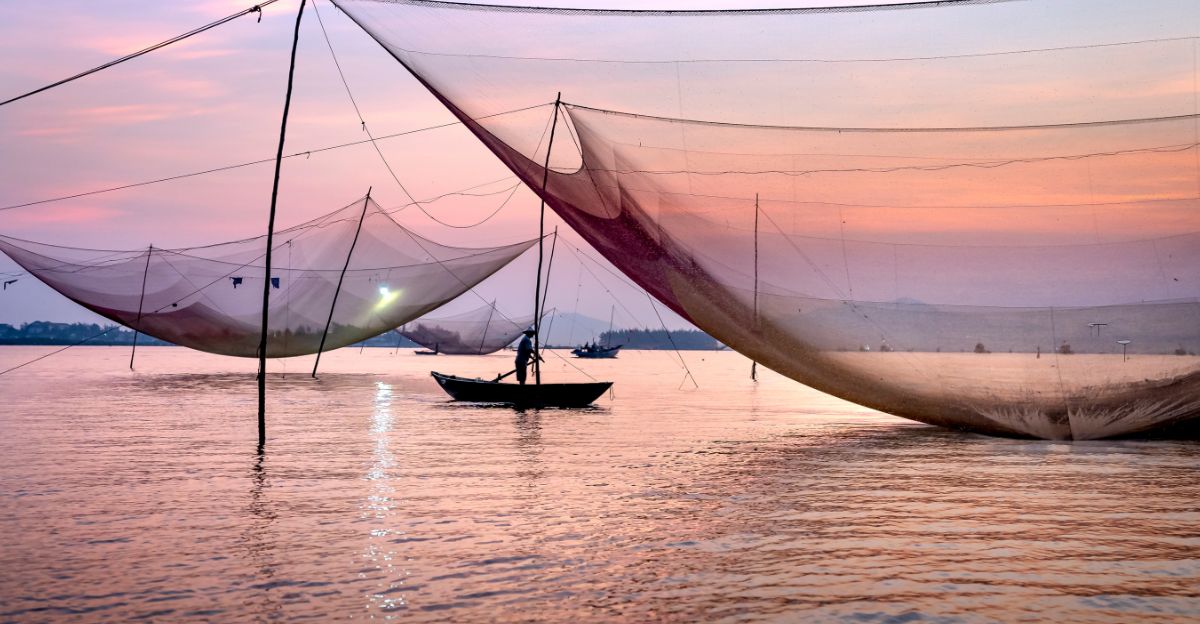
Consumer choices matter. Seafood harvested with gillnets directly threatens species like vaquitas and finless porpoises. The demand for palm oil drives deforestation, which in turn destroys orangutan habitats.
Wildlife trafficking—illegal capture for pets—removes individuals from already fragmented populations. Support for verified sustainable practices and funding for protected areas amplifies the conservation impact.
Individuals can advocate for policy changes, support conservation organizations working on the front lines, and educate others about the importance of the issue.
Scientists, park rangers, and local communities are fighting extinction with limited resources. Widening support for these efforts—through funding, political pressure, and behavioral change—determines whether these species survive.
The Question Before Us
The technologies, knowledge, and resources required to save these species exist. What remains uncertain is human will.
Do we treat biodiversity loss as an emergency that requires immediate and sustained action? Or do we allow extinction to become the default outcome?
History will judge whether we rose to this moment. The choice lies with each generation, and particularly with this one—the last with the opportunity to prevent these extinctions from becoming inevitable. The vaquita, Javan rhino, Amur leopard, and nine others await our answer.
What Comes Next
The window for action narrows daily, but it remains open. Recovery programs, habitat protection, anti-poaching efforts, and international cooperation have already prevented extinctions and restored populations. The question is not whether recovery is possible—it is whether we will prioritize it.
These twelve species are not anomalies; they are canaries in a coalmine, warning us that the Sixth Mass Extinction is not a distant threat but an unfolding crisis.
More than 47,000 species stand at the threshold of extinction. What we do in the next decade will determine how many survive it.
Sources:
IUCN Red List of Threatened Species, 2025
Sea Shepherd Conservation Society / SEMARNAT, October 2025
USFWS California Condor Status Report, 2024
Greater Virunga Transboundary Collaboration / African Gorilla Fund, 2025
Arabian Oryx Conservation Programme, 2025
TRAFFIC Wildlife Trade Report, November 2025
Forbes / Saudi Arabia Arabian Leopard Conservation, July 2025
Smithsonian National Zoo Arabian Leopard Assessment, May 2025