
Most Americans miss the daily fiber intake needed to control cholesterol, blood pressure, and heart disease risk, with 97% of men and 90% of women falling short on this crucial nutrient.
Cardiologists emphasize breakfast as a crucial opportunity to address this, recommending simple meals that incorporate fiber, healthy fats, and protein while reducing refined carbs and added sugars.
Fiber-Rich Wraps and Chia Pudding

Cardiologists like Dr. Kumar Sarkar of Northwell Health and Dr. Ailin Barseghian El-Farra of UCI Health endorse protein-rich wraps using whole-wheat tortillas filled with vegetables, beans, turkey, or eggs, delivering cholesterol-lowering fiber in a portable format.
For those preferring sweeter options, chia pudding serves as an appealing alternative, with one ounce of seeds supplying nearly 10 grams of fiber—about one-third to half of the 22-34 grams recommended daily—plus alpha-linolenic acid (ALA). This plant-based omega-3 correlates with a 10% lower risk of coronary heart disease death in studies.
Avocado Toast and Elevated PB&J
Specialists such as Dr. Melissa Tracy from Rush University System for Health view avocado toast on whole-wheat bread as a smart alternative to butter, providing monounsaturated fats that help enhance LDL cholesterol levels. Meanwhile, toppings like tomatoes or arugula contribute potassium with minimal sodium.
Similarly, a revamped peanut butter and jelly using whole-grain bread, unsweetened nut butter, and no-sugar-added fruit spread or fresh berries increases fiber and unsaturated fats while reducing added sugars, aligning with guidance that links excess sugar to higher cardiovascular death rates.
Oats, Yogurt, and Grain Bowls
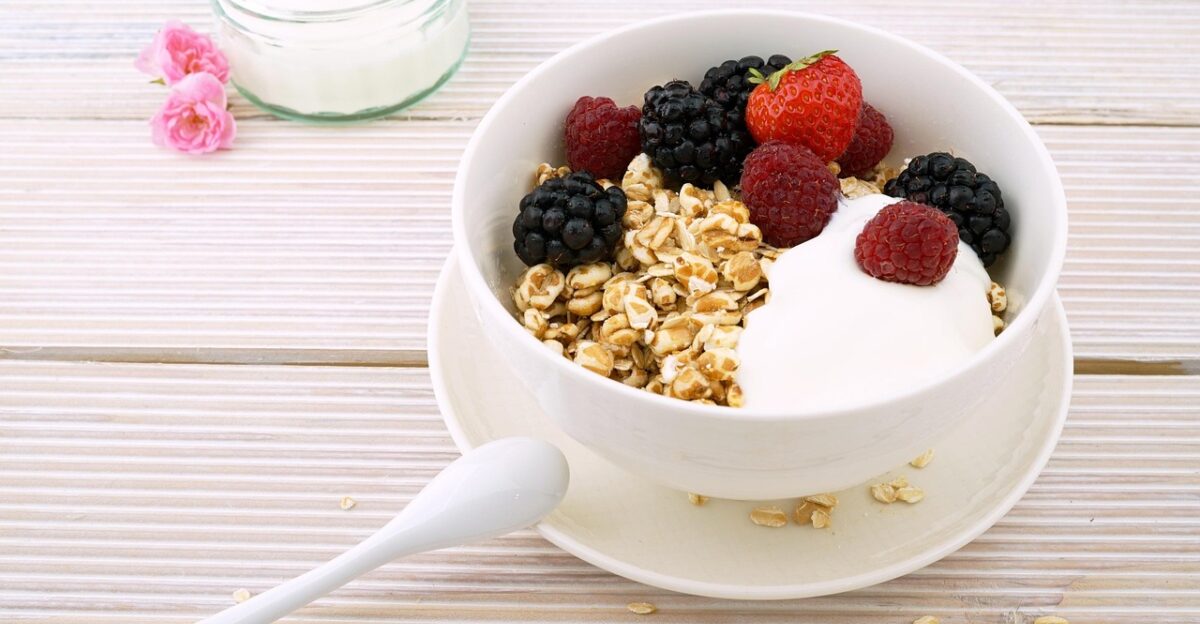
Overnight oats harness beta-glucan, a soluble fiber proven to lower LDL cholesterol, especially when mixed with Greek yogurt, fruit, and nuts for added protein and plant fats. Plain Greek yogurt or cottage cheese, paired with fruit or chia, offers satiety and neutral cardiovascular effects from fermented dairy.
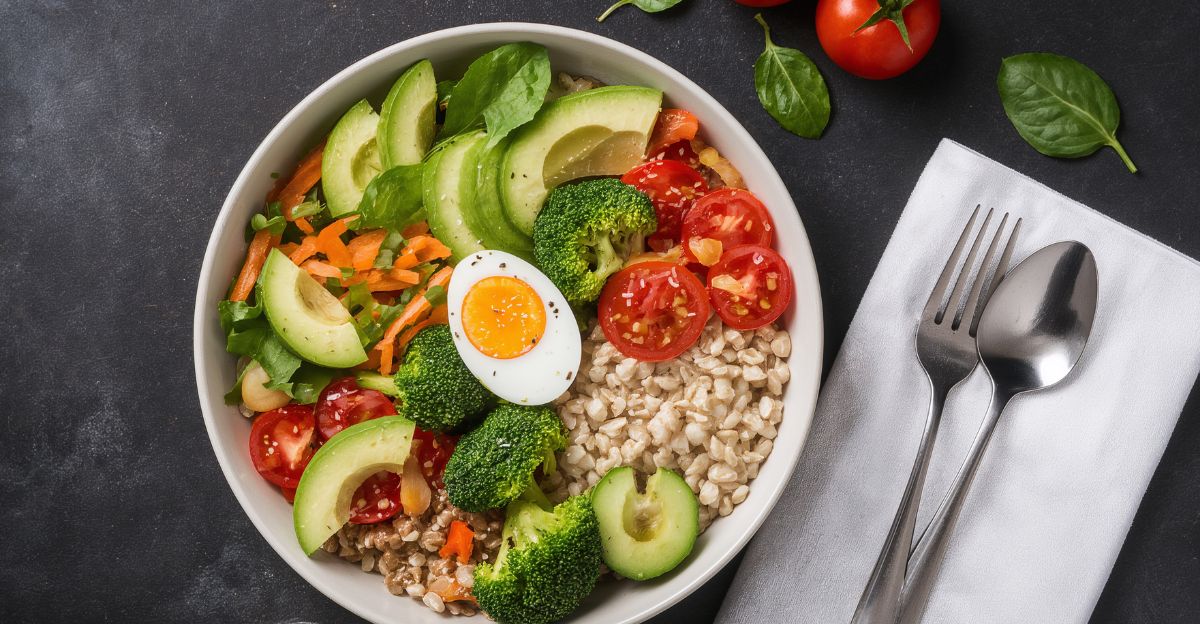
For savory alternatives, barley or quinoa bowls—warm with apples and cinnamon or topped with eggs, vegetables, and avocado—deliver 4-12 grams of fiber per serving as complete plant proteins that cut triglycerides and LDL while supporting healthy blood pressure.
Protein-Packed Savory Breakfasts
Egg or tofu scrambles with spinach, tomatoes, and mushrooms provide lean protein without processed meat’s sodium, while baked frittatas combining vegetables deliver antioxidants and heart-healthy fats.
Cottage cheese bowls with melon stabilize blood sugar via casein and minerals like calcium, and savory oatmeal topped with a poached egg, sautéed vegetables, and olive oil combines beta-glucan’s cholesterol-lowering power with lean protein and phytonutrients proven to reduce stroke risk.
Omega-3 Boosters and Sweet Potato Toast
Smoked salmon on whole-grain toast combines omega-3s for inflammation reduction with bread’s fiber, while berry-flax green smoothies blend spinach, berries, and flaxseed to lower systolic blood pressure through ALA and nitrates.
Sweet potato toast offers another nutrient-dense option, delivering nearly 4 grams of fiber per medium sweet potato along with substantial potassium and vitamin C; sliced thin and toasted, it serves as a versatile base for avocado, nut butter, or eggs that lowers LDL cholesterol while maintaining healthy blood pressure.
Whole Grain Pancakes and Power Bowls

Whole wheat pancakes made with whole grain flour, ground flaxseed, and topped with fresh berries transform a breakfast staple into heart-protective fuel, delivering 4-5 grams of fiber per serving while keeping added sugars low.
Whole grain power bowls built on brown rice, quinoa, or farro and topped with black beans, eggs or tofu, and salsa provide a complete amino acid profile with 8-12 grams of fiber per serving while delivering minerals like magnesium that support healthy blood pressure and reduce cardiovascular disease risk through multiple pathways.
These cardiologist-backed meals—from sweet potato toast to savory oatmeal bowls—build fiber, swap unhealthy fats, and limit sugars through daily repetition. Adopting them could narrow the fiber gap and reshape long-term heart outcomes for millions, underscoring breakfast’s role in preventive care. The key lies not in perfection but in consistent patterns: choosing whole grains over refined options, adding vegetables whenever possible, and prioritizing minimally processed ingredients that support cardiovascular health across multiple mechanisms.