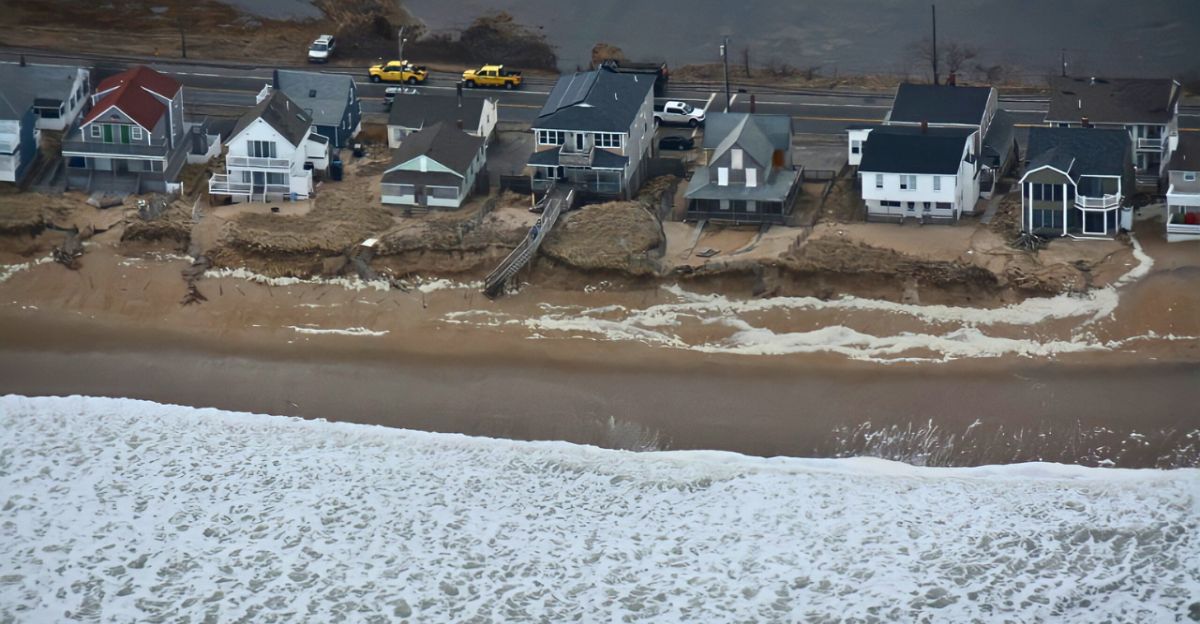
Homes along North Carolina’s Outer Banks faced extraordinary danger as the 2025 hurricane season intensified.
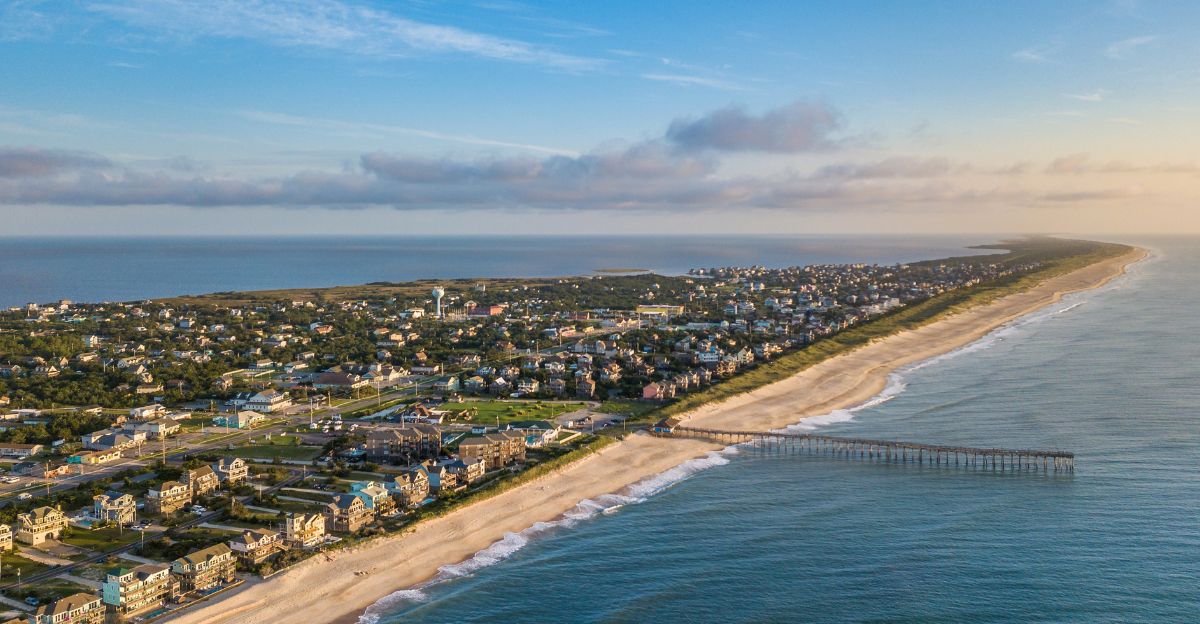
According to the National Park Service, rising seas and forceful waves battered Buxton, one of the area’s most exposed communities.
Meteorologists at the National Hurricane Center warned that conditions were ideal for rapid structural damage to occur. This year, coastal homeowners braced for some of the Atlantic’s most punishing weather in decades.
Unprecedented Dual Hurricane Threat
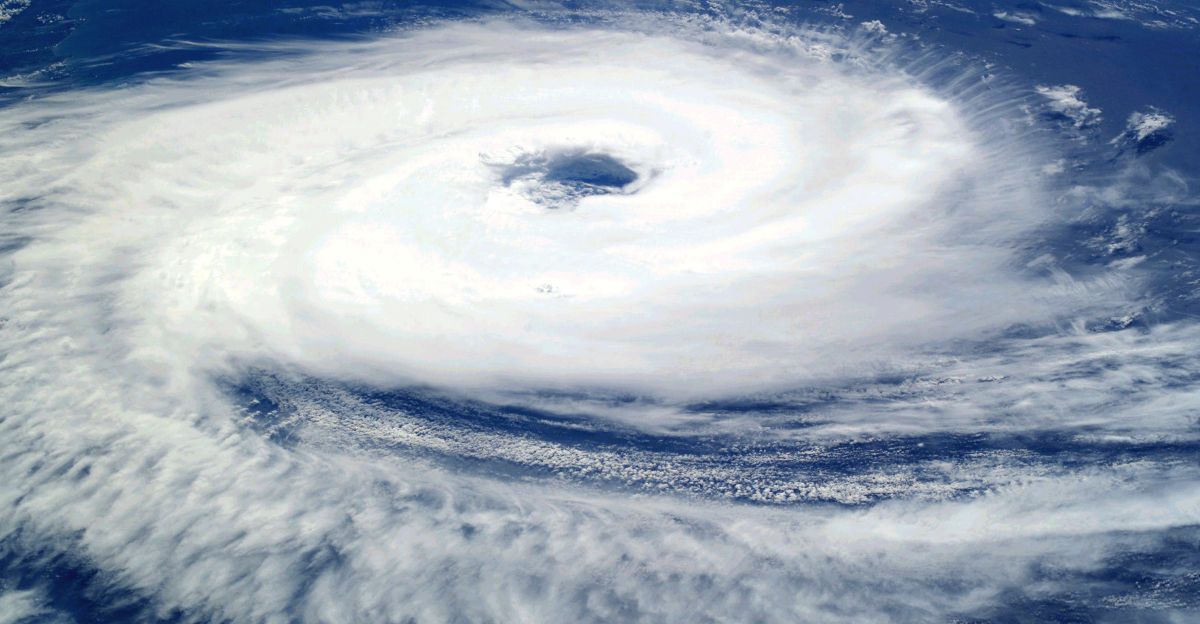
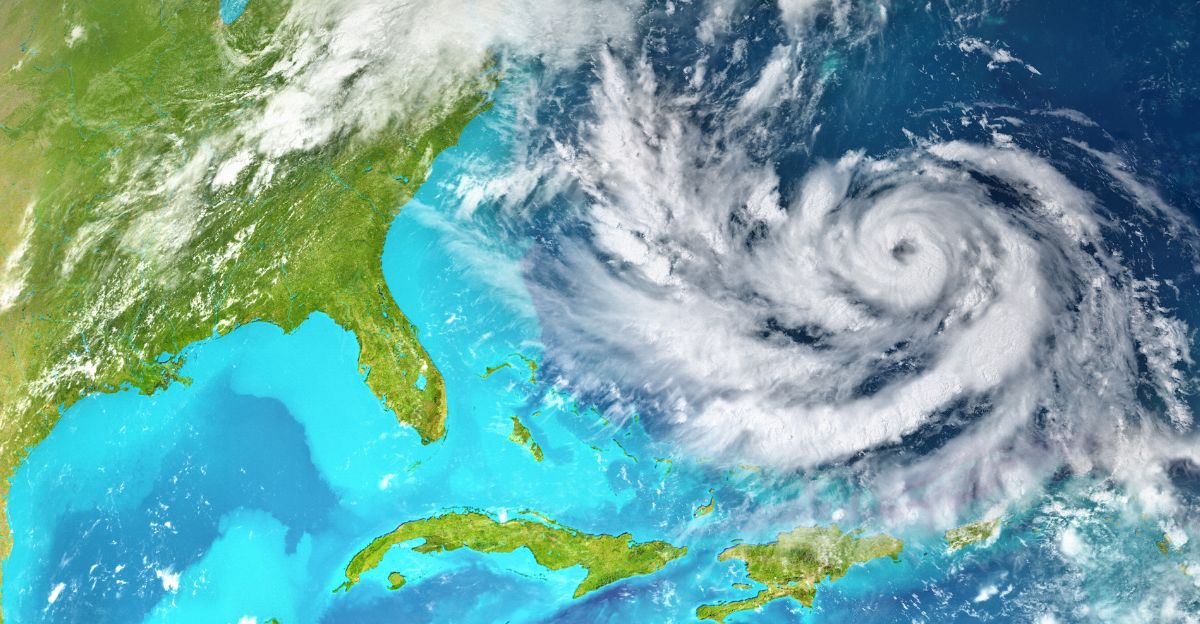
Unusually, two powerful systems—Hurricanes Imelda and Humberto—moved up the Atlantic nearly simultaneously, heightening risk for the region.
The National Weather Service reported that these storms produced massive swells reaching up to 12 feet off Buxton’s coast.
Emergency planners scrambled to update protocols as both hurricanes put direct pressure on the Outer Banks within days. The community endured repeated storm surges.
Barrier Islands Under Siege
The Outer Banks is a narrow chain of barrier islands, naturally prone to erosion and flooding. Geologist Dr. Sandra Hall of the U.S. Geological Survey notes that rising sea levels and more frequent hurricanes are accelerating land loss at the shoreline.
In the past decade, local and federal officials have documented a measurable uptick in destroyed properties and eroded beaches. Climate change exacerbates the dangers these communities face.
Intensifying Coastal Erosion
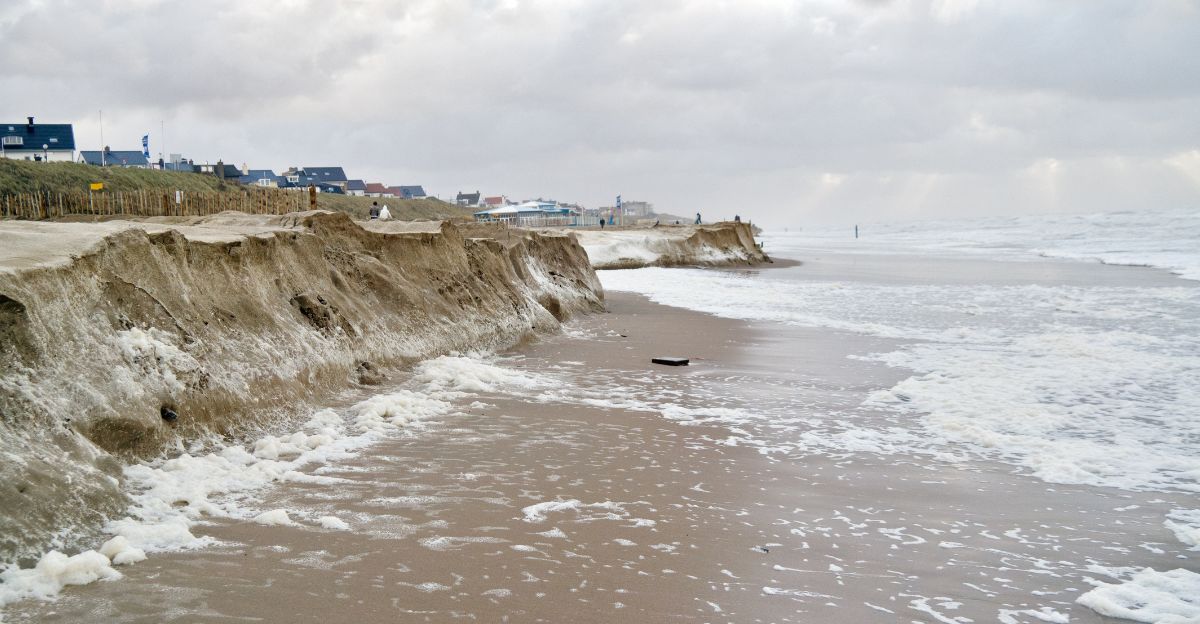
September’s storms hit hardest in areas already weakened by prior hurricanes and erosion. Scientists say that the Outer Banks have lost several feet of shoreline annually over the past few years, leaving oceanfront homes increasingly vulnerable to erosion.
As water levels rise and storms intensify, old engineering solutions like sea walls are proving insufficient, and new strategies are urgently needed. Residents and local leaders are left scrambling.
Six Homes Destroyed
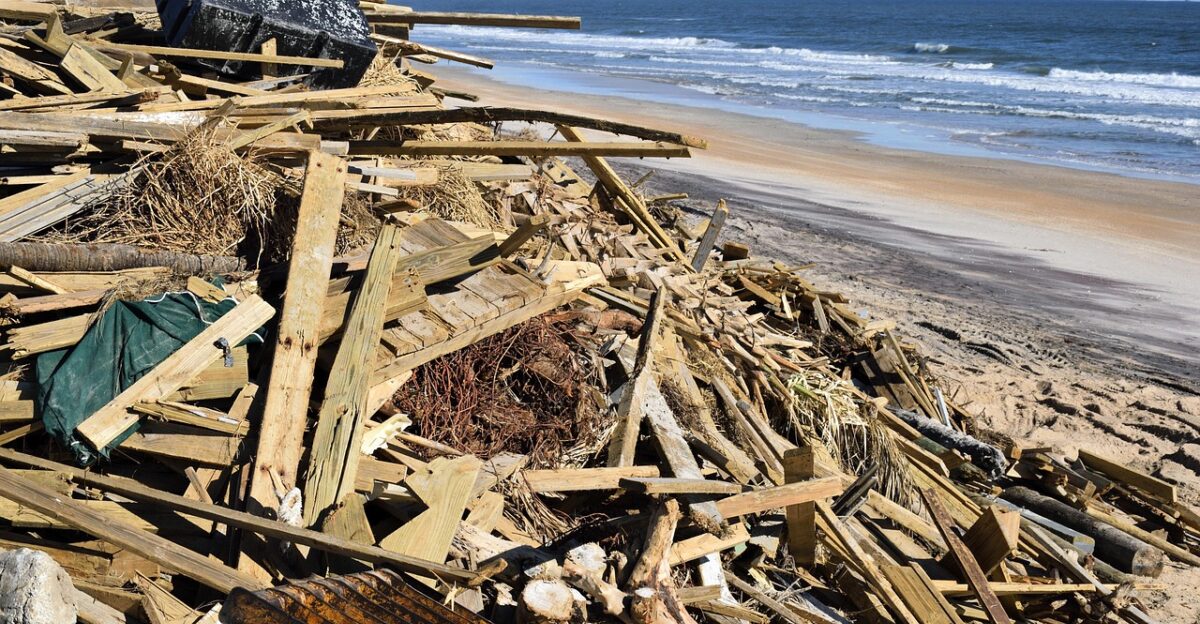
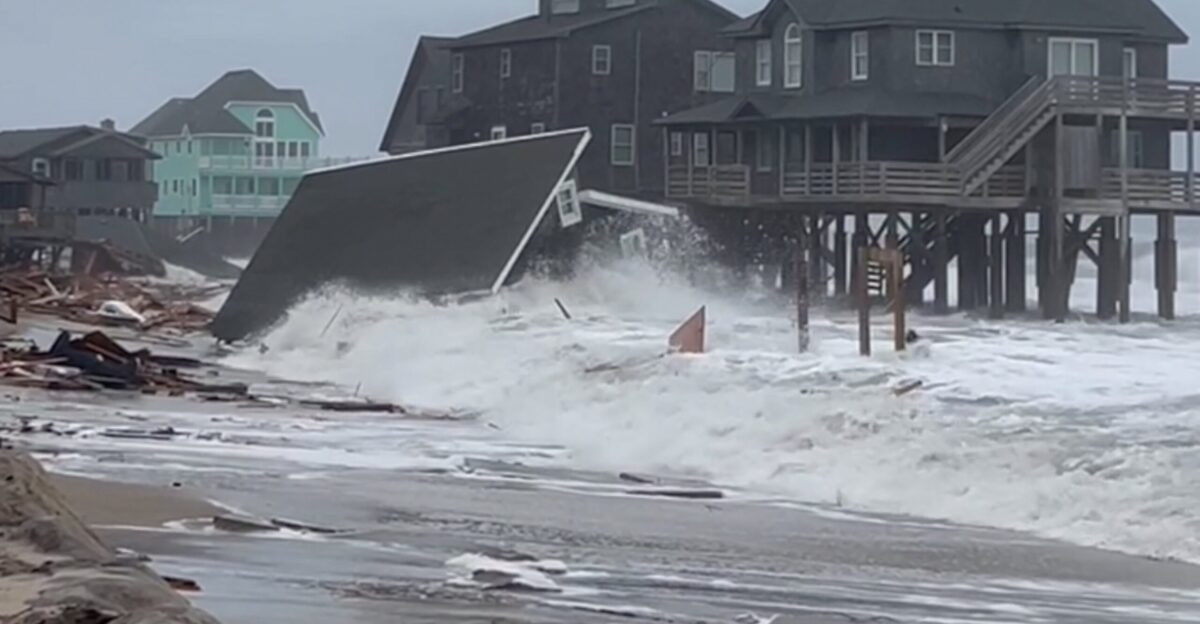
On September 30, 2025, in Buxton, six oceanfront homes collapsed into the Atlantic, with five falling within an astonishing 45 minutes. The National Park Service said surf heights reached 12 feet, overwhelming dunes and foundations.
Property records show these homes had all been elevated previously in attempts to counteract erosion, but the persistent surge proved too much. Fortunately, no injuries were reported.
Swift Collapse Triggers Emergency
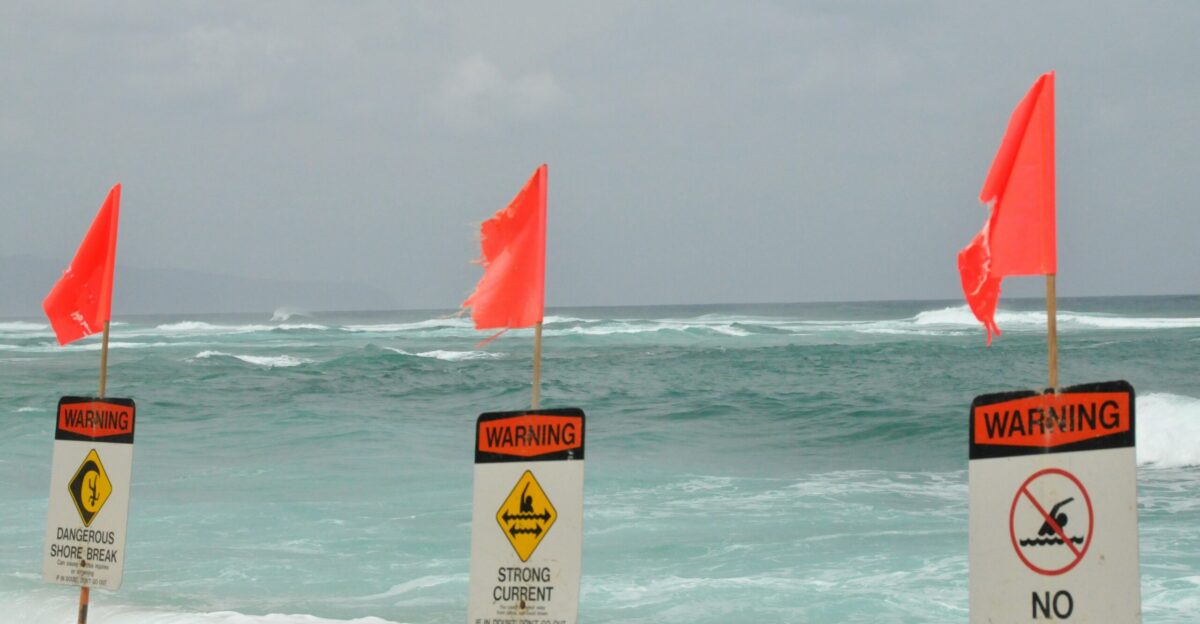
As the surf rose, emergency officials quickly blocked off beach access in Buxton and nearby villages. According to National Park Service spokesperson Mike Barber, debris from destroyed homes clogged roadways and posed hazards for rescue teams.
Local authorities closed long stretches of beachfront to both vehicles and pedestrians, anticipating further collapses and increased public danger.
Residents Forced to Flee
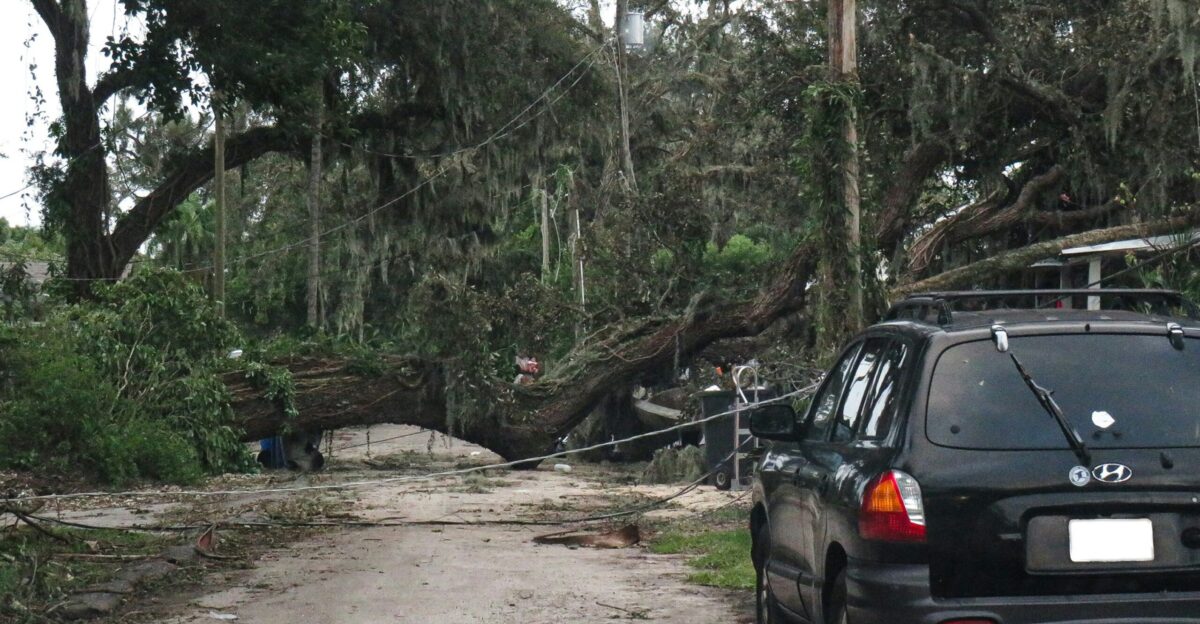
Early warnings from Dare County prompted rapid evacuations in low-lying regions. Environmental scientist Dr. Kimberly McKenna told ABC News that many Outer Banks homes now stand only a few dozen feet from the encroaching surf.
Some residents chose to shelter inland with family, while others watched helplessly as waves destroyed rental properties they depended on for income. The community rallied around those who lost everything.
The Science of Destruction
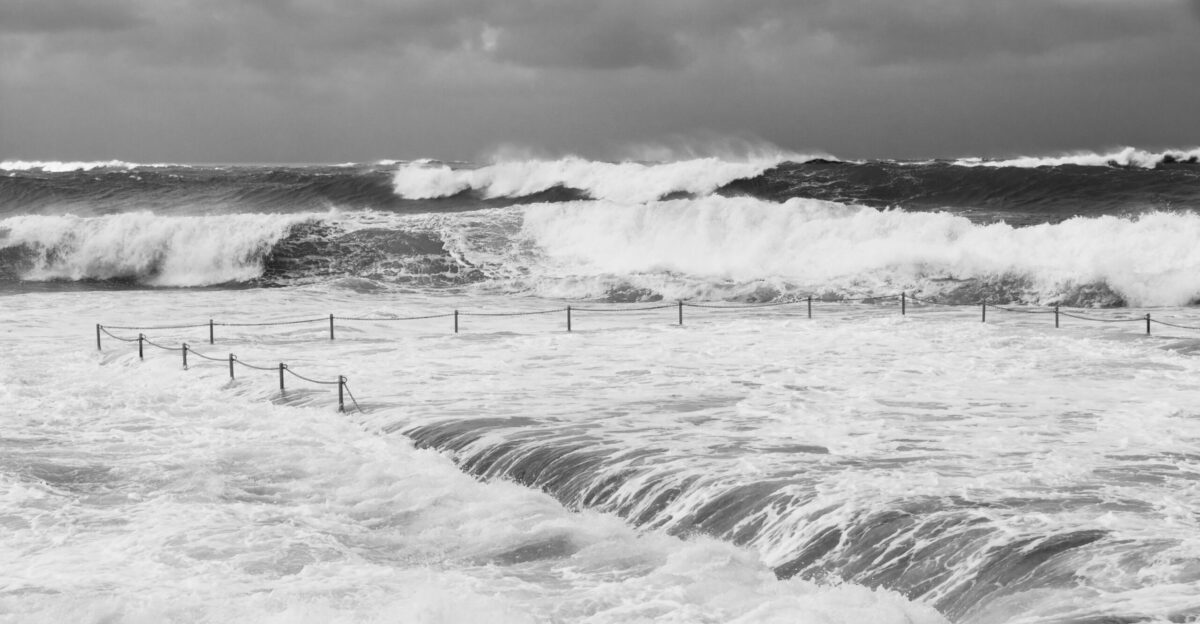
NOAA hurricane experts explained that the simultaneous presence of two hurricanes caused overlapping storm surges and amplified wave heights.
According to the National Hurricane Center’s 2025 summary, Imelda and Humberto each reached hurricane strength in late September, sustaining wind speeds over 85 knots and contributing to exceptionally dangerous surf. This rare dual-storm effect surpassed previous records in the area.
National Park Service Responds
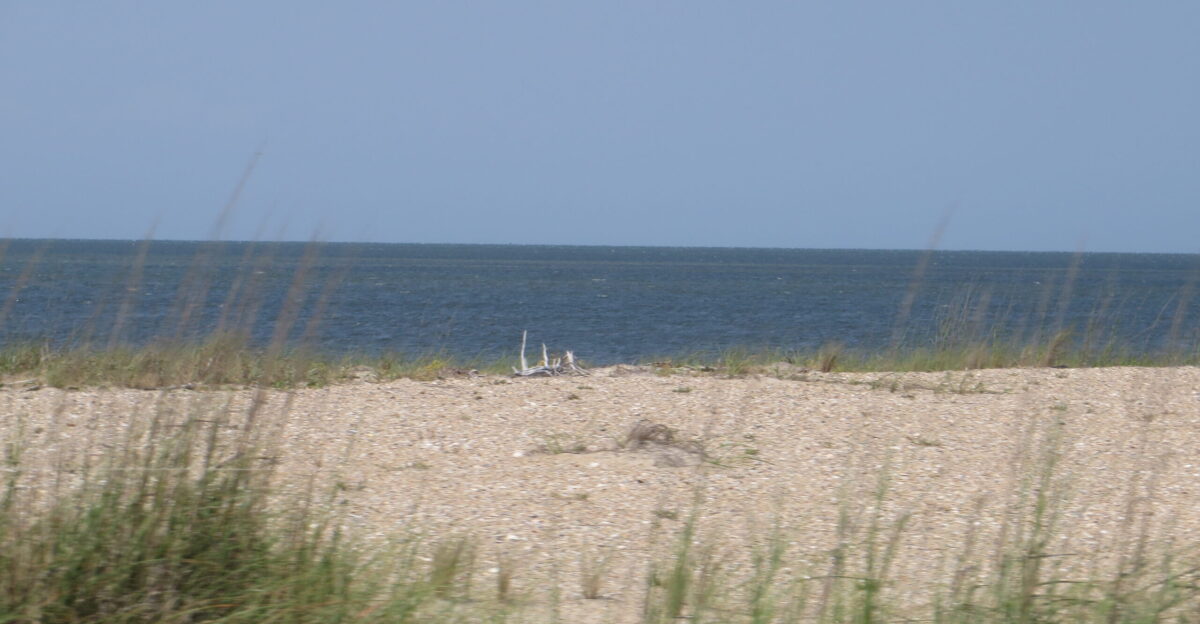
Cape Hatteras National Seashore rangers coordinated beach closures and worked closely with local authorities to ensure the safety of visitors.
The Park Service confirmed five homes fell within just 45 minutes, while staff and volunteers began removing hazardous debris. Their report warned that more homes remained vulnerable as the tides continued to rise throughout the week, heightening the urgency of a coordinated response.
Economic Ripple Effect Emerges
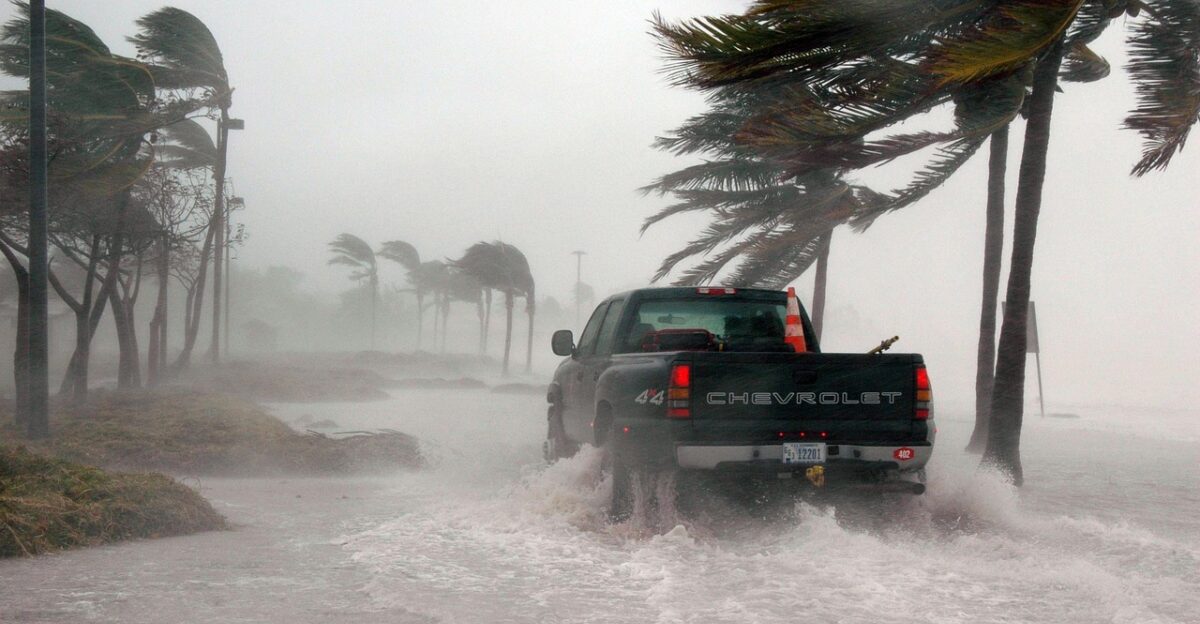
With critical beach access roads blocked and rental properties damaged or lost, local economies suffered an immediate hit.
Buxton, which is heavily dependent on tourism, saw bookings canceled and small businesses facing thousands of dollars in losses. Insurance adjusters, private contractors, and relief coordinators converged to assess costs.
Long-term economic recovery for homeowners and small businesses remained uncertain as authorities counted the damage.
Community Frustration Builds

Residents publicly expressed frustration over repeated warnings about unchecked development and the inadequacy of flood mitigation.
Dr. Sandra Hall emphasized that previous preparedness grants and hazard maps had not kept up with rapidly changing conditions, leaving many unprepared. Local leaders demanded immediate support and long-term solutions to prevent further devastation.
Questions of Ownership and Responsibility
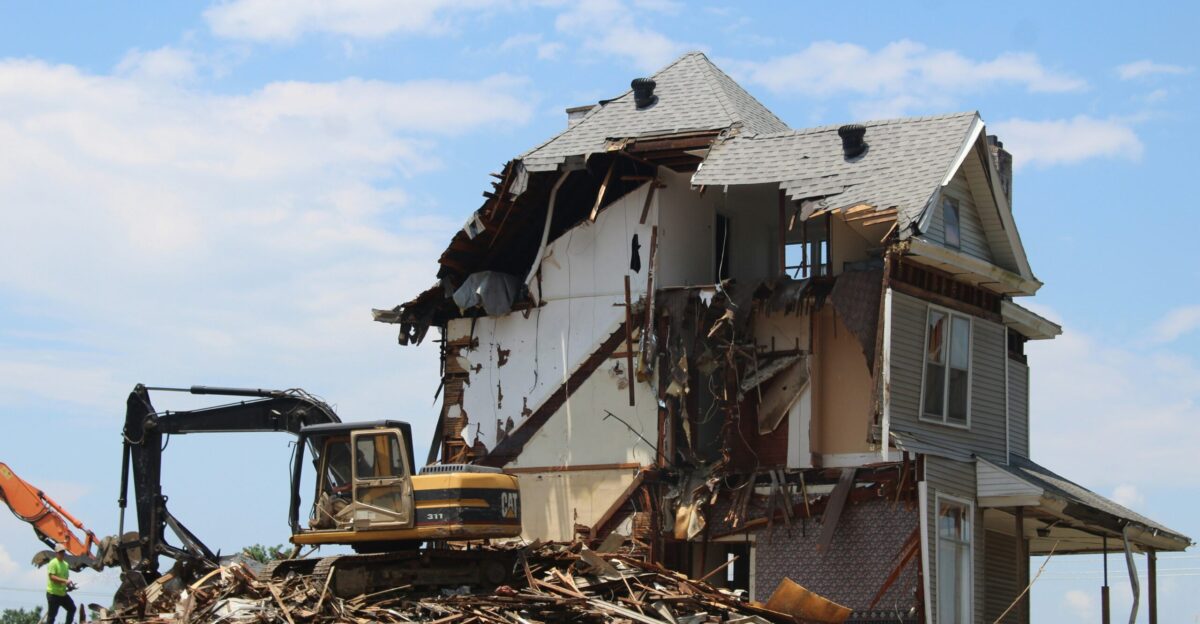
Many of the destroyed properties were owned by non-residents or investment groups, intensifying the debate about rebuilding rights and insurance liabilities.
According to property records and interviews, some homeowners faced exclusions in coverage due to increasing storm risk, while others grappled with whether to rebuild at all. The future composition of the Outer Banks housing market now hangs in the balance.
Cleanup and Safety Mission
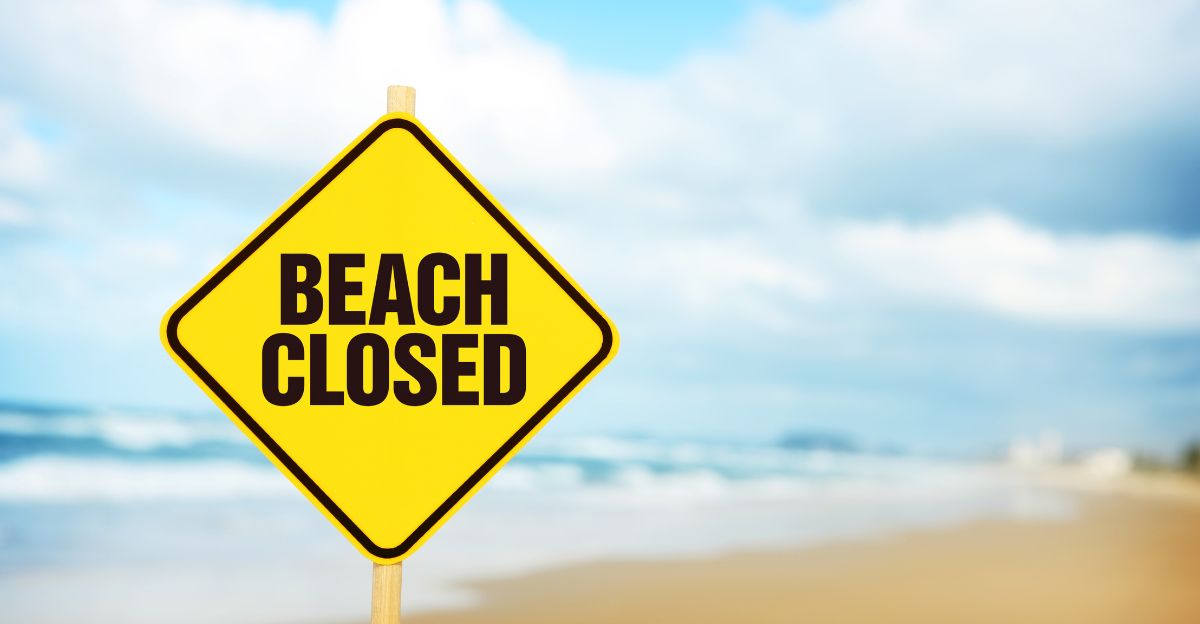
Dozens of National Park Service staff, plus local contractors, spent days clearing debris and closing unsafe beaches. According to the Park Service, emphasis was placed on keeping people out of active hazard zones and reducing risks from exposed nails, insulation, and heavy timbers. Local volunteers also aided in salvaging belongings and securing nearby properties against further loss.
Experts Wary of Repeat Events
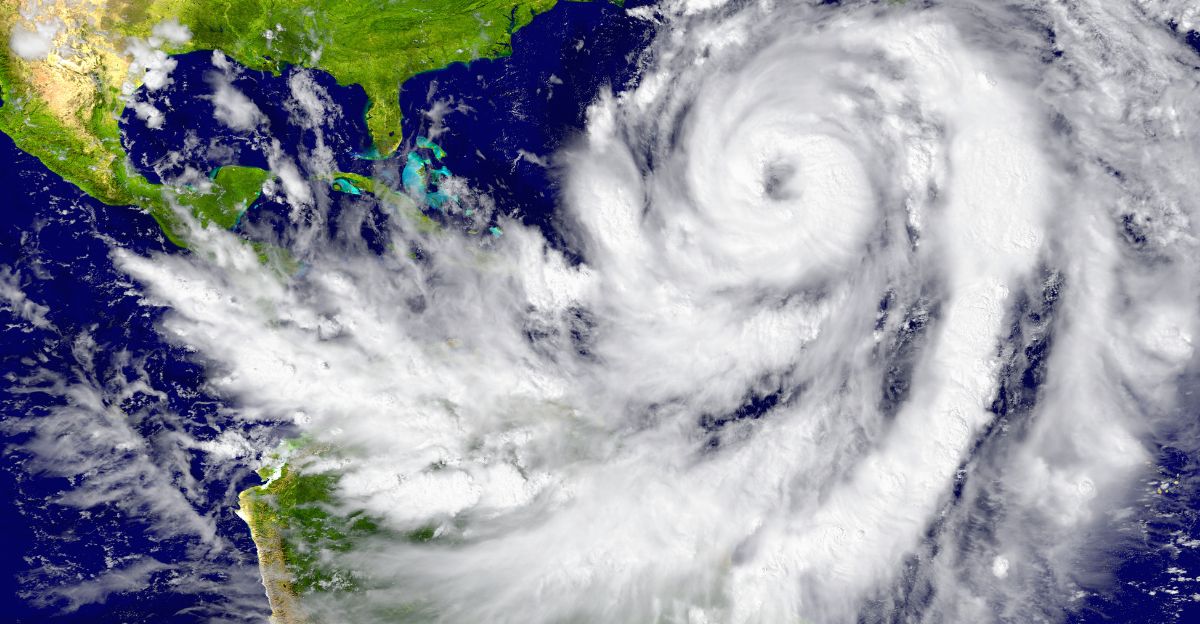
Hurricane specialist Dr. Kimberly McKenna warned that the frequency of such destructive events is increasing because of climate shifts and higher sea levels.
NOAA’s climate summary for 2025 projects continued vulnerability for the U.S. Atlantic coast, with North Carolina’s barrier islands among the highest-risk areas. Resilience planning is now at the forefront of discussions on state and federal disaster policy.
What’s Next for Buxton?
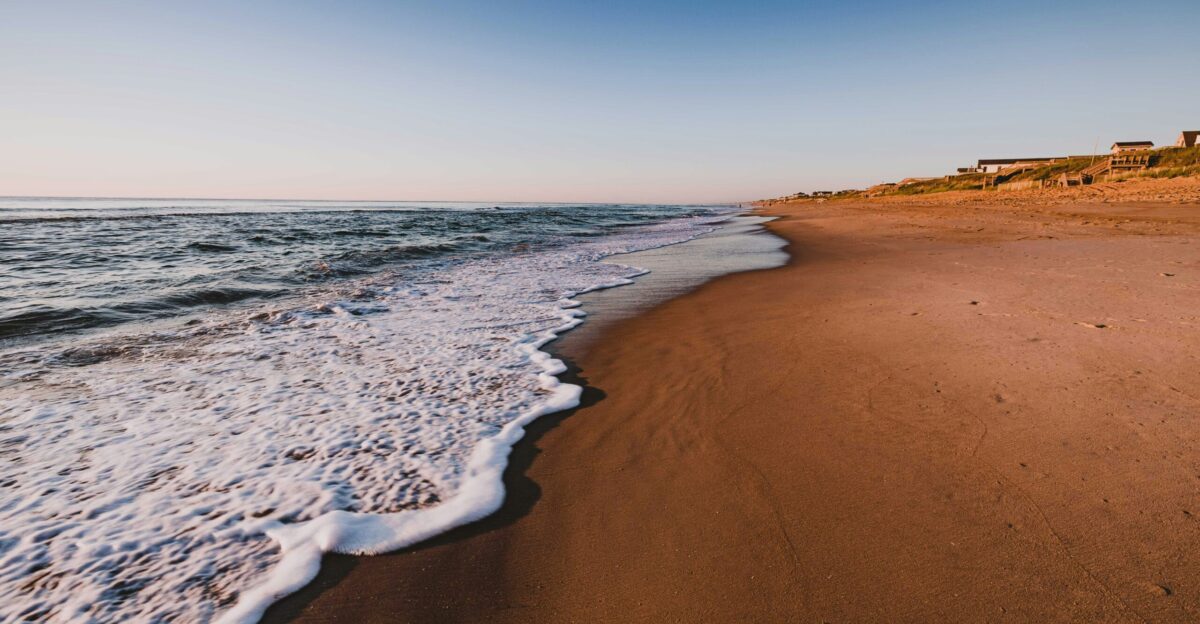
Attention now turns to longer-term implications for Buxton and the wider Outer Banks. Local officials and FEMA planners are assessing future risks and considering stricter zoning regulations, revisions to building codes, and new relocation incentives.
Homeowners are urged to review their emergency plans and insurance, as the hurricane season remains active and further storms could develop quickly.
Federal Policy Debates Intensify
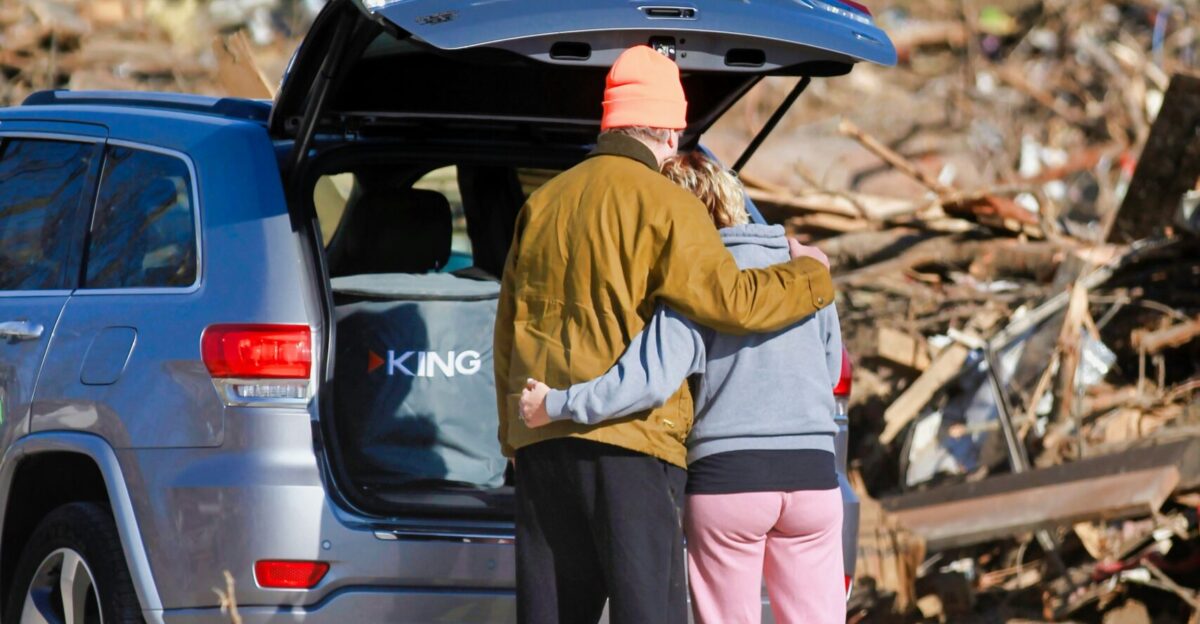
Lawmakers in Washington and Raleigh are under renewed pressure to reform disaster relief funding and update the National Flood Insurance Program.
Leading experts argue for revising risk maps and enhancing early warning infrastructure, as traditional approaches cannot keep pace with the rapidly changing coastal hazards. New proposals for managed retreat are now on the policy table.
Lessons for the World
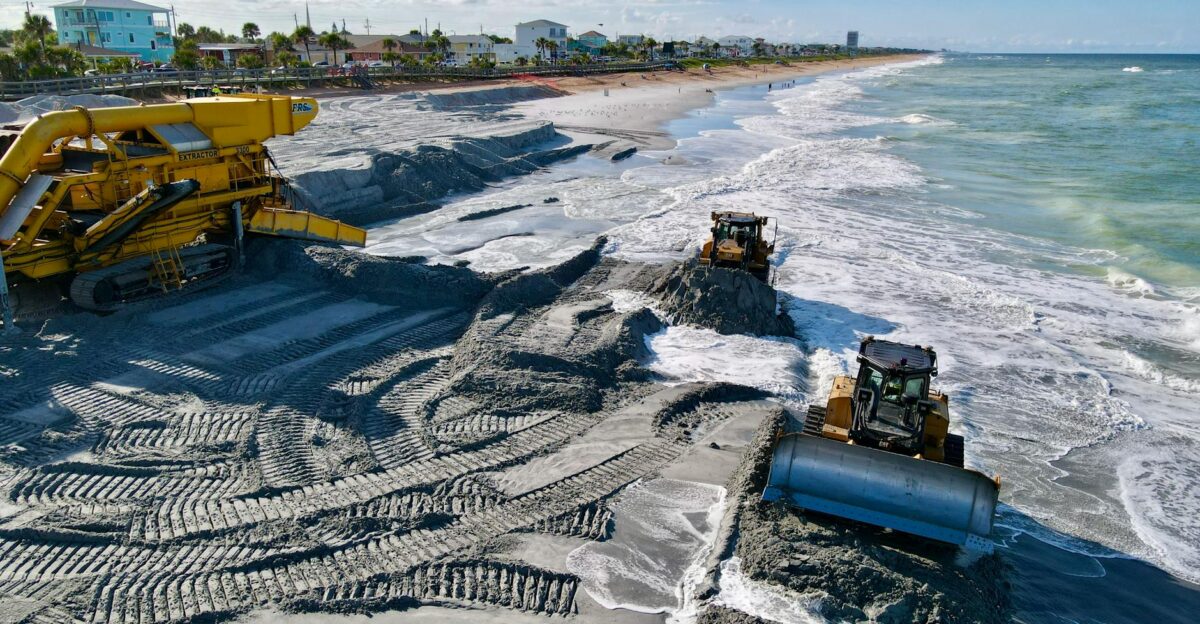
The Outer Banks disaster has drawn international concern. As reported by the BBC, coastal communities worldwide—especially those living on barrier islands—are studying the Buxton event for insights into preventing similar tragedies.
U.S. scientists recommend expanding international research collaborations on shoreline management and disaster preparedness.
Legal and Environmental Tensions
Legal disputes are expected to arise between homeowners, insurers, and local authorities over rebuilding rights and compensation.
Environmental advocates are calling for the expansion of protected areas and stricter regulations on beachfront development.
Ongoing recovery efforts must now strike a balance between economic interests and long-term sustainability for fragile coastal ecosystems.
Changing Perspectives on Coastal Living
The destruction in Buxton is sparking a generational shift in how Americans view coastal property investment and risk.
Young families are now expressing skepticism about buying oceanfront homes, amid concerns about recurring storms and the high costs of rebuilding.
Local officials stress that stronger community engagement and up-to-date hazard planning are needed for future resilience.
Coastal Vulnerability in Focus
This year’s losses in Buxton serve as a stark warning: even well-prepared communities cannot always withstand nature’s force.
According to NOAA, stronger hurricanes and rising sea levels are making historic events more commonplace.
As the climate crisis deepens, experts say, the U.S. must prioritize adaptation, mitigation, and sustainable rebuilding in coastal zones like the Outer Banks.