
The collector car market has entered a sharp correction that few buyers saw coming. One sale captured the shift instantly: a 1970 Plymouth Superbird that sold for $1.65 million in 2022 resurfaced in 2024 at just $418,000, wiping out more than $1 million in value. That collapse was not an anomaly.
After years of steady gains and a pandemic-driven surge, prices reversed across categories. By late 2024, Hagerty’s Market Rating showed an overall decline of roughly 10 percent, confirming a broad reset. Here’s what’s happening beneath the headlines.
A Market That Turned Fast

For nearly a decade, collector car values climbed steadily, with momentum accelerating during the pandemic as buyers chased tangible assets. That confidence unraveled quickly. High-profile losses signaled that pricing had outrun fundamentals, especially at the top end of the market. Cars that once drew bidding wars began to struggle, even when condition and provenance were strong.
By late 2024, the downturn had become measurable rather than anecdotal. Hagerty’s Market Rating confirmed an overall decline of approximately 10 percent across the collector car market. The pullback touched nearly every segment, from American muscle to European exotics and modern performance models.
What made the shift so jarring was speed. Values that took years to build disappeared in months, forcing buyers and sellers alike to reassess assumptions about scarcity, demand, and long-term appreciation.
Aging Collectors And Rising Supply

The roots of the correction extend beyond price charts. For decades, Baby Boomers shaped the upper tiers of the hobby, assembling collections through the 1990s, 2000s, and early 2010s. Many paid record prices to secure rare configurations and top restorations, confident in long-term demand.
Now demographics are changing the equation. Retirement, estate planning, and inheritance have sent entire collections back to market, often in clusters. When multiple high-quality examples appear at once, perceived rarity erodes quickly.
Hagerty Price Guide Editor Greg Ingold noted that vehicles long treated as scarce suddenly felt common when dozens crossed auction blocks within a short window. Buyers gained leverage, bidding cautiously or walking away altogether. What once looked like a supply-constrained niche has become a far more competitive marketplace.
Auctions Reveal The Pressure
The impact of excess supply became clear throughout 2024. More than 30 Plymouth Superbirds appeared at public auction during the year, an extraordinary figure for a model with fewer than 2,000 built. Many sold below reserve, and hammer prices routinely fell well short of 2021–2022 peaks.
This pattern extended beyond one model. Historically celebrated vehicles struggled once several examples surfaced in close succession. Production numbers mattered less than weekend availability, reshaping buyer psychology in real time.
Industry observers warned that weakness at the top often filters downward. When flagship cars reset to lower levels, they establish new reference points that affect surrounding tiers. As a result, the correction spread broadly, altering expectations across the collector car spectrum rather than remaining isolated to a few overheated names.
Twelve Models That Lost Momentum
Hagerty’s 2024 market analysis identified 12 vehicles among the steepest decliners, each losing between 10 and 26 percent over the year. For models that had surged 50–100 percent during the pandemic, those drops erased nearly all recent gains. The list spanned muscle cars, European classics, and modern favorites once considered safe bets.
The Lamborghini Espada fell about 26 percent after pandemic-era enthusiasm cooled. The 2002–2006 Mini Cooper S also slipped roughly 26 percent, pressured by high production numbers and rising upkeep costs. The Plymouth Road Runner Superbird became the most visible casualty, with one example plunging from $1.65 million in 2022 to $418,000 in 2024.
European names were not immune. The Maserati Sebring declined around 24 percent, while the Volvo 122 dropped from the low $40,000s into the low $30,000s. Even ultra-rare cars like the 1967 Chevrolet Corvette L88, with only 20 built, fell approximately 19 percent.
Modern Cars Feel The Shift Too
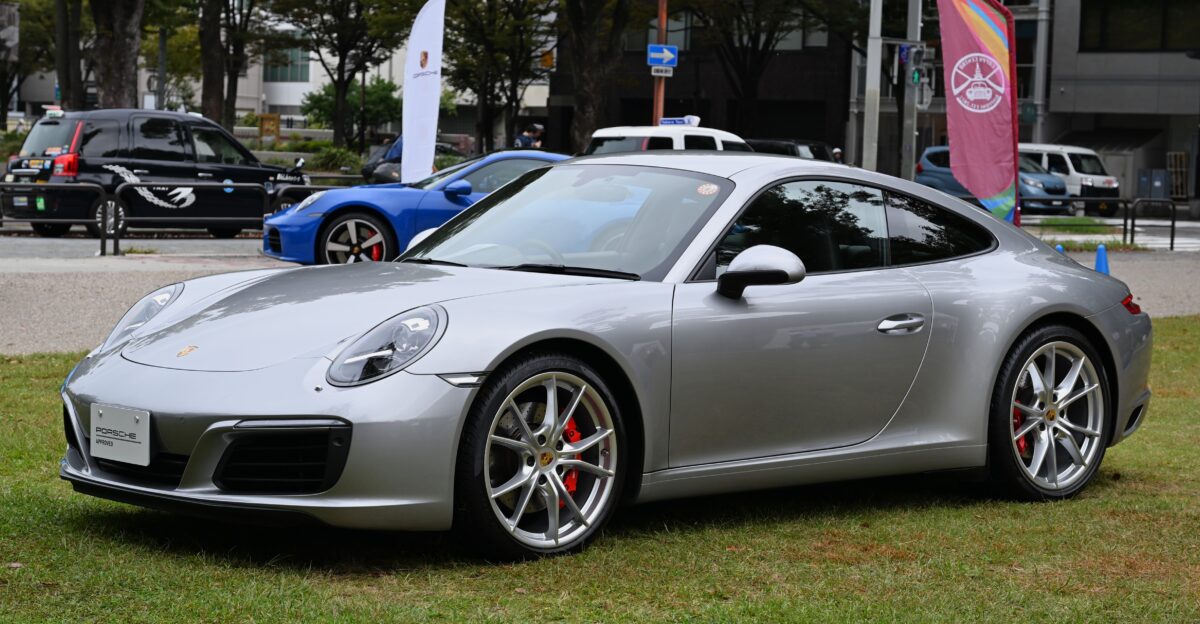
The correction was not limited to older classics. Several modern performance cars that thrived during the boom retreated as enthusiasm cooled and supply increased. The Porsche 911 991.2 Carrera S dropped about 15 percent in 2024, while the base Carrera fell roughly 10 percent, showing slightly stronger resilience at the entry level.
Japanese performance icons also softened. The Acura Honda Integra Type R declined around 13 percent as ownership costs and greater availability weighed on demand. Meanwhile, once-stable European staples felt pressure from practical concerns. The Mercedes-Benz W126 slid about 16 percent amid worries over aging electronics, while the Alfa Romeo Spider fell roughly 14 percent due to rust issues and expensive restoration needs.
Together, these declines showed that the reset reached across eras, brands, and price points, not just speculative extremes.
What The Correction Leaves Behind
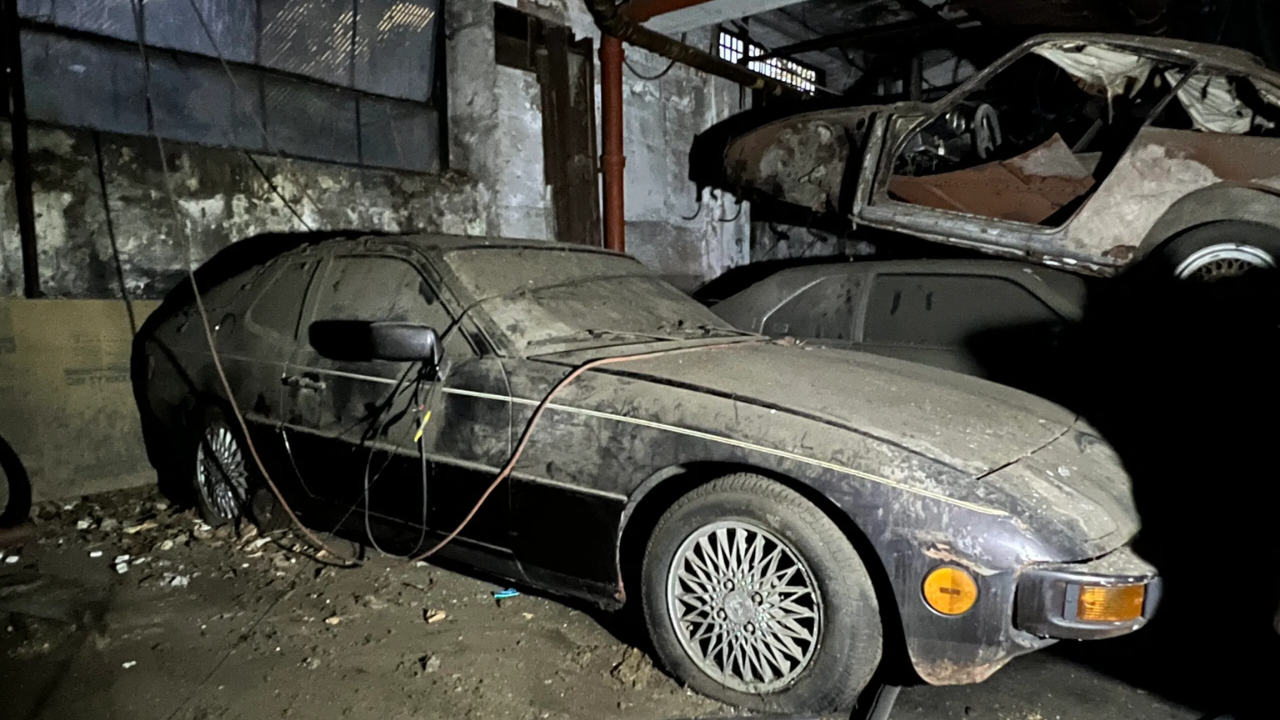
For owners who bought near the 2021–2022 peak, the impact was severe. Paper gains vanished quickly, and in many cases initial equity disappeared within 12 to 24 months. Market analysts estimated that more than $100 million in collector car equity evaporated across affected segments in a single year.
Still, the market has not collapsed. Auction sell-through rates edged up from 67 percent in 2023 to 68 percent in 2024, and Hagerty analysts reported signs of price stabilization by autumn 2024. A new floor may be forming.
As of early 2026, Baby Boomer liquidation continues while younger buyers favor later-model and Japanese performance cars. Collectible vehicles are shifting away from pure investment plays toward passion-driven ownership, reminding participants that timing, liquidity, and changing tastes can matter as much as rarity.
Sources
These 5 Cars Lost the Most Value in the Beginning of 2024. Hagerty Media, April 2024.
The Biggest Winners and Losers of the Collector Car Market in 2024. Hagerty Media, December 2024.
Was This Plymouth’s Plummet from $1.65M to $418K a Reality Check? Hagerty Insider, May 2025.
Your Handy 1983–90 Alfa Romeo Spider Buyer’s Guide. Hagerty Media, October 2024.
2024 Classic Car Market Analysis: Real Auction Results & Price Trends. WC Shipping Blog, March 2025.
By the Numbers: The Collector-Car Market in 2024. Hagerty Media, December 2024.