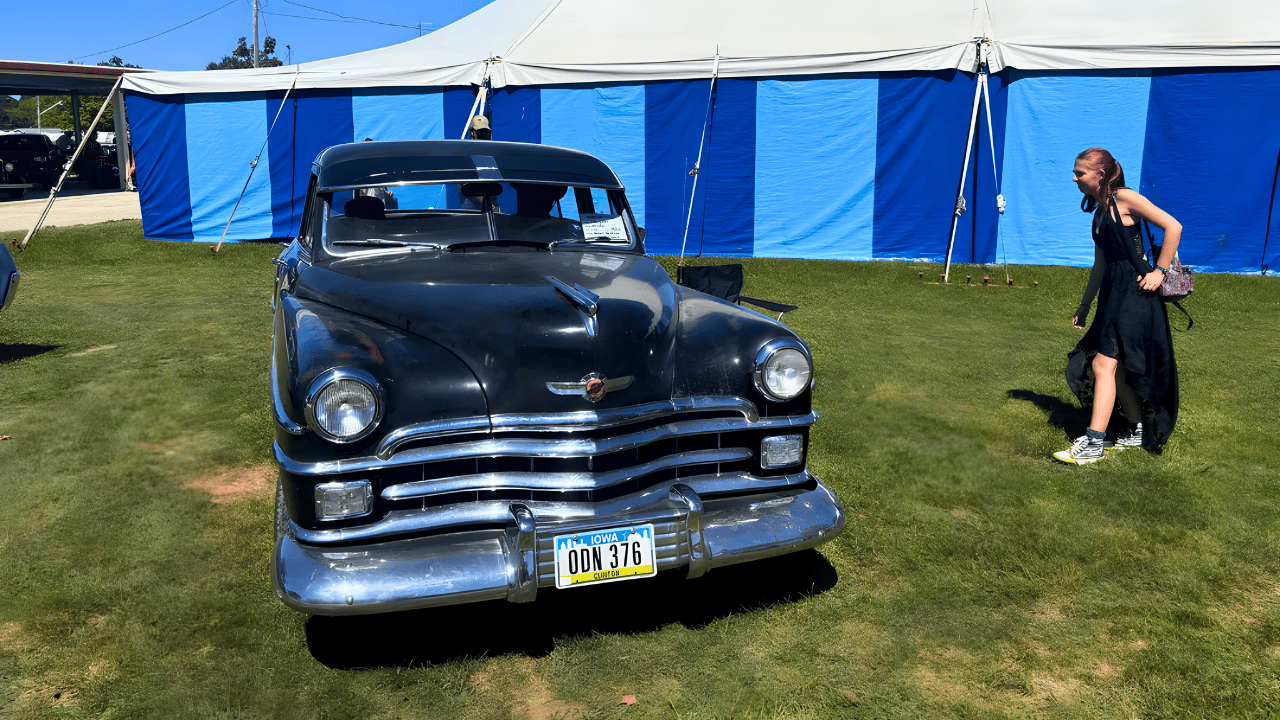
A single phrase like “Unsafe at Any Speed” once demolished decades of automotive engineering, sparking nationwide panic that buried facts under fear. American car history holds numerous examples where media reports, flawed data, or bad timing doomed promising vehicles, even as later evidence cleared their names.
How Media Shaped Automotive Fear
Before digital amplification, magazines, TV broadcasts, and news segments wielded immense power over public perception. A 1980s television report could slash resale values overnight, often based on incomplete data or staged visuals that viewers accepted without question. Fear spread rapidly, erasing nuance and turning innovation into liability. Automakers faced oil crises, emissions regulations, and safety mandates in the 1970s, forcing rushed designs into markets. Initial stumbles created lasting scars, even as quiet fixes followed.
The 1980s highlighted television’s dominance, where dramatic footage trumped regulatory tests or owner experiences. Broadcast credibility often overshadowed retractions or settlements, embedding negative images permanently. Government probes and court rulings arrived years later, after production ended and buyers shifted elsewhere. Markets reacted swiftly to headlines, while truth emerged too slowly to matter.
Cars Doomed by Perception
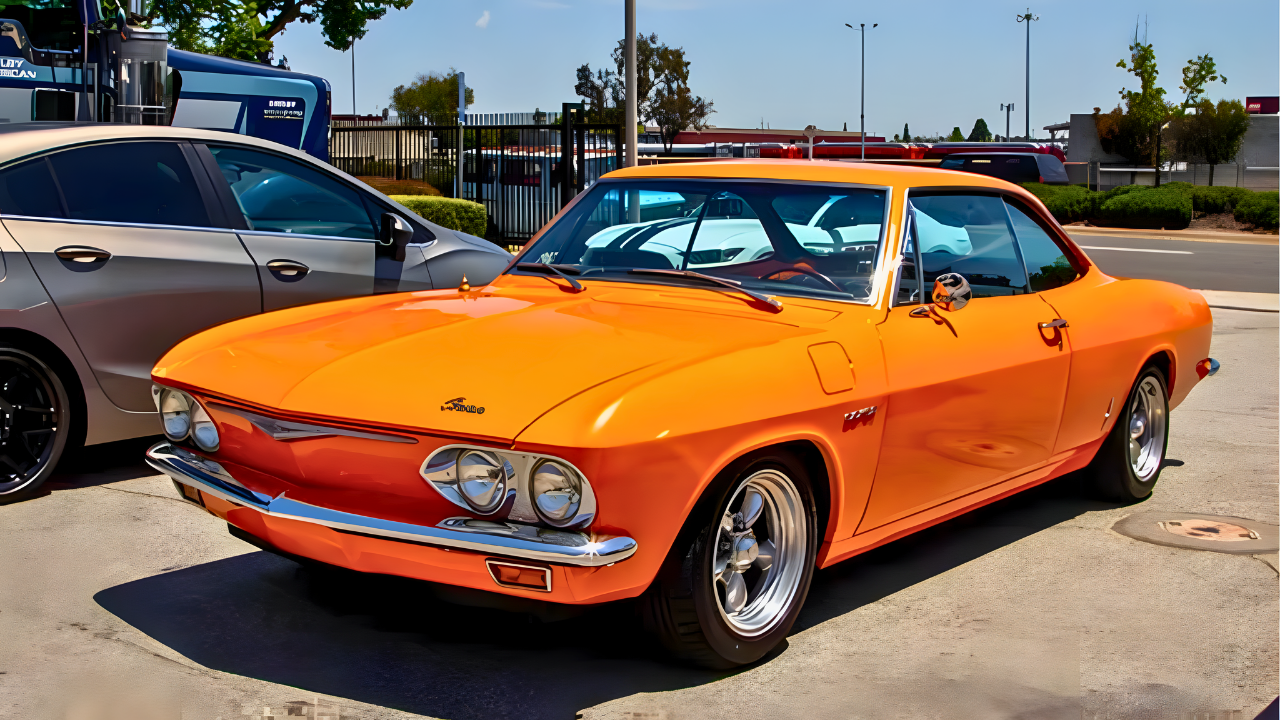
Chevrolet Corvair: Ralph Nader’s 1965 book criticized its rear-engine handling, fueling fears of instability. Drivers mishandling its dynamics amplified concerns. A 1971 Department of Transportation study deemed its handling comparable to competitors, but production had already ceased.
Ford Pinto: Its rear fuel tank risked fires in crashes, a valid issue. Media inflated claims, with one report citing 900 deaths against federal records of 26. Sales plummeted before redesigns.
Chevrolet Vega: Named 1971 Car of the Year by Motor Trend, it suffered early engine failures and rust. GM fixed these by 1976 with better engines, yet the poor debut defined it.
Chrysler PT Cruiser: Launched in 2000 with retro styling that initially drew massive crowds and year-long waiting lists. Critics later dismissed it as underpowered and impractical, yet it sold over 1.3 million units through 2010, proving its appeal to buyers seeking distinctive design and versatility in a compact package.
Pontiac Aztek: Launched in 2001 with bold styling and versatile features, critics ridiculed its looks, ignoring utility. Pop culture later embraced it as iconic.
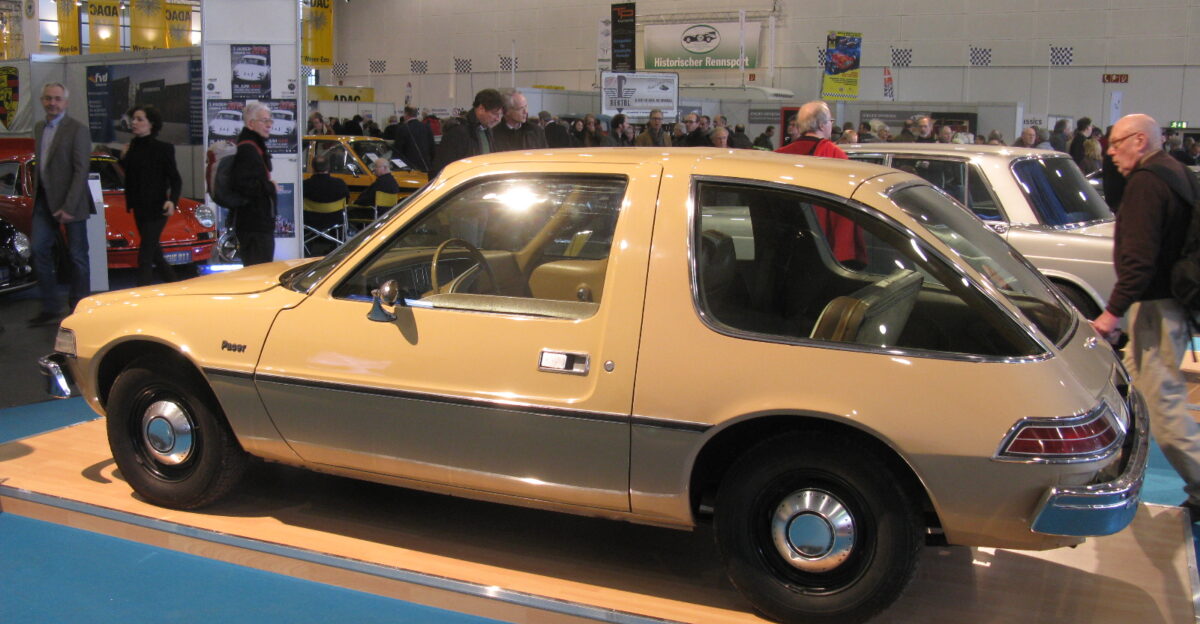
AMC Pacer: Built for a canceled rotary engine to meet regulations, it launched underpowered and mismatched. The shift in plans doomed its purpose.
Chevrolet Chevette: Dismissed for lacking power, it sold 2.8 million units over 12 years, proving reliable for diligent owners.
Pontiac Fiero: 1984 models had a 0.2% fire rate with no deaths; media implied constant risk. Later improvements arrived too late.
Cadillac Cimarron: A rebadged Cavalier at luxury prices drew instant backlash. Subsequent refinements failed to shift views.
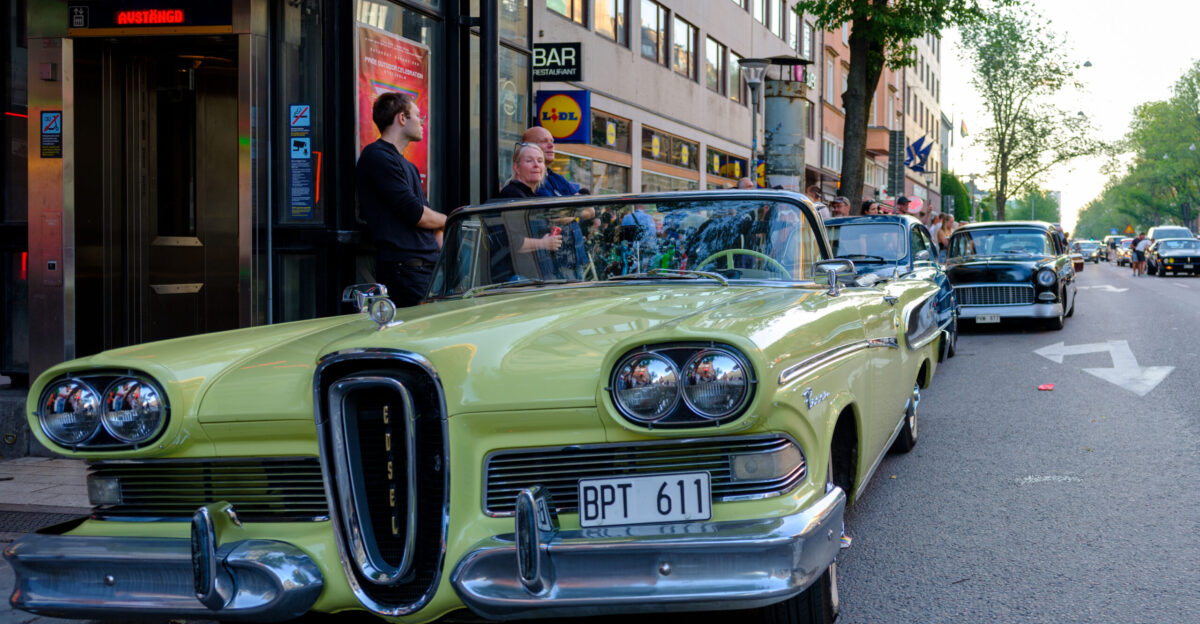
Ford Edsel: Debuted in 1958 amid recession; solid engineering met a frozen market.
Ford Mustang II: Arriving in 1974 amid the oil crisis, it downsized from muscle car to economy coupe, drawing scorn from enthusiasts. Motor Trend named it 1974 Car of the Year for adapting to new realities. Sales exceeded 1 million units, and it kept the Mustang nameplate alive when V8 performance was commercially dead.
AMC Gremlin: Its quirky name and chopped design invited mockery, overshadowing proven durability in tests.
Lessons for Modern Buyers
Today, collectors drive rising values for these vehicles, reevaluating narratives through time and data. Patterns reveal how stories, not just flaws, shaped fates—some cars had issues, others faced distortion. This history underscores ongoing risks: rapid perceptions still outpace facts, influencing modern choices. As enthusiasts restore context, these cases remind that reputations evolve, offering lessons for discerning buyers in any era.
Sources:
Suzuki Motor Corp. v. Consumers Union of the U.S., Inc.
Wikipedia, accessed 2025.
The Audi 5000 Unintended Acceleration Debacle.
Curbside Classic, October 2021.
The History (and Tragedy) of the Ford Pinto.
Motor Trend, April 2024.
Reconsidering the 1972 NHTSA Report on the Corvair.
Ate Up With Motor, June 2024.
The Infamous Vega Could Have Been Great, If Chevy Hadn’t Rushed.
Hagerty, January 2024.