A single headline once had the power to kill a car. One magazine story, one TV segment, one unforgettable phrase like “Unsafe at Any Speed,” and decades of engineering work could collapse overnight. That happened again and again in American automotive history, leaving buyers scared, brands wounded, and facts buried under fear.
This listicle revisits 12 cars undone by panic, timing, or distortion, and reveals what the evidence later showed.
What Sparked America’s Car Fear Cycle
Before social media, reputations spread through magazines, TV segments, and nightly news. By the 1980s, a single broadcast could erase resale values overnight. Some reports relied on flawed assumptions, staged demonstrations, or incomplete data that viewers rarely questioned.
Once fear took hold, nuance vanished. Innovation paired with controversy became a death sentence, even when later investigations told a different story. That dynamic shaped everything that followed.
When Engineering Met Public Distrust
The 1970s forced automakers into rushed decisions. Oil embargoes, emissions rules, and safety mandates shifted midstream, pushing unfinished designs into showrooms. Several cars stumbled early, then paid permanently for first impressions.
Fixes arrived quietly while reputations hardened loudly. Buyers remembered the scandal, not the solution. That gap between reality and memory defined an entire era of American car buying.
Television Changed Automotive History Forever
The 1980s proved how powerful televised storytelling could be. Visuals mattered more than data. A dramatic clip could outweigh years of ownership experience or regulatory testing.
Once broadcast credibility cracked, manufacturers discovered an ugly truth. Even retractions and settlements could not undo the original image burned into public consciousness.
Why Vindication Rarely Saves a Car
Government studies and court findings often arrived years too late. By the time evidence surfaced, production lines were shuttered and buyers had moved on.
Markets respond instantly, while truth moves slowly. That timing mismatch explains why so many cars died guilty in public memory despite later proof suggesting otherwise.
Why These Cars Matter Again Today
Decades later, collectors and enthusiasts are reexamining these vehicles. Prices are rising, stories are being revisited, and context is finally being restored.
Reputation turns out to be cyclical, not permanent. Understanding how these cars were judged helps explain how narratives still shape buying decisions today.
#1 Chevrolet Corvair
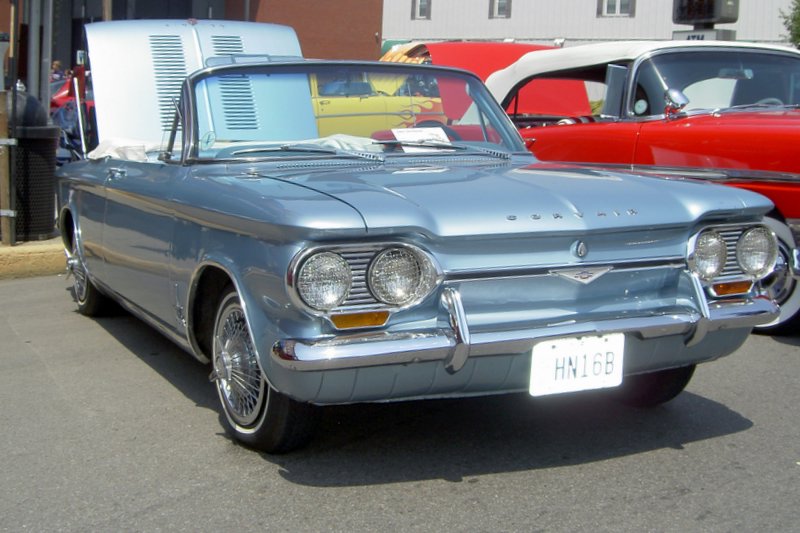
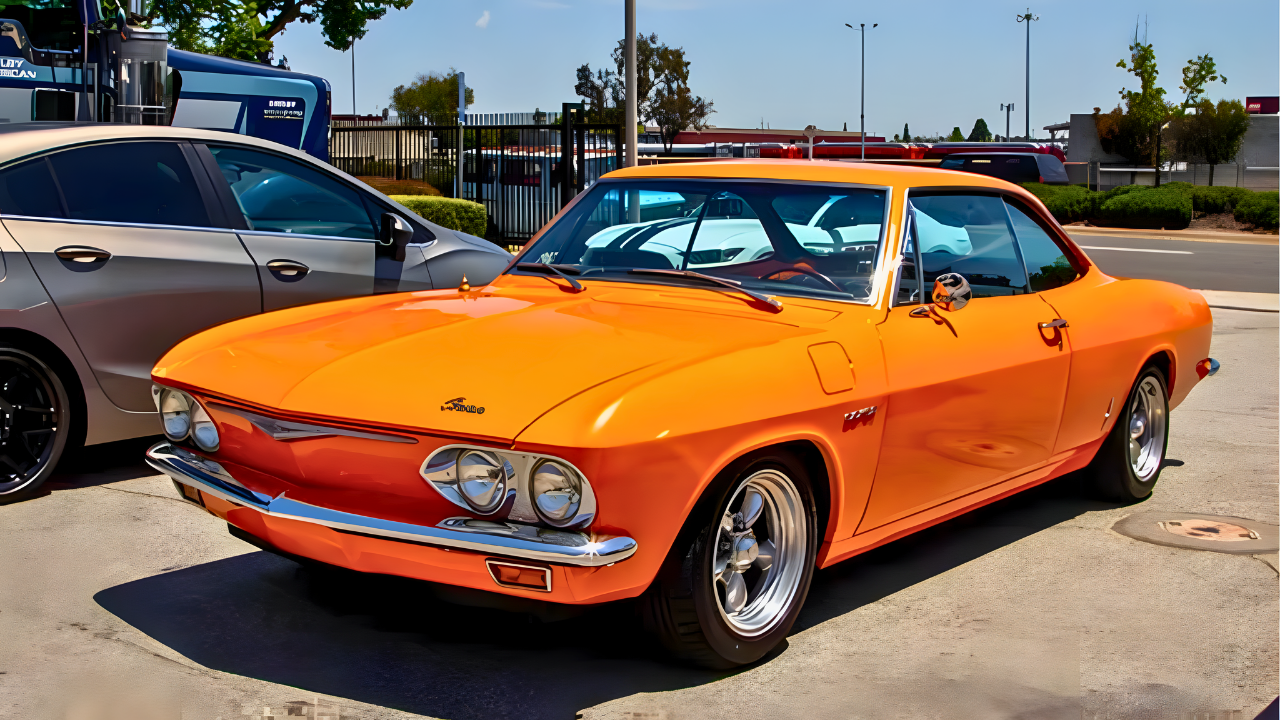
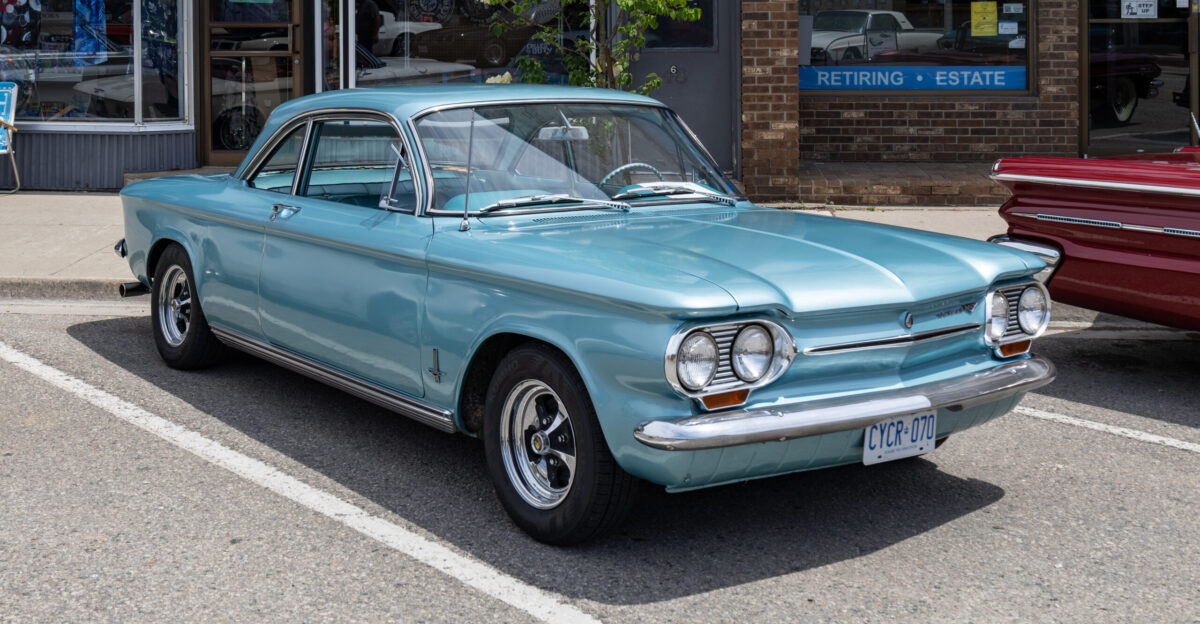
Ralph Nader’s 1965 book attacked early Corvair handling, igniting national fear. Drivers pushing limits misunderstood its rear engine dynamics, and concern spread faster than explanation ever could.
In 1971, the Department of Transportation found Corvair handling comparable to peers. By then, production had ended, sealing its fate before evidence surfaced.
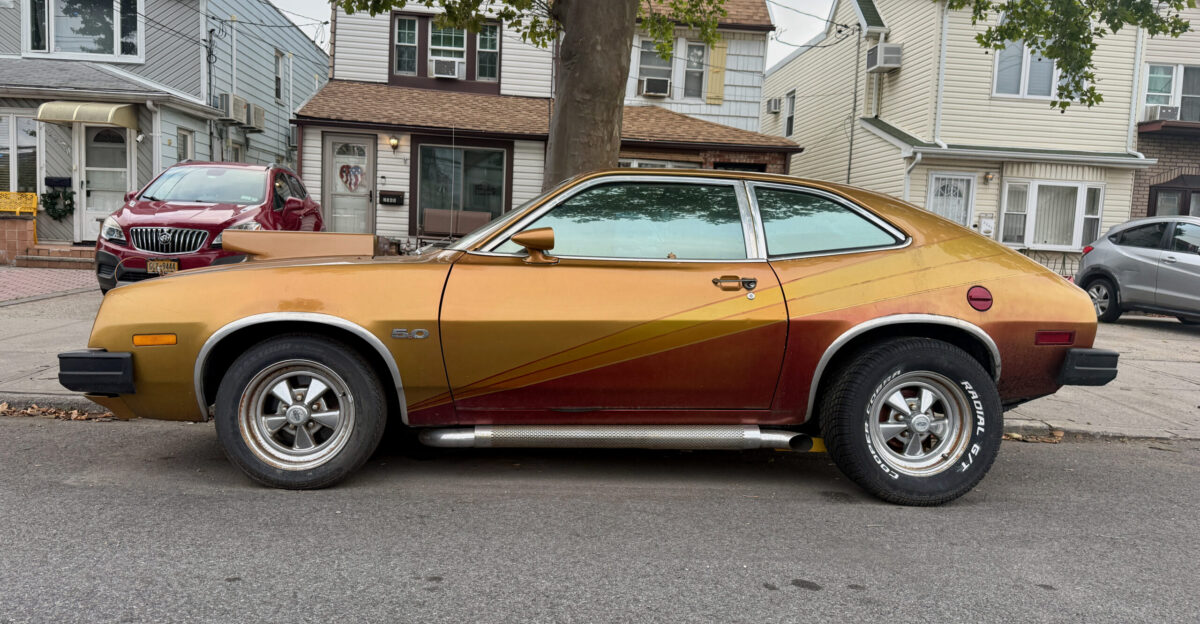
#2 Ford Pinto
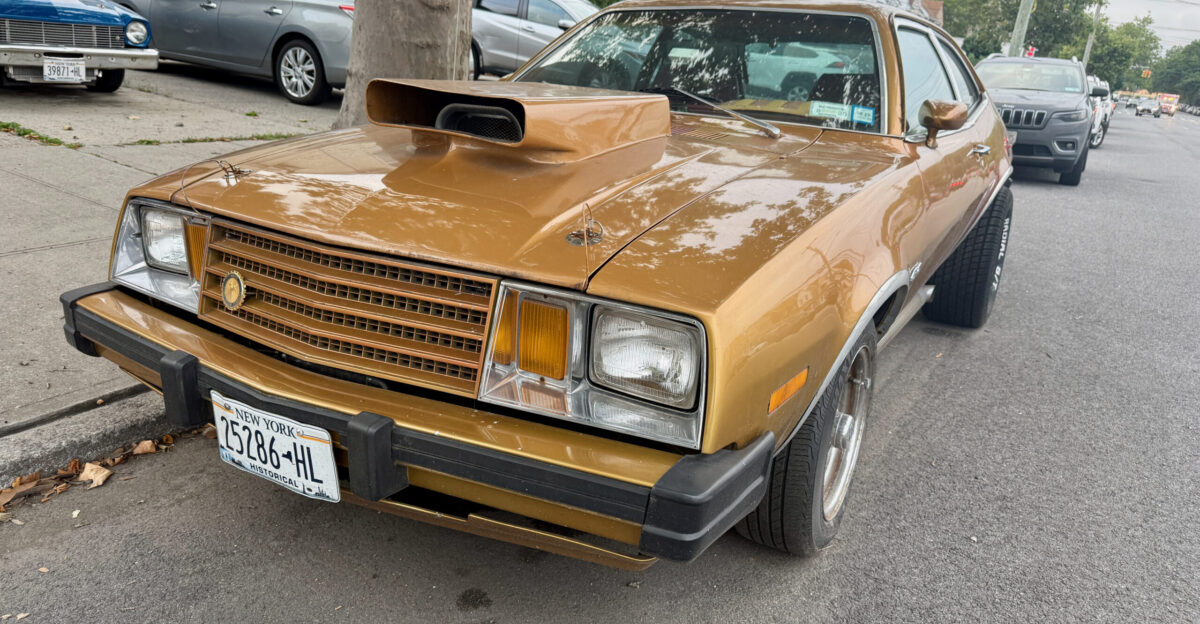
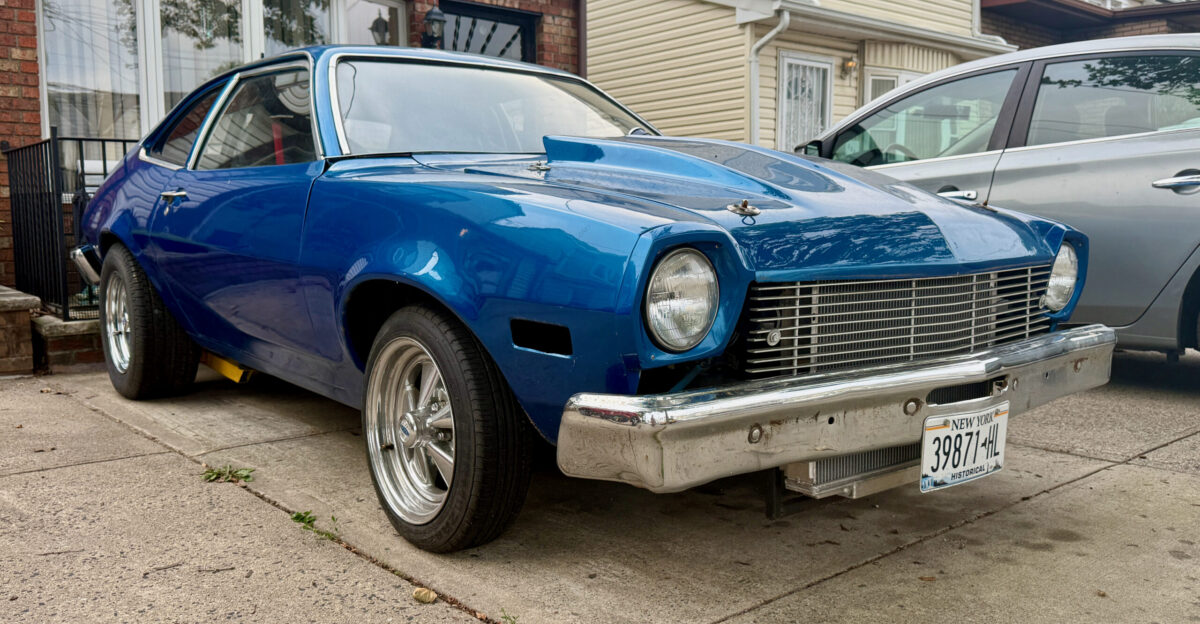
The Pinto’s rear fuel tank design posed real risks in collisions. That truth mattered. What followed, however, grew wildly distorted as headlines outpaced verified data.
Mother Jones cited 900 deaths, while federal records documented 26 fatalities. Sales collapsed before redesigns arrived, and exaggerated numbers became permanent folklore.
#3 Chevrolet Vega
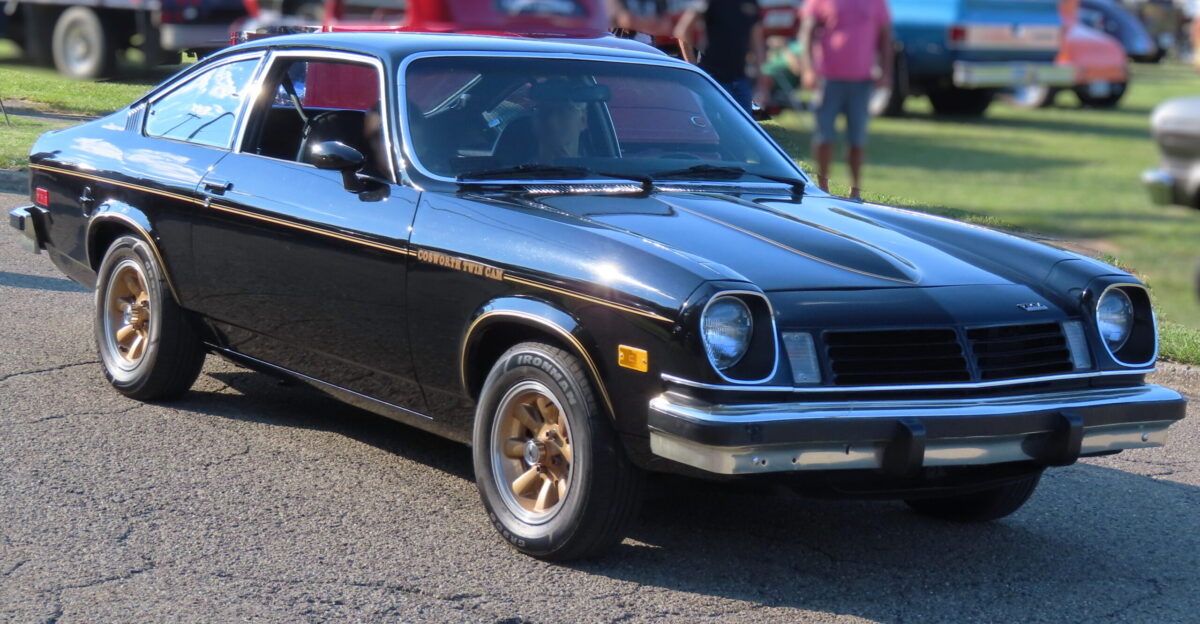
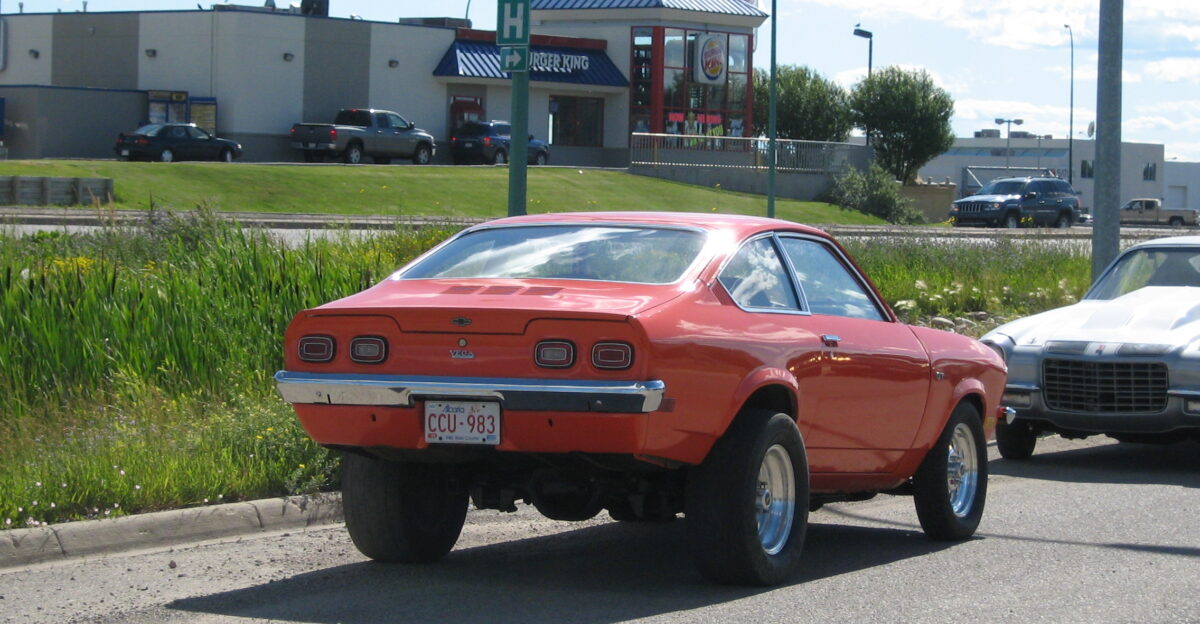
Motor Trend crowned the Vega Car of the Year in 1971. Early praise faded quickly as engine failures and rust issues surfaced during initial ownership cycles.
By 1976, GM corrected core flaws with improved engines. Unfortunately, early impressions lingered longer than repairs, freezing the Vega’s image in time.
#4 Audi 5000
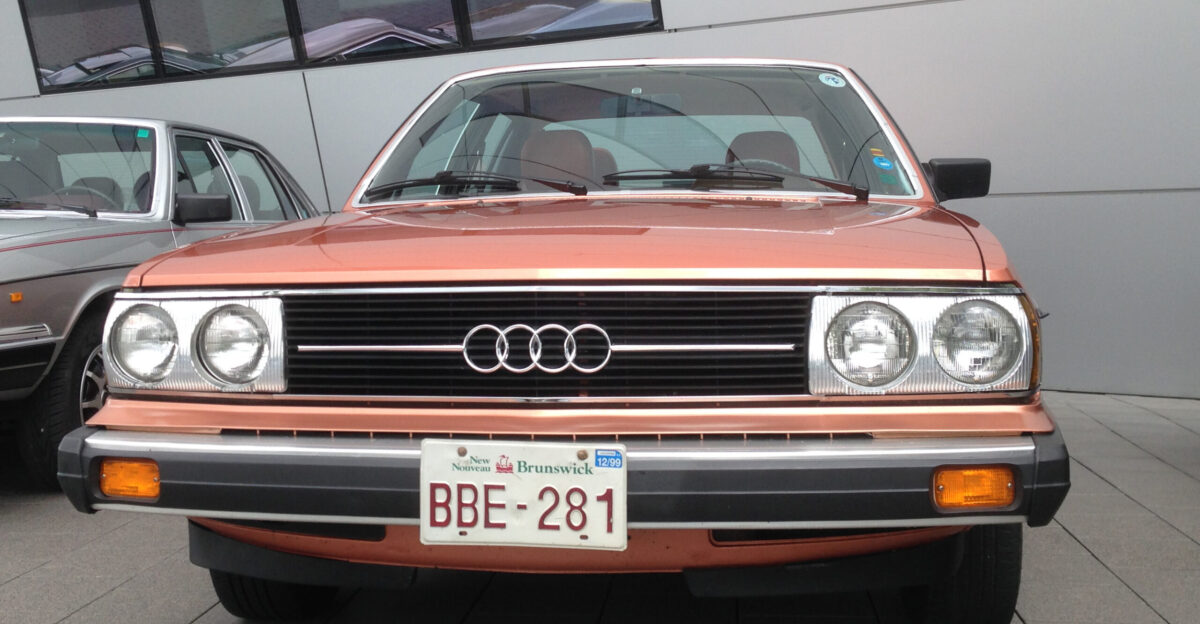
The Audi 5000 earned critical praise and luxury accolades early. That success unraveled after a 1986 TV segment claimed uncontrolled acceleration killed drivers nationwide.
Investigators later revealed injected air staged the footage. Despite fixes and admissions, Audi’s reputation collapsed, showing how spectacle can overpower truth.
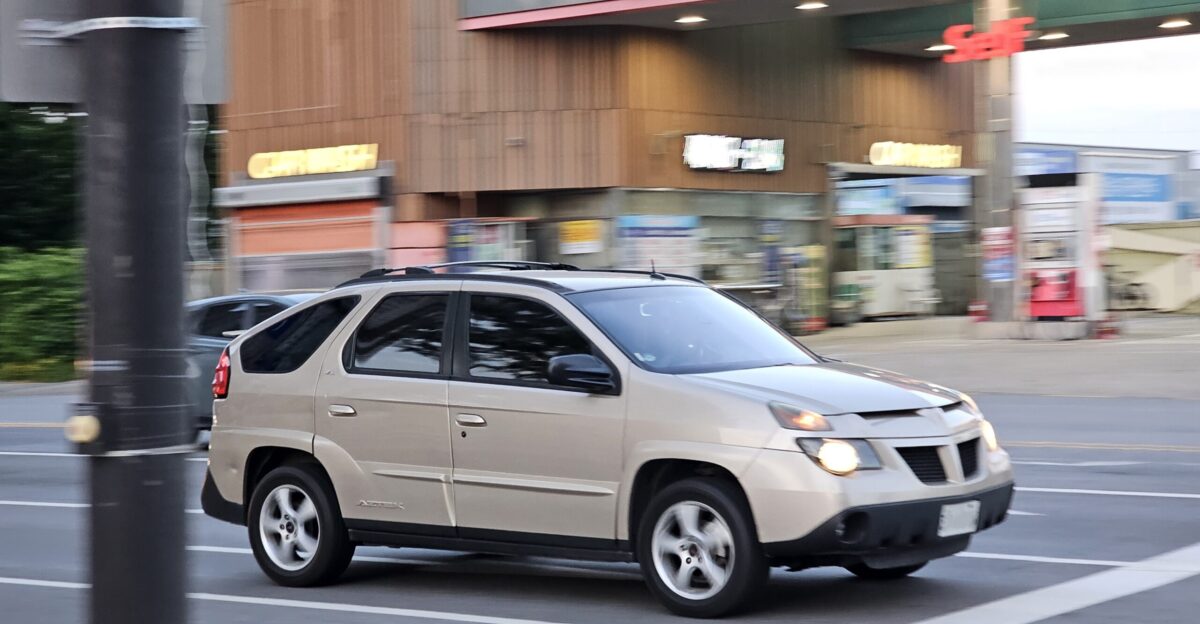
#5 Pontiac Aztek
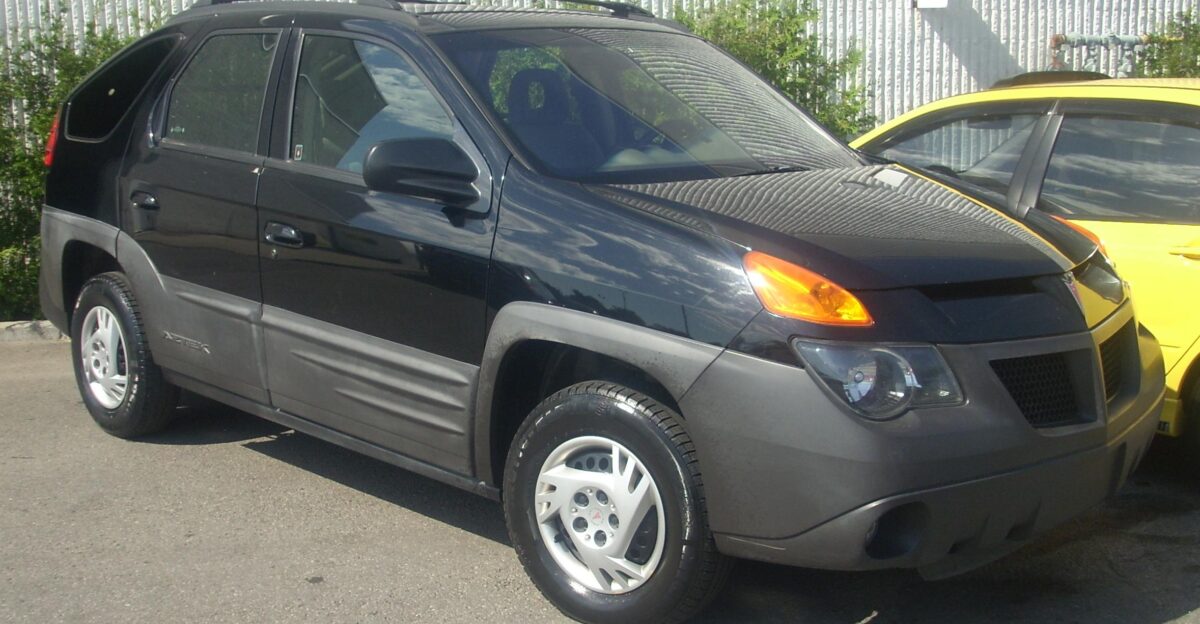
The Aztek’s unconventional styling shocked buyers in 2001. Critics mocked its appearance, drowning out discussion of its versatile features and forward-thinking layout.
Years later, pop culture reframed it as iconic. The car never changed, only perception did, proving taste often lags innovation.
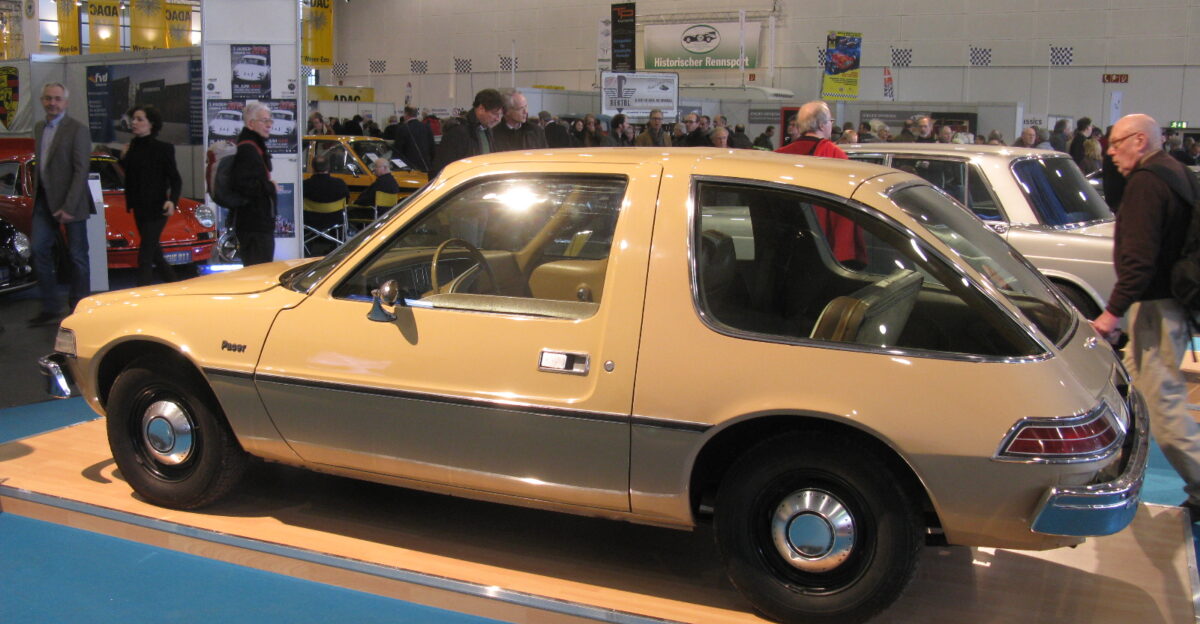
#6 AMC Pacer
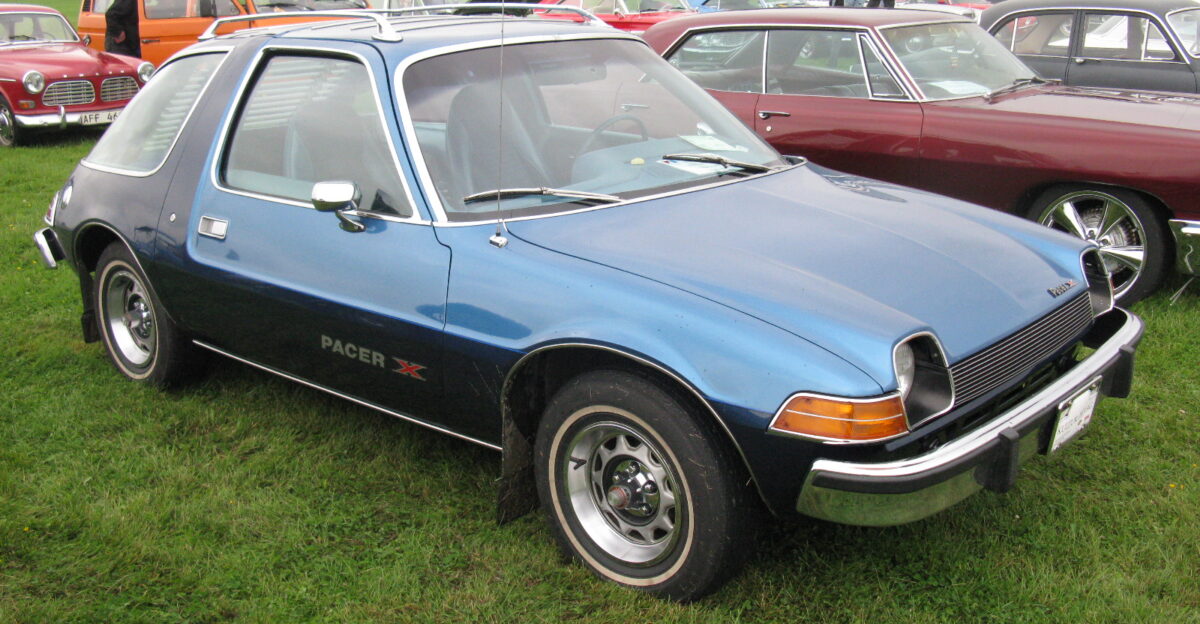
AMC designed the Pacer around a rotary engine meant for upcoming regulations. When that engine program died, the car’s purpose vanished with it.
Stuffed with alternatives, the Pacer confused buyers. Its failure reflected shifting plans, not poor engineering intent.
#7 Chevrolet Chevette
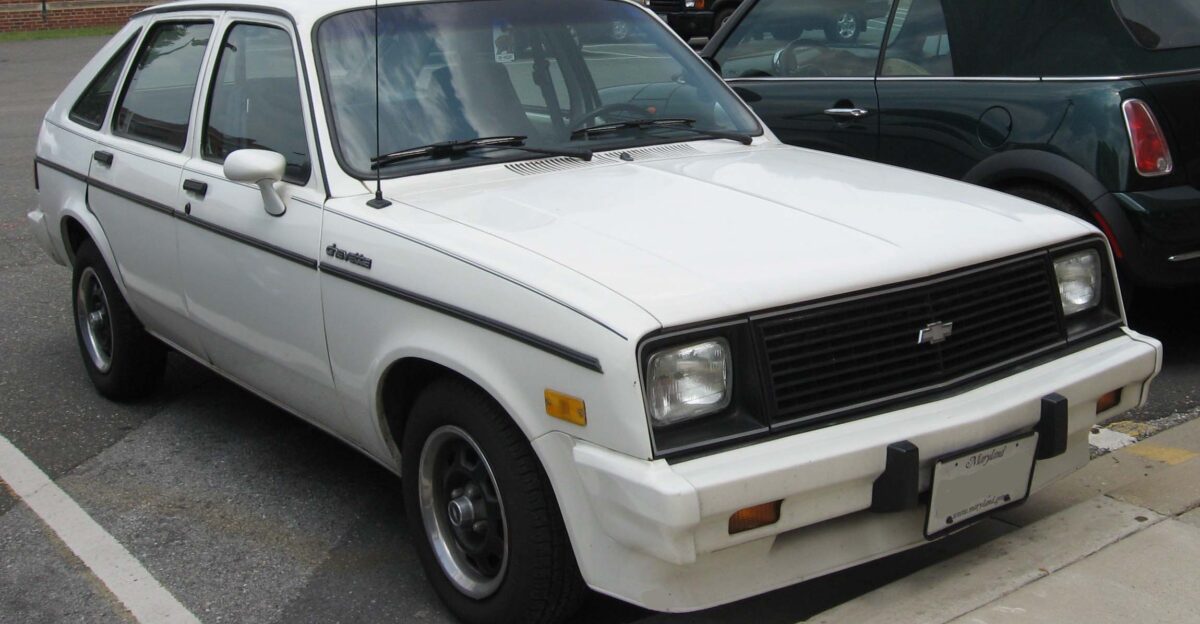
The Chevette lacked flair and power, earning dismissive reviews. Yet simplicity proved durable, and owners who maintained them saw years of reliable service.
Selling 2.8 million units over 12 years, the Chevette thrived quietly while critics overlooked what longevity actually means.
#8 Pontiac Fiero
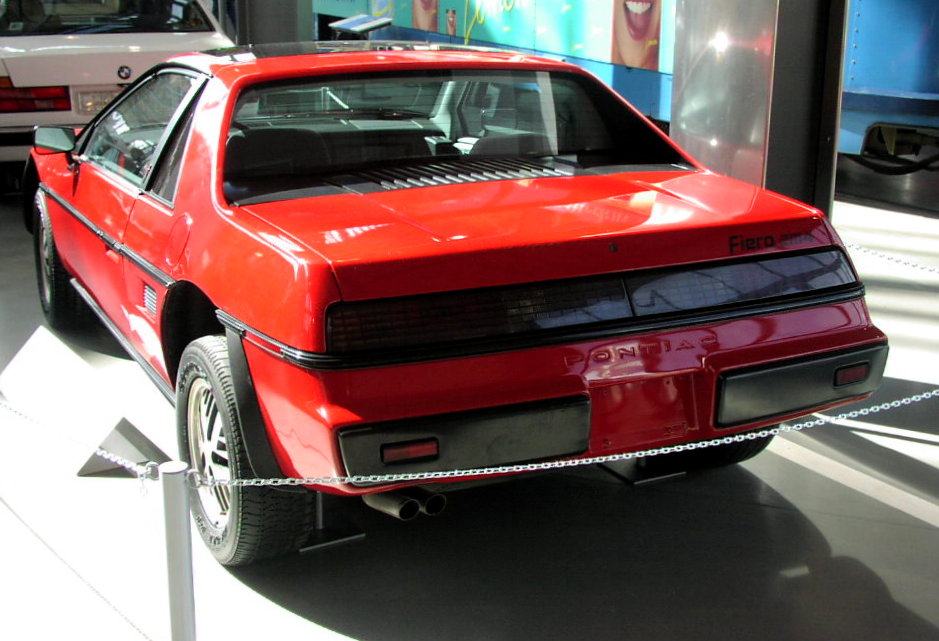
Fire reports doomed the Fiero’s image almost instantly. Media coverage implied constant danger without clarifying scope or cause.
Only 1984 models were affected, at a 0.2% rate with zero deaths. Later versions improved dramatically, but reputation never reset.
#9 Cadillac Cimarron
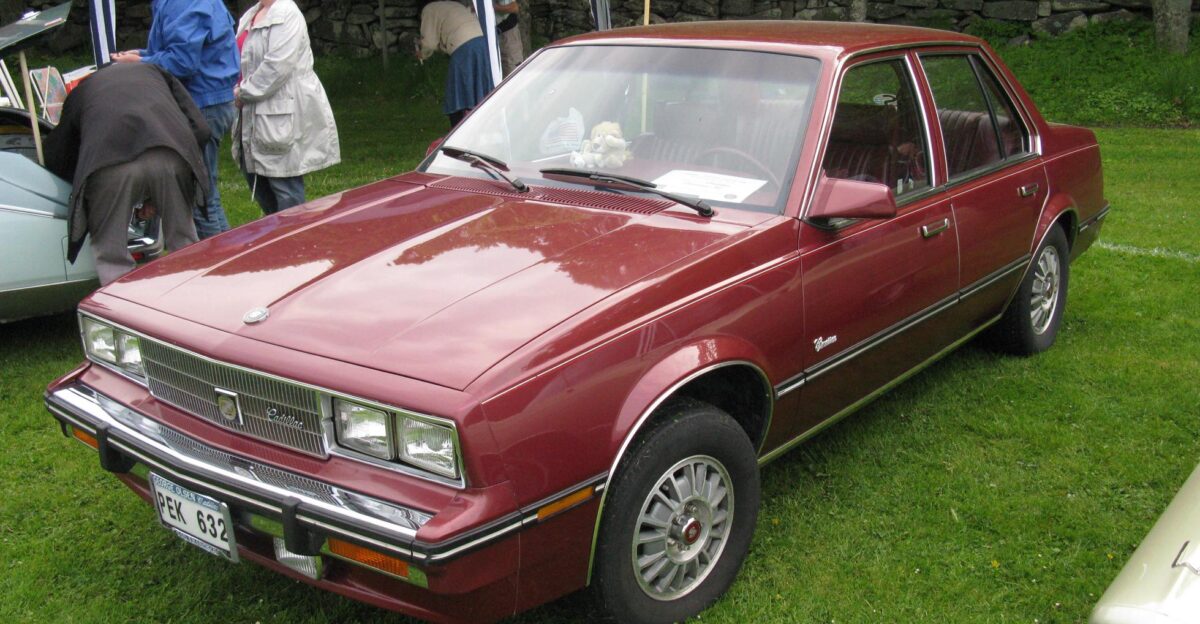
The Cimarron launched as a Cavalier with luxury badges and pricing. Critics rightly pounced, cementing distrust immediately.
Later upgrades added real refinement, but early cynicism hardened opinions before improvements could earn reconsideration.
#10 Ford Edsel
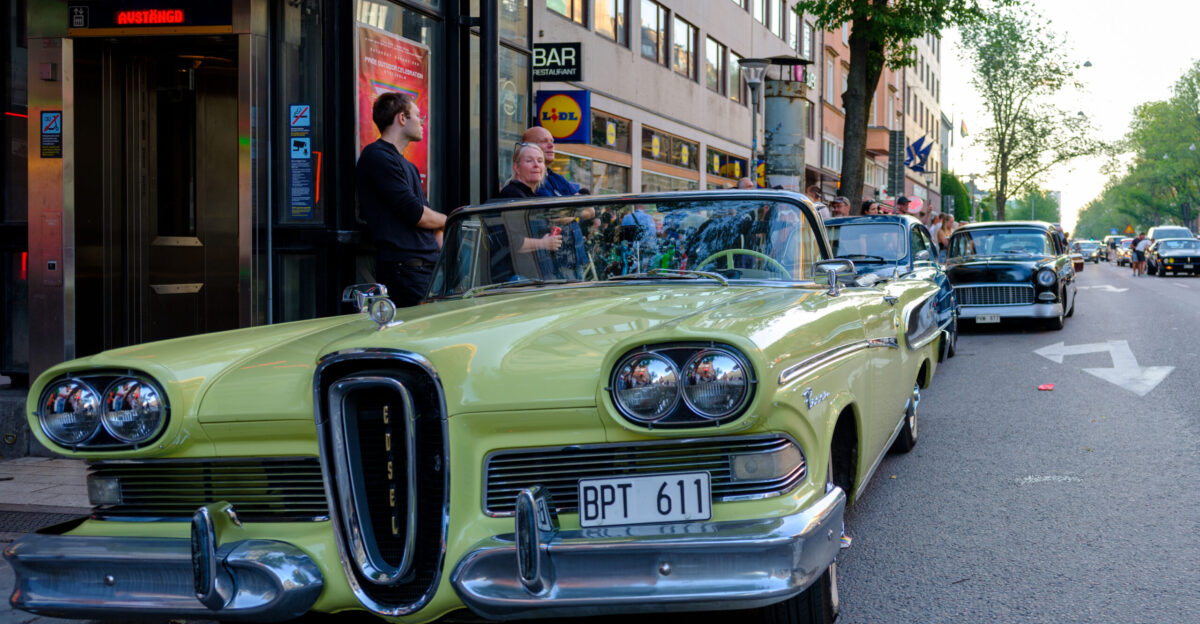
The Edsel entered showrooms in 1958, directly into a recession. Consumers stopped buying new cars just as Ford unveiled a new brand.
Engineering was sound, but economics ruled. The market closed before the Edsel ever had a chance.
#11 AMC Gremlin
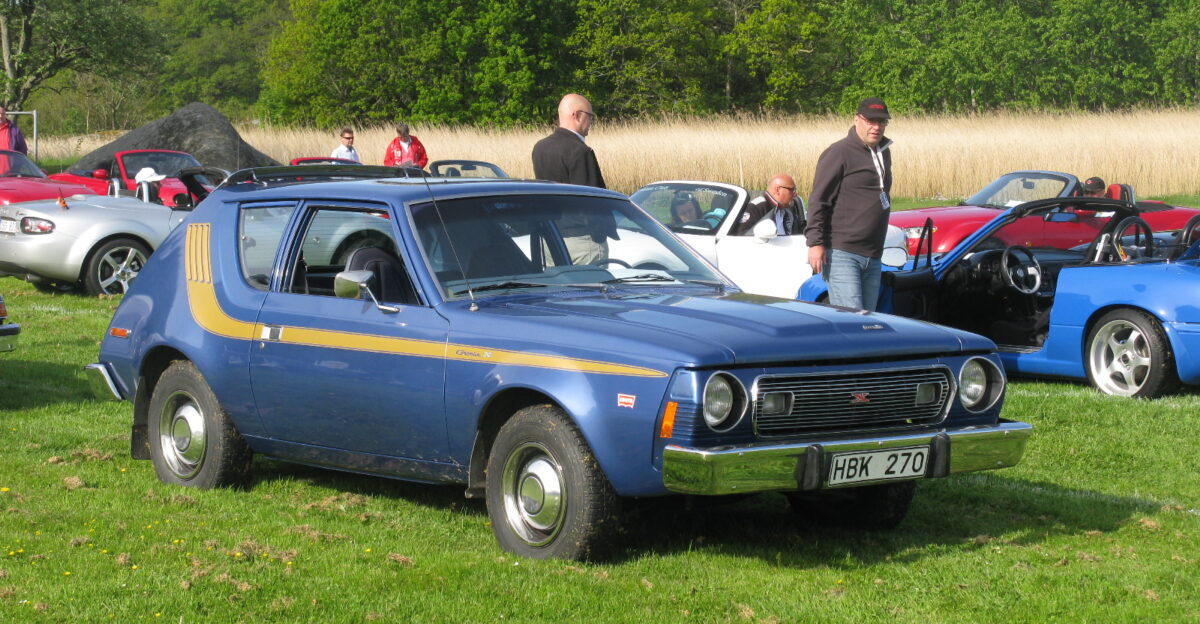
The Gremlin’s name invited ridicule before keys ever turned. Its chopped styling reinforced jokes that overshadowed daily usability.
Owners found dependable transportation, with long-term tests proving durability. Unfortunately, humor outlived evidence in public memory.
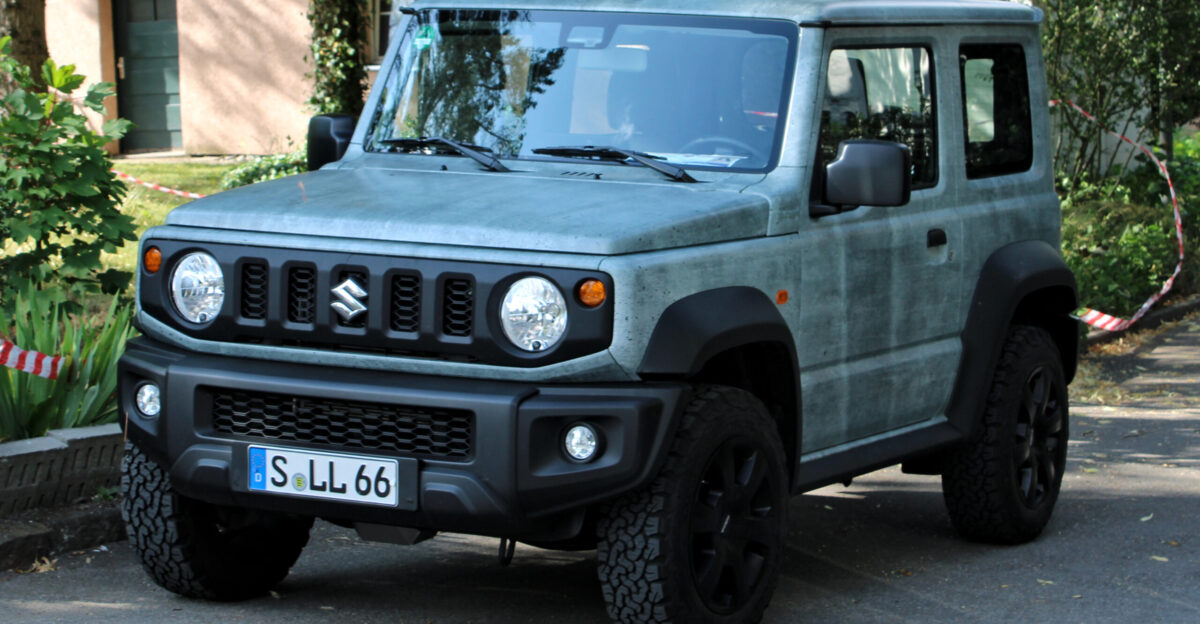
#12 Suzuki Samurai

Consumer Reports claimed the Samurai rolled easily, sparking lawsuits and panic. Other testers failed to replicate those results consistently.
Despite extreme off-road achievements later, the controversy defined the Samurai’s American exit before debate could settle.
When Proof Arrives Too Late
Across these cases, vindication followed collapse. Studies, settlements, and long-term data surfaced after buyers already chose alternatives.
Collectors now notice patterns others missed. Time restores nuance, but markets rarely reward patience.
The Reputation Lesson Still Applies
In the end, these cars share a common fate shaped less by engineering than by storytelling. Headlines traveled faster than corrections, fear moved quicker than facts, and reputations calcified long before evidence caught up. Some models were flawed, others misunderstood, but all were judged in real time by incomplete narratives.
SOURCES
Suzuki Motor Corp. v. Consumers Union of the U.S., Inc. Wikipedia, accessed 2025.
The Audi 5000 Unintended Acceleration Debacle. Curbside Classic, October 2021.
The History (and Tragedy) of the Ford Pinto. Motor Trend, April 2024.
Reconsidering the 1972 NHTSA Report on the Corvair. Ate Up With Motor, June 2024.
The Infamous Vega Could Have Been Great, If Chevy Hadn’t Rushed. Hagerty, January 2024.