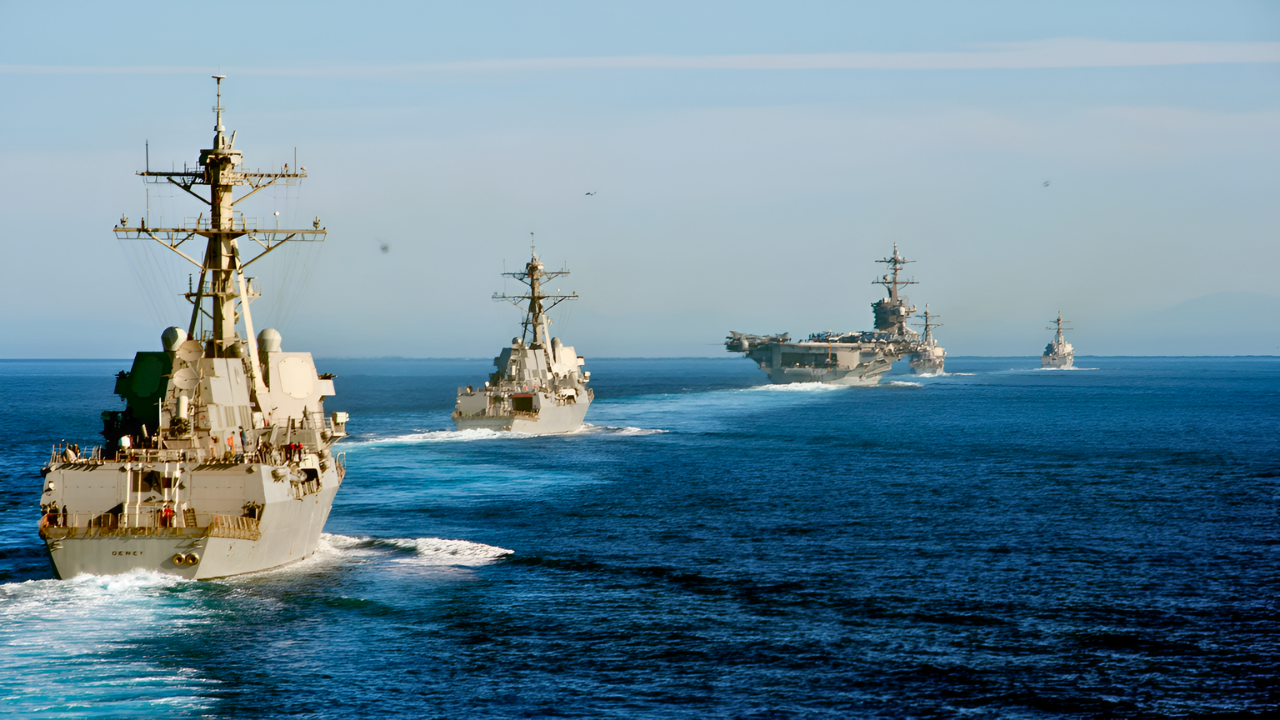
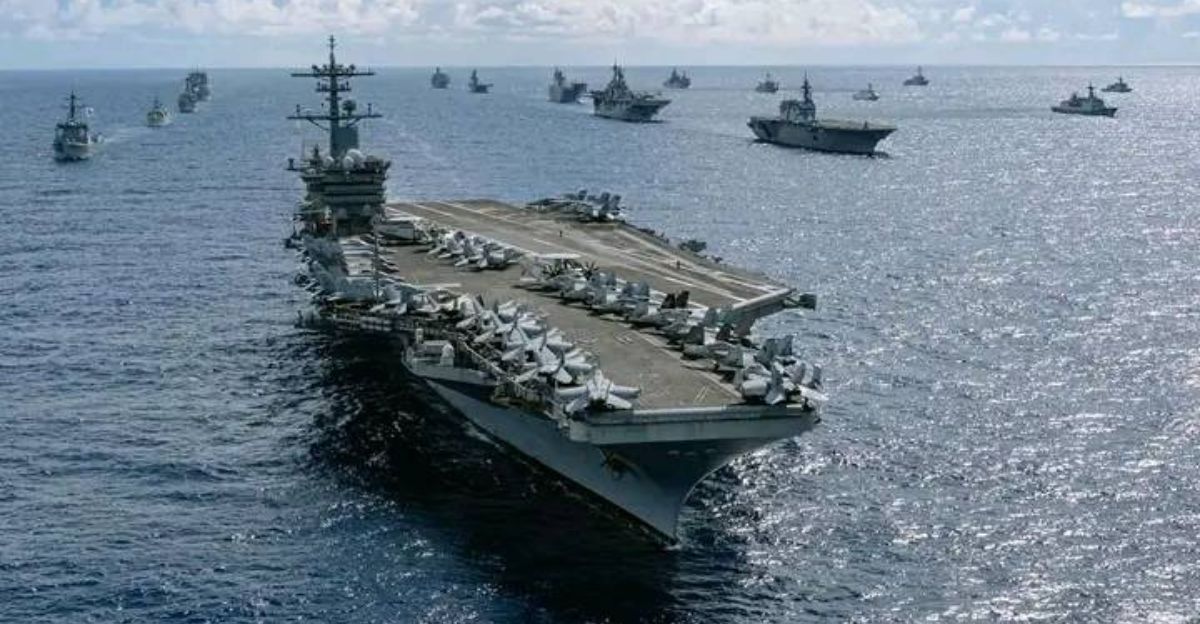
The United States has assembled its largest Caribbean military presence in decades, positioning 11 warships and approximately 15,000 troops within striking distance of Venezuela’s coast. The USS Gerald R. Ford, the world’s largest aircraft carrier, anchors the deployment roughly 75 miles south of the Dominican Republic, equipped with over 70 aircraft including F/A-18 Super Hornets and electronic warfare systems. This unprecedented concentration of naval power represents a dramatic escalation following months of failed diplomatic negotiations between the Trump administration and Venezuelan President Nicolás Maduro.
Military Capabilities on Display
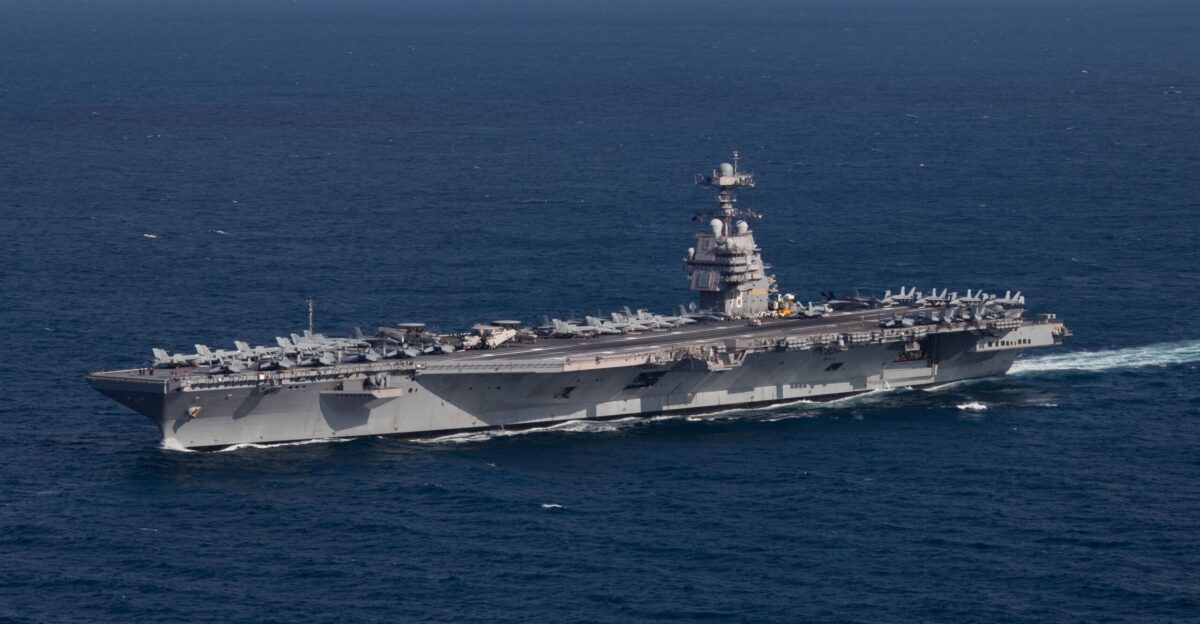
The carrier strike group operates alongside the USS Iwo Jima, a Wasp-class amphibious assault ship, and multiple guided-missile destroyers positioned strategically within 120 miles of the Venezuelan coast. Long-range bombers have conducted demonstration flights within 50 miles of Venezuelan territory, with B-52 Stratofortress aircraft flying north of Caracas for two hours on October 15 in what military officials characterized as an “attack demonstration mission.” These aerial displays underscore readiness for sustained bombardment operations if ordered.
Since September, US forces have already conducted at least 21 strikes on suspected drug-smuggling vessels in Caribbean and Pacific waters, resulting in 82 to 83 fatalities. The Trump administration has designated the Cartel de los Soles, allegedly headed by Maduro, as a Foreign Terrorist Organization, a classification that dramatically expands legal justification for expanded military operations.
Collapsed Diplomatic Efforts
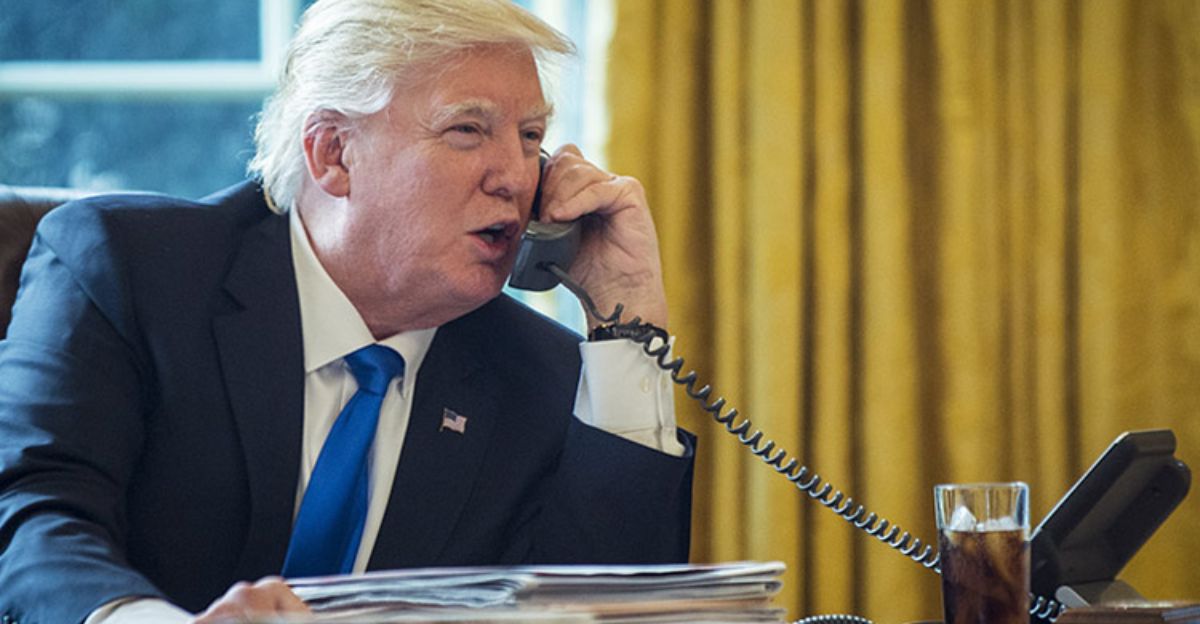
Trump confirmed a recent phone call with Maduro, though details remained classified. According to sources familiar with the November 21 conversation, Trump offered Maduro safe passage out of Venezuela for himself and his wife, Cilia Flores. Maduro, however, demanded full legal immunity, sanctions lifting for over 100 officials, closure of International Criminal Court cases, and interim government control—conditions Trump categorically rejected.
After Trump’s one-week ultimatum expired on November 28, Maduro defiantly rejected the exile arrangement at a Caracas rally. Standing alongside Interior Minister Diosdado Cabello, Maduro declared absolute loyalty to Venezuela and characterized American pressure as “psychological terrorism” spanning 22 weeks. The rejection effectively closed diplomatic channels and intensified military tensions.
Venezuela’s Defensive Posture
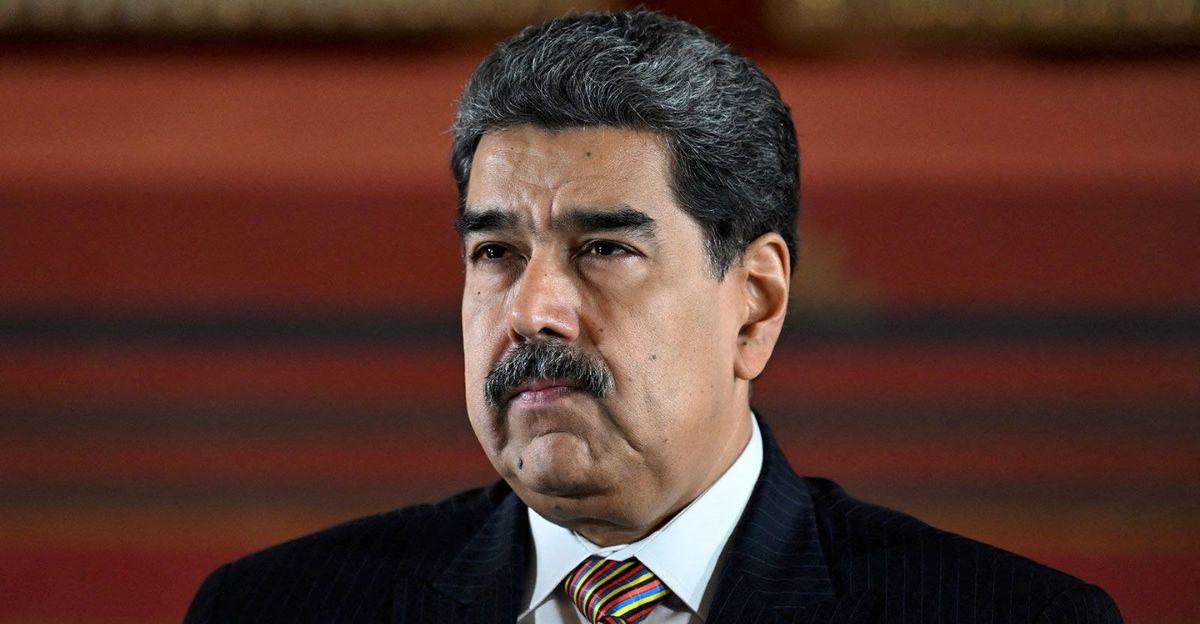
Venezuela has mobilized military units nationwide to defend Caracas and strategic infrastructure. Defense Minister Vladimir Padrino López showcased over 5,000 Russian-made Igla-S man-portable surface-to-air missiles and demonstrated fighter jet capabilities. Venezuelan F-16 fighter jets conducted provocative flyovers of American destroyers, signaling willingness to confront superior US naval forces.
Russia has delivered sophisticated air defense systems including S-300VM and Buk-M2E medium-range missiles to strengthen Venezuelan defenses. An October 26 Russian transport aircraft delivered Pantsir-S1 and Buk-M2E systems via circuitous African routing to avoid Western airspace. Venezuela has also requested expanded military cooperation from China, including accelerated radar tracking system production, while Iran has reportedly coordinated drone delivery and military equipment provision.
Strategic Uncertainty and Political Stakes
Defense analysts note that deployed American forces vastly exceed what counter-narcotics operations would require, suggesting broader military objectives. However, military experts assess full-scale invasion is unlikely without substantially larger ground force commitments. The Trump administration has placed a $50 million bounty on Maduro’s capture—double the previous reward and matching what was offered for Osama bin Laden.
Senator Tim Kaine and other lawmakers have raised concerns that strikes on suspected drug vessels could constitute war crimes. Senate Minority Leader Chuck Schumer emphasized that Congress holds exclusive war-declaration authority, warning Trump is “pushing us closer to another costly foreign war.” House and Senate armed services committees have committed to stringent operational oversight of Caribbean activities.
Venezuela’s diplomatic isolation intensifies as long-time allies withdraw recognition. Honduras and St. Vincent and the Grenadines have recently moved to withdraw or cut diplomatic ties with Caracas, compounding Maduro’s isolation while potentially encouraging potential coup plotters within military ranks.
Trump convened key national security advisors to determine next strategic steps in the escalating confrontation. The situation remains fluid, with the administration facing choices between peaceful democratic restoration or potentially protracted military conflict with unclear exit parameters. Success would represent a major foreign policy victory signaling resolve to regional adversaries, but failure risks costly foreign entanglement with uncertain consequences.
Sources:
BBC News military tracking reports
CNN Politics national security coverage
Al Jazeera Venezuela crisis reporting
Reuters Venezuela operations briefings
Military Times bomber demonstration analysis
US Navy Carrier Strike Group public affairs
US Department of Defense Southern Command updates