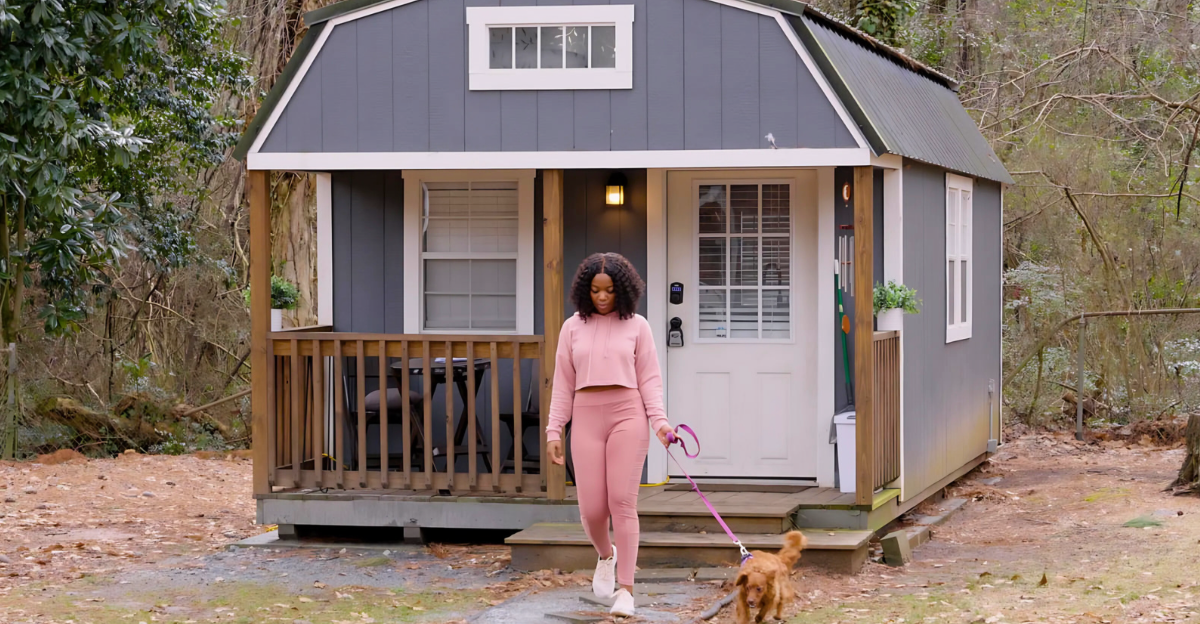
A remarkable shift is transforming the American housing market as tiny home sales surge, driven by online retailers providing rapid delivery and assembly options. By 2025, an increasing number of buyers are gravitating toward these compact dwellings, seeking affordable alternatives to traditional mortgages.
“It feels liberating to order my dream home online,” says Sarah, a recent buyer, emphasizing the convenience behind this trend. The ability to make such a significant purchase with just a few clicks is resonating with cost-conscious consumers who are ready to embrace a new lifestyle. The notion of tiny homes is reshaping what homeownership looks like across the country.
The Affordability Crisis

As median home prices skyrocket to over $396,900 in January 2025, the American dream of homeownership appears increasingly out of reach. Many are turning to tiny homes, priced between $30,000 and $100,000, offering a viable entry point for first-time buyers.
“I never thought a home could be so affordable,” shares Tom, a hopeful homeowner who felt squeezed out of the conventional market. With rising prices prompting a rethink of what constitutes a home, tiny houses are emerging as a practical solution for those desperate for stability without a crippling financial burden, highlighting the urgent need for innovative housing alternatives.
The Rise of the Movement
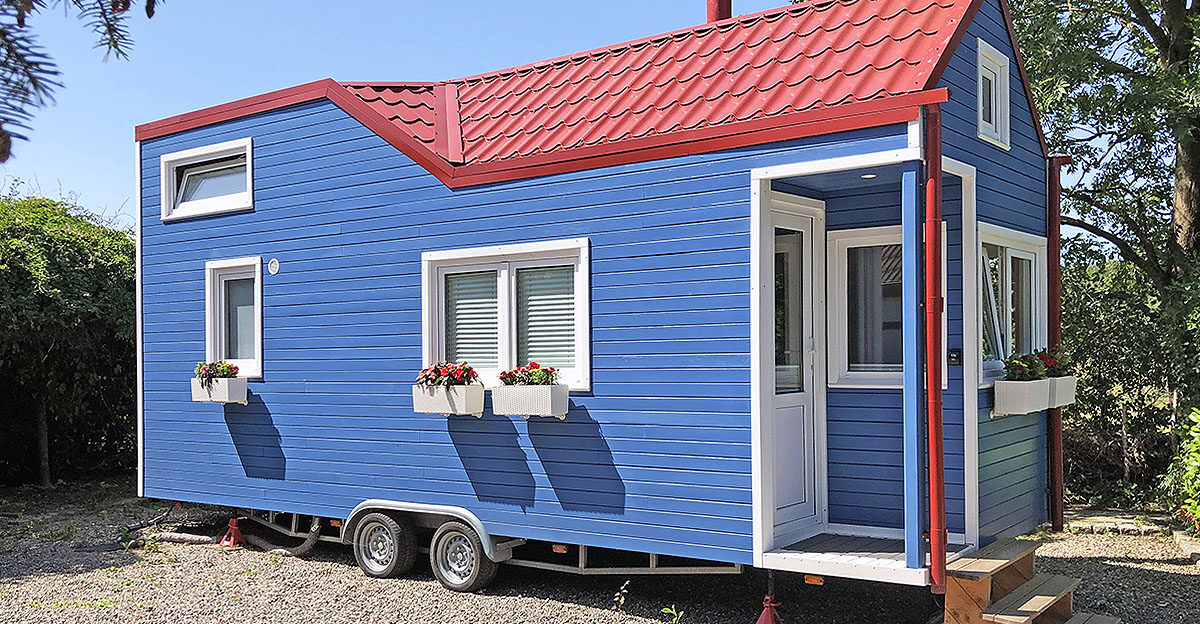
The tiny house movement took root following the 2008 housing crash, gaining momentum through minimalism trends and the global pandemic. Today, this lifestyle is energized by the flexibility of remote work and a growing emphasis on sustainability.
“Downsizing has given us freedom,” says Emily, a tiny home dweller who appreciates the simplicity of her new life. As more people rethink their living spaces and priorities, tiny homes symbolize more than just a trend they represent a shift in values toward intentional living and environmental consciousness that resonates deeply in contemporary society.
Millennial Motivations
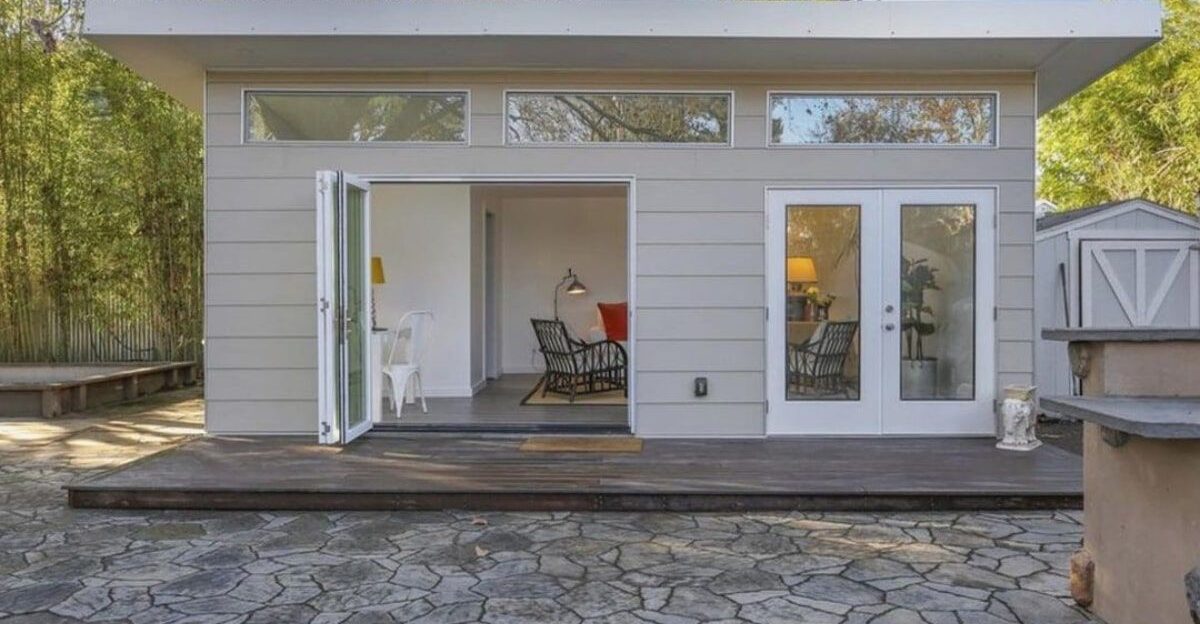
Millennials, making up 43% of tiny home buyers, are significantly influenced by skyrocketing rental prices now 29.4% higher than pre-pandemic levels and a scarcity of available units in urban centers. Driven by necessity, many are exploring alternatives like Accessory Dwelling Units (ADUs) and backyard tiny homes.
“With rents out of control, I had to find a creative solution,” expresses Jake, who now enjoys the flexibility and freedom of tiny living. As the financial landscape evolves, tiny homes not only represent an affordable option but also offer newfound possibilities for urban living without the hefty price tag.
Fast Delivery Revolution

What’s particularly exciting about the tiny home trend is the availability of online purchasing paired with remarkable delivery options. Today, customers can receive their new homes in as little as 14 days. Major retailers like Home Depot, Amazon, and Wayfair are joining the fray by shipping prefabricated kits nationwide, ready for quick assembly upon arrival.
“Ordering my tiny home online felt like a dream,” recounts Lucy, who appreciates the convenience and speed. This rapid delivery model is catalyzing a shift in how people perceive home buying, making it more accessible and efficient, thus transforming the entire process from wait to welcome.
Navigating Regulations

However, the joy of tiny home ownership isn’t without its challenges. Local zoning codes can complicate move-in times, as regulations vary widely. While some areas embrace tiny homes as alternative dwelling solutions, others impose strict limitations requiring comprehensive permitting processes, leading to delays.
“I felt frustrated by all the red tape,” admits Ben, a recent buyer who encountered hurdles securing his permits. This landscape illustrates the need for increased coordination between enthusiasts and local governments, highlighting the importance of flexible policies that accommodate the growing demand for tiny living while addressing local concerns.
Real Buyer Experiences

Customer testimonials reveal a mix of excitement and reality when transitioning to tiny homes. Many buyers speak of their joy: “Moving into my new tiny home was a dream come true,” shares Megan, excited about her new lifestyle.
However, challenges such as site preparation and navigating the permitting process remain. Even though quick assembly is feasible for prefab units, many buyers caution about the regulatory hurdles. It’s essential to balance enthusiasm with preparation in this new environment, as the experience of transitioning to tiny living is as much about the journey as it is about the destination.
Competitive Landscape

The tiny home market is witnessing increased competition, with retail giants such as Walmart and Costco throwing their hats into the ring. Walmart has reported sales of 25–35 tiny homes per week, with Amazon closely behind, which points to a vibrant and growing market.
“It’s exciting to see so many options emerging,” remarks Carla, a consumer enjoying the diverse choices available. This competitive landscape not only drives innovation but also caters to the rising demand for affordable, flexible housing solutions, helping more individuals find their perfect tiny abode.
Embracing Sustainable Living
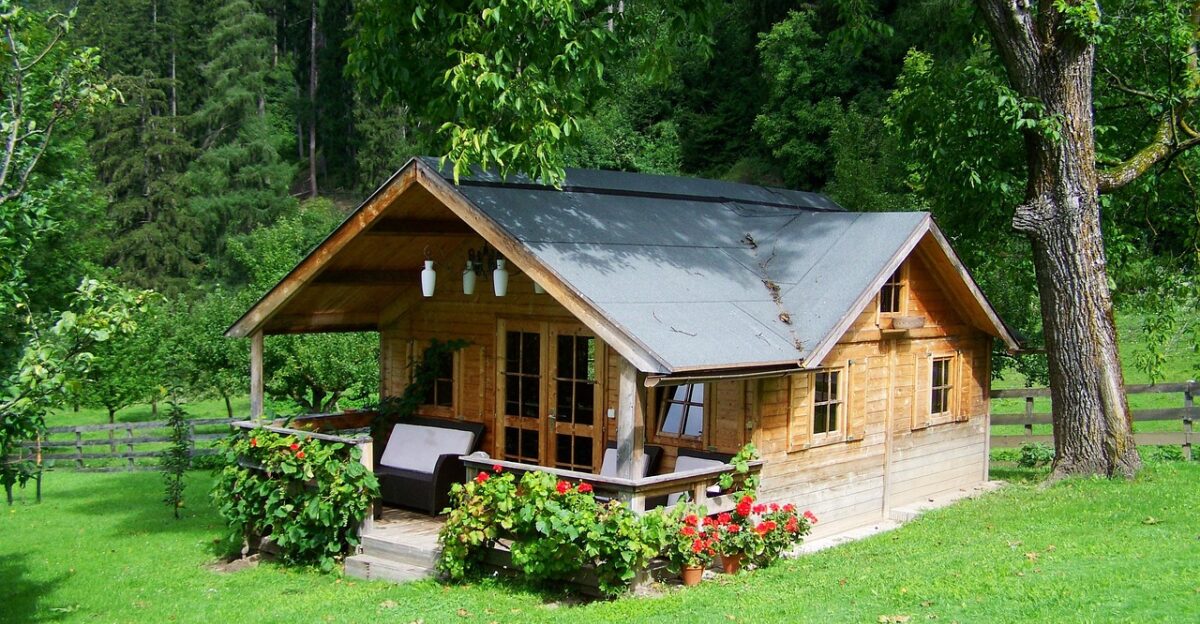
Tiny homes exemplify a shift toward eco-friendly living, utilizing up to 80% less energy than traditional houses. Features such as solar panels, compact insulation, and composting toilets are becoming standard for many models, appealing to a growing audience focused on sustainability.
“Choosing a tiny home aligned perfectly with my values,” shares David, a tiny home owner proud of his reduced carbon footprint. As consumers become more environmentally conscious, tiny homes are not just practical choices; they’re also an extension of a lifestyle that prioritizes conservation and connection to nature, encouraging a more sustainable way of living.
Rapid Assembly Potential
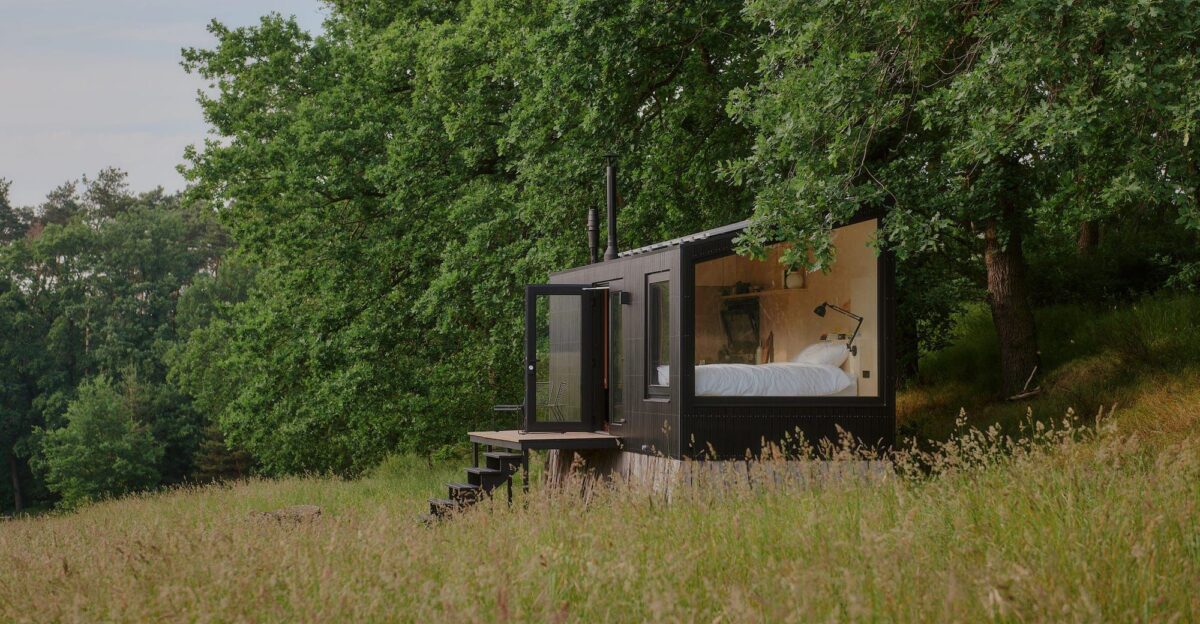
For buyers fortunate enough to secure the necessary permits, prefab kits promise a swift transition from purchase to move-in. Many units can be assembled within 1 to 3 days, especially if utilities have already been organized and permits granted.
“I couldn’t believe how fast I was able to move in,” says Julie, who appreciated the efficient assembly process. Some models arrive almost fully constructed, requiring only minimal finishing touches. This speed in setup enhances the appeal of tiny homes, allowing new owners to quickly start their new lives in spaces tailored to their needs.
Understanding Hidden Costs

While the allure of affordable tiny homes may initially dazzle potential owners, the reality often includes unanticipated expenses. DIY buyers frequently face hidden costs related to foundations, plumbing, and electrical systems, which can substantially inflate the total investment beyond the advertised kit prices.
“I was shocked by the added expenses,” confides Rachel, a new tiny homeowner navigating these unexpected challenges. This essential awareness encourages deeper research and planning, underscoring the necessity for future buyers to consider all aspects of ownership, rather than just the initial purchase price, in their decision-making process.
Evolving Ownership Models

Post-pandemic, many tiny homes are being repurposed for secondary residences, income properties, or remote office spaces. In fact, some owners are capitalizing on the housing squeeze by renting out units for around $1,200 per month. “It’s been a lifesaver financially,” shares Mark, who transformed his tiny home into a rental unit.
This adaptability is a testament to the evolving nature of housing needs, showcasing how tiny homes can fulfill multiple roles in modern society. As the concept gains traction, the versatility of ownership and rental options continues to attract diverse demographics seeking innovative living solutions.
Innovative Strategies

To attract modern buyers, innovative companies are bundling tiny home packages with essential features such as modular furniture, rooftop solar panels, and off-grid capabilities. “These options made life in a tiny home much more comfortable and feasible,” remarks Anna, a buyer who appreciates the added functionality.
The introduction of such packages raises the bar for what tiny homes can offer, enhancing their appeal and usability. By focusing on convenience and lifestyle needs, these companies are not merely selling homes but are redefining what living in a small space can truly entail, enriching the experience for new residents.
Future Market Outlook

Experts are optimistic about the continued growth of tiny home adoption, with projections suggesting the global market may reach $29.9 billion by 2033. Despite this promising growth, real estate analysts caution that resale values tend to lag behind traditional homes due to depreciation.
“It’s an exciting time for the industry, but buyers should be cautious,” advises a market analyst. This underscores the importance for prospective tiny home buyers to consider both the potential and the challenges of this lifestyle, ensuring they are well-equipped for both initial investments and long-term commitment to tiny living.
Regulatory Changes on the Horizon
As local governments grapple with affordability issues, industry watchers ponder whether they will further relax building codes to accommodate tiny homes. California has already taken steps toward updating regulations, leading others to consider similar pathways. “We need more flexible policies to alleviate the housing crunch,” remarks a housing advocate.
Such changes could significantly impact tiny home accessibility, allowing this thriving sector of the real estate market to flourish. As conversations surrounding housing policy continue, the push for more accommodating regulations could pave the way for a more diverse range of housing options.
The Political Debate

Debates surrounding housing policy have intensified as advocates promote tiny homes as solutions to urban homelessness and the decline in rural populations. Zoning laws continue to be a battleground, with stakeholders clamoring for more inclusive regulations. “Tiny homes can help address both urban and rural challenges,” emphasizes a local politician.
The ongoing discussions underline the potential of tiny living to fill gaps left by conventional housing markets. As advocacy for these homes gains traction, the intersection of policy and opportunity highlights a pivotal moment for reimagining housing solutions across varied communities.
Global Trends Afoot
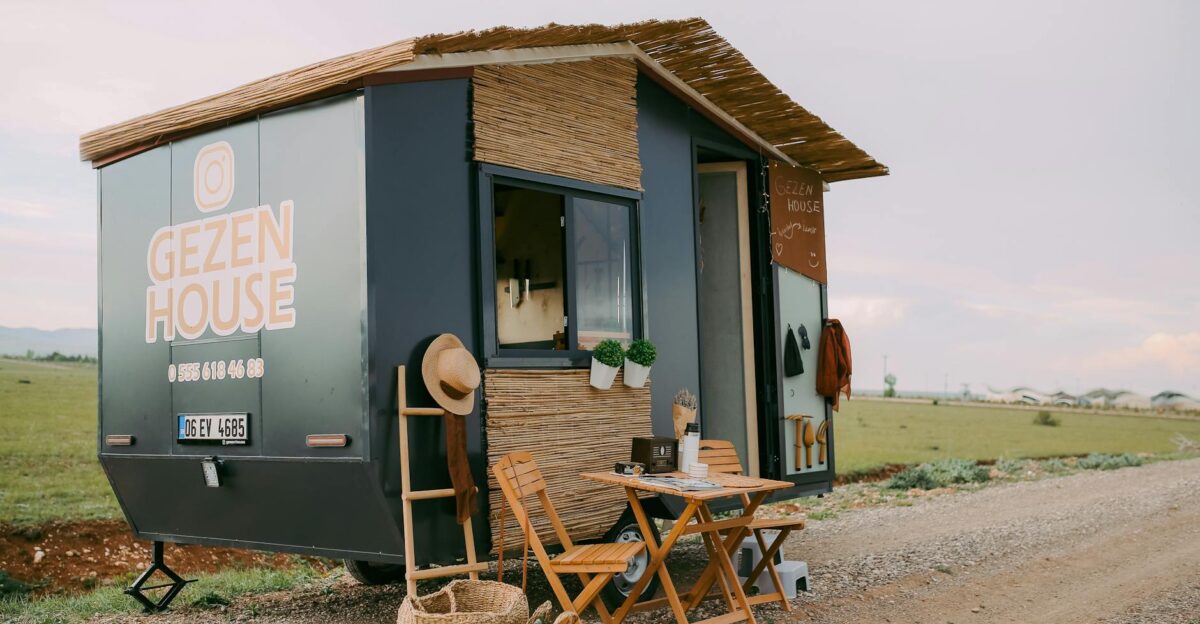
The tiny home movement is not just a U.S. phenomenon; Europe and Australia are increasingly recognizing the ecological benefits and versatility of small houses. With EU sales projected to rise nearly 20% annually through 2031, the global ripple effect is evident. “We’ve seen a surge in interest in sustainable living options,” notes a European housing expert.
This international embrace of tiny living indicates a growing acknowledgment of the necessity for efficient and eco-conscious housing solutions. As global markets adapt, tiny homes signify a transformative shift that transcends borders, bridging cultural and environmental aspirations.
Legal Landscape Awareness
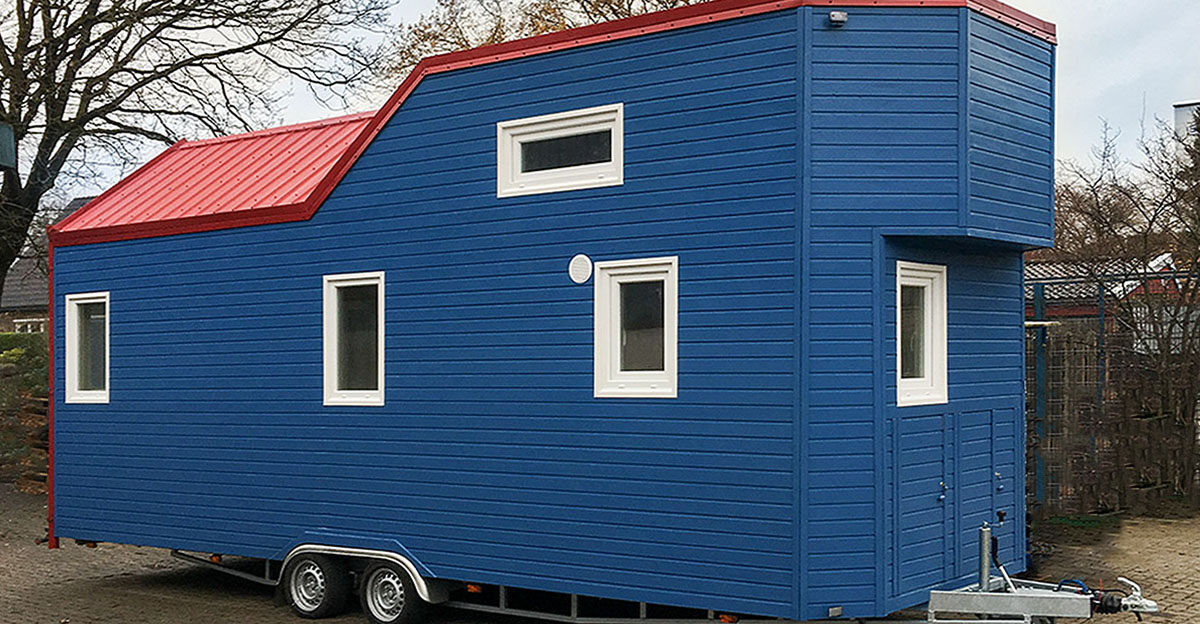
Prospective tiny home buyers must navigate a complex legal landscape, as permit requirements differ by city and housing type. For instance, Tiny Houses on Wheels (THOWs) may need RV registration, while those on permanent foundations require full residential permits.
“Understanding local regulations was crucial for my success,” admits a tiny home owner who navigated the system. Compliance is essential; failure to adhere to local laws can result in fines and unwanted relocations. Awareness of these legal nuances empowers buyers to make informed decisions and avoid costly pitfalls, ensuring a smoother transition to tiny living.
Cultural Shifts in Living
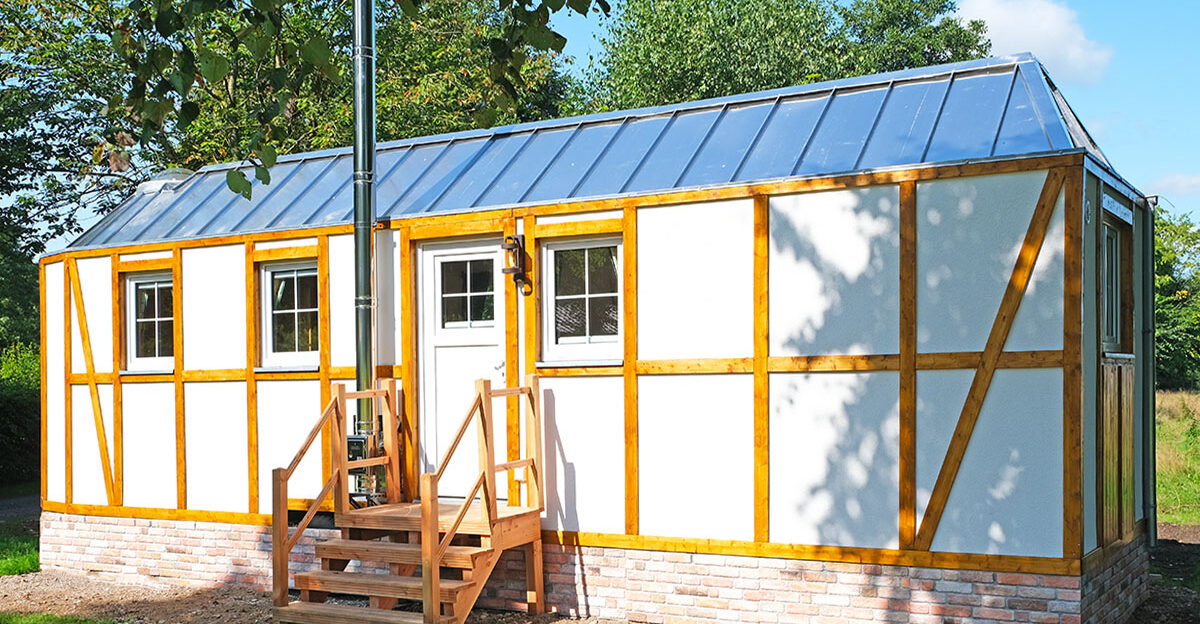
As the tiny home movement gains traction, cultural shifts such as minimalism and community engagement become more pronounced. Individuals increasingly express desires for mental clarity, simplification, and connection with their communities. “Living simply has brought so much joy,” asserts Natalie, a retiree enjoying her new lifestyle.
This evolution reflects a collective yearning for meaningful engagement with one’s environment and neighbors, amplifying the appeal of tiny living. Embracing a lifestyle that prioritizes experiences over possessions is revolutionizing the notion of home, prompting residents to cultivate richer, more fulfilling lives within smaller spaces.
The Future of Tiny Living
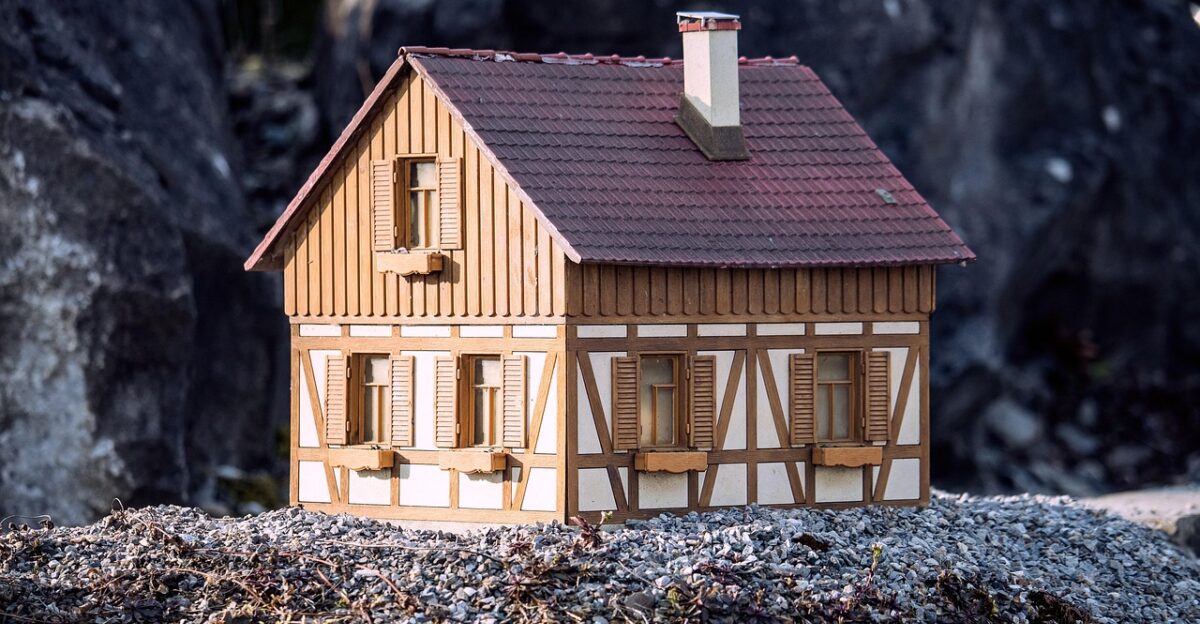
What lies ahead for the tiny home movement? As affordability pressures mount, the industry anticipates further adaptations to meet changing needs. Will local governments positively impact these housing solutions, facilitating broader access? “The future looks bright if we can continue our advocacy,” remarks a tiny home activist, pointing toward evolving regulations.
As discussions unfold, there is potential to unlock opportunities that will allow more people to embrace tiny living fully. Encouraging collaboration among stakeholders may spark new innovations and help shape a sustainable future within this transformative housing paradigm that benefits diverse communities.