Coca-Cola’s decision to bring back cane sugar—first teased by Donald Trump in a July 16, 2025, Truth Social post—has reignited America’s long-simmering sweetener debate. “I have been speaking to Coca-Cola about using REAL Cane Sugar in Coke in the United States, and they have agreed to do so,” Trump declared. The company confirmed the move on July 22, announcing a cane sugar version launching this fall as part of a broader product strategy.
But this shift isn’t just about flavor, nostalgia, or branding. It highlights deep economic and policy forces that have long favored high-fructose corn syrup (HFCS) in the U.S. food system. The divide between cane sugar and HFCS goes far beyond taste; it touches on health, subsidies, trade restrictions, and how America fuels its food industry.
Trump Declares a Sugar Win

In July, Trump took to Truth Social to claim credit for Coca-Cola’s switch back to “real cane sugar.” Coca-Cola responded with cautious praise, later confirming the move during its Q2 earnings call. CEO James Quincey said they’re exploring all sweetener options.
Industry analysts say this could ripple through U.S. agriculture. Economic models show corn prices could drop by $0.15 to $0.34 per bushel if HFCS demand declines.
Why Corn Syrup Took Over

HFCS rose to dominance in the 1980s, thanks to U.S. trade and farm policies that made it significantly cheaper than cane sugar. According to the USDA, HFCS is typically 20% to 40% less expensive.
Cane sugar prices remain high due to import limits, tariff-rate quotas, and restricted sourcing. Meanwhile, corn production receives strong federal backing, including $3.2 billion in subsidies in 2024 alone—roughly 30% of all U.S. farm aid.
A System Built to Favor Corn
The U.S. sugar market runs on tariff-rate quotas, restricting low-tariff sugar imports to preserve domestic prices. Trump’s reciprocal sugar tariffs pushed raw sugar prices to nearly 27 cents per pound, up from 20.
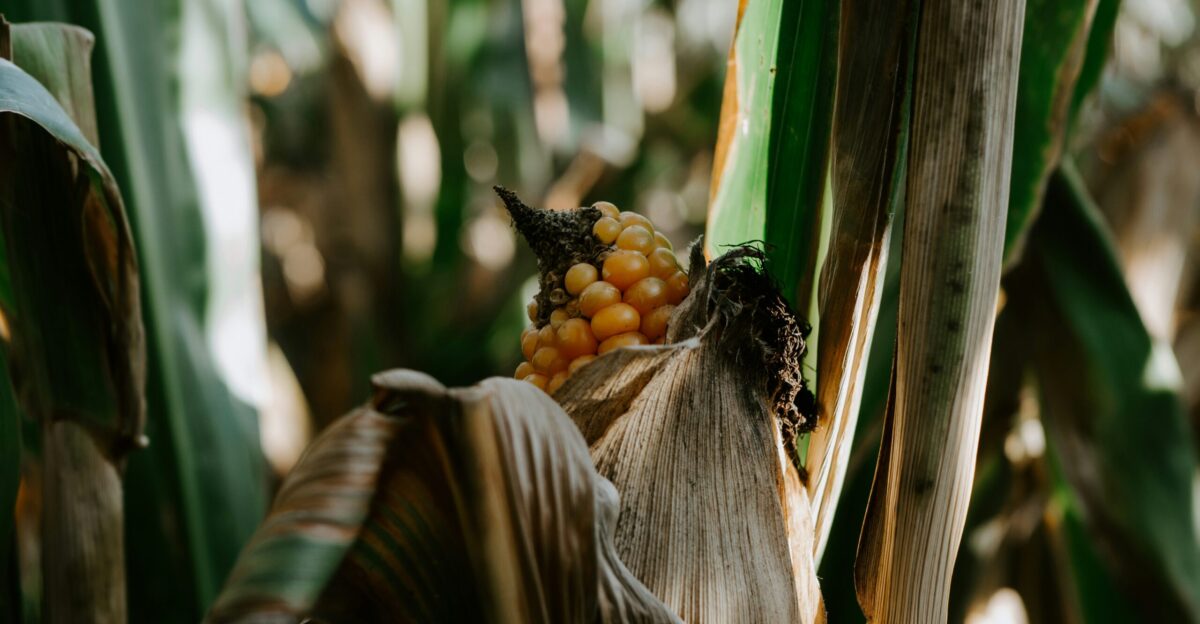
Corn remains king, with 94% of U.S. crops genetically modified and backed by crop insurance, price supports, and direct payments. The result: HFCS thrives not by taste or nutrition, but by structural advantages baked into U.S. policy.
Here are the 11 most eye-opening differences between these two sweeteners.
#1 – Fructose Targets Your Liver First

Glucose travels throughout your body, but fructose makes a beeline for your liver. At low doses, your small intestine can handle it. But go over 0.5 grams per kilogram of body weight, and the excess floods your liver.
This overload kicks fat production into high gear. Studies show fructose triggers liver fat synthesis more effectively than glucose, putting extra strain on a vital organ already doing a tough job.
#2 – Mercury Contamination Raises Red Flags

n 2009, nearly half of the HFCS samples tested contained mercury, some at levels as high as 0.570 micrograms per gram. About one-third of foods with HFCS also tested positive.
According to Environmental Health, the source was traced to mercury-cell chlor-alkali plants used during processing. Cane sugar production doesn’t rely on this method, avoiding the risk of mercury contamination altogether.
#3 – Fructose Affects Men and Women Differently
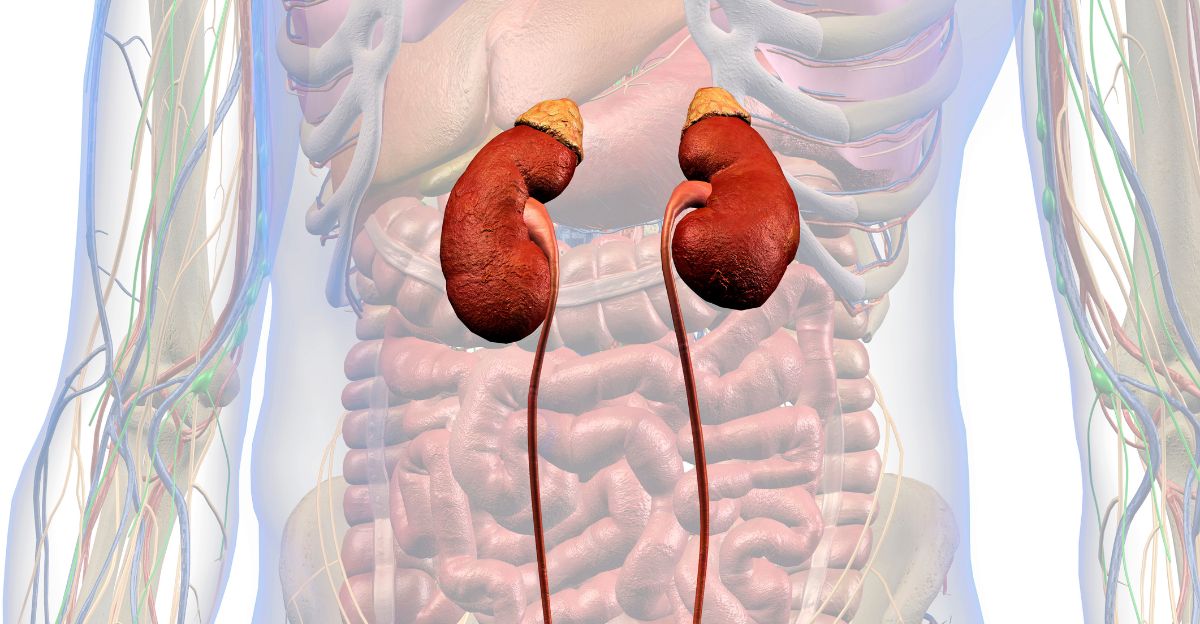
Male and female bodies don’t react the same way to fructose. In one study, male mice saw a 19% kidney growth after high-fructose intake, while females experienced 10% growth.
Males processed more fructose in their kidneys, while females showed more disruption in sodium balance. These findings, published in the American Journal of Physiology, may help explain gender differences in how we store fat and react to sugar.
#4 – Your Gut Can’t Always Keep Up

At higher doses, above 1 gram per kilogram of body weight, fructose overwhelms the gut. It spills into the colon, feeding bacteria and causing inflammation.
Research shows that under normal conditions, 90% of fructose is cleared by intestinal cells. But once overwhelmed, roughly 30% reaches the liver and colon. Unlike HFCS, sucrose breaks down more slowly, giving your body time to manage the load.
#5 – HFCS Produces More Cellular Stress
Fructose metabolism leads to more oxidative stress than glucose. That means more damaging molecules, called reactive oxygen species, are created in the process.
These free radicals harm cells and disrupt how your body works at a basic level. Studies published in peer-reviewed journals link this stress to long-term metabolic dysfunction. It’s one more reason HFCS puts your system under greater strain than cane sugar.
#6 – Why Food Makers Love HFCS
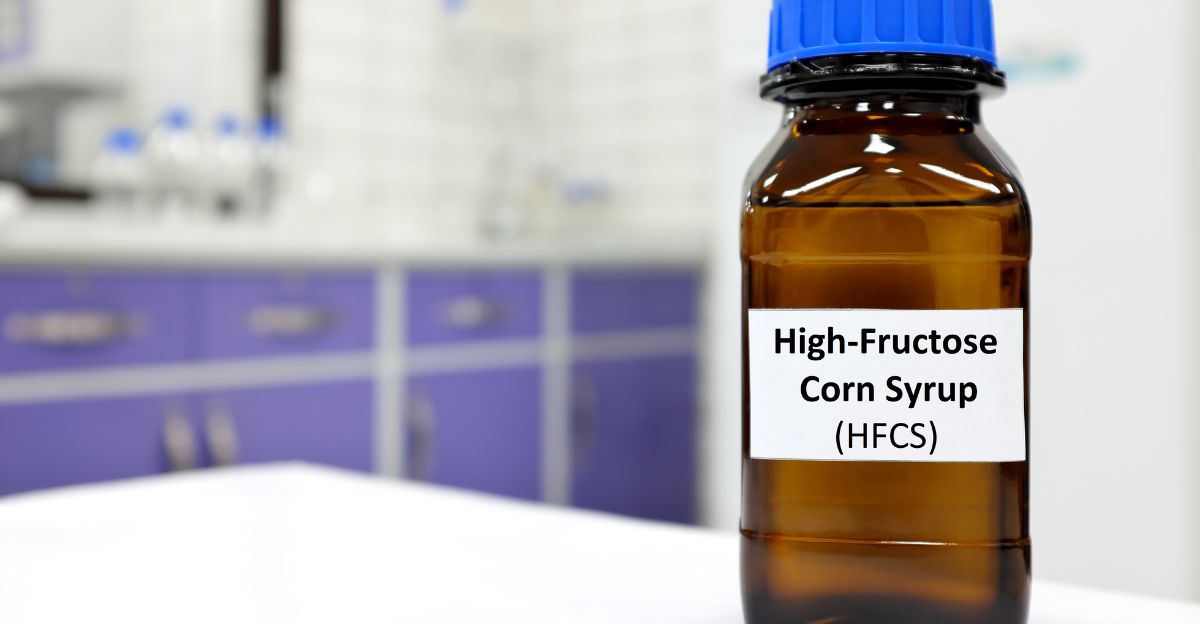
HFCS doesn’t crystallize, making it easier to work with in liquid products like soda. It blends smoothly, stays stable in acidic drinks, and keeps items fresher longer.
Its processing perks explain why manufacturers prefer it. The downside is that convenience may come at the cost of health. As we’ve seen, the way your body reacts to HFCS is very different from cane sugar.
#7 – Fructose Speeds Up Aging

Fructose leads to the formation of harmful compounds called AGEs, Advanced Glycation End-products, faster than glucose. These molecules speed up aging and are linked to diabetes and heart disease.
Studies in Diabetes Care show that AGEs from fructose trigger inflammation and tissue damage. It’s the same chemical reaction that browns food when cooking, but inside your body, it causes lasting harm over time.
#8 – Your Brain May React More Strongly to HFCS

Fructose affects your brain’s reward system differently from glucose. It causes more intense and longer-lasting dopamine releases, the same brain chemical linked to pleasure and addiction.
Research shows this sustained response may make HFCS more likely to lead to overeating. Glucose, by contrast, triggers a more balanced release. These differences could help explain why sugar cravings are harder to manage with HFCS-rich foods.
#9 – Corn Has a Bigger Environmental Impact
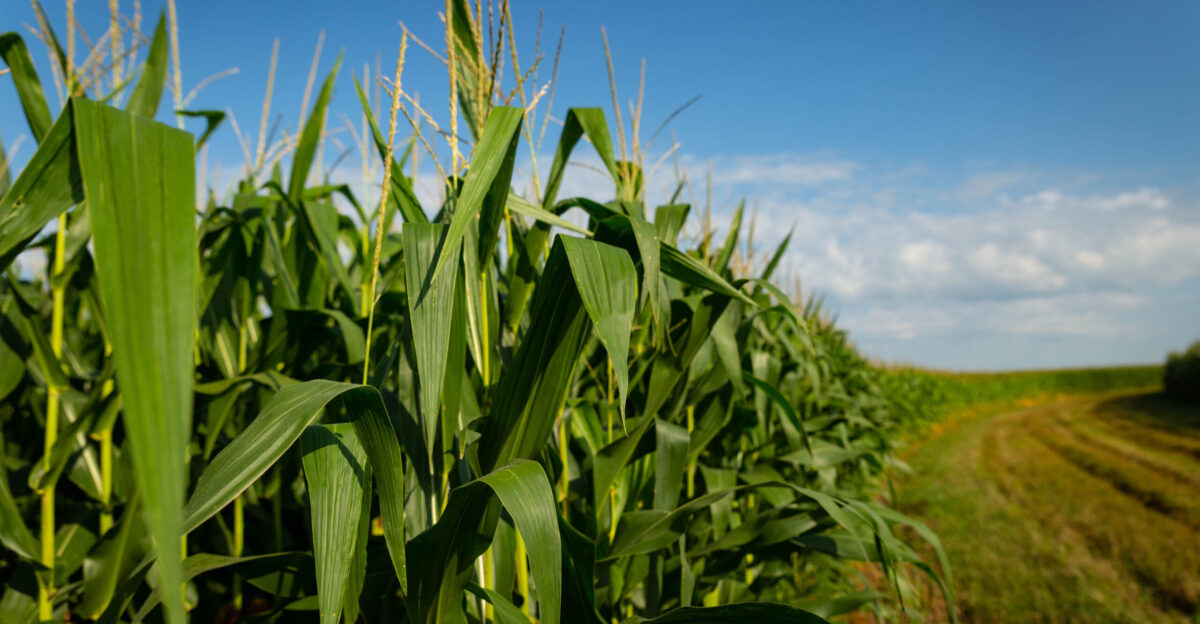
Growing corn for HFCS uses more water and emits more greenhouse gases than producing cane sugar. Research shows sugarcane is 46% more water-efficient and has 62% less climate impact.
Despite that, U.S. subsidies support corn, not sugar imports. This keeps HFCS cheaper but masks its true environmental cost. If policy shifted, cane sugar could be the more eco-friendly choice in many regions.
#10 – HFCS Triggers Stronger Inflammation

Just one 50-gram dose of fructose can spike inflammation markers like C-reactive protein for over two hours. Cane sugar and glucose don’t cause the same spike.
The effect is especially strong in people with metabolic issues, according to studies in peer-reviewed journals. That means HFCS could be especially risky for those already dealing with blood sugar or weight concerns.
#11 – Fructose May Change Your DNA

Studies show that fructose doesn’t just change your metabolism; it may also alter gene expression. These changes can affect fat storage and energy use even after switching to a healthier diet.
In animal studies, pregnant mice on high-fructose diets passed these genetic changes to their offspring. Scientists are still exploring how this plays out in humans, but the early data raises serious concerns.
The GMO Corn Behind HFCS

Over 92% of corn in the U.S. is genetically modified to produce Bt toxin, a built-in pesticide that targets insects. According to the FDA, this type of GMO corn dominates HFCS production.
HFCS makers say their product contains little or no detectable GMO DNA. Still, its use supports farming practices many consumers would rather avoid. Cane sugar doesn’t raise the same concerns about genetic modification.
HFCS Feels Different in Your Mouth

HFCS and cane sugar differ in taste, they create different textures. Liquid sweeteners like HFCS impact how foods feel, affecting friction, thickness, and mouth coating.
Studies on food texture show that these differences matter. Food companies often adjust recipes to compensate when switching sweeteners. That’s why some people say HFCS-sweetened drinks feel thicker or heavier compared to cane sugar versions.
Your Body Absorbs Them at Different Speeds
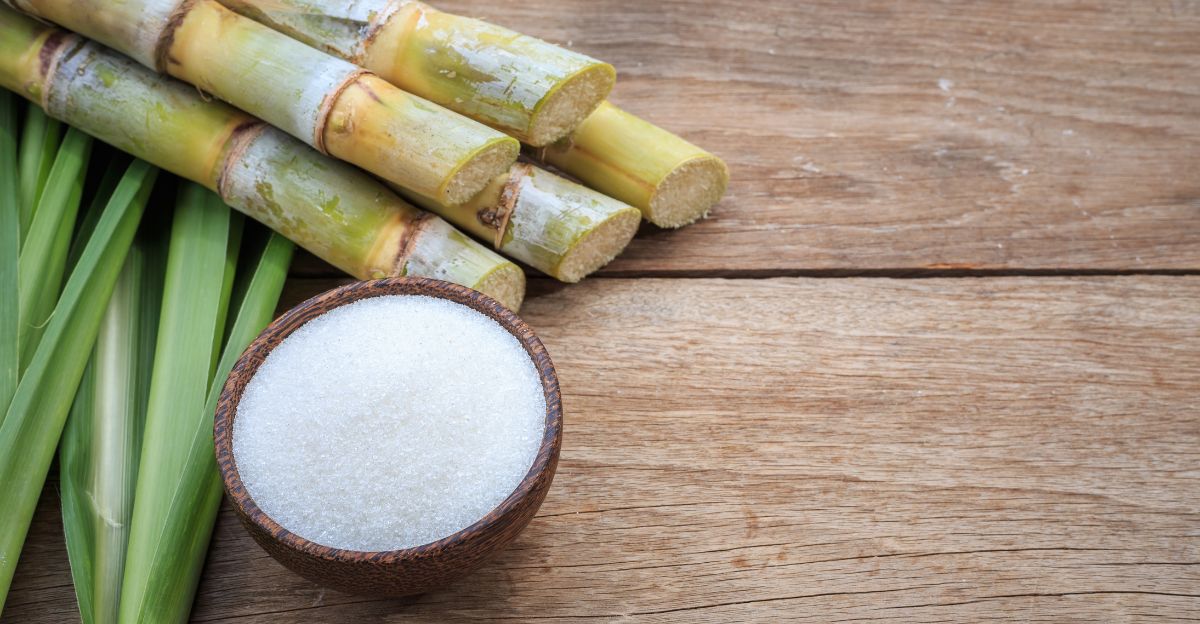
Cane sugar is made of bonded glucose and fructose molecules. Your small intestine must break those bonds before absorbing them, slowing the sugar’s entry into your bloodstream.
HFCS skips that step. Its free-floating sugars are absorbed more quickly, which may affect how your body responds. Research shows this faster absorption can influence insulin release, feelings of fullness, and how much sugar ends up in your blood.
HFCS Comes With Extra Baggage
HFCS isn’t just another sweetener. Thanks to corn subsidies, it’s cheaper to make and more processed by design. Its use is tied to health, farming, and environmental issues beyond sugar intake.
Trump’s push to bring cane sugar back to Coca-Cola could mark a turning point. As public awareness grows, Americans may start demanding more transparency and better choices about what goes into their favorite foods.
What the Future Looks Like for Sugar

Trump’s Coca-Cola announcement may be just the beginning. As cane sugar makes a comeback, the food industry could see major changes in how sweeteners are sourced and used.
But experts agree on one thing: the real issue is too much added sugar, no matter the kind. Still, cane sugar has a longer track record in human diets, while HFCS remains a modern invention still under the microscope.