Every year, drivers spend thousands of dollars keeping their vehicles on the road, but some models are far easier on the wallet than others. Over a decade of ownership, CarEdge data shows the typical driver pays about $5,746 in maintenance and repairs, while the least costly models on this list come in more than $1,300 under that mark.
The gap matters. Across ten years, the difference between the lowest- and highest-cost vehicles in this group is $1,613. For households already balancing fuel, insurance, and loan payments, choosing a low-maintenance model can free up money for savings or everyday expenses rather than surprise repair bills.
The Hidden Price of Staying on the Road

Many buyers focus on monthly payments or fuel economy when shopping, but long-term upkeep can rival the cost of financing. Averaged out, the industry’s $5,746 ten‑year maintenance estimate works out to about $575 a year, and a single major repair over $500 can easily strain a tight budget.
CarEdge defines a major repair as any issue that costs at least $500 to fix. Over ten years, the probability of facing one of these bigger bills ranges from about 11.6% to nearly 17% on the models highlighted. Even so, every vehicle on this list stays below the overall ten‑year maintenance average, showing that a well-chosen car can limit costs even if some repairs are inevitable.
For shoppers, the key is not chasing perfection but finding models with a track record of manageable expenses. Vehicles that combine lower annual maintenance with modest odds of major repairs help owners plan ahead and avoid frequent, expensive surprises.
Toyota’s Edge in Long-Term Durability
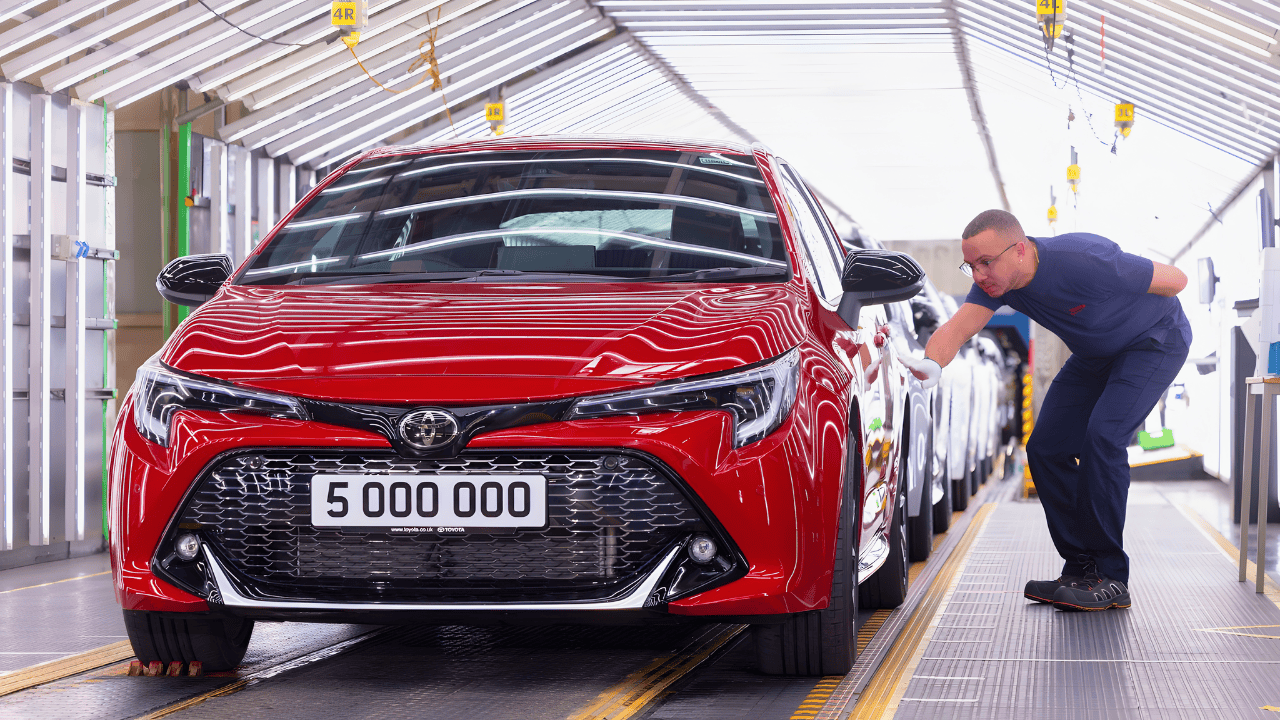
Toyota stands out with five of the eleven lowest-cost vehicles in the CarEdge rankings: the Prius, Prius Prime, Corolla, Camry, and Supra. Together they illustrate how consistent engineering and widely available parts can keep ownership costs down.
At the top of the list, the Toyota Prius has projected ten‑year maintenance costs of $4,360, about $1,386 below the overall average. Its estimated probability of a major repair over that period is 11.58%, the lowest on the list. The Prius Prime, a plug‑in hybrid variant, comes in at $4,428 over ten years and shares the same low major‑repair probability, showing that added electric range does not necessarily raise maintenance risk.
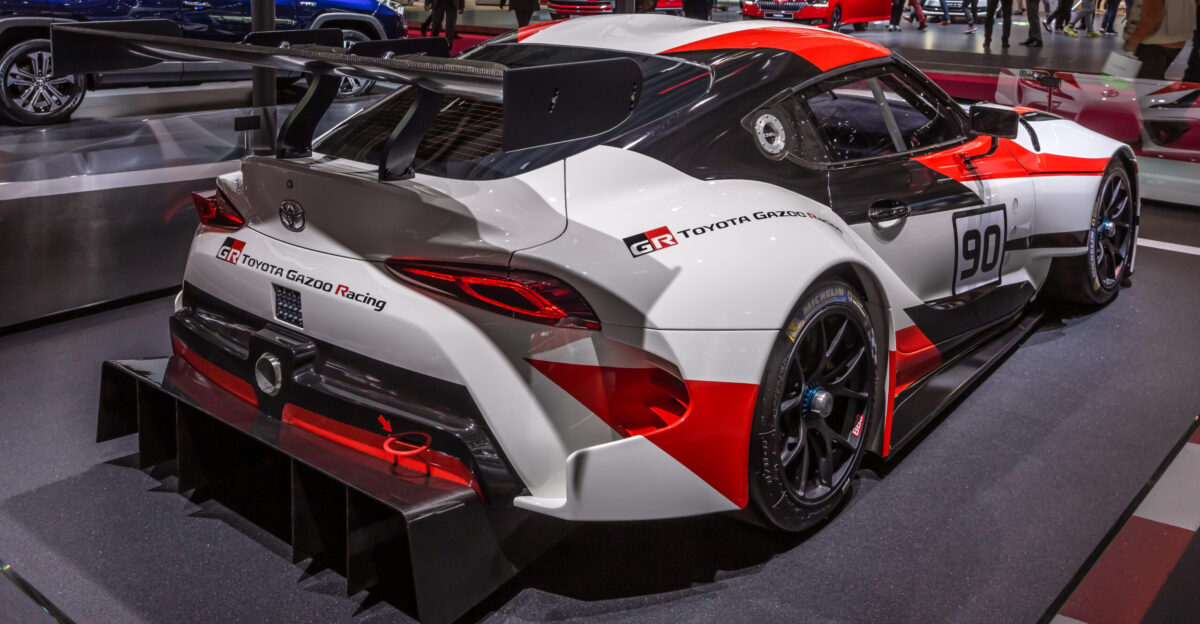
The Corolla, at $4,434 over a decade, and the Camry, at $4,581, post slightly higher ten‑year probabilities of a major repair at 12.28% but still remain solidly below the industry cost average. They add conventional sedan practicality and comfort while keeping yearly upkeep well under $500. Even the Toyota Supra, a performance‑oriented sports car, has projected ten‑year maintenance costs of $5,289 and a 12.98% major‑repair probability, remaining more affordable to maintain than many ordinary models.
Across these vehicles, Toyota’s emphasis on proven powertrains, shared components, and conservative engineering helps limit wear and keep repair bills predictable. For buyers who prioritize long‑term value over luxury or cutting‑edge features, these traits translate directly into lower out‑of‑pocket costs.
Budget-Friendly Alternatives Beyond Toyota
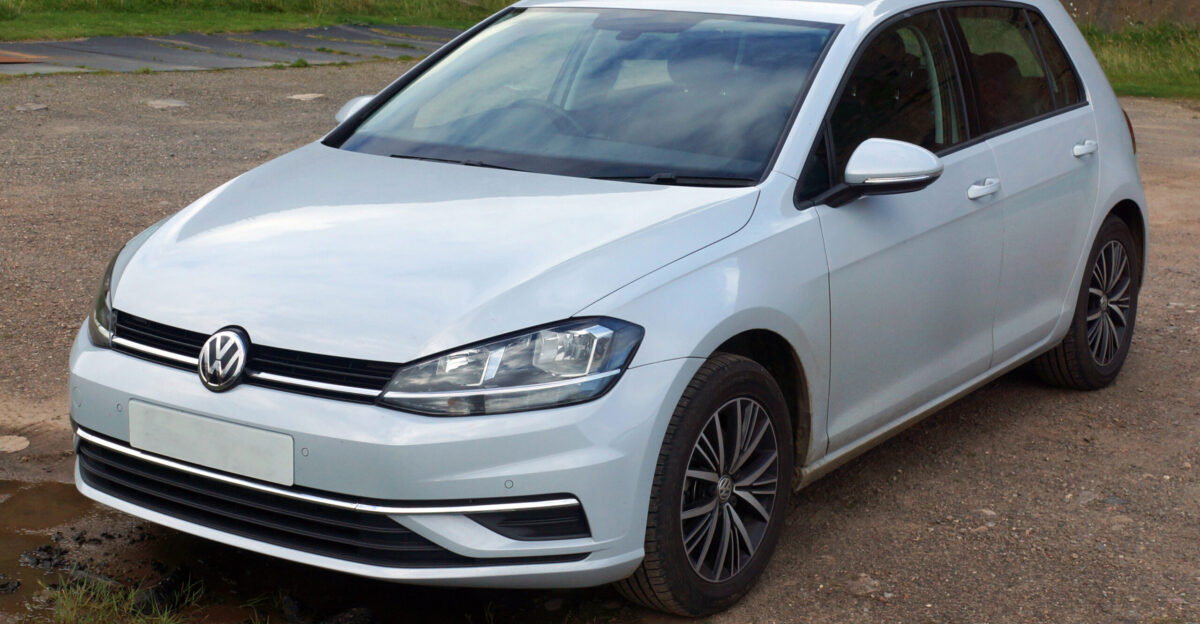
Drivers who prefer other brands still have several low‑maintenance options. The Mitsubishi Mirage and Mirage G4, Honda Civic, Nissan Versa, Mazda 3, and Volkswagen Golf all post ten‑year costs below the industry average while appealing to different priorities.
The Mitsubishi Mirage has projected maintenance costs of $5,315 over ten years, with a 15.59% probability of a major repair. Its three‑cylinder engine and simple design help keep routine work straightforward and inexpensive. The Mirage G4 sedan version adds a separate trunk and more rear-seat room, with ten‑year costs of $5,627 and a 16.52% chance of a major repair, still under the average cost benchmark.
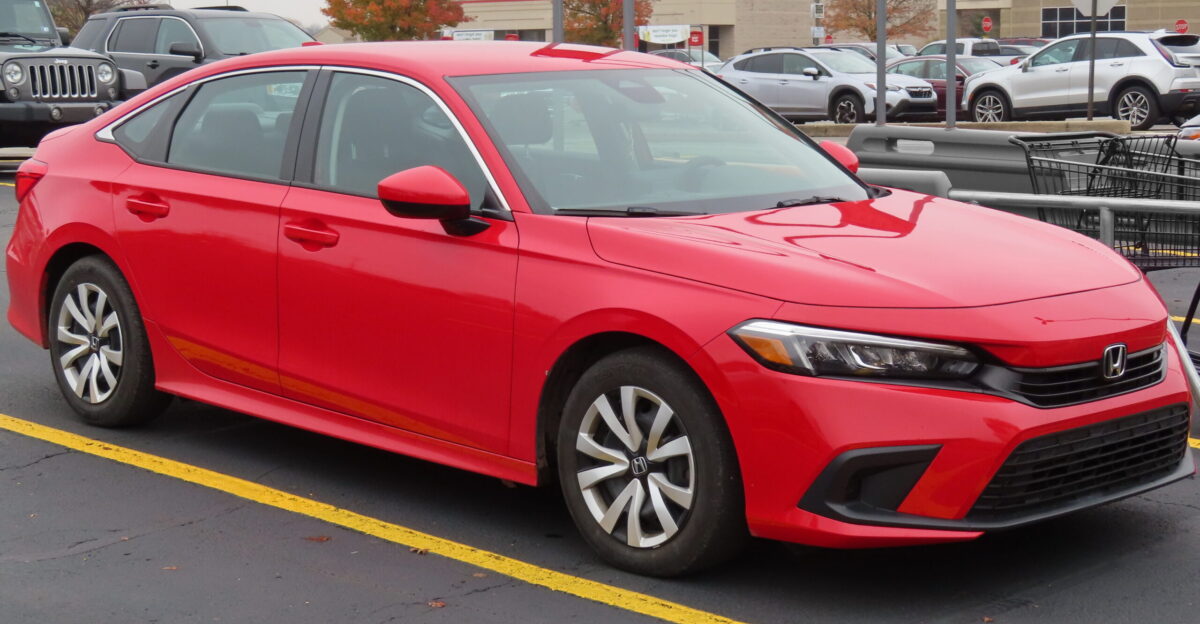
The Honda Civic, a long‑time compact favorite, is estimated at $5,634 in ten‑year maintenance expenses and a 16.08% probability of a major repair. It combines responsive driving with a durable reputation and easy access to parts. The Nissan Versa, with a projected $5,785 ten‑year cost and the highest major‑repair probability on this list at 16.97%, still stays below the overall average thanks to a straightforward four‑cylinder powertrain and relatively low repair complexity.
For drivers who value handling and refinement, the Mazda 3 and Volkswagen Golf offer a different balance. The Mazda 3 is projected to cost $5,928 over ten years, with a 16.75% major‑repair probability, while the Golf comes in at $5,973 and a 16.43% probability. Both models show that more engaging driving and a higher‑end interior feel do not automatically require premium‑level maintenance spending. In all cases, yearly upkeep hovers in the $590–$600 range, still below the broader average.
Why These Differences Add Up Over a Decade
Across these eleven vehicles, the ten‑year maintenance spread runs from $4,360 for the Prius to $5,973 for the Golf, a difference of $1,613. On a monthly basis, that is roughly a $13 gap in average maintenance costs, small enough to overlook in a showroom but significant over time.
Lower maintenance spending also tends to align with fewer major repairs. For example, Prius drivers face an estimated 88.4% chance of avoiding any $500‑plus repair over ten years, reflecting the model’s low 11.58% major‑repair probability. Less time in the repair shop can help owners avoid last‑minute scrambles for transportation and unplanned expenses that disrupt savings goals.
These factors also influence resale value. Vehicles known for reliability and modest upkeep often command stronger prices on the used market, allowing owners to recoup more of what they invested when it is time to sell or trade in. Predictable maintenance therefore supports both day‑to‑day budgeting and longer‑term financial planning.
Choosing the Right Low-Maintenance Fit
Selecting a low‑maintenance vehicle still comes down to individual needs. Budget‑minded drivers may lean toward the Mirage or Versa for their combination of low purchase prices and modest upkeep. Families who want more space and comfort might gravitate to the Camry or Corolla. Enthusiasts seeking stronger performance could find the Mazda 3 or Supra more appealing, while efficiency‑first drivers may prefer the Prius or Prius Prime.
Beyond projected maintenance costs and repair probabilities, shoppers also weigh warranty coverage, local repair rates, insurance, and personal driving patterns. Taking the time to compare total ten‑year costs rather than only the sticker price can reveal large differences that emerge slowly but matter in the long run.
For millions of drivers, choosing among vehicles that range from $4,360 to $5,973 in ten‑year maintenance can shape not only what they drive but how much financial flexibility they have over a decade. The models highlighted here show that it is possible to combine affordability, dependable performance, and reasonable upkeep, helping owners protect both their transportation and their household budgets well into the future.
Sources:
CarEdge Maintenance Cost Rankings (Updated October 2025)
CarEdge Individual Vehicle Maintenance Schedules and Costs Database
FinanceBuzz Article: “11 Best Cars to Buy if You Hate to Spend Money on Maintenance” by Jenny Cohen (Updated November 2025)
Consumer Reports Vehicle Reliability Ratings Database