America’s biggest casual dining chains once offered a straightforward bargain—predictable comfort at a fair price. Today, that promise is unraveling. Rising costs, corporate takeovers, and aggressive cost-cutting are eroding the appeal of dozens of familiar brands, from burger counters and buffets to teppanyaki grills and sandwich shops. As locations close, menus shrink, and preparation shortcuts multiply, millions of diners discover that affordable treats now resemble stripped-down, higher-priced versions of the past.
13 Chains Facing Quality Decline and Customer Backlash
1. Panera — Entrées ranging from $12 to $15 now face criticism for shrinking portions and downgraded ingredients. Salads shifted from romaine to iceberg lettuce, and bread is baked from frozen, par-baked dough rather than fresh.
2. Pizza Hut — Transitioned from fresh, made-in-store dough to frozen crust from warehouses, producing thinner, less flavorful pies. Many traditional dine-in locations have closed in favor of smaller takeout units.
3. Olive Garden — Patrons report overcooked, bland pasta, thin Alfredo sauce, and overly sweet marinara, with breadsticks often outshining main dishes.
4. Long John Silver’s — Reviews describe “freezer burnt” flavors, limp fries, and greasy, cooled seafood.
5. Wendy’s — Interim leadership announced plans to close 240 to 360 U.S. restaurants—roughly a mid-single-digit share of its nearly 6,000 domestic locations—after same-store sales fell 4.7 percent in the third quarter, a steeper drop than major rivals. These closures will eliminate thousands of front-line and managerial jobs, often in areas with few comparable employment options.
6. Benihana — When One Group Hospitality paid $365 million in 2024 for the parent company, it acquired a restaurant built on tableside showmanship and premium-priced hibachi cooking. Recent accounts describe rushed performances by overextended staff, inattentive service, and reported lapses in handling food allergies. The slow, theatrical preparation has given way to hurried routines.
7. Applebee’s — Workers detail heavily centralized preparation with many items—meats, pastas—arriving pre-cooked and frozen, then reheated in high-powered microwaves and finished with sauces and seasonings. For diners paying sit-down prices at a “neighborhood grill and bar,” the experience resembles heat-and-serve assembly.
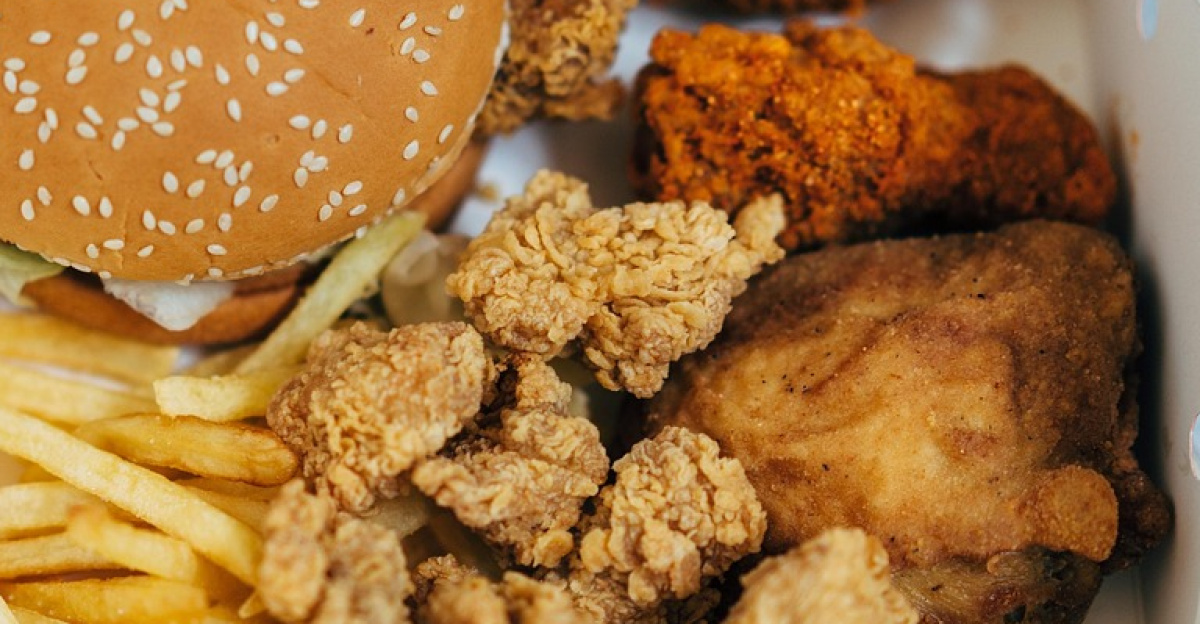
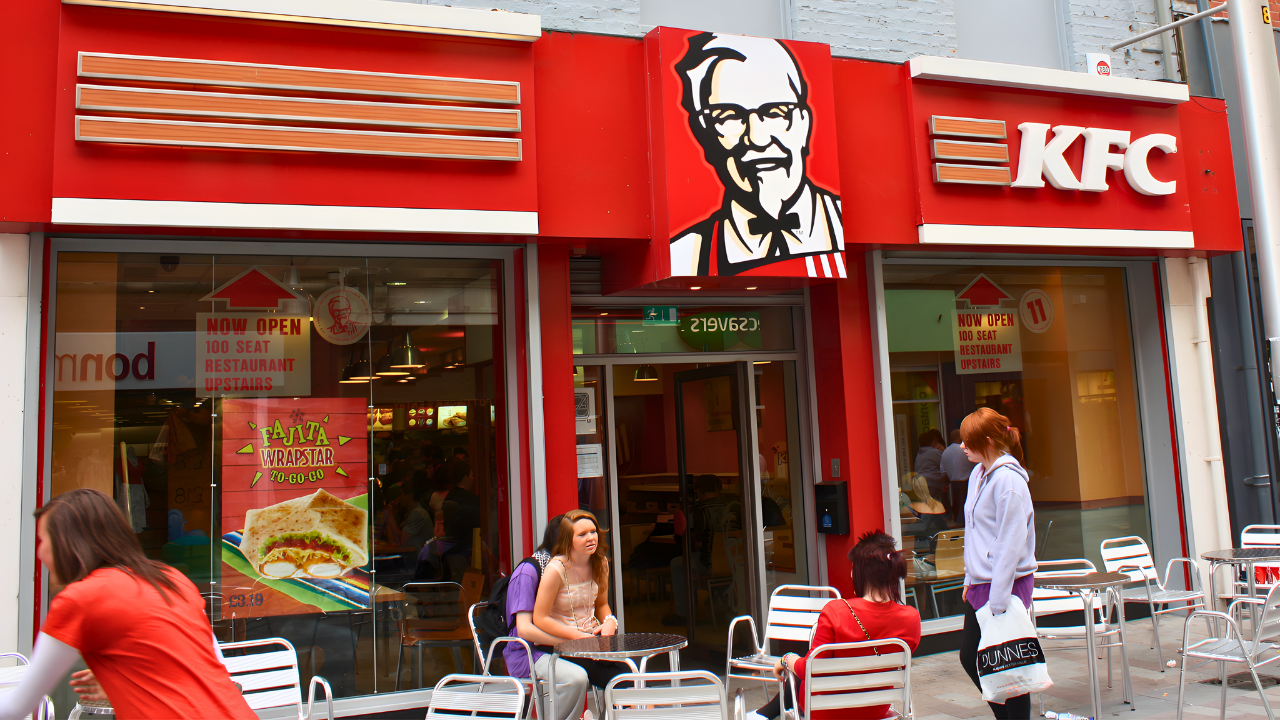
8. KFC — Customers report consistently greasy, fatty chicken, frequent product shortages, and side dishes like mashed potatoes perceived as instant mixes.
9. Golden Corral — Recent Trustpilot reviews cite lukewarm entrées, mushy vegetables, and sanitation concerns, including dessert fountains some diners say receive inadequate cleaning between uses. At least one customer reported illness after a visit.
10. Burger King — Ranks poorly in taste and consistency assessments, with complaints of weaker flavor, waxy aftertaste, and slower drive-through service compared to competitors.
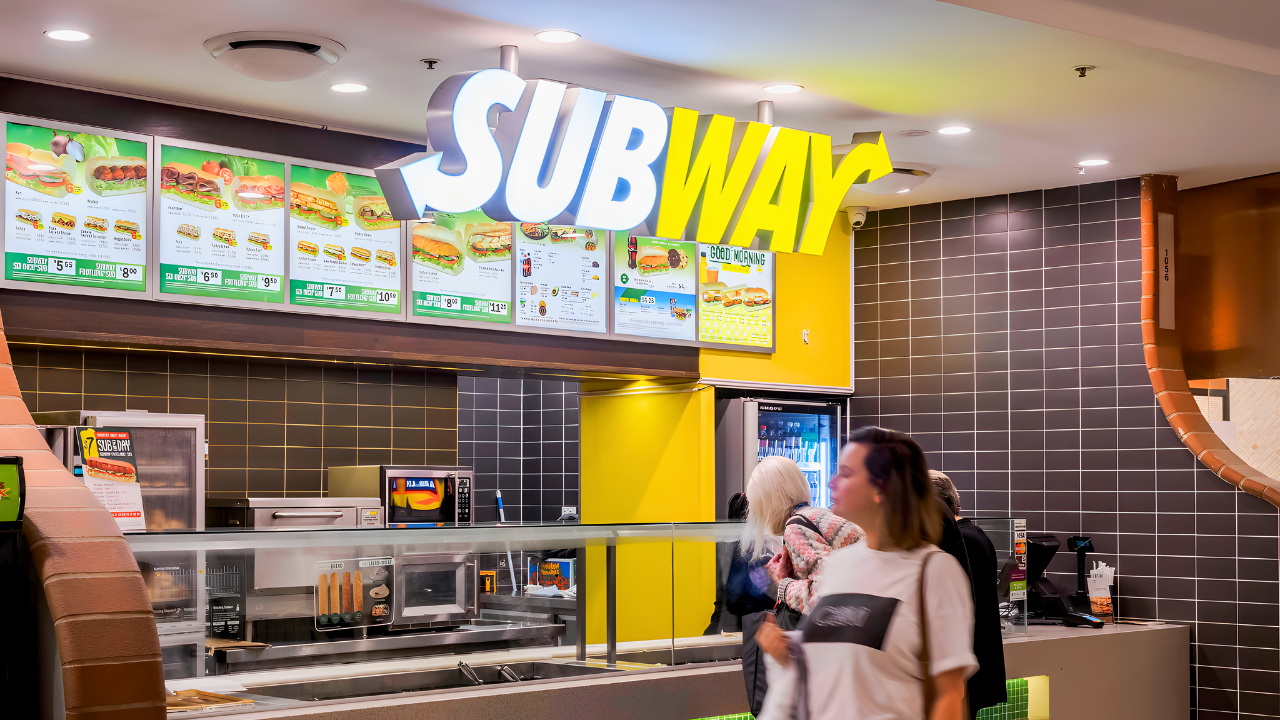
11. Subway — A 2017 DNA test by a Canadian broadcaster raised questions about chicken composition, reporting some items contained less than 60 percent chicken DNA and significant soy protein. Subway disputes those findings, stating its chicken contains only small amounts of soy, but the episode fueled broader skepticism about ingredients in heavily standardized chains.
12. Jersey Mike’s — Sub chain emphasizing sliced meats and made-to-order assembly has gained ground on Subway by promoting straightforward ingredients.
13. Chick-fil-A — Has cultivated loyalty in the fried chicken category that KFC struggles to match through narrower menus and consistent service.
Why Customers Are Walking Away
As the price-to-experience gap widens, diners shift spending. Independent delis compete effectively with Panera on portion and cost, while local pizza shops attract customers frustrated by Pizza Hut’s perceived dilution. These shifts reveal that when customers feel familiar brands cut too many corners, they don’t simply stay home—they seek alternatives offering better value, even at greater distance or slightly higher cost.
What Lies Ahead
These challenges highlight a broader inflection point for casual and quick-service dining. As 2026 approaches, operators face pressure from higher labor and ingredient costs while owners demand strong returns. When responses rely on frozen components, reduced staffing, and smaller portions without clear communication, trust erodes quickly. For diners and communities, stakes extend beyond individual meals—influencing local employment, independent competitor survival, and standards for acceptable everyday dining. Whether large chains reinvest in quality and service, and whether customers reward those efforts, will determine which brands stabilize, contract further, or are displaced by emerging alternatives.
Sources:
Restaurant Dive – “One Group Hospitality buys Benihana parent for $365M” (March 25, 2024)
USA Today – “Wendy’s to begin closing hundreds of stores” (November 7, 2025)
Trustpilot – Golden Corral Reviews (October 6, 2025)
Food Business News – “Pizza Hut to close hundreds of dine-in locations”
CBC Marketplace – “What’s in your chicken sandwich? DNA test shows Subway…” (February 27, 2017)
Morning Brew – “Panera’s baking a new plan to earn more bread” (November 19, 2025)