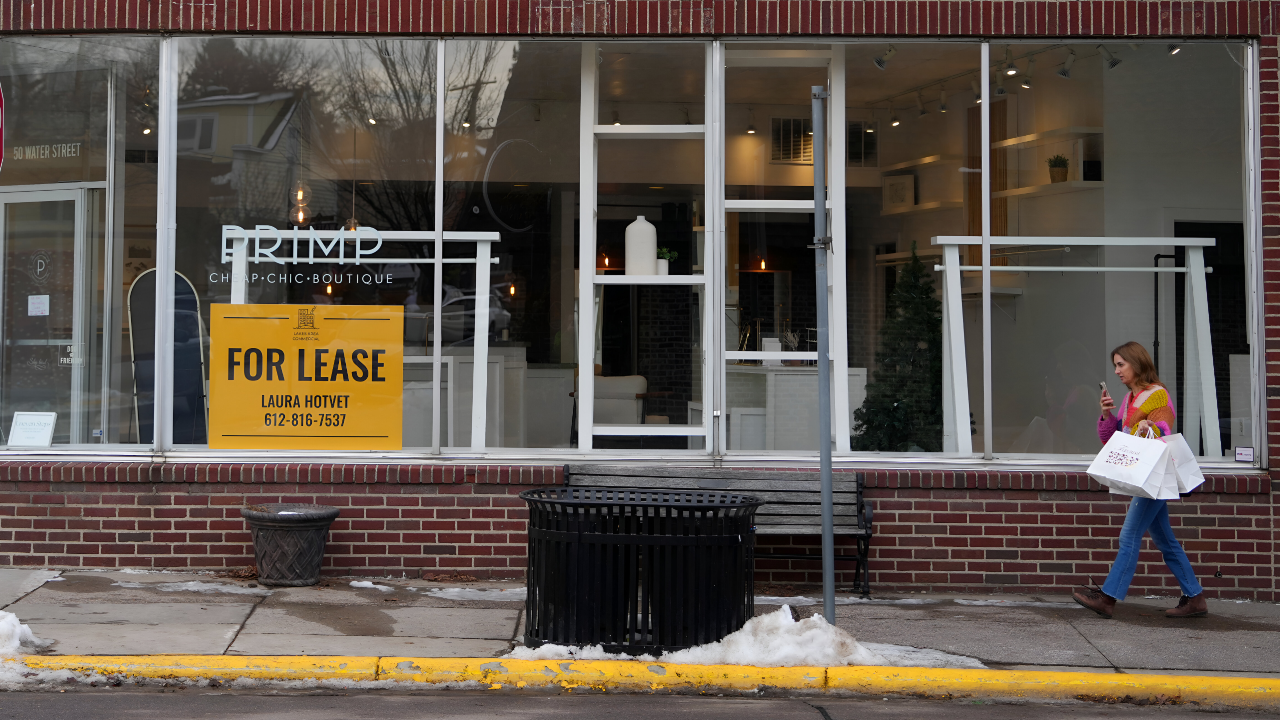
The final hours of the boutique were marked by a frantic push to clear out its remaining inventory. In a desperate three-day sale, the shelves emptied as shoppers rushed to grab the last items. But even as the store saw a surge of last-minute customers, the reality set in: it was over.
Years of mounting pressure—rising costs, shifting consumer habits—had led to this moment. The closure wasn’t just the end of a business; it marked the end of a beloved local institution. What caused this sudden downfall? And why did Small Business Saturday end up sealing its fate?
A Perfect Storm of Challenges
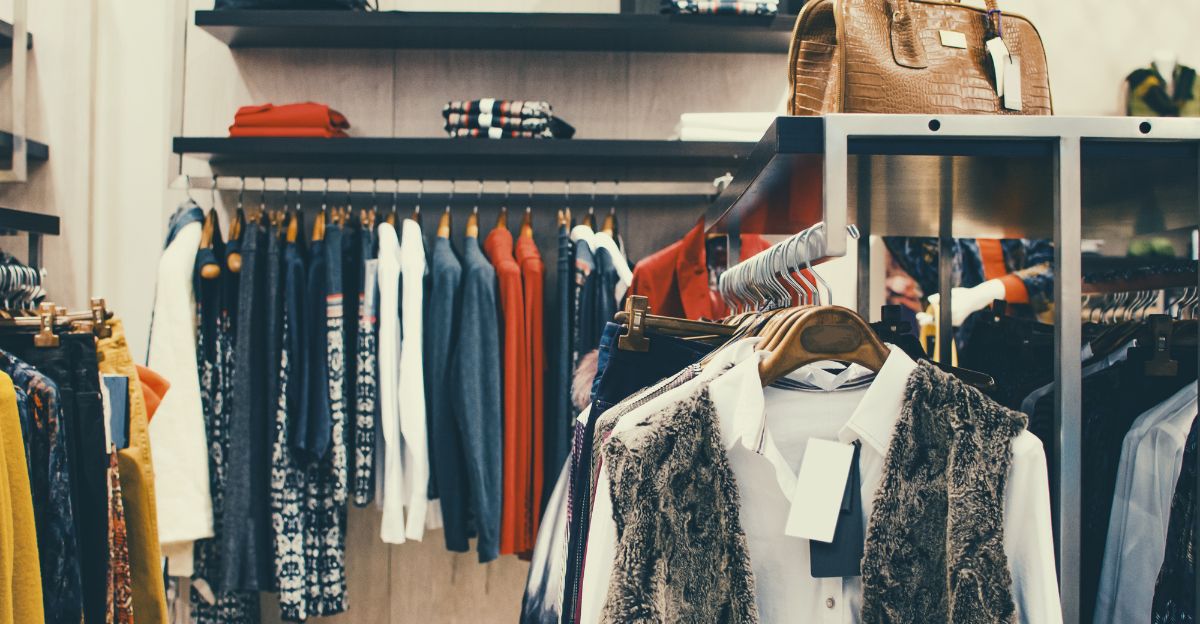
The boutique’s downfall was the result of a perfect storm. Rising operational costs, shifting economic conditions, and changes in consumer behavior all played a role.
Rising costs, changing tariff policies, and a shrinking middle class that pulled back on discretionary spending all contributed to the squeeze. As big-box retailers thrived, small businesses struggled to compete, especially as their core customer base shifted away from the boutique’s offerings.
A Promising Start

What began as a dream in 2010 quickly turned into a beloved destination for trendy, affordable fashion. Co-founders Wesley Uthus and Michele Henry opened the first store in St. Paul’s Cathedral Hill neighborhood, offering stylish clothing at prices that appealed to a wide range of customers.
Over the years, it grew to operate nine locations across the Twin Cities, Fargo, and South Dakota, becoming a favorite of many who sought a blend of luxury and affordability.
Unforeseen Struggles in 2025

By 2025, the boutique faced mounting financial challenges. Rising costs and changing tariff policies forced vendors to raise their prices, and with slim margins, the boutique struggled to absorb the increased costs. Smaller retailers like Primp often don’t have the same negotiating power as big-box chains to absorb these increases.
Meanwhile, larger retailers leveraged their size to offer competitive prices, further squeezing the boutique’s already tight operations. Despite efforts to adapt by adjusting inventory and store hours, the boutique couldn’t withstand the rapidly changing retail landscape.
The Final Blow—Small Business Saturday
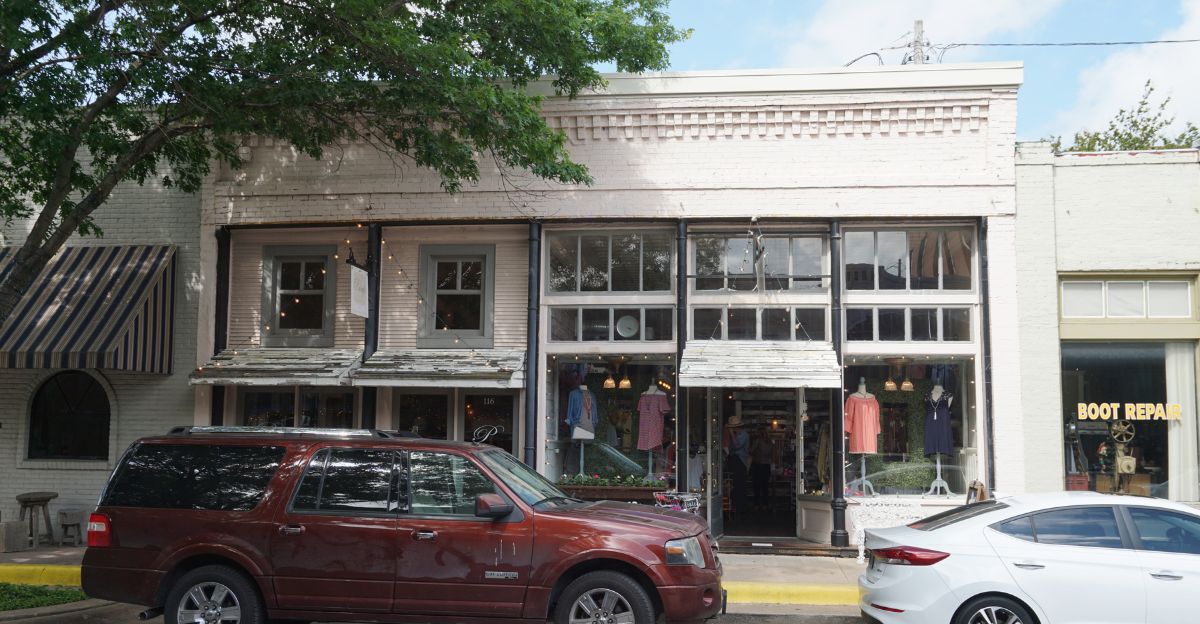
Primp Boutique’s fortunes took a decisive turn on Small Business Saturday, November 29, 2025. Despite efforts to draw customers in with promotions, the sales were “truly bad,” according to Uthus.
This day, which was intended to celebrate local businesses, became the nail in the coffin for Primp. The weak turnout made it clear that the store’s continued operation was no longer viable.
Impact of the Christmas Timing

Announcing its closure just days before Christmas, Primp left dozens of employees facing job loss during the holiday season.
The company completed its shutdown one week ahead of schedule, as inventory sold out faster than expected. For many of the staff, this abrupt ending came at the worst possible time, when securing new jobs was already challenging.
The Heartbreak of Closing a Dream
Founder Wesley Uthus expressed deep sadness over the closure. “Primp is like a limb to me,” she said. She made it clear that the decision was not an easy one, and that it wasn’t due to a lack of effort.
Uthus emphasized that she wanted to end the business honorably, treating both her employees and customers with respect as she shut the doors on her 15-year dream. She noted, “It’s really hard to be in retail at a nonluxury price point right now.”
Tariffs and Rising Costs
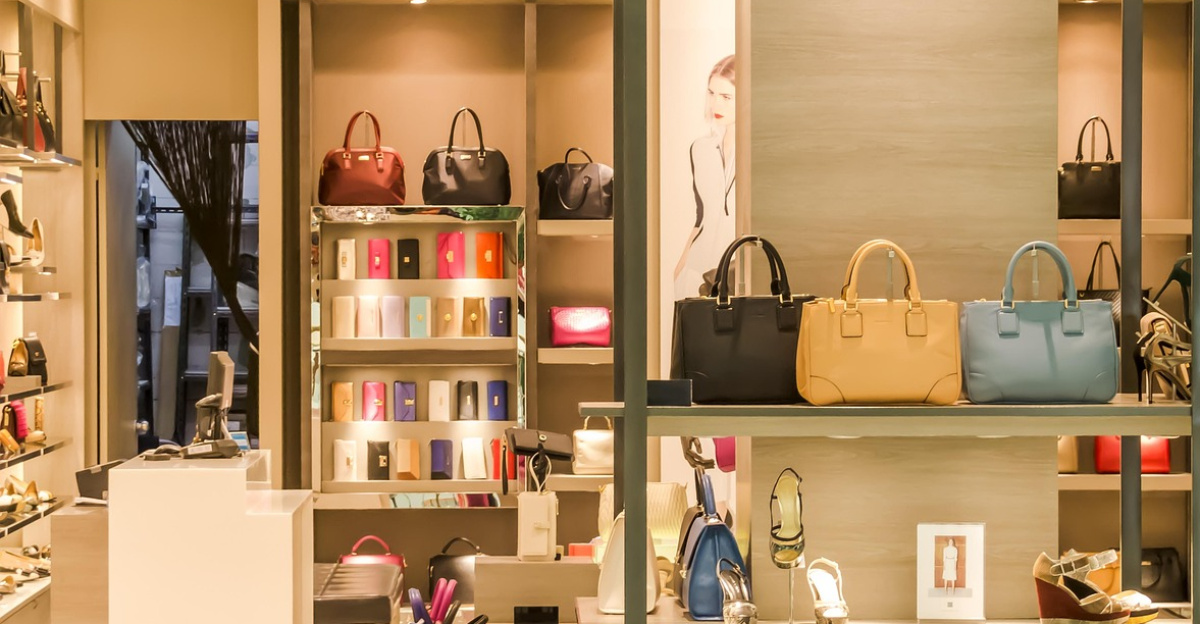
Primp’s closure was compounded by rising costs and changing tariff policies. Unlike larger retailers, Primp couldn’t pass these price hikes onto customers without losing its competitive edge. The boutique’s thin margins were further squeezed by increasing labor costs.
Smaller operations like Primp don’t have the leverage to negotiate better prices with vendors, leading to the eventual financial strain. These pressures became a central issue in Primp’s downfall.
The Job Loss Crisis
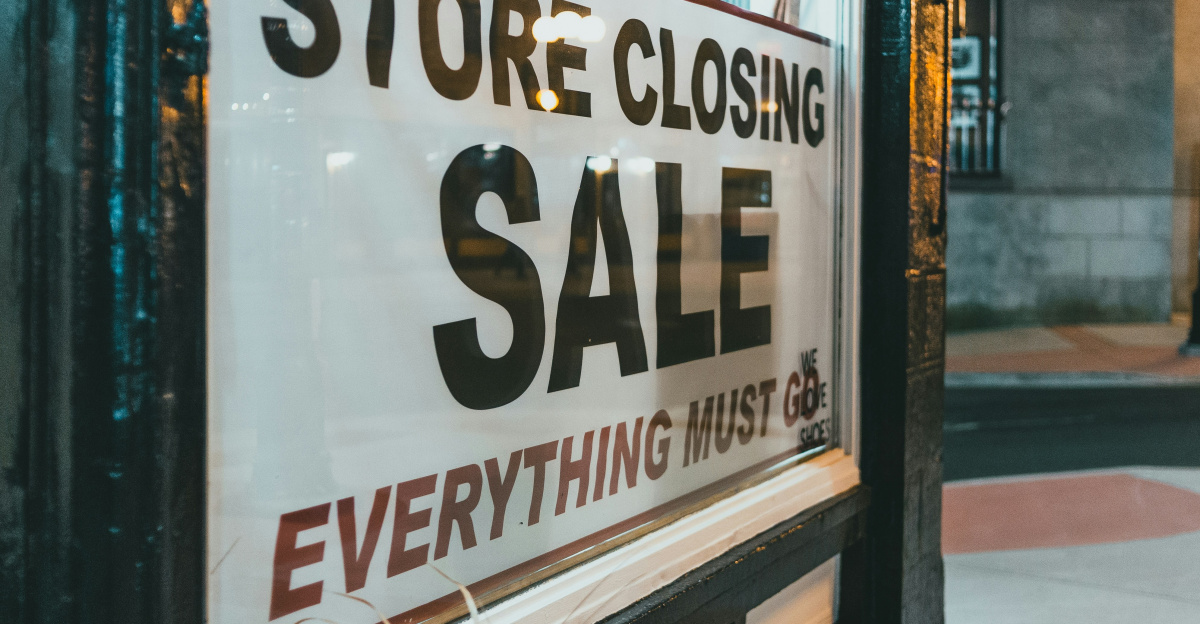
The retail industry, especially small businesses, has suffered tremendous job losses. In November 2025, small businesses with fewer than 50 employees shed 120,000 jobs—the largest one-month decline since May 2020—marking the worst one-month job loss in recent years.
Meanwhile, companies with 500 or more employees added nearly 40,000 positions. The figures underscore a stark shift in the job market, where smaller firms are increasingly unable to compete with larger corporations.
The K-Shaped Economy
The rise of a “K-shaped economy” has made it even harder for small businesses to thrive. Data shows that the wealthiest 20% of earners now account for more than half of all consumer spending. Meanwhile, the remaining 80% of Americans have seen their discretionary spending shrink due to rising costs for essentials.
This divide has disproportionately affected small retailers like Primp, which relied on a middle-income customer base. As Uthus observed while in the stores that weekend, “I was in the stores that weekend, listening to people, and I just felt like we’re not serving her anymore.”
Pivoting to Luxury?
Uthus considered shifting Primp’s offerings to a luxury-focused inventory to cater to affluent consumers. However, this would have alienated Primp’s core customer base—middle-income shoppers. She said the pivot “would have priced out many of Primp’s existing customers who were already feeling the pinch.”
Even with this potential pivot, Uthus realized that Primp’s founding values didn’t align with a luxury market. The affordable boutique model, which had served Primp so well in the past, could no longer meet the needs of the modern consumer.
Competing with Convenience

Consumers’ growing preference for convenience has made it difficult for independent boutiques like Primp to survive. With major retailers like Target and Walmart offering same-day delivery, curbside pickup, and increasingly efficient service—including drone delivery pilots in select markets—small businesses struggle to keep pace.
Uthus noted that many shoppers were “opting for convenience over customer service.” Primp’s ability to offer personalized service couldn’t compete with the speed and convenience of larger retailers.
A Shrinking Customer Base

As inflation continued to rise, Primp’s middle-income customer base started to shrink. During crucial shopping periods, such as Small Business Saturday, Uthus noticed fewer shoppers showing up.
The loyal customers Primp had once catered to were now cutting back on discretionary spending, making it difficult for the boutique to maintain its sales.
The Personal Toll on Uthus

For Uthus, the decision to close Primp wasn’t just business—it was deeply personal. Starting the business without any entrepreneurial background, she had poured her heart and soul into growing Primp into a beloved local brand.
She opened Primp shortly after graduating from the University of Minnesota with a degree in clothing design. The closure was an emotional one, but Uthus prioritized doing it quickly and transparently to minimize the negative impact on both employees and customers.
The Retail Apocalypse

Primp’s closure is part of a much larger retail crisis. While major retailers continue to face challenges, the difficulties for small businesses are exacerbated by thin margins and lack of brand recognition.
For these smaller players, like Primp, the ongoing challenges are insurmountable without significant changes to both economic conditions and consumer behavior.
Trade Policy’s Role in the Collapse
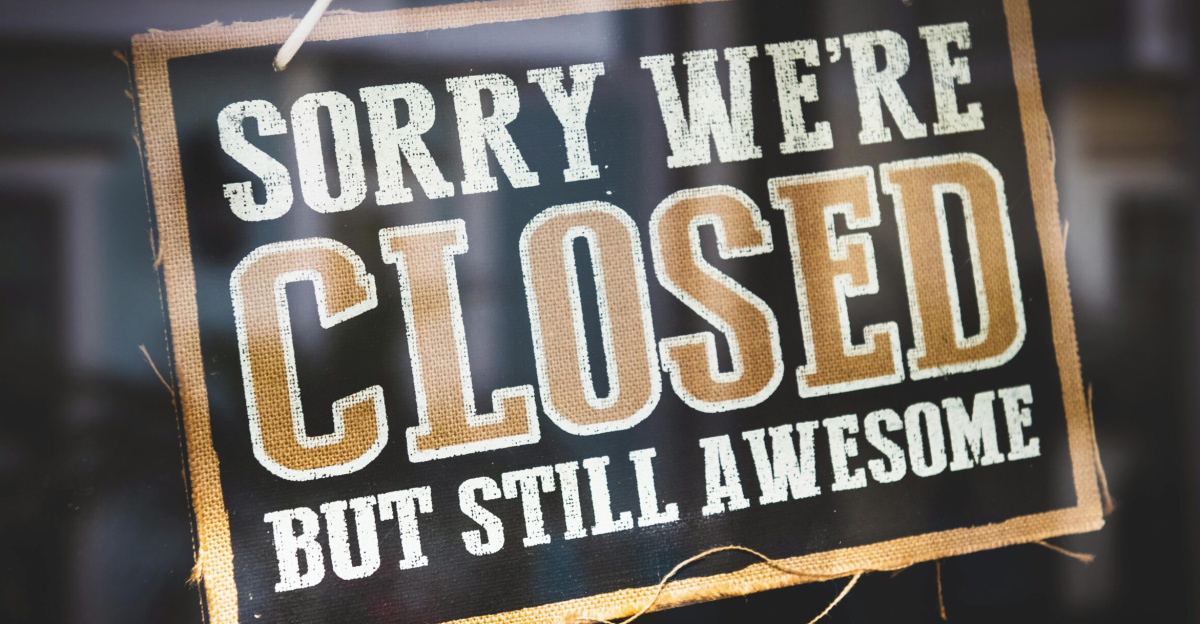
Rising costs and changing tariff policies played a key role in Primp’s closure, underscoring the challenges faced by small businesses.
Larger retailers with access to greater resources could absorb tariff-driven cost increases more easily, but Primp and other small boutiques couldn’t pass the financial burden onto customers without losing their price-conscious customer base. These policy-driven cost pressures have left many small retailers struggling to survive.
The Erosion of the Middle Market

Primp’s closure is a clear indicator of the ongoing erosion of the middle market. Once a thriving sector of the retail world, affordable boutiques are disappearing as affluent consumers flock to luxury brands and budget-conscious shoppers turn to mass-market retailers.
This hollowing out of the market is increasingly affecting the viability of small retailers who once thrived on catering to the middle-income consumer.
Changing Consumer Habits

Younger consumers have shifted their focus to fast-fashion chains and online marketplaces, further leaving traditional boutiques behind.
The shift in shopping habits is pushing the independent boutique further into extinction.
A Template for Retail Closures

Primp’s rapid closure could serve as a model for other struggling retailers facing similar economic pressures.
As the holiday season approaches, more small businesses may choose to liquidate their inventory and shut down before year-end, rather than waiting until the New Year. This could lead to an increase in retail closures during a time when finding new employment is challenging.
A Larger Warning

The closure of Primp Boutique isn’t just about one store closing its doors. It’s a wake-up call for the future of small businesses in America.
As the economy becomes increasingly polarized and middle-class consumers pull back on spending, businesses like Primp—once the cornerstone of Main Street America—are becoming a rarity. This shift is a crisis that threatens to change the retail landscape forever.
Sources:
“Primp Boutique, known for curated, affordable women’s clothing, closes its doors.” The Minnesota Star Tribune, 18 December 2025.
“U.S. economy is being driven by the wealthy, could face recession if…” Fortune, 17 September 2025.
“The Strategic Impact of 2025 Trade Tariffs on Small Businesses: A Framework for Creative Resilience.” THE/STUDIO, 2025.
“Small businesses cut 120000 jobs in November, ADP says.” Yahoo Finance, 3 December 2025.