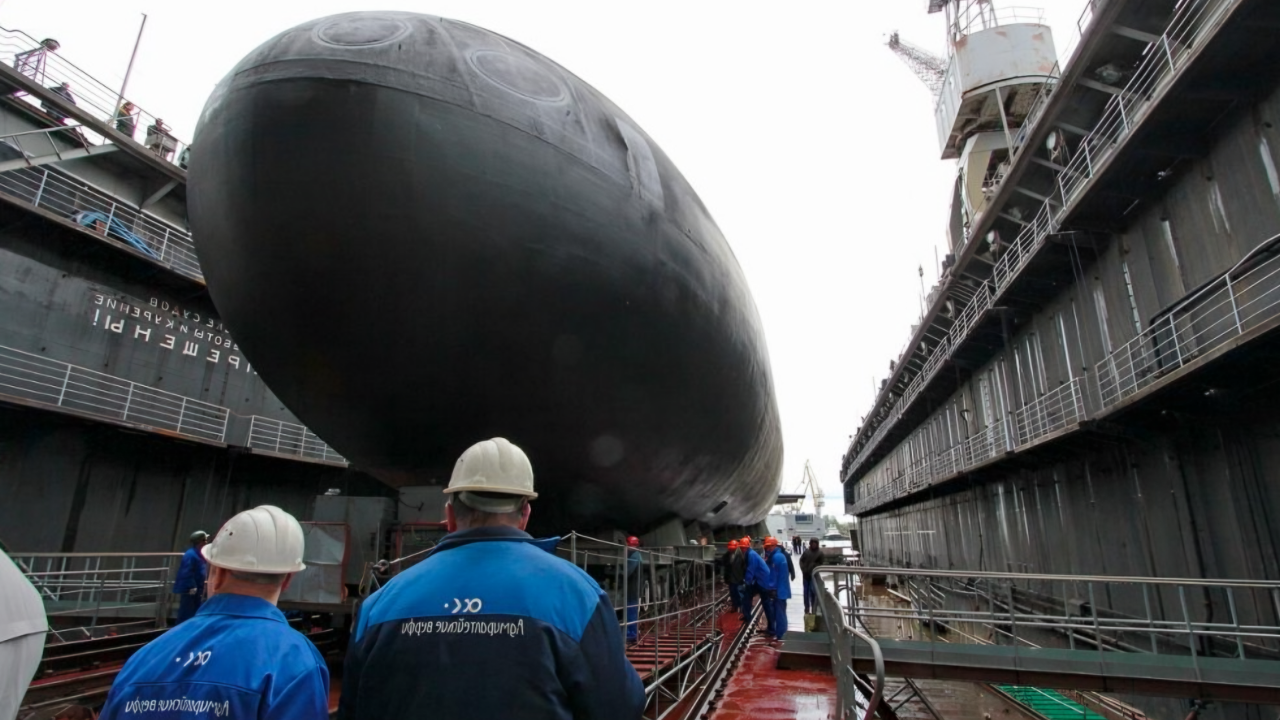
In July 2025, Russian President Vladimir Putin proudly added a new nuclear submarine, the Knyaz Pozharsky, to the country’s fleet. He celebrated it as proof that Russia could still build powerful weapons despite Western sanctions. But the celebration didn’t last long. Only days later, Ukrainian cyber experts managed to hack into Russian military networks. They stole and leaked secret documents that revealed the submarine’s technical details, including its design, systems, and crew information.
This incident rattled Moscow, not just because of the embarrassing data loss, but also because it exposed one of Russia’s most important nuclear assets to Western intelligence agencies. What seemed like a symbolic victory at sea quickly turned into a major setback for Russia’s military secrecy and security.
Why These Submarines Are So Important
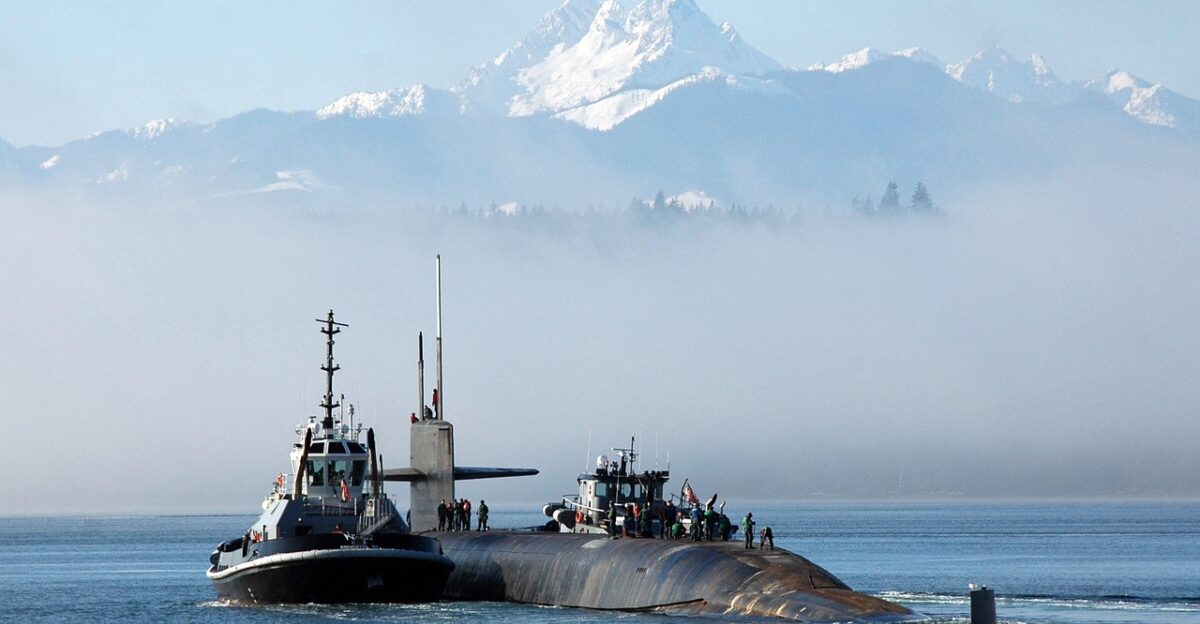
The Knyaz Pozharsky belongs to the Borei-A class, Russia’s newest generation of nuclear submarines. These submarines are key to the country’s nuclear deterrence strategy. Hidden for months at a time beneath Arctic ice, each can launch up to 16 Bulava missiles, each carrying several nuclear warheads. This means a single submarine could strike cities thousands of kilometers away in the U.S. or Europe if a full-scale war ever began.
Russia currently has five Borei-A submarines, which make up about one-third of its sea-based nuclear forces. They are built for quiet operation, equipped with advanced sensors, and designed to avoid detection by NATO’s sonar systems. Inside, the submarines have thick steel shells divided into multiple watertight sections, allowing them to survive fires or explosions. With more than 100 crew members, they rely on highly automated systems that let them function for long missions under the ice.
However, new submarines are most vulnerable right after they are launched. During “shakedown” trials, when crews test systems and learn procedures, there is heavy sharing of technical data between engineers and officers. Cybersecurity can often be sloppy during this stage, and Ukraine took advantage of that.
How the Hack Unfolded and What It Revealed
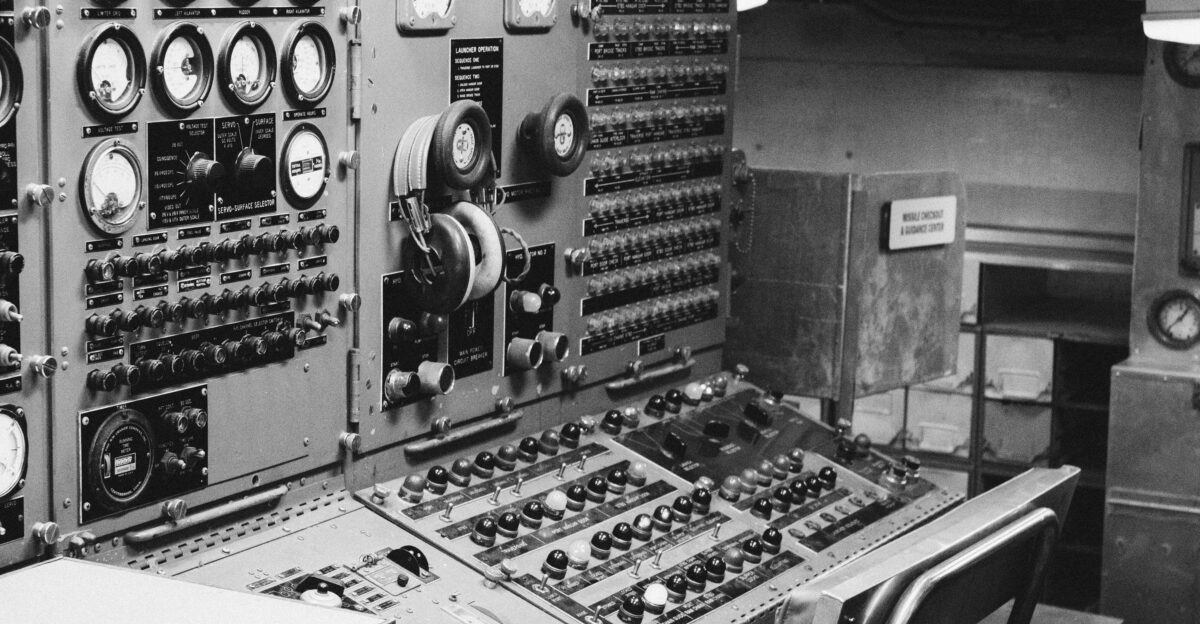
In late July 2025, as the Knyaz Pozharsky began testing at sea, Ukrainian and allied hackers started probing Russia’s Northern Fleet networks. They found weaknesses in Russia’s centralized computer systems, which store vast amounts of classified information. Then, on August 3, Ukraine’s military intelligence agency, known as HUR, publicly announced it had breached Russian naval databases. The hackers released scanned files that included detailed engineering diagrams, crew rosters, internal wiring maps, and communication protocols.
These leaks gave the world a rare look inside one of Russia’s most secretive weapons. The files showed how the submarine’s internal systems are arranged, how power and command lines connect, and even how the crew trains for emergencies. Western military analysts said the documents revealed “blueprints of weakness,” letting opponents understand exactly where the submarine might fail or be detectable.
The leak also appeared to include information not just about the Knyaz Pozharsky, but about all Borei-A class submarines. Since these vessels share a common design, exposing one ship’s vulnerabilities meant compromising the whole class. NATO experts quickly analyzed the data, comparing it with sonar readings and satellite images to refine their models of how Russia’s submarines move, sound, and operate underwater.
Global Ripple Effects and Russia’s Costly Dilemma
The fallout was huge. A single Borei-A submarine costs between $1 and $2 billion, and building all five has cost Russia close to $10 billion. Although the hack didn’t physically damage the submarines, it made them far less secure. Now, Russia must spend even more money to redesign control systems, retrain crews, tighten digital protections, and possibly delay missions, all while its rivals gain an advantage.
For NATO countries, the leaked data was a quiet victory. Without firing a shot, Ukraine had provided intelligence that U.S. and European analysts could use to strengthen defenses and tracking technology. Western naval teams have reportedly integrated the new knowledge into exercises in the Arctic and North Atlantic. This marks a new kind of warfare, one fought not with missiles, but with information.
Inside the Kremlin, investigations began immediately. Military and intelligence officials desperately searched to find out how long hackers had been inside their systems and which other networks might be compromised. Reports from European cybersecurity agencies said Moscow began tightening security measures and even moving some sensitive systems offline, showing how seriously it took the breach.
In political and psychological terms, the hack was a blow to Russia’s pride and an inspiration for Ukraine. It proved that even Russia’s most advanced, supposedly invulnerable weapons could be reached, exposing the limits of its security and surveillance. For the world’s other major powers, it was a warning: digital threats now pierce even the deepest waters.
The Arctic may still be frozen, but the secret war between cyber intelligence and military technology is heating up fast. Global navies will now have to rethink how to protect their most valuable vessels—not just from torpedoes, but from invisible attacks through the internet.
Sources:
National Security News, “Ukrainian intelligence agency steals Russian nuclear sub secrets in a cyber attack,” 5 August 2025
CERT-EU, “Cyber Brief 25-09,” 1 August 2025
United24 Media, “Ukraine Gains Secrets of Russia’s Newest Nuclear Sub ‘Knyaz Pozharsky’,” 2 August 2025
Business Insider, “Ukraine Stole Intel, Found Russian Submarine Weak Points,” 4 August 2025
CSIS, “Russia’s Shadow War Against the West,” 17 March 2025
Army Recognition, “New Nuclear Submarine Knyaz Pozharsky Projects Russian Nuclear Power into Arctic,” 4 November 2025