In September, one of the nation’s largest renewable energy firms filed mysterious layoff notices with state labor departments across multiple states. More than 500 workers received warnings about impending job cuts. The engineering subsidiary didn’t explain why or provide context. At first, nobody connected the dots or understood the deeper implications.
Industry watchers sensed trouble brewing but remained publicly silent, waiting for clarity. The company’s executives said nothing publicly, maintaining strict radio silence. For weeks, the real situation stayed hidden behind corporate quiet and carefully managed messaging.
Behind Closed Doors: Debt Shadows Grow
Across Wall Street trading floors and energy finance circles, whispers began circulating about trouble. A company that had just closed a $300 million loan from Brookfield Asset Management months earlier—was facing unexpected headwinds that threatened its operations. Interest rates climbed higher than financial models had anticipated.
Project timelines stretched beyond original projections. Capital commitments from new investors dried up faster than expected, leaving gaps in funding.
The Perfect Storm Builds
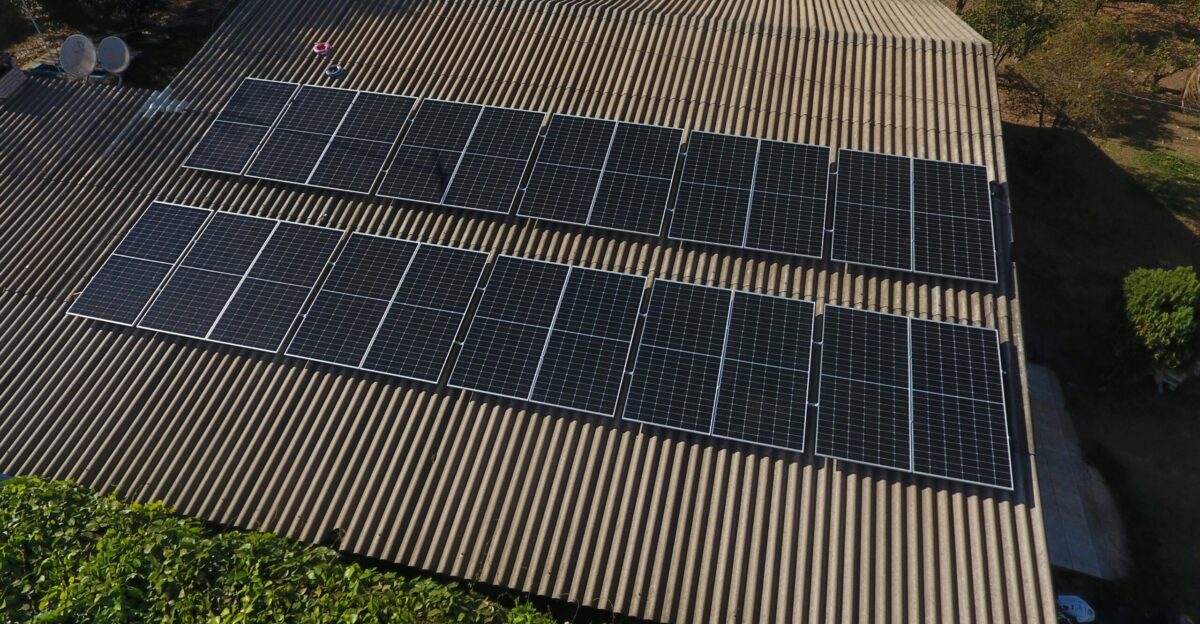
The clean energy sector had been riding high on optimism and cheap capital for years. Solar installations boomed across the country. Federal tax credits flowed generously to developers. Banks eagerly financed massive projects without hesitation. Then the environment shifted dramatically—policy uncertainty, regulatory changes, tariffs, and soaring interest rates converged.
What worked brilliantly in 2024 became economically toxic in 2025. Companies that had leveraged growth at every turn suddenly faced brutal margin compression and investor panic.
Voices Break the Silence
In early November, energy analysts and market watchers noted something ominous developing across the sector. They publicly discussed “deep vulnerabilities” emerging in the balance sheets of clean energy companies. They warned of a “liquidity crisis” spreading rapidly through the entire sector like wildfire.
Sunnova Energy had already collapsed, resulting in 700 devastating layoffs. SunPower had filed for bankruptcy months before. Solar Mosaic went under without warning. But Pine Gate—with 2 gigawatts of operating capacity, serving 38 states, and holding $10 billion in project financing—seemed too big, too established, and too connected to fail like smaller players.
The Announcement That Changed Everything
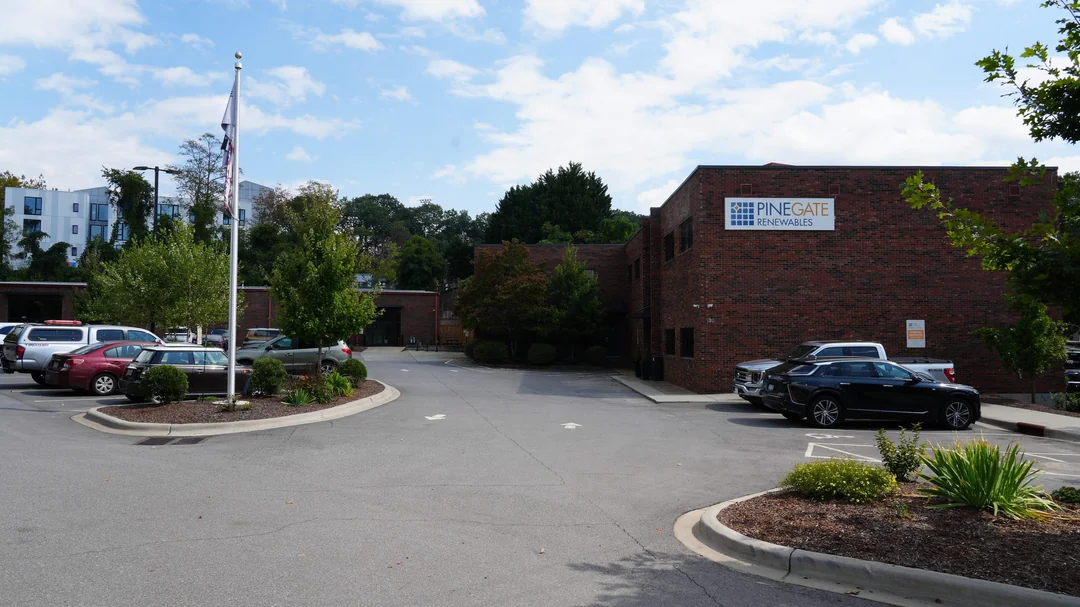
On November 6, Pine Gate Renewables went public with its announcement, following weeks of speculation. The company filed for Chapter 11 bankruptcy protection in federal court. CEO Ben Catt released a carefully worded statement attempting to control the narrative: “To ensure that our projects continue generating renewable energy, we made the strategic decision to commence this court-supervised sales process.”
Translation for those reading between the lines: the company was selling itself to survive. The renewable energy giant had stumbled, and the entire industry took notice immediately.
A $10 Billion Company Files for Chapter 11
Pine Gate Renewables, founded in 2016 during the solar boom, had grown into one of America’s largest solar and storage developers in less than a decade. The company operated over 2 gigawatts of completed projects generating power daily, managed another 7 gigawatts for other firms, and boasted a development pipeline exceeding 30 gigawatts of future capacity.
It had raised approximately $10 billion in project financing and capital investment from major institutional backers. Now it was filing for bankruptcy protection and putting itself up for auction, subject to competitive bidding.
900 Jobs Now Hang in Balance
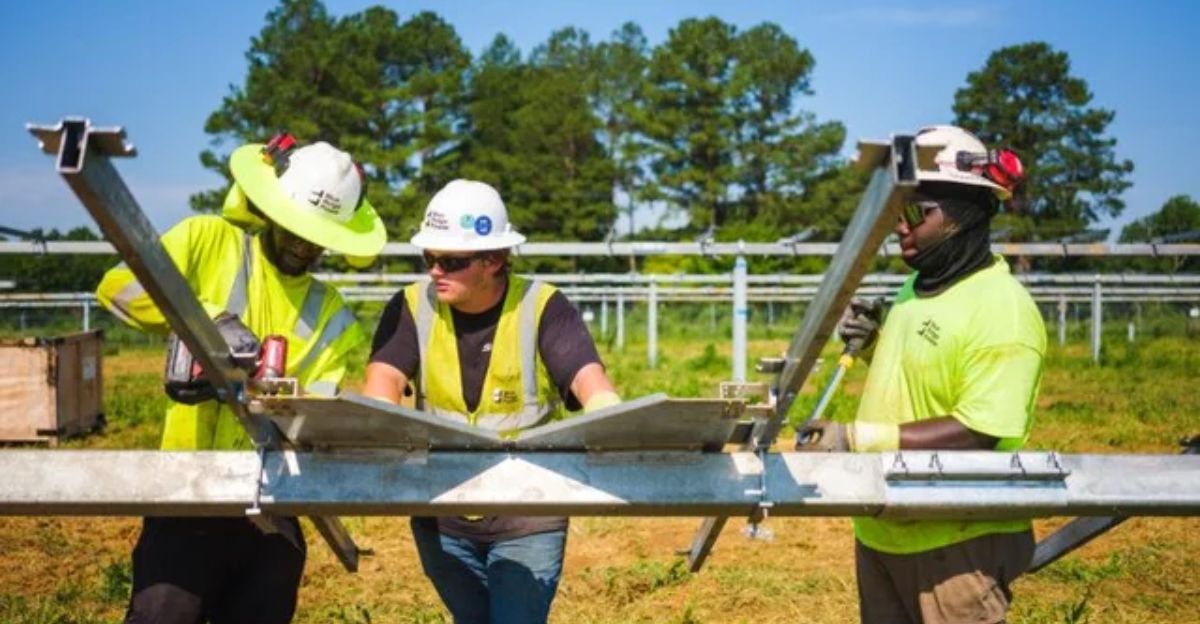
The bankruptcy filing carried an immediate and devastating human cost for workers and their families. Blue Ridge Power, Pine Gate’s engineering subsidiary, had already warned more than 500 employees about potential November layoffs through official WARN notices. Industry sources and labor filings confirmed that another 400 positions across various divisions are at immediate risk of elimination.
The company operated facilities across 38 states and maintained more than 100 solar installations nationwide. Contractors, engineers, electricians, project managers, and support staff now faced profound uncertainty about their futures.
The Sale Clock Starts Ticking
Pine Gate announced a compressed 45-day auction process to move quickly and preserve asset value. Competing bidders would make offers for “substantially all” of the company’s assets and ongoing operations. Existing lenders agreed to serve as “stalking horse bidders”—essentially holding minimum bids to establish a floor price.
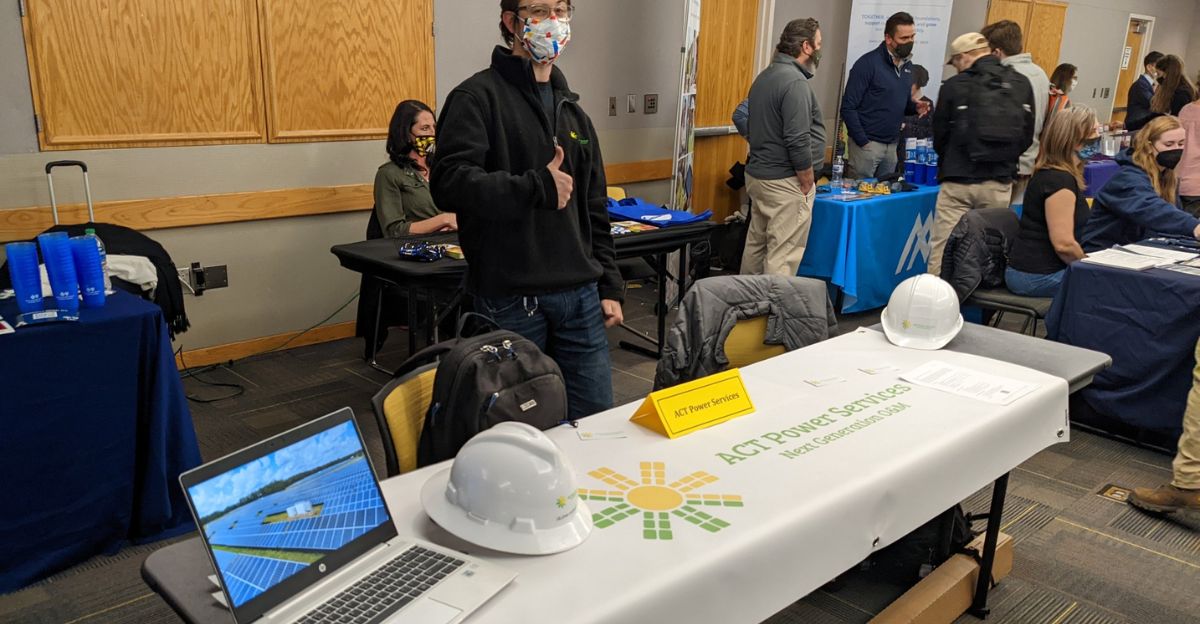
The company’s operations and maintenance subsidiary, ACT Power Services, which manages 7 gigawatts of third-party solar assets, was being marketed separately as a standalone entity. The race to acquire Pine Gate and its valuable renewable energy portfolio had officially begun, with major players circling.
How a Giant Stumbled This Far
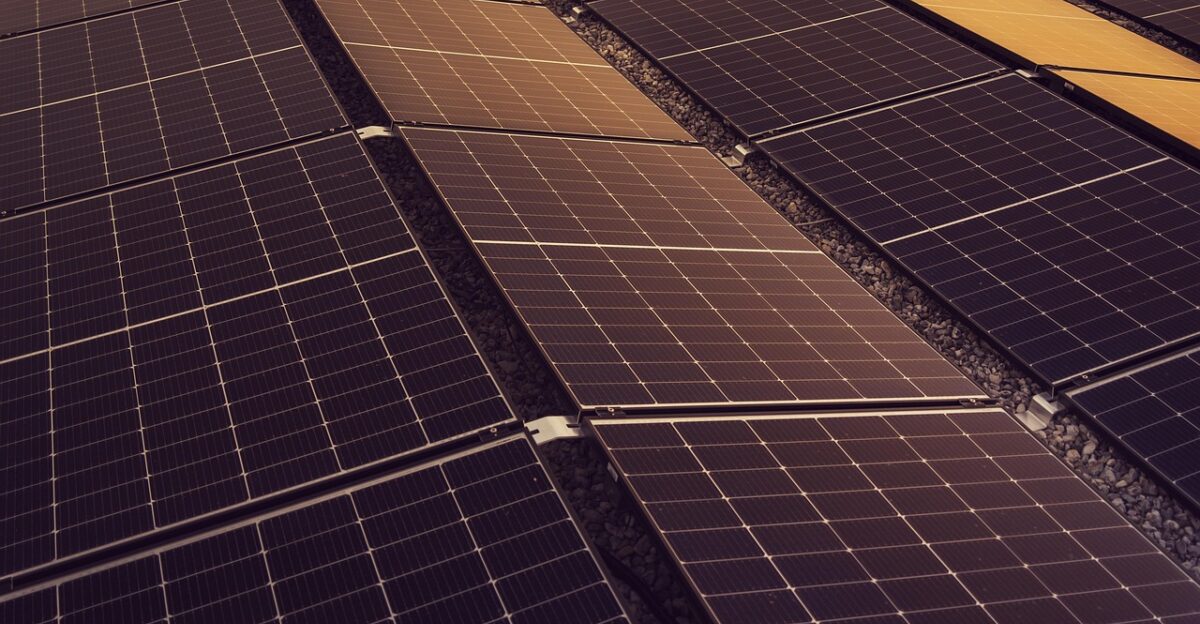
The company itself explained the collapse in carefully understated corporate terms that revealed little. “Like many others in the renewable energy sector, our business has been impacted by factors beyond our control, including evolving regulatory and capital market environments. We have also faced challenges internally that constrained our resources.”
Translation for anyone reading the corporate language carefully: the world changed faster than Pine Gate could adapt, and internal mismanagement compounded external pressures. The combination proved lethal to the company’s growth trajectory and financial stability.
Policy Headwinds Turned Into a Hurricane

The Trump administration’s policies had begun systematically rolling back the Inflation Reduction Act tax credits that fueled the explosive growth of solar energy. New permitting rules made project approval processes significantly slower and more complex. Solar tariffs added substantial costs to material imports from overseas manufacturers. The proposed “One Big Beautiful Bill Act” tightened regulations around solar development on federal lands.
What had been a powerful tailwind for renewables became a direct headwind slowing progress. Industry forecasters now predict that solar installations may decline by 1% annually through 2035, reversing years of optimistic projections and growth expectations.
Interest Rates Crushed the Growth Model

When the Federal Reserve raised interest rates aggressively from near-zero to 5.25%-5.5%, it shattered the financial model that had sustained Pine Gate’s aggressive expansion strategy. Solar developers rely heavily on low-cost capital to finance expensive construction and land acquisition. Higher rates resulted in significantly higher financing costs for new projects under development. Existing projects became less profitable as debt service payments consumed margins.
Pine Gate had pursued aggressive growth through heavy borrowing and leverage. The math no longer worked economically, and refinancing options disappeared as lenders became cautious about their exposure to renewable energy.
The Broader Collapse Deepens
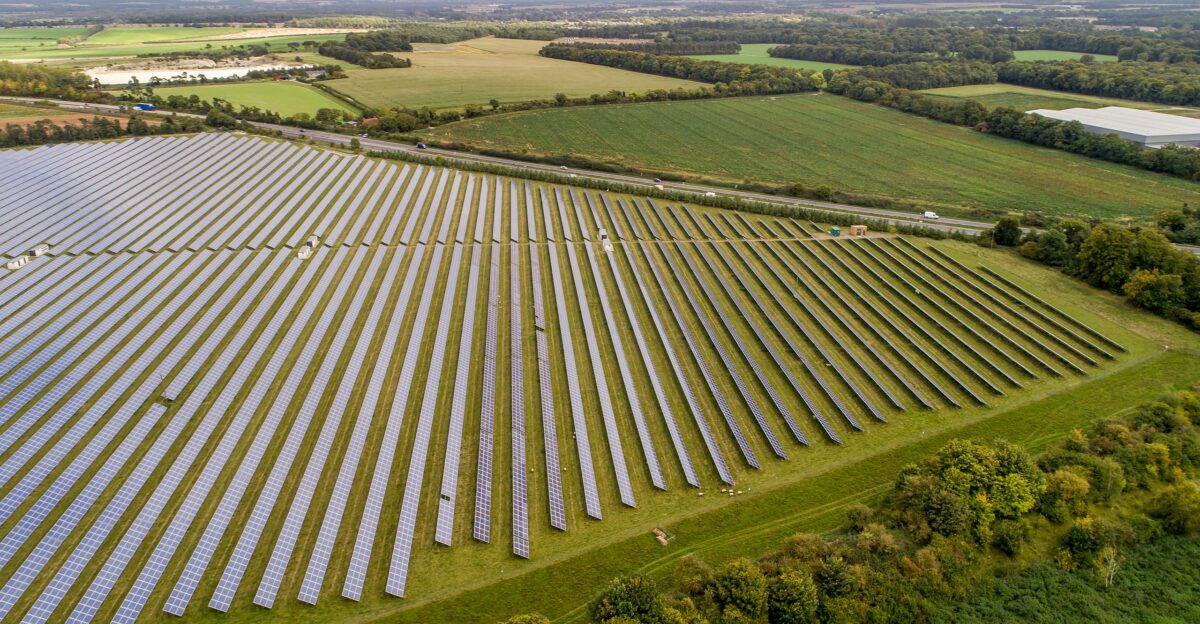
Pine Gate wasn’t an isolated case or unique failure in the renewable energy landscape. A wave of mega-bankruptcies swept through clean energy companies throughout 2025, shocking investors.
Firms shut down overnight without warning, leaving customers with incomplete installations and no recourse. The industry was contracting fast.
What About the Power Plants?
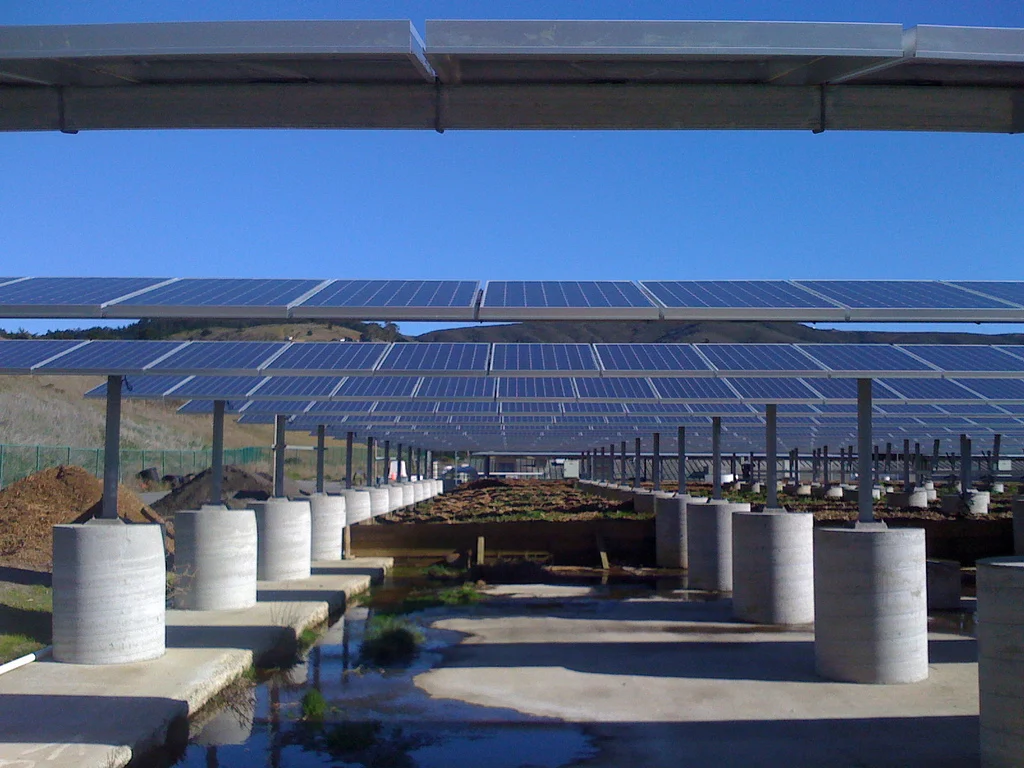
Pine Gate’s existing solar and storage facilities will continue to operate and generate power throughout the bankruptcy process without interruption. The company has secured debtor-in-possession financing commitments from existing lenders to maintain ongoing operations.
Power wouldn’t stop flowing to customers or utilities relying on Pine Gate’s generation. But the critical question remains unanswered: who would ultimately own and control these strategic energy assets after the sale?.
The Buyers Are Already Circling

A 30-gigawatt development pipeline was gold for anyone with sufficient capital and long-term vision to complete projects. Distressed asset sales often resulted in significant discounts compared to fair market value under normal conditions.
Major industry players sensed an opportunity—even amid uncertainty and sector turbulence. Investment bankers were fielding calls from potential bidders. The bankruptcy auction was shaping up to be genuinely competitive, with multiple serious contenders preparing bids.
A Chief Restructuring Officer Steps In

To manage the complex bankruptcy process professionally and efficiently, Pine Gate appointed Mark Rajcevich, a managing director at Alvarez & Marsal with over 20 years of financial restructuring and energy industry experience.
His job description was clear: move through Chapter 11 proceedings as efficiently as possible, maximize asset valuations for creditors, preserve ongoing operations and employee morale, and execute the aggressive 45-day sale timeline without delays.
Creditors and Lenders Face Massive Losses
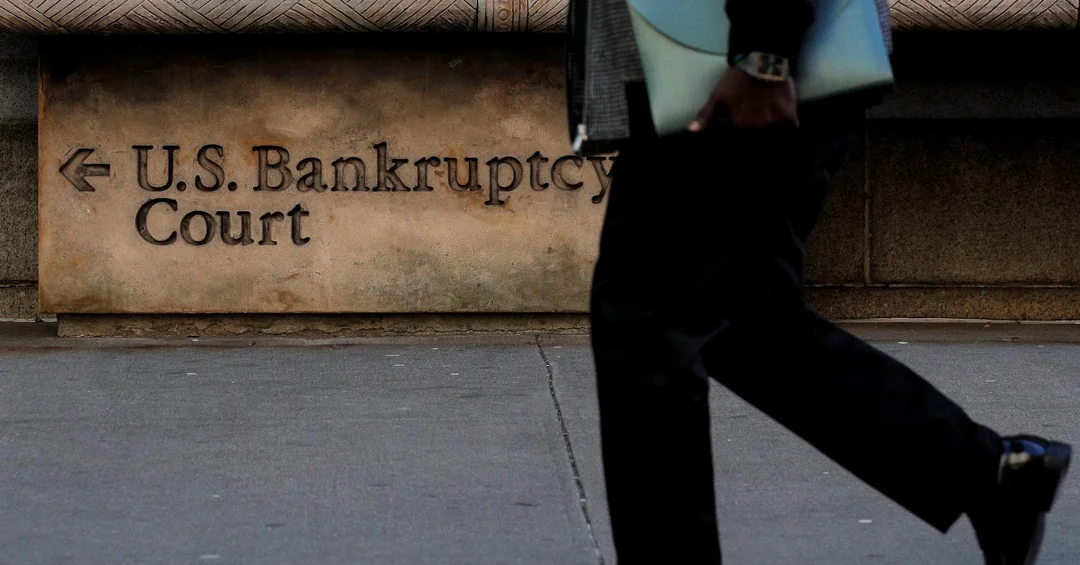
The bankruptcy court filing revealed Pine Gate carried between $1 billion and $10 billion in both assets and liabilities—a massive exposure. Unsecured creditors—suppliers, contractors, smaller investors without collateral—stood to take significant losses and write-downs.
The court filing indicated that funds might eventually be distributed to unsecured creditors through a plan, but the timeline remained unclear, and the amounts would depend on the final sale prices.
Congress Wants Answers
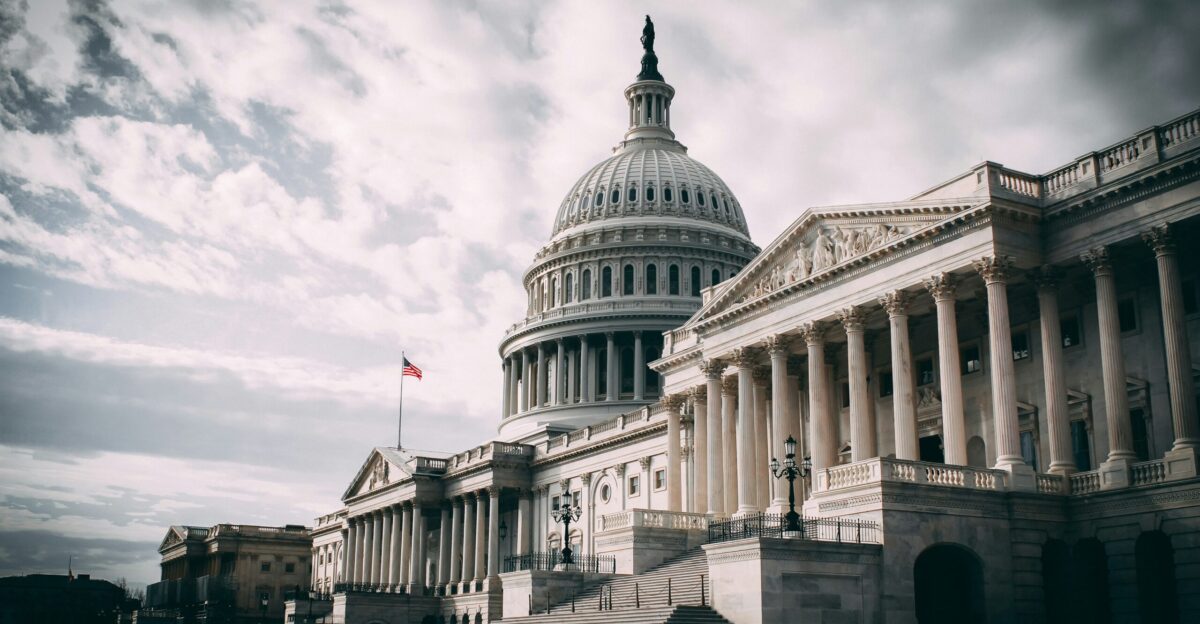
The Pine Gate collapse and broader crisis in the renewable energy sector haven’t gone unnoticed on Capitol Hill among lawmakers. Some members of Congress have begun calling publicly for investigations into the wave of renewable energy bankruptcies and their implications for U.S. energy security, grid reliability, and employment.
The hearing calendar may soon be filled with testimony from the energy sector crisis. Republicans and Democrats both want answers about taxpayer exposure through loan guarantees to failing companies.
Industry Analysts Warn: More Failures Coming
Industry analysts and energy sector consultants are now openly discussing the likelihood of additional major bankruptcy filings before the end of the year. The sector is facing a fundamental reassessment of its business models and growth strategies.
Companies that grew too fast, borrowed too much, and banked on consistent policy support were particularly vulnerable to failure. Pine Gate became the cautionary tale and warning for others.
What This Really Means for America’s Energy Future
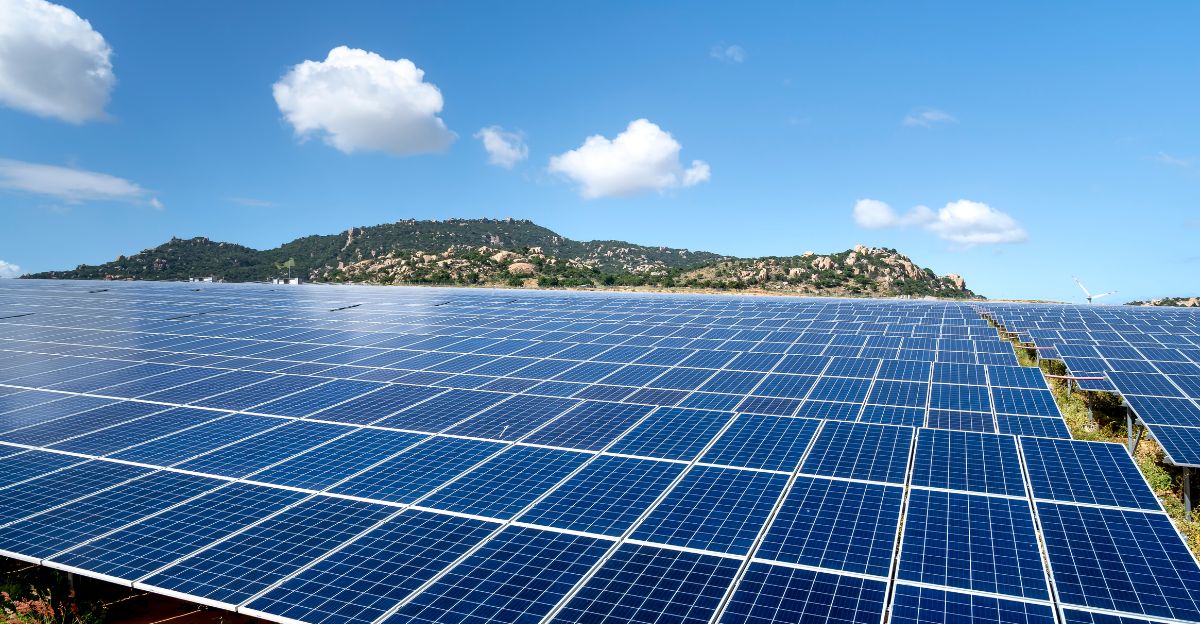
The collapse of a $10 billion energy developer serving 38 states signals something far larger than simple corporate mismanagement or bad luck. It reflects deep structural vulnerabilities in American renewables, the fragility of growth models dependent on cheap capital and favorable policy, and the stunning speed at which industry momentum can reverse direction.
The era of easy renewable energy growth, fueled by near-zero interest rates and bipartisan policy support, may have come to an end permanently.
The Pine Gate Reckoning: What Happens Next

As the 45-day auction clock ticks forward, the renewable energy industry watches with bated breath to see which buyer will emerge victorious and what that outcome signals for the broader sector. Will a major utility company acquire the assets to expand its clean energy portfolio? Will private equity swoop in, seeking quick profits?
The answer will shape renewable energy markets for years. Meanwhile, workers await news, creditors calculate losses, and policymakers grapple with questions about whether government support for clean energy went too far or not far enough. Pine Gate’s legacy isn’t yet written, but its bankruptcy is already reshaping the conversation.