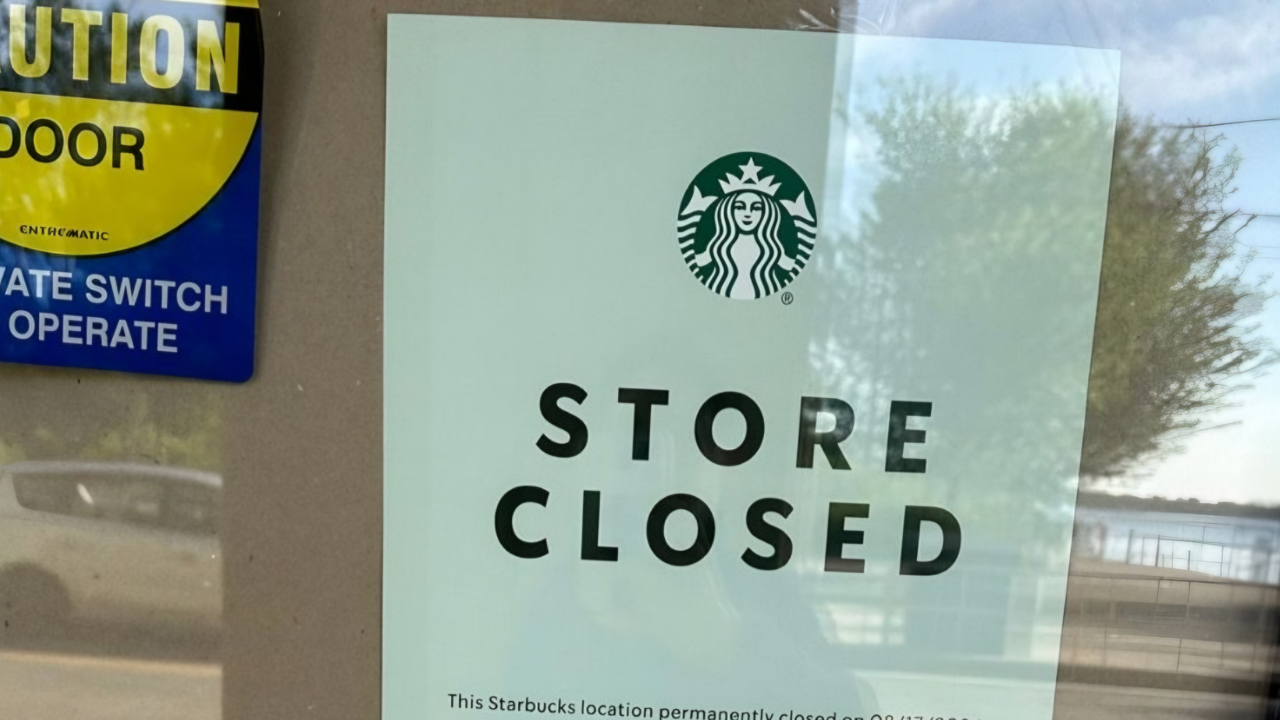
Starbucks faced an unprecedented labor crisis in December 2024 as 10,500 unionized baristas staged a five-day walkout. Stores across 45 states closed, disrupting service during the critical holiday season. The strike highlighted growing tension over wages and corporate pay disparity, thrusting CEO Brian Niccol into the national spotlight.
Workers demanded substantial wage increases, contrasting sharply with the company’s modest offers. Fatemeh Alhadjaboodi, a bargaining delegate, said, “Nobody wants to strike. It’s a last resort, but Starbucks has broken its promise to thousands of baristas and left us with no choice” 19 December 2024, CNN. Here’s what unfolded during this historic action.
Who Joined The Walkout?
The Starbucks Workers United union participated in the five-day strike. These members represent more than 500 unionized stores, but only about 5% of Starbucks’ 200,000 U.S. employees.
The union’s limited size didn’t prevent impact. Fatemeh Alhadjaboodi stated, “Nobody wants to strike…but Starbucks has broken its promise,” highlighting the emotional and financial stakes for participants. The union’s history suggests further actions could build pressure on company leadership.
CEO Pay Sparks Controversy
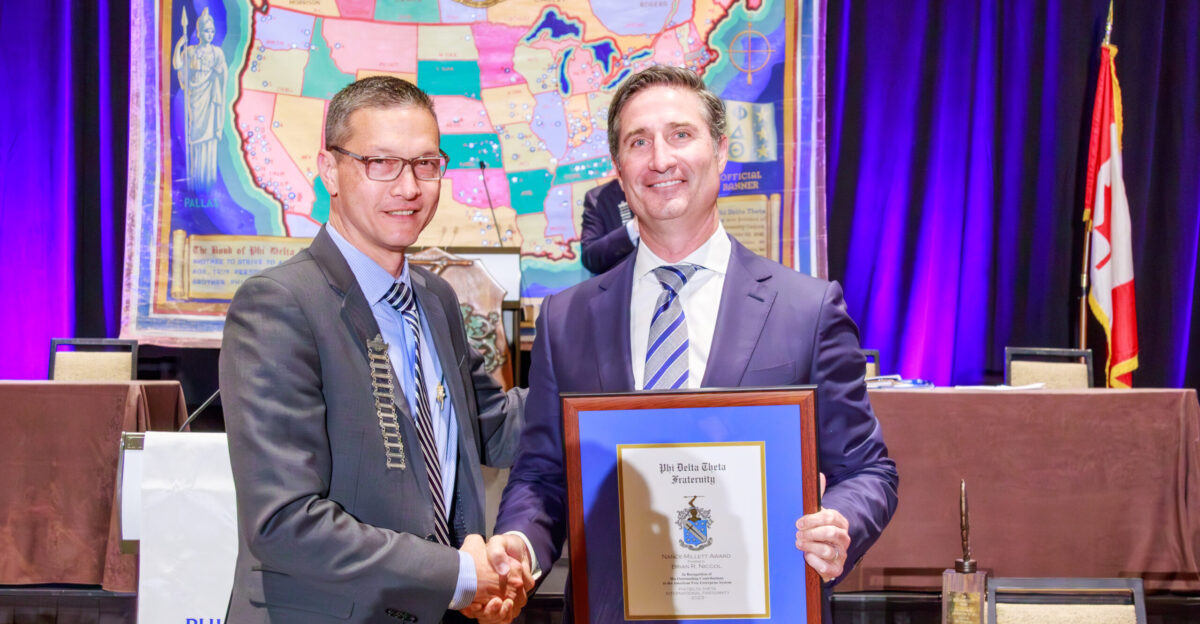
Brian Niccol became Starbucks CEO in September 2024, earning $95.8 million in four months. That translates to roughly $800,000 per day, a 6,666-to-1 ratio compared to the median worker earning $14,674 annually.
This staggering disparity drew national attention. Workers argue their struggles starkly contrast executive wealth. The numbers alone illustrate why baristas felt compelled to strike, and why the company faced intense scrutiny during peak holiday sales.
Union Goals And Strategy
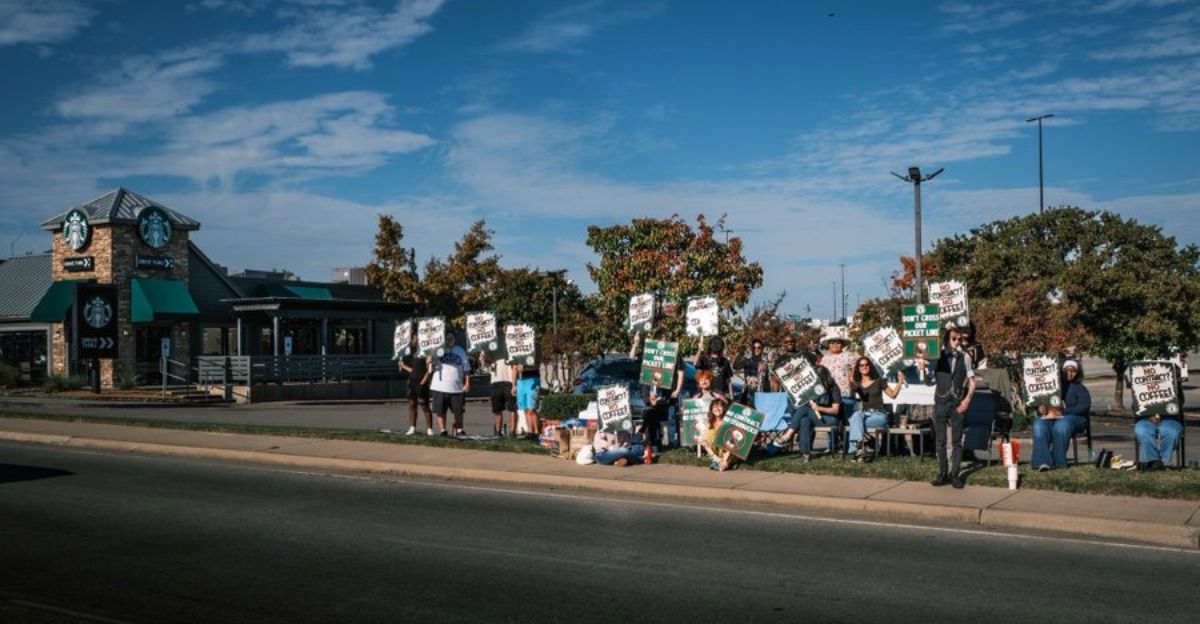
Starbucks Workers United launched in 2021, aiming to secure higher wages and better working conditions. By October 2024, the union had organized 500+ stores, representing a small but determined workforce.
The union’s deliberate timing of the Christmas Eve strike leveraged peak sales. The coordination demonstrated strategic thinking designed to maximize economic and media pressure on Starbucks leadership during a critical period.
Holiday Disruption Hits Customers
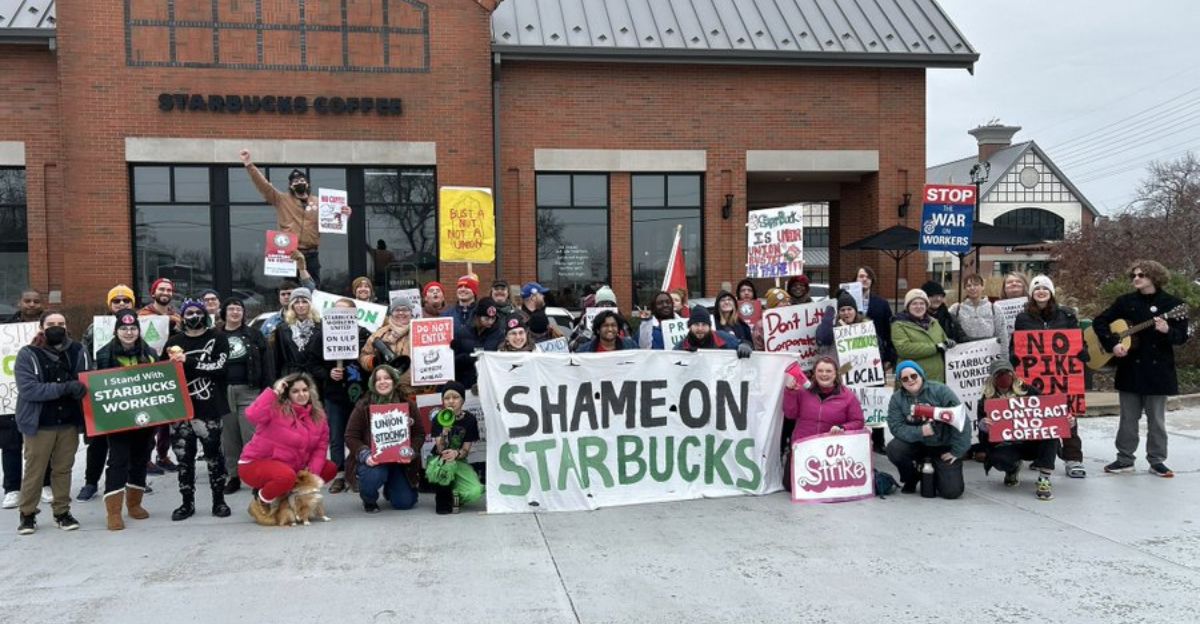
Stores closed across 45 states, affecting holiday shoppers. On Christmas Eve, union claims suggest 300+ stores were shut, while Starbucks acknowledged 170 closures. These closures disrupted service, although most stores remained operational.
Consumers faced longer lines and limited access to seasonal drinks. The visible closures amplified media coverage, signaling a meaningful, symbolic disruption despite representing less than 3% of Starbucks’ U.S. locations.
Financial Stakes For Starbucks
Starbucks generated roughly $27.4 billion in North American revenue in 2024. Any disruption during the holiday period could affect revenue, though losses were likely in the low millions.
Even modest financial impact carried reputational weight. Peak sales interruptions amplified public scrutiny over pay disparity, highlighting the broader tension between executive compensation and employee wages at high-profile U.S. companies.
Strike Timeline Unfolds
The strike began December 20 in Los Angeles, Chicago, and Seattle, then spread to nine states by December 22. By Christmas Eve, the union claimed 300+ closures across 45 states.
This five-day action reflected careful planning. Daily expansion allowed workers to sustain media attention and build momentum, forcing Starbucks management to respond to a growing national labor issue.
Historic Context Of Action
The December 2024 strike came just four months after Brian Niccol became CEO. It was the largest labor action in Starbucks history, surpassing all previous strikes in participation and reach.
Unionization began in 2021. This action tested corporate promises, revealing tensions between record profits, executive pay, and limited wage growth. The timing of the strike amplified both financial and symbolic pressure
Geographic Scope And Epicenters
The walkouts launched in Los Angeles, Chicago, and Seattle before spreading nationwide. These cities hold strong labor histories, symbolically amplifying the strike’s impact.
Subsequent expansion included Denver, Pittsburgh, Columbus, and other major and smaller markets. By Christmas Eve, the strike spanned 45 states, highlighting the union’s strategic coordination and ability to gain maximum visibility across the U.S.
Wage Demands Vs. Company Offers
Workers demanded a 64% immediate wage increase and 77% total over three years. Starbucks offered only 1.5% annual increases.
The vast gap fueled the strike. Employees argued modest raises fail to match cost-of-living changes or address the extreme pay disparity, emphasizing the economic inequities motivating the nationwide action.
Broken “Partner” Promise
Starbucks brands employees as “partners.” Workers argue this culture is undermined by limited wage increases and rising CEO compensation.
Fatemeh Alhadjaboodi said, “Nobody wants to strike…but Starbucks has broken its promise,” framing the action as not just financial but ethical. The promise of shared prosperity clashed with actual compensation, fueling worker dissatisfaction.
Strategic Timing Maximizes Leverage
Red Cup Day on November 14 set record U.S. sales, proving high seasonal earnings. Christmas Eve closures amplified impact on peak revenue.
Targeting high-traffic periods applied pressure on leadership during Niccol’s early tenure. The strategy demonstrated sophisticated planning, using timing to strengthen worker bargaining power while capturing public attention.
Strike Mechanics And Coordination
The union orchestrated simultaneous strikes in three cities on December 20, expanding over five days. Coordination included over 500 unionized stores.
Rolling expansion maintained momentum, strained management, and kept media attention constant. By Christmas Eve, the carefully timed rollout created maximum disruption with symbolic and operational weight across the country.
Operational And Customer Effects
Between 170-300+ stores closed, while staffing shortages affected open locations. Point-of-sale disruption slowed service but supply chains remained intact.
The impact was more symbolic than economic. Customers encountered delays and closures, signaling a visible challenge to Starbucks operations and reinforcing media narratives of a historic, high-profile labor action.
Media Spotlight And Public Pressure
The 6,666-to-1 CEO pay ratio became a viral narrative. Workers highlighted the gap to generate public sympathy.
The barista timeline reaching 4634 B.C. to match CEO pay simplified complex inequities. Media coverage framed the strike as David-versus-Goliath, amplifying scrutiny of corporate wage disparities beyond Starbucks itself.
Resolution And Ongoing Uncertainty
The strike ended December 25, with workers returning to jobs. No wage agreement has been reached, and the union warned of future strikes.
Bargaining continues, and the fundamental dispute remains unresolved. The December action may be just the opening chapter of a prolonged labor struggle, with negotiations likely to extend into 2025 and beyond.
Significance Of The Strike
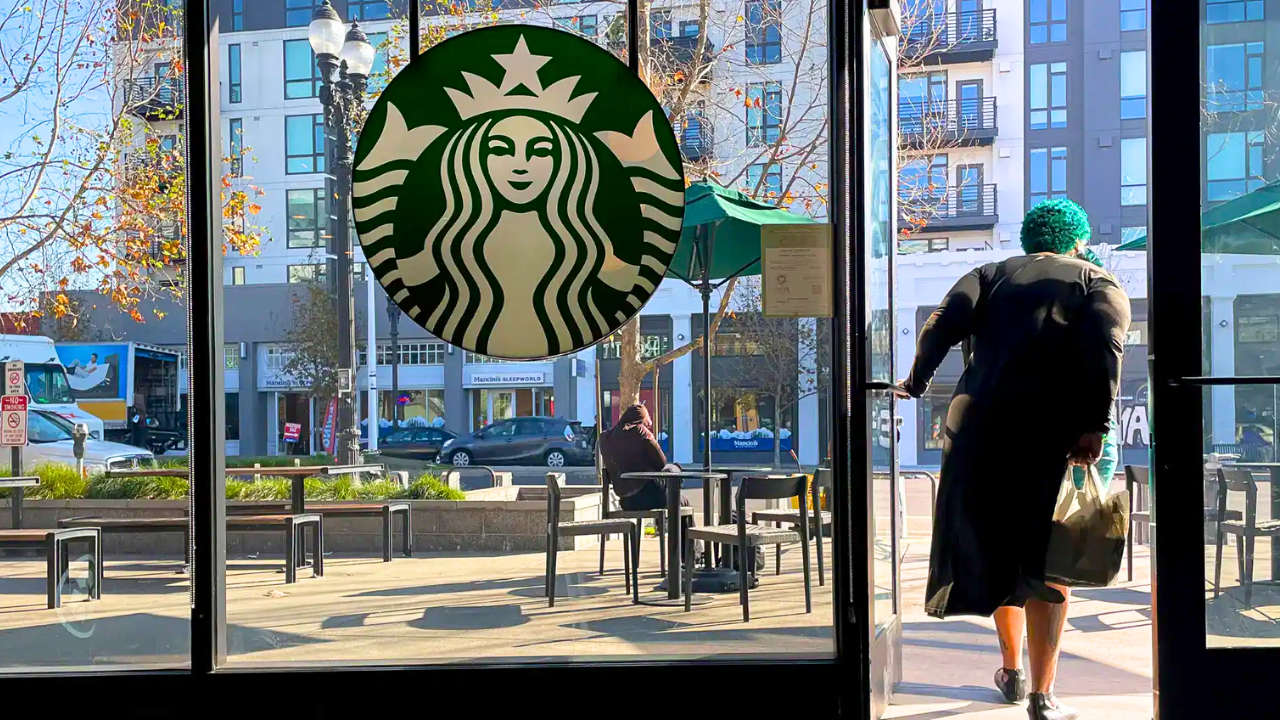
The strike represents a watershed moment for U.S. retail labor relations. Coordinated action across 45 states closed up to 300+ stores during peak holiday sales.
Symbolically, the extreme CEO-to-worker pay ratio and strategic holiday timing elevated the issue nationally. Starbucks’ approach and worker response will shape labor negotiations across the retail and service sectors for years to come.