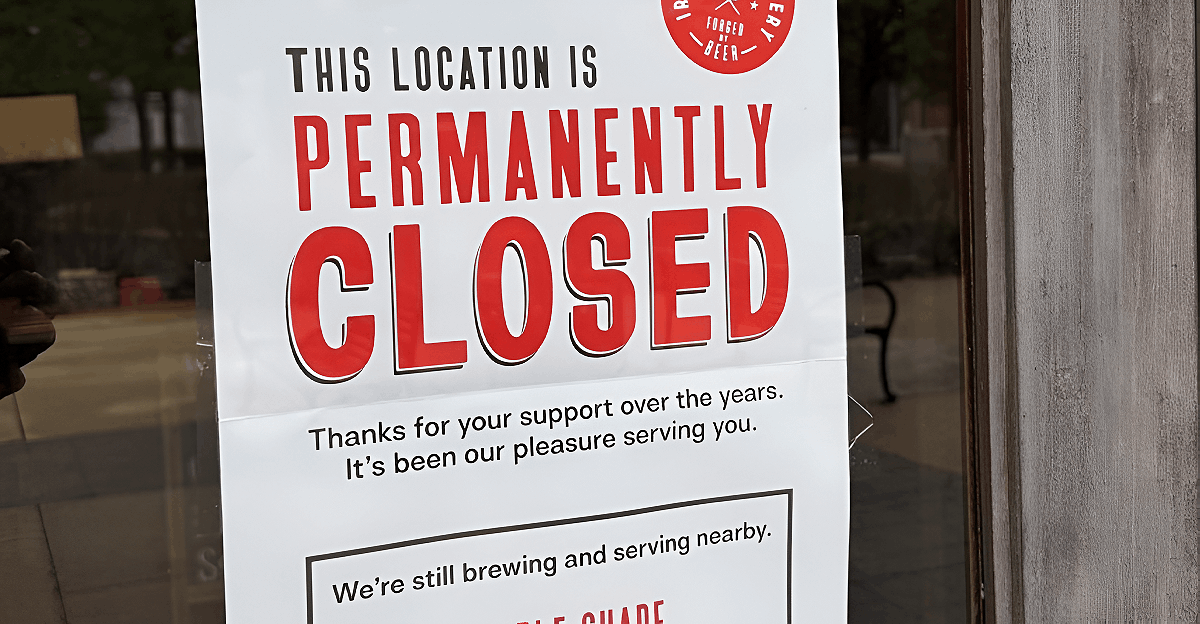
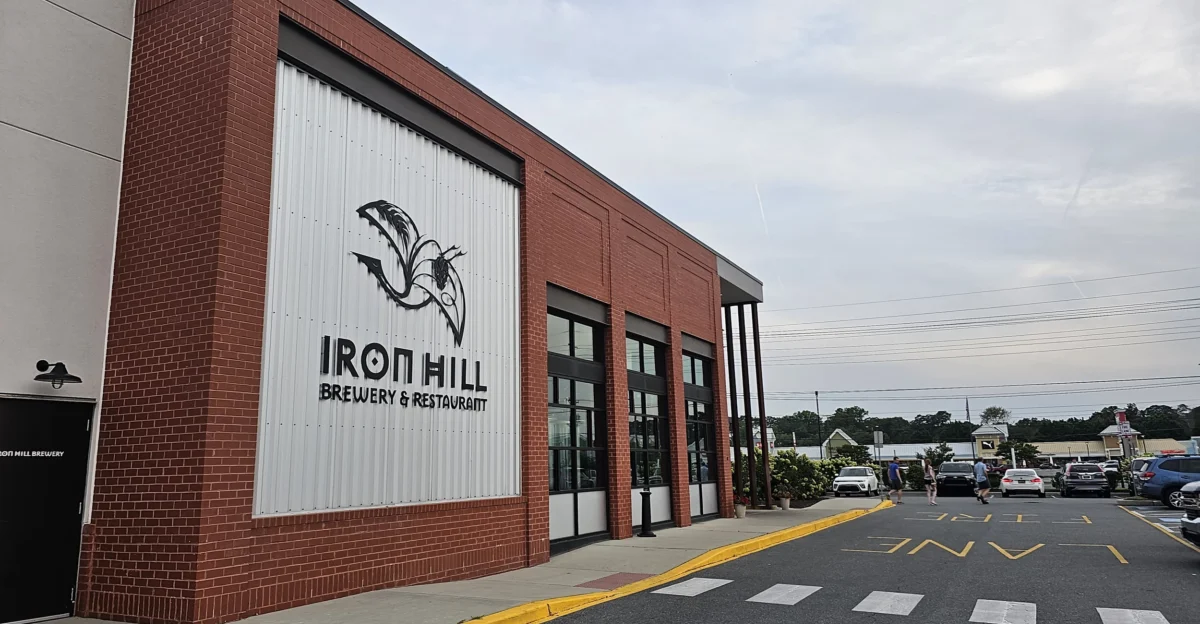
Iron Hill Brewery, a $104 million restaurant chain with 29 years of history, unexpectedly closed all its remaining locations on September 25, 2025, impacting customers and employees across five states.
This represents one of the largest single-day shutdowns in the U.S. brewpub sector in recent years.
Award-Winning Legacy
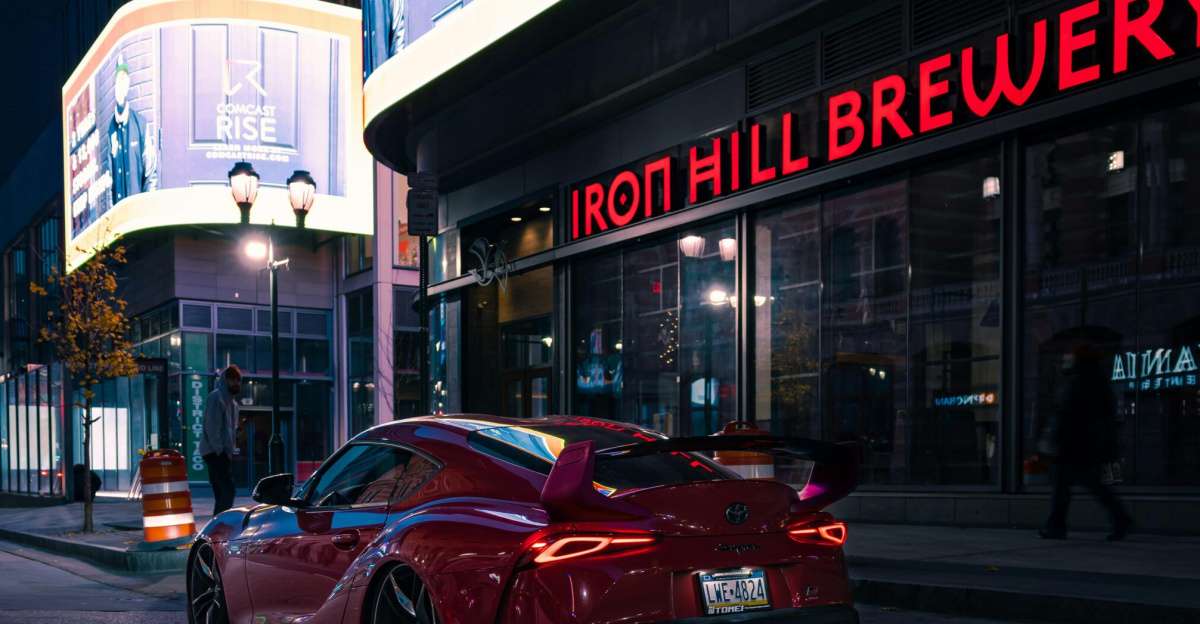
Iron Hill earned distinction as “the most award-winning brewery east of the Mississippi,” accumulating 88 total awards from prestigious competitions, including the World Beer Cup and Great American Beer Festival.
The brewery holds the record for the longest consecutive winning streak at the Great American Beer Festival, with 20 years of wins. Its unexpected closure has surprised many in the industry.
Revolutionary Roots
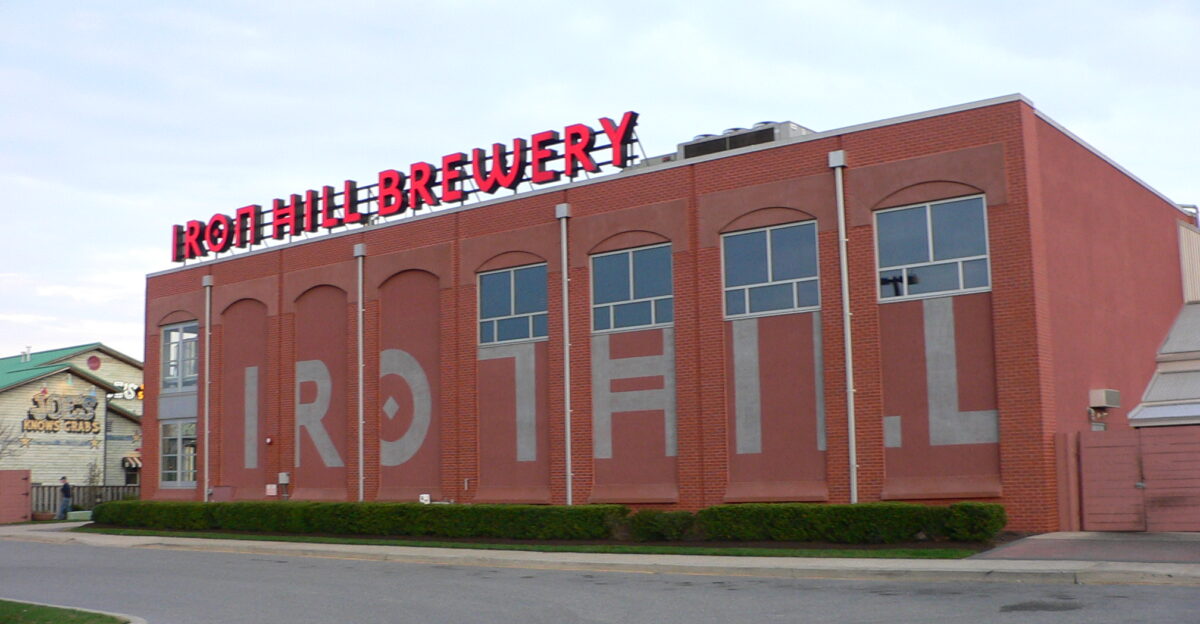
Iron Hill was founded in 1996 by Kevin Finn, Mark Edelson, and Kevin Davies in Newark, Delaware.
The name comes from a historic landmark, Delaware’s highest point, and the site of the Battle of Cooch’s Bridge, the only Revolutionary War battle fought in the state on September 3, 1777. The founders chose this name to honor the area’s rich colonial history.
From Homebrewing to Empire
Finn and Edelson, soccer friends who began homebrewing in the early 1990s, partnered with restaurateur Kevin Davies to launch their brewpub concept.
Their first location generated $3 million in revenue, surpassing the projected $2 million and paving the way for a regional empire of craft brewing and dining.
All Remaining Locations Closed
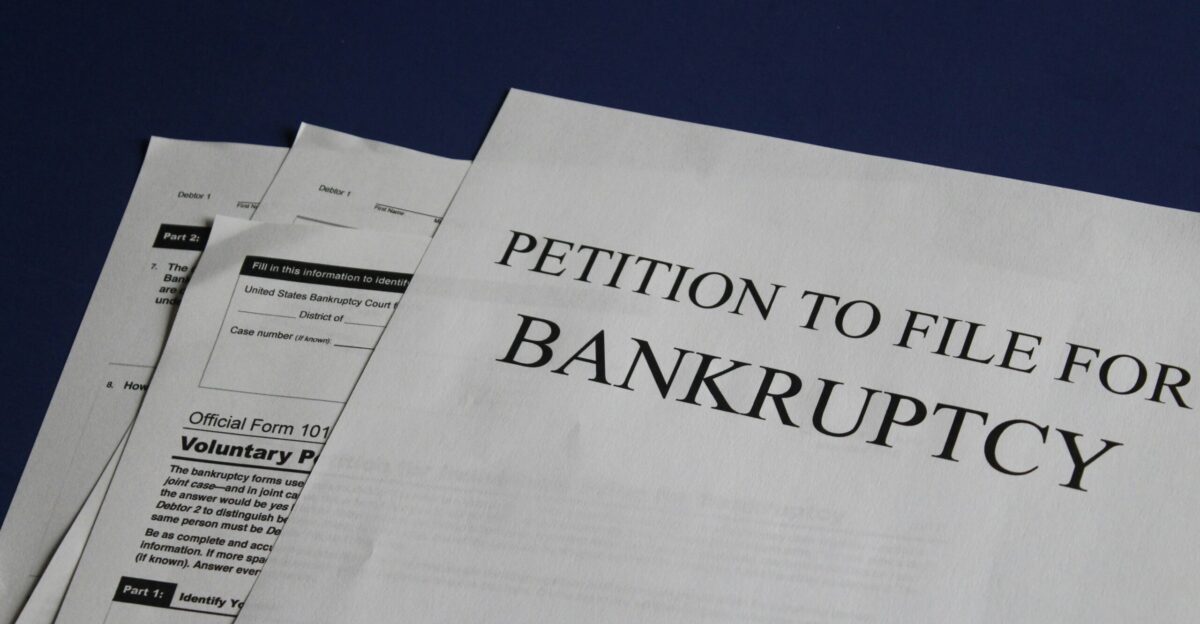
On September 25, 2025, Iron Hill Brewery announced via social media that all 16 remaining locations were closed “effective immediately.” The company filed for bankruptcy the same day, citing the need to “protect our stakeholders.”
This decision affected every remaining restaurant and brewery under the Iron Hill brand, ending nearly 30 years of operations.
Employee Compensation Concerns
At Iron Hill, employee salaries range from about $35,026 for cooks and dishwashers to around $115,000 for regional managers.
Employee feedback indicates issues with limited benefits, bi-weekly pay as low as $500 for some positions, and difficulties in advancing within the company.
Affect On People
Employees and regular patrons were caught off guard by the abrupt closure.
Kathleen Adams, a frequent customer in Maple Shade, expressed disappointment: “We had my son’s confirmation dinner here. It’s unfortunate.” Many staff members learned of the shutdown with little notice, leaving them suddenly unemployed with no advance warning.
Competitor Response

In the wake of Iron Hill’s departure, local restaurants began hiring displaced workers.
Sal and Joe’s Pizza in Maple Shade, a 40-year-old establishment, encouraged former Iron Hill employees to apply by posting help-wanted signs and accepting walk-in applications. The owner affirmed their openness, stating they would “always accept an application” from former staff.
Memorial Beer Legacy
Iron Hill’s notable brew, “The Cannibal,” was created by head brewer Chris LaPierre, who passed away unexpectedly in July 2024.
Named after Belgian cyclist Eddy “The Cannibal” Merckx, this Belgian ale won gold at the 2005 Great American Beer Festival. Iron Hill continues to produce it in honor of LaPierre’s 22-year legacy.
Gift Card Fallout

The shutdown has left customers with Iron Hill gift cards unable to redeem their balances, causing frustration for many, including the Adams family.
This situation highlights the risks consumers face when businesses close abruptly without honoring their commitments.
Exclusive Beer Club Impact

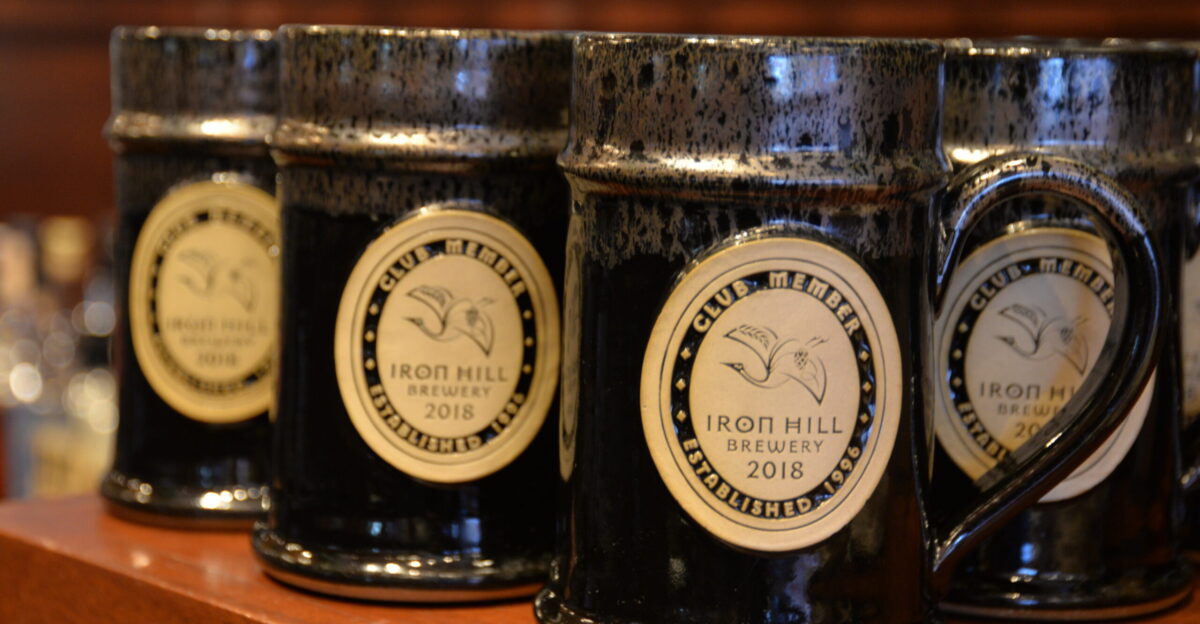
Iron Hill’s closure particularly affected members of the IHBeer Club, an exclusive membership program costing $40 quarterly. Members received specialty brews unavailable elsewhere, including “East Side Gallery,” a Berliner Weisse that won silver at the 2025 World Beer Cup.
Iron Hill’s closure terminated various charitable initiatives and community partnerships that had been built over decades, including donations tied to menu items and support for local organizations.
Leadership Transition Failure

Mark Kirke, appointed as Iron Hill’s first-ever CEO in January 2025, succeeded Chris Westcott after a period of declining sales.
Despite Kirke’s restaurant industry expertise and optimistic plans, including a Temple University location, he faced insurmountable financial headwinds that forced the complete shutdown within nine months of taking leadership.
Expansion Pressure Analysis

Industry observers and former employees have pointed to expansion pressures as contributing factors in Iron Hill’s demise.
Online discussions among former staff suggested challenging financial metrics, with some locations requiring exceptionally high daily sales volumes to remain viable. The rapid growth strategy may have stretched resources beyond sustainable limits.
Landlord Legal Battles
Landlord Legal Disputes
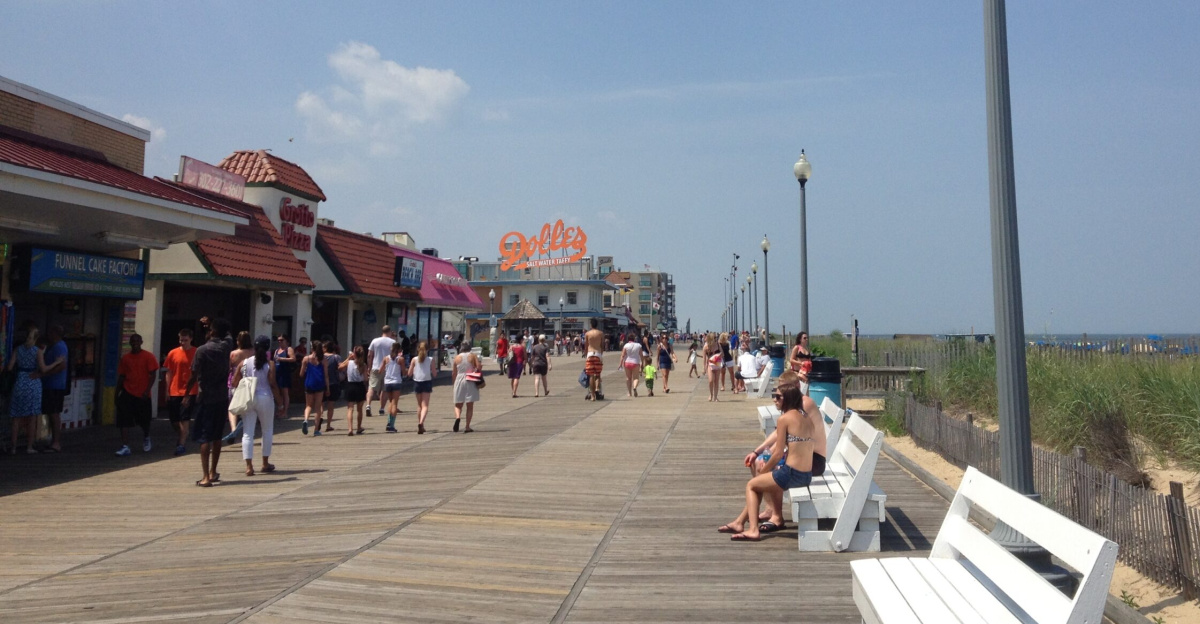
Iron Hill faced ongoing real estate challenges beyond rent pressures. The Rehoboth Beach location was involved in lengthy legal disputes with its landlord, Coastal Station Development, over tenant improvement allowances.
After complex litigation, Delaware’s Supreme Court ultimately awarded Iron Hill $115,000 in partial reimbursements from the disputed tenant improvement funds, highlighting the complex financial relationships underlying restaurant operations.
Production Brewery Closure
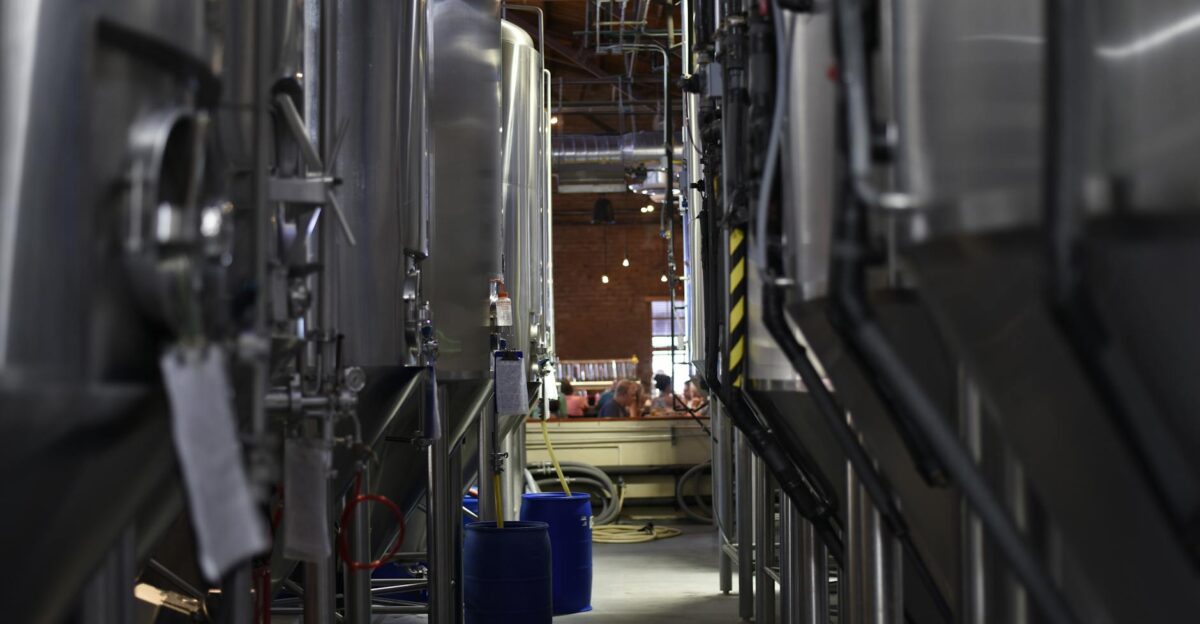
Iron Hill’s 2020 expansion included a large-scale production brewery in Exton, Pennsylvania, designed to bring its signature beers to a wider consumer audience.
The facility also housed the TapHouse, an elevated fast-casual concept. Both the production brewery and TapHouse closed, alongside all restaurant locations, representing a significant loss of infrastructure investment.
Community Partnership Loss

Iron Hill’s closure marked the end of decades of community involvement and local partnerships. The chain had established deep roots through local sourcing, community event hosting, and charitable initiatives that connected each location to its neighborhood.
These relationships, built over nearly three decades, disappeared overnight with the bankruptcy announcement.
Brewing Innovation Lost
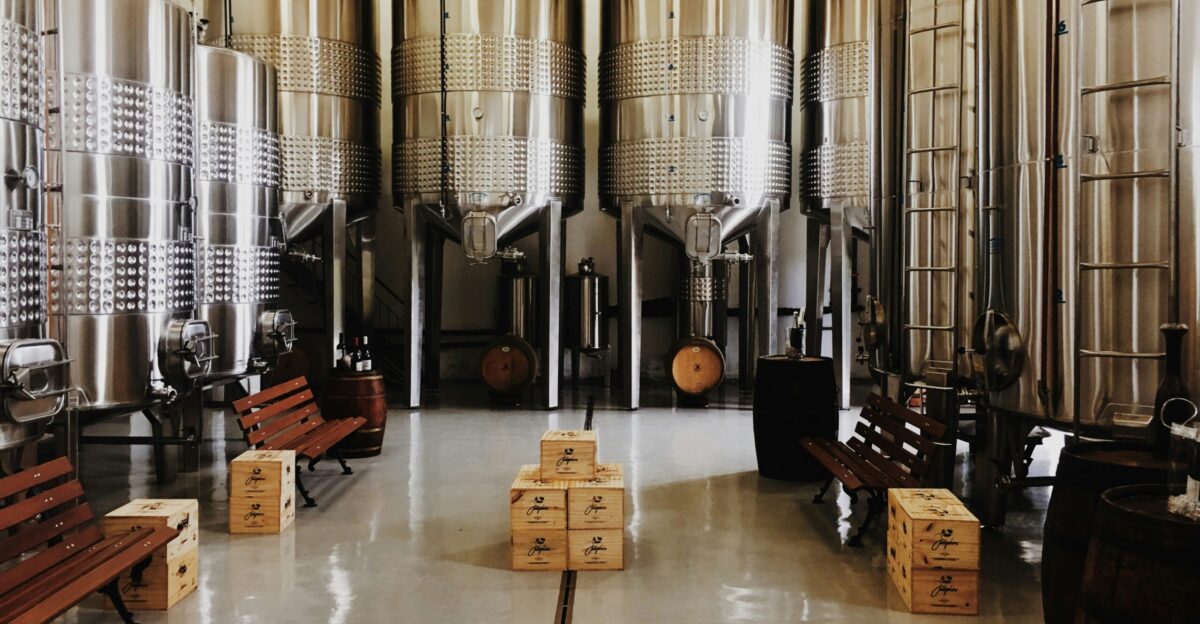
Each Iron Hill location featured on-site brewing capabilities with individual head brewers creating location-specific recipes.
This decentralized approach fostered innovation, with brewers like Ken Orner (“30 E. Stout St.” – 2023 World Beer Cup Gold) and Pete Corbett (“Philly Chili” – 2024 World Beer Cup Gold) winning consecutive prestigious awards for their unique creations.
Legal Fallout

Legal experts note that Iron Hill’s bankruptcy could trigger lawsuits from vendors, landlords, and customers with outstanding gift cards.
The company’s rapid closure may complicate efforts to resolve claims and distribute remaining assets fairly among creditors, potentially leaving many stakeholders with significant losses.
Cultural Loss

For many communities, Iron Hill served as more than a restaurant—it was a gathering place for celebrations like confirmations, graduations, and local events.
The chain’s commitment to scratch cooking, local sourcing, and community involvement created deep emotional connections that competitors will struggle to replicate in abandoned locations.
Industry Warning Signal
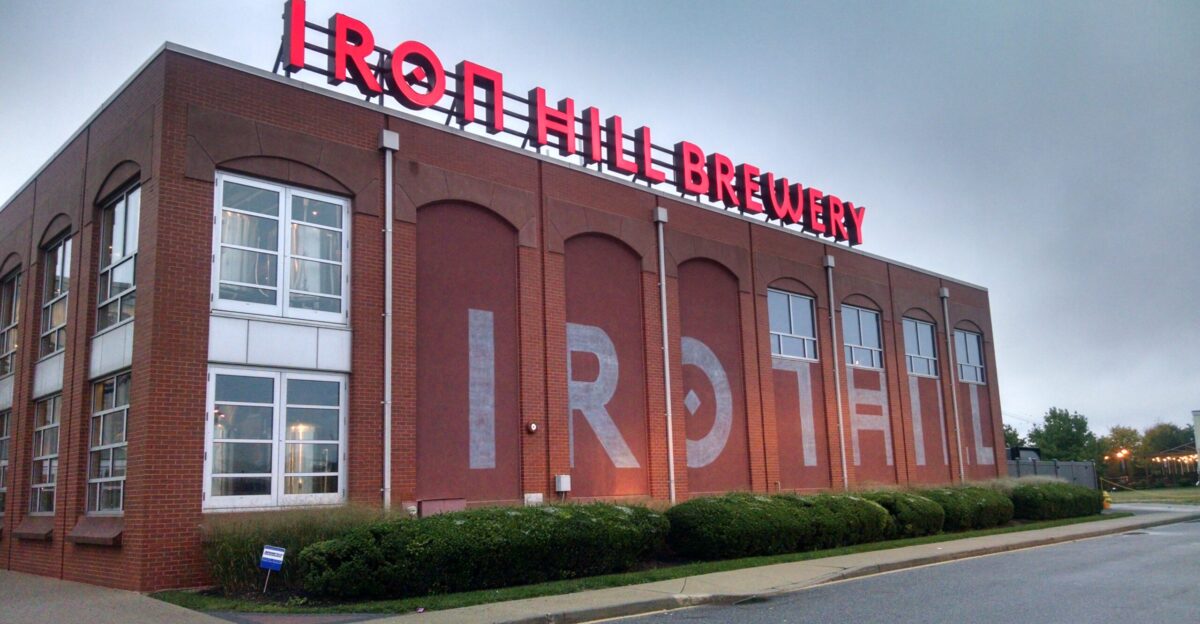
Iron Hill’s collapse demonstrates how even award-winning, community-rooted brands remain vulnerable to financial pressures.
The closure of 16 locations, affecting hundreds of employees and thousands of customers, serves as a stark reminder that achieving excellence in brewing does not guarantee business survival in an increasingly challenging restaurant landscape.