
In late August, a handwritten sign in the window of Sherman’s Sports & Army Store in Hendersonville, North Carolina, quietly announced the end of an era: “Retiring Sale — Everything 25% Off.” After 103 years as the town’s oldest continuously operating retail business, owners Becky Sherman Banadyga and her husband Rex were closing the doors—not due to financial trouble, but because no family successor stepped forward.
“It’s been more emotional for some of our customers,” Becky reflected, as longtime patrons shared memories of first BB guns, Lionel trains, and cherished dolls. The closure marked the end of a community institution that had spanned generations. Here’s what’s happening in the story of this remarkable store.
A Family Legacy Spanning Generations
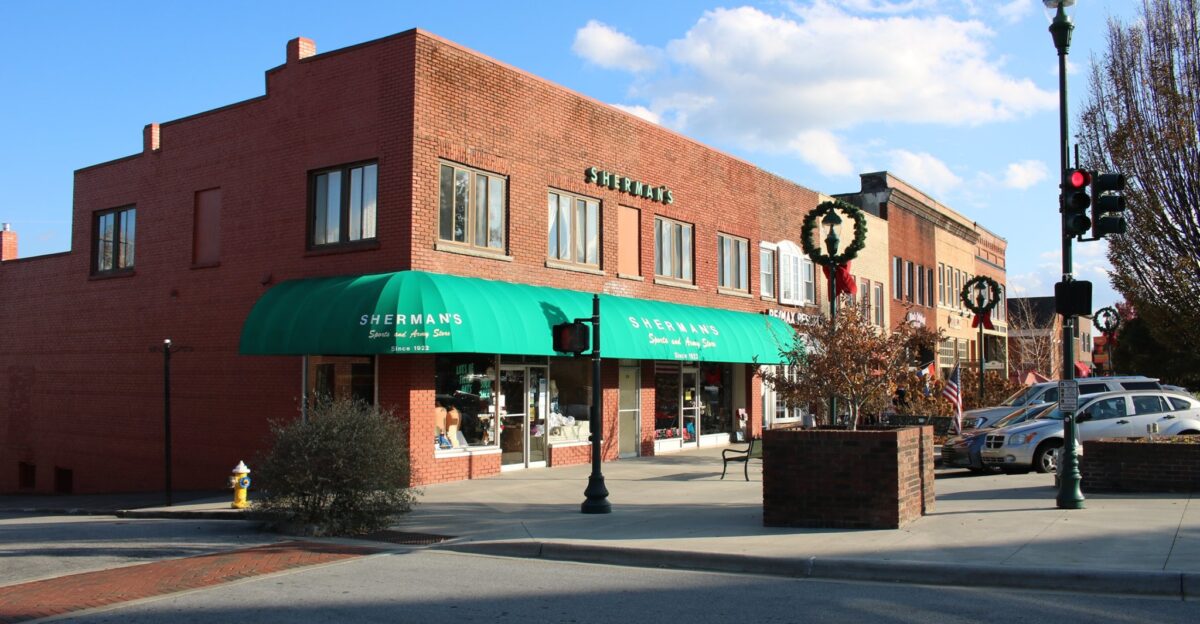
Founded in 1922 by Louis Sherman, a Jewish immigrant and pioneer of downtown Hendersonville retail, Sherman’s weathered nearly every challenge of the 20th and 21st centuries—from the Great Depression and world wars to the 2024 floods caused by Hurricane Helene. Louis’s son Kalman, a Marine veteran, took over after World War II and guided the store through decades of change until his passing in 2009 at age 88.
Becky and Rex became the third generation to manage Sherman’s in the early 2000s. “It was all of my father’s life,” Becky noted, reflecting on how the store’s evolution mirrored the town’s growth. From army surplus to outdoor gear, the shop thrived by adapting to Main Street needs while building deep relationships with its customers, proving longevity depends on both flexibility and community trust.
Thriving Despite Industry Collapse

Unlike national chains like Sport Chalet, MC Sports, and Modell’s Sporting Goods, which filed for bankruptcy in March 2020, Sherman’s remained profitable until the end. Its closure was not a story of financial failure but of succession. “None of my daughters wanted to take the store over,” Becky confirmed, highlighting a challenge many family businesses face. Without a willing heir, even beloved institutions can disappear.
For Sherman’s, its adaptability set it apart. From .22 rifles and BB guns to hiking gear and military surplus, the store evolved alongside changing customer needs. Yet even strategic evolution could not overcome the lack of a fourth-generation successor. The closure underscores a sobering reality: longevity in business requires both adaptability and planning for succession.
A Community’s Living Room
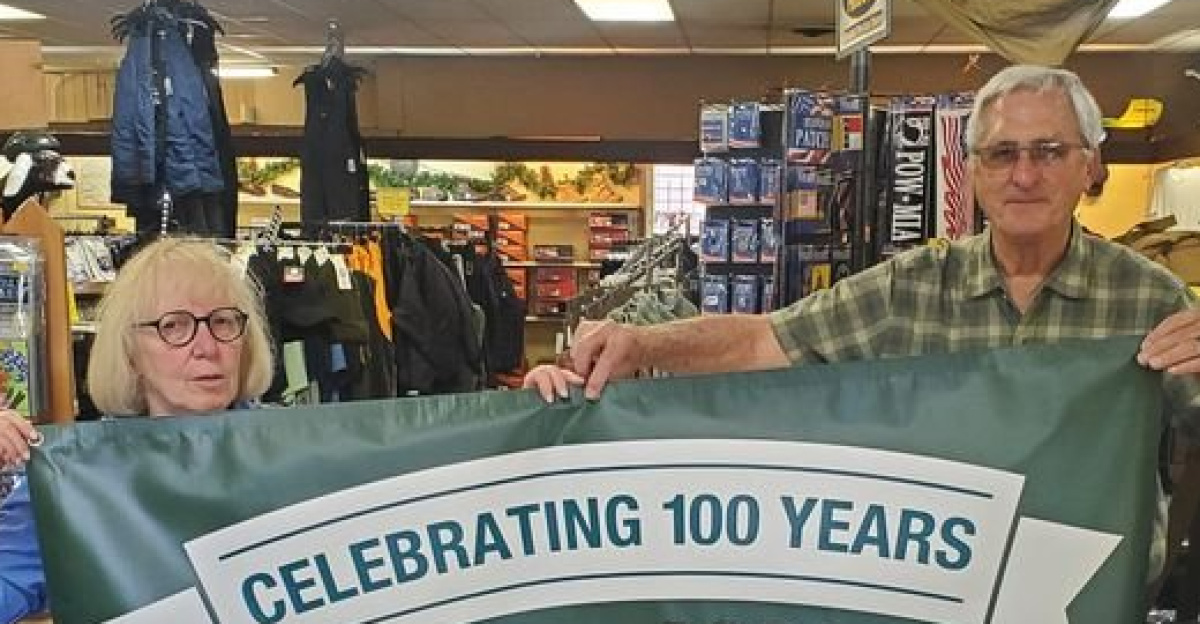
Sherman’s was more than a retail space—it served as Hendersonville’s gathering place for generations. Families returned as parents and grandparents, forming bonds that extended beyond transactions. One woman wept while sharing with Becky her tradition of buying shoes for her grandchildren, spanning decades. During the final sale, a guest book quickly filled with handwritten memories and gratitude.
The sale itself reflected the store’s dignity and spirit, far from the chaos often seen in chain liquidations. Shoppers paused to reminisce while browsing army surplus, camping gear, and nostalgic toys. The store’s motto, “Everything. That’s All.,” captured the essence of a business shaped entirely by customer relationships and community needs, leaving an emotional void on Hendersonville’s Main Street.
Lessons on Family Business Survival
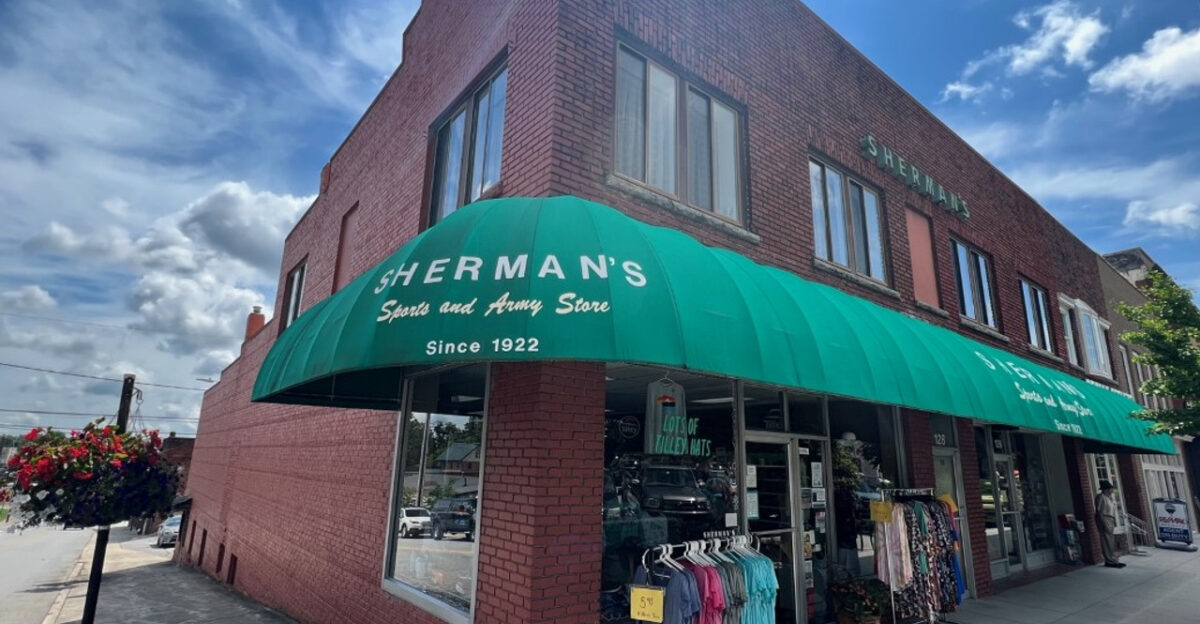
Sherman’s success came from flexibility and a willingness to evolve without rigid corporate plans. Industry research shows fewer than one in a hundred businesses survive to 100 years, with only 10–15% reaching a third generation. “Succession is the number one reason these businesses disappear,” notes Dr. John Ward of Northwestern University’s Kellogg School of Management. Sherman’s closure is a textbook example of a thriving business ending due to the absence of an heir rather than failure.
Nearby businesses, like Mast General Store, demonstrate alternative strategies for continuity. Employee ownership, as Mast implemented in 1996, provides stability beyond the founding family. Sherman’s story highlights the need for long-term planning in family enterprises, proving that profitability alone cannot guarantee survival.
Global Insights on Longevity
The challenge Sherman’s faced is echoed worldwide. In Japan, businesses over 100 years old thrive, including Nintendo (founded 1889) and Suntory (founded 1899). A 2008 Bank of Korea study notes Japan holds 56% of all companies worldwide older than 200 years.
These “shinise” establishments succeed through careful succession planning, financial prudence, and long-term thinking. Cultural emphasis on stewardship ensures that businesses are preserved across generations, offering lessons for American entrepreneurs on sustaining legacy institutions.
A Void on Main Street—and What Comes Next
Sherman’s closure leaves Hendersonville’s Main Street both physically and emotionally diminished. Neighboring shops expect reduced foot traffic, and attempts to sell the store were unsuccessful—a common challenge, as only about 30% of small businesses listed for sale find buyers, especially in specialized markets.
As the final sale ends and the lights go out, Sherman’s story serves as a cautionary tale for family-owned businesses. Its legacy of community ties, adaptability, and stewardship is clear, but its end underscores the fragility of local institutions in a rapidly changing world. The lesson for the next generation is simple: enduring success relies not only on profits but on continuity planning and valuing the relationships that make Main Street thrive.