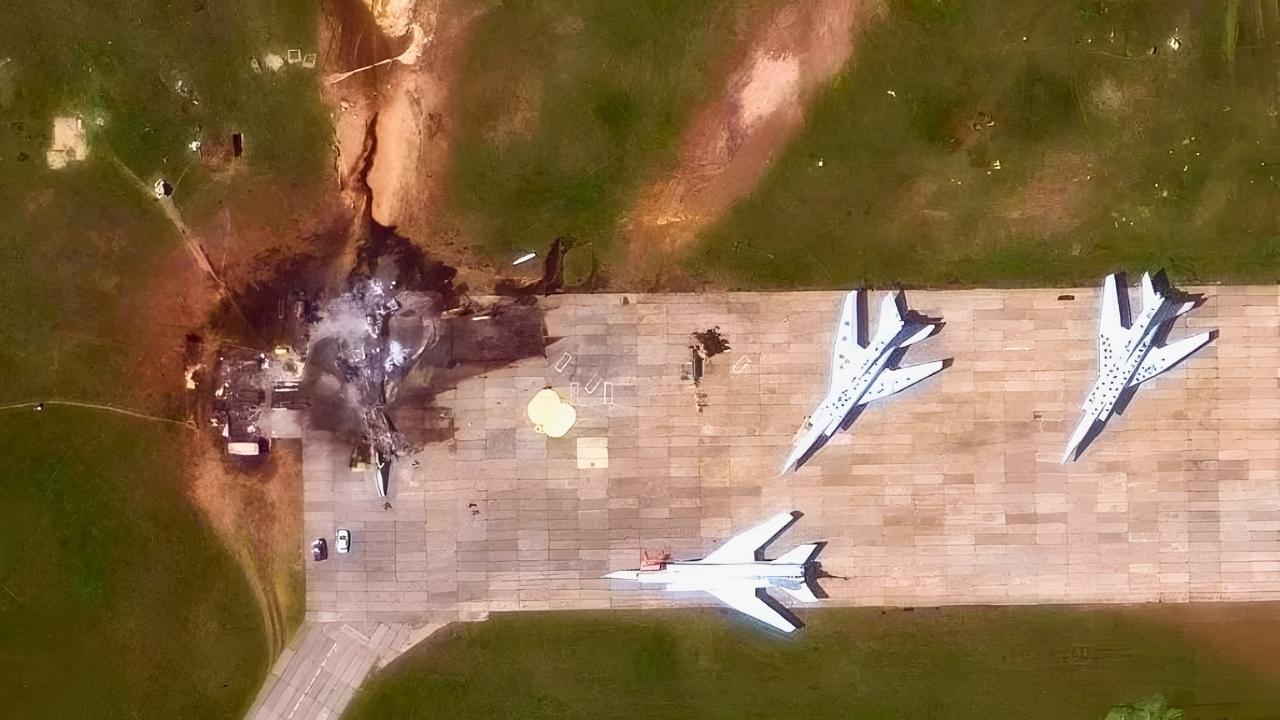
On November 23, 2025, Ukrainian forces obliterated a massive Russian ammunition and drone storage depot at the occupied Donetsk Airport.
The warehouse held up to 1,000 fully assembled Shahed drones and 1,500 warheads. Satellite imagery later confirmed the facility’s complete destruction. The strike represents the largest single loss of Russian drone inventory of the entire war, with estimated damage of $50–100 million in a single, precision-guided blow.
Pentagon Green Light Triggers Deep-Strike Campaign

The Donetsk Airport strike followed Pentagon authorization allowing Ukraine to use long-range weapons deep inside Russia. That approval immediately unlocked a coordinated multi-target Ukrainian campaign reaching far beyond front lines.
For the first time, Russia’s rear-area infrastructure was exposed to sustained Ukrainian long-range precision warfare. The battlefield expanded overnight, collapsing Moscow’s longstanding assumption that interior regions would remain insulated from kinetic attack.
Weapon Used: FP-2 Long-Range Drone Delivered the Hit
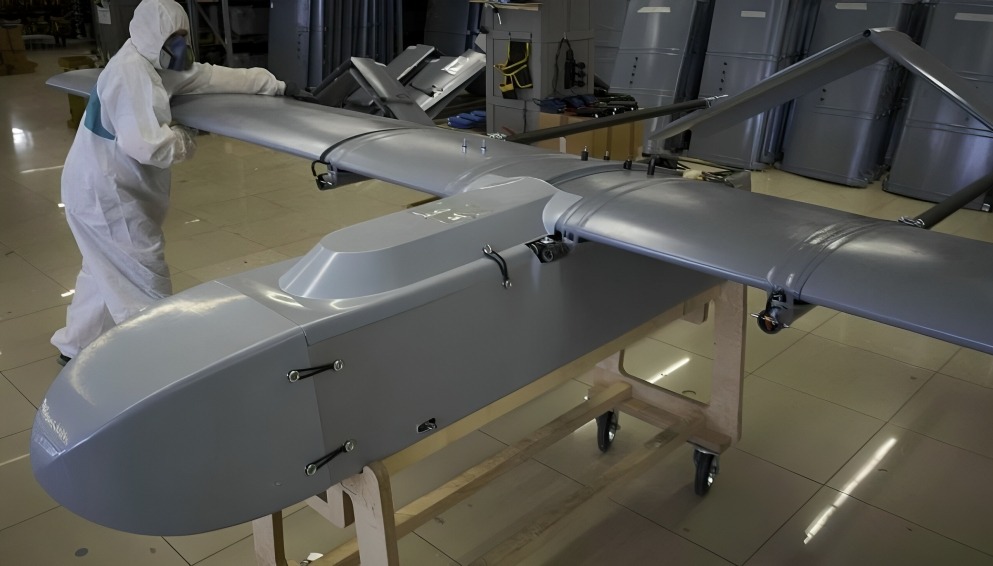
The Donetsk strike was executed using a Ukrainian FP-2 long-range attack drone, which penetrated Russian air defenses and struck the depot directly. The impact triggered massive secondary detonations as the stored Shahed drones and warheads ignited simultaneously.
Within seconds, the entire warehouse was erased. The strike demonstrated Ukraine’s rapidly advancing ability to carry out intelligence-driven deep operations using domestically integrated long-range drone platforms.
Unmatched Destruction: 2,500 Weapons Lost in Seconds
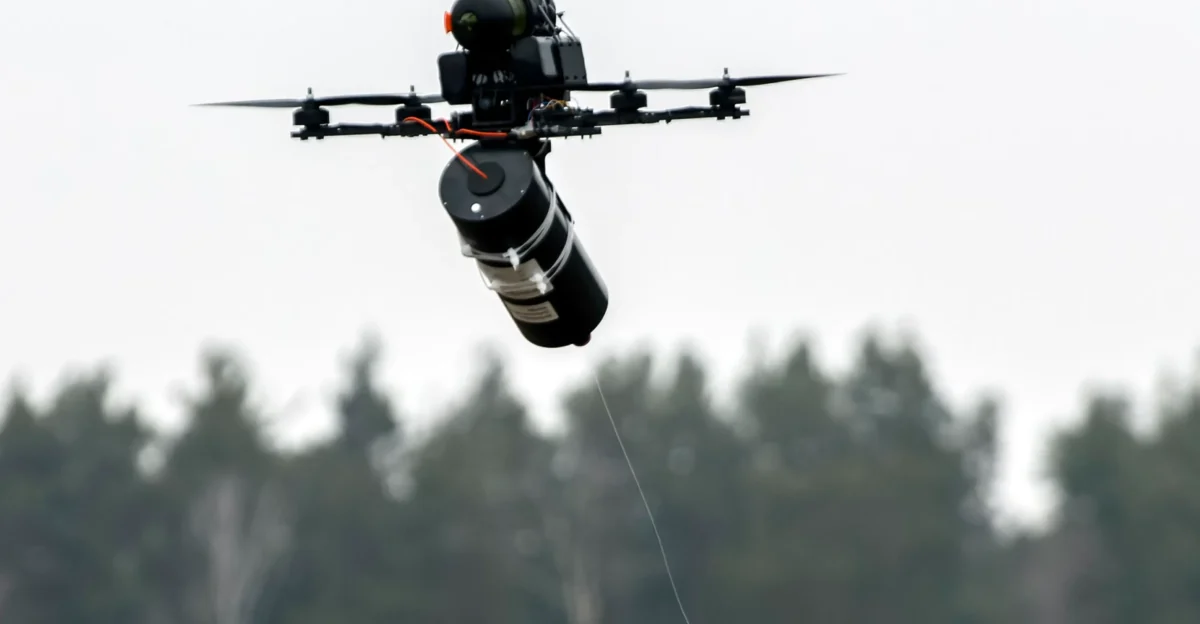
The destroyed stockpile included 1,000 assembled Shahed drones and 1,500 additional warheads—a total of 2,500 munitions eliminated in one attack.
Analysts estimate the financial loss at $50–100 million. Strategically, the elimination potentially represents 10–20% of Russia’s operational Shahed inventory in theater. No single Ukrainian strike has ever removed such a large volume of unmanned weapons from Russia’s battlefield arsenal.
Satellite Proof: Total Erasure of the Warehouse

Post-strike satellite imagery confirmed the complete annihilation of the Donetsk Airport warehouse. No intact structures remained. The detonation zone showed scorched earth, blast cratering, and widespread debris dispersion consistent with full stockpile ignition.
This level of visual verification is rare and leaves no space for Russian denial. The orbital confirmation elevated the strike from battlefield claim to indisputable strategic documentation.
Coordinated Blitz: Five Additional Deep Targets Hit

The Donetsk explosion was part of a synchronized deep-strike campaign across occupied Ukraine and Crimea. Ukrainian forces simultaneously hit arms depots in Horlivka and Dovzhansk, a fuel storage facility in Luhansk, and two Orion-drone hangars at Kirovske airfield in Crimea.
These near-simultaneous strikes confirmed a new Ukrainian operational tempo defined by multi-target, intelligence-linked precision rather than isolated battlefield engagements.
Crimea Strike: Orion Drone Capability Severely Damaged
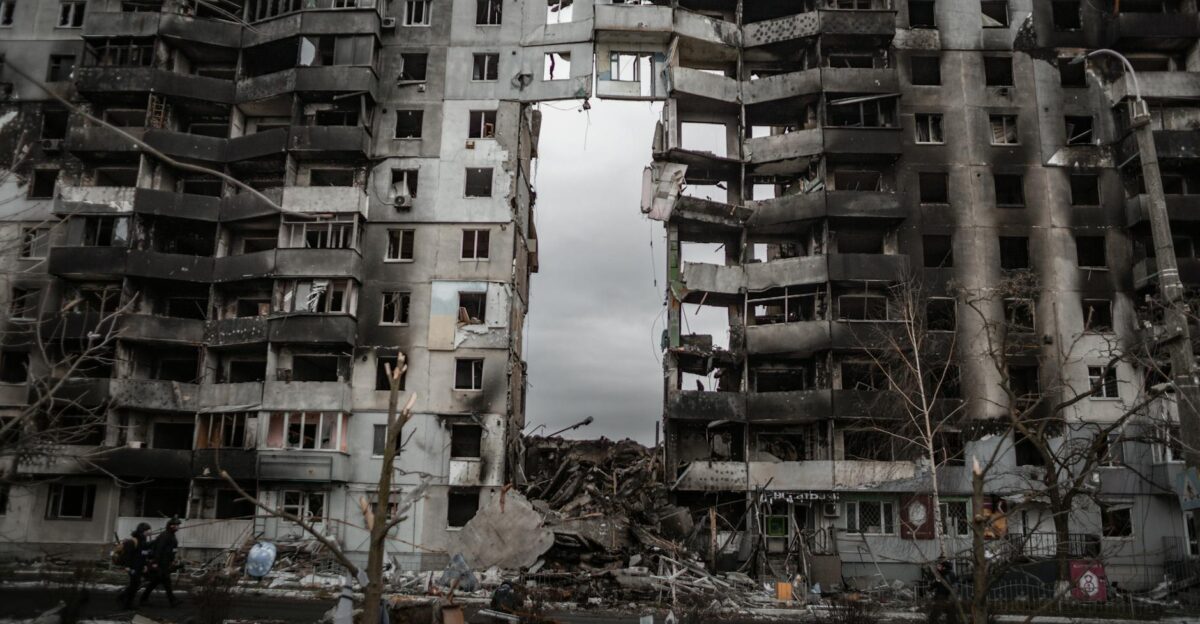
At Kirovske airfield in Crimea, Ukraine destroyed two hangars housing Russian Orion reconnaissance and strike drones. The Orion platform plays a central role in Russian surveillance and precision targeting operations across southern Ukraine.
The strike further degrades Russia’s unmanned aviation capability and continues a sustained Ukrainian campaign against Crimean air infrastructure, which has been hit repeatedly but never with this level of synchronized coordination.
ATACMS Strikes Russia Proper: Pogonovo Training Base Hit
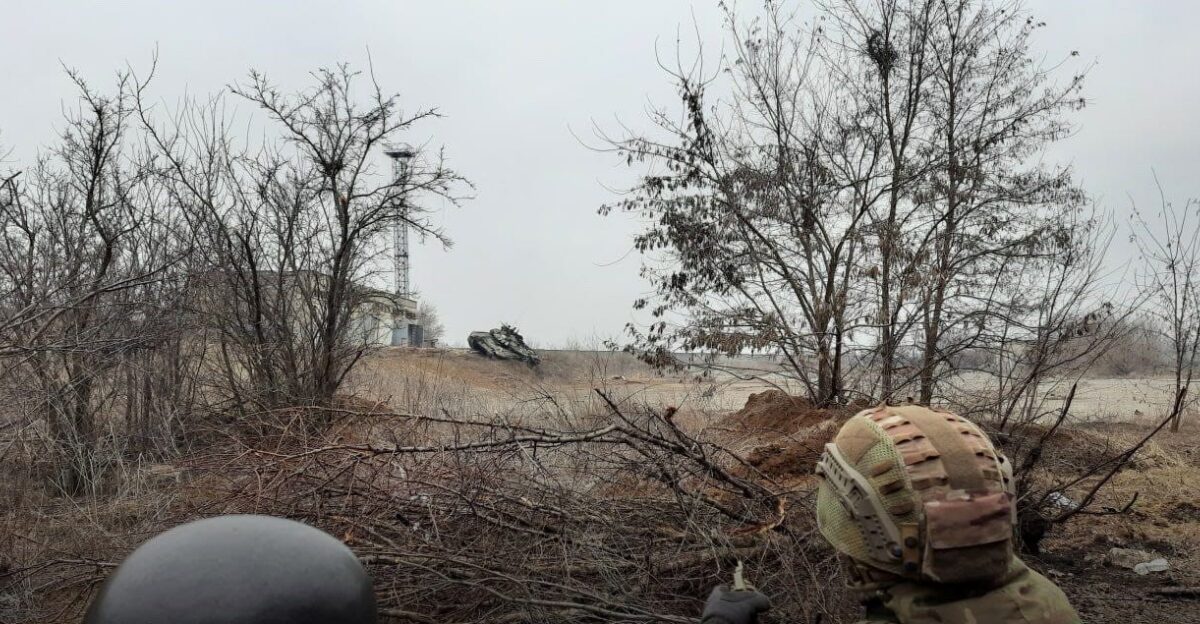
At the same time as the Donetsk strike, Ukraine launched U.S.-made ATACMS missiles into Russia’s Voronezh region, hitting the Pogonovo army training ground.
This marked the first major ATACMS strike deep inside Russia. Pogonovo is one of Russia’s central soldier-preparation hubs. A large number of Russian troops were present during the strike, and casualty figures remain unconfirmed.
ATACMS Firepower: 300 km Reach, 200 kg Warhead
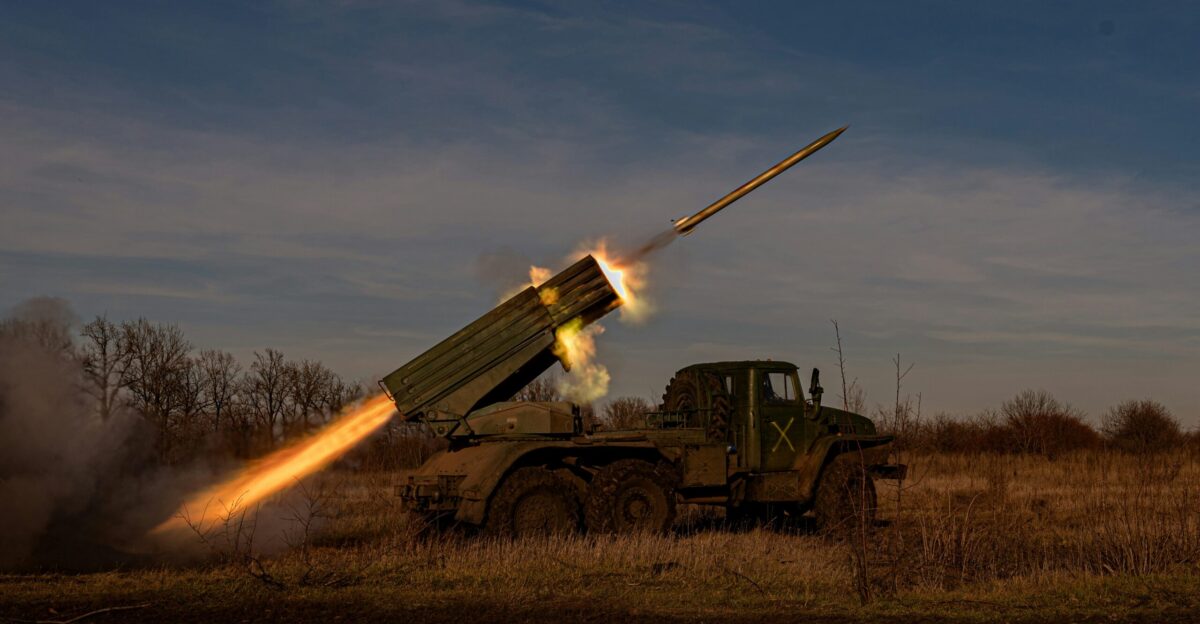
Each ATACMS missile carries a 200-kilogram warhead and can strike targets at ranges up to 300 kilometers. This capability allows Ukraine to hit military facilities across Russia’s Voronezh, Bryansk, Kursk, and Belgorod regions.
With the system now actively deployed in combat, approximately 300 kilometers of Russian rear territory is no longer protected by distance, fundamentally shifting Russia’s defensive geometry.
Training Bases Are Now Battlefields
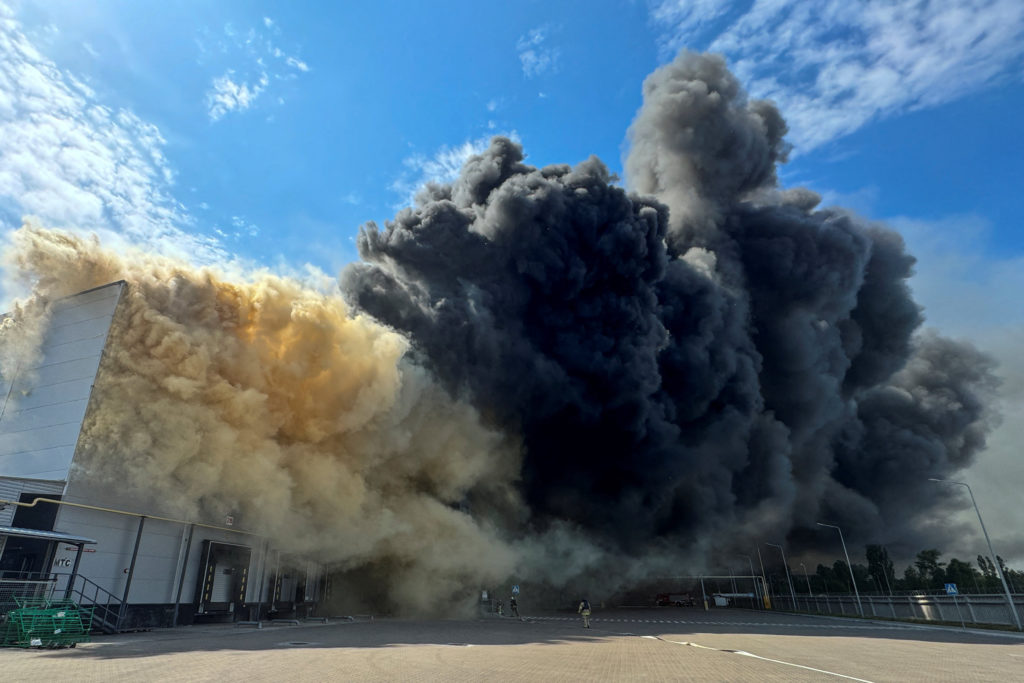
The strike on Pogonovo shattered the long-standing assumption that training grounds deep inside Russia were safe from Ukrainian attack. Training facilities now require frontline-level air defense coverage, forcing Russia into difficult allocation choices.
Protecting interior bases means weakening protection for frontline forces. The psychological effect on Russian trainees is also severe—soldiers now face battlefield risk before even reaching the front.
Operational Security Failure: Why So Many Shaheds in One Place?

Military analysts are questioning why Russia concentrated 1,000 Shaheds and 1,500 warheads at one vulnerable hub. Whether driven by logistics bottlenecks or complacent operational planning, the centralization created a catastrophic single-point vulnerability.
Ukraine’s ability to locate and precisely strike the depot suggests either a significant Russian counter-intelligence failure or an exceptional Ukrainian intelligence breakthrough—or both.
Iran Supply Chain Shattered in One Night

Shahed drones depend heavily on Iranian manufacturing and delivery networks. The destruction of 1,000 assembled units wipes out months of Iranian supply in seconds.
Rebuilding this stockpile requires new production, covert transportation routes, and sustained financial outlays. The strike significantly complicates Russia’s drone resupply efforts and intensifies external pressure on Iranian defense export channels supporting the war.
Immediate Battlefield Effect: Drone Attack Capacity Drops

Shahed drones remain Russia’s main long-range terror weapon against Ukrainian cities and infrastructure.
The destruction of up to 20% of Russia’s operational Shahed stockpile immediately reduces the scale and frequency of drone barrages. Ukrainian air defenses gain a narrow but vital window to conserve interceptors, repair radar systems, and reposition networks in anticipation of Russia’s next phase of attacks.
Economic and Strategic Strain on the Russian War Machine

With estimated losses of $50–100 million at Donetsk alone—plus additional damage across Crimea, Luhansk, and interior Russia—the financial impact is significant.
Replacing drones, hangars, fuel infrastructure, and training equipment forces Russia to shift funds away from other weapons programs. At the same time, Moscow must now invest heavily in air defenses across vast interior regions previously considered secure.
Strategic Turning Point: No Rear Area Is Safe Anymore
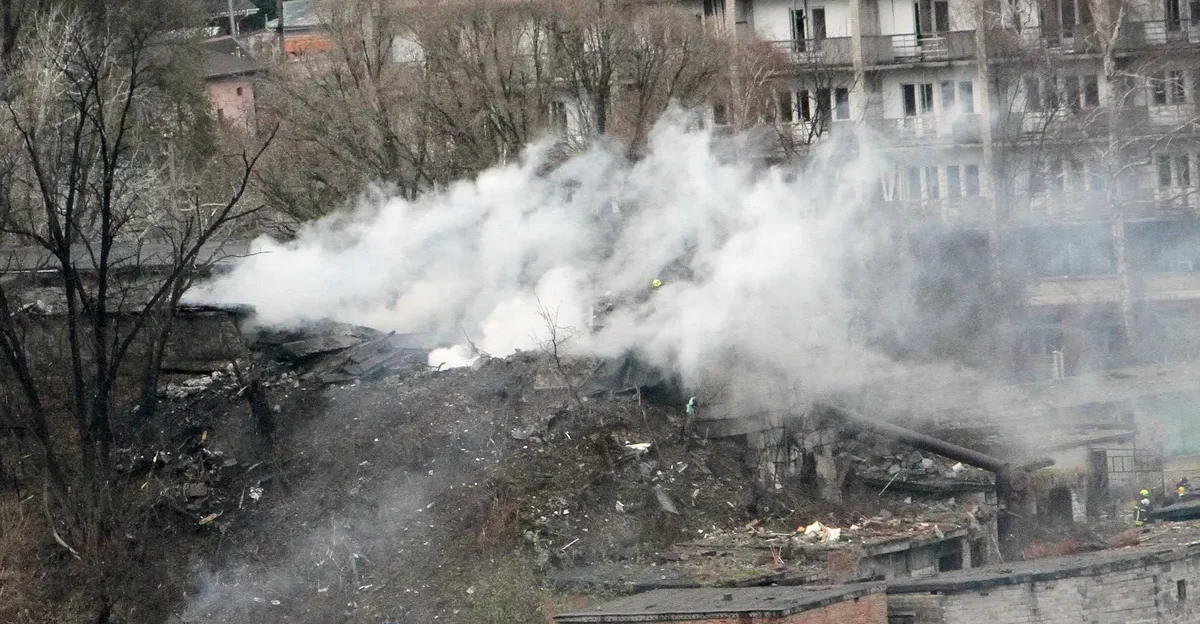
By destroying 1,000 Shaheds, 1,500 warheads, multiple depots, two Orion hangars, and striking a major Russian training base inside Russia itself, Ukraine has demonstrated an unprecedented deep-strike capability. Distance is no longer protection.
Russia must now defend everything, everywhere. The Donetsk and ATACMS strikes together mark a decisive transition into a phase of the war where rear-area sanctuaries no longer exist.
Sources:
United24media – Ukraine Attacked Russian Drone Base at Donetsk Airport. Here Is What Satellite Images Show, November 9, 2025 (updated November 10, 2025)
Kyiv Independent – Ukraine confirms drone, missile strike on Russian Shahed base at Donetsk airport, November 6, 2025
Odessa Journal – Ukraine Strikes Shahed Drone Base in Donetsk and Volgograd Oil Refinery, November 5, 2025
Ukrainska Pravda – Ukrainian forces destroy Shahed drone storage base in occupied Donetsk, November 6, 2025
Militarnyi – 1000 Shaheds Destroyed: 90% of Ukrainian Drones Reached the Warehouse at Donetsk Airport, November 5, 2025
Critical Threats Project – Russian Offensive Campaign Assessment, November 6, 2025, Institute for the Study of War
Kyiv Post – Ukrainian Forces Wipe Out Russian Shahed Launch Hub, November 6, 2025