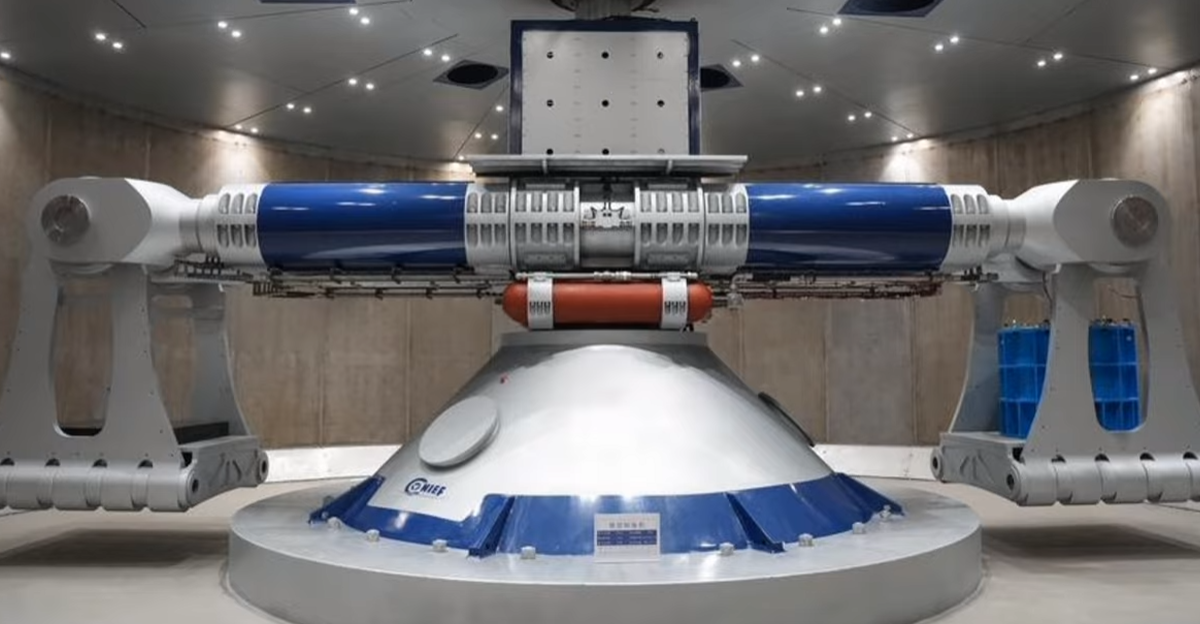
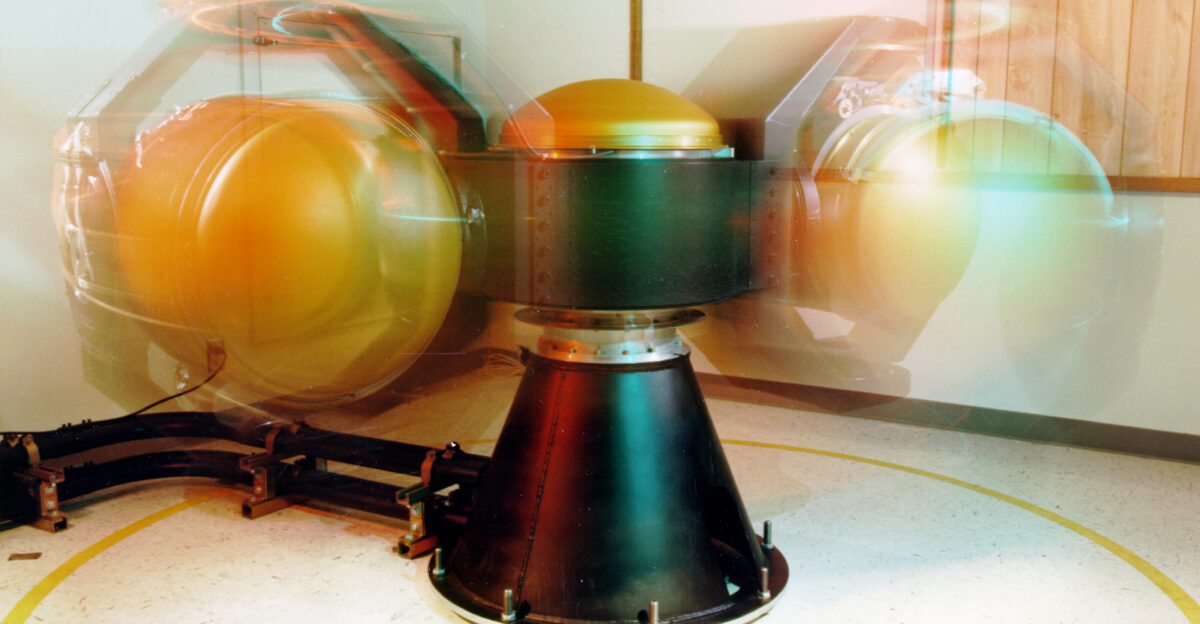
A massive steel arm begins to rotate inside an underground chamber in Hangzhou. The structure is silent from the outside, but within seconds, forces climb toward levels rarely achieved on Earth. Sensors track acceleration as the rotor builds speed.
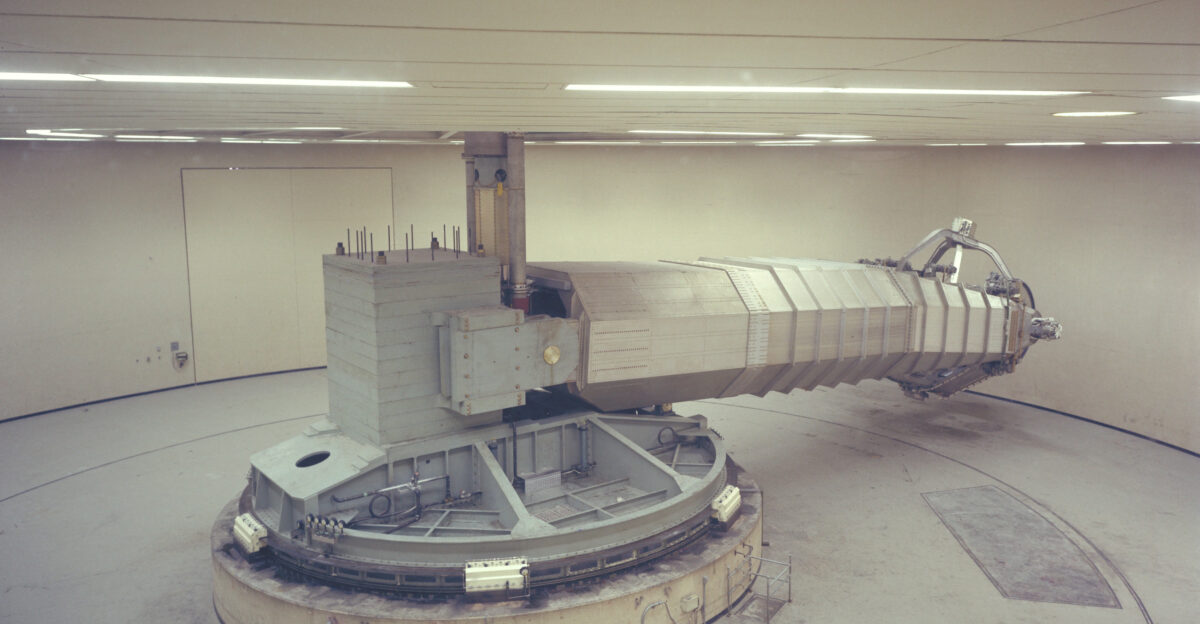
This is CHIEF1900, a centrifuge designed to generate forces up to 1,900 times Earth’s gravity. When it was delivered in December 2025, it instantly surpassed every comparable facility on the planet—resetting the limits of experimental gravity.
The Gravity Race Accelerates
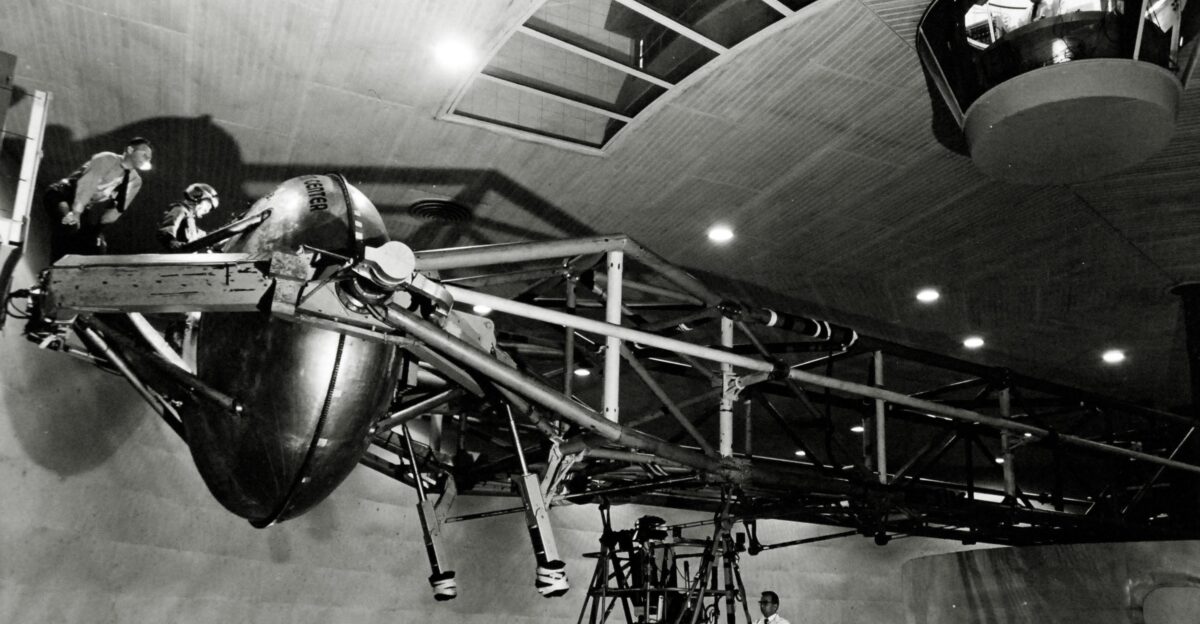
For decades, extreme-gravity research revolved around one dominant benchmark: the U.S. Army Corps of Engineers centrifuge in Vicksburg, Mississippi. Capable of producing up to 1,200 g-tonnes, it shaped global standards in geotechnical and structural testing.
That dominance is now under pressure. Announcements from China reveal not just incremental upgrades, but a leap in scale, funding, and ambition—signaling a turning point in who leads the world’s most demanding physical experiments.
China’s Scientific Pivot
In 2018, China’s National Development and Reform Commission approved the Centrifugal Hypergravity and Interdisciplinary Experiment Facility, known as CHIEF. With a budget of 2 billion yuan (about $285 million), construction began in February 2020.
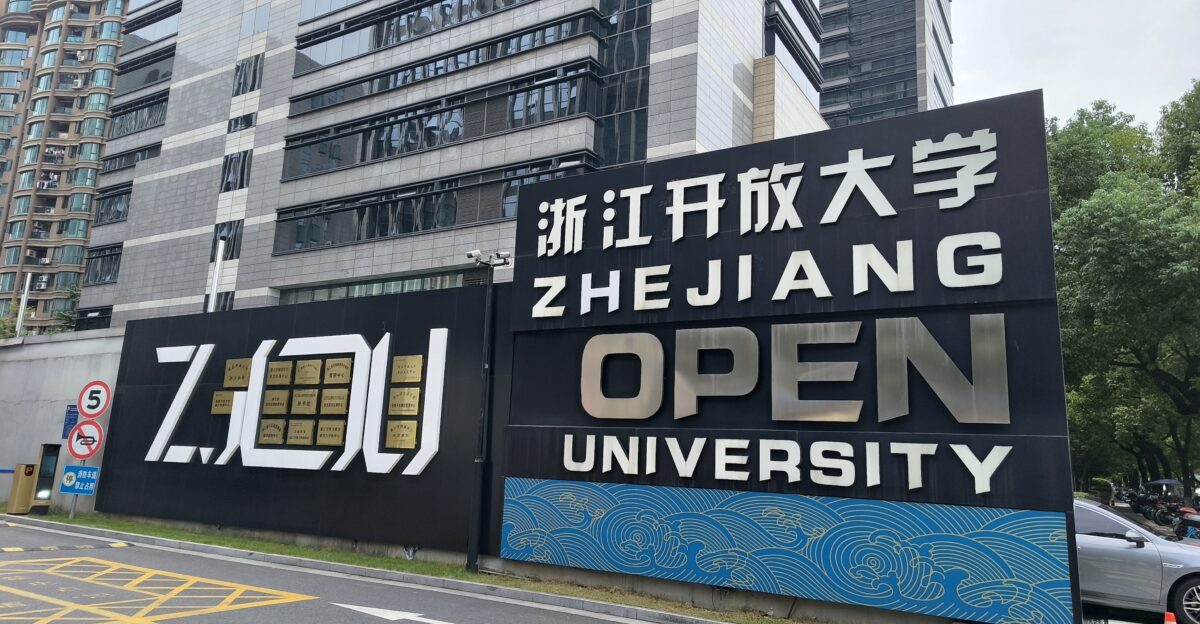
Zhejiang University partnered with Shanghai Electric Nuclear Power Group to execute the project. This was not a conventional academic lab, but a nationally backed infrastructure effort aimed at redefining China’s experimental capabilities.
The Timeline Tightens
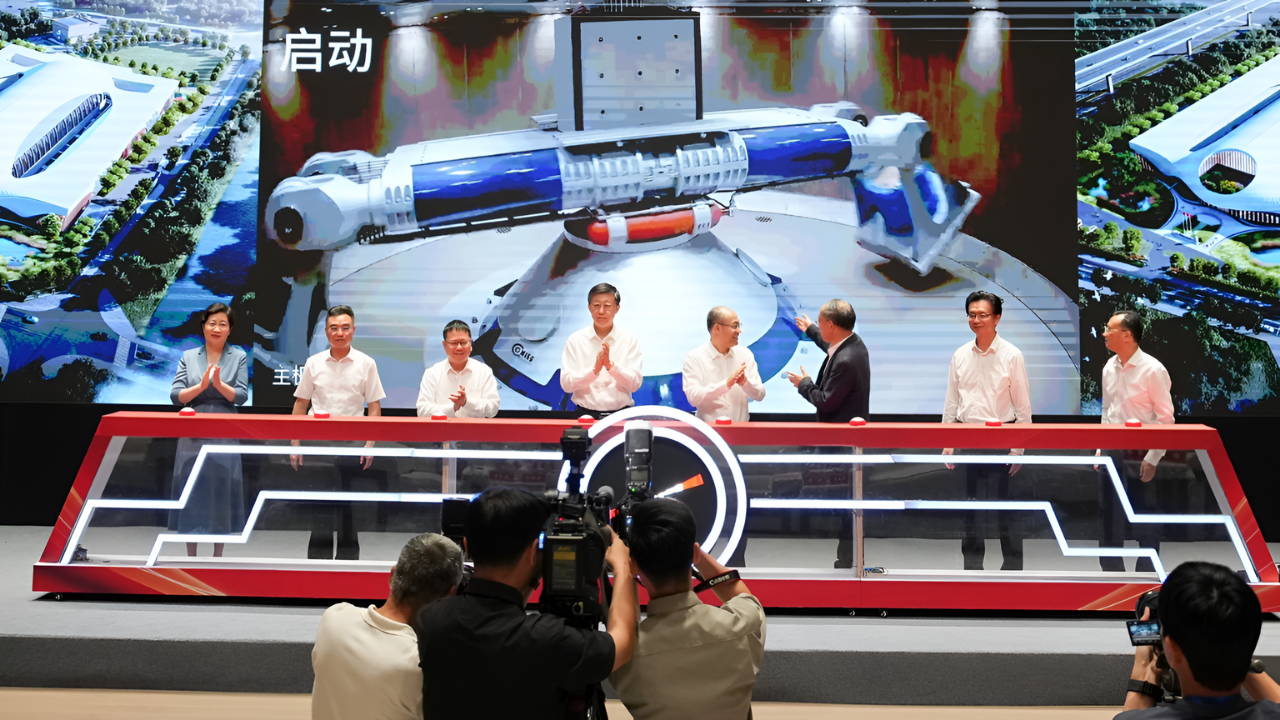
Progress moved quickly. By September 2025, Zhejiang University activated CHIEF1300, a centrifuge capable of generating 1,300 g-tonnes—already a world record at the time.
The rapid commissioning raised eyebrows. Observers questioned whether this machine represented the project’s endpoint or merely an intermediate step, as speculation grew that something larger was nearing completion.
CHIEF1900 Arrives
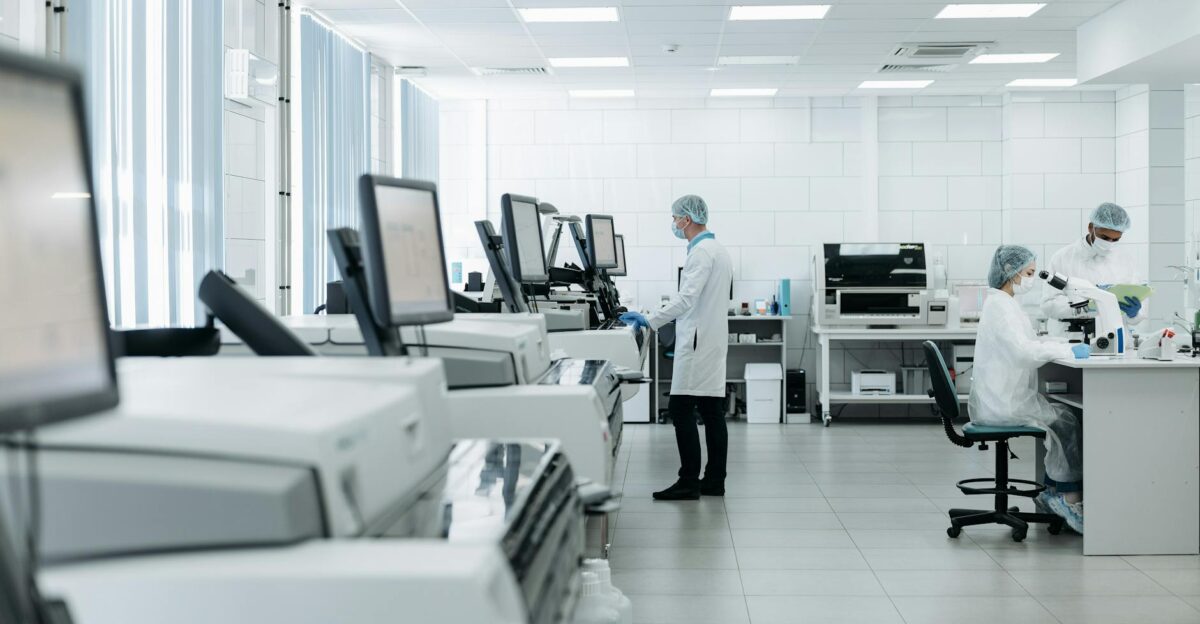
That speculation ended on December 22, 2025. Shanghai Electric delivered CHIEF1900 to Zhejiang University in Hangzhou. Designed to reach 1,900 times Earth’s gravity and operate routinely at 100g, the centrifuge exceeded the U.S. record by roughly 58 percent.
In a single deployment, China established the most powerful hypergravity research facility ever built—an achievement largely unnoticed outside specialized engineering circles.
What 100g Actually Does
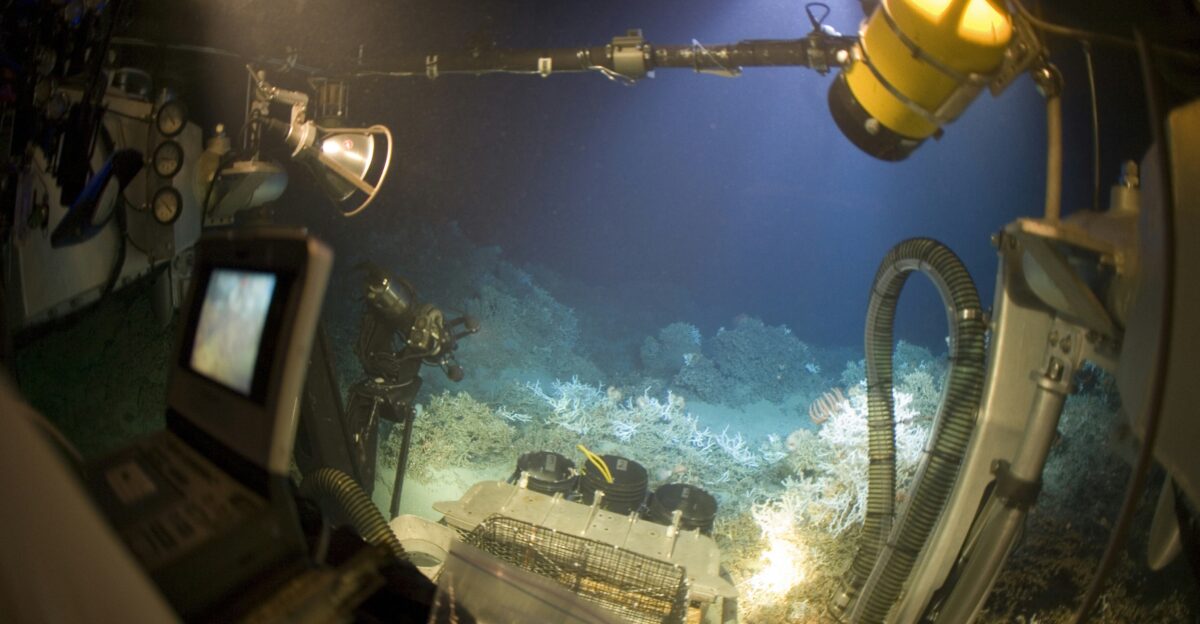
At 100g, scale collapses. A three-meter dam model experiences stresses equivalent to a 300-meter structure. Soil experiments can replicate millennia of pollutant migration in days.
Equipment designed for deep-sea mining can be tested under pressures matching extreme ocean depths. Since September 2025, CHIEF1300 has already demonstrated these capabilities within compressed experimental timelines.
The Quote That Explains It All
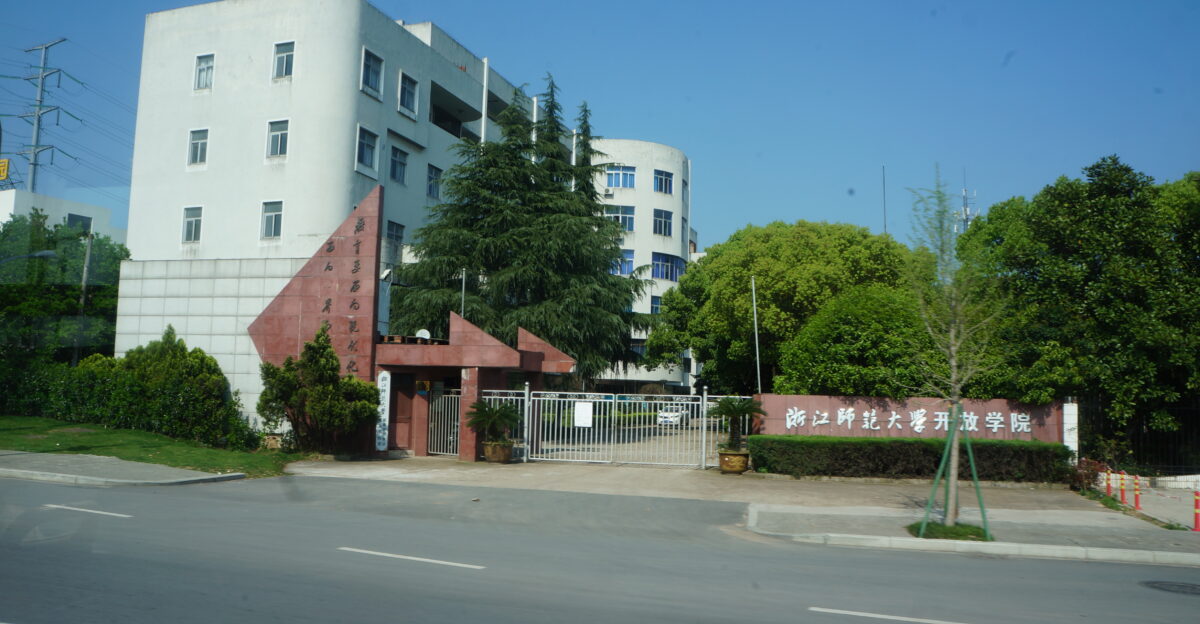
“We aim to create experimental environments that span milliseconds to tens of thousands of years,” said Chen Yunmin, chief scientist of the facility and professor at Zhejiang University. The statement captures CHIEF’s core function: time compression.
By accelerating stress, aging, and deformation, researchers can observe outcomes that would otherwise take centuries, fundamentally changing what questions engineers can realistically investigate.
The Competitive Shift
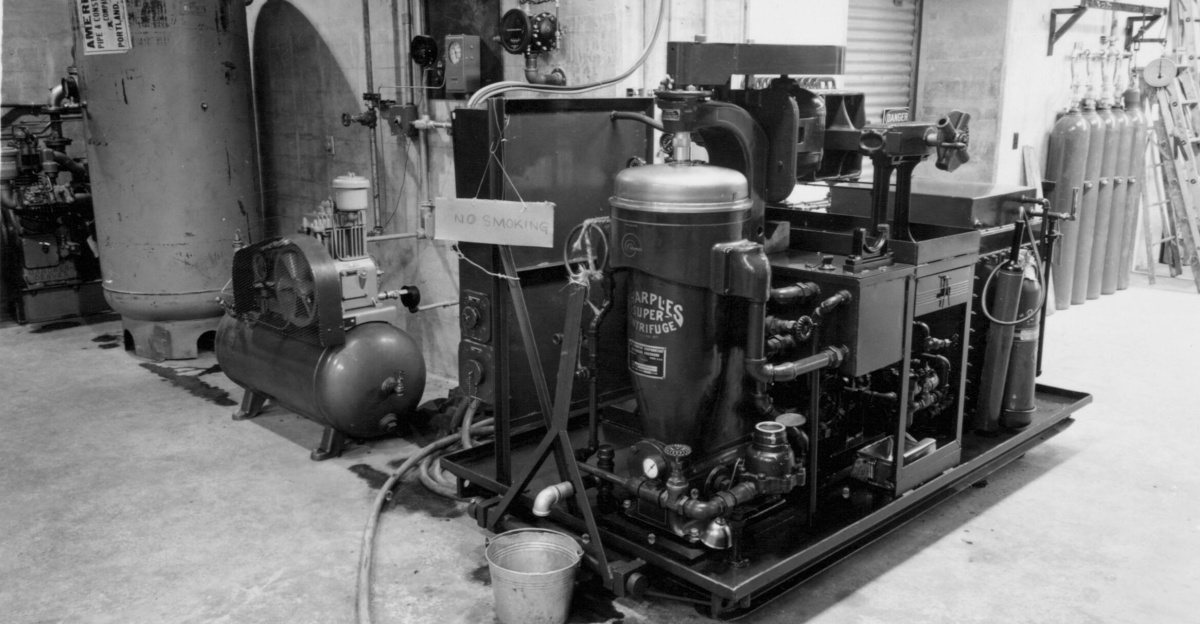
The U.S. Army Corps facility in Mississippi shaped hypergravity research for more than a decade, supporting earthquake modeling, infrastructure resilience, and material testing. But while that facility aged, U.S. investment plateaued.
China took a different approach. CHIEF1900 follows CHIEF1300, with additional centrifuges planned—creating a sustained, expanding research ecosystem that now outpaces its competitors.
The Ripple Beyond Geotechnics
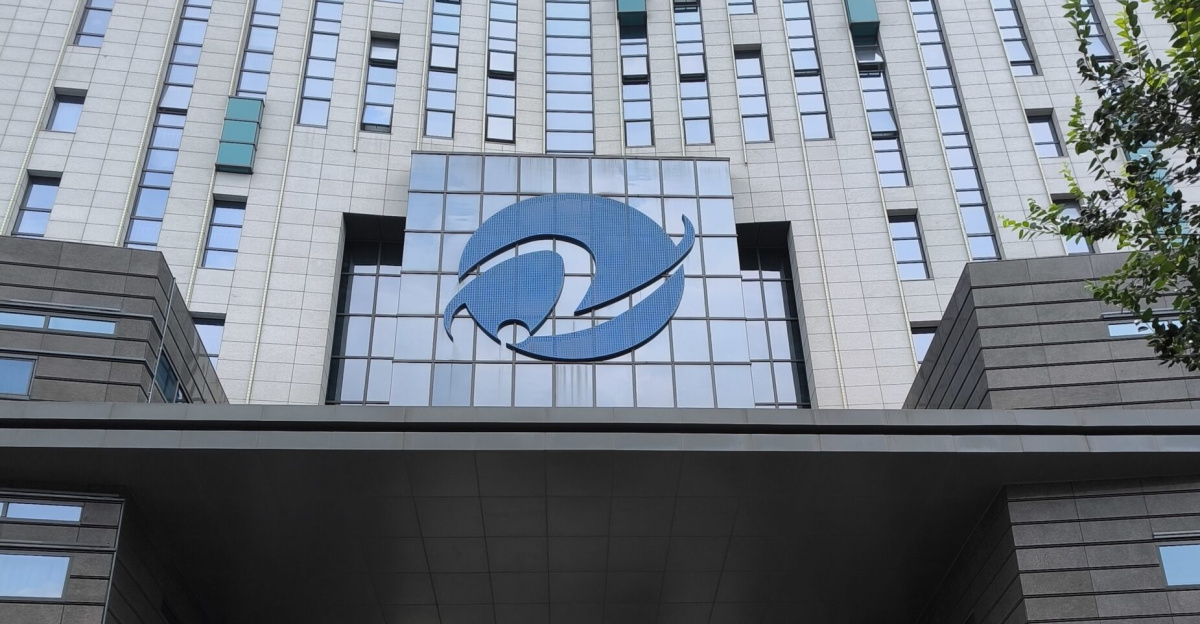
Although geotechnical testing dominates early use, CHIEF’s reach extends much further. Materials scientists can study alloy deformation under extreme loads, while aerospace engineers can simulate crash dynamics.
Seismic researchers can refine earthquake-resistant designs, and Zhejiang University has stated the facility will be open to international researchers—positioning China as a global host for high-end experimental science.
The Pilot Training Disconnect
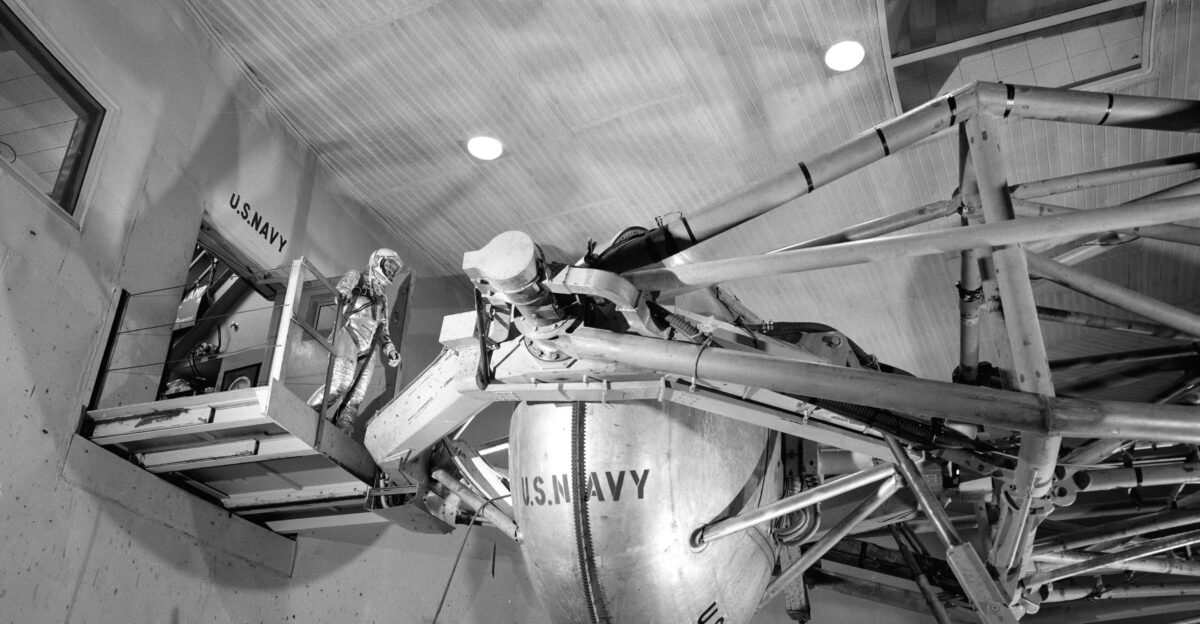
To understand the scale difference, consider aviation centrifuges. Military and commercial pilot training typically operates at 7–9g, with short human tolerance limits around 9–20g.
CHIEF operates routinely at 100g and reaches 1,900 g-tonnes of total capacity. This is not an extension of human-performance training, but an entirely different category of machine.
The Unspoken Pressure

Historically, many Chinese researchers relied on facilities in the U.S., Europe, or Japan for advanced experimental work, facing delays, costs, and geopolitical vulnerability.
CHIEF alters that equation. With world-leading capability at home, Chinese scientists gain autonomy in critical research domains and reduce strategic risk amid rising international tensions.
An Engineering Feat Few Expected
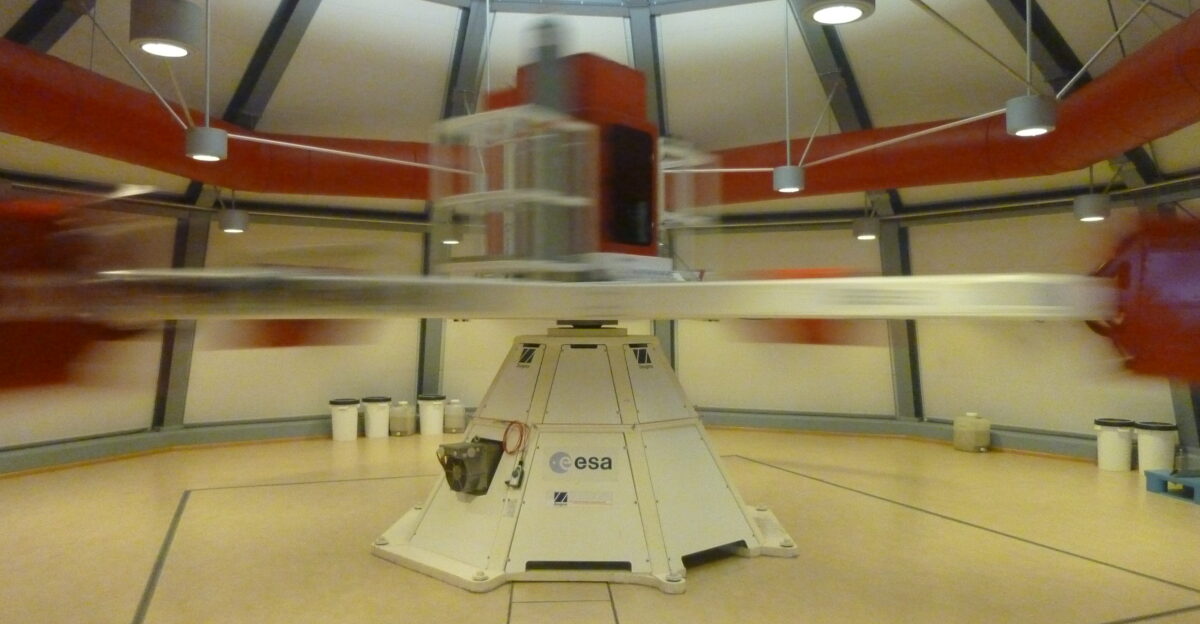
Constructing a 1,900 g-tonne centrifuge demands extraordinary precision. Rotors must survive immense stress, and vibration control must be exact as minor imbalances become destructive.
Shanghai Electric assembled the expertise to meet those demands. Delivering CHIEF1900 on schedule suggests an engineering maturity often underestimated outside China.
Installation and Commissioning
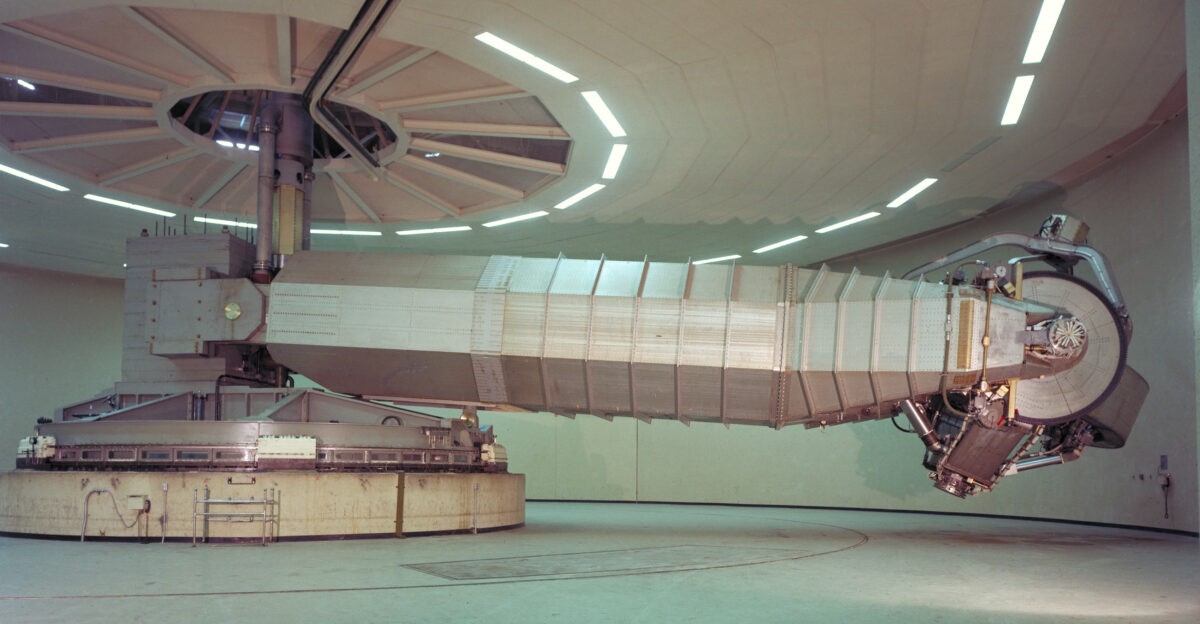
CHIEF1900 was delivered for installation in late December 2025, while CHIEF1300 has been operating since September, producing early validating data.
The underground Hangzhou site offers seismic isolation and efficient space use. Following CHIEF1300’s successful commissioning timeline, CHIEF1900 is moving through testing phases.
International Access, Strategic Effect
Unlike restricted facilities, CHIEF is open to international collaboration, with researchers worldwide able to apply for access. This openness builds credibility, attracts talent, and generates revenue.
More subtly, it shifts the center of gravity in hypergravity research toward China, as global researchers tend to follow where the best tools are located.
What This Means for Western Research
U.S. and European hypergravity facilities remain valuable but now face a newer, more powerful competitor backed by long-term state funding. Whether Western governments respond remains unclear.
Institutional inertia and regulatory constraints may slow reactions, yet research partnerships and experimental priorities often follow capability—and capability has clearly shifted.
The Geopolitical Subtext
Research infrastructure rarely dominates headlines, yet it shapes long-term power by attracting talent and concentrating expertise. CHIEF fits a broader pattern of Chinese investment.
Alongside quantum labs, telescopes, and high-speed rail testing, it reinforces scientific autonomy within a strategic network anchoring global research leadership.
Climate, Risk, and Infrastructure
As climate change intensifies floods, earthquakes, and coastal stress, understanding material behavior under extreme conditions becomes urgent. CHIEF enables simulations of centuries of degradation in days.
This accelerates resilient infrastructure development—dams, foundations, and defenses—making hypergravity research strategically essential, not merely academic.
The Export Advantage
China’s deep-sea mining goals and global infrastructure projects depend on reliable engineering under extreme stress. With CHIEF, testing and certification can occur domestically.
This reduces reliance on Western validation and speeds deployment, giving Chinese firms a competitive edge in global engineering and construction markets.
Accelerating Knowledge Itself

Scientific progress clusters around superior tools. Telescopes transformed astronomy; particle accelerators reshaped physics. CHIEF will accelerate discovery across several disciplines.
As papers accumulate and citations grow, so will institutional prestige—delivering long-term intellectual leadership through sustained experimental investment.
The Question That Lingers
As CHIEF1900 moves toward operational status, a larger question emerges: are Western nations investing enough in future research infrastructure?
The machine itself is extraordinary, but what it represents—strategic patience, scale, and follow-through—may ultimately matter more than gravity alone.
Sources:
South China Morning Post | “China builds a record-breaking hypergravity machine to compress space and time” | December 30, 2025
Interesting Engineering | “China’s record 1900g-tonne hypergravity machine” | December 31, 2025
New Atlas | “China’s new hypergravity centrifuge models extreme forces” | January 7, 2026
China Daily | “China debuts world’s mightiest centrifuge, unleashing ultra-high gravity” | September 28, 2025
Global Construction Review | “China completes first phase of world’s most advanced hypergravity machine” | November 19, 2024
China Daily Hong Kong | “World’s largest-capacity centrifuge is now operational” | October 1, 2025