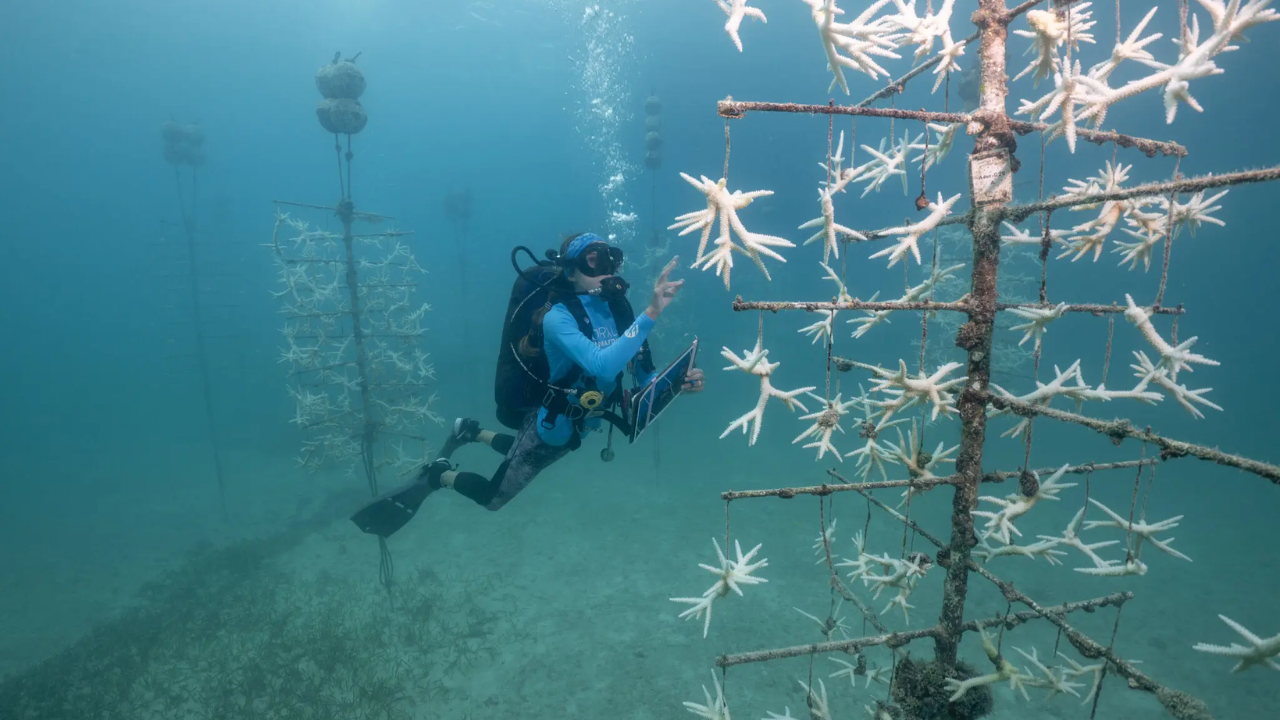
In the summer of 2023, Florida’s coral reefs hit a breaking point. Temperatures soared to their highest in over 150 years, triggering a marine heat wave that decimated coral colonies across the Florida Keys. Staghorn and elkhorn corals—once vibrant pillars of the ecosystem—were wiped out, with 98-100% mortality rates reported in the lower and middle Keys and Dry Tortugas, while northern regions experienced moderate mortality.
More than 52,000 colonies across nearly 391 sites were analyzed, and scientists issued a dire warning: these species were now “functionally extinct.” The heat wave, marking the ninth major bleaching event, left behind a staggering ecological void that threatens both marine life and coastal communities. As the ocean’s temperature continued to climb, the question on everyone’s mind was: Could Florida’s reefs ever recover from this disaster?
Why It Happened: Record Heat and Climate Tipping Point
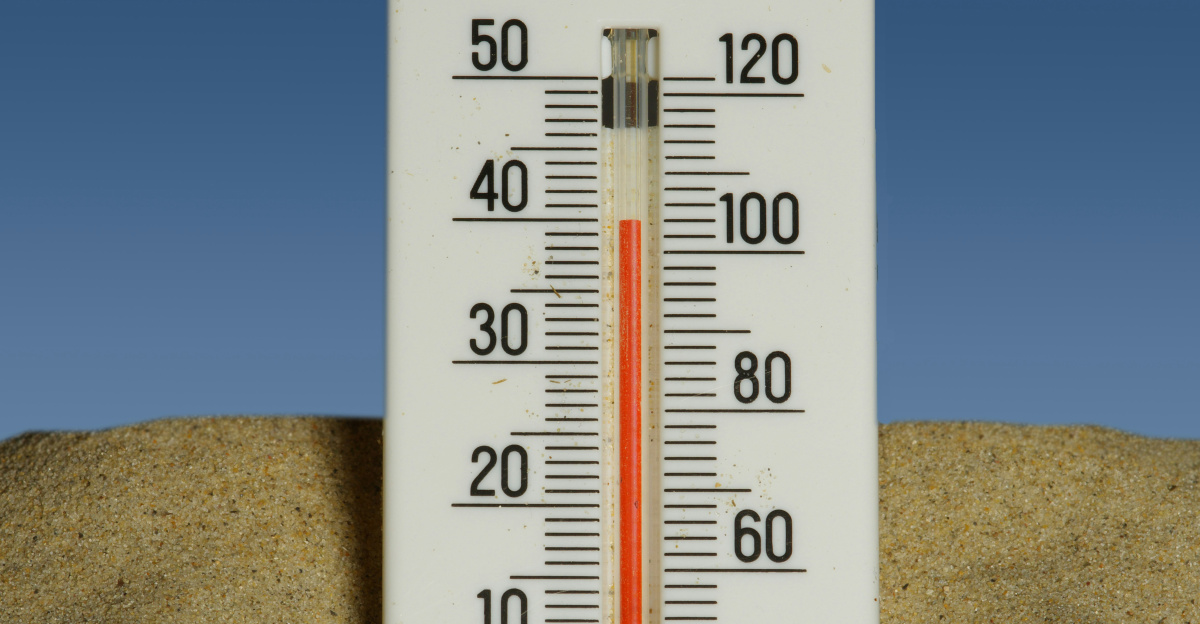
The 2023 heat wave was extreme, with sea surface temperatures staying above 31°C (87.8°F) for an average of 40.7 days. The stress on the corals was 2.2 to 4 times worse than in any previous year. This unprecedented thermal stress caused corals to “melt,” shedding tissue within days.
Climate scientists now classify warm-water coral reefs as the first ecosystems to cross a climate tipping point, permanently altering their survival thresholds due to warming oceans.
Direct Consumer Impact: Coastal Homeowners Face Eroded Storm Protection
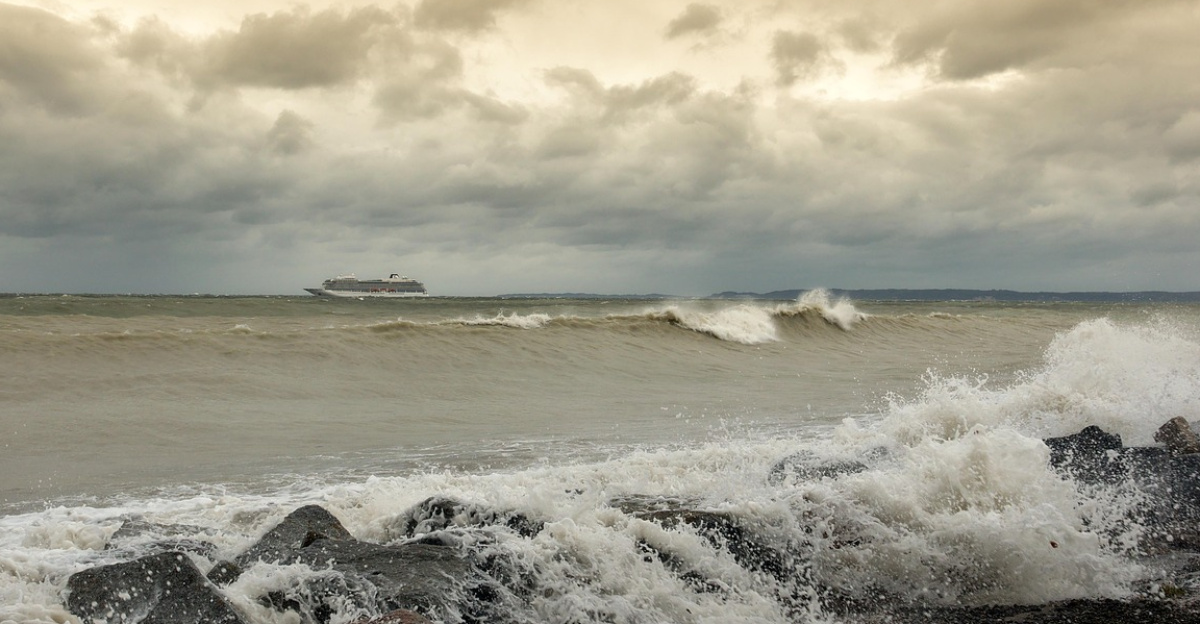
Florida’s coastal residents—approximately 14.5 to 22 million people—lost a vital natural barrier against hurricanes and storm surges. Coral reefs reduce wave energy by 97%, offering crucial protection. With the loss of staghorn and elkhorn corals, millions of Floridians now face greater flood risks during hurricane season.
Homeowners in areas like Miami-Dade and Broward County are seeing increases in insurance premiums, and property values are falling in vulnerable coastal zones.
Business Response: Tourism and Hospitality Sector Mobilizes
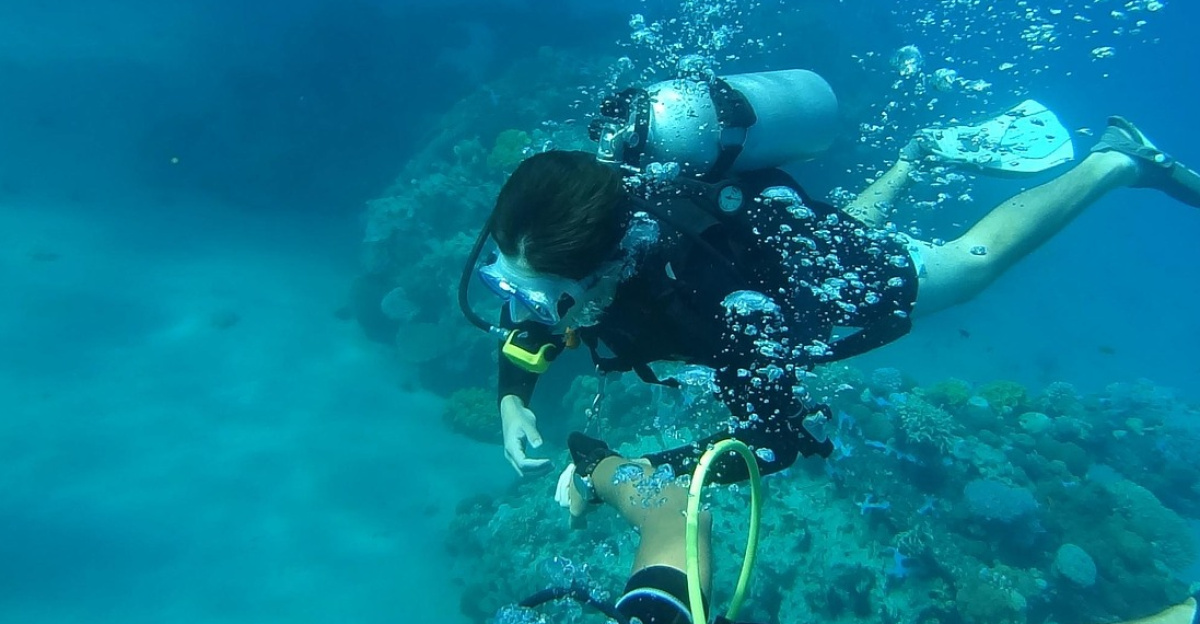
Florida’s tourism industry, contributing $133.6 billion in annual economic impact, faces a crisis as healthy reefs are essential for attracting visitors. Major players in hospitality, diving, and fishing have partnered with NOAA and environmental nonprofits for reef restoration.
The Coral Restoration Foundation, Mote Marine Laboratory, and Reef Renewal USA are working to propagate surviving coral genotypes and accelerate outplanting efforts across the Florida Keys National Marine Sanctuary.
Substitute Markets Emerge: Artificial Reef and Coastal Defense Innovation
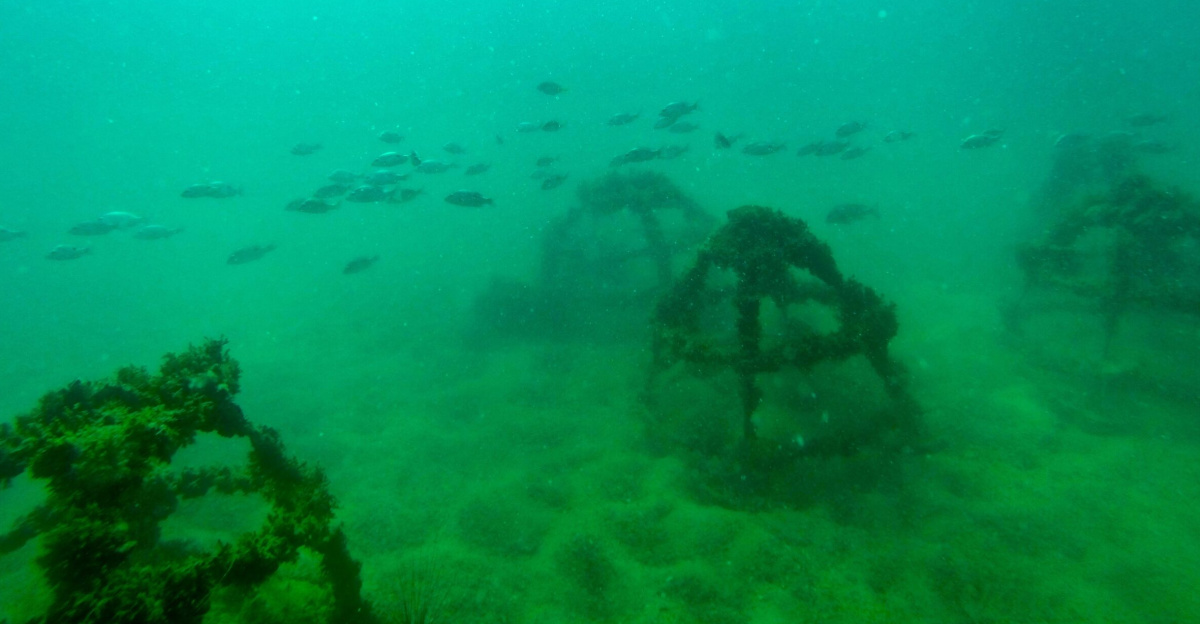
As natural reefs collapse, alternative solutions such as artificial reefs, living shorelines, and hybrid infrastructure are rising in demand. Coastal engineers and municipalities are investing in modular reef structures and oyster reef restoration.
Additionally, biotech firms are developing heat-resistant coral strains and 3D-printed reef substrates. These innovations present opportunities for environmental tech startups and construction firms specializing in resilience infrastructure amid the ongoing ecological crisis.
International Trade Ripples: Caribbean Fisheries and Regional Supply Chains

The 2023 heat wave triggered global bleaching, affecting reefs in the Caribbean and beyond. Staghorn and elkhorn corals, crucial for juvenile fish populations, have collapsed throughout the region.
Countries like Jamaica, the Bahamas, and Belize now face risks to their seafood exports from reduced fish stocks. As a result, international seafood markets remain sensitive to supply pressures from reef-dependent fisheries, impacting U.S. and European restaurant menus and grocery bills.
Human Story: Fishermen and Restoration Workers on the Front Lines

Fishermen in the Florida Keys, whose livelihoods depend on healthy fish populations, are facing economic hardships due to reef collapse.
Meanwhile, marine biologists and restoration workers, including Karen Neely at Nova Southeastern University, are diving daily to propagate and outplant coral fragments from nurseries. These workers are at the frontline of the battle to save what remains of Florida’s reefs, offering a ray of hope amidst this environmental crisis.
Policy Response: Federal and State Climate Action Accelerates
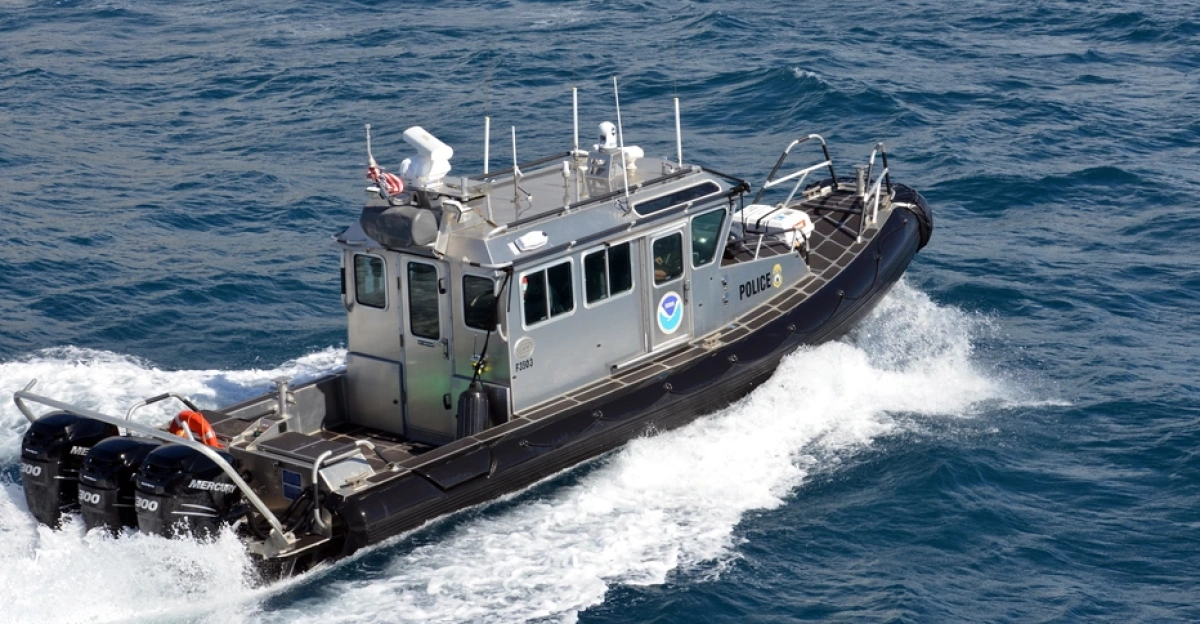
Florida and federal agencies have made reef restoration a priority, with NOAA’s “Mission: Iconic Reefs” initiative targeting restoration of coral cover across seven key sites in the Florida Keys.
However, scientists stress that restoration efforts alone cannot reverse warming trends. Emissions reductions, including carbon pricing and renewable energy mandates, are essential to address the root causes of ocean warming and safeguard remaining reefs.
Inflation and Economic Ripples: Coastal Insurance and Seafood Costs Rise

As Florida’s coral reefs deteriorate, coastal insurance premiums are rising due to heightened flood risks. Residents in coastal communities are experiencing increases in annual premiums.
Simultaneously, the decline in reef-dependent fish stocks is putting upward pressure on seafood prices. These economic burdens disproportionately affect low-income households in coastal areas, amplifying economic inequality in the region.
Lifestyle Shift: Recreational Diving and Snorkeling Decline
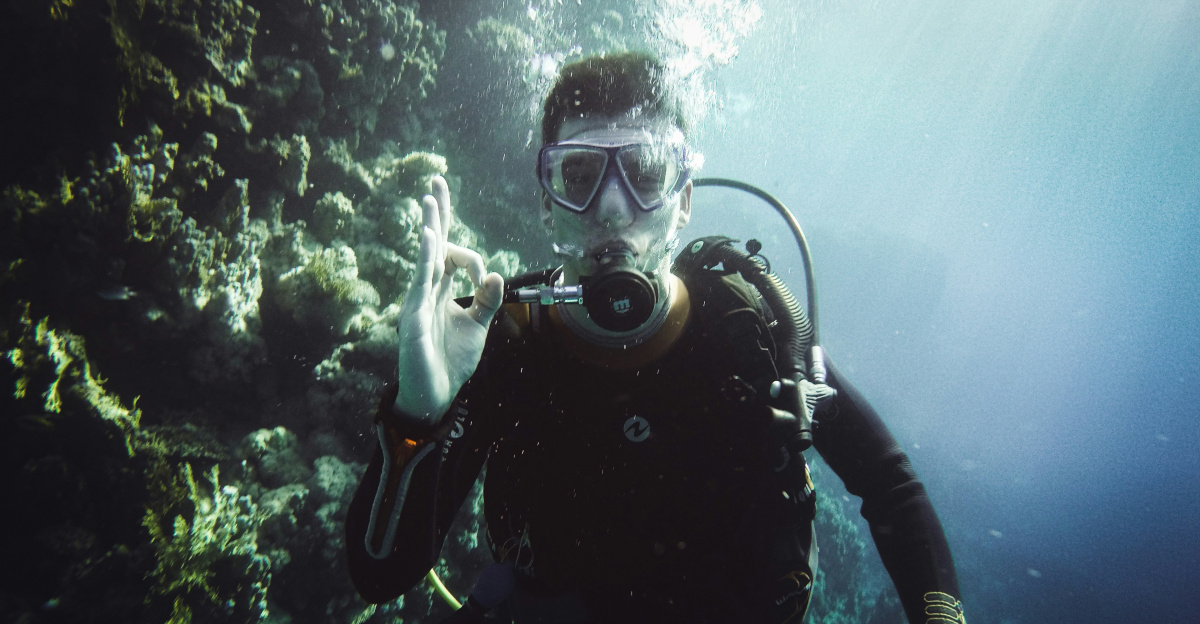
The decline in coral reef health is leading to a downturn in recreational diving and snorkeling, activities that generate billions in tourism revenue.
Dive operators in the Florida Keys and Dry Tortugas are reporting changing business patterns. Tourists seeking pristine coral ecosystems may now turn to less-impacted regions, reshaping local economies and forcing dive shops and hospitality businesses to diversify or adapt to stay afloat.
Health and Sustainability Debate: Food Security and Nutrition Concerns
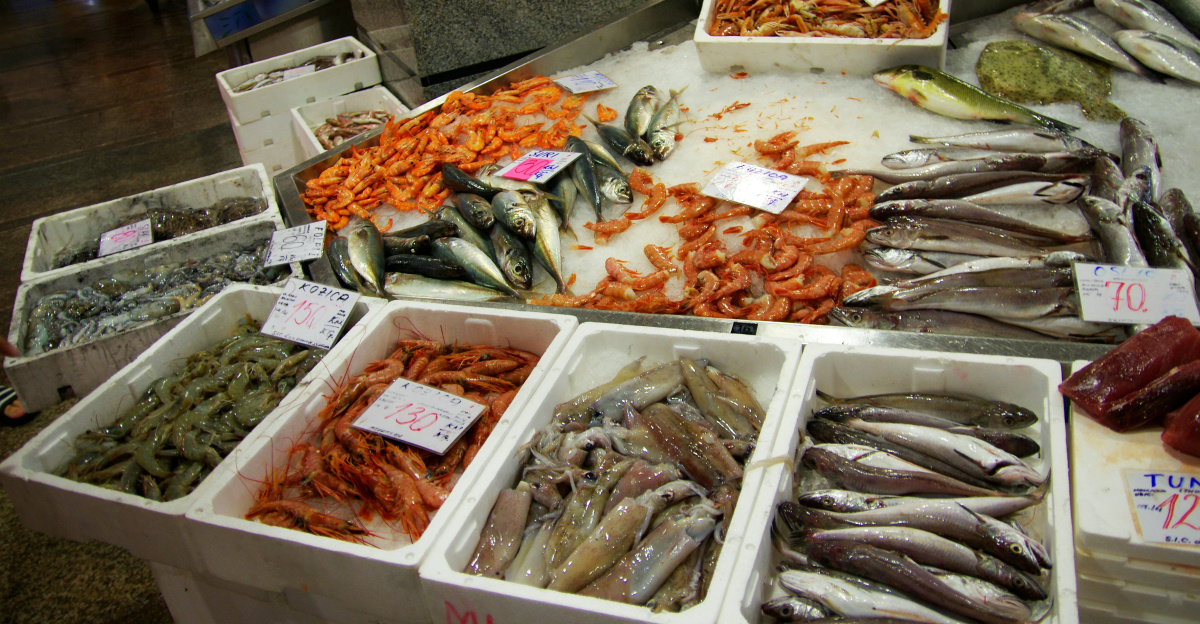
The collapse of coral reefs raises urgent concerns about food security and nutrition in coastal communities. Reef-dependent fish species provide essential protein and micronutrients for millions, especially in developing countries.
In Florida, families that depend on affordable seafood are facing longer-term supply challenges. This has sparked discussions on sustainable aquaculture and the need for climate-resilient fish species to ensure food security.
Cultural Reckoning: Reef Loss as Symbol of Climate Crisis
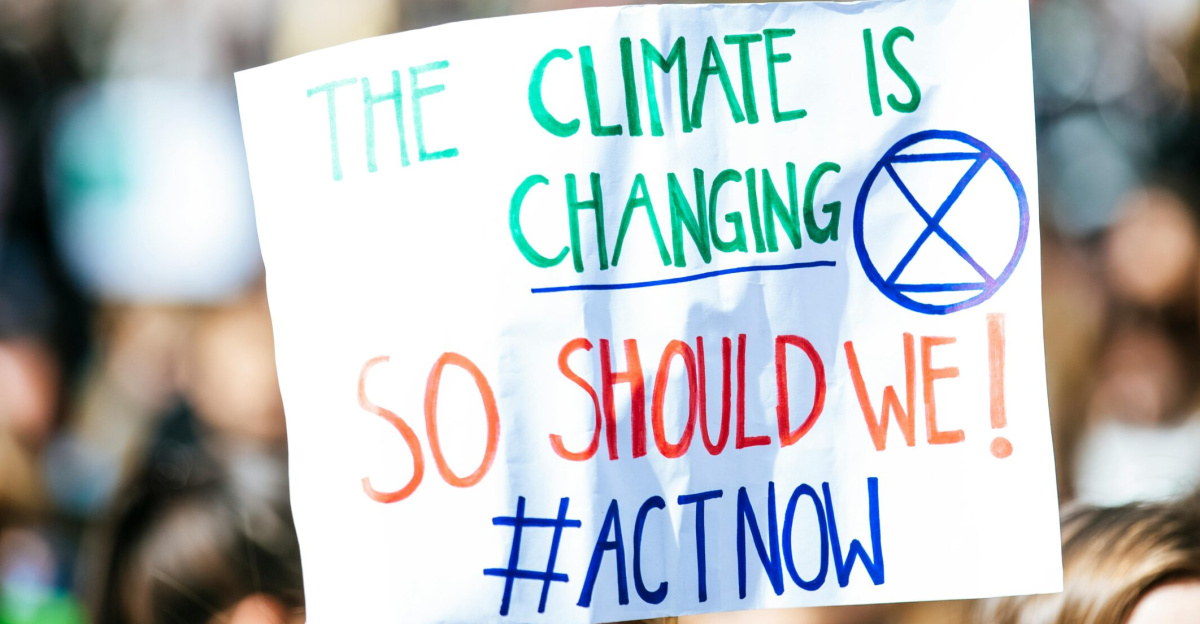
The loss of Florida’s coral reefs has become a cultural touchstone in the climate change debate. The collapse of staghorn and elkhorn corals is now featured in documentaries, media, and on social platforms.
Environmental advocates are highlighting the disproportionate impact on low-income and minority communities. Artists, filmmakers, and musicians are memorializing the loss, helping to shift public opinion toward greater support for climate action and ocean conservation.
Market Winners and Losers: Who Profits, Who Suffers

Winners in this crisis include coastal engineering firms, renewable energy companies, and climate tech startups developing solutions for reef restoration and resilience.
Losers include commercial fishing operations, dive shops, and businesses reliant on healthy reefs for tourism. Real estate markets are also being affected, with properties featuring engineered resilience seeing appreciation, while vulnerable beachfront properties face challenges.
Consumer Advice: What Floridians Should Do Now
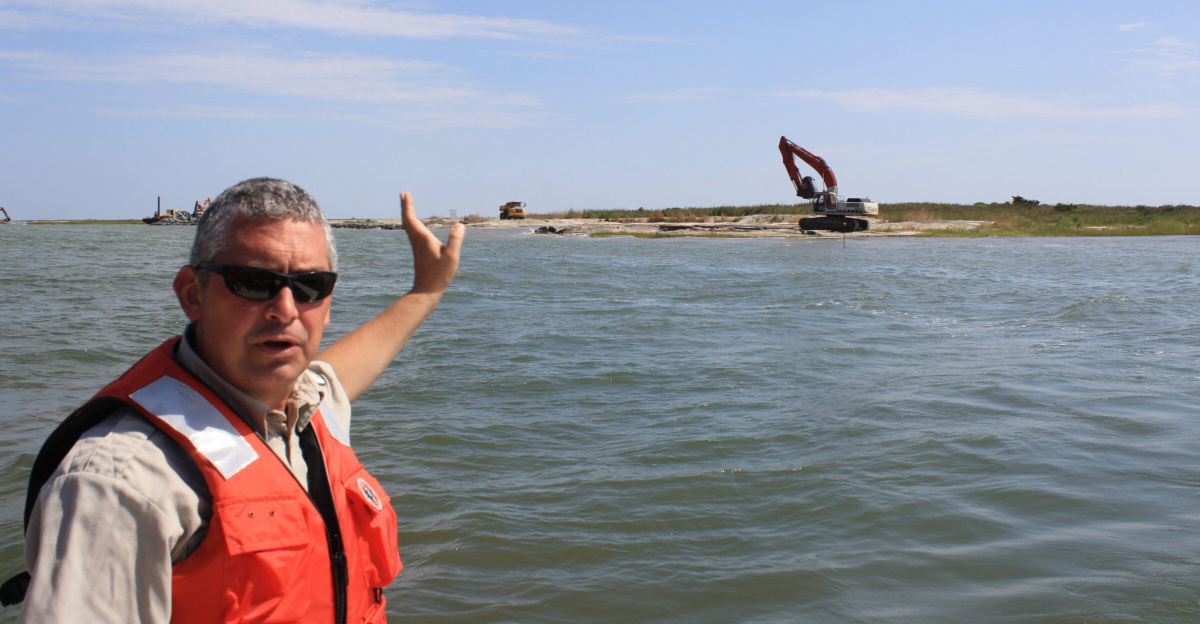
For Floridians, now is the time to assess flood risk using FEMA maps and consider investing in nature-based defenses such as living shorelines. Coastal homeowners should evaluate flood insurance options, while investors should diversify away from climate-vulnerable real estate.
Consumers can explore plant-based proteins and sustainable aquaculture as alternatives to reef-dependent seafood. Finally, voters should support policies that prioritize emissions reductions and climate adaptation funding to protect what remains of Florida’s reefs.
Forward Reflection: Tipping Point or Turning Point?
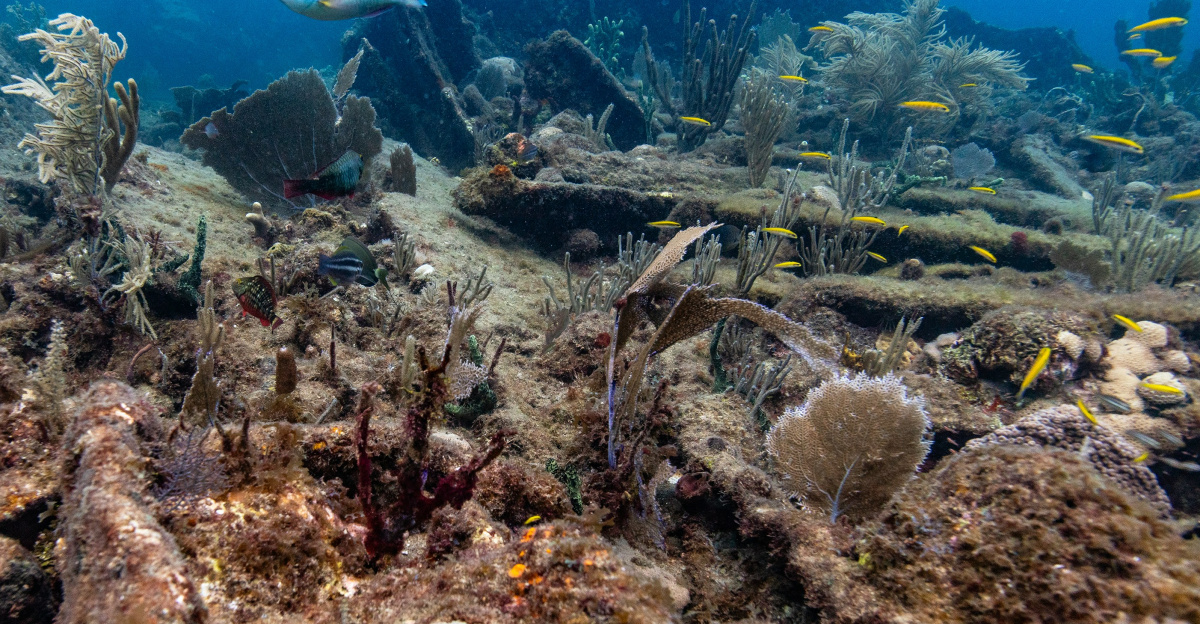
Florida’s coral collapse represents a critical moment in climate history. Scientists have declared warm-water coral reefs to have crossed a climate tipping point, but restoration efforts offer fragile hope.
The next decade will determine if Florida’s reefs can recover or if they will serve as a cautionary tale. The urgency of the situation lies with policymakers, businesses, and individuals whose actions will shape the future of our oceans.
Sources:
Manzello et al. (2025) Science journal study on the functional extinction of staghorn and elkhorn corals following the 2023 marine heatwave.
NOAA Coral Reef Conservation Program & Mission: Iconic Reefs initiative reports and 2023 sea surface temperature data.
Ferrario et al. (2014) Nature Communications study on the effectiveness of coral reefs for coastal hazard risk reduction.
U.S. Geological Survey & University of California, Santa Cruz (2019) report on the economic value of U.S. coral reefs for flood risk reduction.