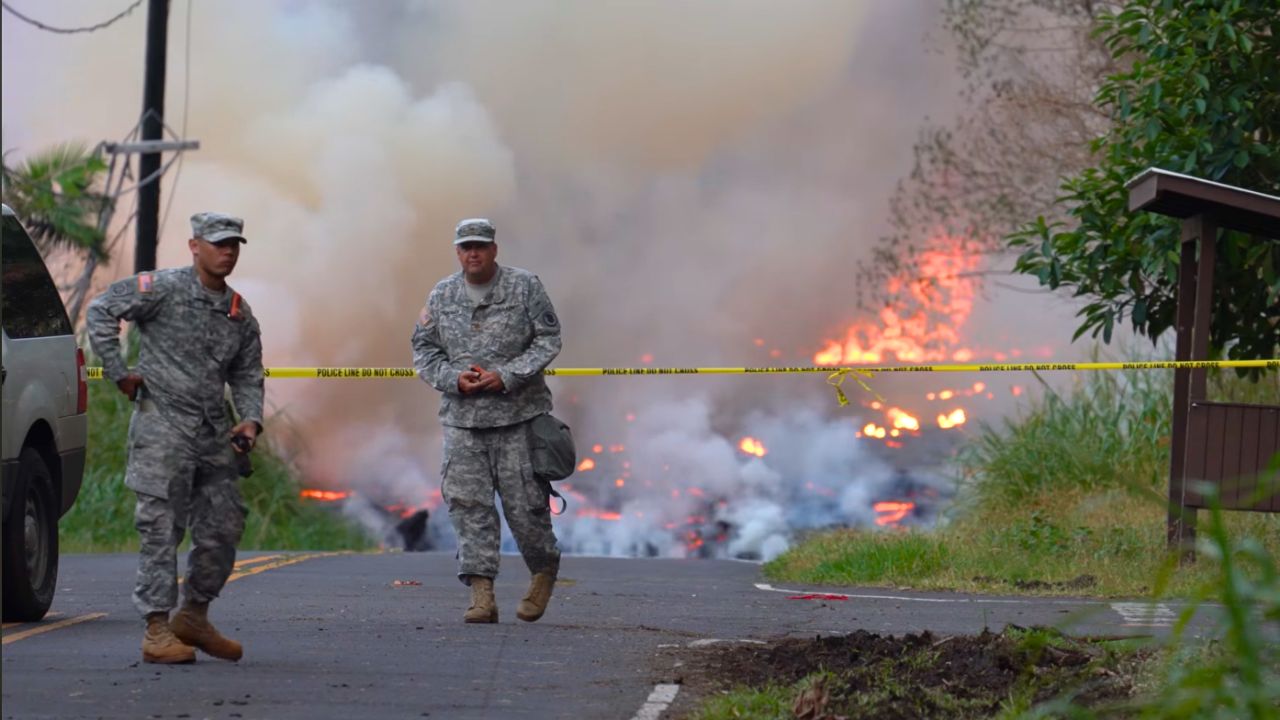
Kīlauea volcano on the island of Hawaii erupted on January 12, 2026, sending lava fountains 800 feet into the air and unleashing a toxic gas plume that affected thousands of residents. In under ten hours, the event reshaped the summit caldera and prompted health alerts across the Big Island.
A Plume Taller Than Mountains
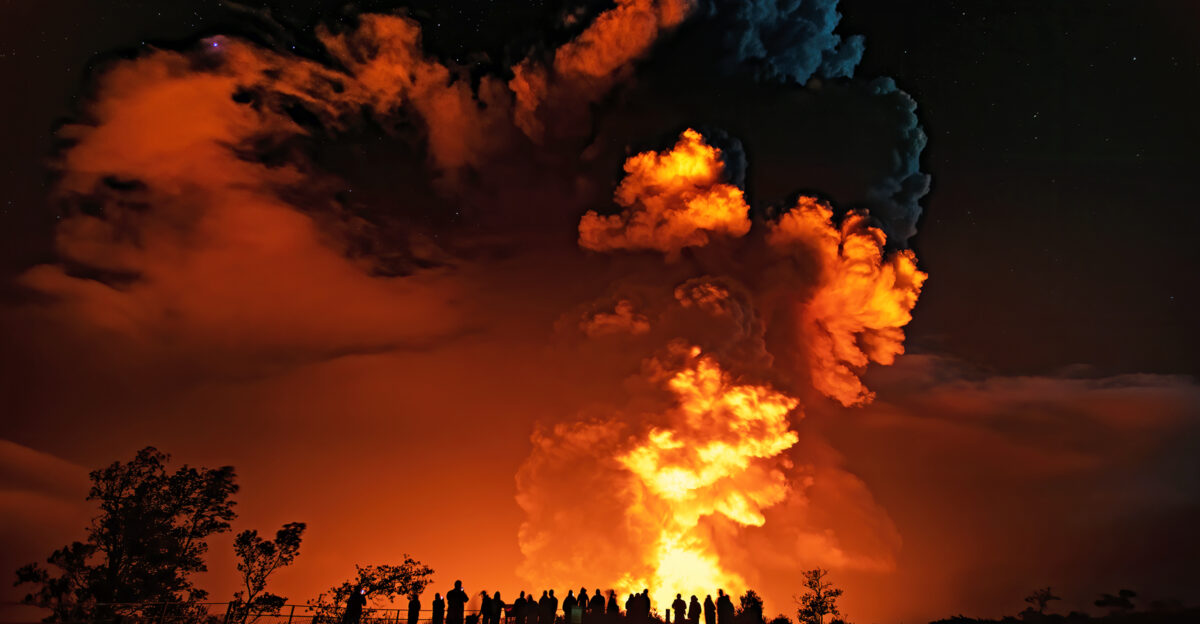
The eruption produced a gas column rising 13,000 feet, surpassing the base height of Mauna Kea and casting a hazy golden glow over the sky. Sulfur dioxide emissions peaked at 100,000 tonnes per day, drifting southeast toward populated areas where 200,000 people reside. These invisible gases blanketed neighborhoods, schools, and farms, reducing visibility and posing risks to those downwind.
Hawaii County Civil Defense issued a clear alert: Fine glass particles may irritate skin and eyes, advising those with respiratory conditions to avoid the area. Residents with asthma, young children, pregnant women, and elderly individuals with heart issues monitored air quality closely, many staying indoors or using inhalers as symptoms like wheezing and chest tightness emerged.
Nine Hours of Unrelenting Power
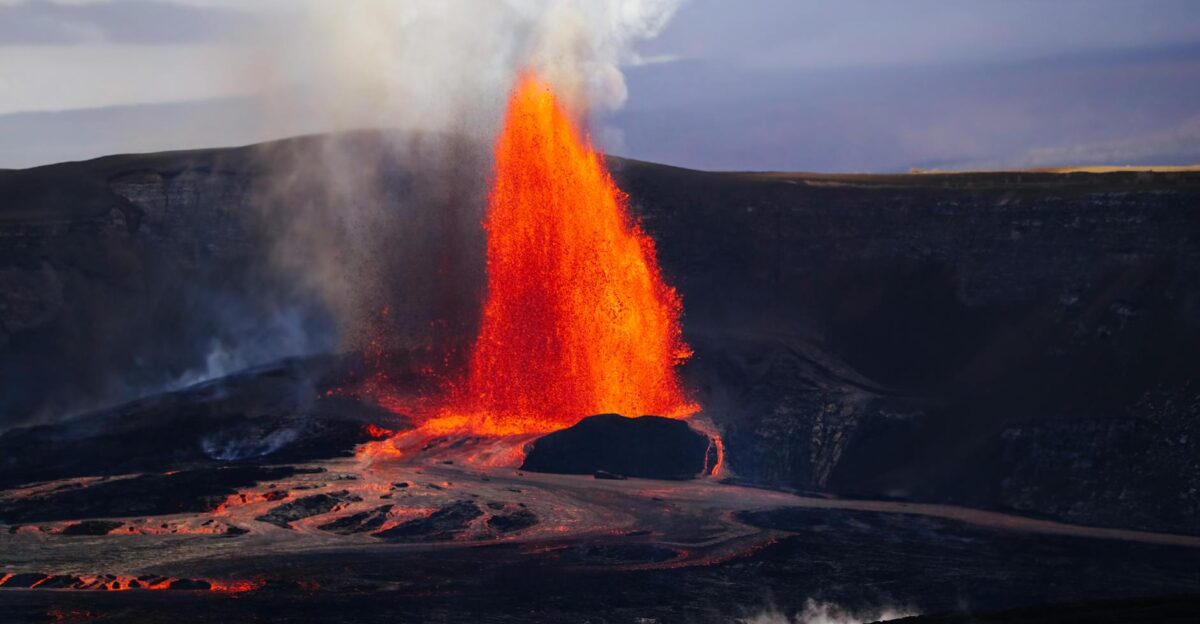
The activity lasted from 8:22 a.m. to 6:04 p.m., with lava fountains pulsing vertically—a shift from recent inclined flows, signaling changes in the volcano’s magma pathways. Geologists noted 7.1 million cubic yards of molten rock ejected into the crater. Tourists at the Crater Rim overlook captured the spectacle, including rotating whirlwinds above the lava lake, visible via USGS livestreams.
Pele’s hair—thin, golden strands of volcanic glass—rained down, formed when gas bubbles burst in the fountains, creating sharp, needle-like fibers hazardous to skin and lungs. Drivers reported poor visibility on roads, while parents kept children inside amid the fallout.
The Human Impact Unfolds
Sulfur dioxide irritates the airways, causing shortness of breath and aggravating asthma by constricting the lungs. Fine sulfate particles from reactions with moisture worsened bronchitis, coughs, cardiovascular issues, and stroke risks in vulnerable groups. Unlike the 2018 rift zone eruption, which destroyed 700 homes, this summit event stayed within Hawaiʻi Volcanoes National Park, avoiding evacuations but disrupting daily life through air quality concerns and preparing emergency rooms.
Over 1.6 million annual park visitors witnessed the display, drawn to the raw display of Earth’s forces from safe viewpoints.
Kīlauea’s Restless Legacy
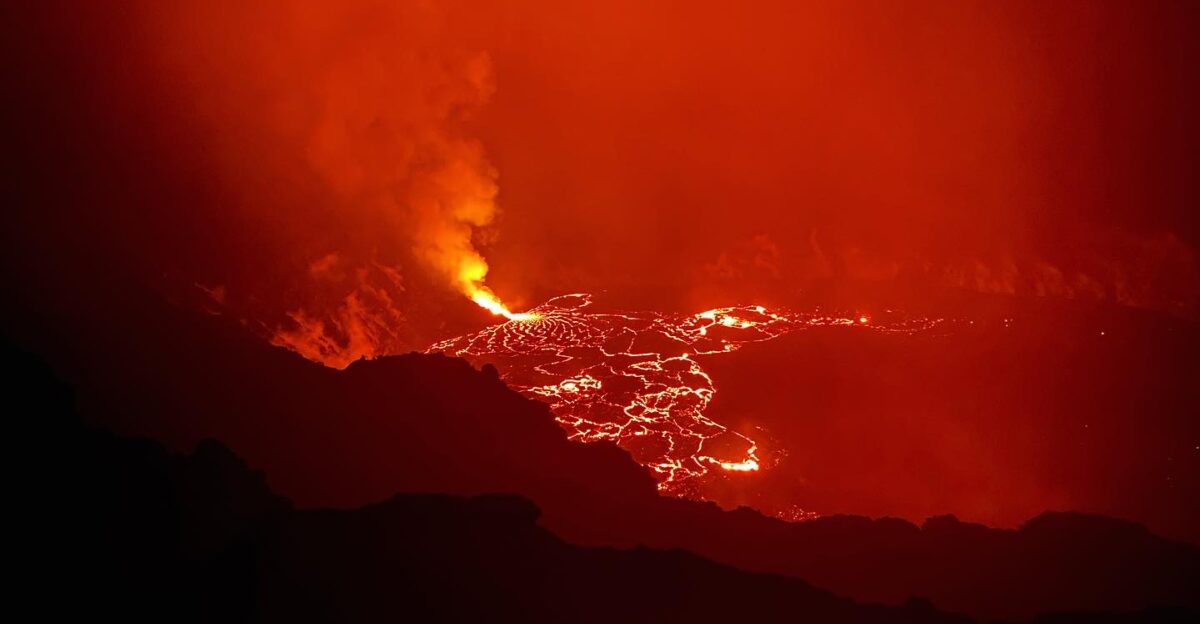
Since 1823, Kīlauea has erupted 61 times, including nearly continuous activity from 1983 to 2018 that has reshaped the landscape. This cycle began in December 2024; Episode 40 marked its continuation. In one year, lava has buried 40 percent of the crater floor—223 feet deep over 1.5 square miles, equivalent to 53 billion gallons or 80,000 Olympic pools. Thirteen episodes reached 1,000 feet, one hitting 1,500 feet in October.
The USGS set a WATCH alert level, indicating ongoing or imminent activity confined to the summit but with community impacts. Precursory signals, such as ground deformation, tremors, and gas output, accurately predicted this episode between January 9 and 14.
Signs of Renewal
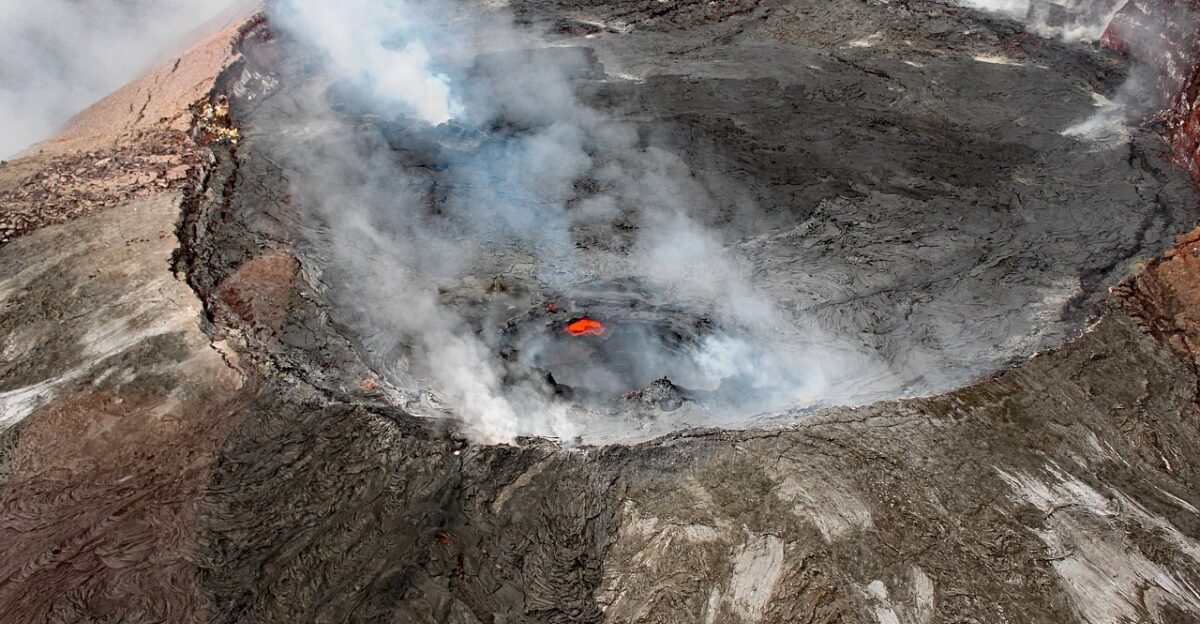
Hours after Episode 40 ended, tiltmeters detected 1.5 microradians of inflation as magma refilled the shallow chamber under Halemaʻumaʻu. Low-level tremor returned, signaling recharge. Scientists anticipate another fountaining within two weeks, part of a repeating cycle.
Big Island residents face ongoing adaptation: eruptions, alerts, indoor retreats for the vulnerable, brief quiets, then renewed activity. This rhythm defines life near one of Earth’s most active volcanoes, striking a balance between awe and vigilance as forecasting improves preparedness.
Sources:
USGS Hawaiian Volcano Observatory Volcanic Activity Notices – January 12–13, 2026
Hawaii County Civil Defense Alert – January 12, 2026
AccuWeather – “Kilauea’s latest eruption sent lava 800 feet high” – January 12, 2026
Big Island Now – “Episode 40 ends after nearly 10 hours of lava fountaining” – January 12, 2026
Big Island Video News – “High Lava Erupts In Kīlauea Episode 40, Alert Message Issued” – January 12, 2026
National Center for Biotechnology Information – “Acute health effects associated with exposure to volcanic air pollution” – December 2009