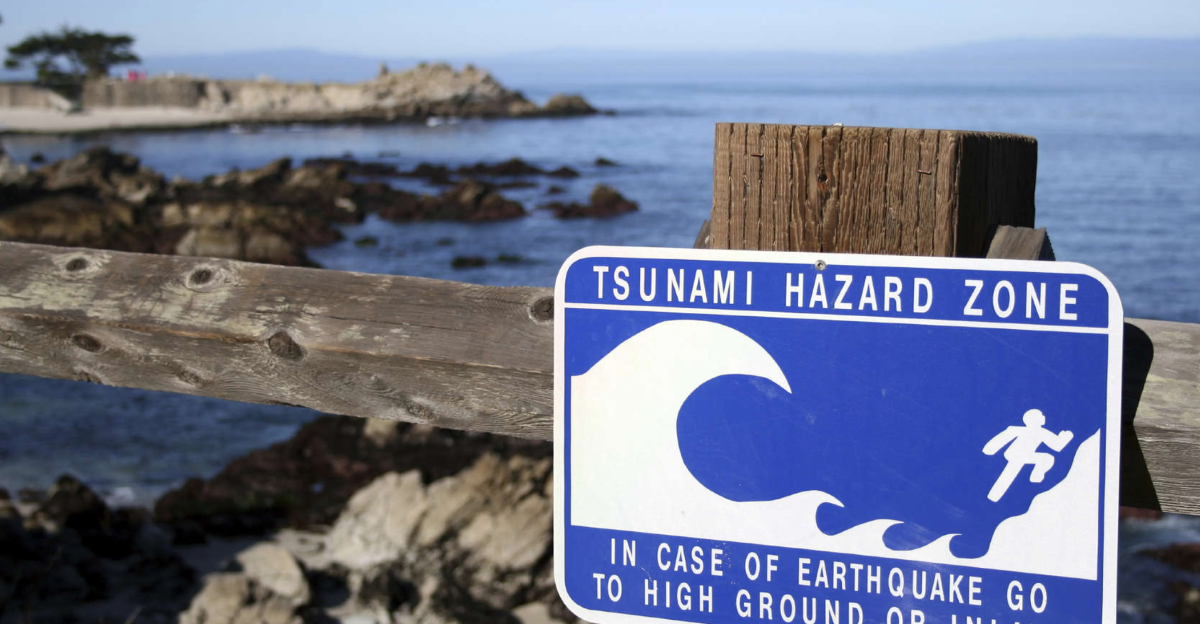
Most of us push some thoughts away as we don’t want to picture a wall of water tearing through our streets, ripping homes from their foundations, and erasing the places we love. But pretending it won’t happen doesn’t keep us safe.
History has already warned us; look at Alaska’s 1964 quake and Hawaii’s 1946 tsunami; these weren’t far-off tragedies but American realities. NOAA says tsunamis are still one of the most underestimated threats to our coasts, and I believe that denial is the most dangerous gamble we make.
Preparedness Isn’t Fear—It’s Hope
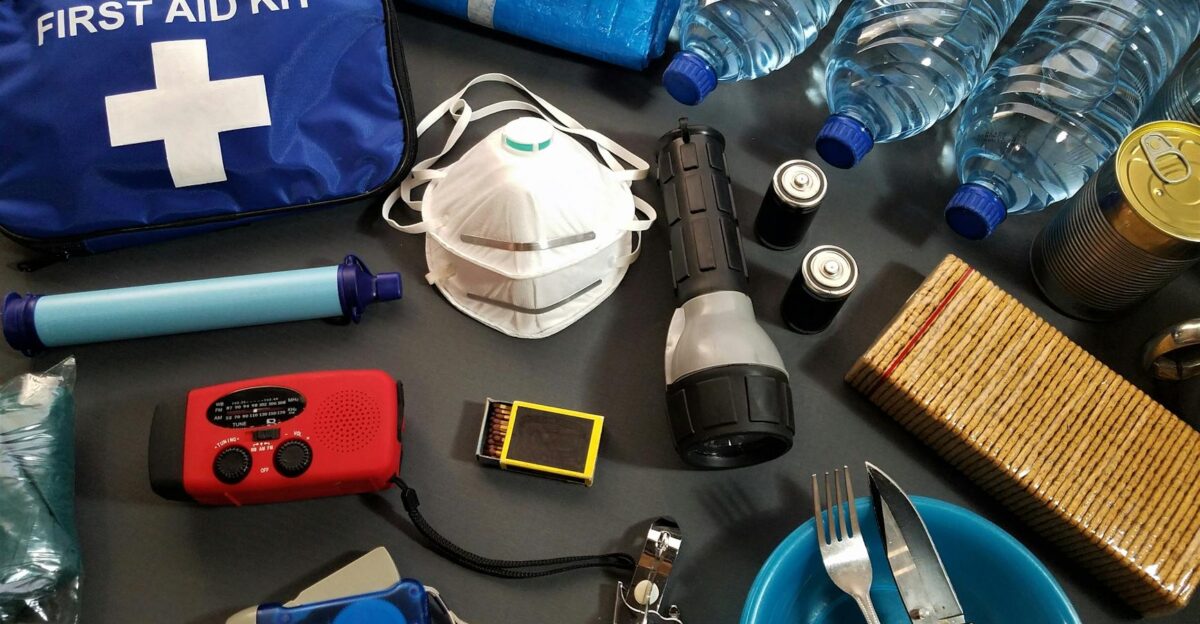
People sometimes tell me that planning for disaster feels like inviting it. I couldn’t disagree more. Psychologists note that readiness lowers fear and boosts resilience. Our family frames it as optimism, believing in tomorrow enough to prepare for it.
Every kit packed, every drill walked through, is a way of saying we have a future worth protecting. We’re betting on life, not loss. What follows isn’t theory; it’s what I’ve learned about how we can protect our homes and families before the next wave strikes.
1. Know Your Risk and Elevation—Where You Live Shapes Your Odds
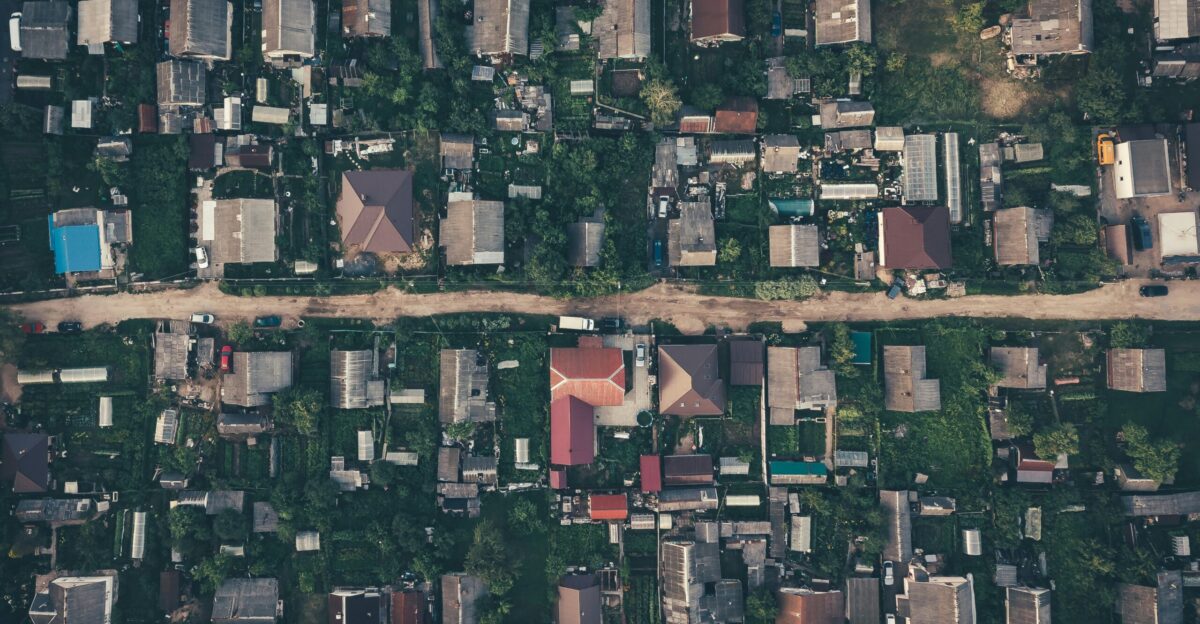
The first step is awareness. FEMA and state emergency maps outline tsunami inundation zones and elevation data. When I typed my address into one of these maps, the relief of knowing exactly where I stood was immediate. If your home sits low, don’t panic—plan. If it sits high, don’t grow complacent.
Location doesn’t just determine property value; it can also dictate survival. Emergency officials stress that awareness is the cheapest, most effective form of preparation. Knowledge turns uncertainty into action.
2. Practice Your Evacuation Routes Until They’re Habitual
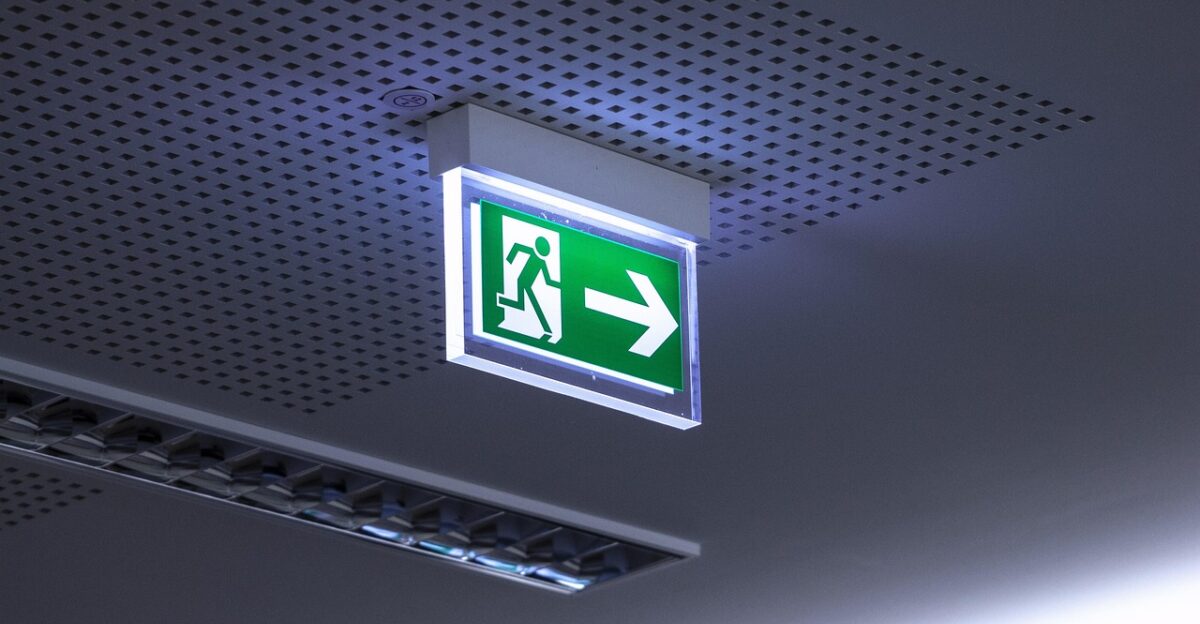
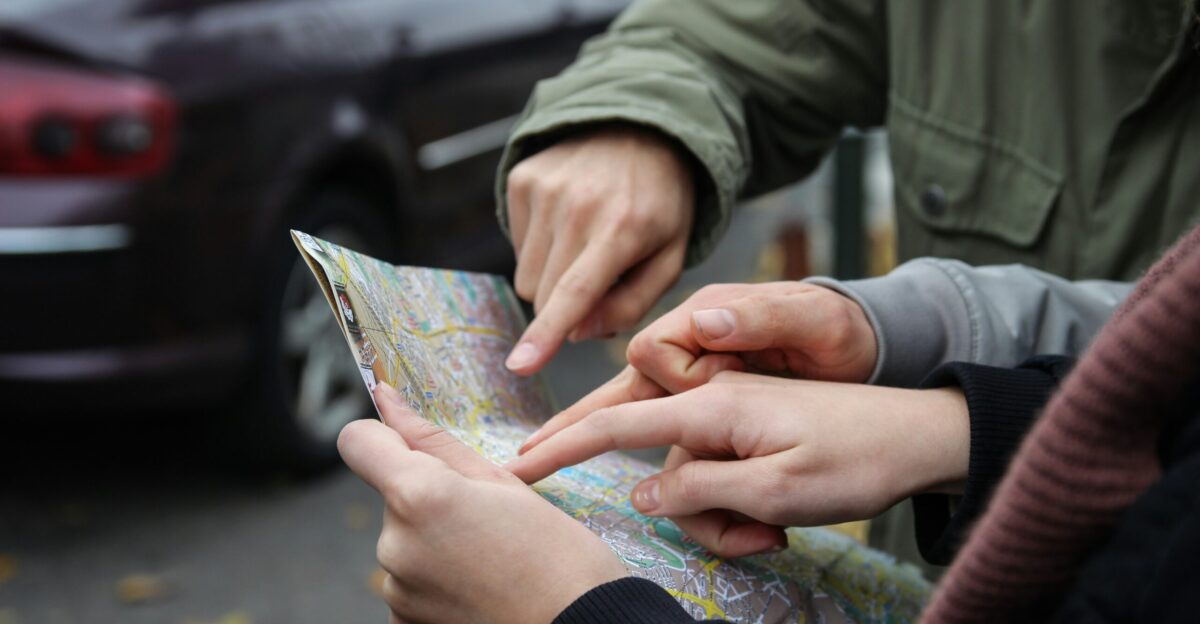
There’s no time to fumble with Google Maps when the ground shakes. My family has walked and driven our evacuation routes so often that the turns feel second nature. We even practiced at night, in the rain, to mimic stress. The Oregon Office of Emergency Management warns that confusion during evacuations costs lives, and they’re right.
Panic scrambles judgment, but muscle memory doesn’t. We timed ourselves, shaved minutes off, and turned chaos into routine. The truth is simple that when adrenaline spikes, your only safety net is repetition. Practicing today could mean survival tomorrow.
3. Build a Family Communication Plan—Connection Saves Lives
Disasters rarely unfold neatly as phones jam, towers fail, and panic clouds memory. We created a layered communication plan that includes a group text, an out-of-area contact, and two meeting spots outside the hazard zone.
We even made hand signals for when words won’t work. To me, connection is a lifeline, not a luxury. Knowing who checks on whom makes all the difference in the middle of fear. One text, one signal, one fallback plan, is how families hold together when the world falls apart.
4. Get Flood and Earthquake Insurance—Because Assumptions Kill
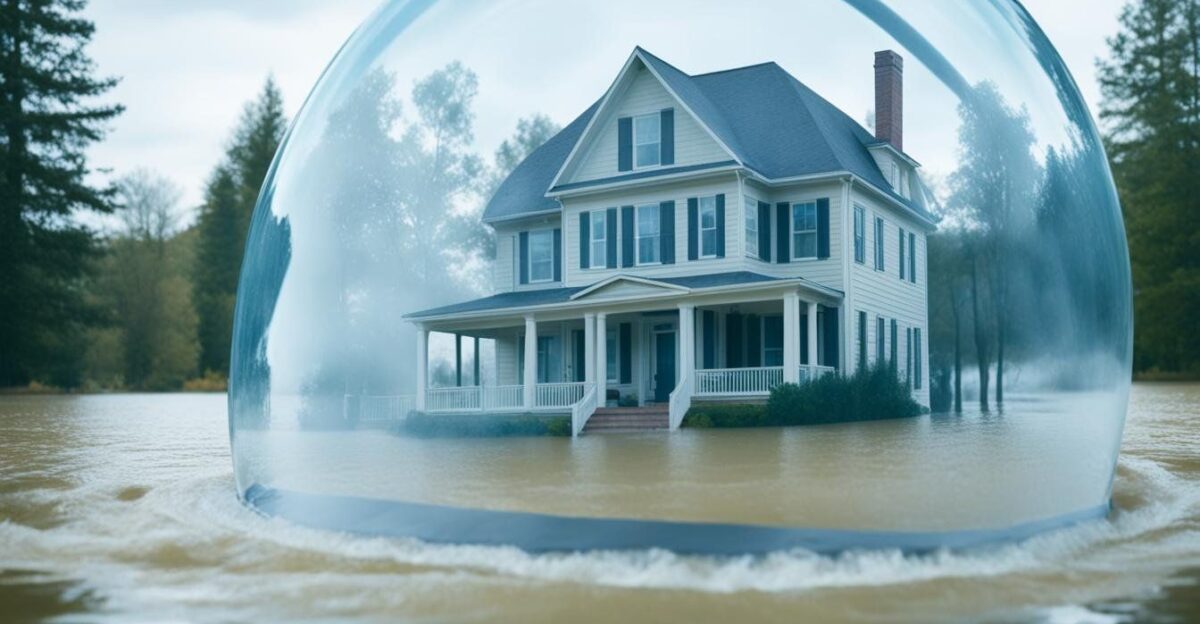
I used to assume my homeowner’s insurance covered me. Then I read the fine print. Standard policies exclude flood and earthquake damage, and tsunamis count as both. The Insurance Information Institute confirms you need separate coverage through private insurers or the National Flood Insurance Program.
I’ll admit, I winced at the cost. But I’ve since seen families lose homes with no safety net. The upfront sting of a premium is nothing compared to the agony of rebuilding alone. Protecting your savings is just another way of protecting your family.
5. Reinforce and Elevate—Let Your Home Do Some of the Work
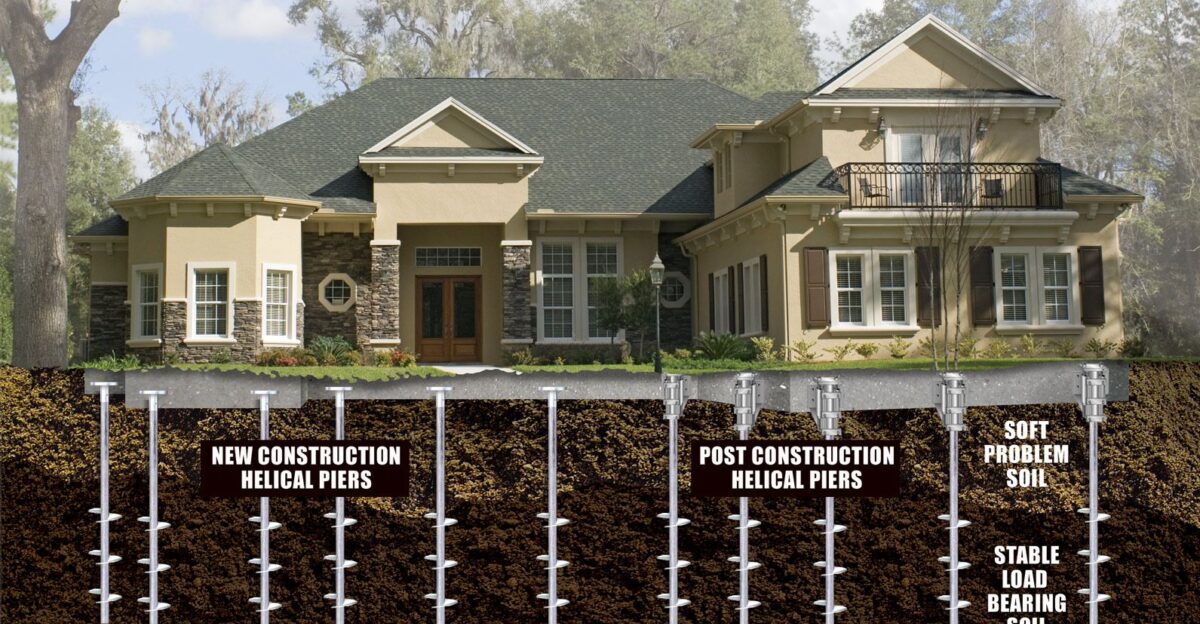
Waves don’t negotiate, but engineering buys time. After watching neighbors lose everything, we elevated our utilities, anchored our foundation, and upgraded to water-resistant siding. The American Society of Civil Engineers notes that elevated homes can dramatically reduce tsunami damage.
At first, it felt excessive. But standing in a reinforced house, I felt the difference, not invincibility, but resilience. These upgrades aren’t about showing off; they’re about sending a message to the people inside: “Your safety is worth every inch.” In my eyes, that’s what responsible ownership looks like: choosing strength over chance.
6. Shape the Flow—Barriers and Landscaping Count More Than You Think
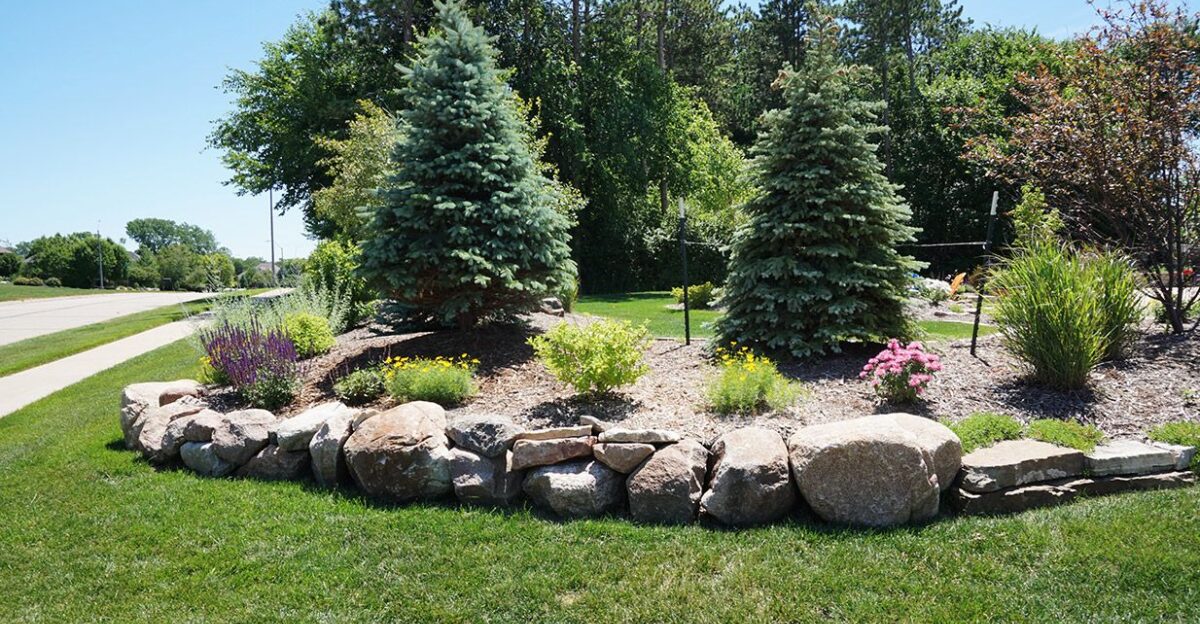
A few streets from my home, a family built a small berm protecting half their block during flooding. That taught me that thoughtful landscaping saves more than gardens. With guidance from civil engineers, barriers, ditches, and grading can redirect water safely. But here’s the risk: poorly placed barriers can backfire, pushing water onto neighbors.
That’s why expert input matters. I see it as community stewardship, not just self-preservation. When you landscape with resilience, you’re not just protecting your house; you’re quietly protecting everyone who shares your street.
7. Secure Valuables and Utilities Before the Wave Arrives
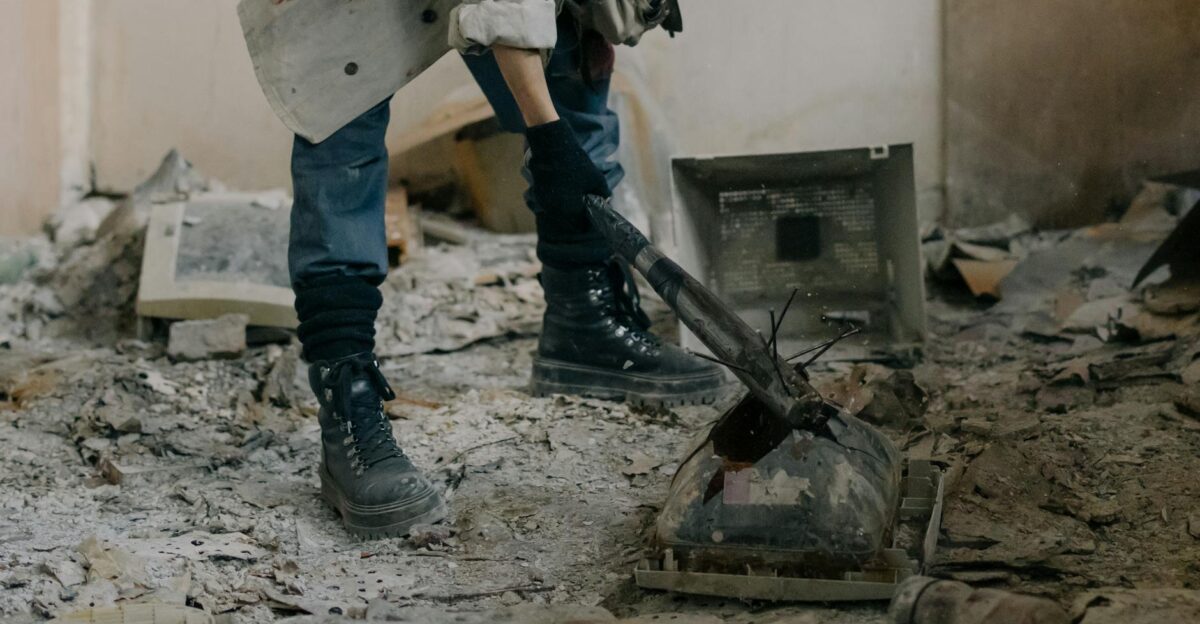
After the 2011 Japan tsunami, the U.S. Geological Survey reported that fires from damaged utilities destroyed entire neighborhoods. That image stuck with me. Since then, we’ve anchored waterproof safes upstairs, raised our electrical panels, and strapped down the water heater. Irreplaceable documents and electronics sit where water can’t touch them.
It feels like small work, but the peace of mind is vast. I’ve learned that surviving the wave isn’t enough; you must endure what comes after. Securing valuables and utilities is how you stop one disaster from becoming three.
8. Pack and Rotate Emergency Kits—Because Seconds Disappear
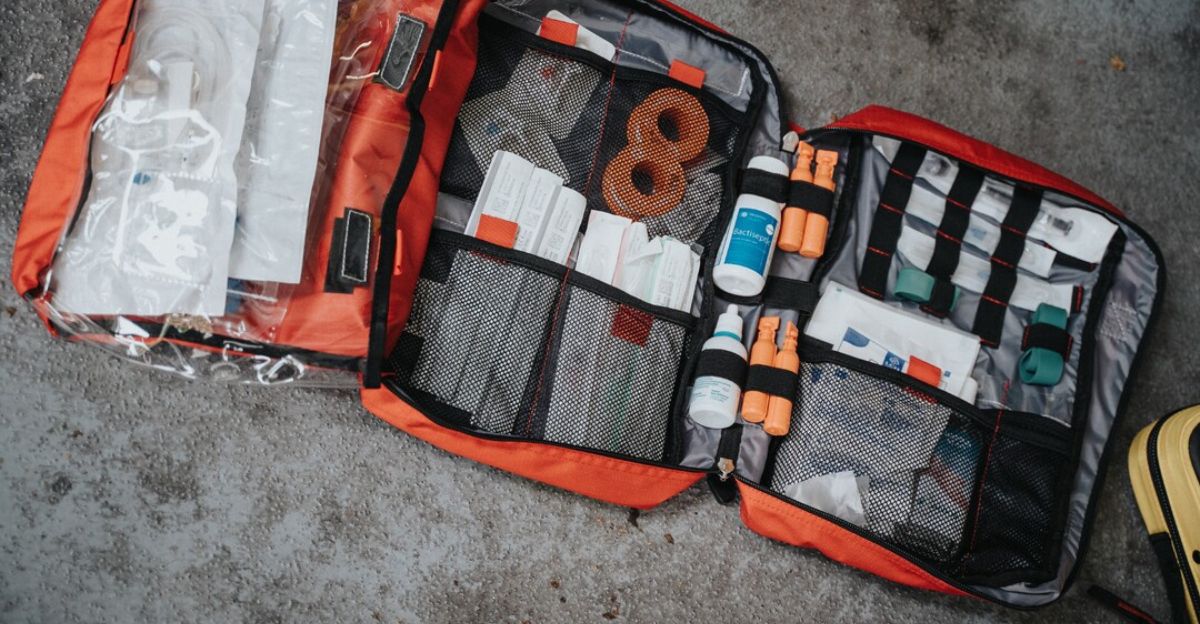
The “go bags” sit ready near the door in our house. They’re filled with the basics, such as food, water, flashlights, chargers, first aid, and pet supplies. The Red Cross recommends refreshing kits every six months, and I’ve made it part of our family calendar.
We even practiced grabbing them at night, half-awake, to see if we could do it fast. I’ve realized that the bag isn’t just a tool, it’s hope, condensed into something you can carry on your back. When the seconds evaporate, that bag may be the only constant.
9. Register for Alerts—Minutes Can Be the Difference
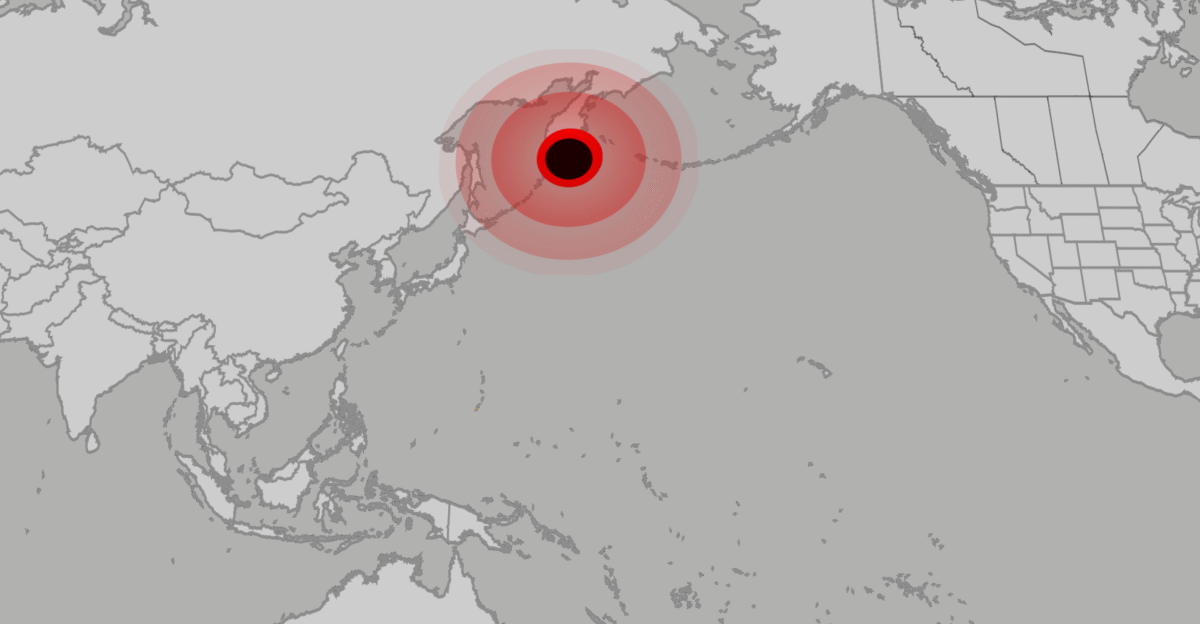
Tsunami sirens once felt like background noise to me. Not anymore. Now, I’m signed up for local text alerts, NOAA weather radios, and community warning systems. According to NOAA, adequate early warnings have saved thousands of lives globally. But only if people pay attention.
That’s why we’ve taught our kids what “watch” and “warning” mean, and why every test matters. Alerts don’t guarantee survival, but they give you time. And in a tsunami, time is everything. Ignoring them is like throwing away the one advantage nature still gives you.
10. Trust Nature’s Warnings—When in Doubt, Move Now
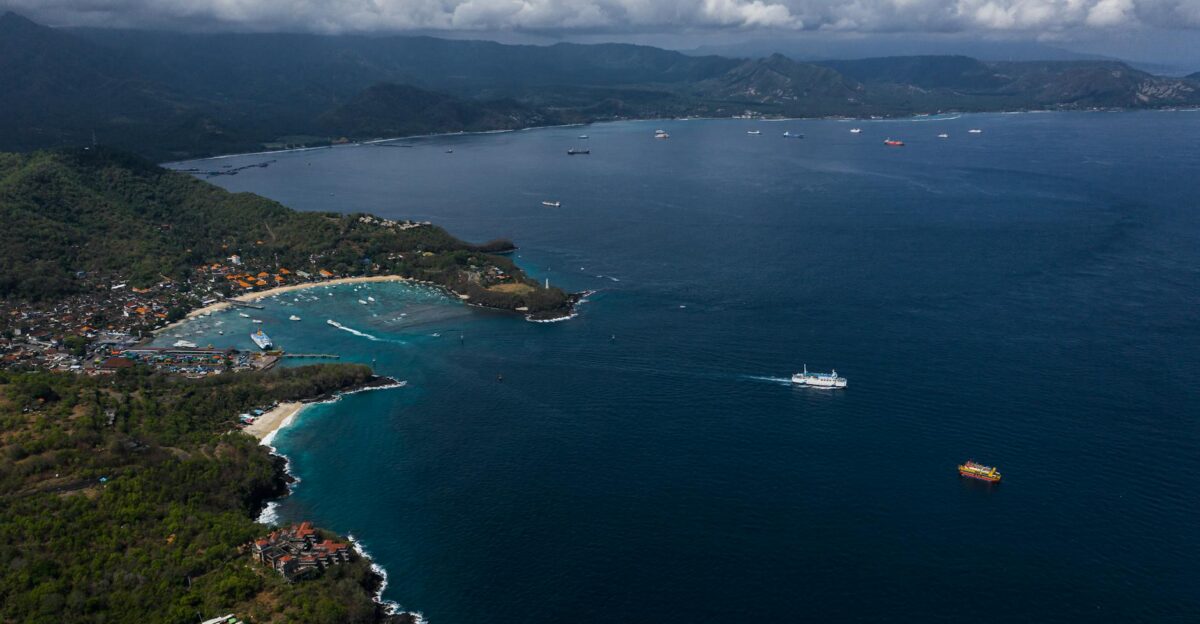
Technology isn’t always faster than instinct. The Pacific Tsunami Warning Center says nature’s signs—sudden sea retreat, strange roaring sounds, earthquake shaking—are the clearest signals to act. Our family rule is don’t wait for permission. Move first, verify later.
The hardest part is overcoming hesitation. We’re wired to seek confirmation. But in a tsunami, minutes aren’t generous. This lesson lingers most: the best preparation is decisive action when instincts scream “go.” Trusting nature could save your life when sirens come too late.
The Waves Have Hit Us Before
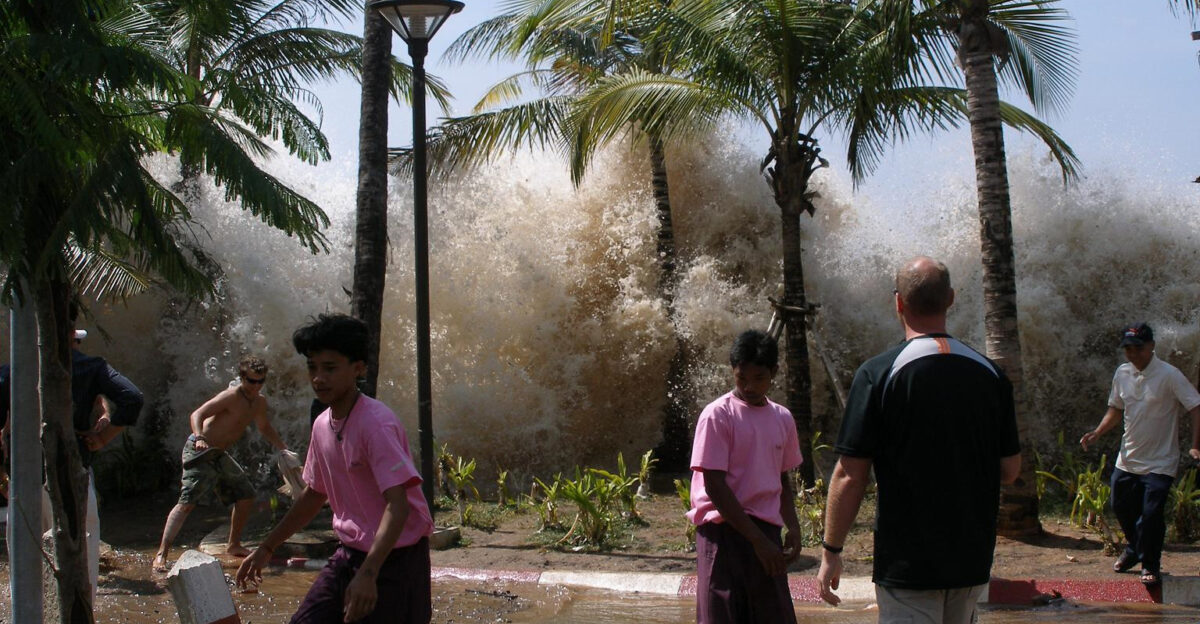
Tsunamis may feel like distant news, but they’ve already torn through American coastlines. In 1964, a 9.2-magnitude quake in Alaska triggered waves that killed more than 100 people across several states, according to the USGS. In Hawaii, the 1946 tsunami demolished Hilo, leaving over 150 dead.
These aren’t just numbers; they’re neighbors, families, and histories. Remembering them keeps the risk real. Forgetting only tempts us to repeat it. When I meet new neighbors, I share these stories because memory isn’t just history; it’s survival training passed forward.
The Regret Survivors Carry
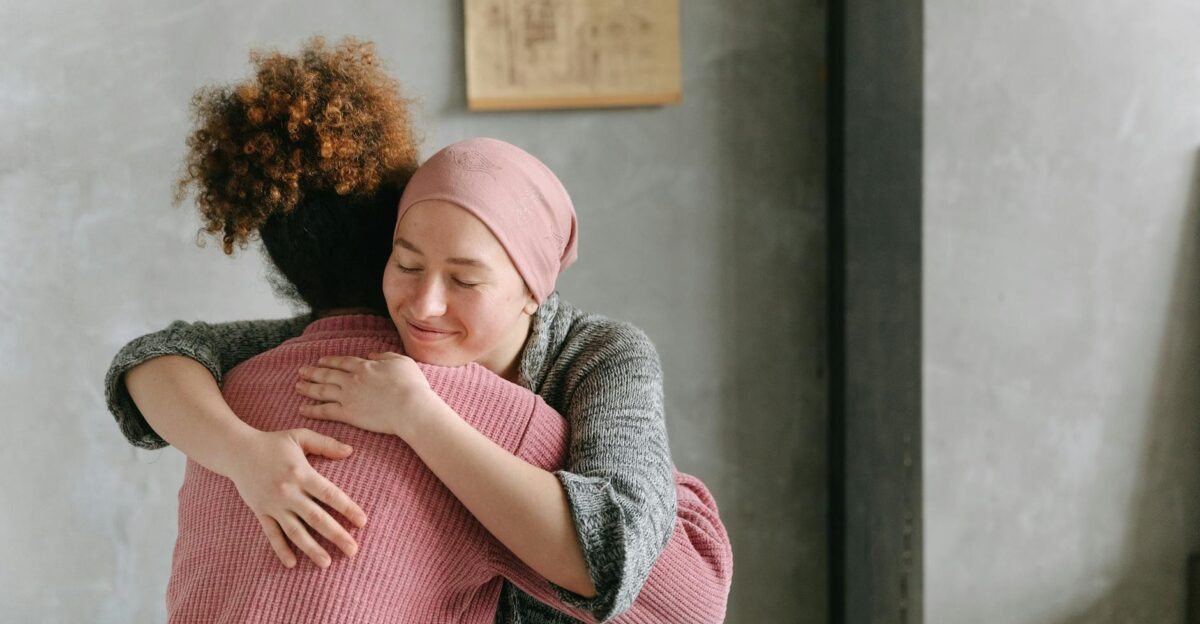
I once spoke to a survivor who told me she thought she had “five more minutes.” That phrase haunts me. She didn’t. Researchers at the University of Washington found preparedness strongly shapes survival rates in tsunami-prone communities. Survivors often replay one missed detail, like no kit, insurance, or evacuation practice.
It’s not guilt, it’s a heavy kind of wisdom. Their regrets aren’t cautionary tales meant to frighten; they’re gifts, urging us not to wait. I hear their voices as reminders that every day spent unprepared is a gamble against time.
Strength in Numbers
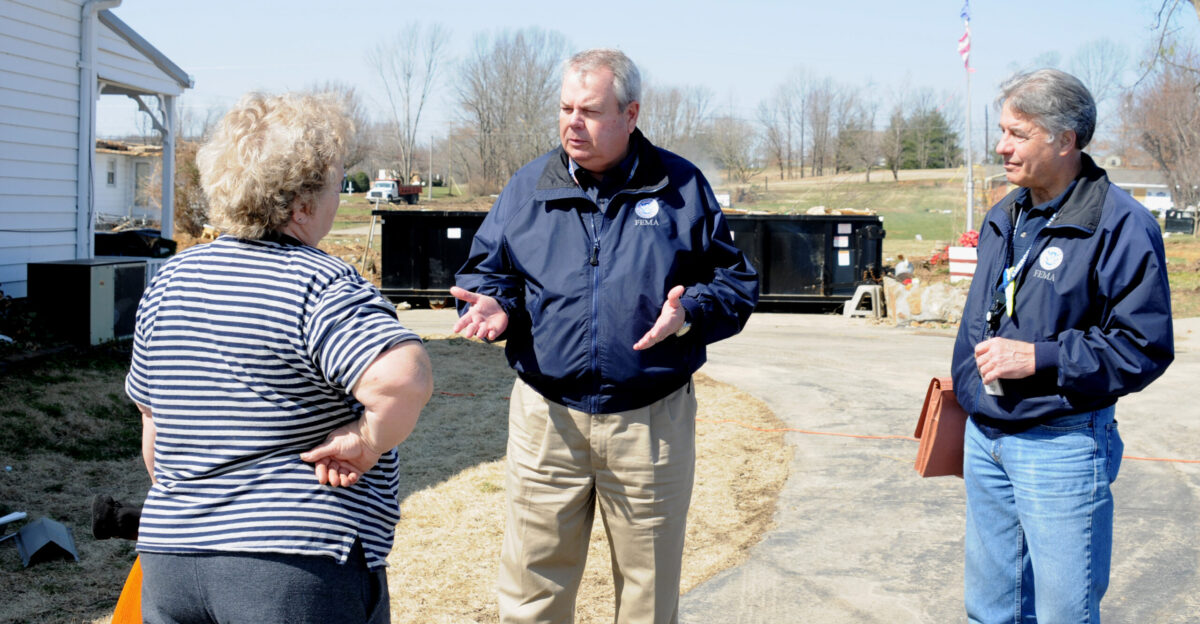
Preparedness multiplies when communities act together. My neighborhood runs drills where schools, churches, and families map escape routes. FEMA data shows survival rates rise dramatically when towns coordinate evacuations. To me, this isn’t just safety, it’s solidarity.
When we share supplies, post maps, and practice as a group, we send a quiet message that nobody here is facing this alone. That sense of togetherness doesn’t just protect lives, it accelerates recovery. The strongest foundation we can build isn’t concrete. It’s community trust.
Planning With Compassion
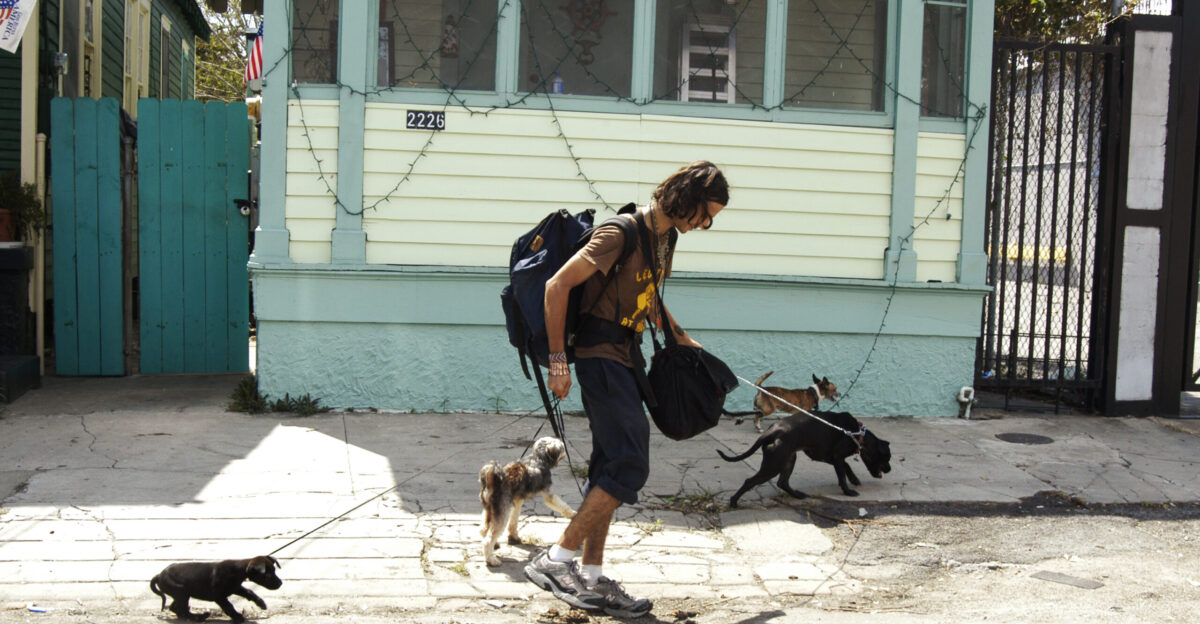
Preparedness loses meaning if anyone gets left behind. That’s why we’ve practiced evacuations with leashes, carriers, and wheelchairs. The CDC reminds us to include pets and vulnerable people in planning. It’s easy to picture disaster as an individual challenge, but the truth is, escape slows when someone struggles.
Assigning neighbors to help, packing medicine, and even adding comfort items are all acts of compassion that double as survival. To me, actual readiness means that nobody gets forgotten—not pets, not grandparents, not neighbors. Everyone counts.
Rebuilding With Wisdom
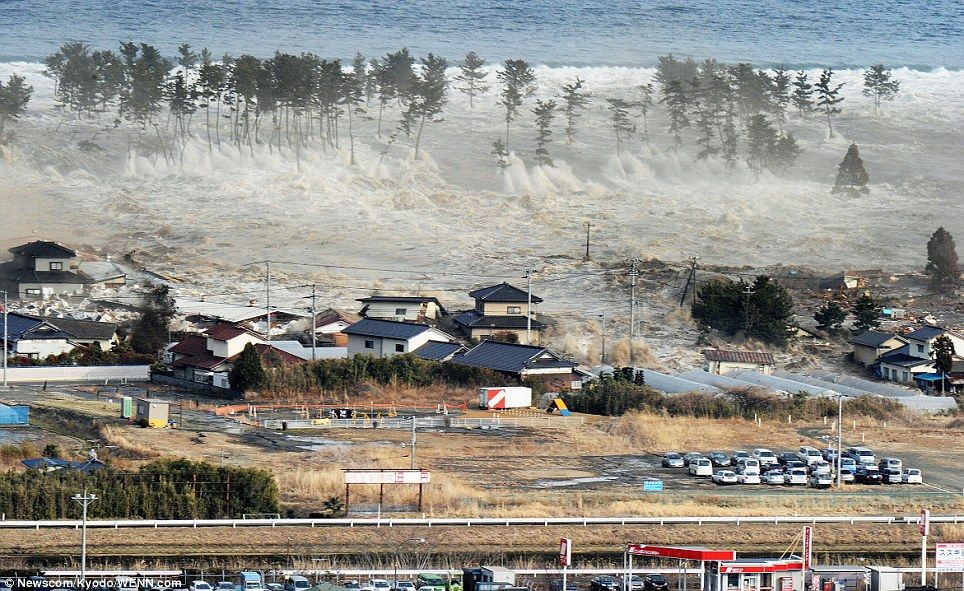
After a disaster, people crave normalcy. But rebuilding exactly as before only repeats the cycle. The Earthquake Engineering Research Institute urges communities to use grants and new codes to build stronger, elevated, and more resilient homes.
I see rebuilding as storytelling. It’s how we write the next chapter of survival. Every stronger wall and raised floor honors those who suffered before. When we rebuild wisely, we restore what was lost and create a safer inheritance for future generations.
Records That Shorten Recovery
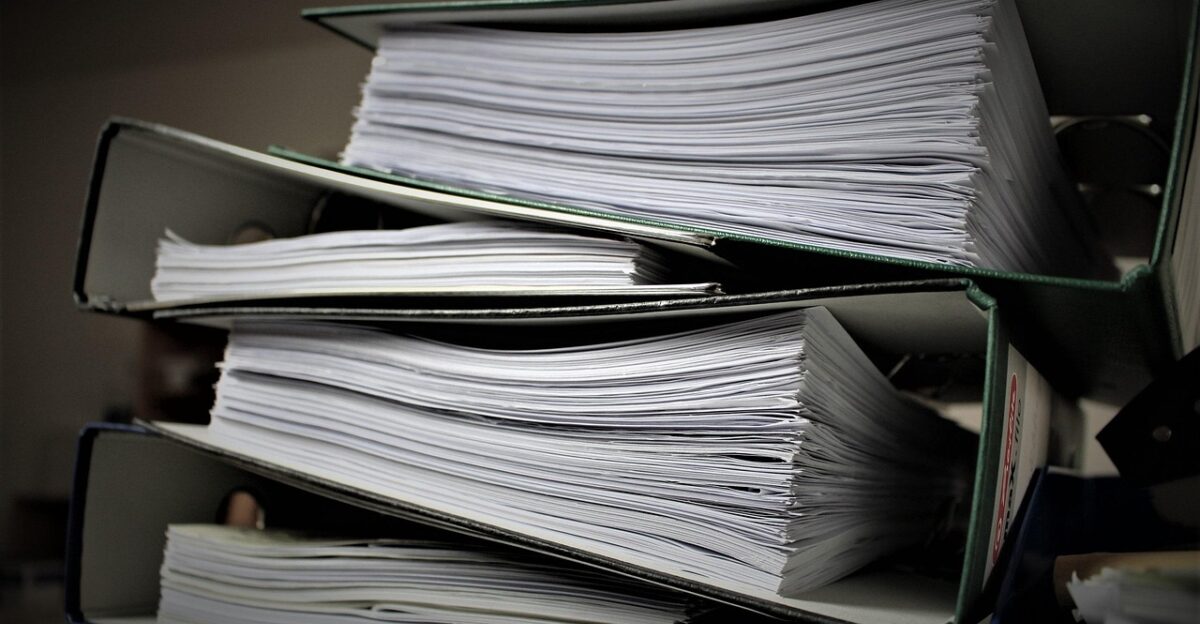
Paperwork may not feel heroic, but it’s powerful in disaster recovery. The National Association of Insurance Commissioners stresses that home inventories and scanned IDs can shave months off the claims process. That’s why I’ve digitized everything: one copy online and one offsite.
After a disaster, grief feels heavier when it’s tangled in bureaucracy. I’ve seen families stuck in limbo simply because they couldn’t prove ownership. Having records ready isn’t tedious; it’s merciful. It bridges chaos and recovery, saving time when you need it most.
When the Only Way Out Is Up
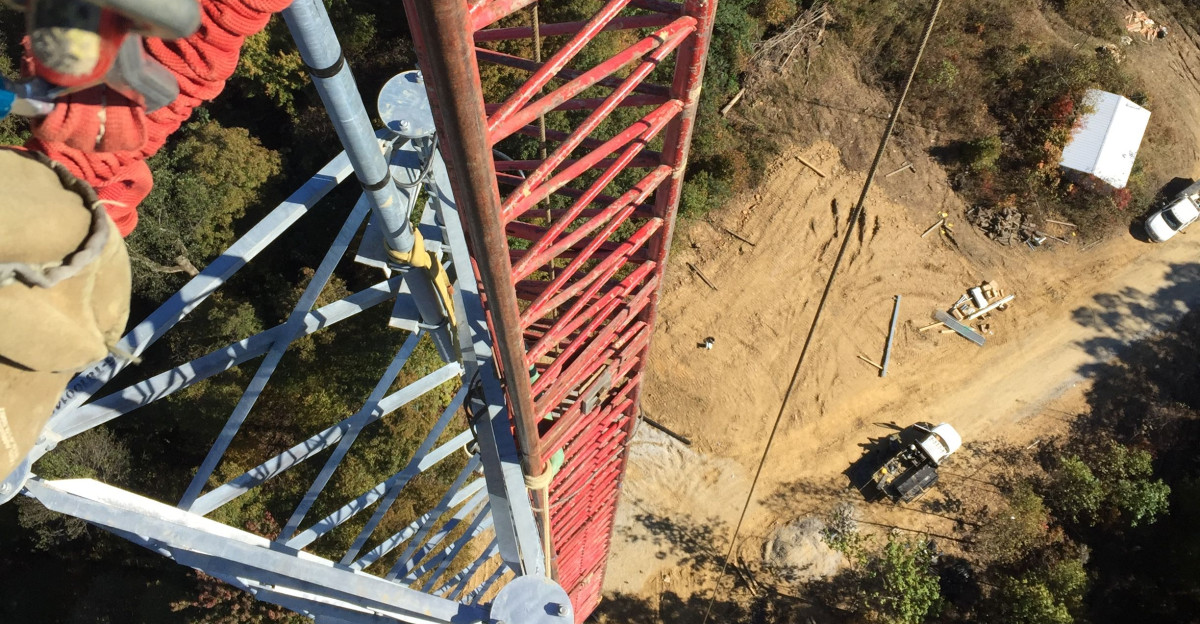
In flat coastal towns, “go inland” isn’t always an option. That’s why NOAA pushes vertical evacuation, which is reinforced towers which residents can climb to be above the wave. I’ve researched the tallest buildings in my town and asked about their shelter policies. Some even designate official “safe floors.”
The first time I explained this to my daughter, she looked at me wide-eyed and said, “So we go up, not out?” Exactly. Sometimes the shortest distance to safety is simply higher ground, even if it’s artificial.
Love Is the Real Reason to Prepare
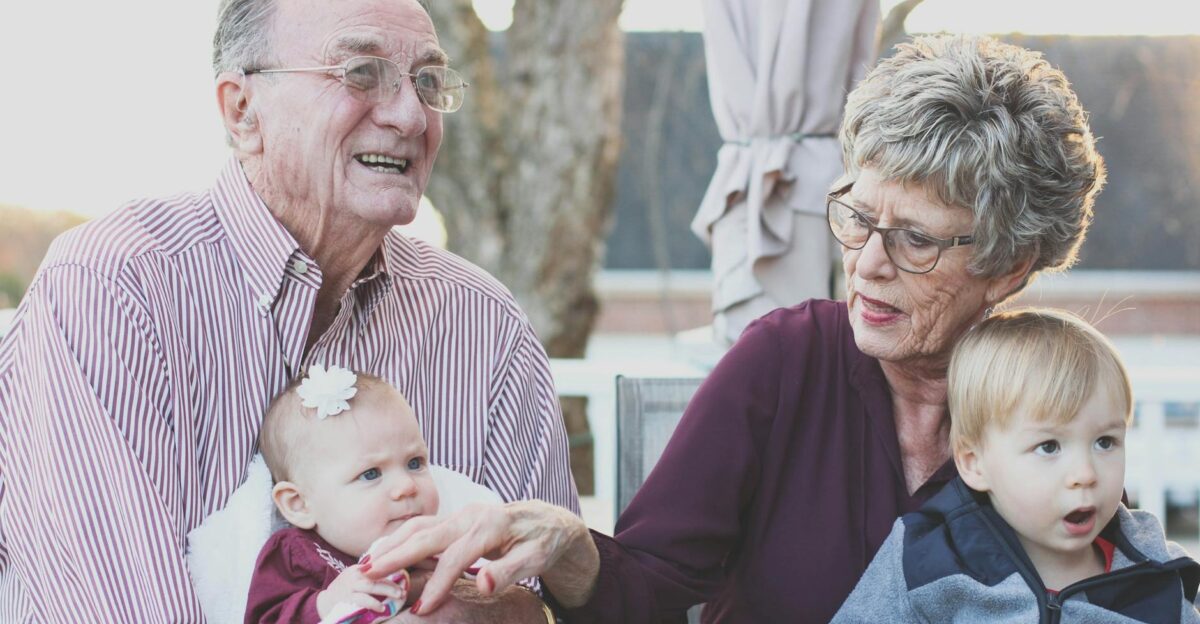
This isn’t about maps, kits, or policies. It’s about love. Every step you take of packing a bag, reinforcing a wall, signing up for alerts, is a way of saying, “I want you safe.” Tsunami preparation isn’t technical work; it’s emotional work. It’s parenting, partnering, and neighborly compassion in its most valid form.
To me, readiness is simply love in motion, protection born out of hope. Don’t wait for disaster to decide your family’s future. Choose now, while you can, to love through preparation.